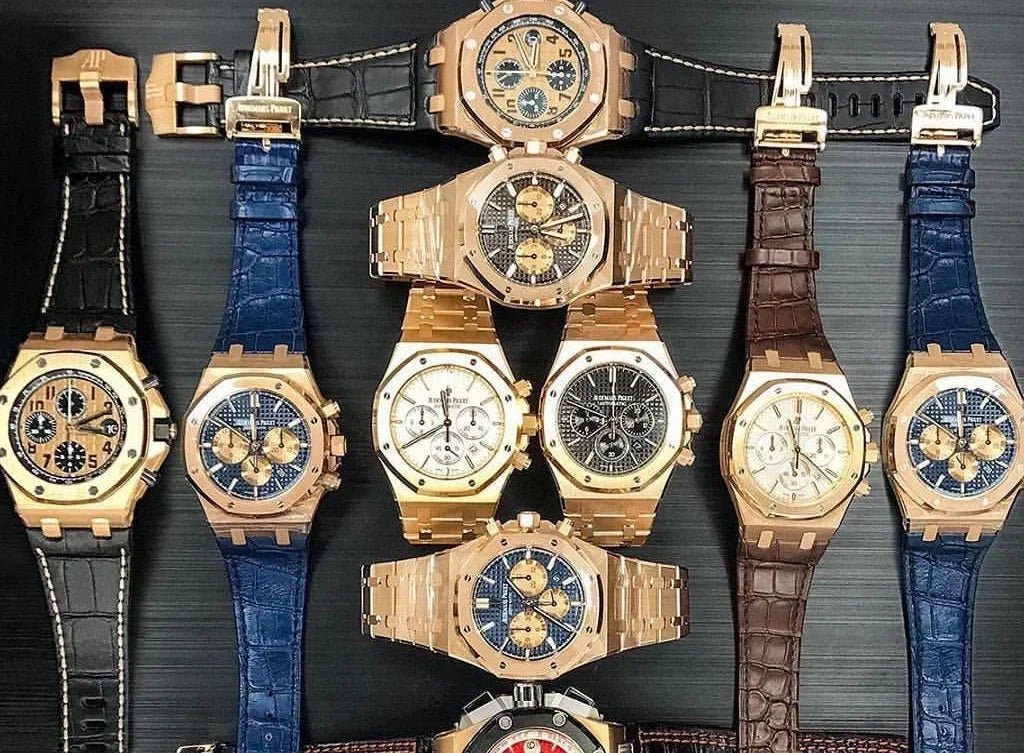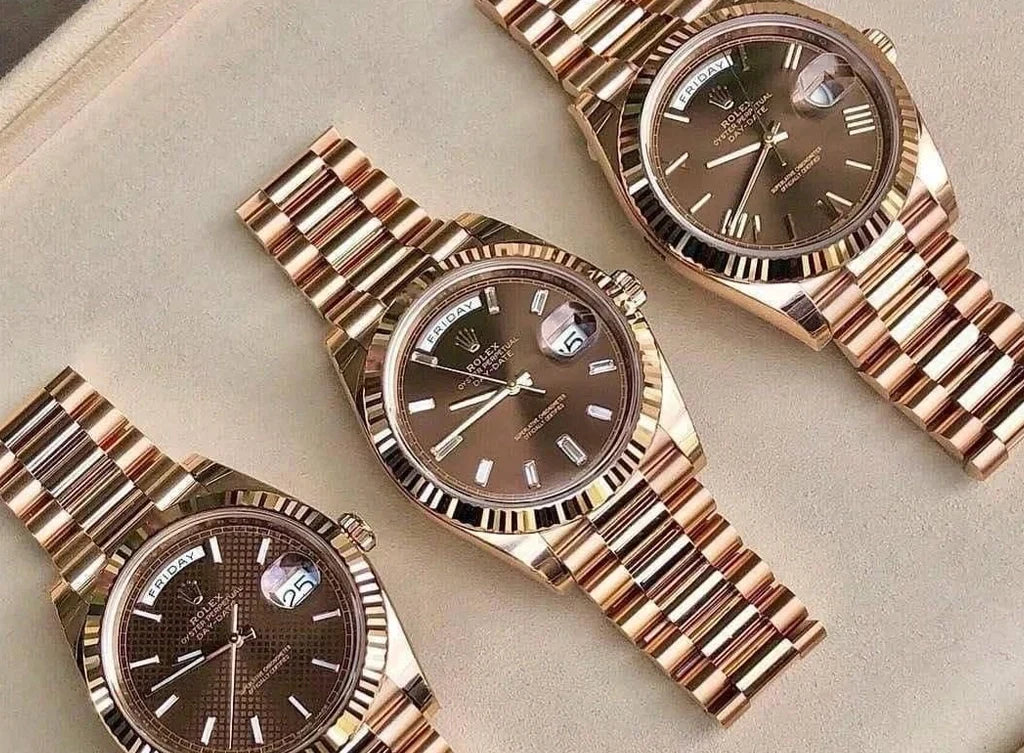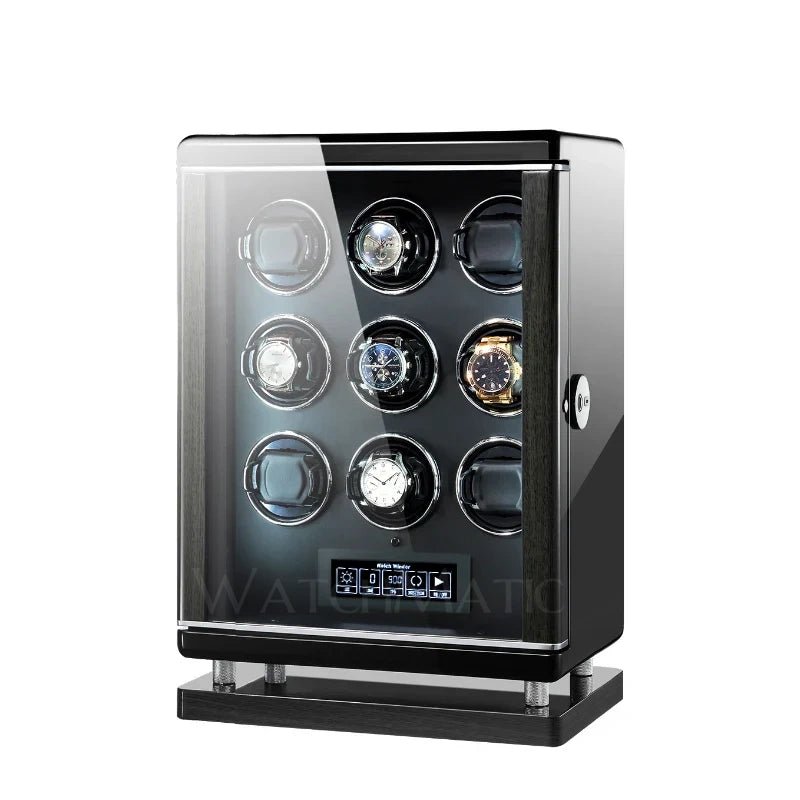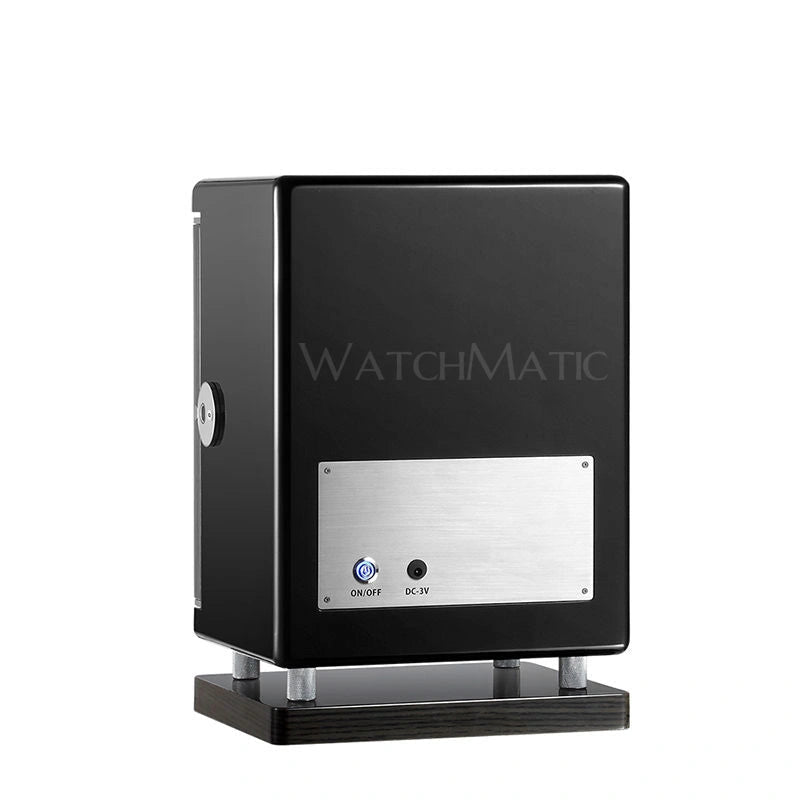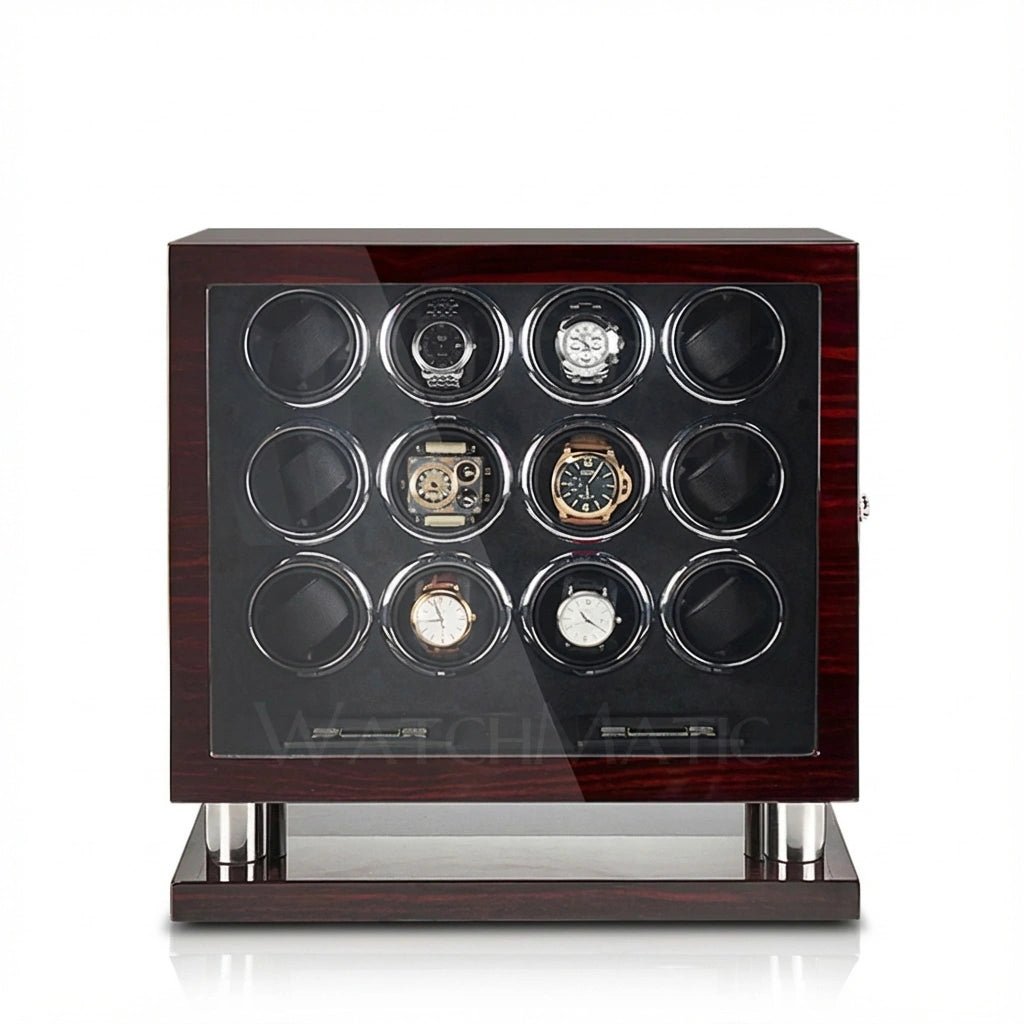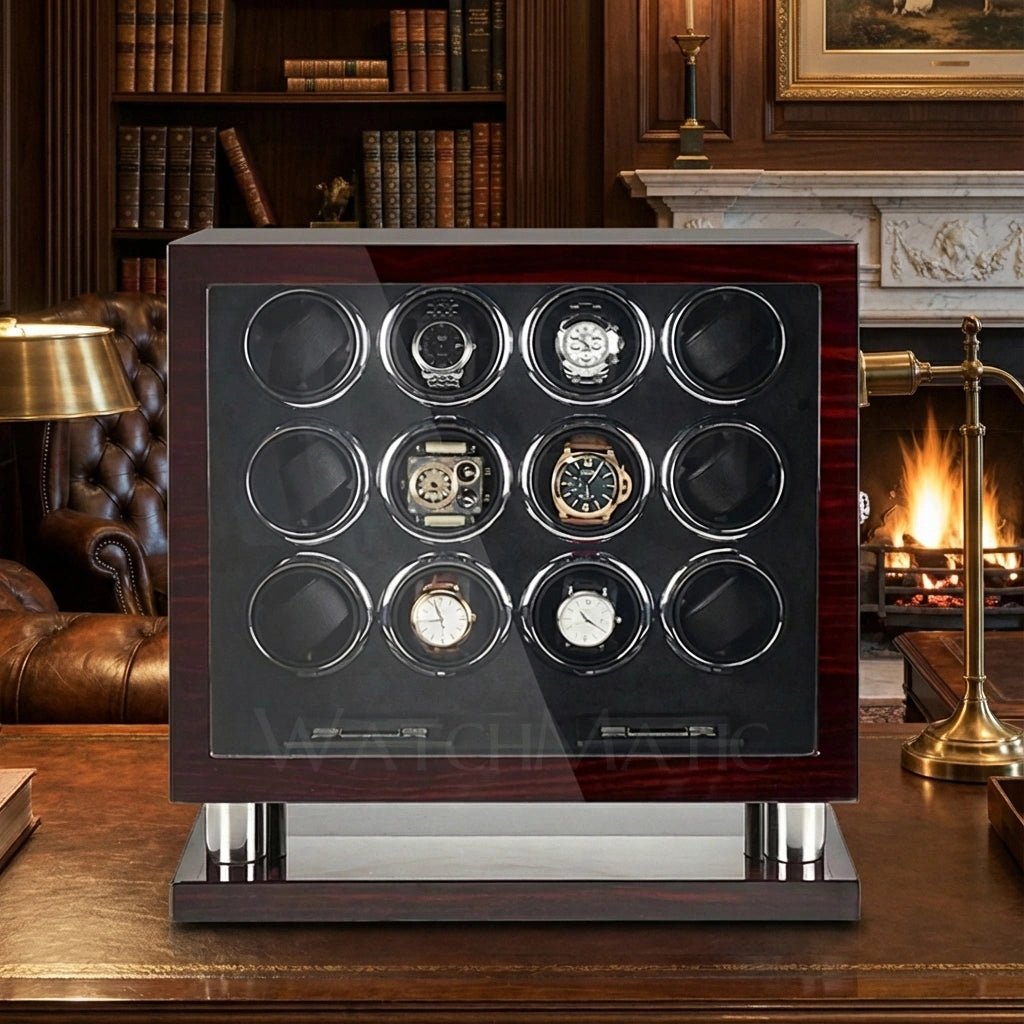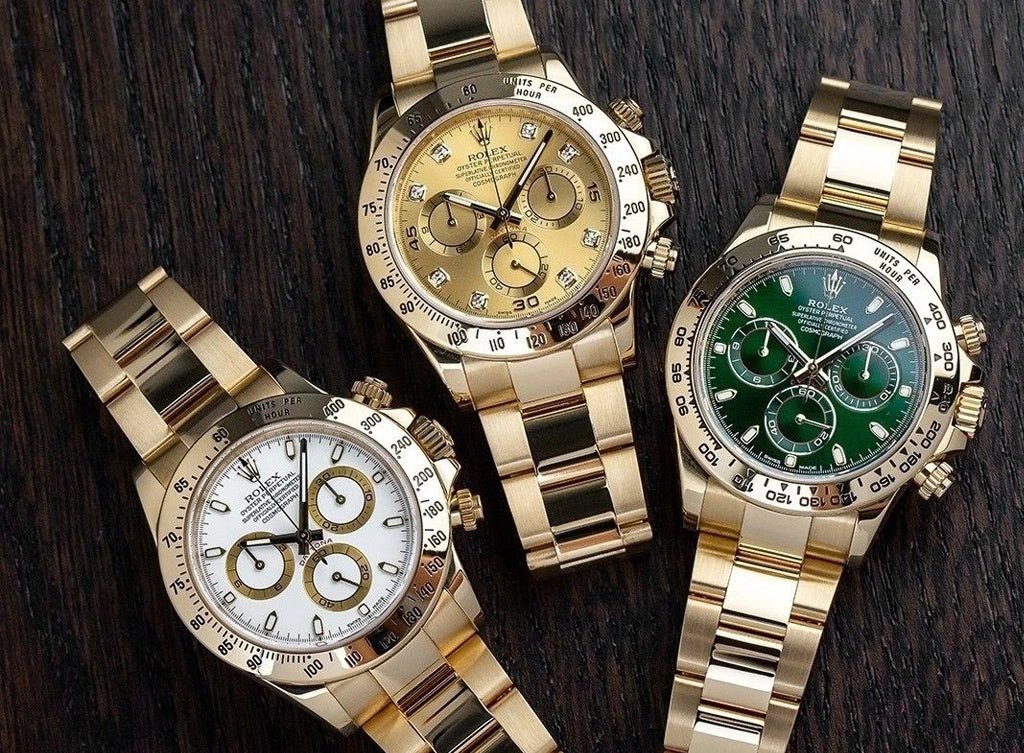
To keep an automatic watch in good condition, protect it from unnecessary impacts, moisture, dust, strong magnetic fields, and improper handling while following a consistent cleaning, storage, and servicing routine. An automatic watch does not need to remain running at all times, but a programmable watch winder can be useful when a watch is frequently rotated and needs to stay ready to wear.
For collectors, maintaining good condition is ultimately about balancing care, proper storage, regular use, and professional servicing.
What Does “Good Condition” Mean for an Automatic Watch?
Keeping an automatic watch in good condition means more than making sure it still runs.
A well-maintained watch should ideally retain:
- Good mechanical performance
- Consistent timekeeping
- Clean case and bracelet
- Intact crystal
- Proper crown operation
- Appropriate water resistance
- Good strap or bracelet condition
- Clean, secure storage
- Complete service records
For valuable luxury watches, preserving the physical condition and mechanical condition together is especially important.
A watch can still function while showing signs of poor handling, excessive wear, or inadequate storage.
1. Wear the Watch Appropriately
Automatic watches are designed to be worn, but different watches are built for different environments.
A rugged sports watch may tolerate more activity than a thin dress watch.
Consider the construction and intended use of your specific watch before wearing it during:
- Heavy manual work
- Contact sports
- High-impact activities
- Repeated vibration
- Activities involving significant risk of dropping the watch
Being careful does not mean keeping the watch permanently locked away.
It means understanding what the watch was designed to handle.
2. Avoid Unnecessary Impacts
Mechanical movements contain many small components working together.
A significant impact can potentially affect:
- Balance components
- Rotor
- Movement pivots
- Hands
- Crown mechanism
- Bracelet or clasp
- Crystal
If the watch experiences a substantial impact, pay attention to how it performs afterward.
Signs worth checking include:
- Sudden changes in accuracy
- Unusual sounds
- Reduced power reserve
- Difficulty winding
- Repeated stopping
- Hands behaving unexpectedly
If something changes noticeably, professional inspection is preferable to simply continuing to wear the watch.
3. Keep the Watch Clean
Regular exterior cleaning is one of the simplest ways to preserve a watch's condition.
Dust, sweat, fingerprints, and skin oils can accumulate around:
- Case edges
- Bracelet links
- Clasp
- Crown
- Caseback
- Strap
For routine care, use an appropriate soft, clean cloth.
The cleaning method should match the watch's materials.
A stainless-steel bracelet, ceramic case, precious-metal case, and leather strap should not necessarily be treated in exactly the same way.
4. Take Special Care of Leather Straps
Leather straps require more attention than many metal bracelets.
Avoid unnecessary exposure to:
- Water
- Sweat
- Steam
- High humidity
- Direct heat
A leather strap can deteriorate even when the watch movement itself is functioning perfectly.
If you rotate several watches, giving leather straps time away from moisture and excessive wear can help preserve their appearance and structure.
5. Protect the Watch From Water and Moisture
Water resistance should never be assumed to be permanent.
Gaskets and seals can age, and water resistance can be affected by servicing, impact, or improper crown operation.
Always follow the manufacturer's specifications.
Pay particular attention before:
- Swimming
- Showering
- Diving
- Using the watch around high-pressure water
- Entering a sauna or steam room
A watch designed for diving is not automatically appropriate for every water-related environment.
What About Steam?
Steam and high heat can be particularly unsuitable for mechanical watches.
Even when a watch has a high water-resistance rating, avoid assuming that this makes it appropriate for a sauna or steam room.
6. Keep the Crown in the Correct Position
The crown is one of the most important interfaces between the wearer and the movement.
After winding or setting the watch, make sure it is returned to the correct position.
For screw-down crowns, ensure the crown is properly secured according to the manufacturer's instructions before exposing the watch to water.
Never force a crown that feels unusually tight or resistant.
7. Protect the Watch From Strong Magnetic Fields
Magnetic exposure is another consideration for maintaining mechanical accuracy.
Strong magnetic fields can affect components of some mechanical movements.
At home, be aware of storage locations near:
- Strong speakers
- Magnetic accessories
- Certain electronic equipment
- Powerful magnetic closures
- Other significant magnetic sources
If a watch suddenly begins running unusually fast or behaves differently after potential magnetic exposure, professional assessment may be appropriate.
For collectors using watch winders, anti-magnetization protection can also be a useful feature to consider when selecting premium storage.
8. Store the Watch Properly When You Are Not Wearing It
Good condition is often preserved during the hours when the watch is not on your wrist.
Avoid leaving a luxury automatic watch:
- Loose in a drawer
- On a hard surface
- Exposed on an open shelf
- Beside other watches
- In a humid environment
- In direct sunlight
A dedicated watch box provides individual compartments and cushions.
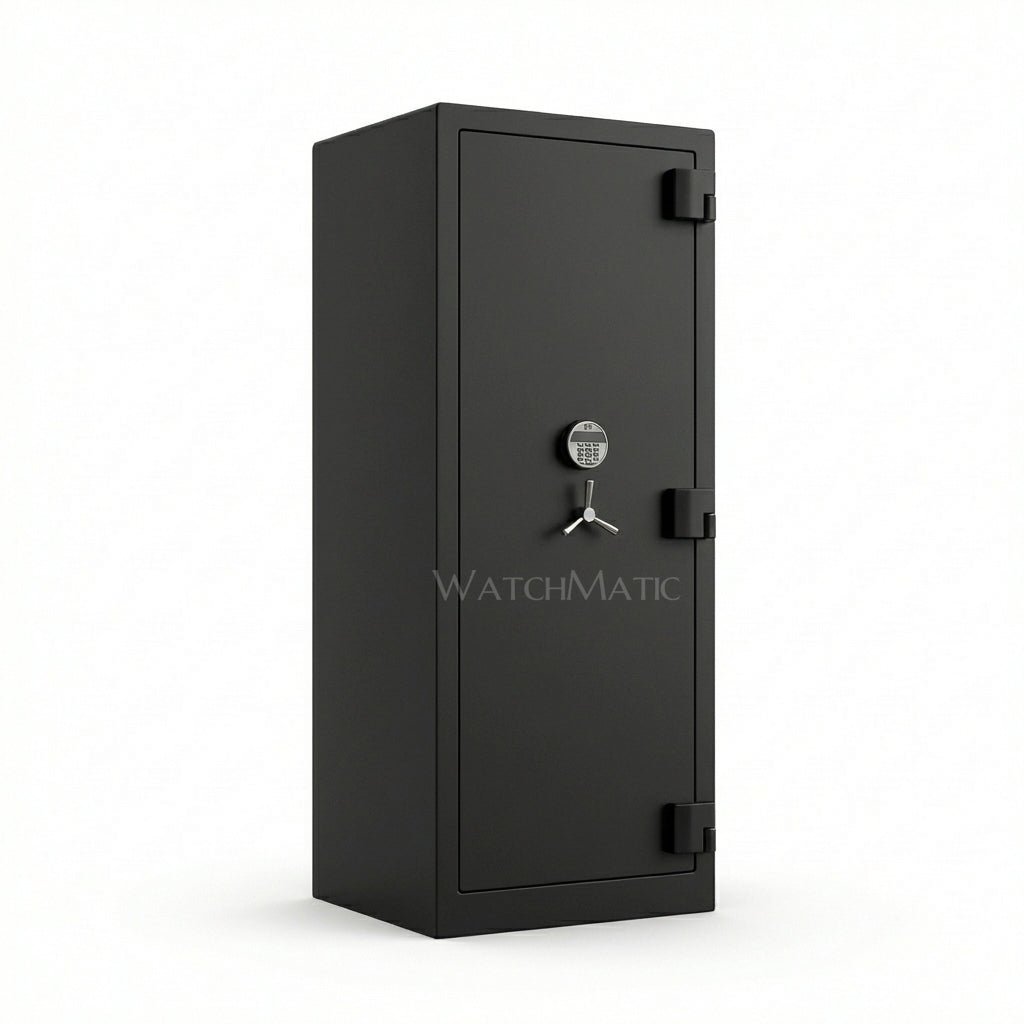
For larger collections, a secure watch cabinet or luxury watch safe provides a more comprehensive environment.
Explore the Watch Boxes collection for simpler storage solutions.
Related Storage Guides
For more detailed information, see:
Best Way to Store Luxury Watches
How to Store Luxury Watches at Home
9. Should You Keep an Automatic Watch Running?
Not necessarily.
Allowing an automatic watch to stop when it is not being worn does not automatically mean that the watch is being neglected.
If you wear it frequently, keeping it running may simply be more convenient.
If you wear it once a month, there may be little practical reason to keep it continuously running.
The important thing is to store it properly regardless of whether the movement is running.
10. Use a Watch Winder for Convenience, Not as a Maintenance Requirement
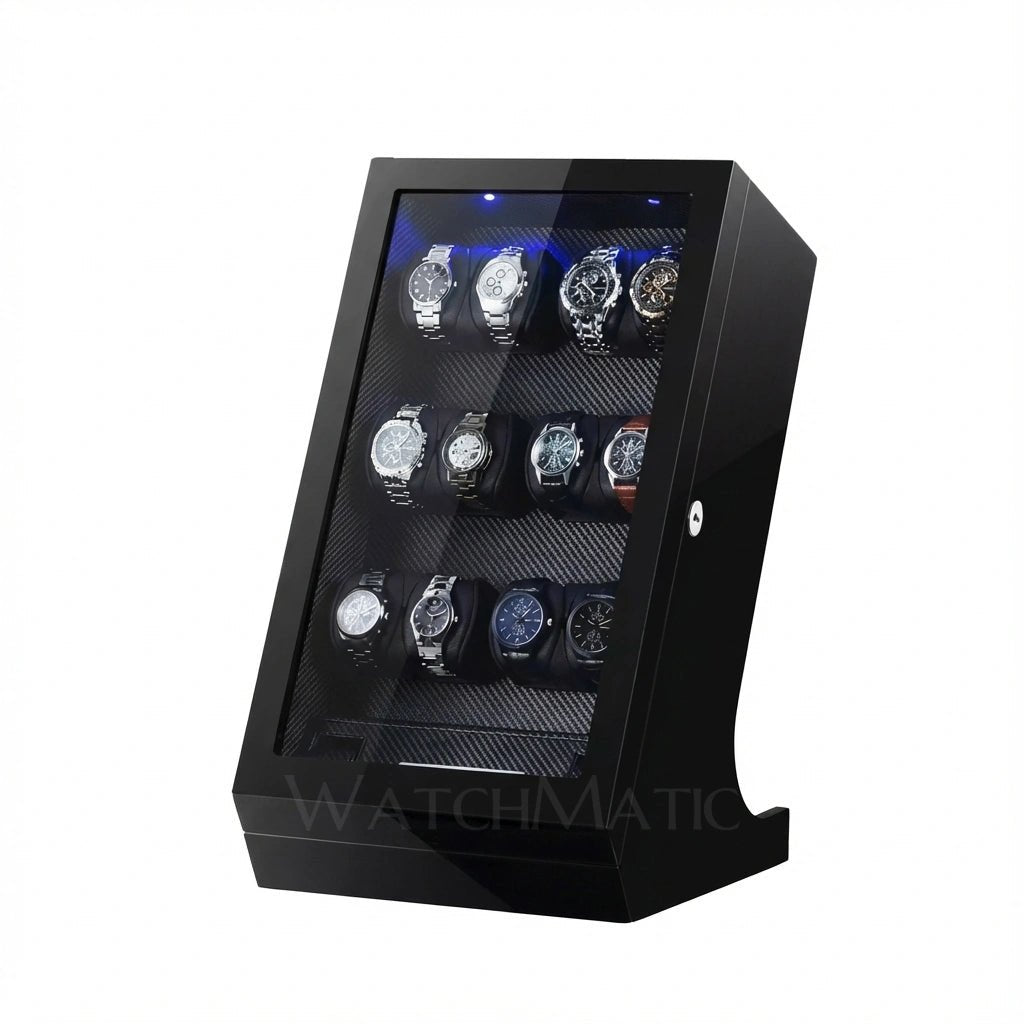
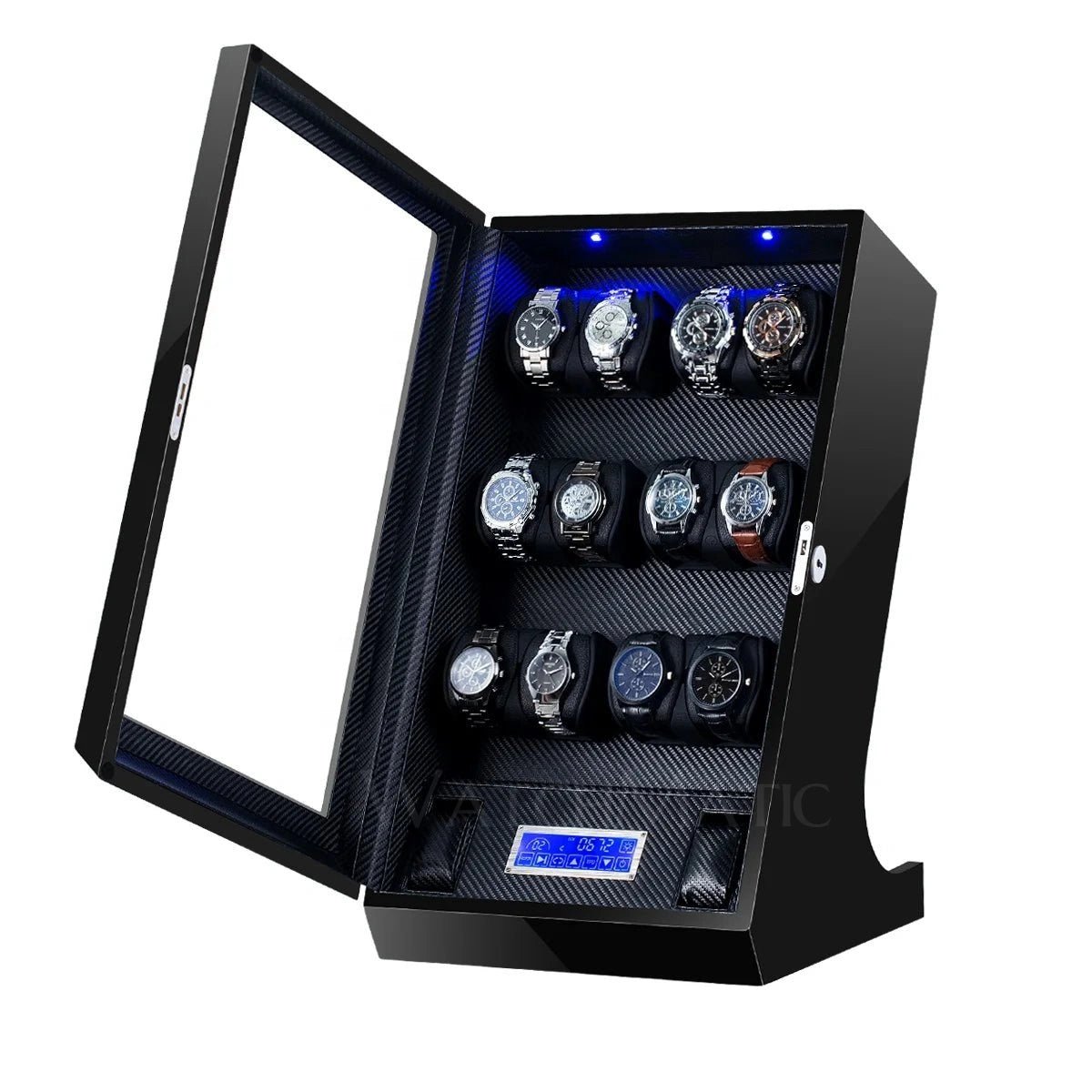
A programmable watch winder can be useful when you rotate several automatic watches.
It can keep selected watches:
- Running
- Set to the correct time
- Ready to wear
- Convenient between rotations
But a watch winder does not replace servicing.
It does not:
- Lubricate the movement
- Clean the movement
- Regulate accuracy
- Replace worn components
- Repair mechanical problems
Its primary purpose is convenience and controlled winding.
For more information, see the Watch Winder Guide.
11. Choose the Correct Winder Settings
If you use a watch winder, avoid assuming that more rotation is better.
Different movements can have different winding requirements.
A programmable winder should ideally allow control over:
- Turns Per Day
- Rotation direction
- Operating cycles
- Individual watch positions
This becomes particularly useful in a mixed collection.
A collector may have Rolex, Omega, Cartier, Patek Philippe, Hublot, Breitling, Tudor, and Grand Seiko watches in the same collection.
The correct winding settings may differ between movements.
See the Watch TPD Guide for a deeper explanation of Turns Per Day.
12. LuxGuard: A Practical Solution for Active Rotation

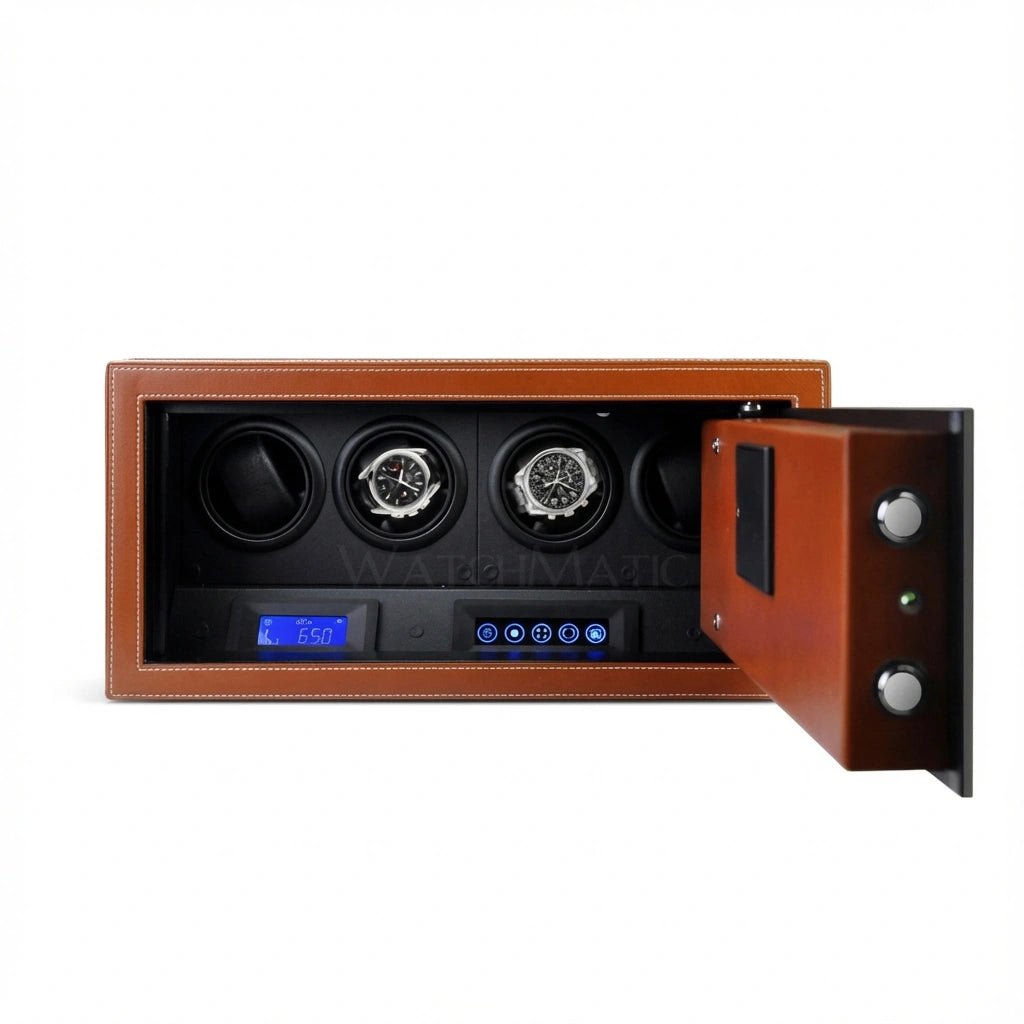
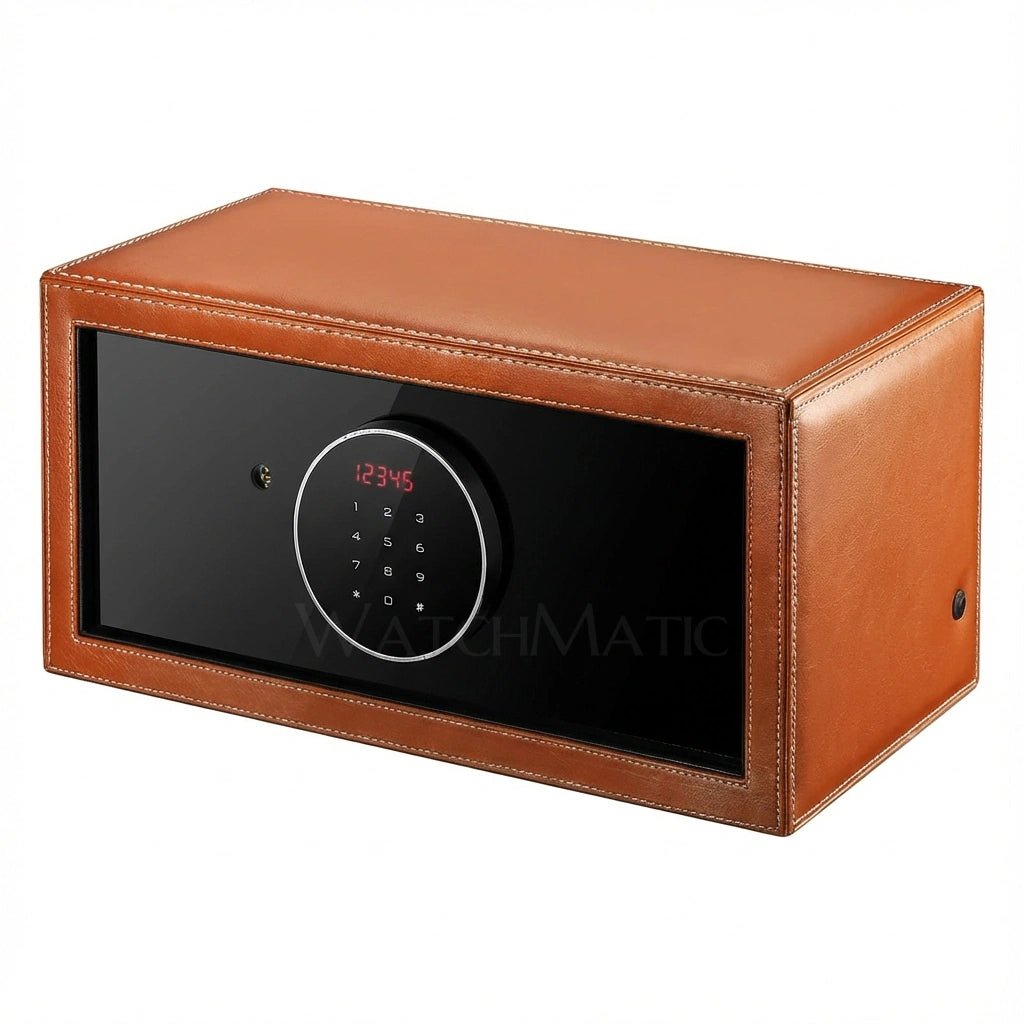
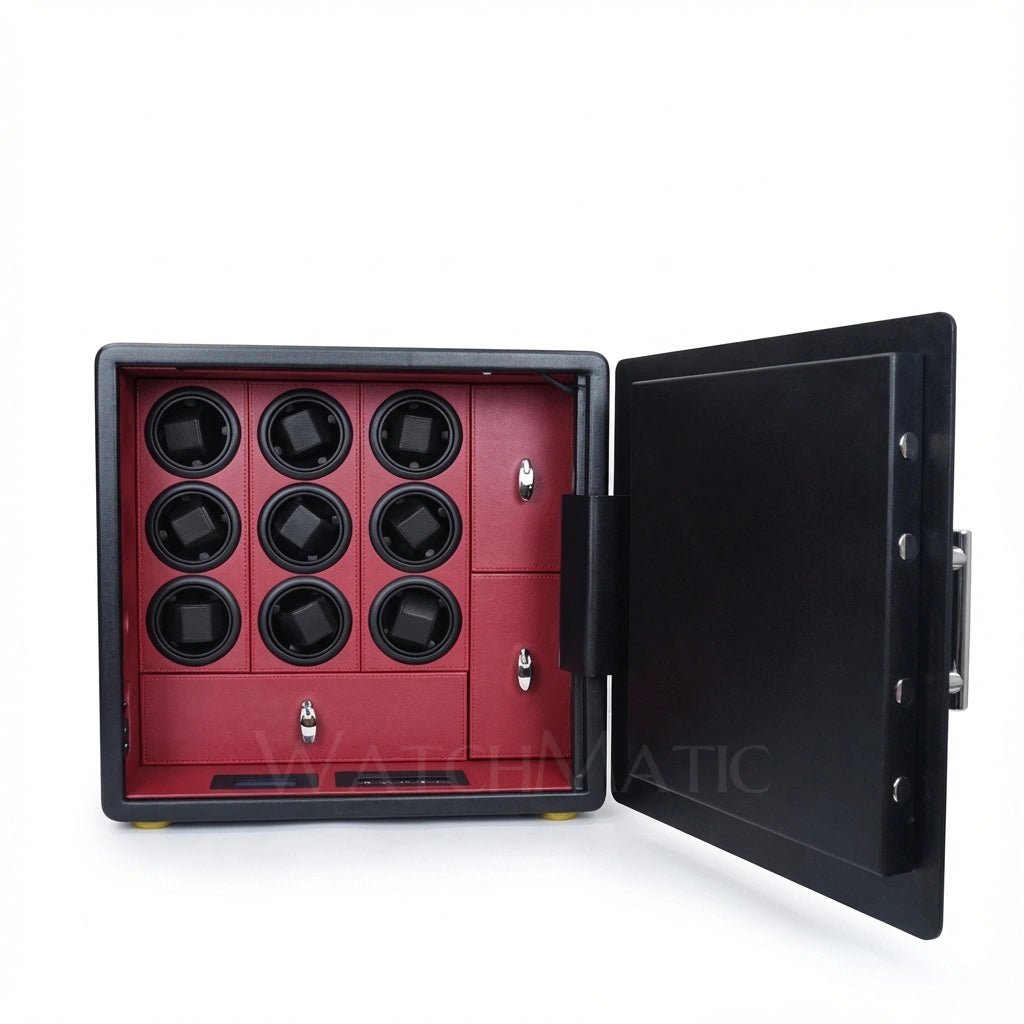
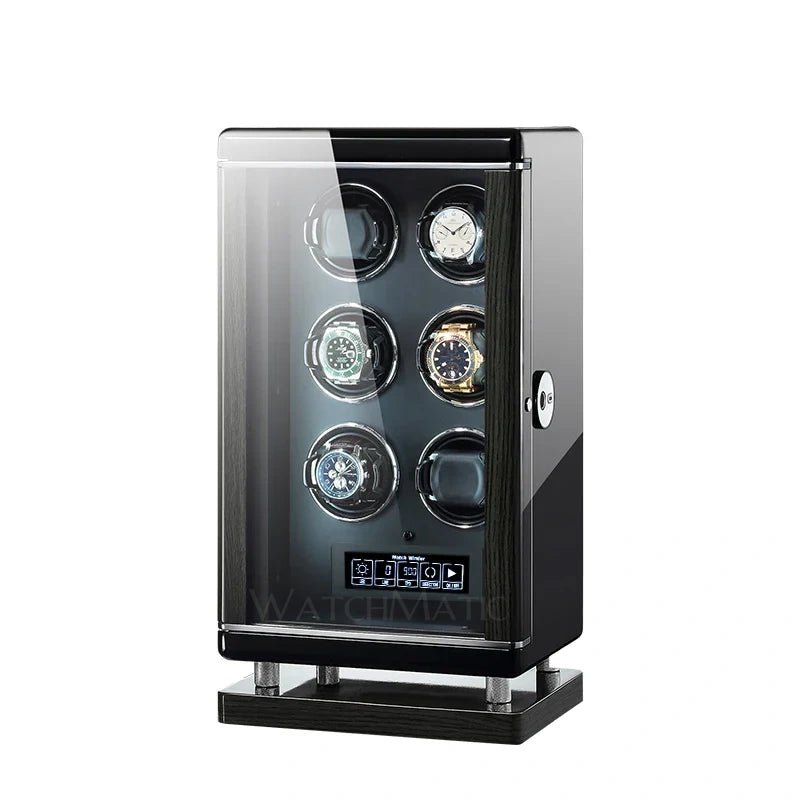
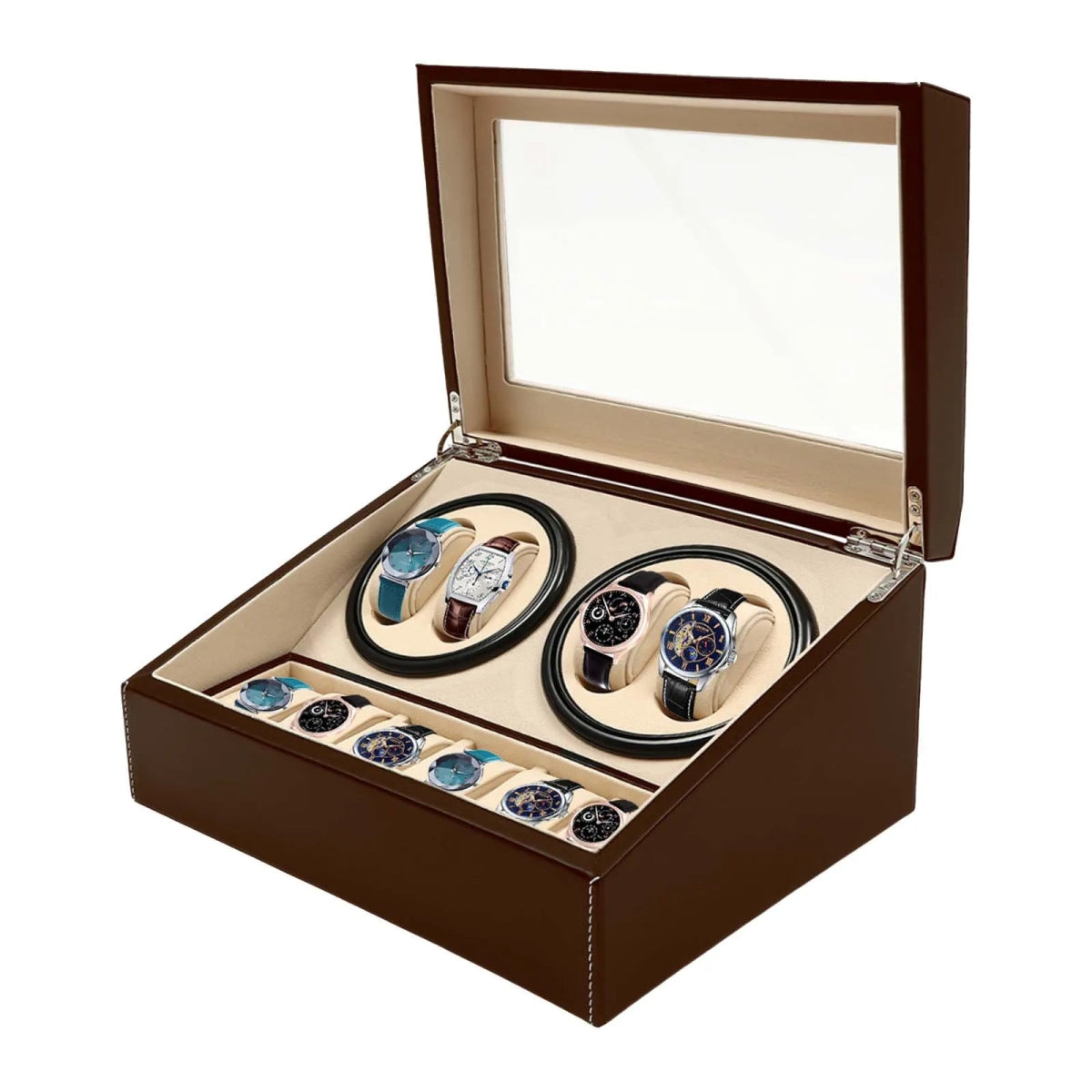
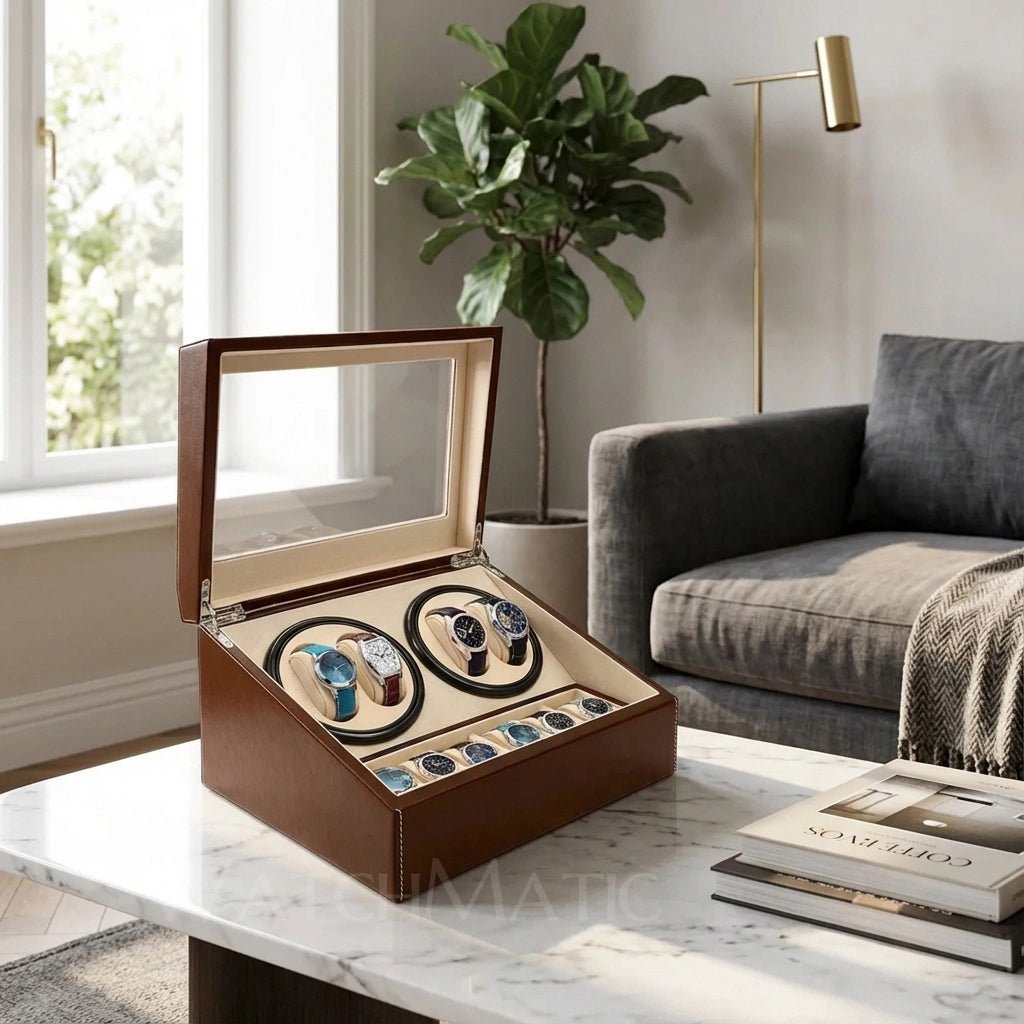
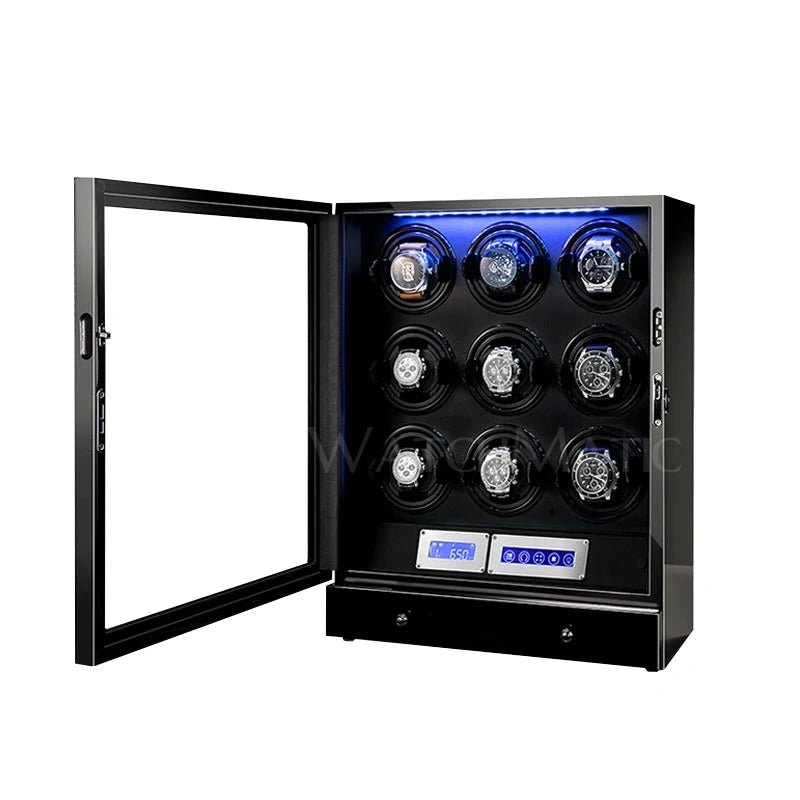
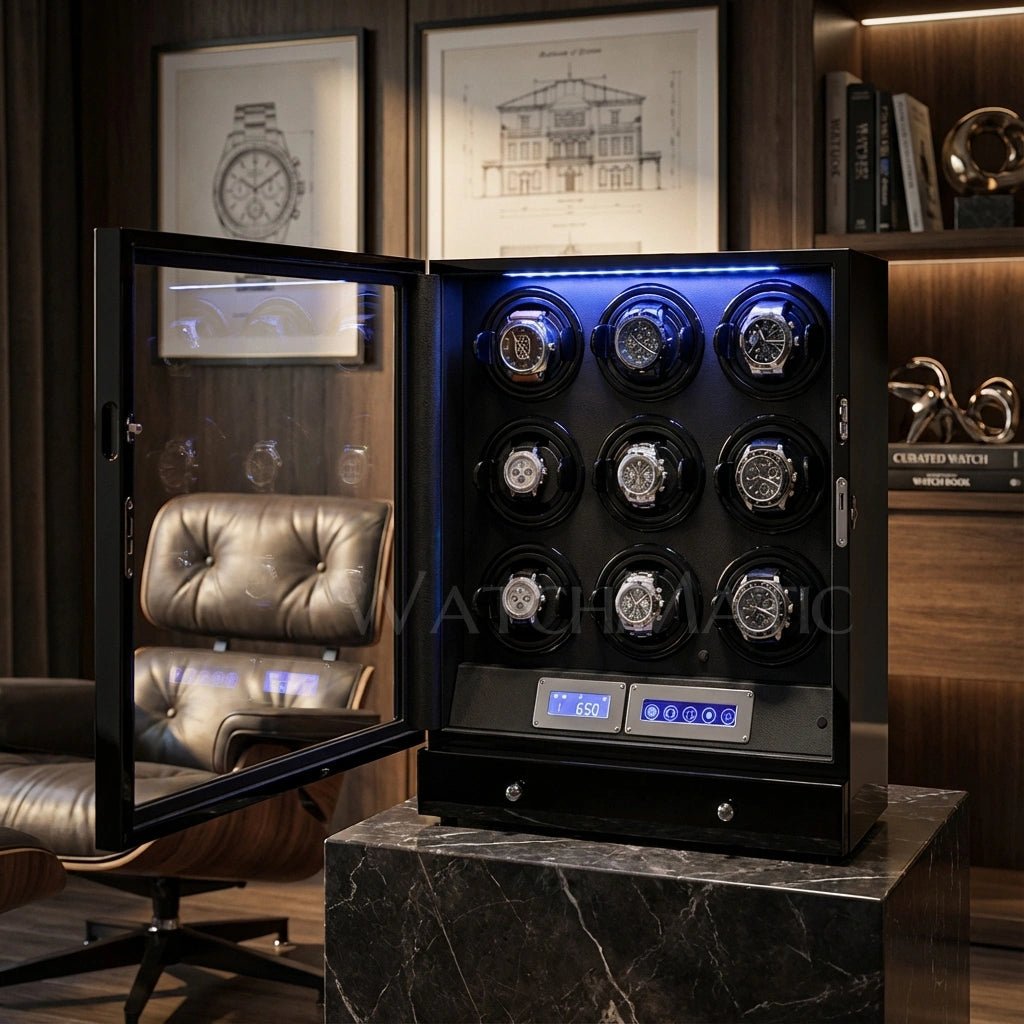
LuxGuard 6-Slot Watch Winder
For collectors who regularly rotate several automatic watches, the LuxGuard 6-Slot Watch Winder provides a dedicated winding and presentation solution without moving immediately to a full-size watch safe.
It is particularly suitable for an active collection where selected watches need to remain organized and ready to wear.
Explore LuxGuard 6-Slot Watch Winder →
This type of system is useful for the collector who wants convenient access to a rotating group of watches while keeping the collection organized.
13. Protect Valuable Watches With a Luxury Watch Safe
For a valuable collection, maintaining good condition also means protecting the watches when you are away from them.
A luxury watch safe can provide:
- Enclosed storage
- Controlled access
- Individual watch positions
- Protection from dust
- Organized collection management
- Additional physical security
This becomes increasingly important as the total value of the collection increases.
Explore WatchMatic's Luxury Watch Safe Collection for dedicated secure storage.
14. Titan Vault for Large Automatic Collections

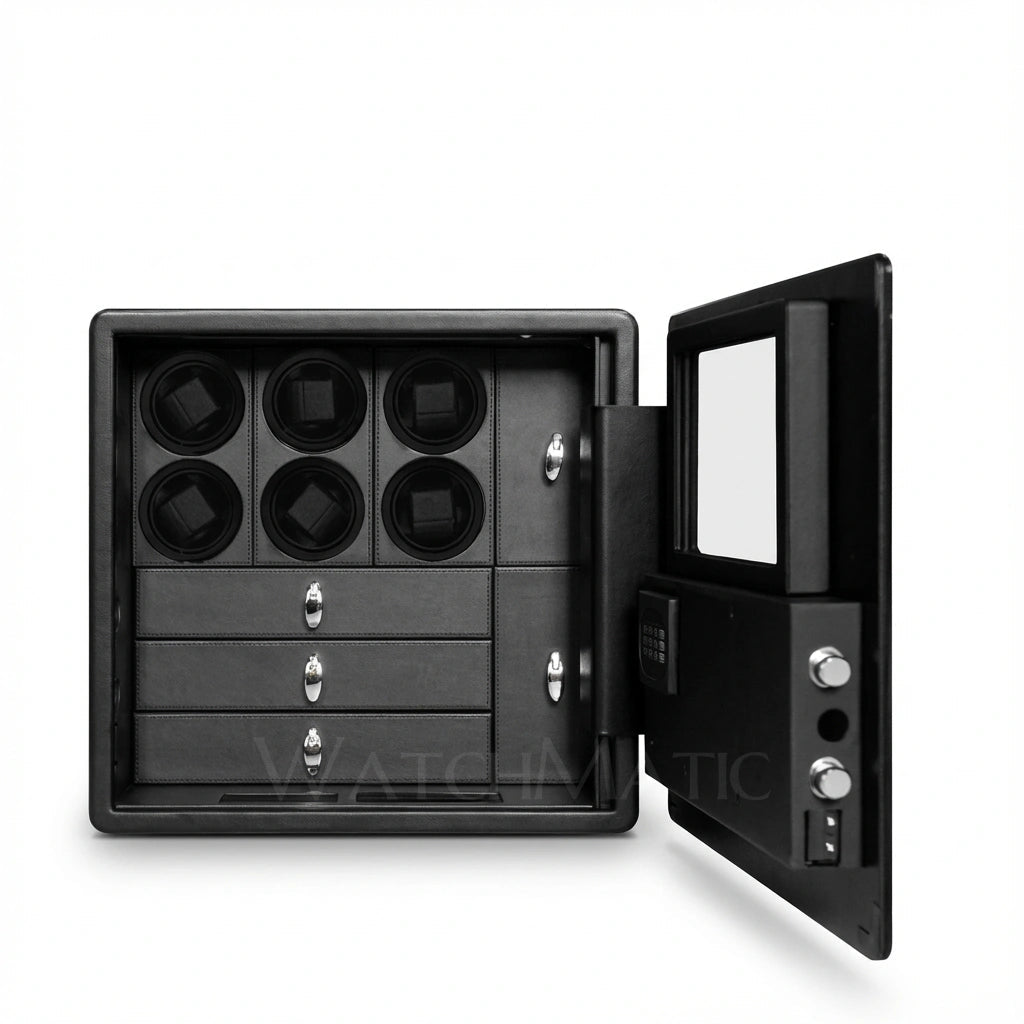
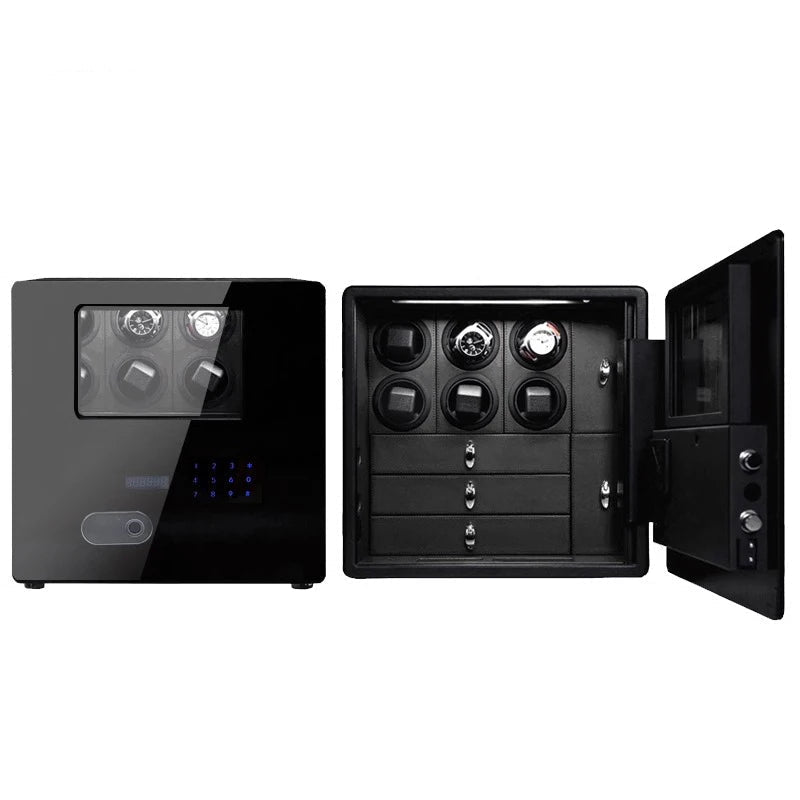
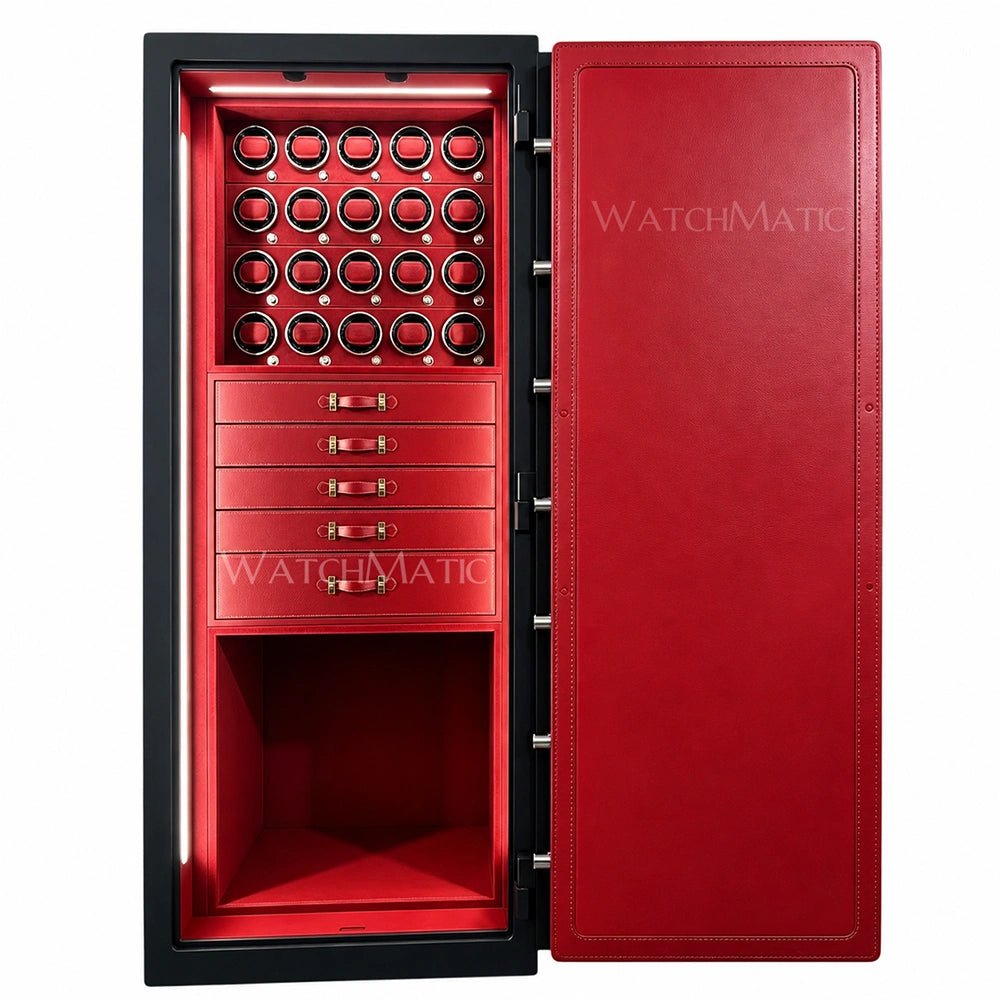
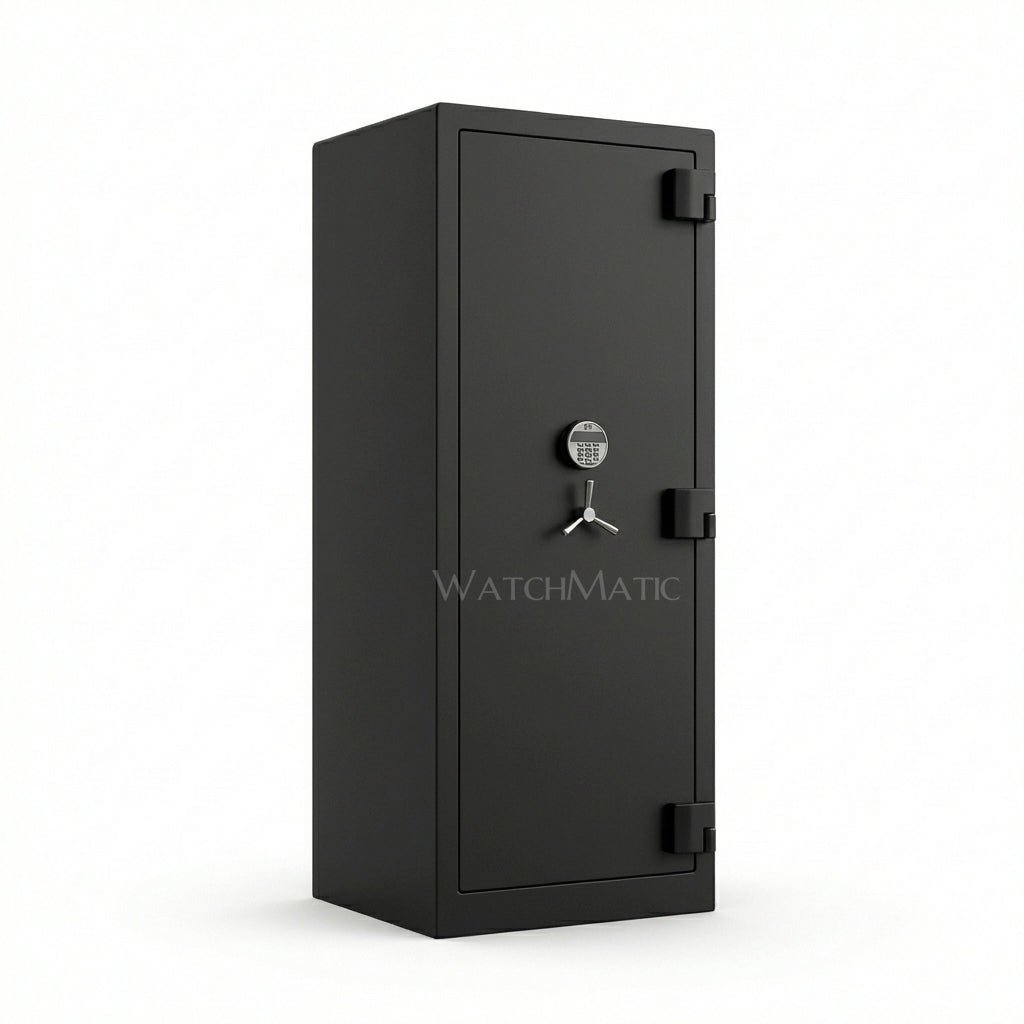
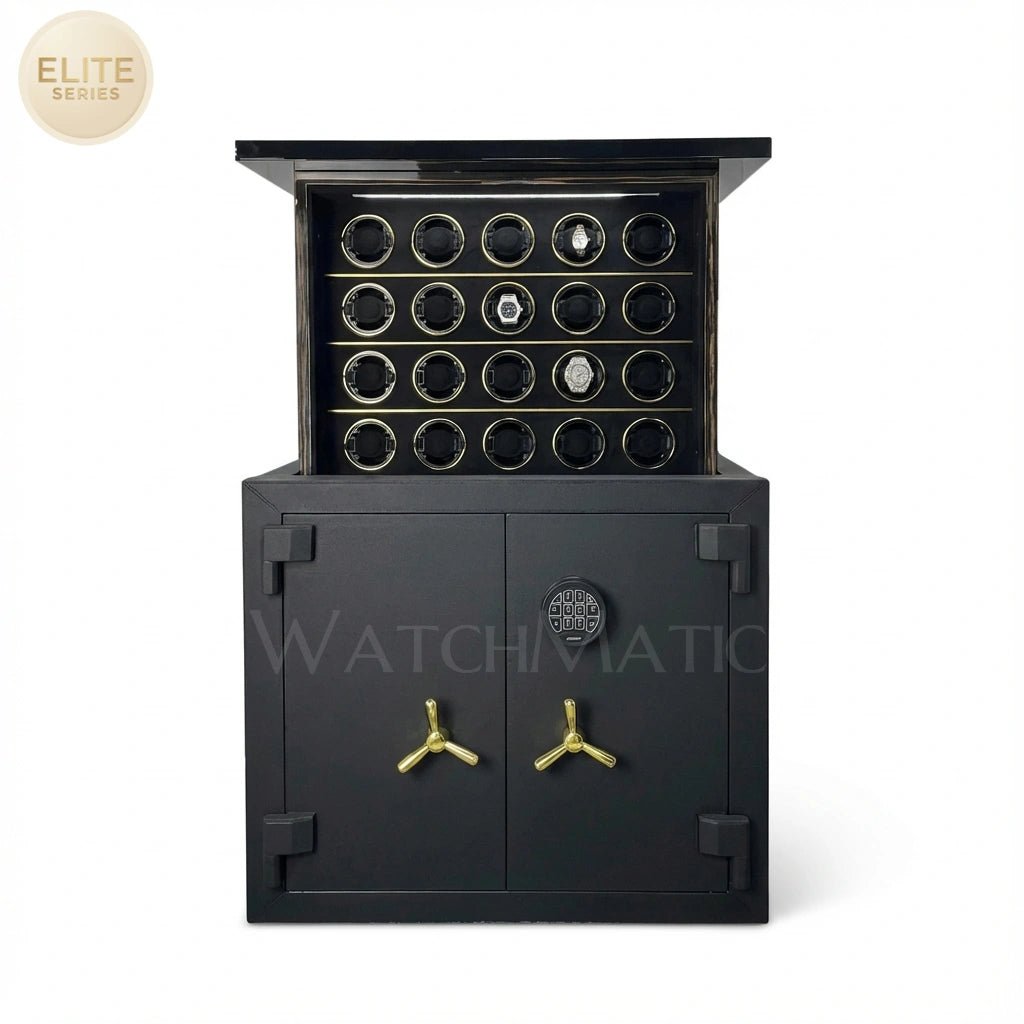
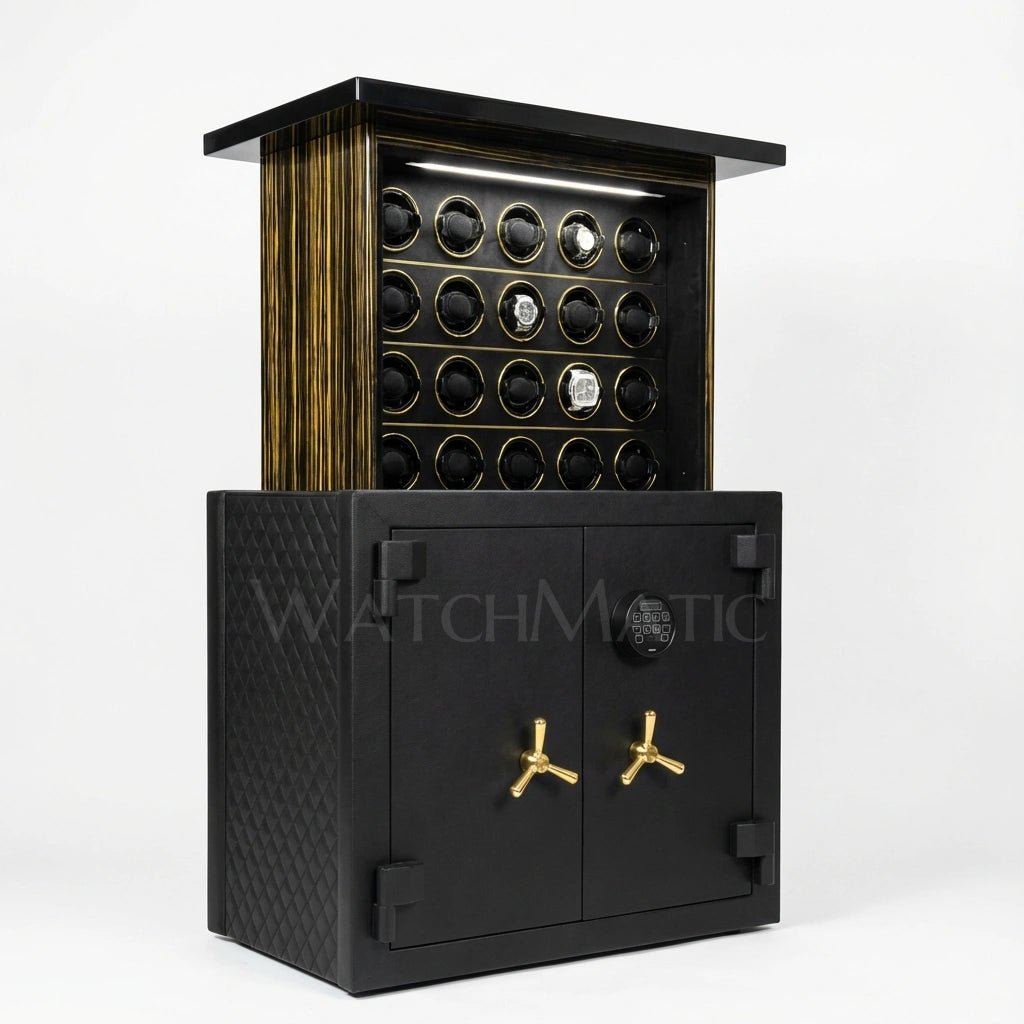
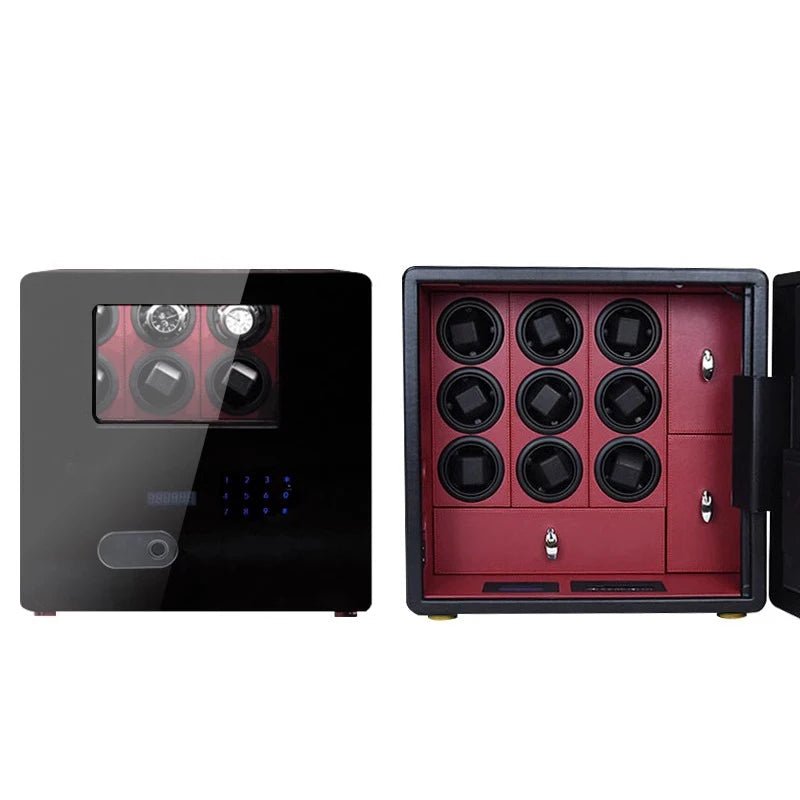
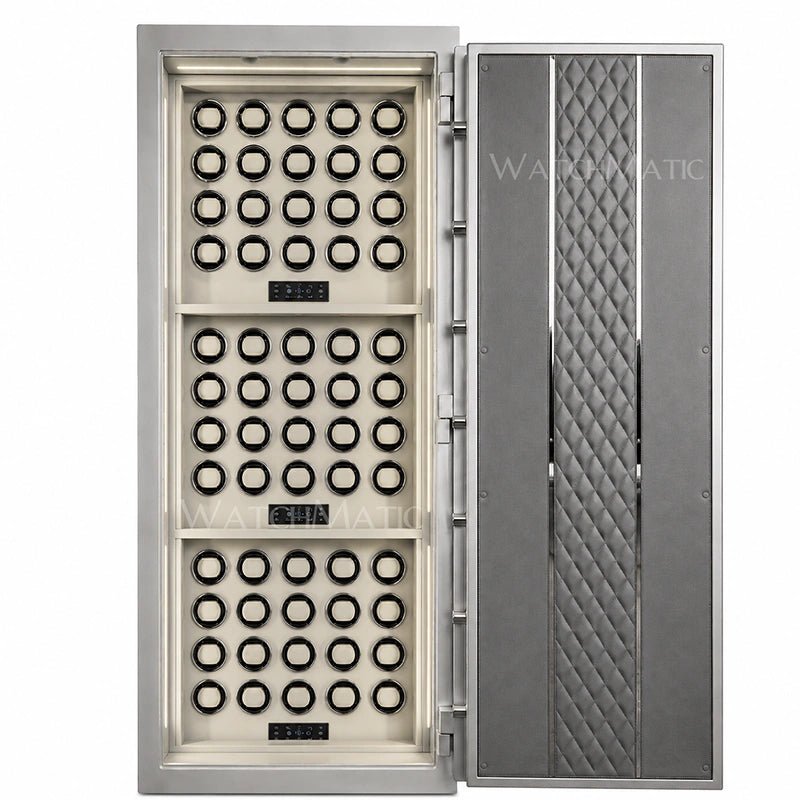
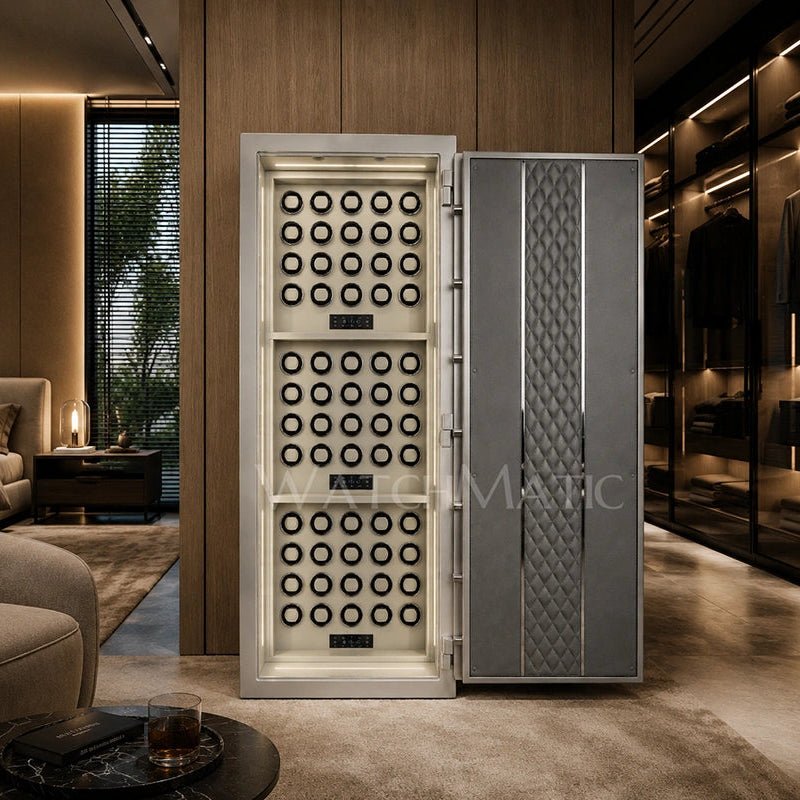
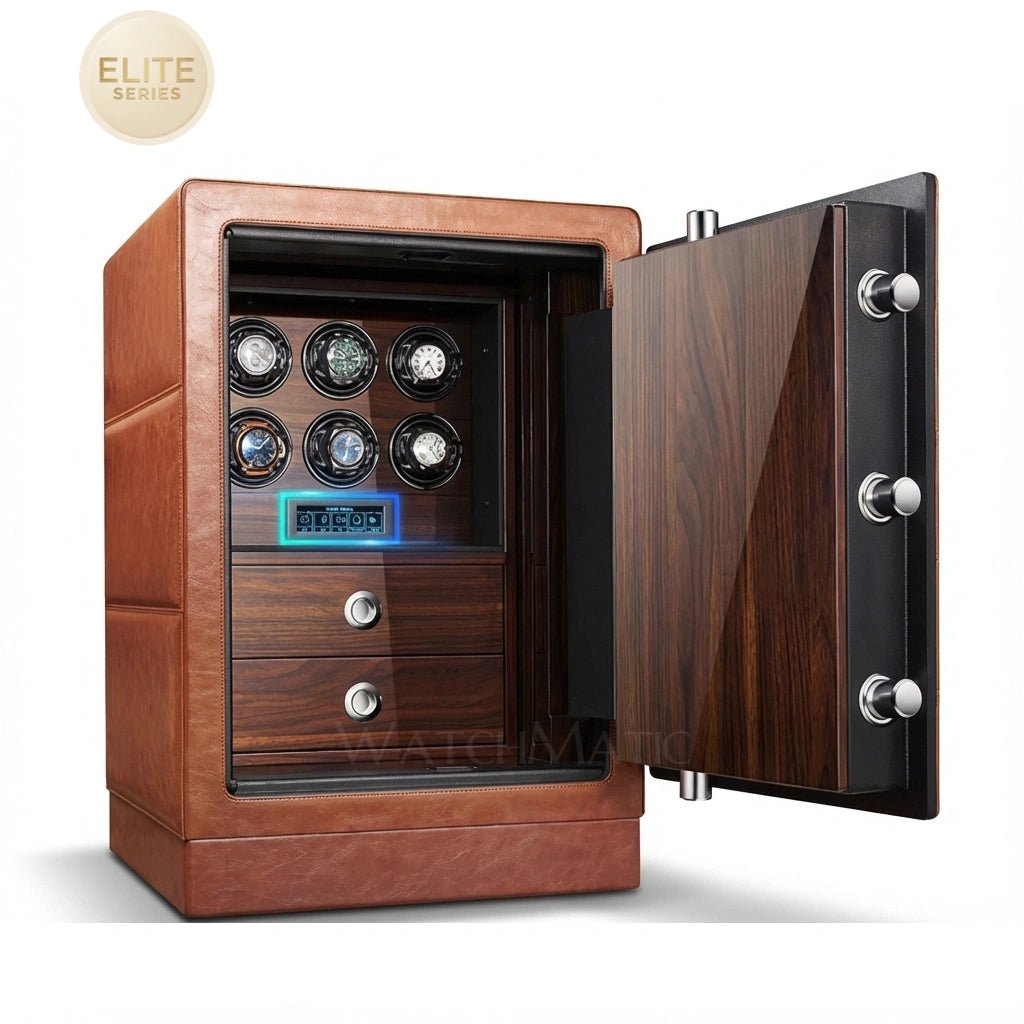
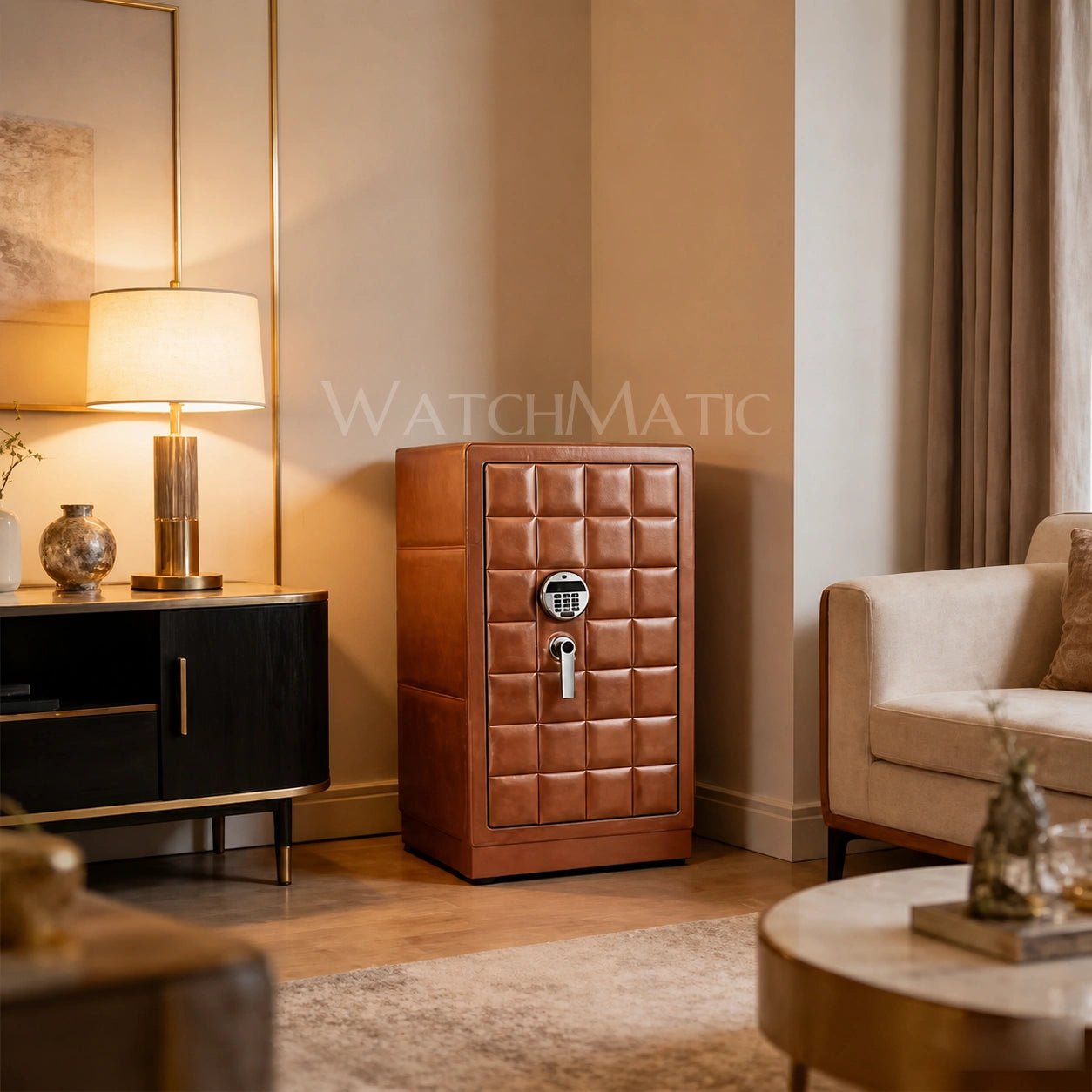
Titan Vault Watch Winder Safe
For collectors with a larger automatic watch collection, the Titan Vault Watch Winder Safe Series combines secure storage with integrated winding.
Depending on configuration, Titan Vault systems can accommodate approximately 12 to 60 watches.
The Titan Vault 40 includes features such as:
- 10-layer reinforced exterior shell
- Biometric fingerprint access
- Digital passcode
- Manual key access
- Floor anchoring
- Independent winding controls
- Adjustable TPD
- Rotation-direction settings
- Anti-magnetization protection
- Japanese Mabuchi motors
- Ultra-silent operation
Explore Titan Vault 40 Watch Winder Safe →
The key advantage is that storage, security, organization, and winding can be managed in one dedicated system.
15. Protect Watches From Dust
Dust is easy to overlook because it rarely causes an immediate problem.
But a watch that remains exposed for months can accumulate dust around its:
- Bracelet
- Case
- Crown
- Clasp
- Strap
- Storage surface
Enclosed storage reduces unnecessary exposure.
For a larger collection, keeping watches inside a luxury watch safe or watch winder safe also reduces the need to clean exposed watches as frequently.
16. Avoid Overcrowding Your Watch Storage
A storage system should have enough room for the watches it is designed to hold.
Trying to squeeze additional watches into a full watch box can increase contact between:
- Cases
- Bracelets
- Clasps
- Crystals
- Crowns
This can create unnecessary scratches.
If your collection is growing, upgrading the storage capacity is often better than overcrowding an existing system.
For larger collections, see:
Luxury Watch Storage for Large Collections
17. Maintain a Stable Storage Environment
Good physical condition is easier to preserve when the storage environment is stable.
Try to keep watches away from:
- Excessive humidity
- Direct sunlight
- Extreme heat
- Rapid temperature fluctuations
- Strong magnetic fields
- Damp locations
Bathrooms, steam rooms, garages, and damp basements are generally poor locations for valuable watch collections.
For more information:
How Humidity Affects Luxury Watches
How to Protect Watches From Theft, Fire and Humidity
18. Know When Your Watch Needs Professional Attention
One of the most important maintenance habits is recognizing when normal care is no longer enough.
Consider professional inspection if you notice:
Accuracy Changes
A significant change from the watch's normal behavior.
Reduced Power Reserve
The watch stops substantially earlier than expected.
Unusual Sounds
New or unusual noises from the movement or rotor.
Winding Problems
The crown becomes unusually difficult to operate.
Repeated Stopping
The watch repeatedly stops despite adequate winding and normal wear.
Condensation
Moisture appears beneath the crystal.
Impact Damage
The watch experiences a significant drop or collision.
A watch winder should never be used to mask these problems.
19. Service the Watch According to Manufacturer Guidance
Professional servicing is an important part of maintaining long-term condition.
There is no single service interval that applies to every automatic watch.
Manufacturers can have different recommendations depending on:
- Movement
- Model
- Generation
- Construction
- Usage
Follow the manufacturer's guidance and pay attention to actual watch performance.
20. Keep Service and Ownership Records
For valuable watches, documentation is part of maintaining the collection.
Keep:
- Purchase documentation
- Warranty cards
- Service invoices
- Service dates
- Reference numbers
- Serial numbers
- Photographs
- Insurance information
A detailed record makes future servicing, valuation, insurance, and collection management easier.
21. Maintain Different Watches According to Their Use
A collection does not need to be managed as one homogeneous group.
A practical system is:
Daily Watches
Keep accessible and ready to wear.
Active Rotation
A watch winder can be useful.
Occasional Watches
Allow them to stop and store securely.
Rare or Collector Pieces
Prioritize secure, stable long-term storage.
High-Value Pieces
Consider dedicated luxury watch safe storage.
This approach helps preserve the condition of the entire collection without unnecessarily keeping every movement active.
22. Brand-Specific Considerations
Different automatic watches can have different winding requirements and construction characteristics.
Collectors may want to review brand-specific resources for:
- Rolex
- Omega
- Cartier
- Patek Philippe
- Hublot
- Breitling
- Tudor
- Grand Seiko
Relevant WatchMatic guides include:
Watch Winder for Rolex Watches
Watch Winder for Omega Watches
Watch Winder for Patek Philippe Watches
Watch Winder for Hublot Watches
Watch Winder for Breitling Watches
Watch Winder for Tudor Watches
Watch Winder for Grand Seiko Watches
These guides can be useful when managing a mixed automatic watch collection.
Automatic Watch Good-Condition Checklist
A simple routine can help keep a watch in good condition.
Every Time You Remove It
☐ Wipe away fingerprints and moisture
☐ Check the crown
☐ Store it securely
Periodically
☐ Clean the case and bracelet
☐ Inspect the strap
☐ Check for scratches or physical damage
☐ Check for unusual accuracy changes
☐ Review the storage environment
At Service
☐ Follow manufacturer recommendations
☐ Check movement performance
☐ Assess water resistance where appropriate
☐ Replace worn seals or components when necessary
☐ Keep service documentation
For Collections
☐ Keep an inventory
☐ Store watches individually
☐ Avoid overcrowding
☐ Keep frequently worn watches accessible
☐ Protect high-value pieces in secure storage
Watch Box vs. Watch Winder vs. Watch Safe
| Storage Solution | Best For | Keeps Watch Running | Security |
|---|---|---|---|
| Watch Box | Small collections | No | Basic |
| Watch Winder | Active automatic rotation | Yes | Basic |
| Luxury Watch Safe | Valuable collections | Optional | High |
| Watch Winder Safe | Large automatic collections | Yes | High |
The best option depends on what the collection actually needs.
A watch winder should not automatically replace a watch box, and a luxury watch safe should not necessarily replace every other form of storage.
A combination can be more practical.
WatchMatic's Approach to Keeping Automatic Watches in Good Condition
WatchMatic approaches long-term watch care through four connected areas:
Care → Storage → Winding → Protection
Care preserves the physical and mechanical condition.
Storage protects the watch between wears.
Winding provides convenience for active automatic watches.
Secure storage protects valuable collections from theft and accidental damage.
For collectors with growing collections, this can eventually lead to an integrated watch winder safe.
For highly specific requirements, WatchMatic also offers Bespoke Watch Safe solutions.
Final Thoughts
Keeping an automatic watch in good condition is mostly about consistency.
You do not need to keep the movement running continuously.
You do not need to clean the watch every day.
And you do not need an advanced safe for every collection.
The most important habits are straightforward:
Wear the watch appropriately. Keep it clean. Protect it from impacts, moisture, dust, and strong magnetic exposure. Handle the crown carefully. Store it properly. Use a watch winder when it provides genuine convenience. And have the movement professionally serviced when appropriate.
For a small collection, a quality watch box may be enough.
For an active rotation of automatic watches, a programmable winder such as LuxGuard can keep selected watches organized and ready to wear.
For larger and more valuable collections, a system such as Titan Vault can combine winding, secure storage, organization, and protection.
Good watch care is not about doing more.
It is about doing the right things consistently.