The most practical way to keep an automatic watch running when you are not wearing it is to use a properly configured watch winder. A watch winder rotates the watch at controlled intervals to maintain its power reserve without requiring manual winding. However, not every automatic watch needs to remain running, so a winder is primarily a convenience for collectors who rotate multiple watches.
For a collection, the ideal approach is to keep frequently worn watches on a programmable winder while securely storing watches that are only worn occasionally.
Why Does an Automatic Watch Stop When You Are Not Wearing It?
An automatic watch is powered by the movement of the wearer's wrist.
As the watch moves, its rotor winds the mainspring and stores energy. When the watch is removed from the wrist, that energy gradually runs down.
Eventually, the watch reaches the end of its power reserve and stops.
This is completely normal.
A stopped automatic watch does not necessarily indicate a problem.
The question for collectors is therefore not:
"How do I prevent my automatic watch from ever stopping?"
It is:
"Is there a practical reason for keeping this particular watch running?"
That distinction is important.
Do You Need to Keep an Automatic Watch Running?
No.
An automatic watch does not need to run continuously to remain healthy.
If you wear the watch regularly, natural wrist movement will provide the winding energy it needs.
If you remove it and allow the power reserve to run down, the movement simply stops.
When you want to wear it again, you can restart and reset it according to the manufacturer's instructions.
A watch winder is therefore optional rather than a requirement for automatic watch ownership.
When Keeping It Running Makes Sense
A winder can be particularly useful when:
- You rotate several automatic watches.
- You want watches ready to wear immediately.
- You dislike resetting the time and date.
- You own watches with complicated calendars.
- You frequently switch between different watches.
- You want a more organized collection display.
For a single automatic watch that you wear every day, a winder may provide very little additional benefit.
For a collection of several watches, the convenience becomes much more significant.
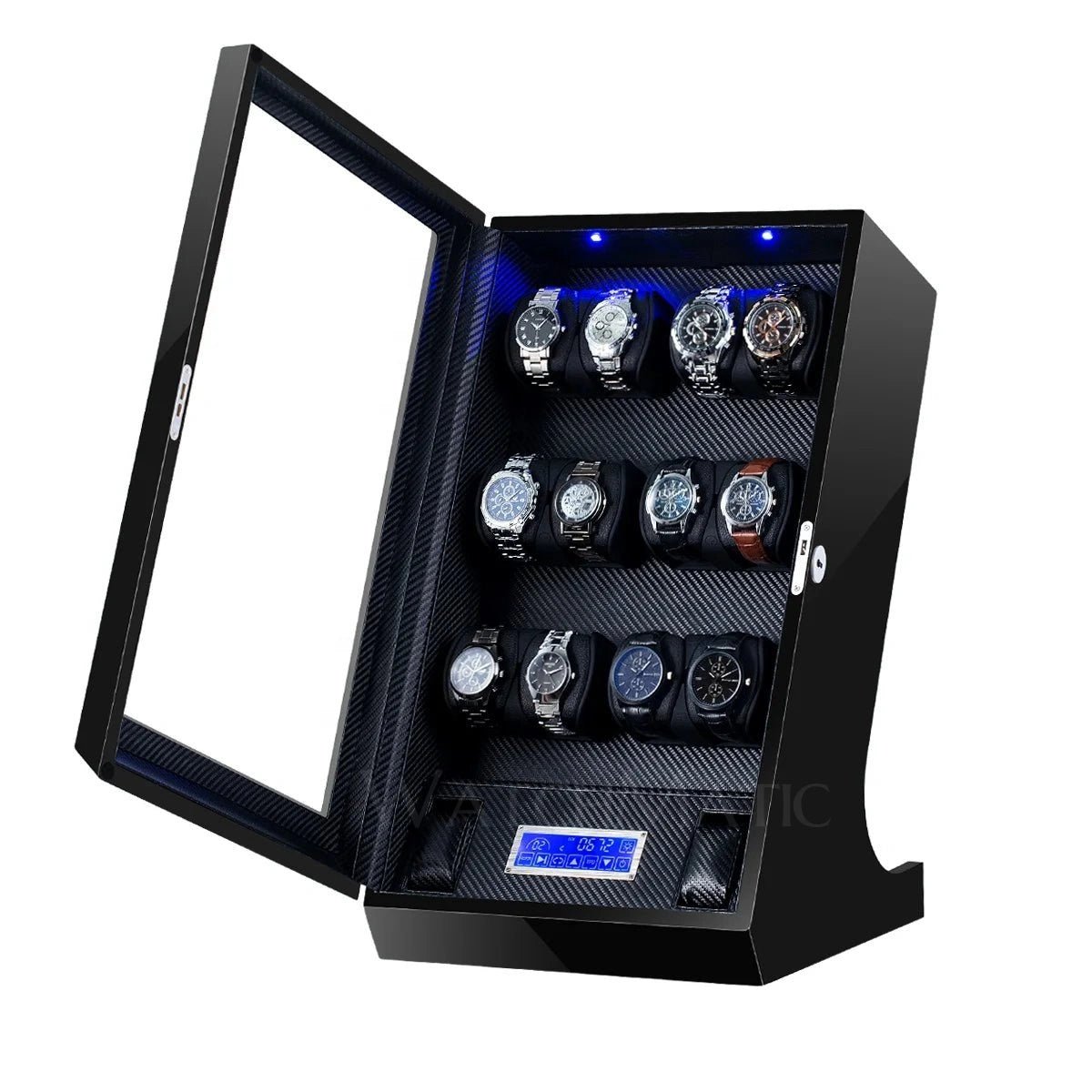
1. Use a Watch Winder
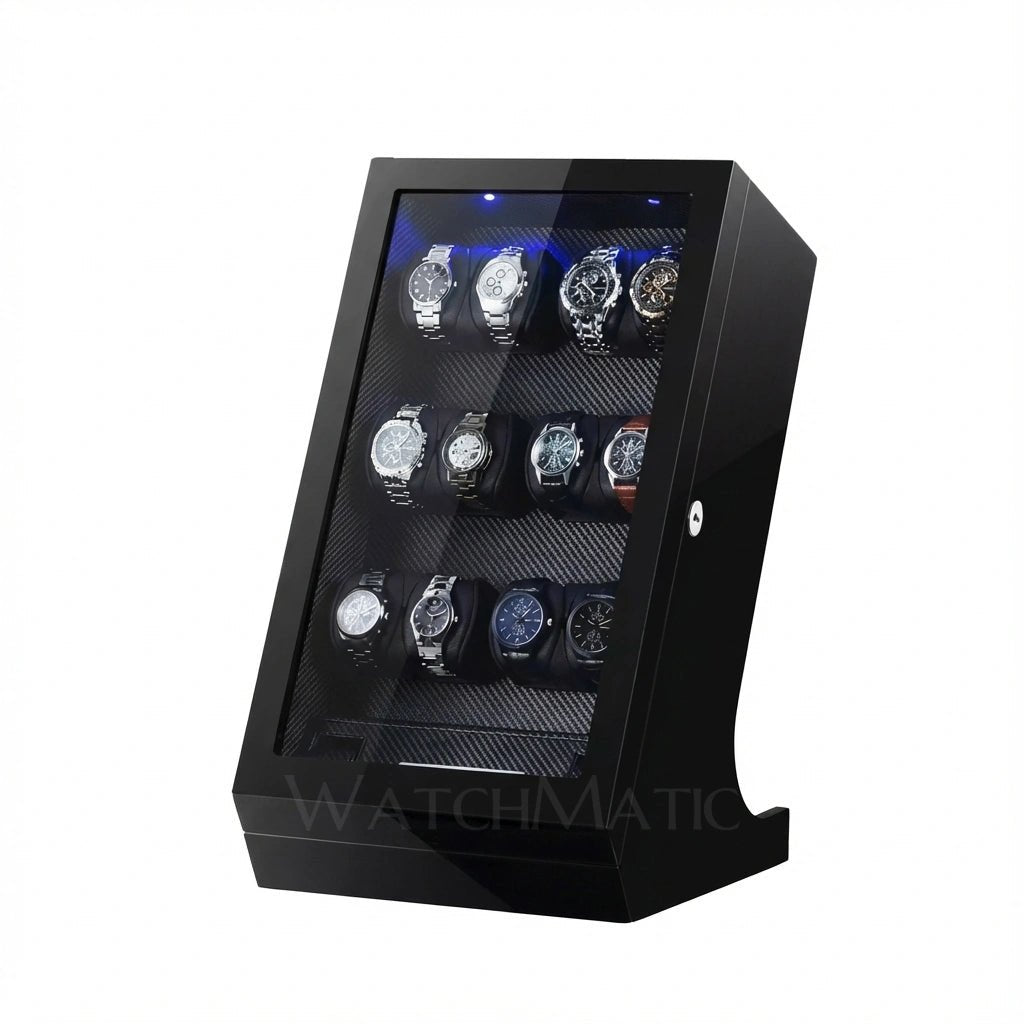
A watch winder is a motorized storage device designed to rotate an automatic watch periodically.
The movement of the watch simulates wrist activity and allows the rotor to continue winding the mainspring.
A quality programmable watch winder should allow you to control the winding behavior rather than simply rotating continuously.
Depending on the model, controls may include:
- Turns Per Day (TPD)
- Clockwise rotation
- Counterclockwise rotation
- Bidirectional rotation
- Operating cycles
- Individual watch settings
For a deeper explanation, see the Watch Winder Guide.
2. Use the Correct TPD Setting
One of the most important considerations is Turns Per Day, commonly abbreviated as TPD.
TPD describes the approximate number of rotations used by the winder during a 24-hour period.
Different automatic movements can have different winding requirements.
Using an appropriate setting is therefore more useful than simply choosing the highest available number.
For a detailed explanation of TPD and winding requirements, see the Watch TPD Guide.
The goal is not to make the watch rotate as much as possible.
The goal is to provide an appropriate winding routine.
3. Choose the Correct Rotation Direction
Automatic movements can wind through:
- Clockwise rotation
- Counterclockwise rotation
- Bidirectional rotation
The appropriate configuration depends on the movement.
This is particularly important when you own a mixed collection.
A Rolex movement may have different winding characteristics from an Omega, Cartier, Patek Philippe, Tudor, Grand Seiko, or Hublot movement.
This is why programmable independent control becomes increasingly valuable for collectors.
4. Don't Assume More Rotation Is Better
A common mistake is assuming that keeping an automatic watch running requires constant or excessive rotation.
It does not.
A properly configured winder operates in cycles, allowing the watch to receive winding activity without continuously rotating.
The purpose is to replicate useful wrist movement, not to keep the watch spinning all day.
This is one reason a programmable watch winder is generally more useful than a basic continuously rotating unit.
5. Keep Frequently Worn Watches Running
The most practical candidates for a watch winder are watches that are part of your active rotation.
For example:
Daily Watch
Usually does not need a winder because normal wrist movement keeps it running.
Weekly Rotation
A winder can be convenient if you want the watch ready when you pick it up.
Monthly Rotation
A winder becomes more optional.
Rarely Worn Watch
There may be little reason to keep it running continuously.
This simple classification can prevent collectors from unnecessarily keeping every watch active.
6. Watches With Complications Can Benefit More From a Winder
The convenience of a winder can become more noticeable with watches that have additional functions.
For example:
- Annual calendars
- Perpetual calendars
- Moonphase displays
- GMT functions
- Multiple complications
Resetting a simple three-hand watch may take only a moment.
Resetting a complicated calendar can be considerably more involved.
For these watches, keeping the movement running can be primarily about convenience and preserving the current settings, rather than mechanical necessity.
7. What If Your Automatic Watch Has Already Stopped?
If the watch has stopped, you generally do not need to put it immediately onto a winder and leave it there for an extended period.
Instead, follow the manufacturer's instructions for restarting the movement.
Depending on the movement, this may involve:
- Manually winding the watch.
- Setting the time.
- Setting the date or other complications where necessary.
- Wearing the watch normally or placing it on a correctly configured winder.
The exact procedure can vary by movement.
If the watch does not restart normally, repeatedly stops, or behaves unusually, professional inspection may be more appropriate than continuing to wind it.
8. A Stopped Watch Is Not Necessarily a Problem
An automatic watch stopping after its power reserve has been exhausted is normal.
The important distinction is between:
A watch that stops because its power reserve has run out
and
A watch that repeatedly stops despite being adequately wound.
The first is normal.
The second may indicate a problem that deserves attention.
Potential warning signs include:
- Very short power reserve
- Unusual sounds
- Significant accuracy changes
- Difficulty winding
- Repeated stopping
- Abnormal rotor behavior
If you notice these symptoms, a watchmaker or authorized service center should evaluate the watch.
9. Do You Need to Use a Watch Winder Every Night?
No.
A watch winder does not need to operate continuously simply because the watch is automatic.
A properly programmed winder works according to a winding cycle.
This means the watch can receive periods of rotation followed by periods of rest.
The appropriate cycle depends on the movement and the winder's programming options.
This is another reason to avoid treating every automatic watch identically.
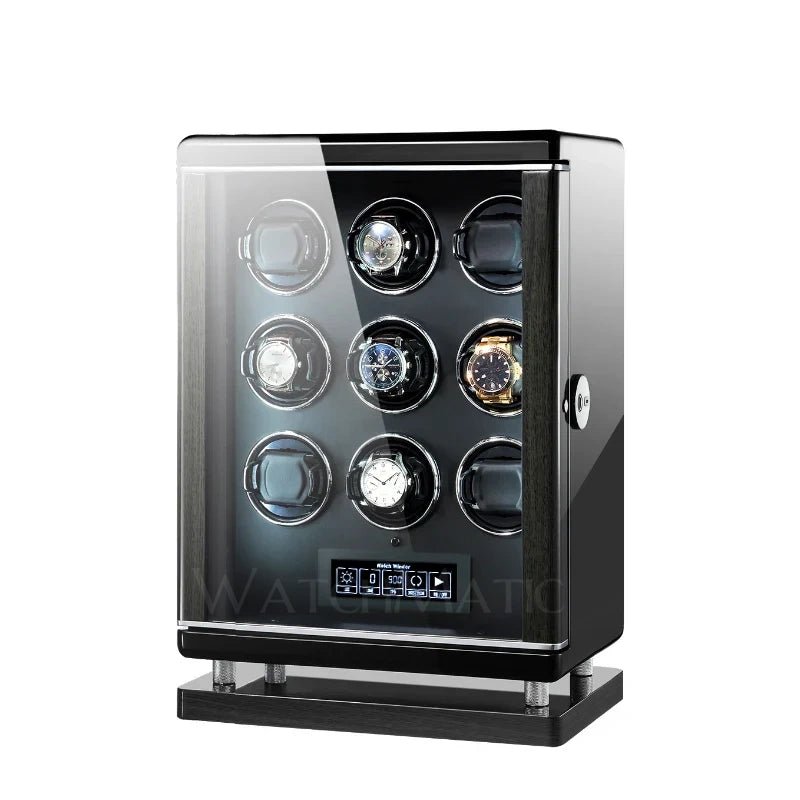
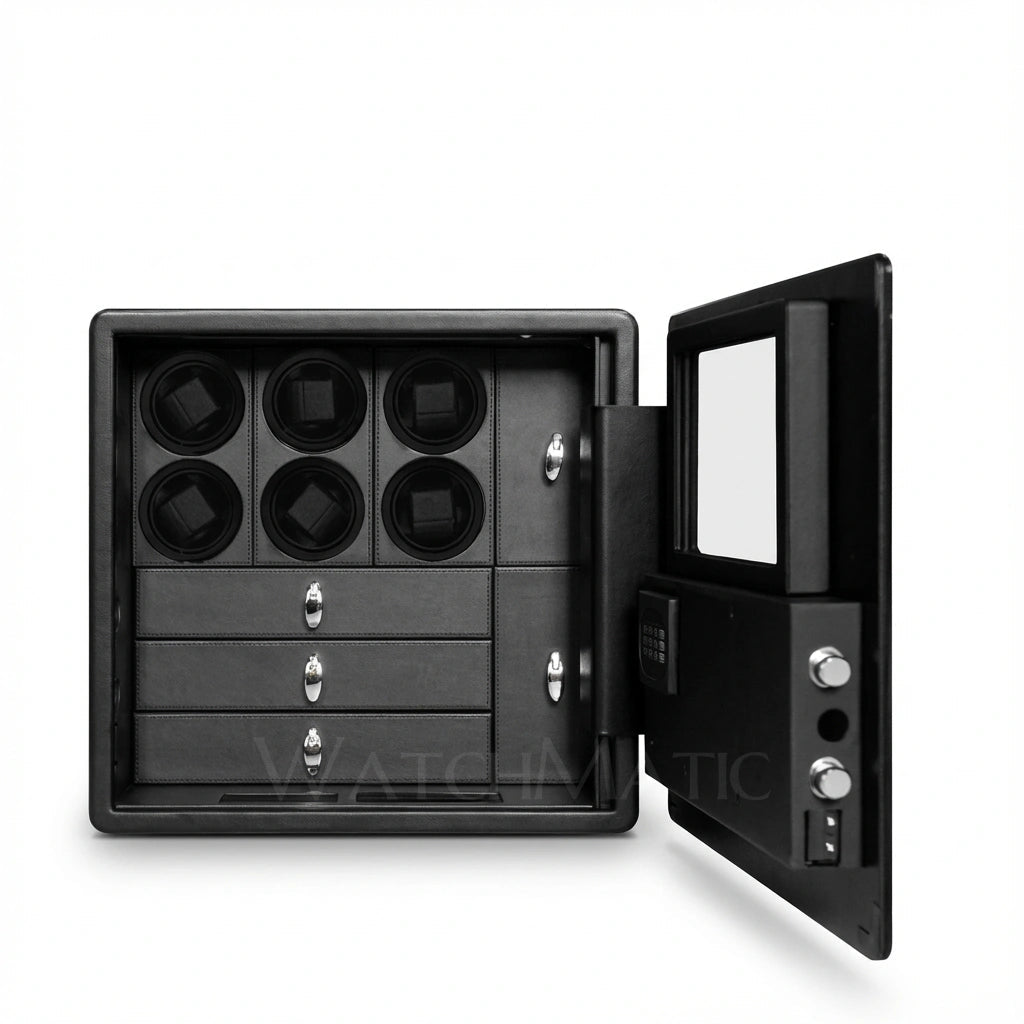
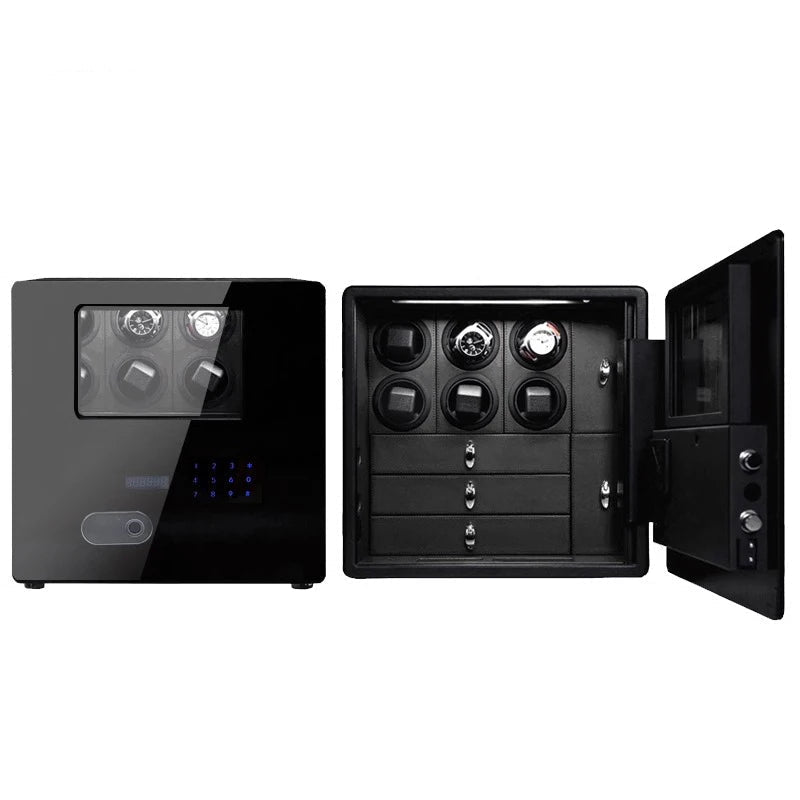
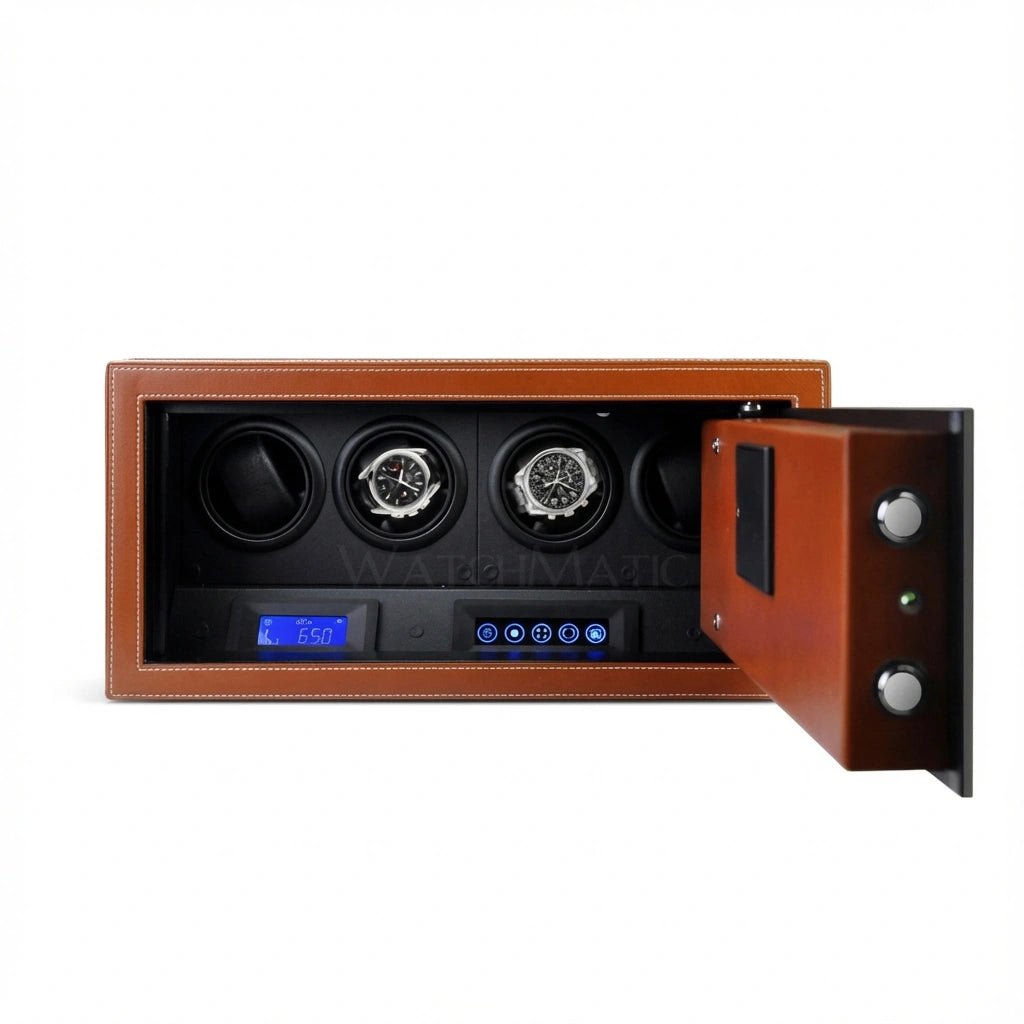
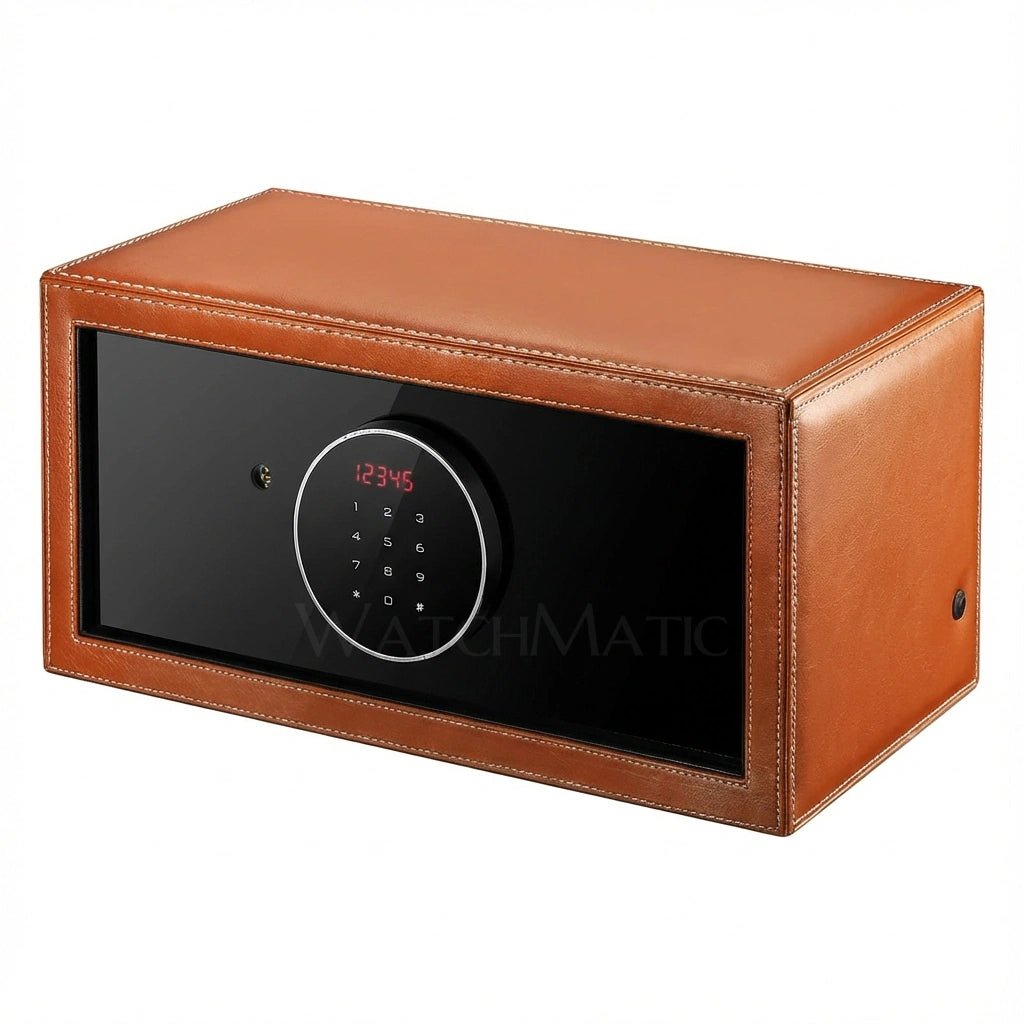
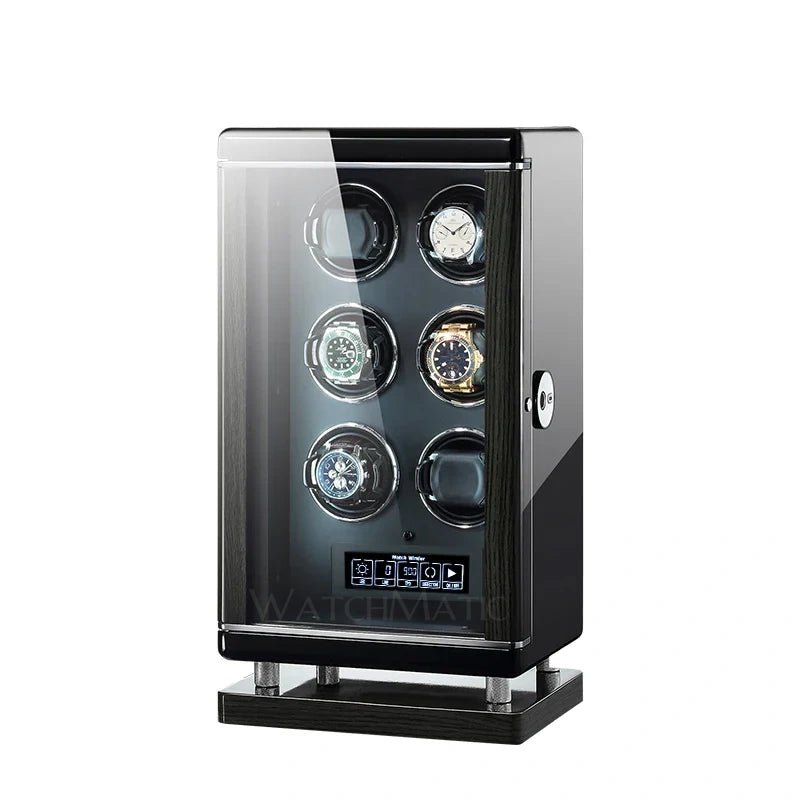
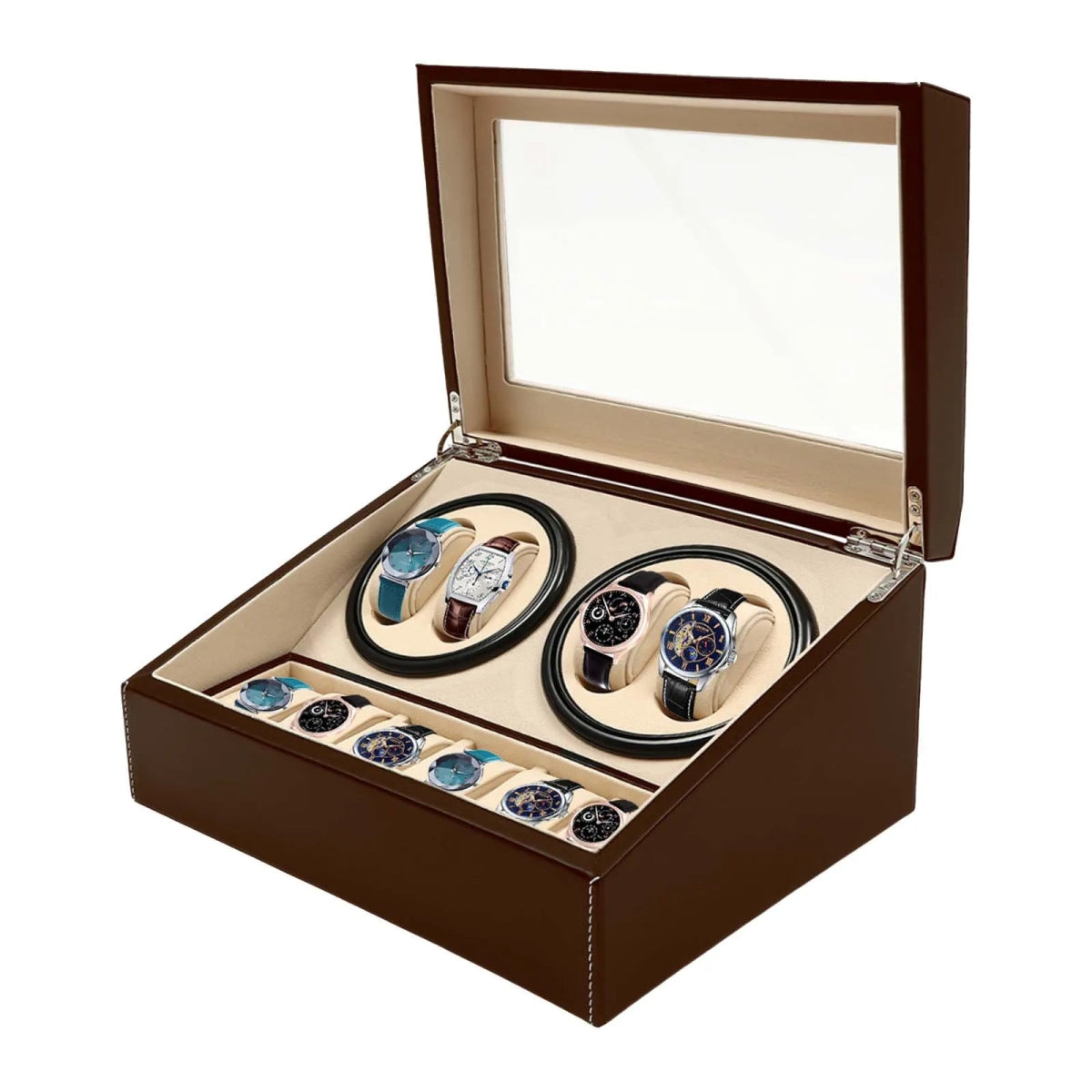
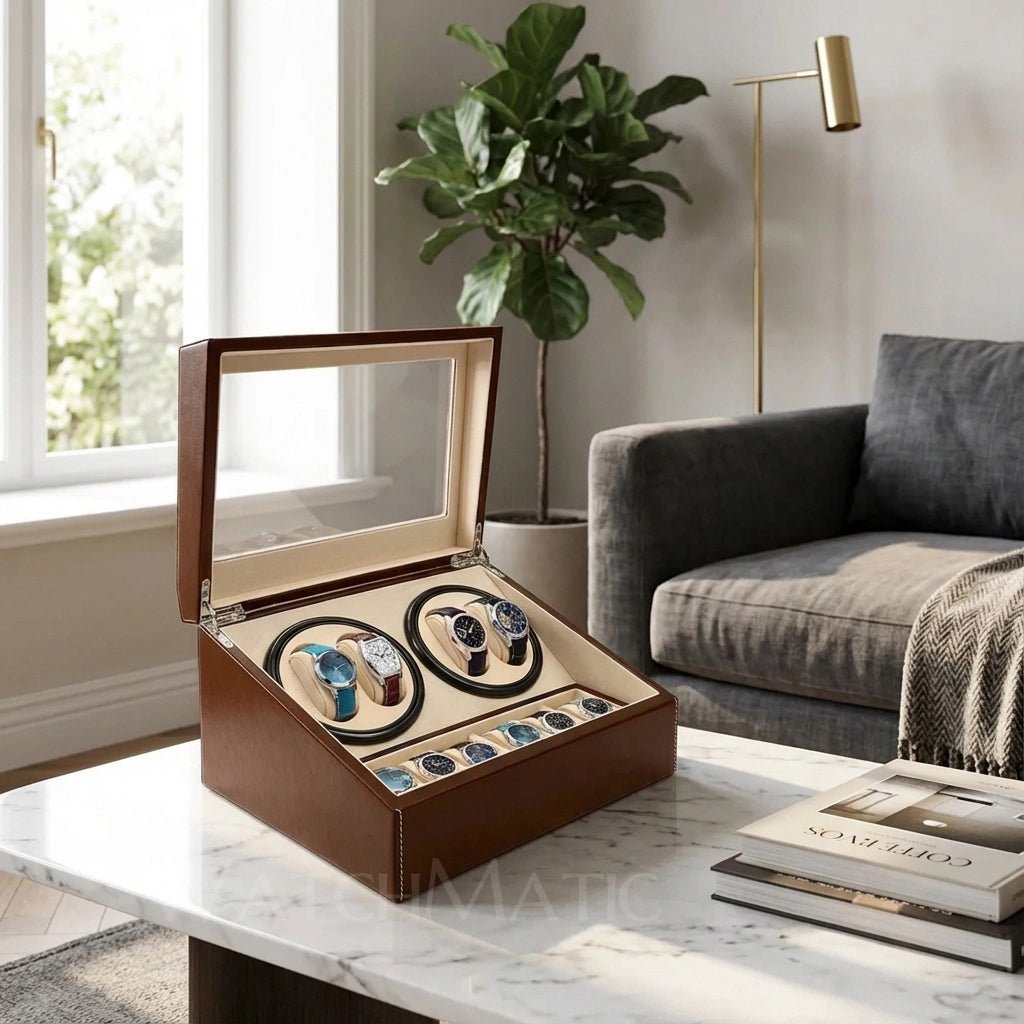
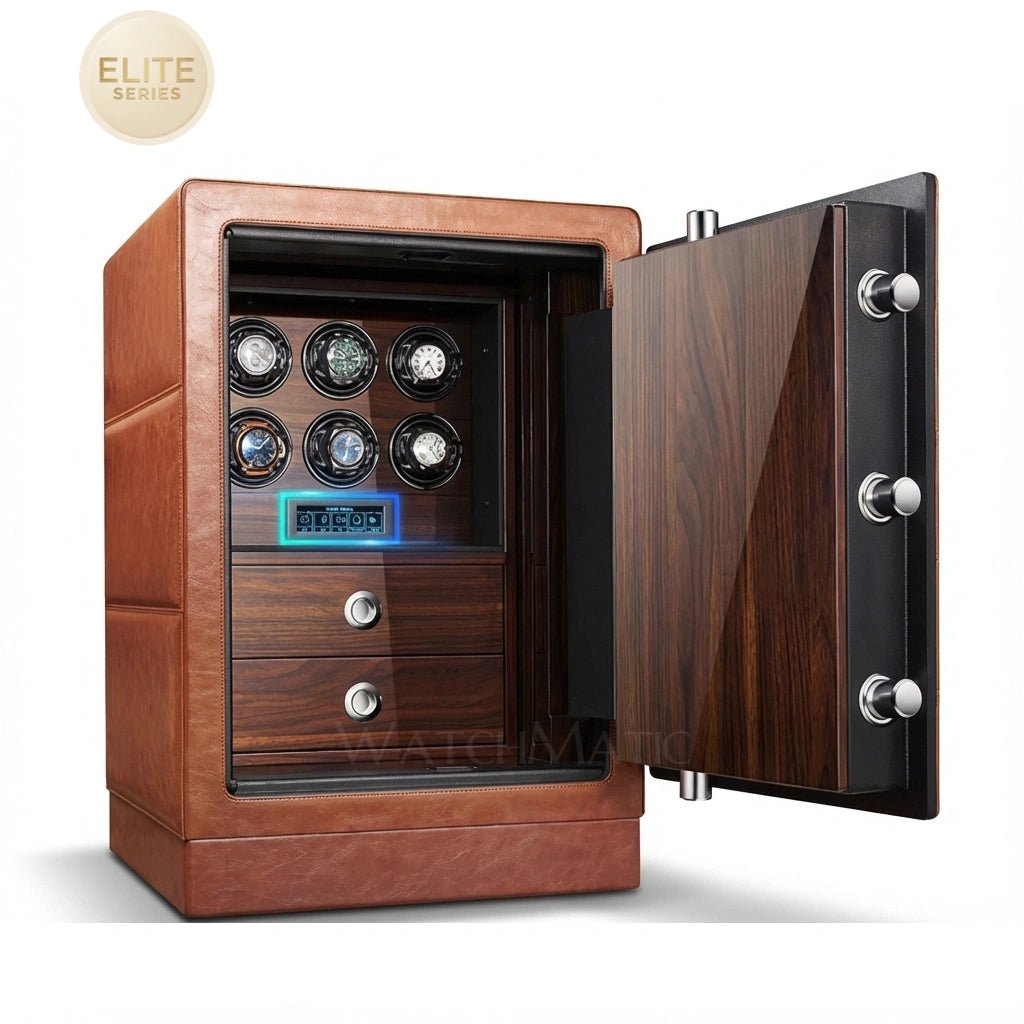
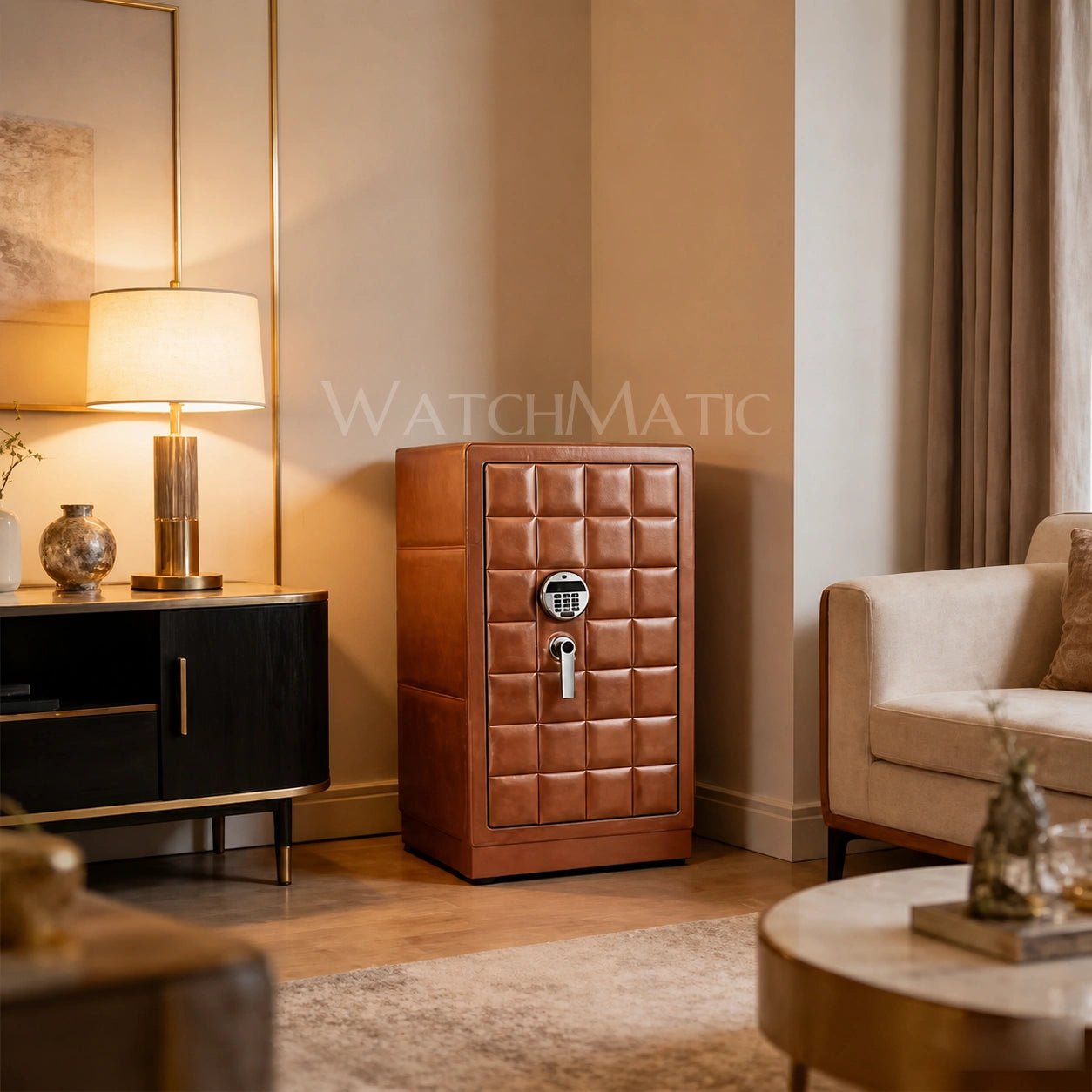
10. LuxGuard 6-Slot Watch Winder for Active Rotation

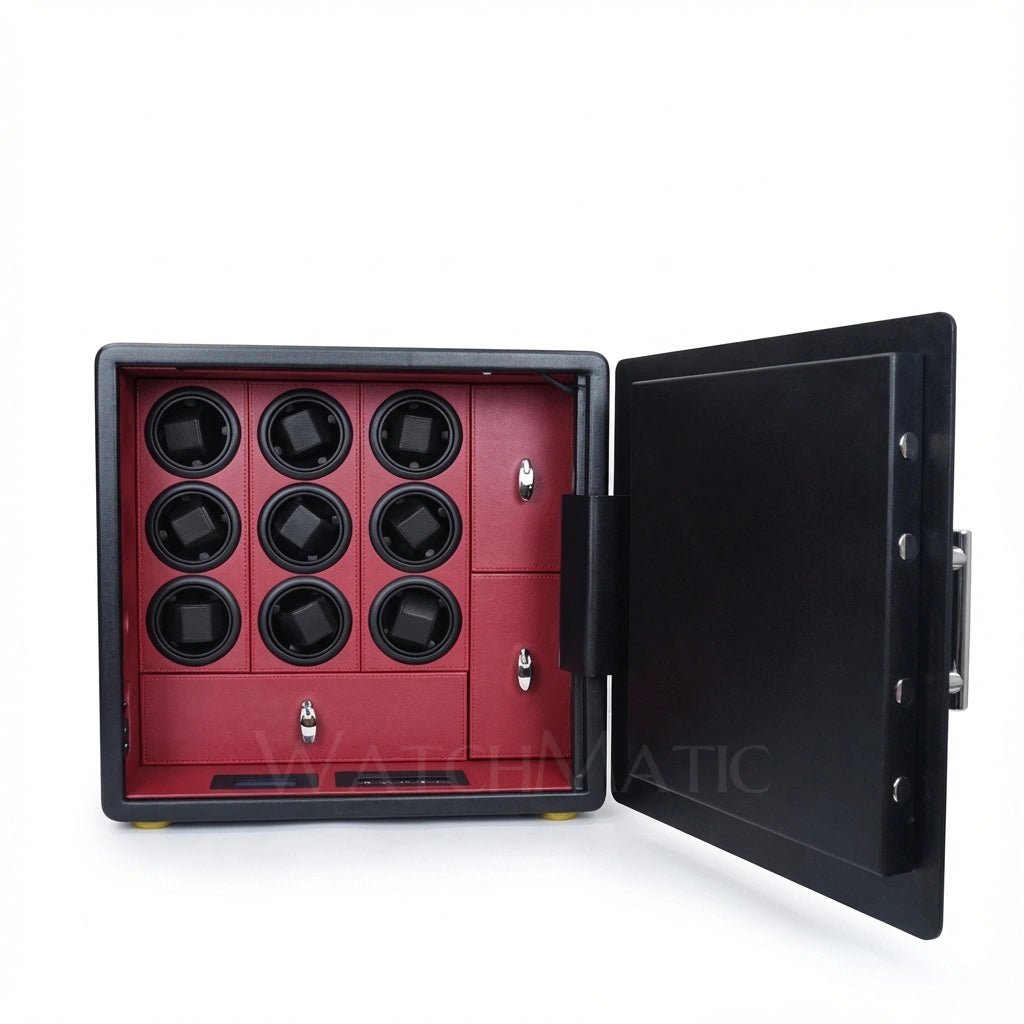
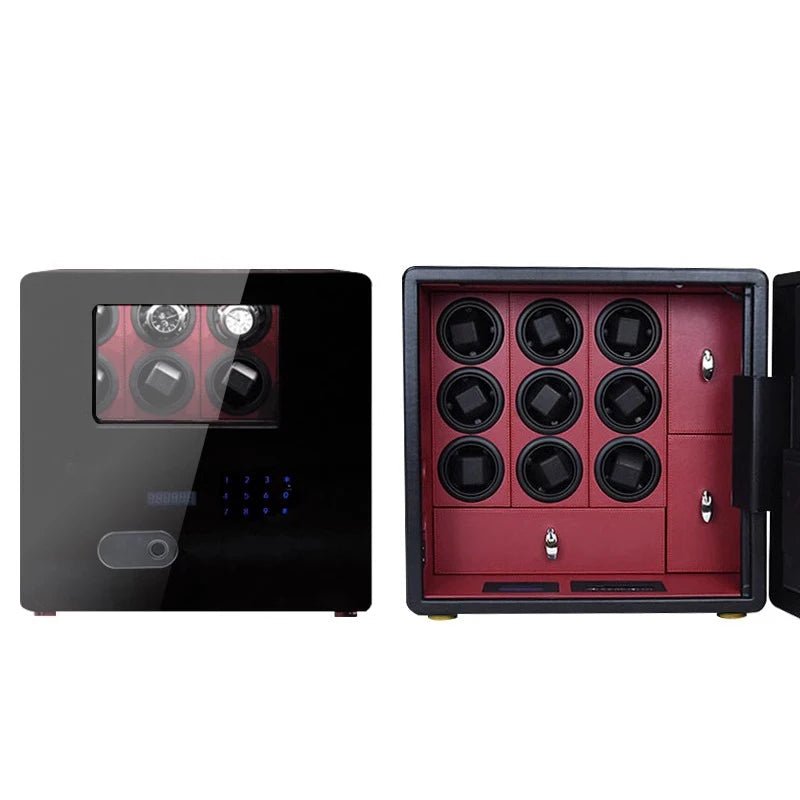
LuxGuard 6-Slot Watch Winder
For collectors who regularly rotate multiple automatic watches, the LuxGuard 6-Slot Watch Winder provides a practical way to keep selected watches running between wears.
Its nine positions make it particularly useful for an active collection where several watches need to remain organized and ready to wear.
Instead of manually winding and resetting every watch each time you change your rotation, a dedicated winder can maintain selected watches according to their programmed winding requirements.
Explore LuxGuard 6-Slot Watch Winder
11. A Watch Winder Is Not a Watch Maintenance System
It is important to understand what a winder actually does.
A watch winder can:
- Maintain the power reserve
- Keep selected watches running
- Reduce the need for resetting
- Keep certain complications active
- Organize an automatic watch collection
A watch winder does not:
- Service the movement
- Replace lubricants
- Repair damaged components
- Regulate accuracy
- Replace worn seals
- Eliminate the need for professional servicing
A winder is therefore a storage and convenience solution, not a substitute for maintenance.
12. When You Should Let an Automatic Watch Stop
There are situations where allowing a watch to stop is perfectly reasonable.
For example:
Rarely Worn Watches
If you wear the watch only a few times a year, continuous winding may not provide meaningful convenience.
Long-Term Storage
A watch that is being stored for an extended period does not necessarily need to remain running.
Watches Outside Your Active Rotation
If you have 20 watches but only wear five regularly, the remaining watches do not all need to be kept active.
In these situations, secure storage may be more appropriate than continuous winding.
For more information:
How To Store Luxury Watches At Home
13. How to Store an Automatic Watch That Is Not Running
If you choose not to keep a watch running, storage still matters.
Store it in a clean, stable environment away from:
- Excessive humidity
- Direct sunlight
- Extreme heat
- Strong magnetic fields
- Dust
- Accidental impacts
Individual watch compartments or cushions can help prevent contact between watches.
For larger collections, a dedicated luxury watch safe provides additional security and organization.
14. Protect Automatic Watches From Humidity
A stopped watch still needs an appropriate storage environment.
Humidity can affect the overall condition of a watch and its storage materials, particularly when watches remain in unsuitable environments for extended periods.
Avoid storing valuable watches in:
- Bathrooms
- Damp basements
- Steam-heavy environments
- Poorly ventilated cabinets
For more information:
and
How to Protect Watches From Theft, Fire and Humidity
15. Protect the Collection From Dust and Physical Damage
Whether a watch is running or stopped, it should be protected from unnecessary physical exposure.
Avoid leaving automatic watches:
- Loose in drawers
- On hard surfaces
- Exposed on open shelves
- Directly beside other watches
- In overcrowded storage
A dedicated watch box can provide individual compartments.
A luxury watch safe can provide a more secure environment for high-value collections.
16. Watch Winder vs. Manual Winding
There are two practical ways to keep an automatic watch ready when it is not being worn.
Manual Winding
You can manually wind the watch according to the manufacturer's instructions when you plan to wear it.
Advantages:
- No additional equipment
- Simple for occasional use
- Suitable for small collections
Disadvantages:
- Requires resetting after the watch stops
- Less convenient for multiple watches
- Complicated calendars may require additional adjustment
Watch Winder
A programmable winder maintains selected watches automatically.
Advantages:
- Watches remain ready to wear
- Convenient for collections
- Useful for complicated watches
- Reduces repeated manual resetting
Disadvantages:
- Additional equipment
- Not necessary for every watch
- Requires correct settings
For collectors, the choice is usually about convenience rather than necessity.
17. Keep Multiple Automatic Watches Running
This is where the biggest practical benefit of a watch winder appears.
Imagine owning:
- 3 Rolex watches
- 2 Omega watches
- 1 Cartier
- 1 Patek Philippe
- 1 Hublot
- 1 Tudor
You may rotate between them throughout the month.
Without a winder, several watches will eventually stop.
Every time you return to one, you may need to:
- Wind it
- Set the time
- Set the date
- Adjust other complications
With a programmable winder, selected watches can remain ready for rotation.
For brand-specific winding information, WatchMatic has dedicated resources including:
18. What About a Watch Winder Safe?
For a larger collection, a standalone winder may eventually become insufficient.
A watch winder safe combines:
Secure storage + automatic winding + collection organization
This can be particularly useful when the value of the collection increases.
Instead of keeping winders outside a secure cabinet, integrated systems can provide a centralized environment for both winding and protection.
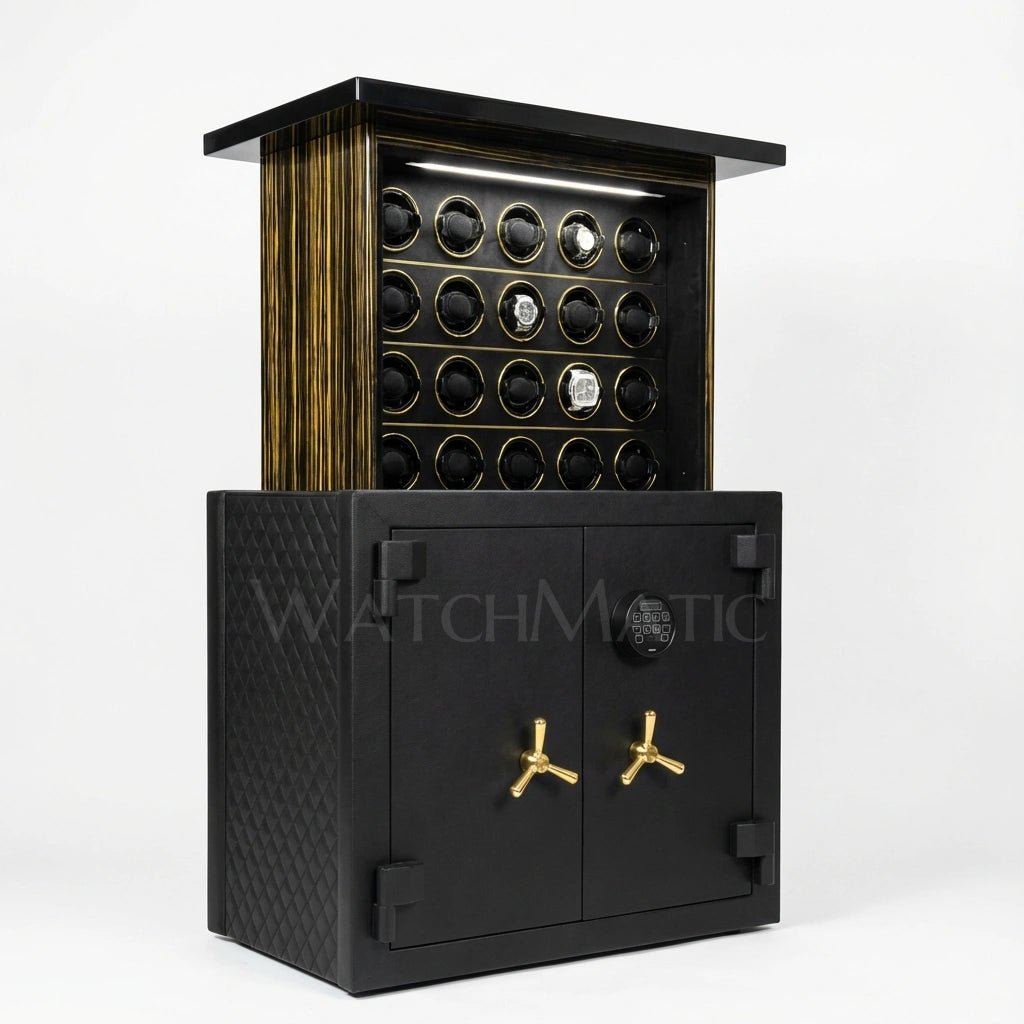
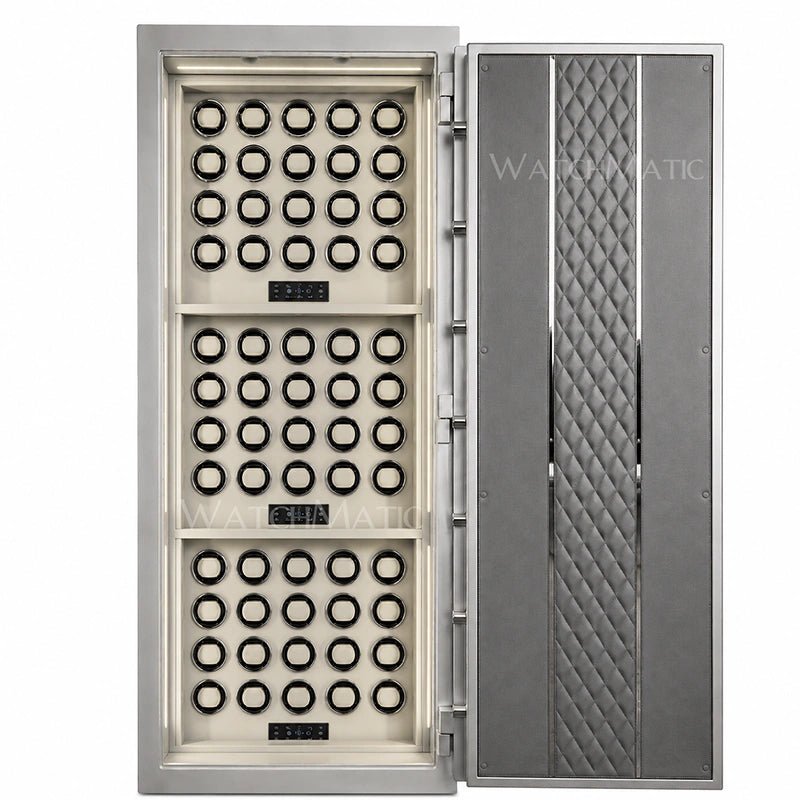
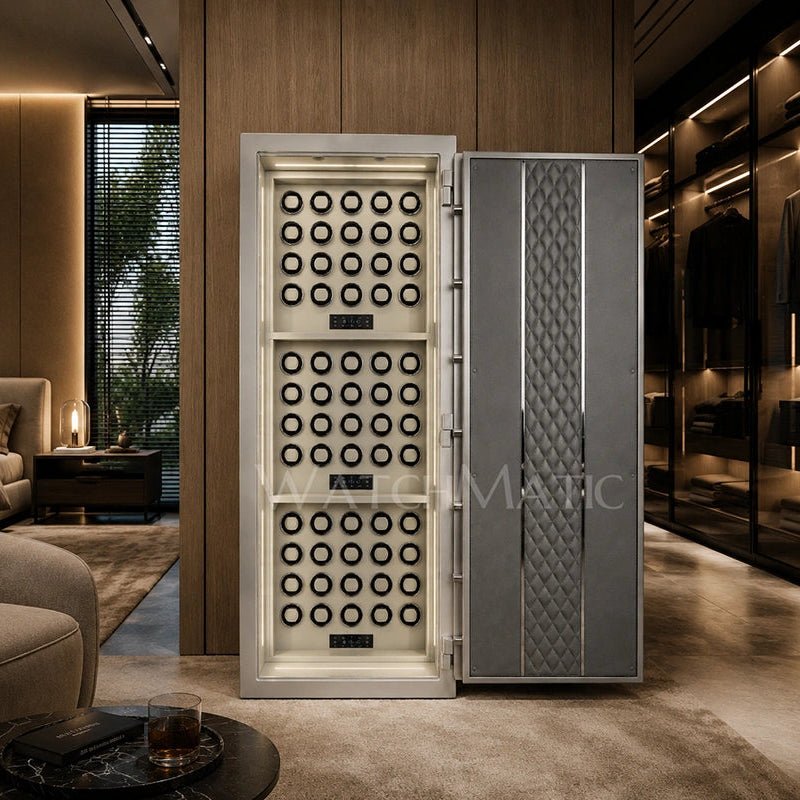
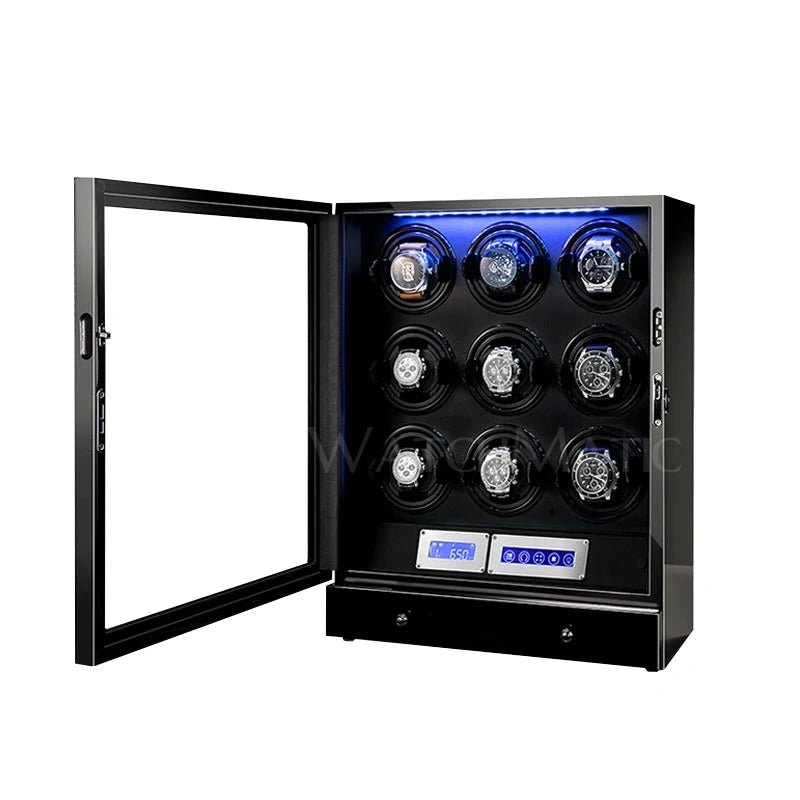
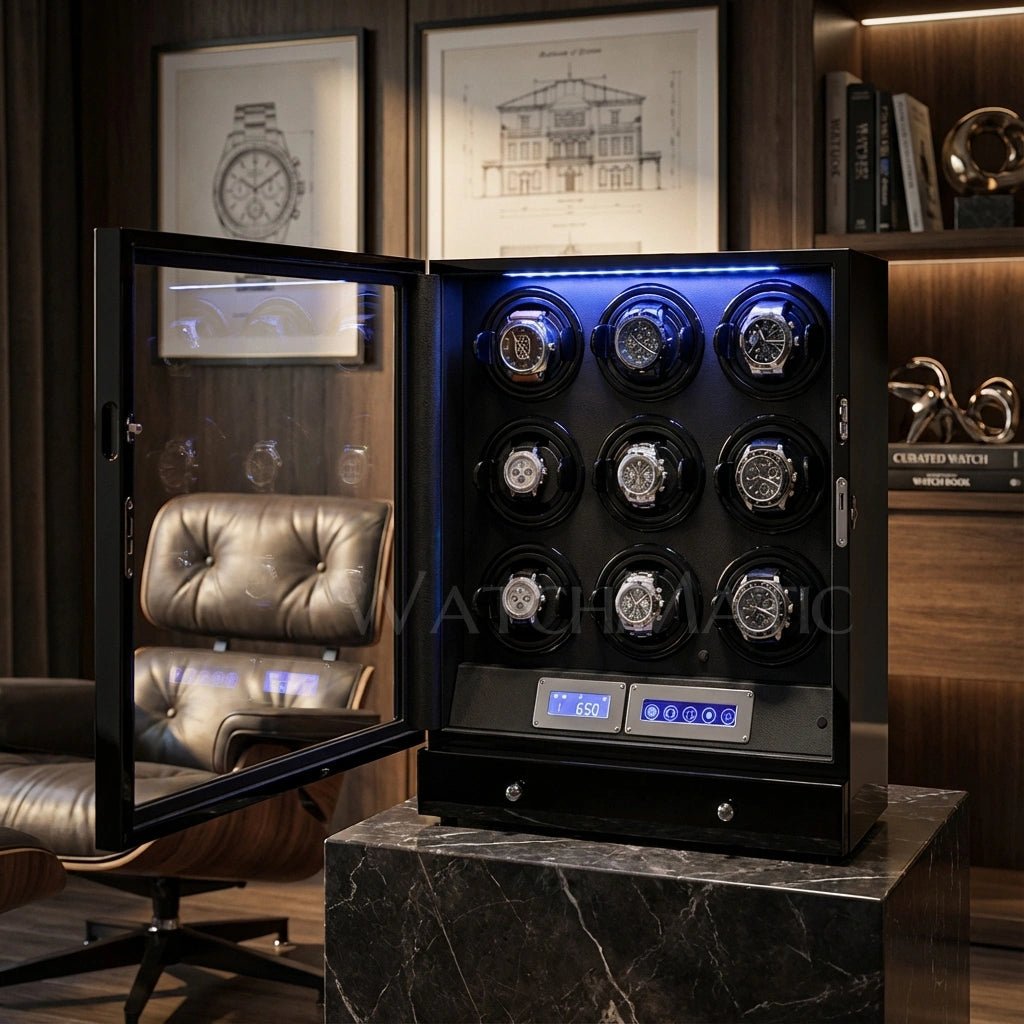
Titan Vault Watch Winder Safe

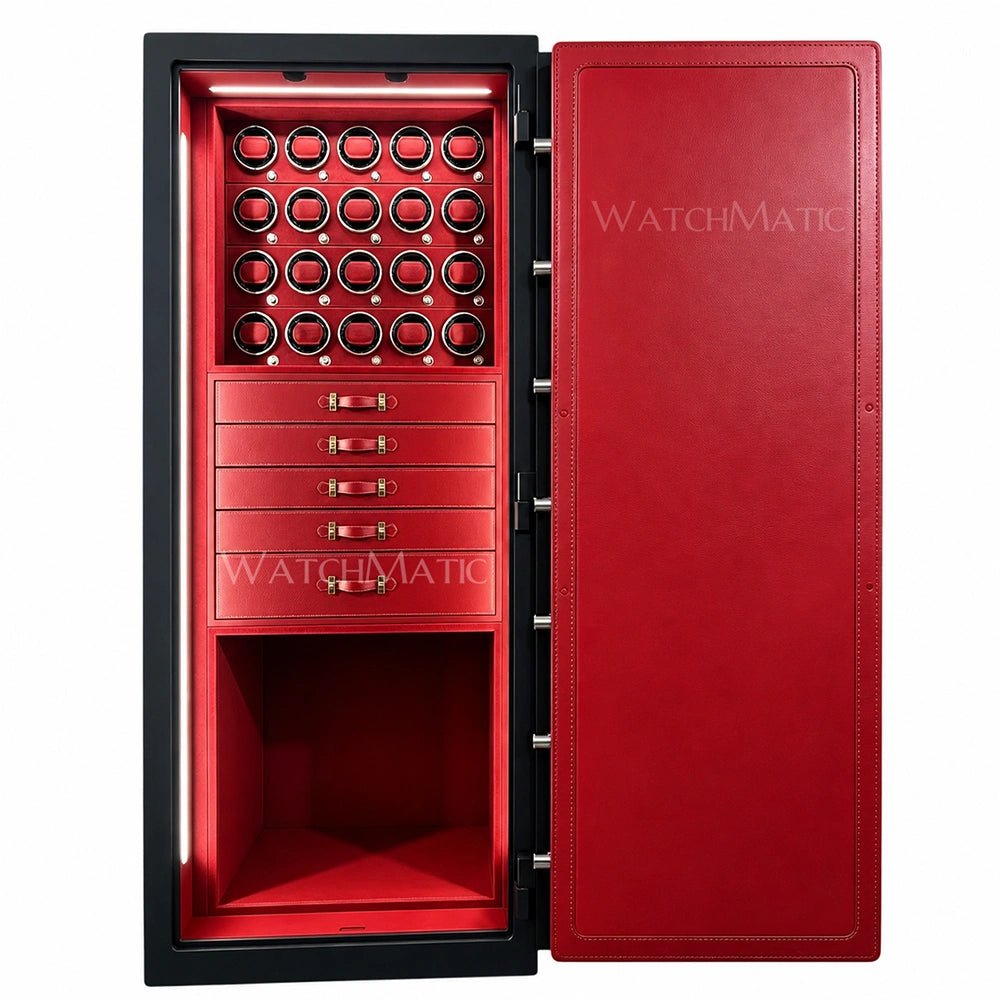
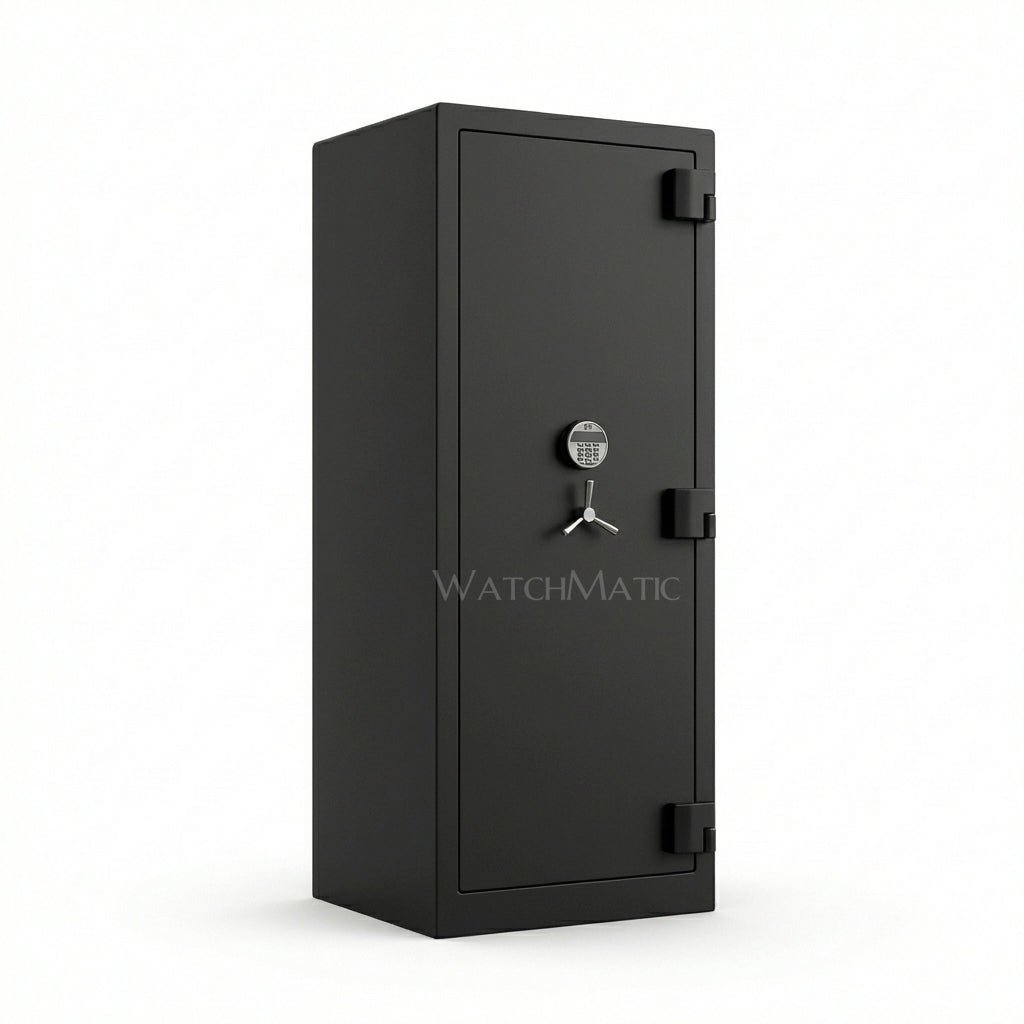
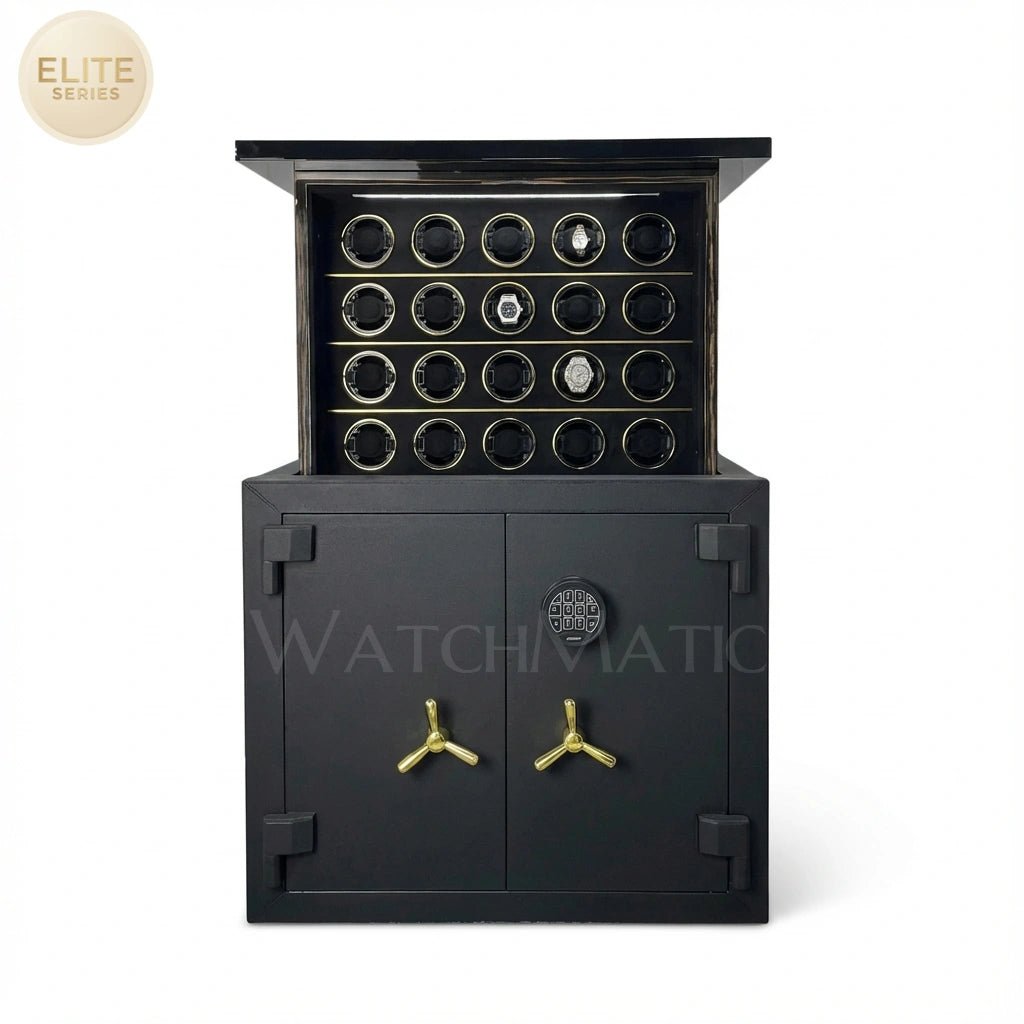
The Titan Vault Watch Winder Safe Series is designed for larger automatic watch collections and can be configured for approximately 12 to 60 watches, depending on the model.
The Titan Vault 40 incorporates features including:
- 10-layer reinforced exterior shell
- Biometric fingerprint access
- Digital passcode
- Manual key access
- Floor anchoring
- Independent winding controls
- Adjustable TPD
- Rotation-direction settings
- Anti-magnetization protection
- Japanese Mabuchi motors
- Ultra-silent operation
Explore Titan Vault 40 Watch Winder Safe
The advantage is not simply keeping every watch running.
It is allowing the collector to choose which watches remain active while keeping the wider collection securely organized.
19. Should Every Watch in a Watch Winder Safe Be Running?
No.
Even with a large integrated system, the collector can decide which watches should remain active.
A practical system might look like:
Daily Rotation → Running
Weekly Rotation → Running
Monthly Rotation → Optional
Rarely Worn → Secure Storage
This makes the winder a collection-management tool rather than simply a machine that keeps every watch rotating.
20. How Long Can an Automatic Watch Run Without Wearing It?
The answer depends on the movement and its power reserve.
Many modern automatic watches offer approximately 40–70 hours of power reserve, although some movements provide significantly more.
When the stored energy is exhausted, the watch stops.
This is normal.
The exact power reserve should always be checked against the specifications of the individual watch.
A watch winder effectively extends the running period by periodically replenishing that stored energy through rotation.
21. What If Your Watch Stops Despite Being on a Winder?
If a watch stops while correctly positioned on a properly functioning winder, investigate the situation rather than simply increasing the TPD.
Check:
- Is the winder operating correctly?
- Is the watch positioned securely?
- Is the rotation direction appropriate?
- Is the programmed TPD suitable?
- Was the watch sufficiently wound before being placed on the winder?
- Does the watch itself have a mechanical issue?
If the winder is functioning correctly and the watch repeatedly stops, the watch may require professional inspection.
Increasing the rotation indefinitely is not necessarily the correct solution.
22. The Best Strategy for Collectors
For most collectors, the simplest strategy is to divide the collection according to use.
Keep Running
Watches that you wear frequently.
Winder
Watches in active rotation.
Secure Storage
Watches worn occasionally.
Long-Term Storage
Rare or special pieces.
This prevents unnecessary winding while ensuring that the watches you actually want to wear are ready when you need them.
Automatic Watch Running Checklist
If You Want to Keep an Automatic Watch Running
☐ Use a suitable watch winder
☐ Check the movement's TPD requirements
☐ Select the correct rotation direction
☐ Use appropriate winding cycles
☐ Make sure the watch is properly positioned
☐ Keep the winder in a suitable environment
If You Choose to Let It Stop
☐ Store it in a clean environment
☐ Protect it from humidity
☐ Keep it away from strong magnetic sources
☐ Avoid physical contact with other watches
☐ Restart and set it according to manufacturer instructions
For Multiple Watches
☐ Identify active rotation pieces
☐ Use independent winding where available
☐ Avoid keeping every watch running unnecessarily
☐ Maintain secure storage for the rest of the collection
Final Thoughts
An automatic watch does not need to be kept running when it is not being worn.
If the watch is part of your regular rotation, however, a programmable watch winder can make ownership considerably more convenient.
The key is to use a winder intelligently.
Choose appropriate TPD and rotation settings, keep the watch protected from dust and environmental exposure, and remember that winding is not the same as mechanical maintenance.
For a small collection, manually winding and resetting an occasional watch may be perfectly practical.
For several automatic watches, a system such as LuxGuard 6-Slot Watch Winder can keep active pieces organized and ready to wear.
For larger collections, Titan Vault combines secure storage with integrated winding, providing a more comprehensive solution for collectors who want both convenience and protection.
Ultimately, the best approach is simple:
Keep the watches you wear frequently running. Let rarely worn watches rest securely. And use a quality watch winder when the convenience is genuinely valuable.