Precision is the soul of horology. When you place your timepiece into a watch winder, the settings you choose act as the "diet" for your watch’s movement. If that diet is incorrect, either too little or too much - the performance of your watch will suffer.
Here is a breakdown of what happens when the settings don't match the movement.
1. The Scenario of Too Few TPD (Under-winding)
If your watch requires 800 TPD but your winder is set to 500, the result is simple: The watch will stop.
- The Symptom: You wake up to find your watch has lost time or stopped completely despite being in the winder.
- The Long-term Effect: While not damaging, it defeats the purpose of your watch winder safe. For watches with complex perpetual calendars, this means the annoyance of manual resetting.
2. The Scenario of Too Many TPD (Over-winding)
As we’ve discussed in previous articles, modern watches have a "slipping clutch" to prevent the mainspring from snapping. However, excessive TPD is still suboptimal.
- The Symptom: The clutch is constantly engaged, working to "bleed off" the extra energy.
- The Long-term Effect: Continuous over-winding can lead to premature wear of the winding bridge and the slipping clutch mechanism itself. It’s like keeping a car engine red-lined while in neutral—the safety features work, but you're adding unnecessary miles to the parts.
3. The Wrong Directional Setting
This is the most common error. Many movements, like the famous Valjoux 7750, only wind in one direction (Clockwise).
- What happens: If set to Counter-Clockwise, the rotor will spin freely without engaging the winding gears.
- The Result: The watch will slowly deplete its power reserve and stop, even though the winder is spinning all day.
4. Magnetization Risks with Low-Quality Winders
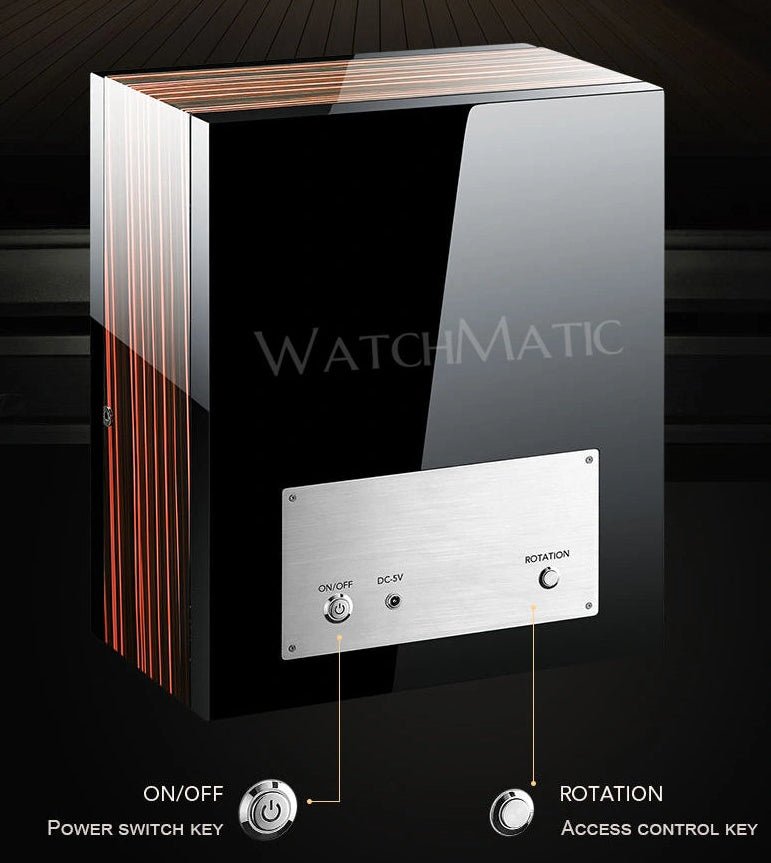
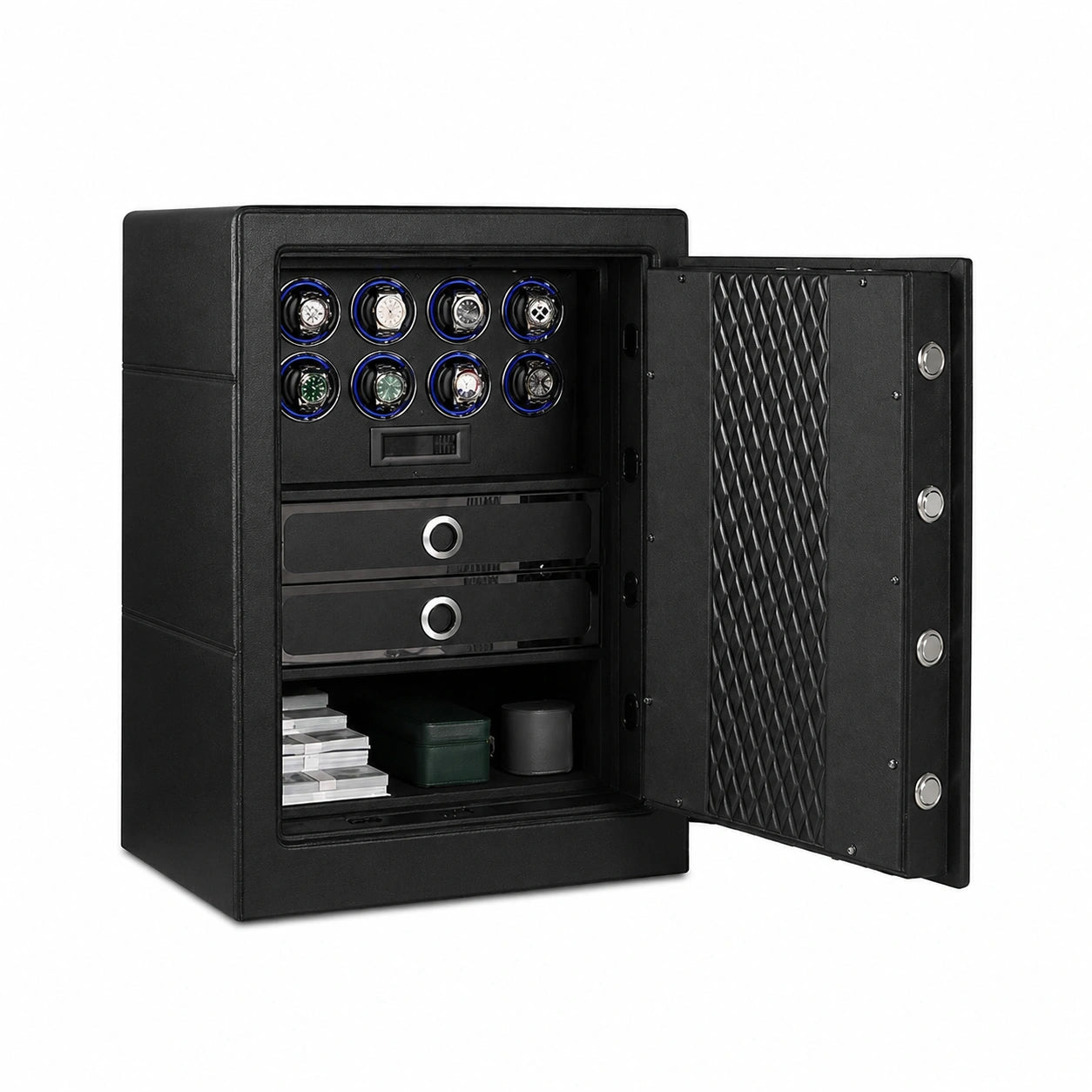
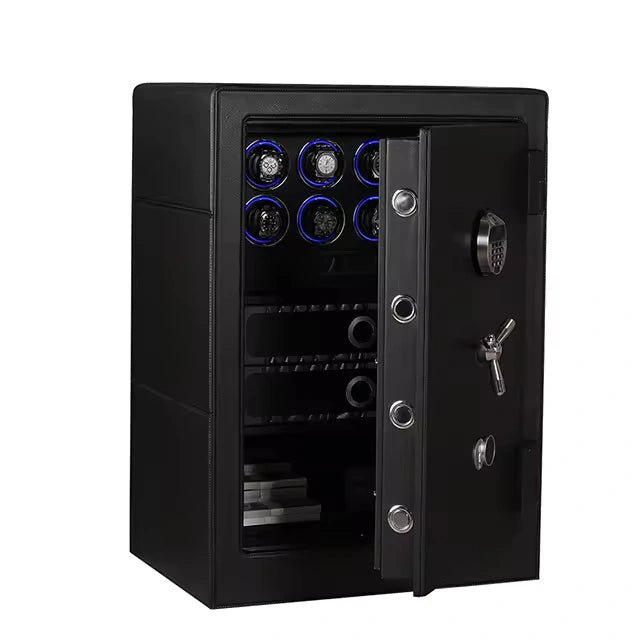
If you aren't using a shielded winder from WatchMatic, the "wrong setting" might actually be the motor itself. Cheap, unshielded motors placed too close to the movement can magnetize the hairspring.
- The Consequence: Your watch will suddenly start running extremely fast (gaining minutes or hours per day), requiring a professional demagnetization service.
- The WatchMatic Solution: Our winders feature Independent Programmable Rotors. This allows you to tailor the exact TPD and direction for every watch in your collection, ensuring each piece receives exactly what it needs—no more, no less.