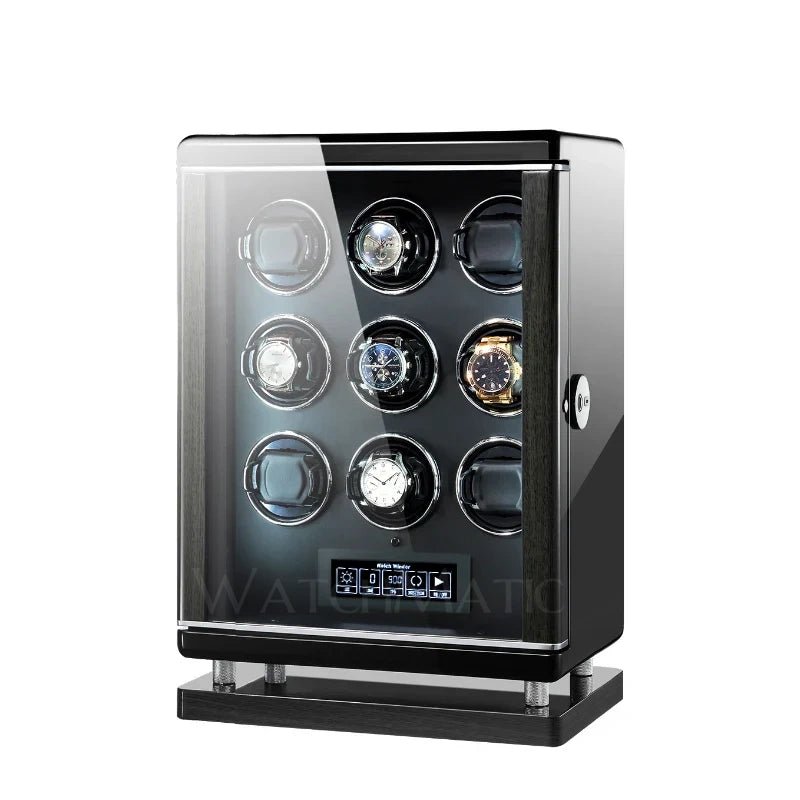
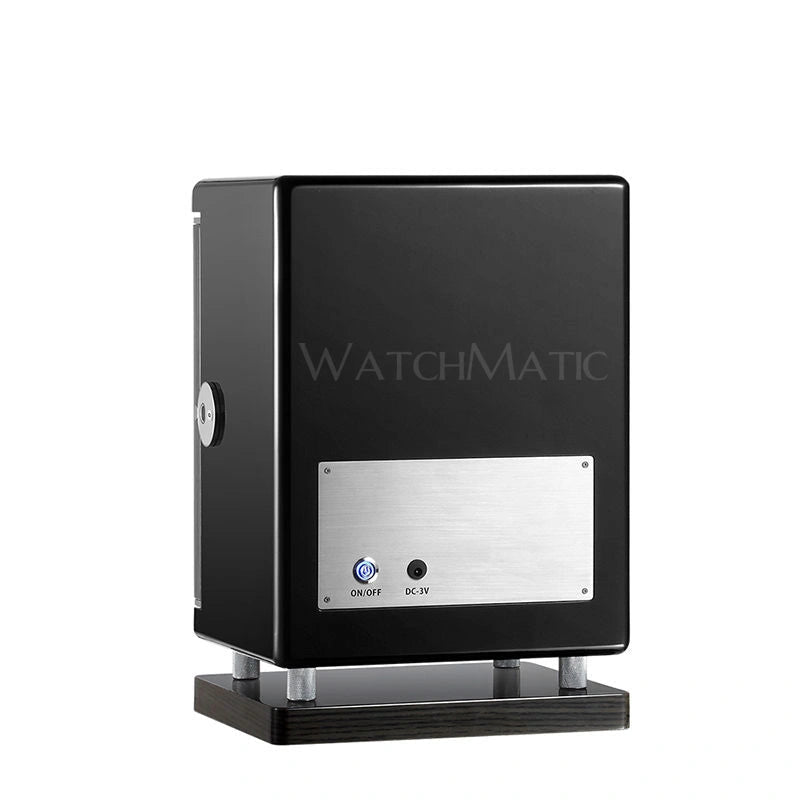
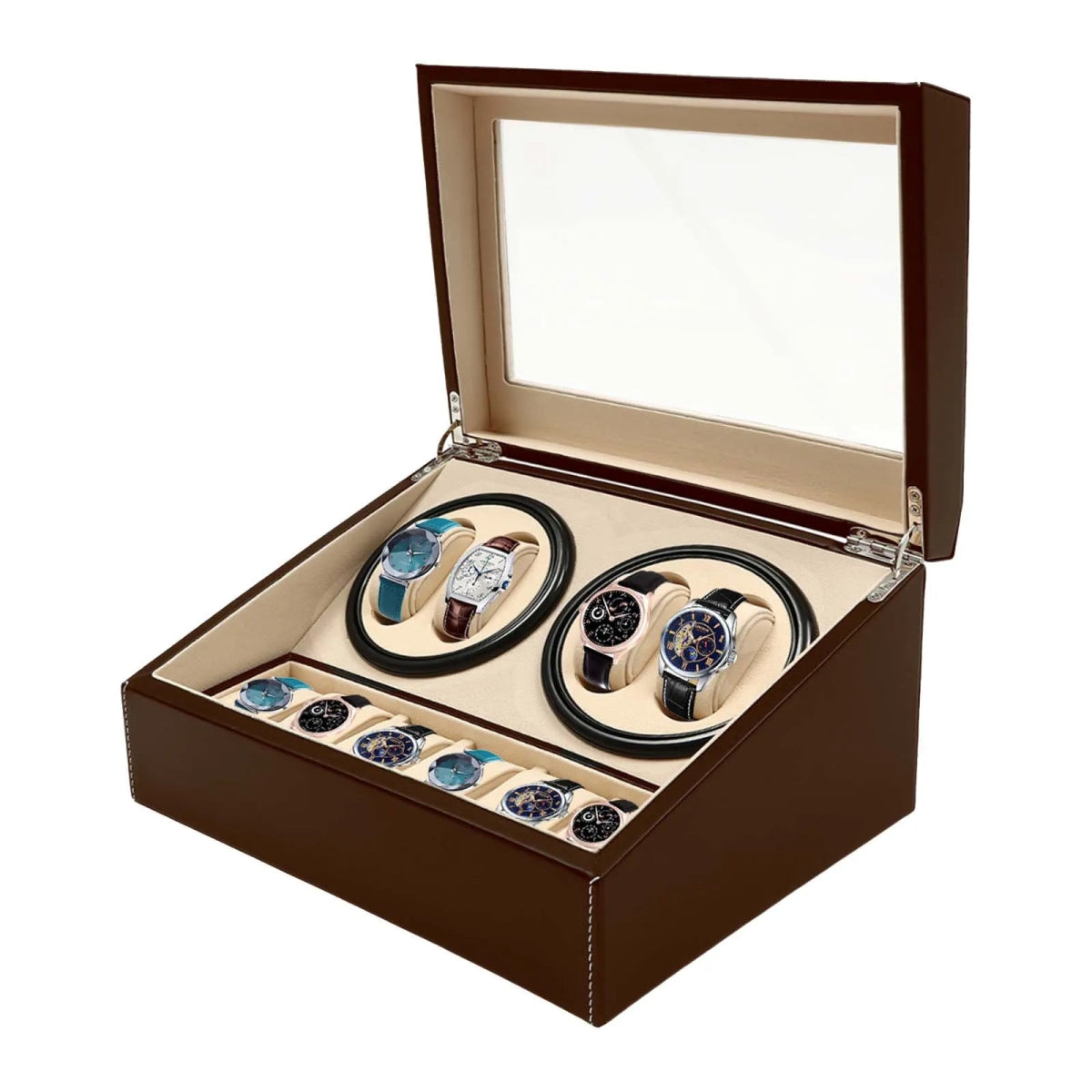
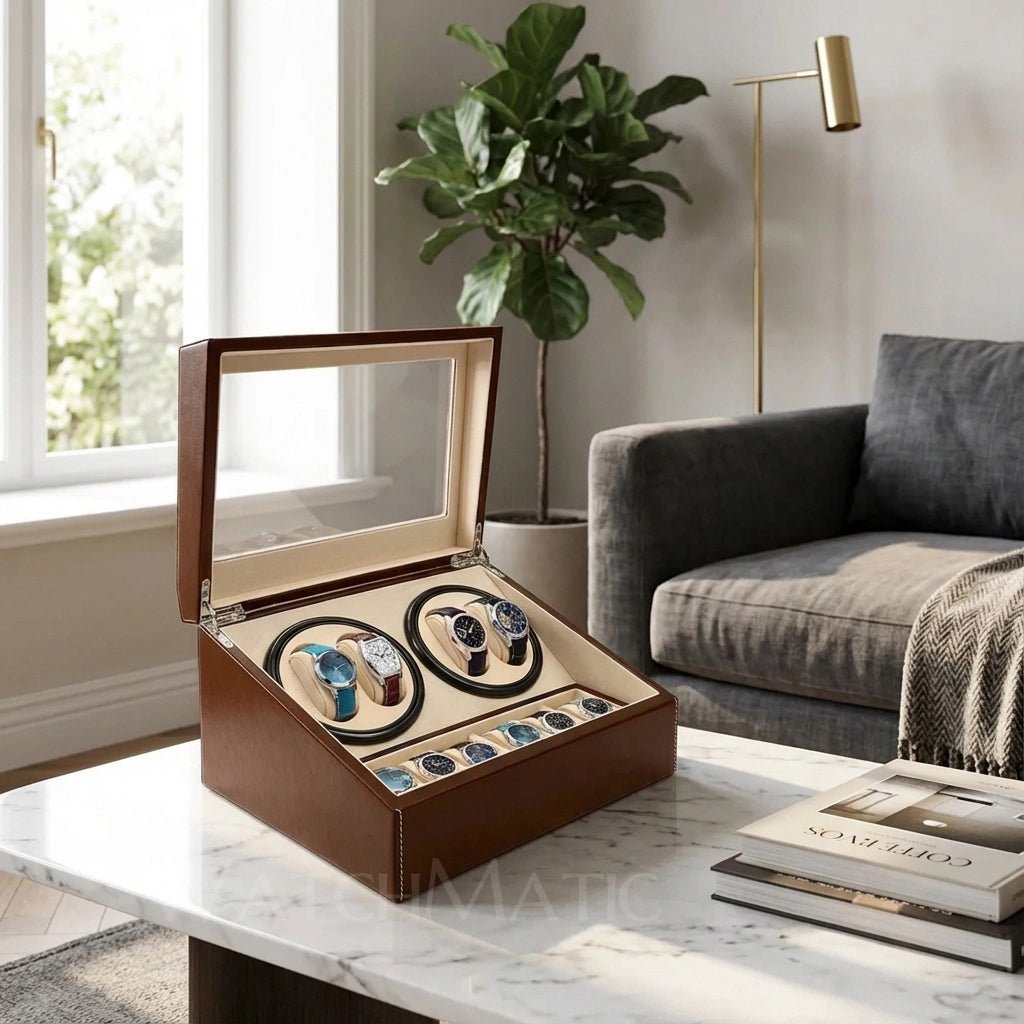
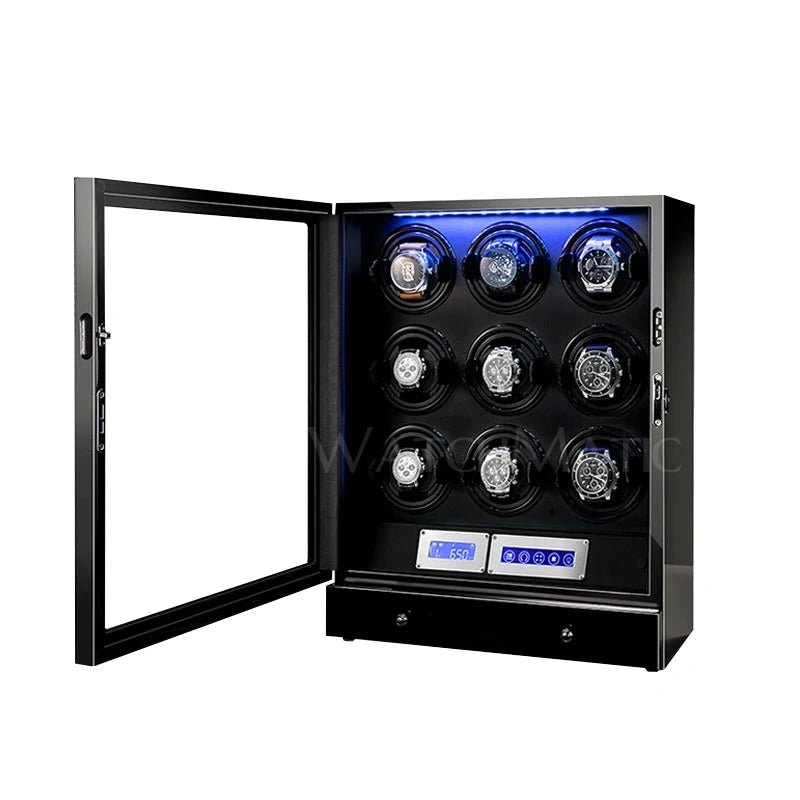
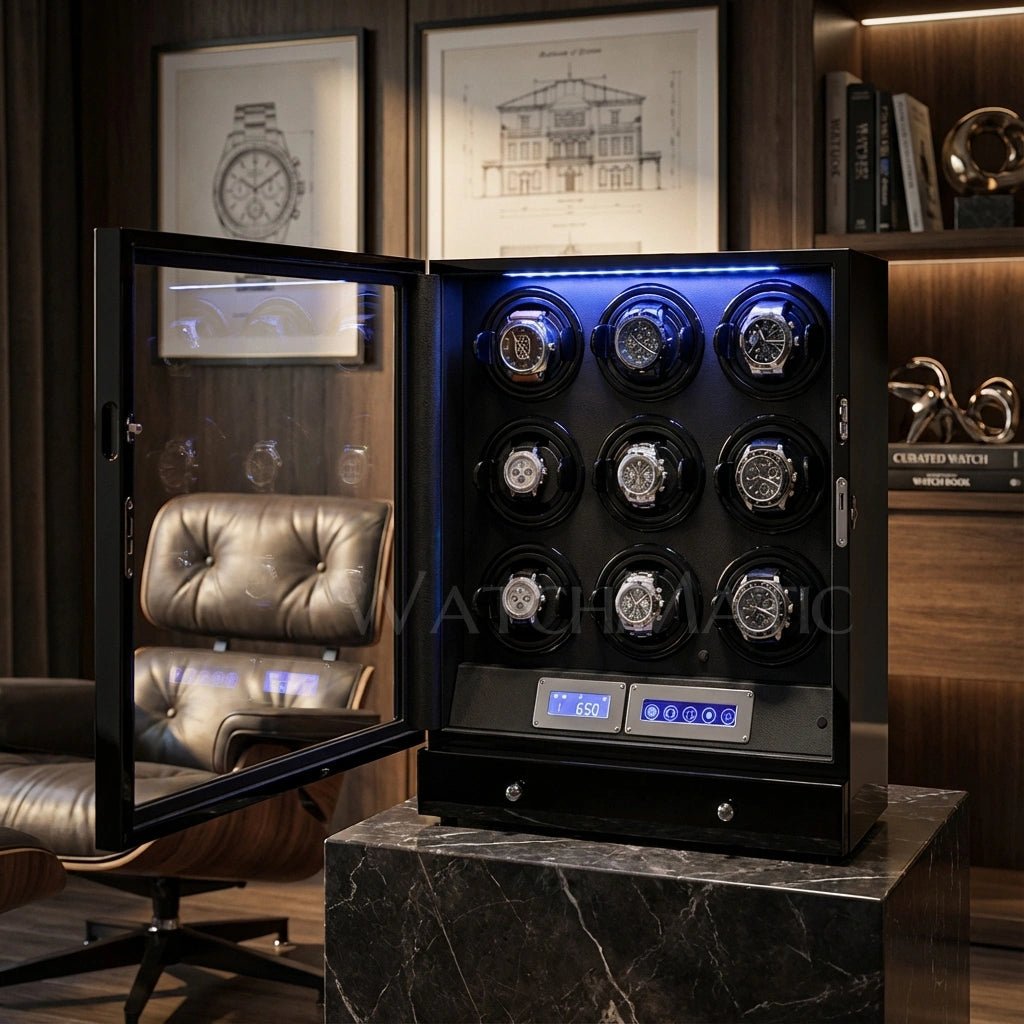
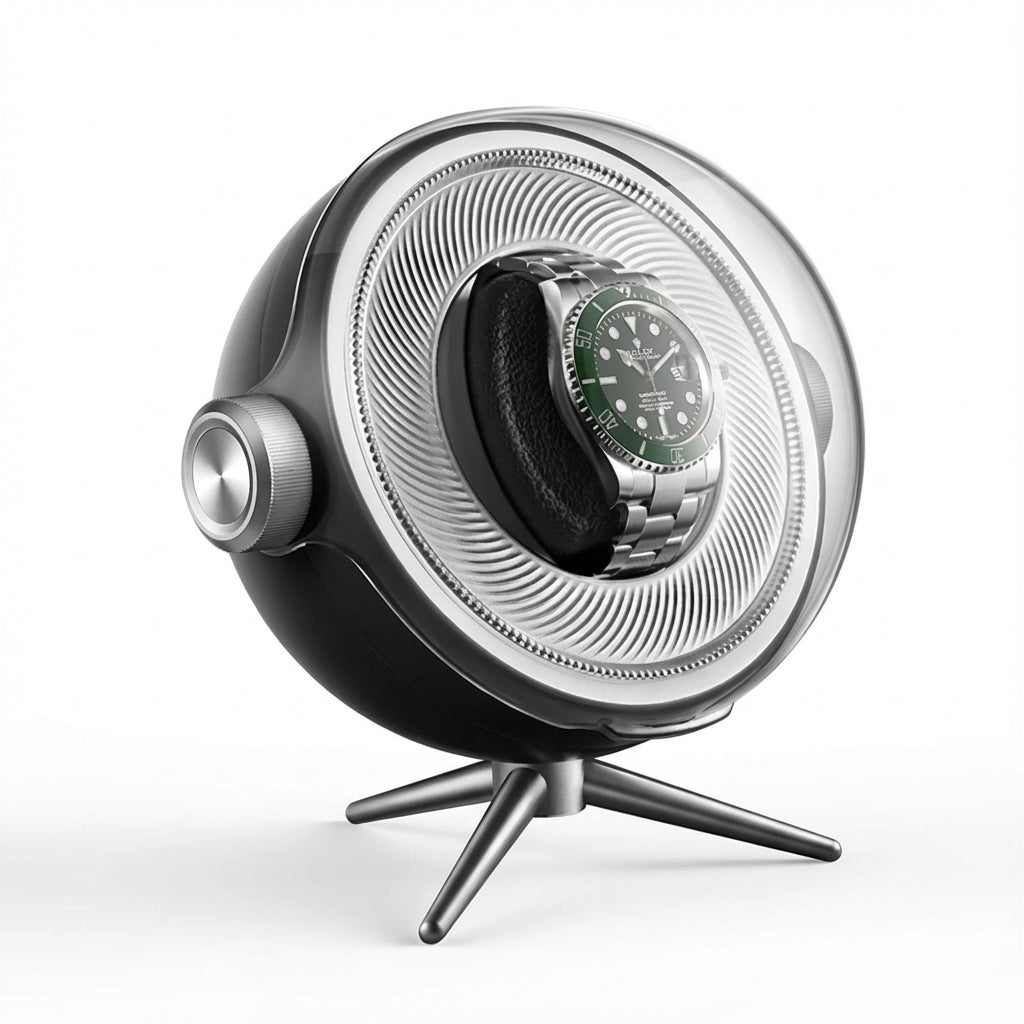
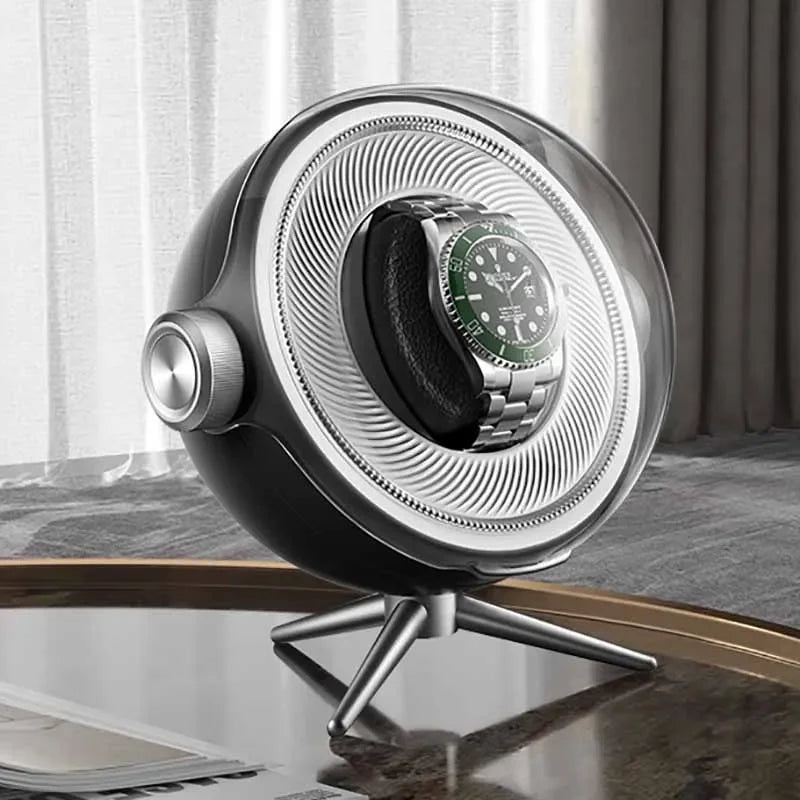
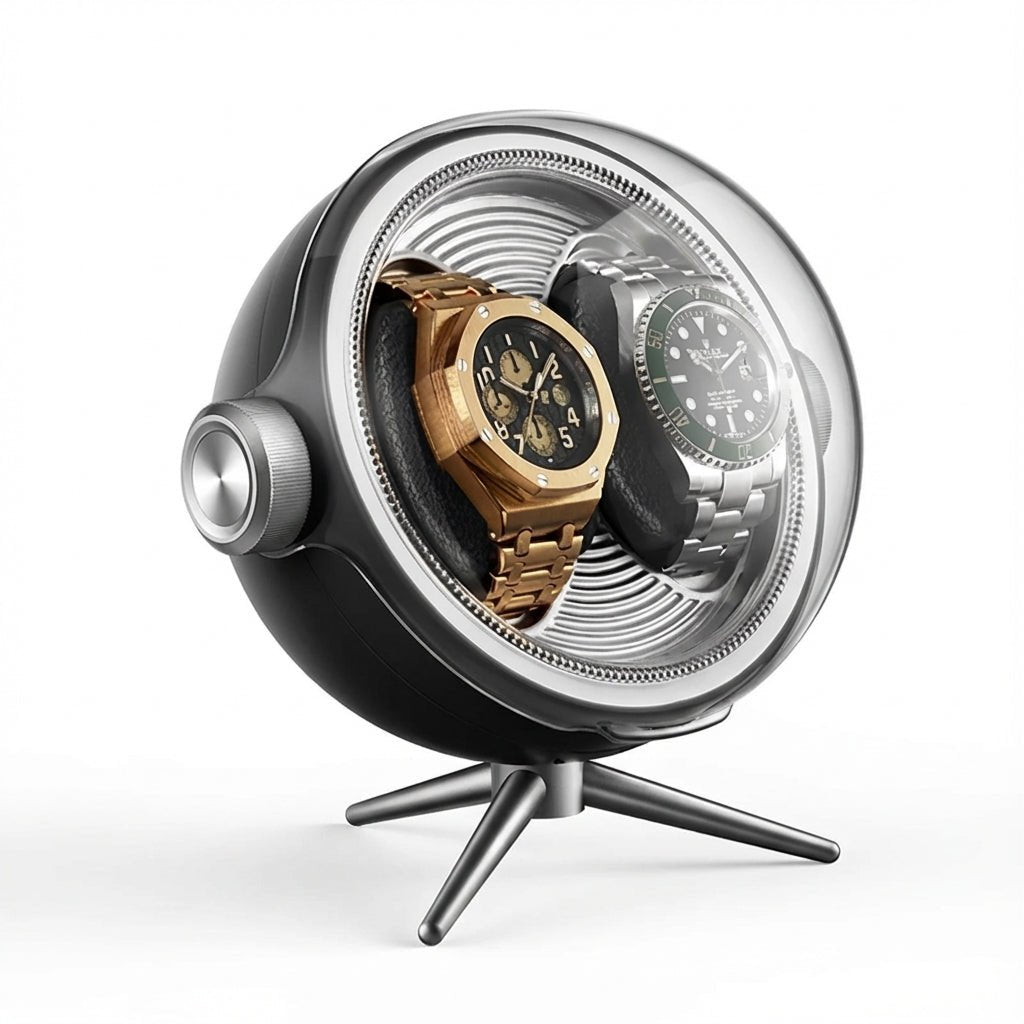
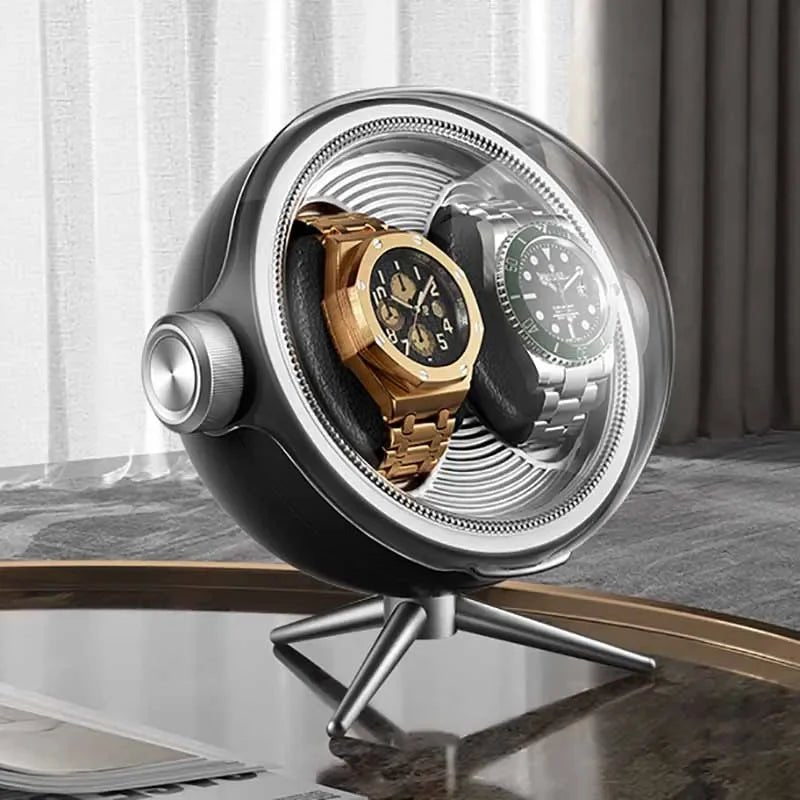
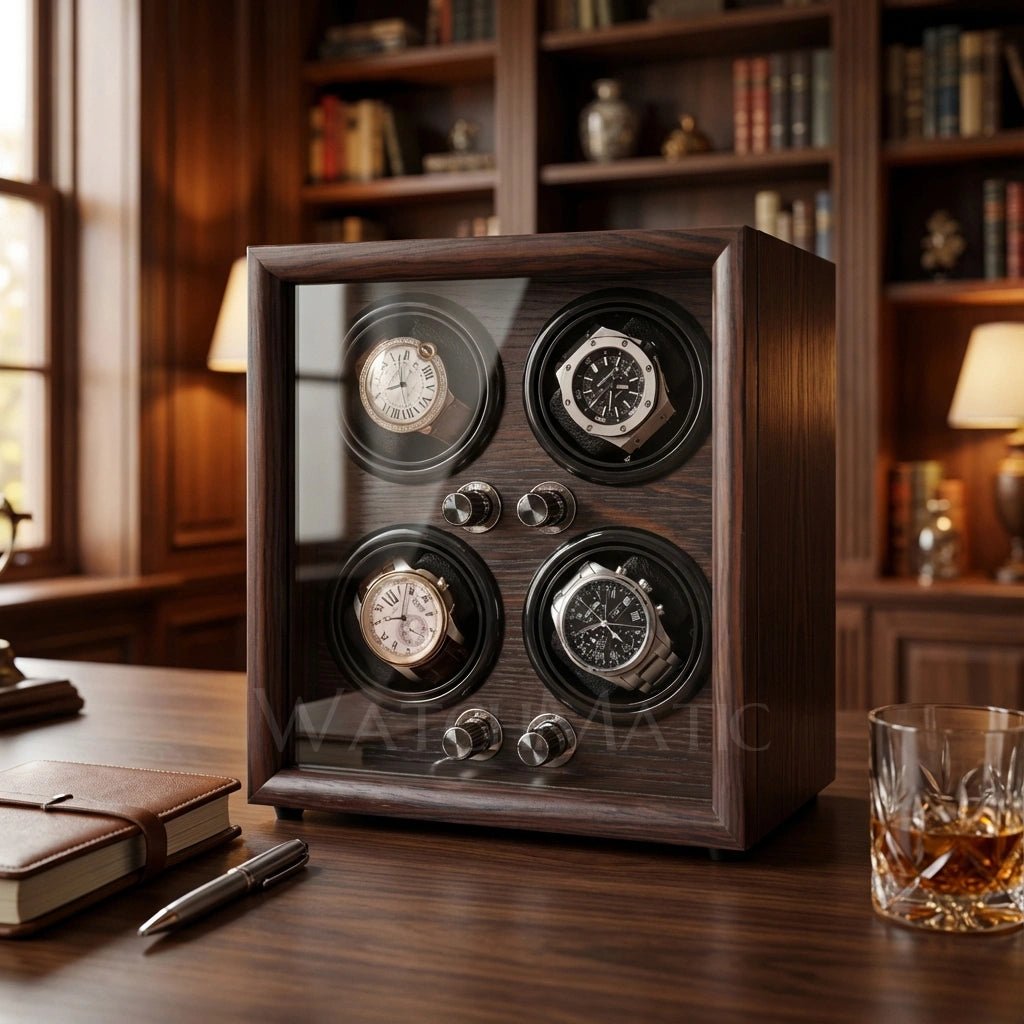
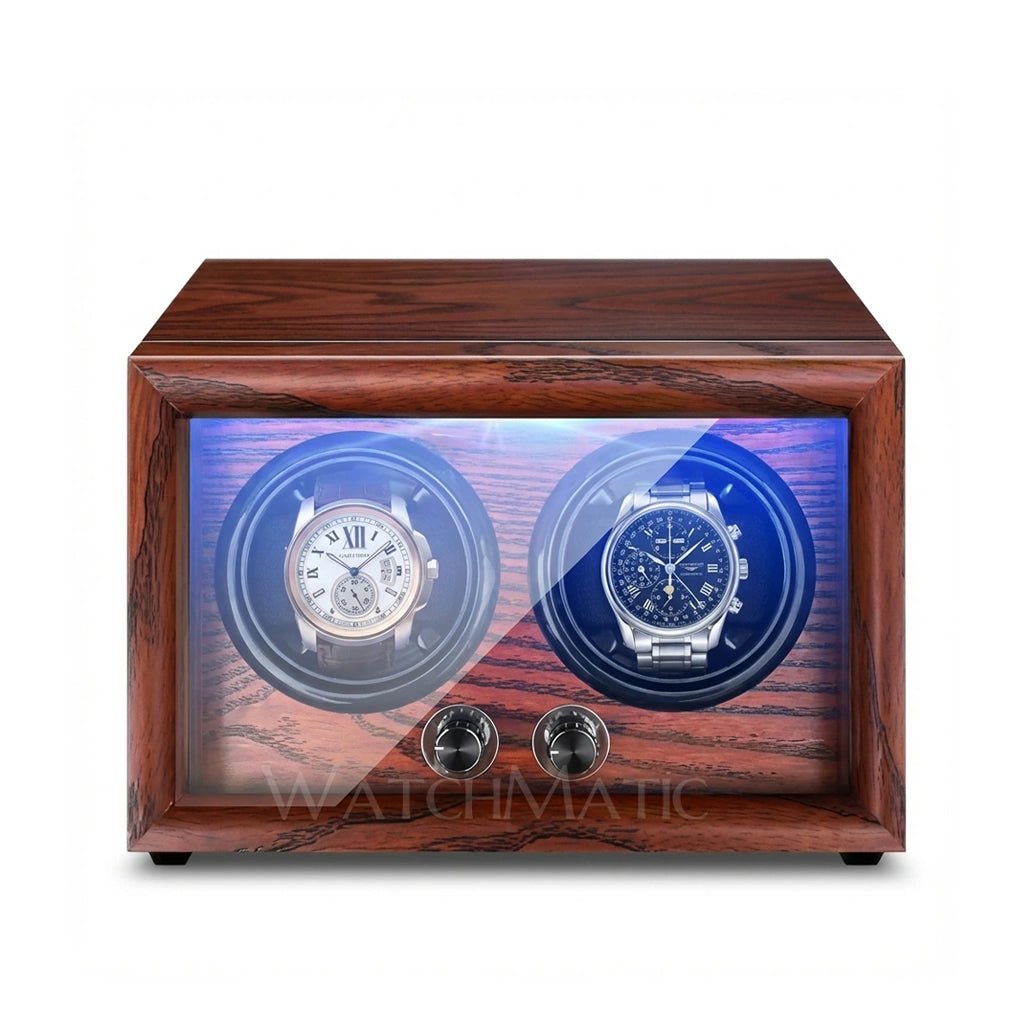
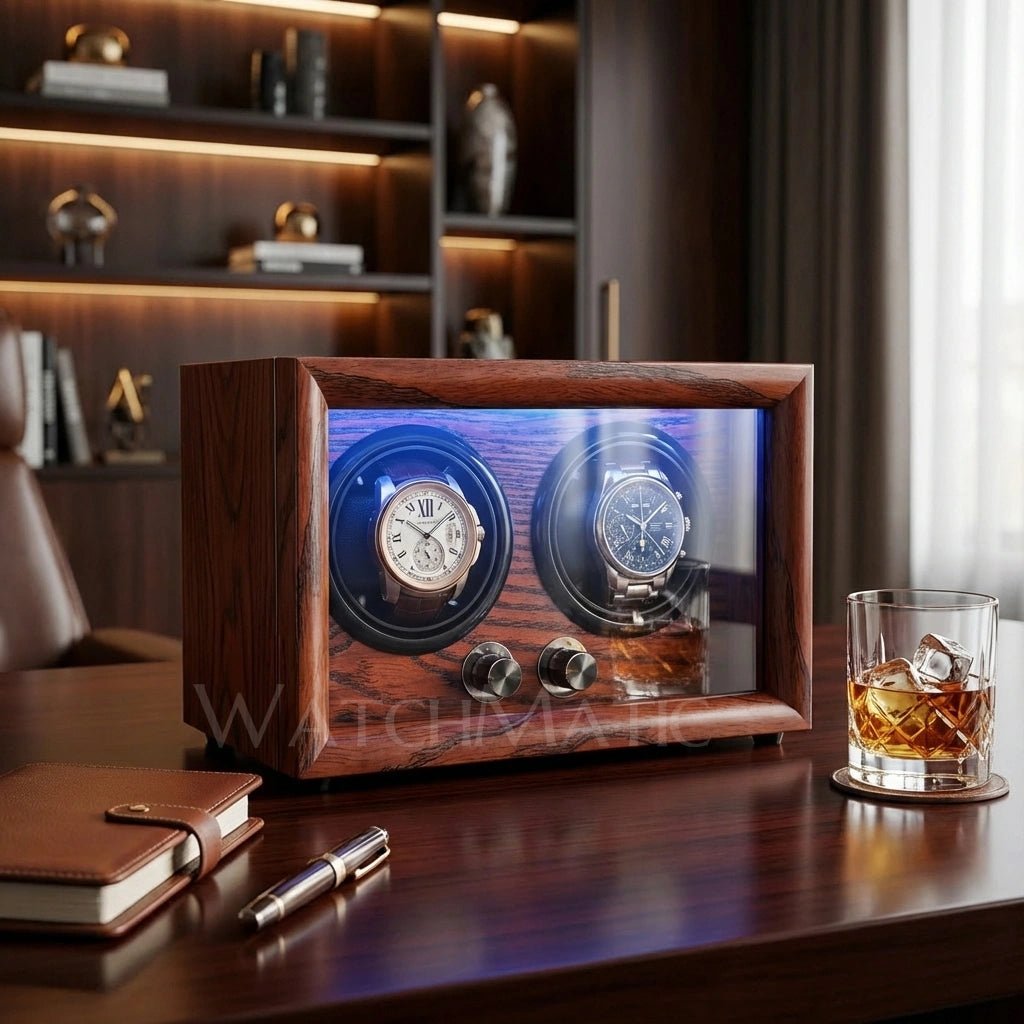
At WatchMatic, we’ve worked with collectors across every stage — from first-time automatic watch owners to clients managing multi-six-figure collections — and one pattern is always consistent: the moment your collection grows, your priorities change.
A watch winder guide is not just about choosing a device. A watch winder guide is about understanding how to manage mechanical watches properly — from daily usability to long-term preservation.
This guide covers everything that actually matters: how watch winders work, when you truly need one, how to set TPD and rotation correctly, what mistakes to avoid, and how decisions change as your collection evolves.
If you’re moving beyond owning a watch into managing a collection, this is where that transition begins.
Who This Guide Is For
There is a clear difference between owning a watch and managing a collection.
If you wear the same automatic watch every day, your relationship with it is simple. It runs because you wear it. It stops when you don’t. Resetting it becomes part of the ritual — almost enjoyable in a way.
But something changes once you own more than one.
You begin rotating pieces. You choose based on mood, outfit, or occasion. Some watches sit longer than others. And slowly, without noticing at first, a new layer of responsibility appears.
You’re no longer just wearing watches — you’re maintaining them.
That shift becomes even more pronounced when your collection includes pieces from brands like Rolex, Patek Philippe, or Audemars Piguet. At that level, complexity increases. So does the expectation of care.
This guide is written for that moment — when convenience is no longer the only concern, and how you manage your watches starts to matter.
1. What a Watch Winder Actually Does
The simplest explanation is also the least useful.
A watch winder keeps your watch running. That’s true — but it doesn’t explain why that matters, or how it should be done properly.
To understand that, you need to look at how automatic watches function in the first place.
Inside every automatic movement is a rotor — a weighted component that spins with motion. As it rotates, it winds the mainspring, storing energy that powers the watch.
When you wear the watch, this process happens naturally. When you take it off, it stops.
A watch winder replaces that motion.
To understand this properly, you need to look deeper into how a watch winder actually works beyond the simplified explanations most guides provide.
But it doesn’t do it in a constant, aggressive way. Or at least, it shouldn’t.
A properly designed watch winder introduces motion in controlled cycles. It rotates for a period of time, then stops, then resumes. This pattern mimics real wrist movement — inconsistent, varied, and never continuous.
What it maintains is not constant winding, but equilibrium.
And that distinction matters more than most people realize.
Because automatic watches are not designed to be forced into a perpetual state of winding. They are designed to operate within a balance — receiving energy, releasing it, and repeating that cycle over time.
A good watch winder respects that balance. A poor one ignores it.
If you’re still at the early stage, it’s worth stepping back and understanding what a watch winder is and whether you actually need one in the first place.
2. Do You Actually Need a Watch Winder?
This is the question most people start with, and it’s often answered too quickly.
The honest answer is that not everyone needs a watch winder.
If you wear one watch daily, your wrist already provides the motion required. The watch stays wound, the time stays accurate, and nothing is lost.
But the moment your behavior changes, the answer begins to shift.
Owning multiple watches introduces a new dynamic. Some are worn frequently, others occasionally. Some may sit untouched for days or even weeks.
When an automatic watch stops, restarting it is not difficult. But it is not always trivial either.
For a simple three-hand watch, it may take a minute.
For a watch with a date complication, a bit longer.
For something more complex — perpetual calendars, annual calendars, moonphases — the process becomes more involved.
None of this is inherently problematic. But it creates friction.
And friction, when repeated often enough, subtly changes behavior.
Collectors begin to favor watches that are easier to reset. They delay wearing certain pieces because of the setup required. Over time, parts of the collection become underused — not because they are less loved, but because they are less convenient.
This shift is also why many enthusiasts eventually understand why collectors prefer automatic watch winders as their collections evolve.
A watch winder removes that friction.
But more importantly, it restores flexibility.
This is exactly where a properly designed watch winder system becomes relevant — not as a gadget, but as a long-term solution.
You can pick up any watch at any time, knowing it is ready. Not approximately ready — fully set, running, and aligned.
That sense of readiness changes how you interact with your collection. It removes hesitation. It encourages rotation. It keeps every piece in active use.
And that is where a watch winder stops being a convenience and starts becoming part of ownership.
For those starting out, there are also a few practical things to know before buying your first watch winder that can save you from common early mistakes.
3. Watch Winder vs Manual Winding
On the surface, both approaches achieve the same outcome: keeping a watch running.
But mechanically, they are very different.
Manual winding delivers energy through the crown. It is a direct input — controlled, immediate, and effective. But it is also localized. The same components are used repeatedly: the crown, the stem, the internal winding gears.
Over time, this repeated interaction introduces wear.
It is not catastrophic, and it is certainly within the design tolerance of the watch. But it is concentrated.
A watch winder, by contrast, uses the rotor — the mechanism designed to distribute motion naturally throughout the movement.
This is why many collectors transition toward dedicated watch winders instead of relying on manual winding alone.
Instead of forcing energy into the system, it allows the watch to receive it in the way it was intended.
This difference becomes more relevant as the value of the watch increases.
With entry-level pieces, the distinction may not matter much. But with higher-end watches — especially those with more delicate or complex movements — reducing unnecessary stress becomes part of responsible ownership.
The goal is not just to keep the watch running.
It is to do so in a way that aligns with how the watch was designed to operate.
The difference becomes clearer when you look at a full comparison between watch winder vs manual winding in real-world use.
4. Understanding TPD (Turns Per Day)
TPD is one of the most discussed aspects of watch winders, and also one of the most misunderstood.
If you’re not familiar with the concept, it’s worth understanding what TPD means in a watch winder before adjusting any settings.
It is often treated as a number you simply set and forget. In reality, it is a parameter that defines how your watch interacts with motion over time.
Every automatic watch requires a certain amount of rotation to stay wound. This is its minimum threshold. Below that, the watch loses energy.
Above that threshold, the watch maintains power.
Modern automatic watches are equipped with mechanisms that prevent overwinding, so exceeding the required TPD does not continuously increase tension.
But that does not mean the number is irrelevant.
Running a watch at higher-than-necessary TPD introduces more motion than required. While this does not immediately damage the watch, it reflects a lack of precision in setup.
The consequences of incorrect TPD settings are often subtle at first, but they accumulate over time in ways most collectors underestimate.
This level of control is only possible with high-quality watch winders that allow precise configuration.
A well-configured winder aims for efficiency.
It delivers enough rotation to maintain power, but not so much that it becomes excessive.
Most watches fall within a range of 650 to 900 TPD. However, this is only a guideline.
The correct setting depends on the movement — and understanding that is part of what separates basic usage from informed ownership.
In practice, finding the best watch winder mode depends on balancing rotation, rest cycles, and movement requirements.
5. Rotation Direction: A Detail That Often Goes Unnoticed
Not all automatic watches wind in the same direction.
Some movements wind clockwise. Others counterclockwise. Some can wind in both directions.
This detail is easy to overlook, especially when using a watch winder with pre-set modes.
If the rotation direction does not match the movement, the watch may not wind effectively. It will still move, but the energy transfer will be inefficient or nonexistent.
The result is subtle.
Choosing between clockwise, counterclockwise, or both rotation direction is more critical than most people initially assume.
The watch may appear to be functioning normally at first. But over time, it loses power more quickly than expected, or stops altogether.
This is why understanding your specific movement matters.
It is also why higher-end watch winders offer independent control for each watch. Because once you move beyond a single piece, uniform settings stop being reliable.
6. Why One Setting Does Not Work for a Collection
When you own multiple watches, it is tempting to simplify.
Set one TPD. Choose one rotation direction. Apply it to everything.
At first, this seems practical.
But over time, the limitations become clear.
Different watches respond differently to motion. Rotor efficiency varies. Movement design varies. Even within the same brand, requirements can differ.
This is exactly why different watches need different winder settings, even within the same collection.
Applying one setting to all watches means that some receive too little motion, while others receive more than necessary.
Nothing fails immediately. But the system becomes imprecise.
And precision is the entire point.
The only way to achieve that level of accuracy is to understand how to match watch winder settings to your movement.
This is where independent control becomes important.
Not as a luxury feature, but as a functional necessity.
It allows each watch to operate within its optimal range — maintaining accuracy, reducing inefficiency, and preserving long-term performance.
This is also where understanding what independent control in a watch winder means becomes essential.
If you’re building a collection beyond just a few pieces, exploring professional-grade watch winders designed for long-term use becomes the logical next step.
7. Leaving a Watch Winder Running All the Time
The idea of leaving a machine running continuously raises understandable concerns.
But the key detail is how a watch winder operates.
A well-designed winder does not rotate endlessly. It works in intervals. Periods of motion are followed by periods of rest.
This pattern reflects real-world wear, where movement is irregular and inconsistent.
Modern automatic watches are built to handle continuous use. The internal slipping clutch ensures that once the mainspring is fully wound, additional motion does not create excess tension.
In fact, it is generally safe to leave a watch winder running all the time when it is properly designed.
So the concept of “overwinding” in this context is largely a misconception.
The real consideration is not whether the winder is running all the time, but how it runs.
If the cycles are properly designed, and the settings are correct, continuous use is not only safe — it is consistent with how the watch is meant to function.
The better question is often whether it’s better to stop or keep a watch running depending on how frequently you wear it.
8. Can a Watch Winder Damage Your Watch?
A high-quality watch winder, properly configured, will not damage a watch.
But that statement depends on two critical variables: build quality and correct setup.
Low-quality winders can introduce issues that are not immediately visible.
This is why the question of whether a watch winder can damage an automatic watch depends heavily on quality and configuration.
Magnetism can affect timekeeping.
Inconsistent rotation can reduce efficiency.
Excess vibration can impact long-term stability.
These effects do not appear suddenly. They develop gradually, often going unnoticed until performance begins to decline.
This is why experienced collectors focus less on whether to use a winder, and more on which winder to use.
Because at a certain level, the quality of the tool matters as much as the watch itself.
Many of these concerns also come from long-standing misconceptions rather than actual mechanical risks.
9. Choosing the Right Watch Winder
Choosing a watch winder is not about finding the most feature-rich option. At WatchMatic, this alignment is exactly what defines how collectors choose long-term solutions.
A more structured approach is to understand how to choose the right watch winder for your collection based on actual usage.
It is about finding the right match.
A small collection may require only a simple solution. But as the number of watches increases, so does the need for control, flexibility, and reliability.
This becomes even more important when learning how to choose a watch winder for a mixed collection with different movements.
At some point, a watch winder becomes part of a broader system.
It needs to operate quietly, especially if placed in a bedroom or living space. It needs to be consistent, maintaining settings without fluctuation. And it needs to be built to last, as it will likely run for years.
At that stage, exploring the best watch winders for automatic watches becomes less about features and more about long-term reliability.
Aesthetics also begin to matter more.
Because a watch winder is not hidden. It is part of how your collection is presented.
And at a certain level, presentation is not separate from ownership — it is part of it.
Depending on your budget, there are also top-rated watch winders for every budget that still meet performance expectations.
10. When a Watch Winder Is Not Enough
As collections grow, priorities shift.
Convenience becomes less important than security.
A standard watch winder keeps watches running. But it does not protect them from theft, fire, or environmental damage.
At a certain level of value, this becomes a limitation.
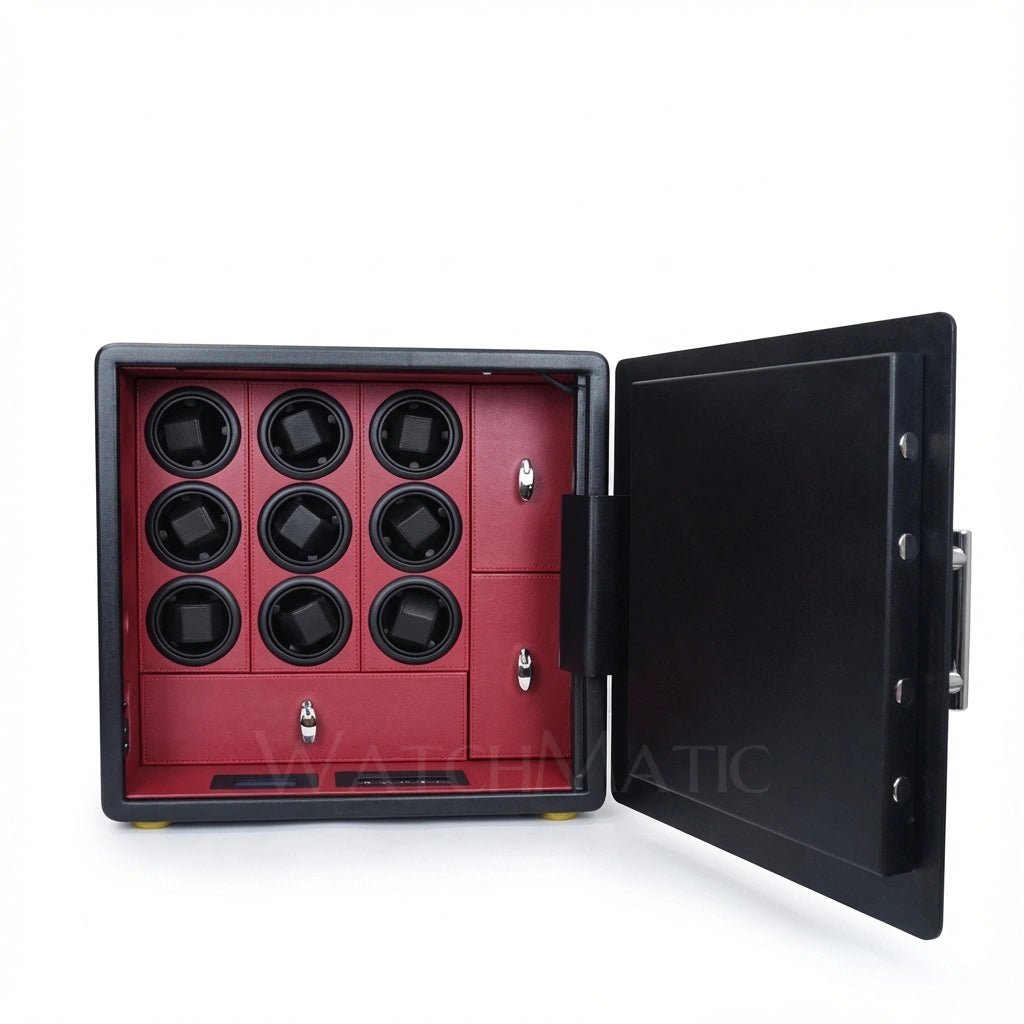
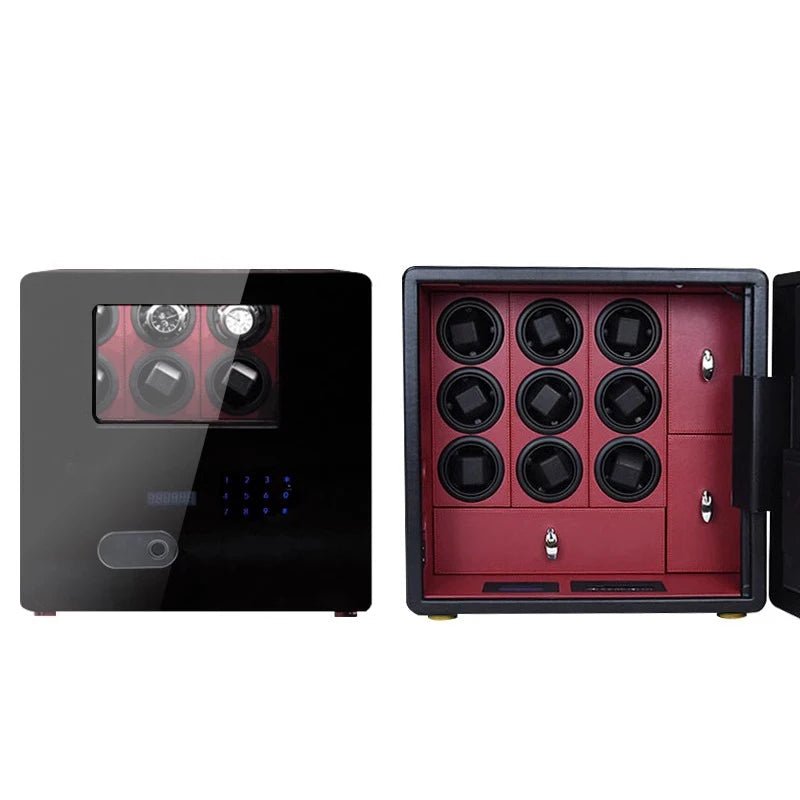
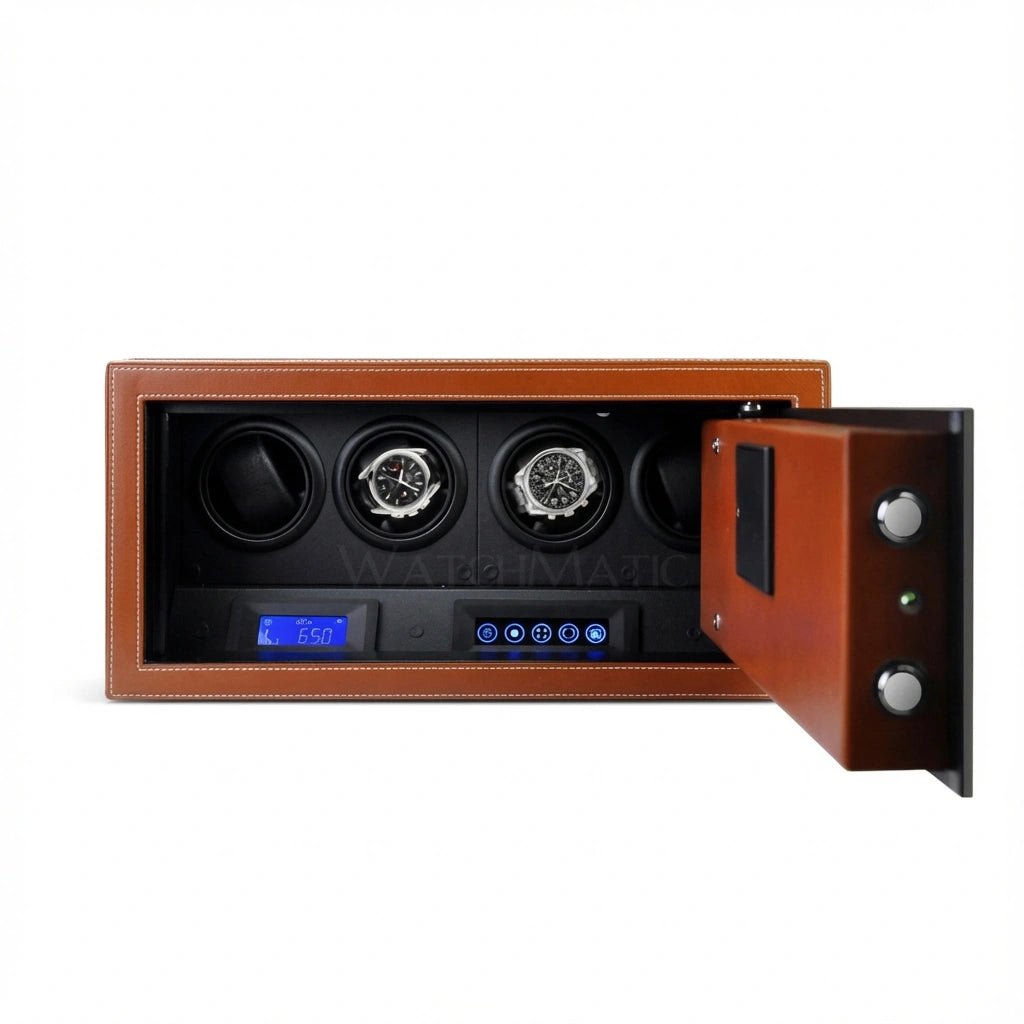
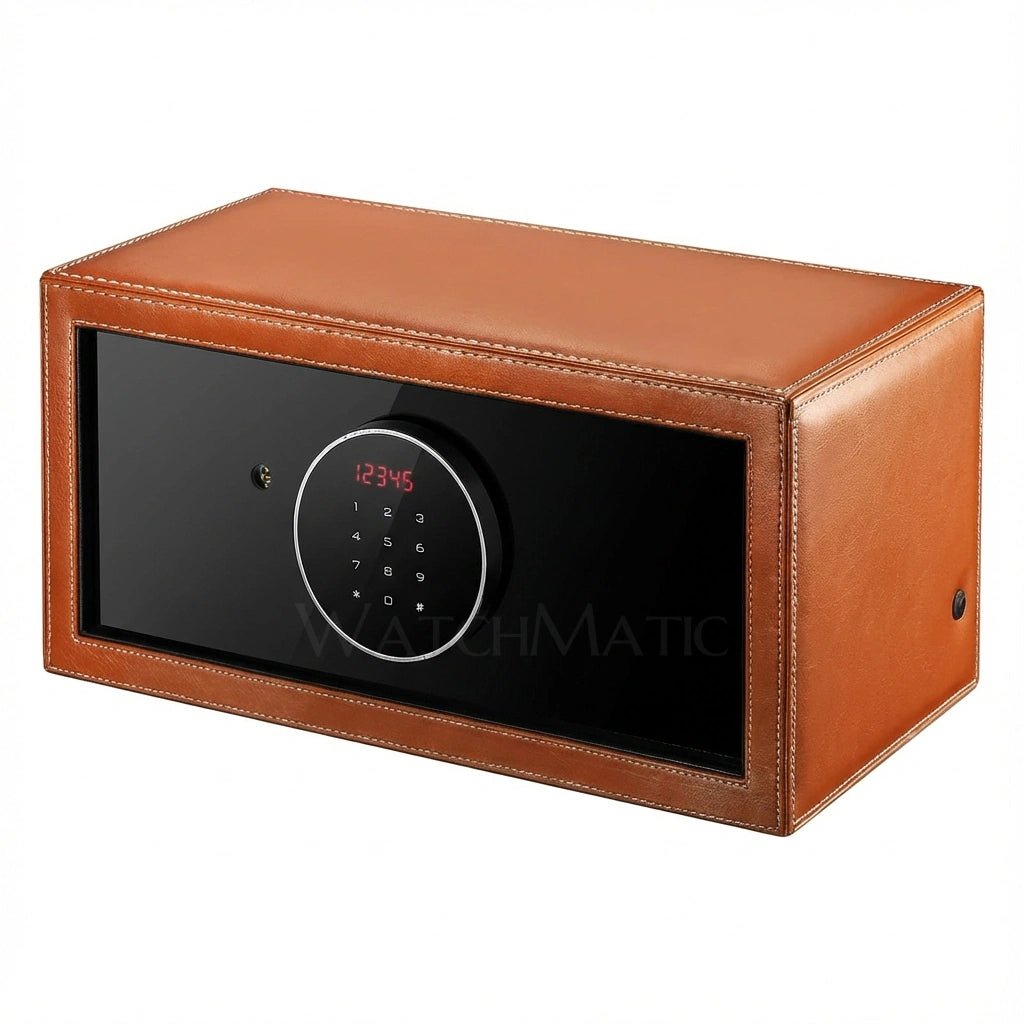
This is where watch winder safes become relevant.
They combine the functionality of a winder with the protection of a safe, allowing you to maintain both accessibility and security.
More importantly, they reflect a different mindset.
One that recognizes that watches are not just objects to be worn, but assets to be protected.
This is where the comparison between watch winder vs watch winder safe becomes relevant for long-term storage decisions.
11. Brand-Specific Considerations
Not all watches behave the same.
A Rolex is generally robust and forgiving in terms of winding requirements.
A Patek Philippe often requires more careful configuration, particularly with complicated movements.
A Audemars Piguet varies depending on the model, but typically sits between the two.
This is why many collectors look into watch winders for different watch brands rather than relying on generic settings.
These differences are not always dramatic, but they matter.
Because as watches become more complex, the margin for error becomes smaller.
And that is where generic settings stop being sufficient.
12. Common Mistakes That Show Up Over Time
Most mistakes in using a watch winder are not immediate.
They do not cause sudden failure or obvious damage.
Instead, they appear gradually.
Timekeeping becomes slightly less accurate.
Servicing becomes more frequent than expected.
Certain watches behave inconsistently.
These issues are often traced back to small decisions.
Using one setting for multiple watches.
Ignoring rotation direction.
Choosing convenience over precision.
Individually, these choices seem minor.
But over time, they shape how well your collection performs.
13. The Collector’s Perspective
At the beginning, a watch winder feels optional.
Later, it becomes part of the system.
Not because the watch demands it, but because your expectations change.
You begin to value readiness.
You want consistency.
You want to interact with your collection without interruption.
And that is ultimately what a watch winder provides.
Not just motion.
But control.
At that stage, a watch winder is no longer optional — it becomes part of the system that supports how you manage your watches.
For those looking to go further, exploring luxury watch winders for Rolex, Patek and more provides a clearer direction for high-end collections.
Final Verdict
A watch winder is not essential for every watch owner.
But for collectors, it becomes increasingly relevant.
Not as a luxury.
Not as a convenience.
But as a natural extension of ownership — a way to maintain precision, reduce friction, and manage a collection with intention.
That’s the philosophy behind how collections are managed at WatchMatic today.