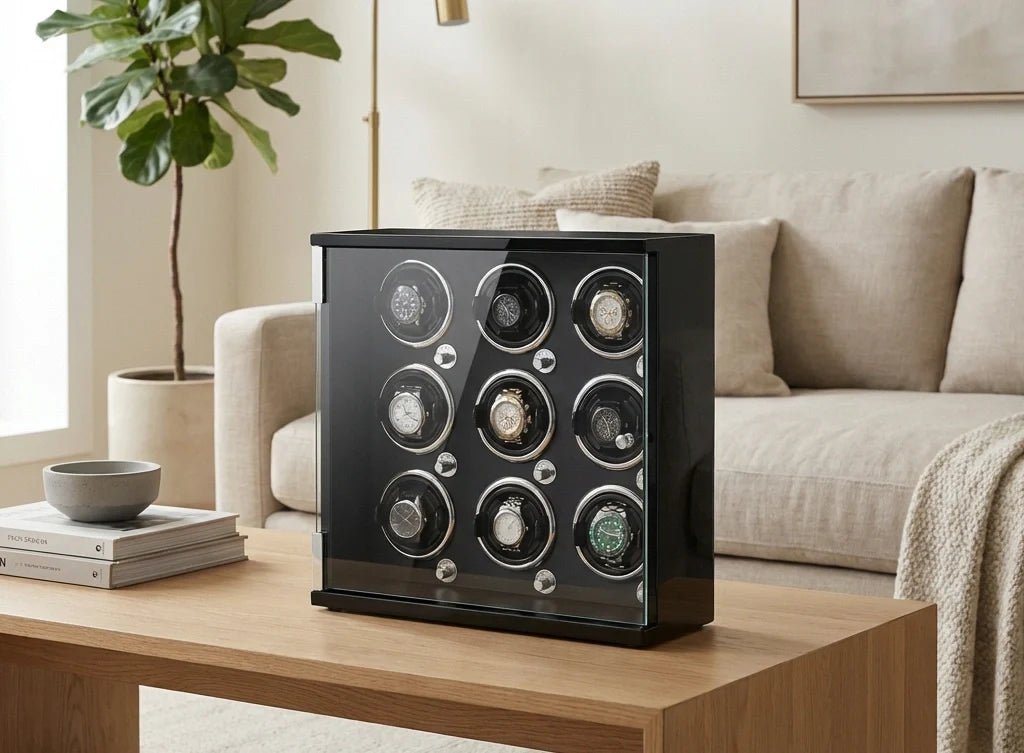
An automatic watch can safely stay on a quality programmable watch winder indefinitely, provided the TPD (Turns Per Day) and rotation settings match the movement's requirements.
Modern automatic watches include slipping clutches that prevent overwinding, making continuous use safe when appropriate settings are used. Many collectors leave frequently worn watches on a watch winder for weeks or even months, removing them only when wearing or servicing the watch.
Introduction
One of the most common concerns among watch owners is whether leaving a watch on a watch winder for too long could damage the movement.
Some collectors believe a watch should only spend a few hours each day on a watch winder, while others leave their watches running continuously for years.
The reality is much simpler.
The amount of time a watch stays on a watch winder is generally less important than whether the watch winder is properly programmed.
A quality watch winder operates in cycles, alternating between movement and rest periods that more closely resemble normal wrist wear rather than continuous rotation.
There Is No Universal Time Limit
Unlike charging a battery or winding a manual watch, there is no recommended maximum number of hours for a watch to remain on a watch winder.
Instead, collectors should focus on:
- Appropriate Turns Per Day (TPD)
- Correct rotation direction
- Quality motor performance
- Programmable winding cycles
When these settings are correct, an automatic watch can remain on a watch winder for extended periods without issue.
Modern Automatic Watches Are Designed to Prevent Overwinding
One of the biggest misconceptions is that a watch winder constantly forces a watch to wind.
Modern automatic movements include a slipping clutch that disengages the mainspring once it reaches full power reserve.
This allows the rotor to continue moving without applying excessive tension to the mainspring.
For this reason, a properly configured watch winder does not continuously "overwind" the watch.
TPD Is More Important Than Running Time
Rather than asking how long a watch should stay on a watch winder, a better question is:
How many Turns Per Day does my watch actually need?
Different brands have different recommendations.
For example:
| Brand | Typical TPD |
|---|---|
| Rolex | Around 650 |
| Omega | Around 650-800 |
| Tudor | Around 650 |
| Panerai | Around 650-800 |
| Grand Seiko | Around 650-800 |
For a complete explanation, see our Watch TPD Guide.
Why Programmable Watch Winders Matter
Quality watch winders do not rotate continuously.
Instead, they operate through programmed cycles that include:
- Rotation
- Pause
- Rotation in the opposite direction
- Rest periods
This approach more closely resembles natural wrist movement while maintaining the watch's power reserve.
When Should You Remove a Watch From the Winder?
Many collectors simply remove a watch whenever they plan to wear it.
Others rotate their collection weekly or monthly.
There is generally no need to remove a properly configured automatic watch simply because it has been on the watch winder for an extended period.
Long-term storage decisions should instead be based on:
- Wearing habits
- Collection rotation
- Security preferences
- Maintenance schedules

Recommended WatchMatic Solutions
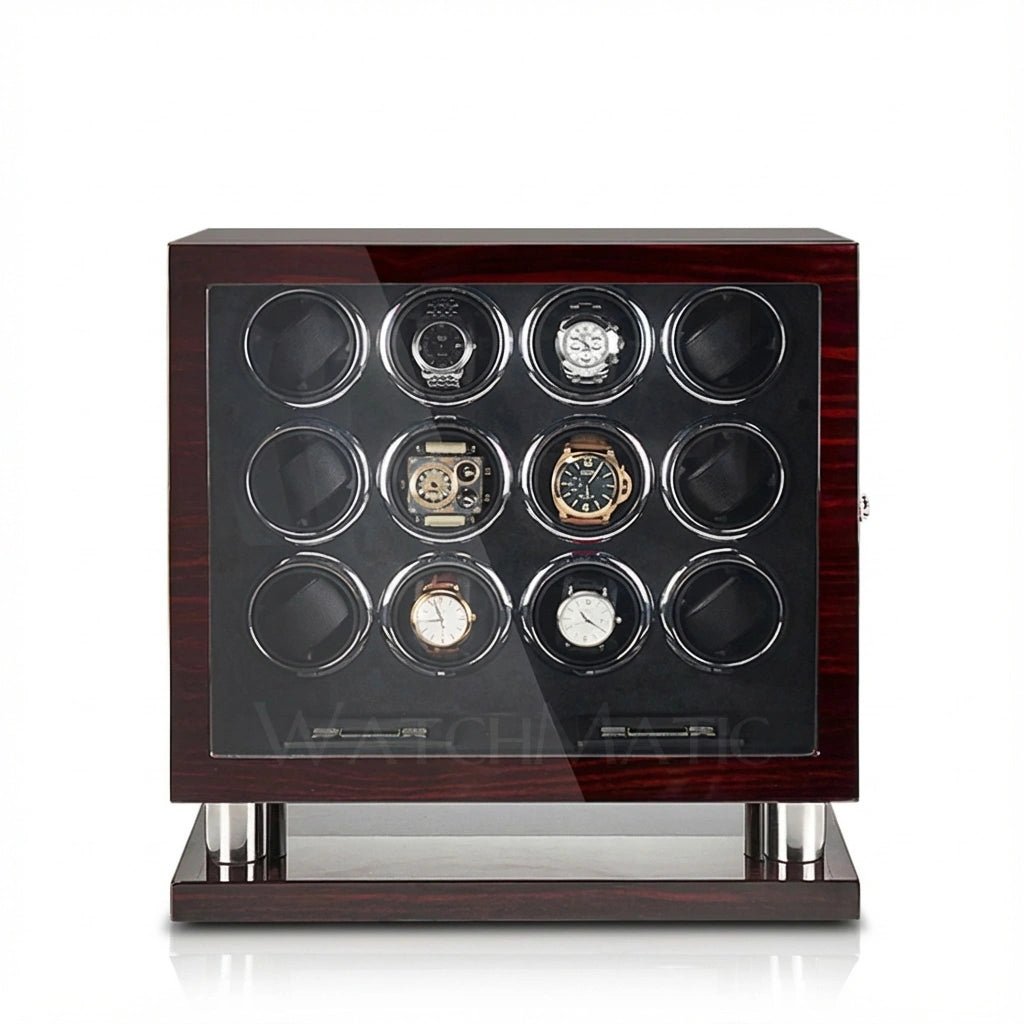
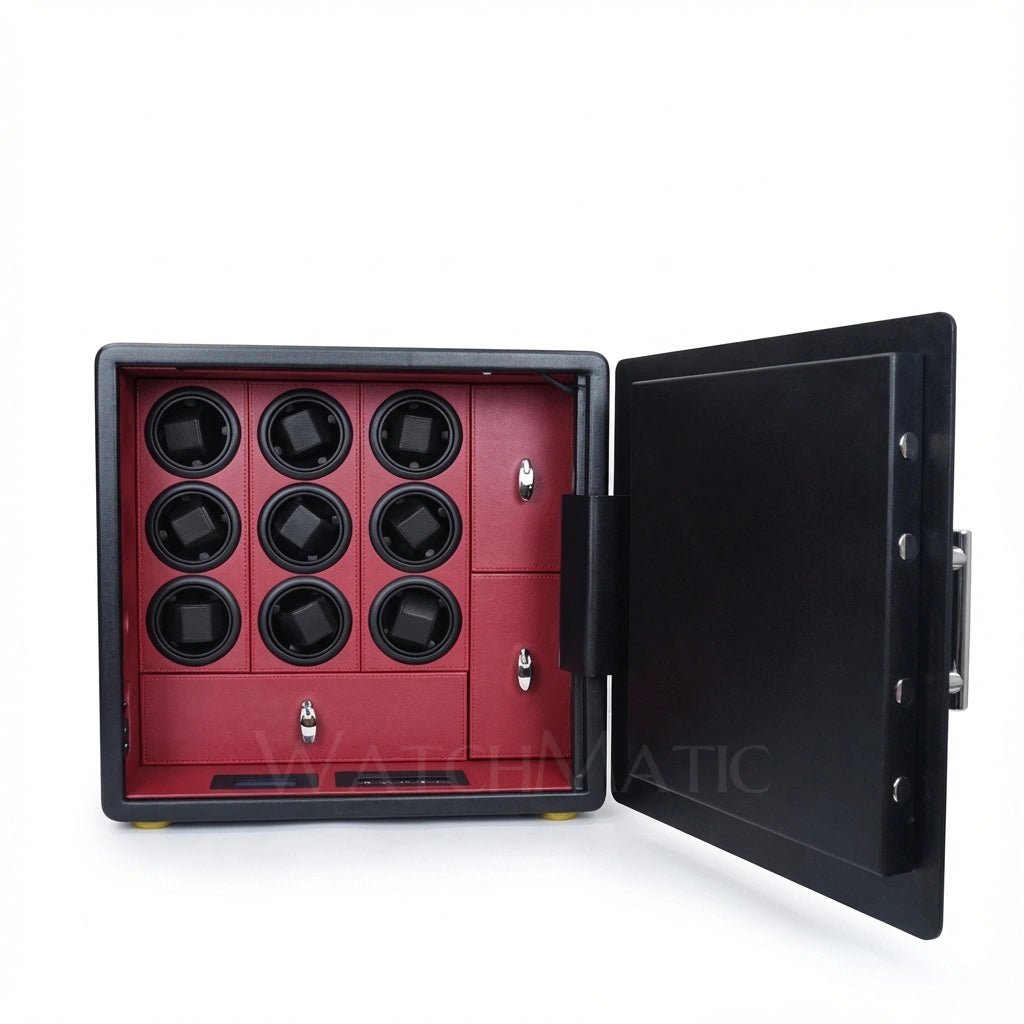
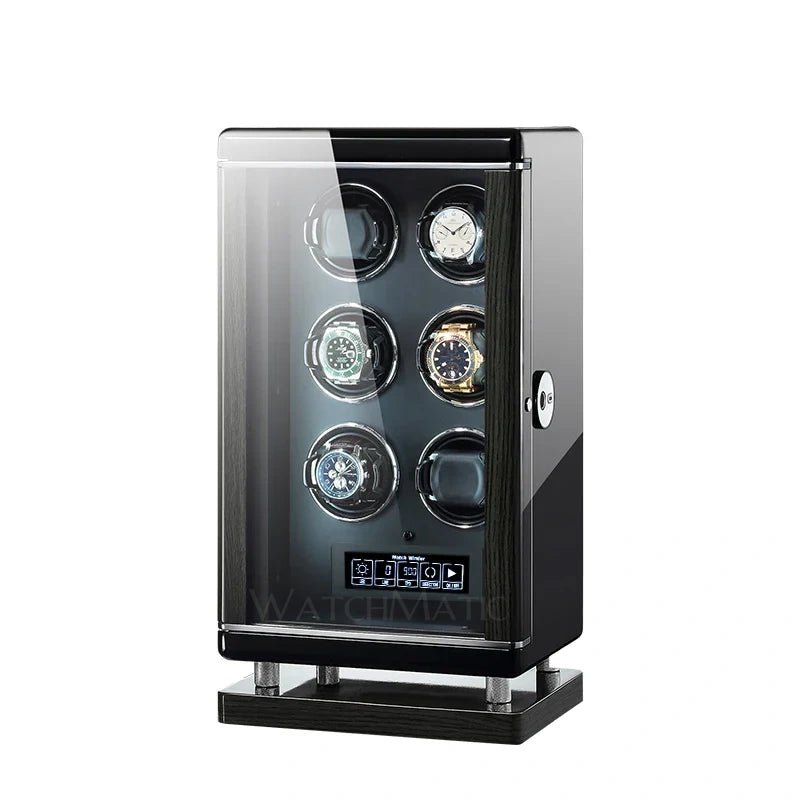
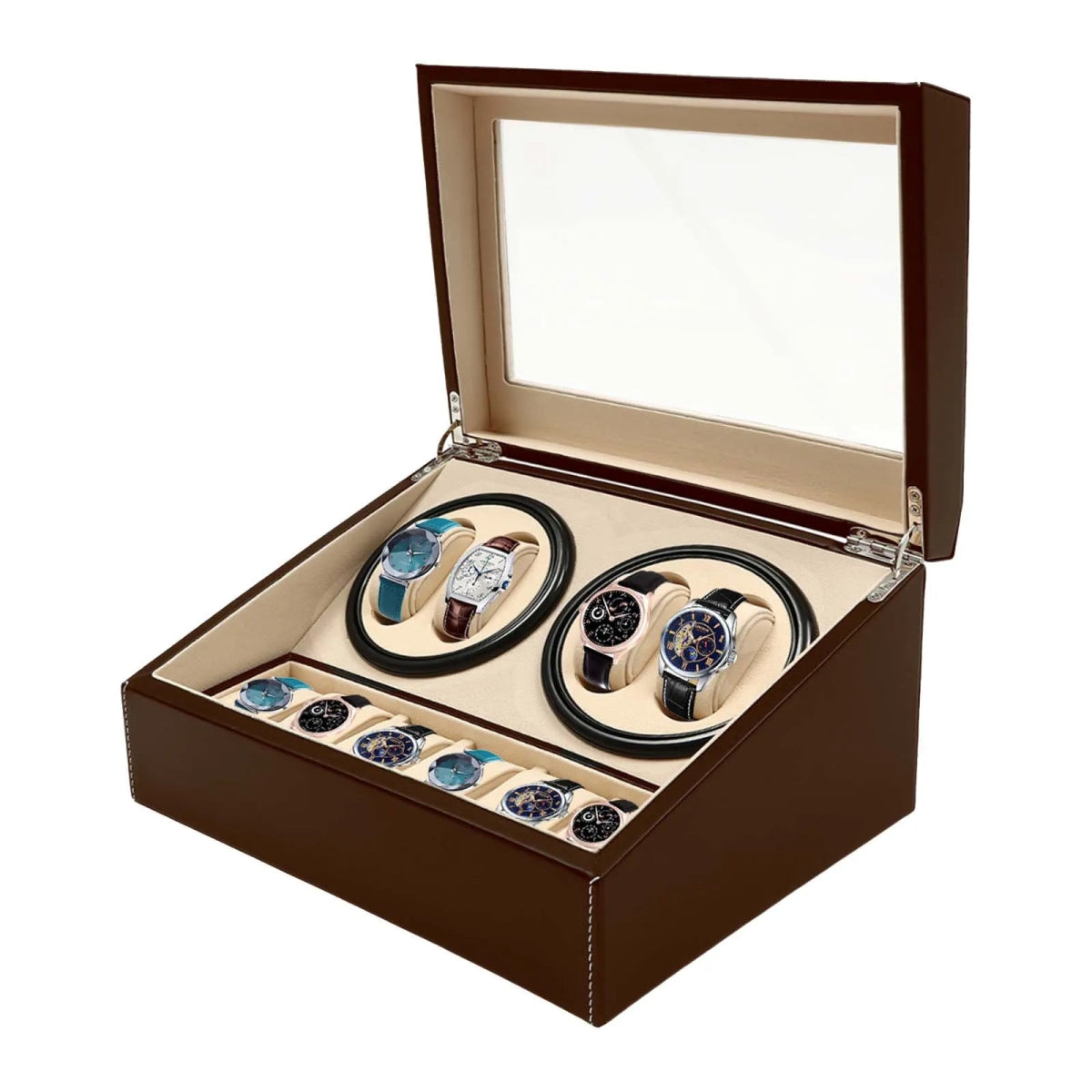
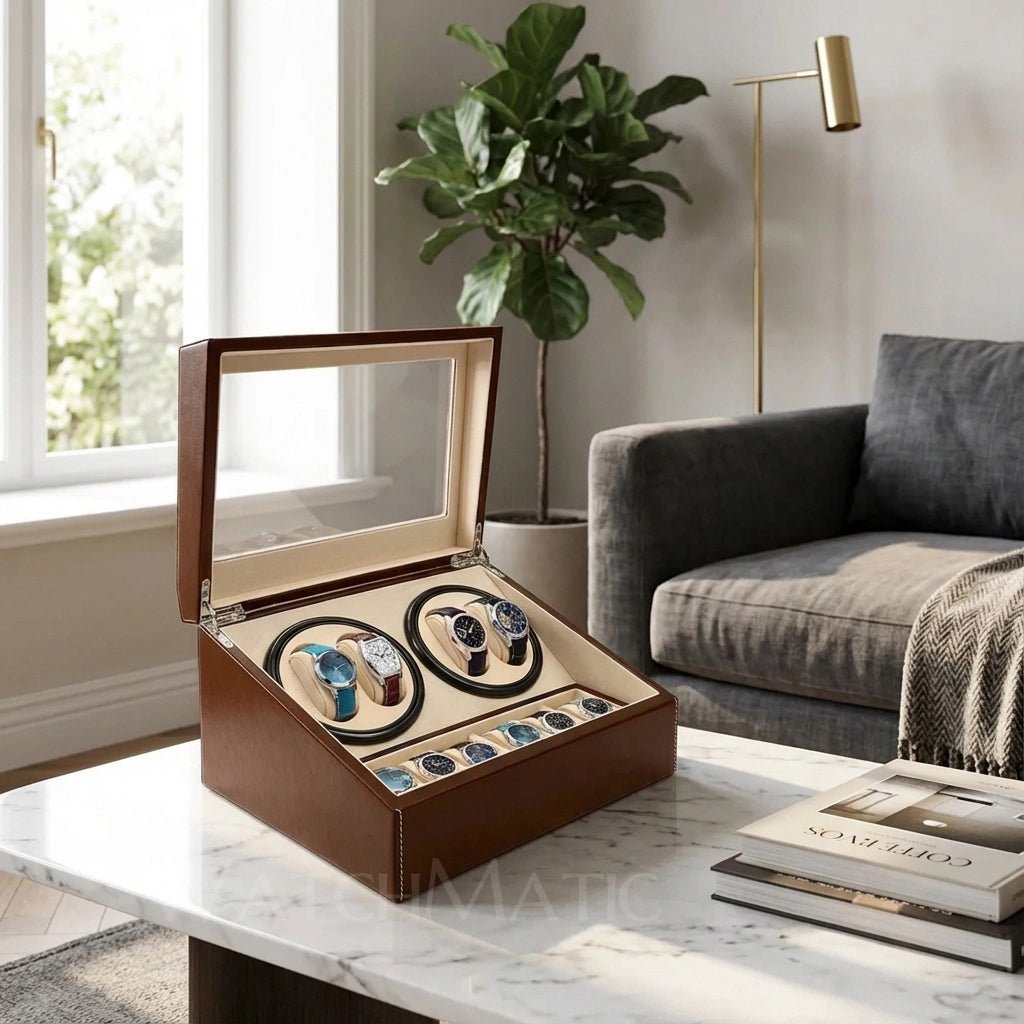
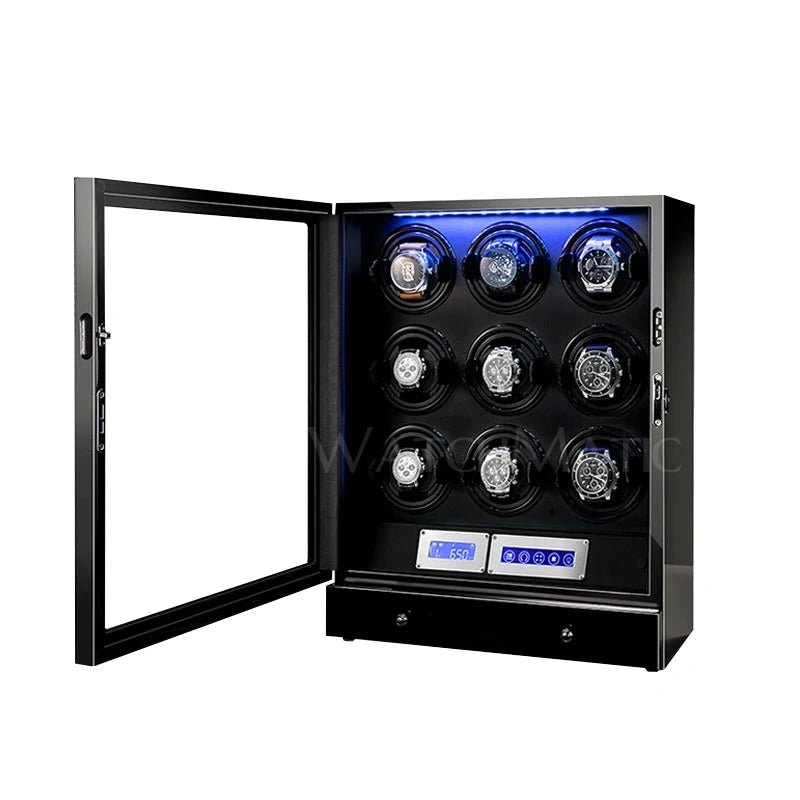
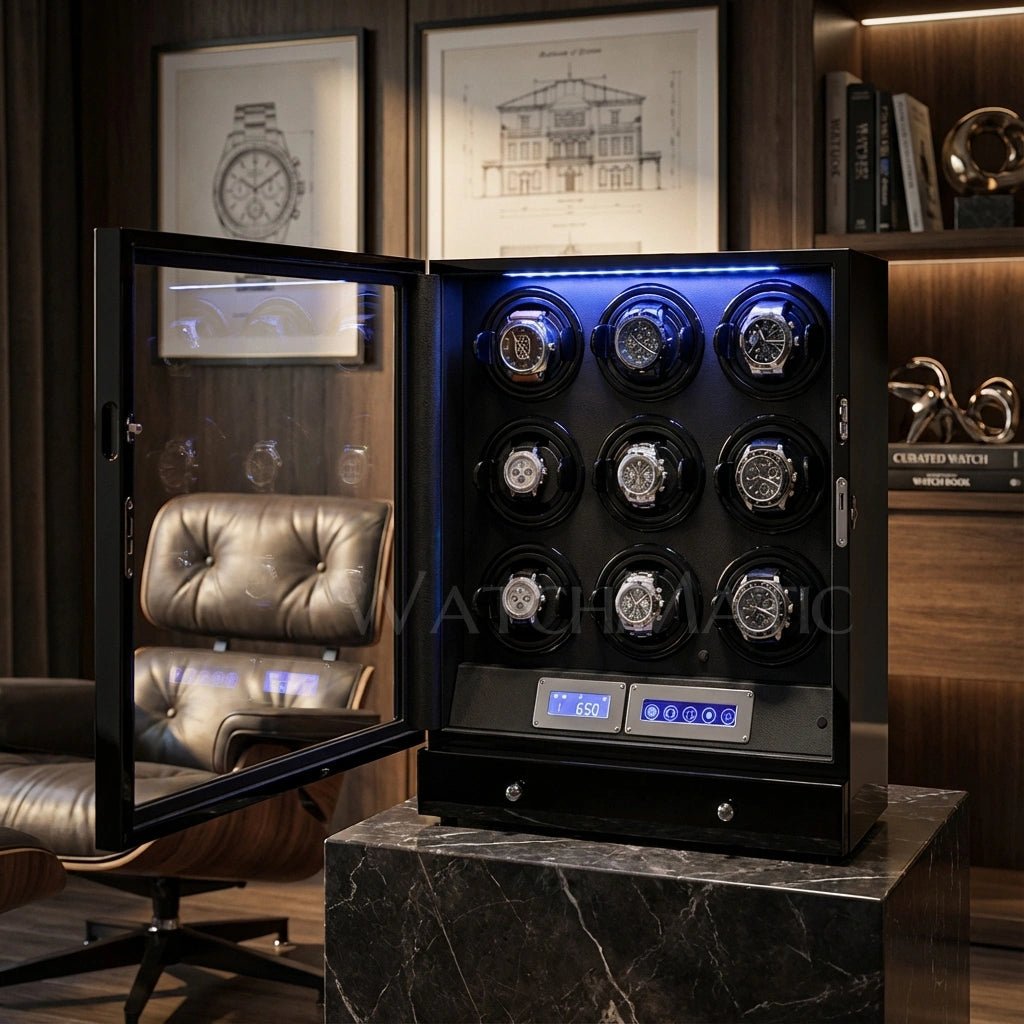
Collectors starting with a smaller rotation often choose 3-4 Watch Winders, providing programmable winding and organized display for frequently worn watches.
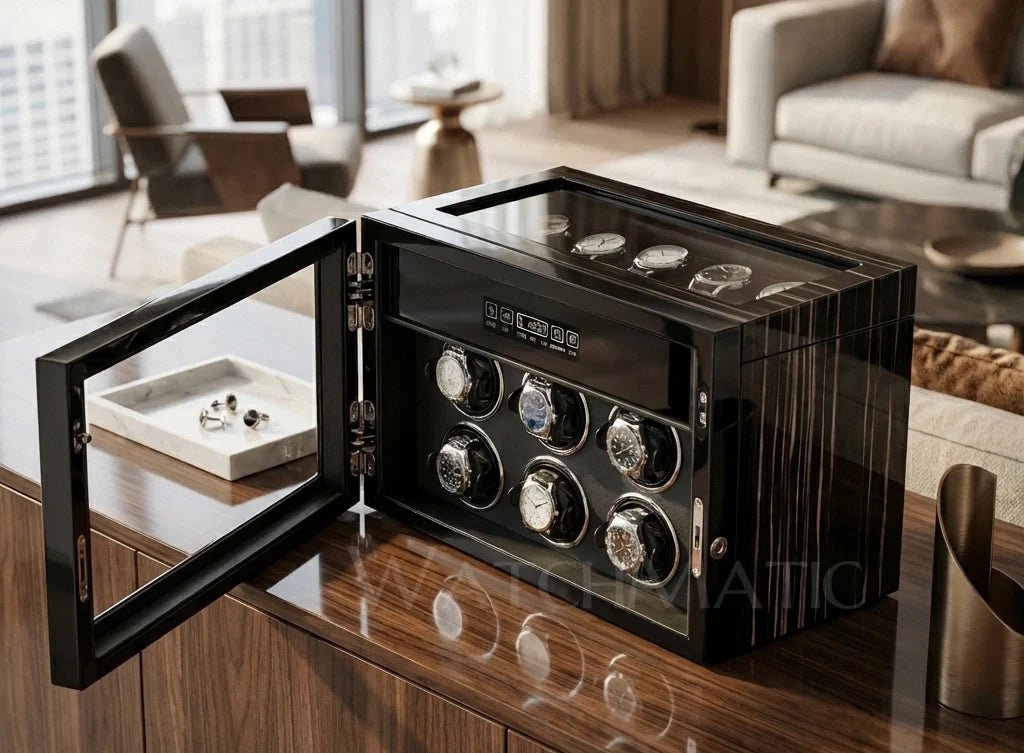
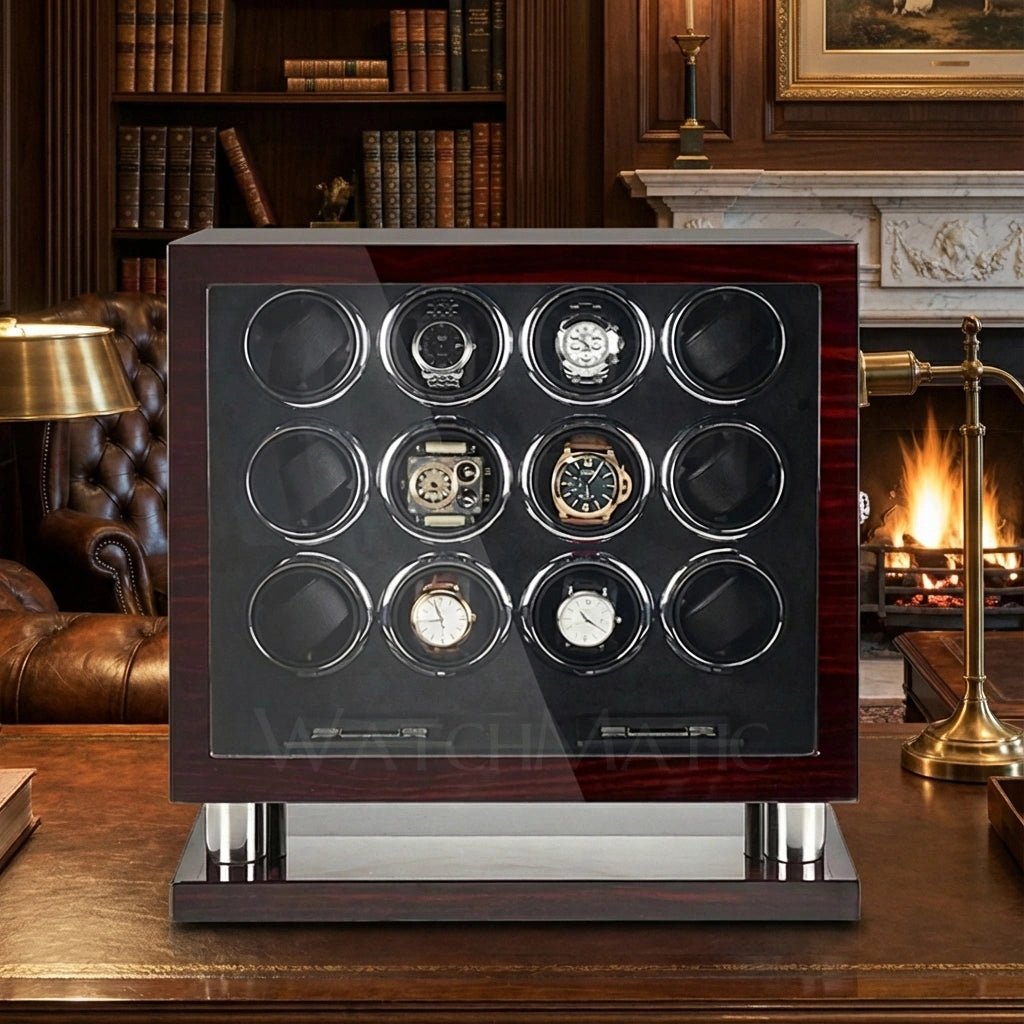
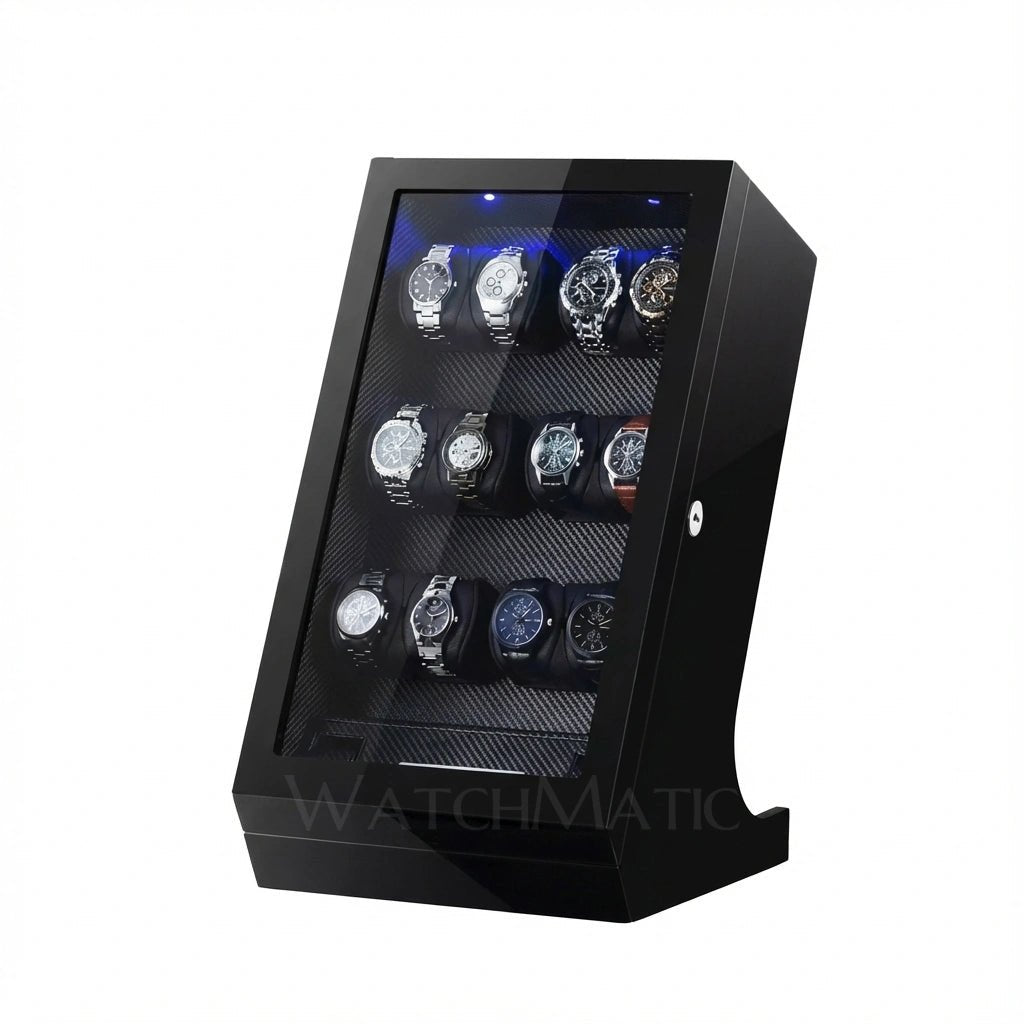
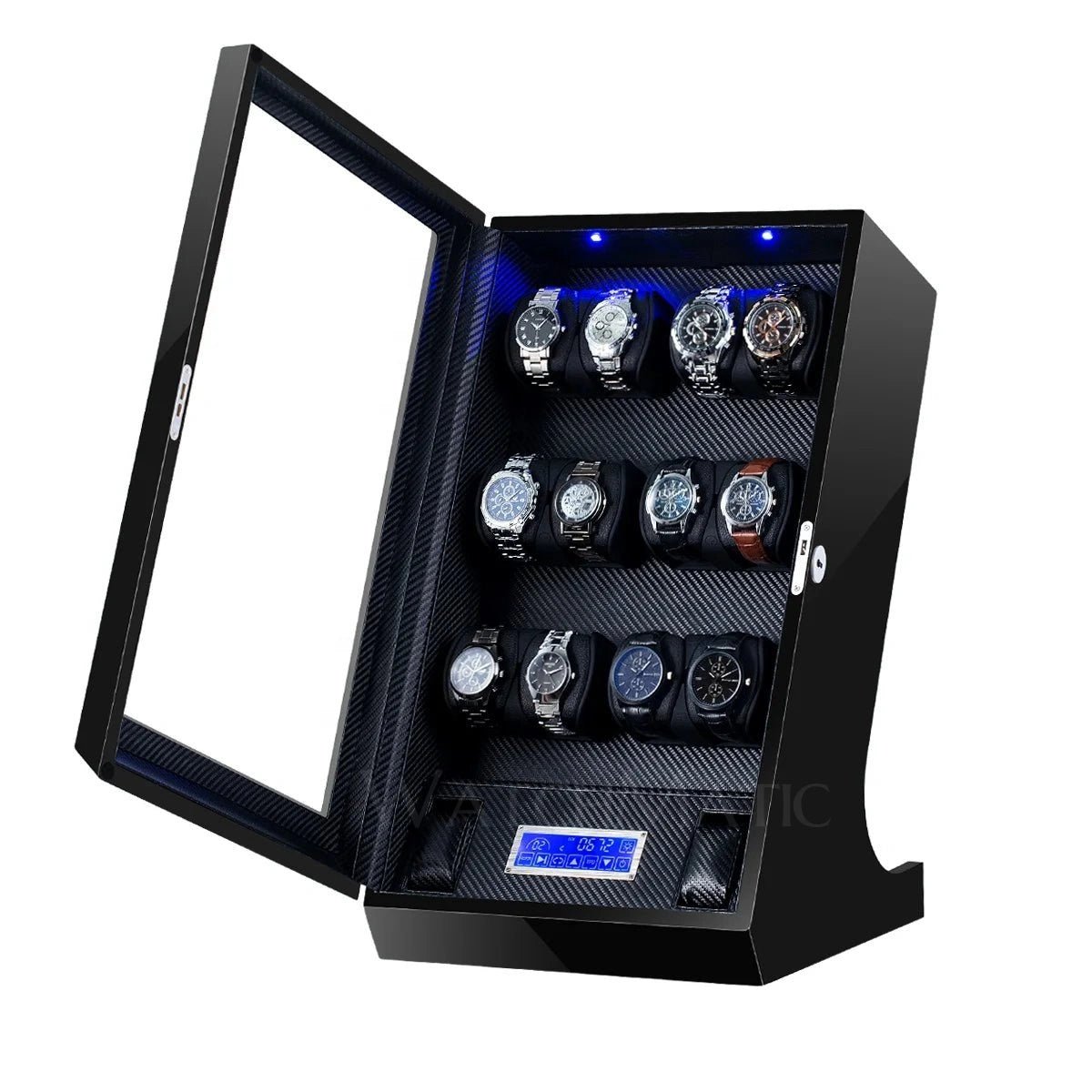
Larger collections benefit from 5-6 Watch Winders, allowing multiple automatic watches to remain ready for daily use.
For refined everyday winding, the Vento Watch Winder Series combines premium craftsmanship with dependable programmable operation.
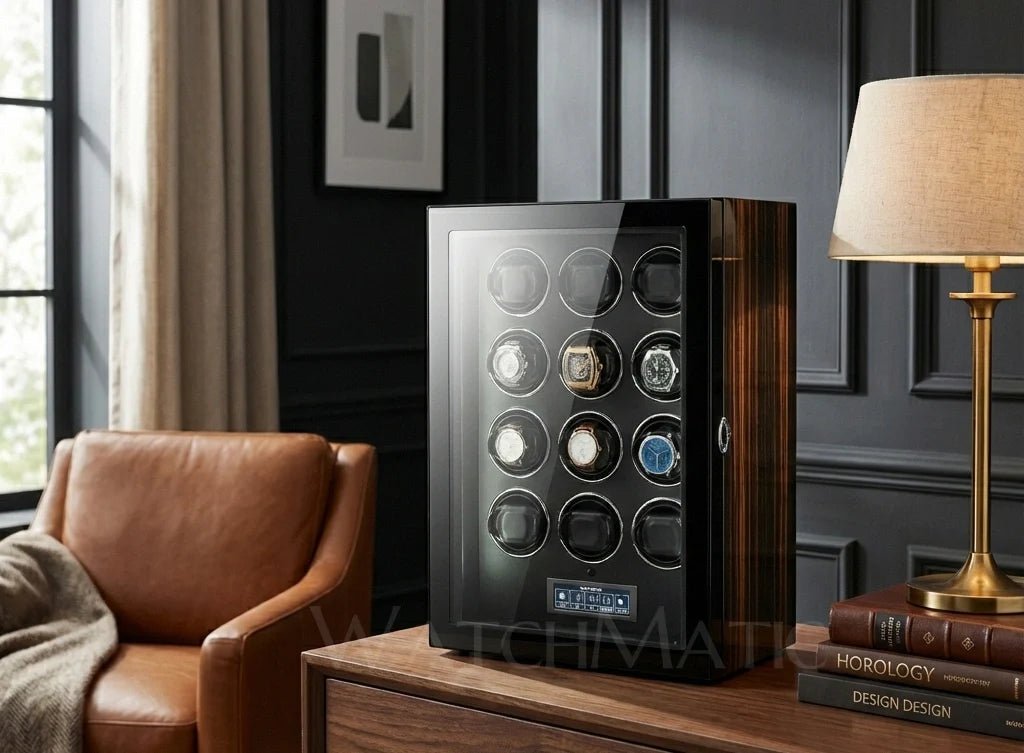
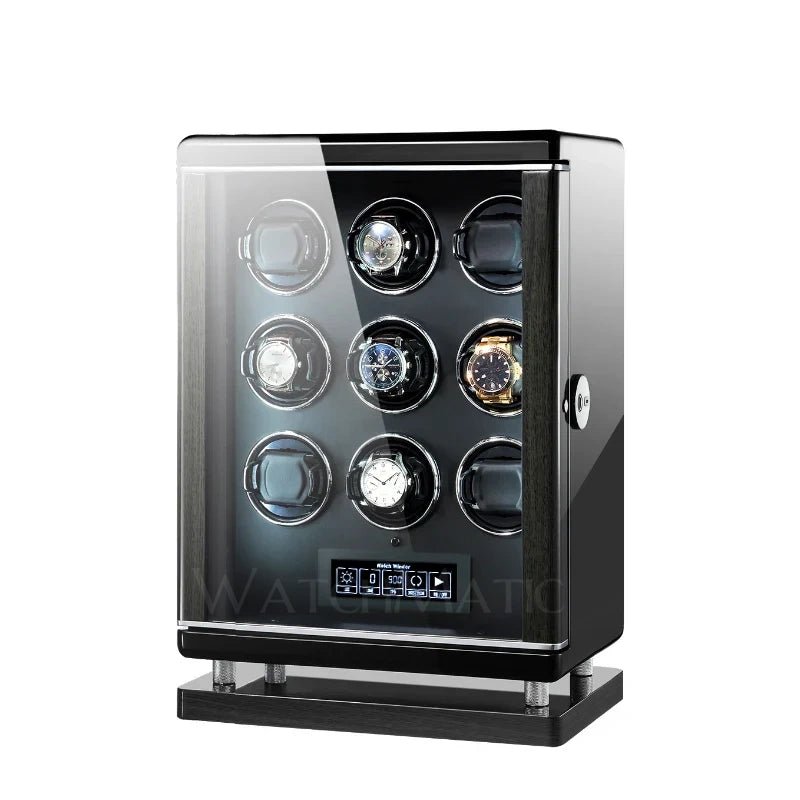
Collectors seeking greater flexibility often choose the LuxGuard Watch Winder Series, while the Quantum Watch Winder Series provides expanded capacity for growing luxury collections.
When Security Matters More Than Running Time
Many collectors eventually discover that protecting watches becomes more important than simply keeping them running.
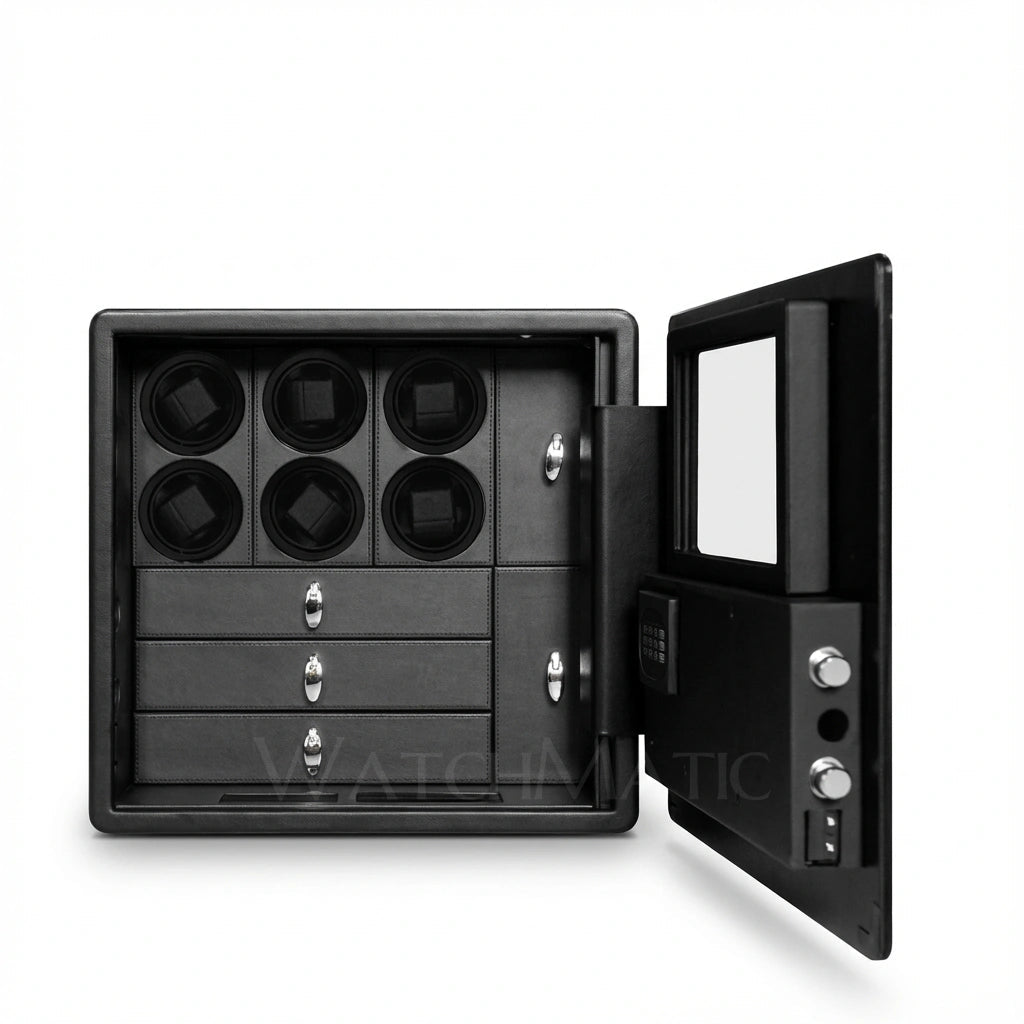
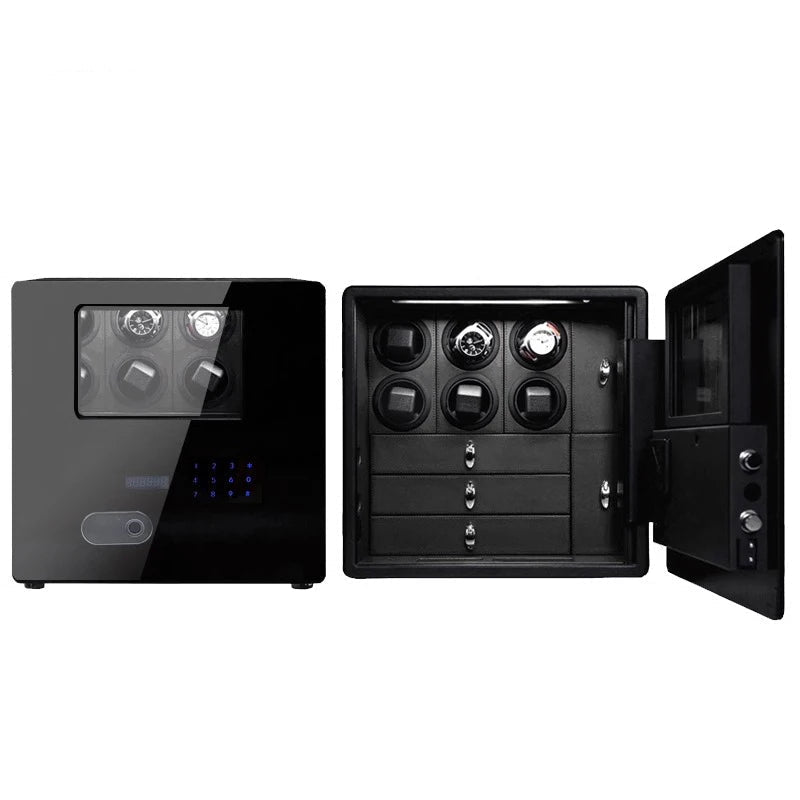
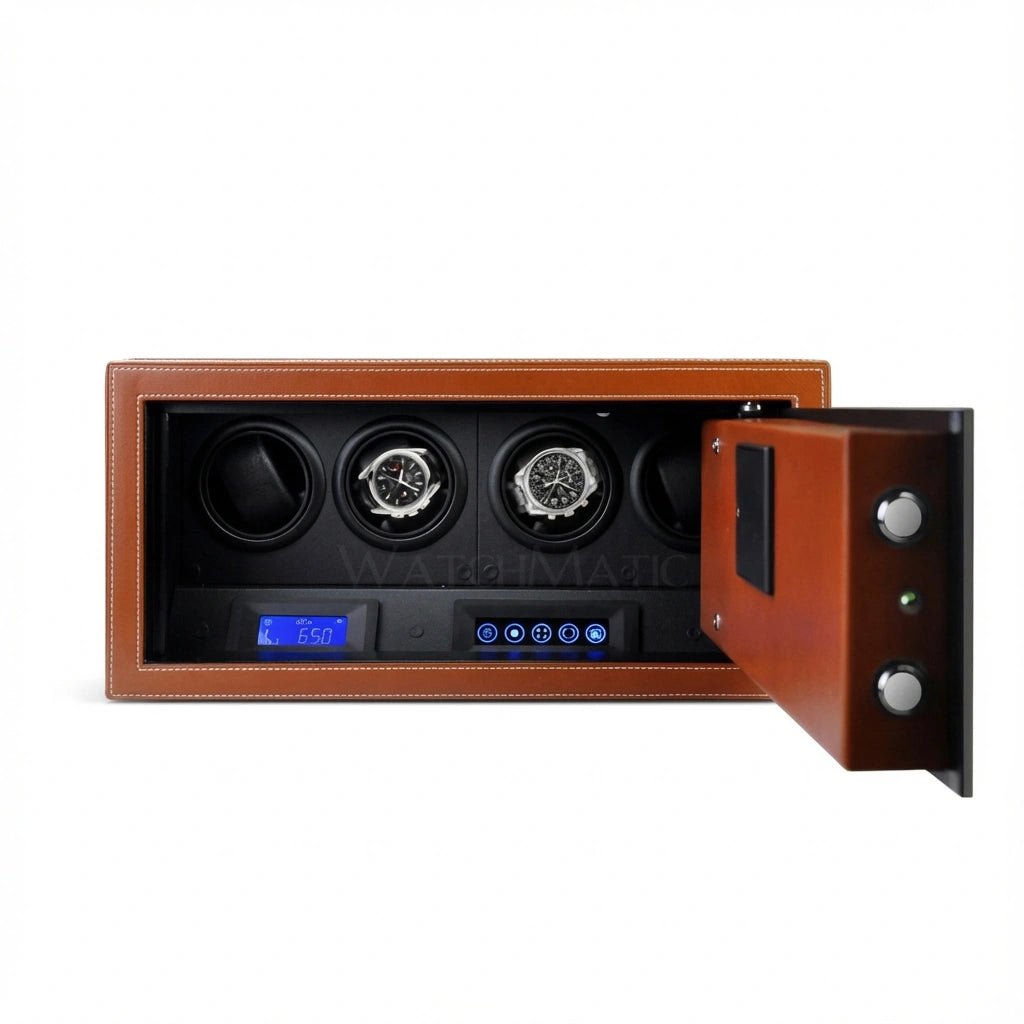
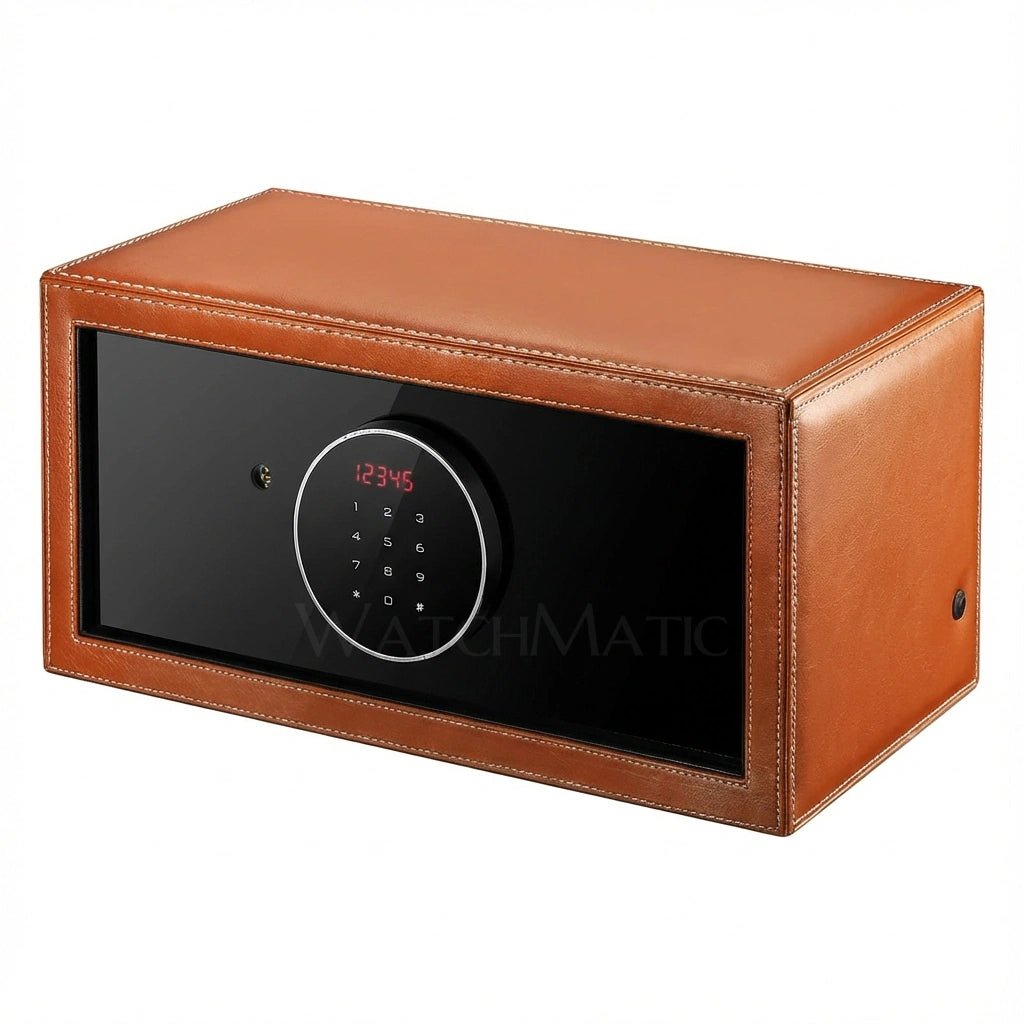
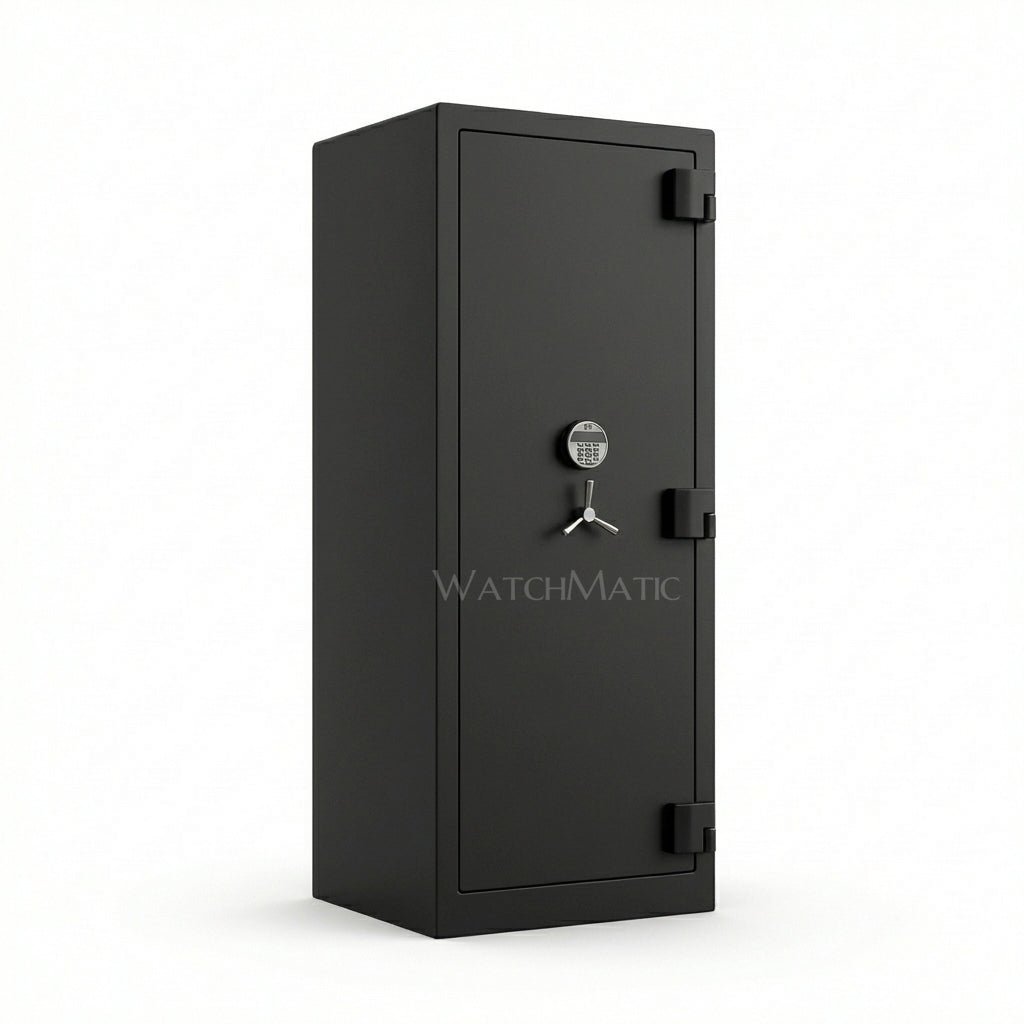
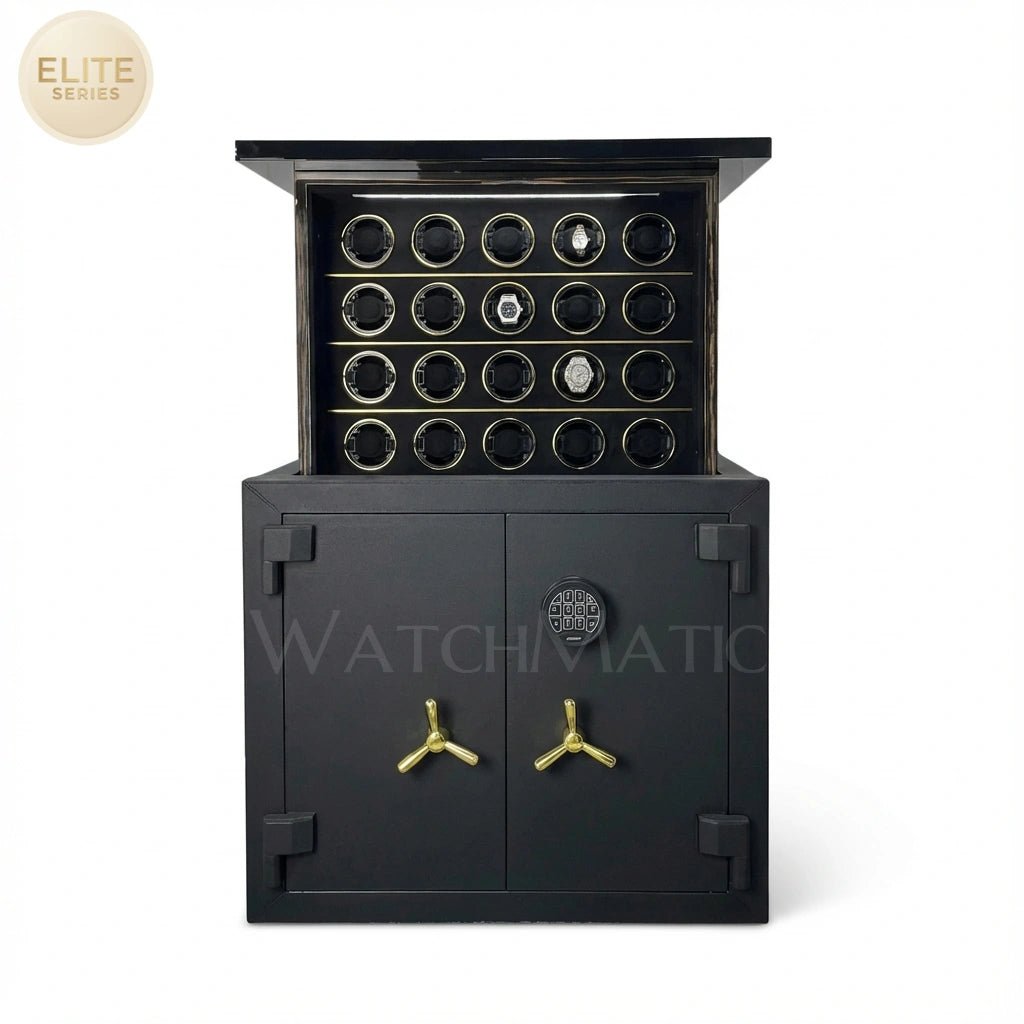
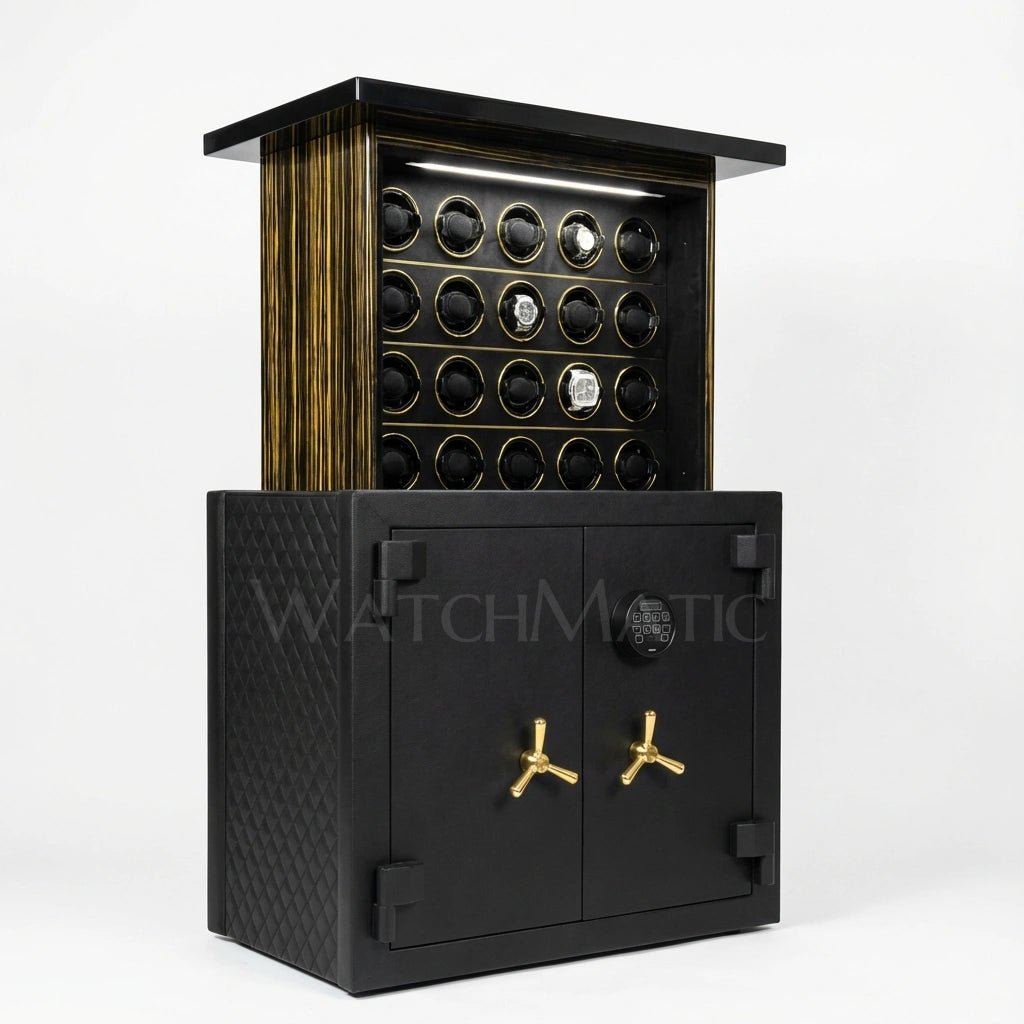
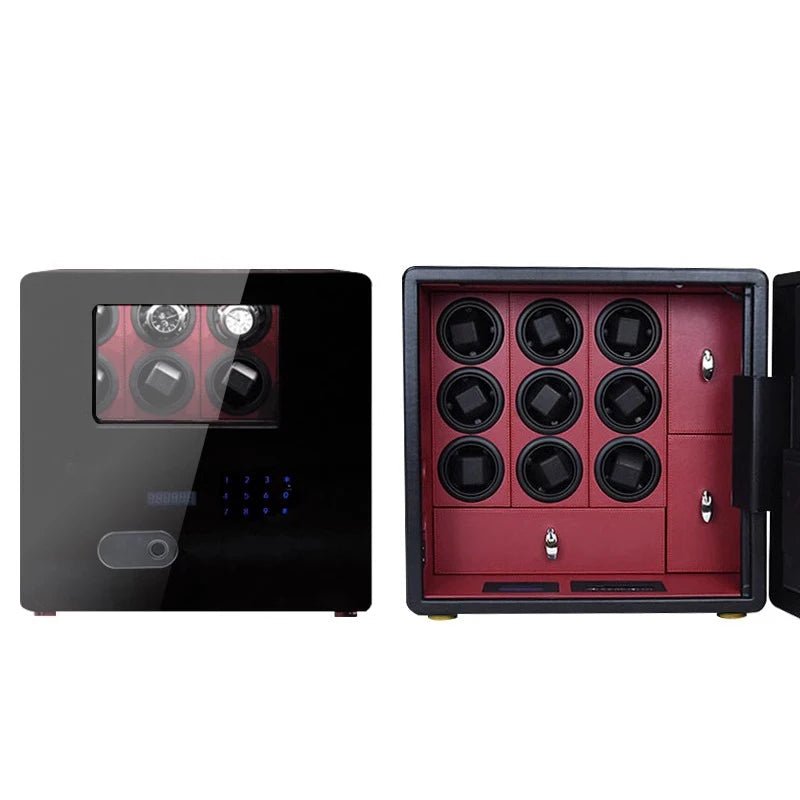
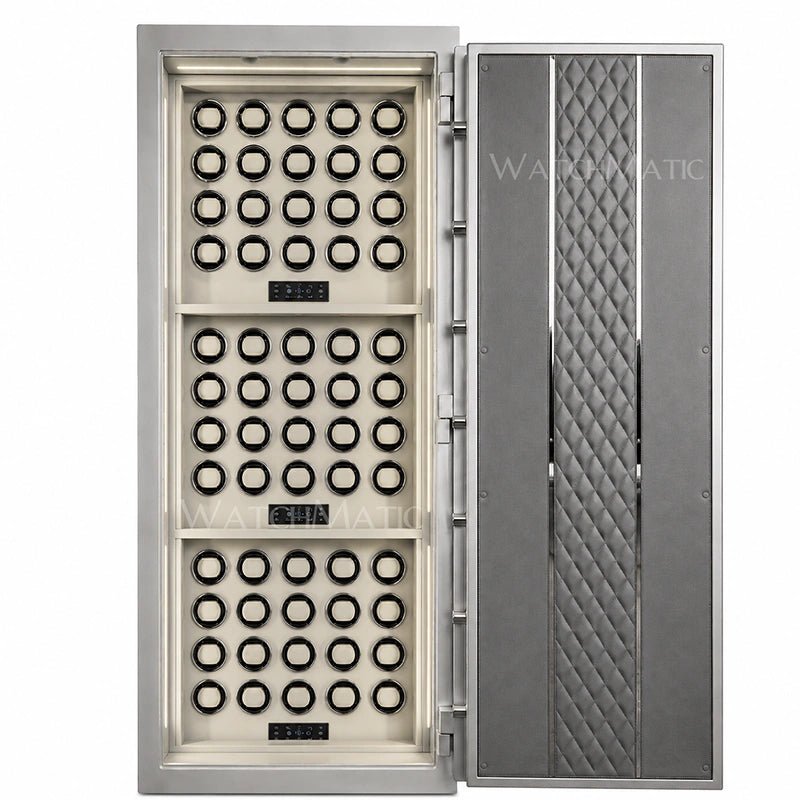
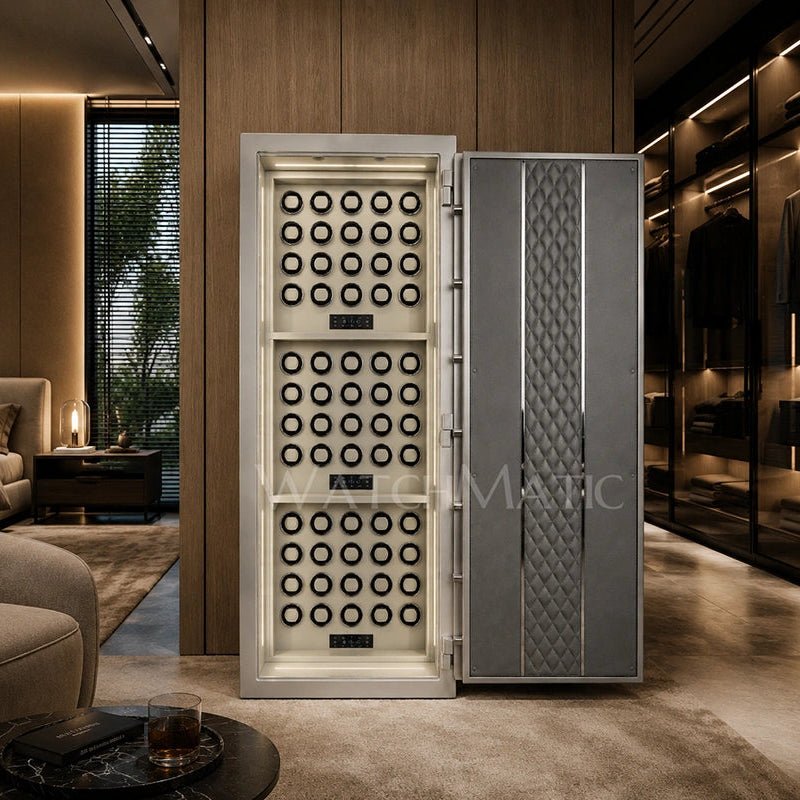
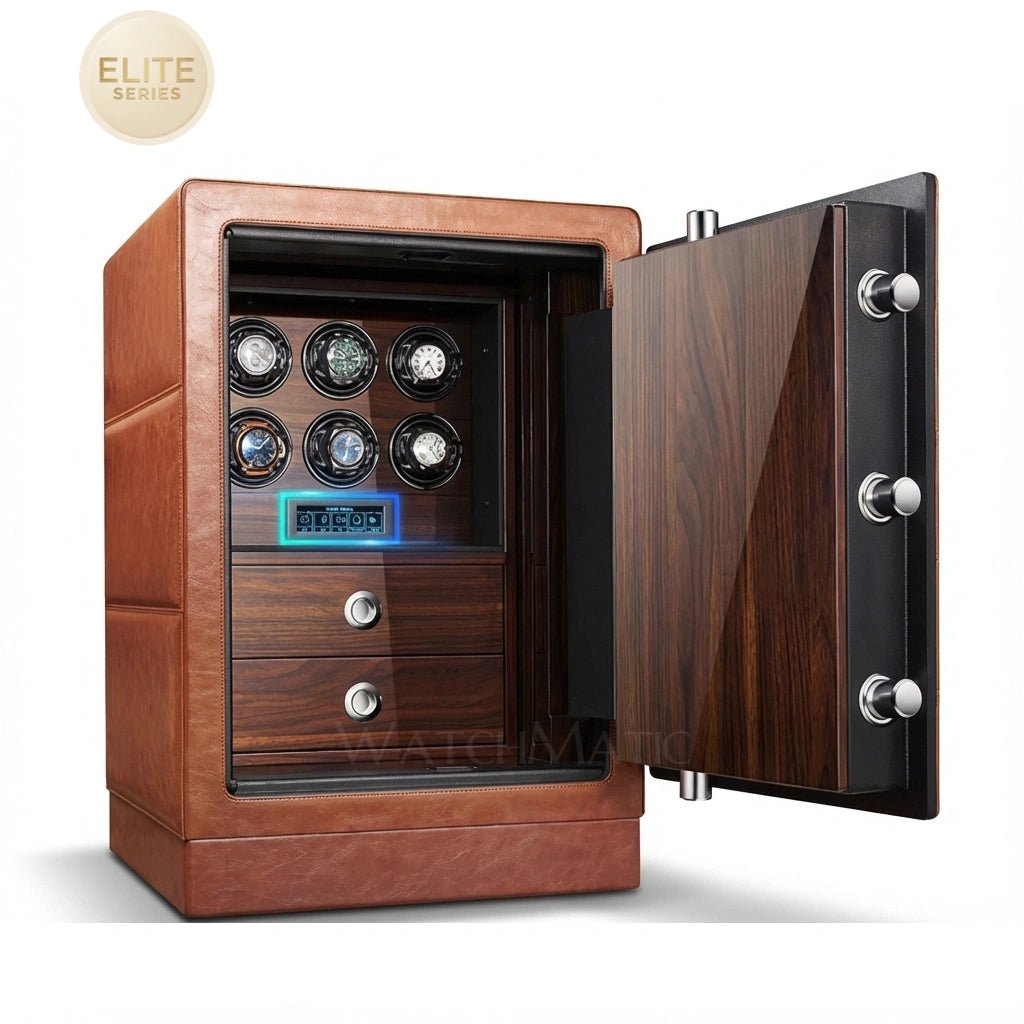
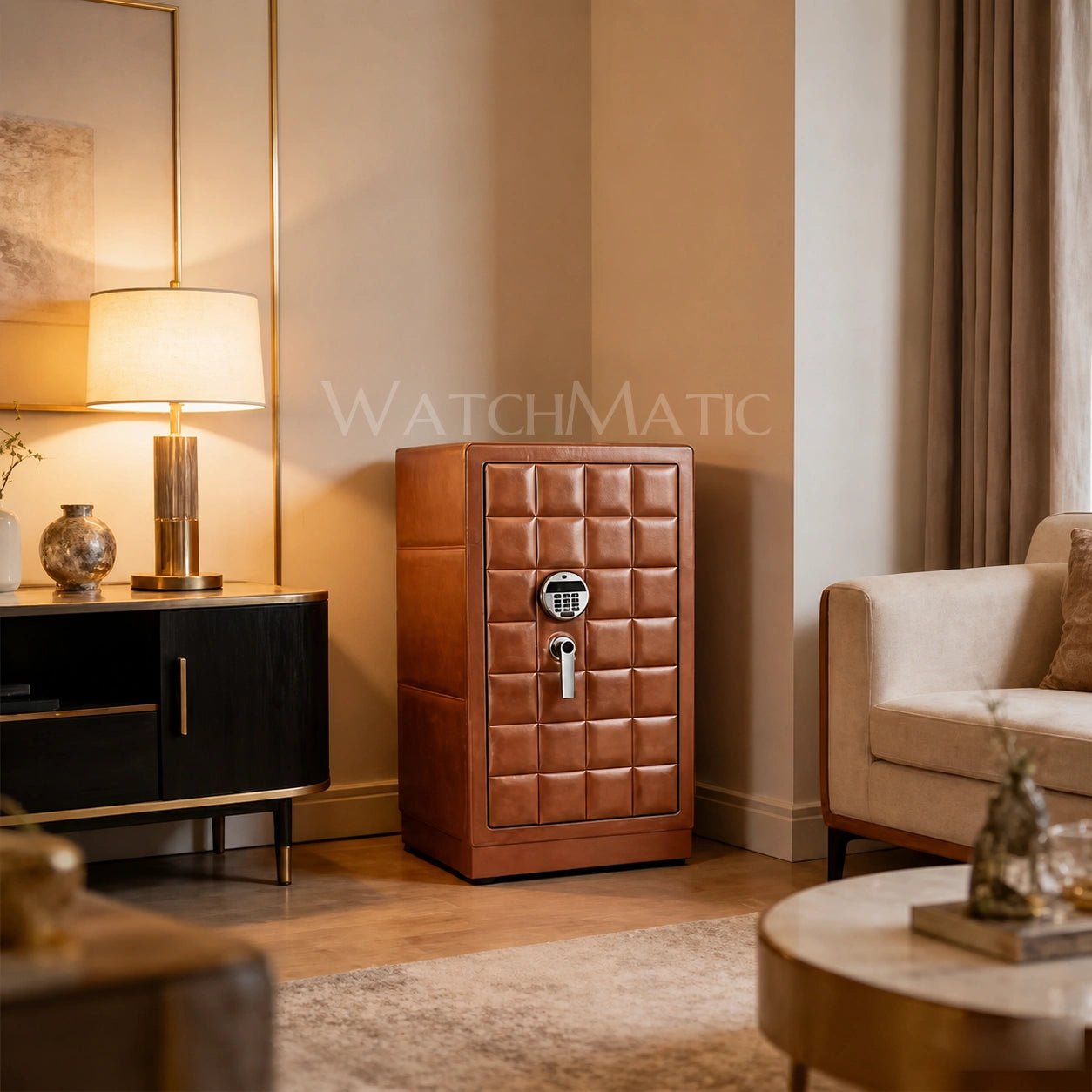
A Watch Winder Safe combines automatic winding with organized protected storage.
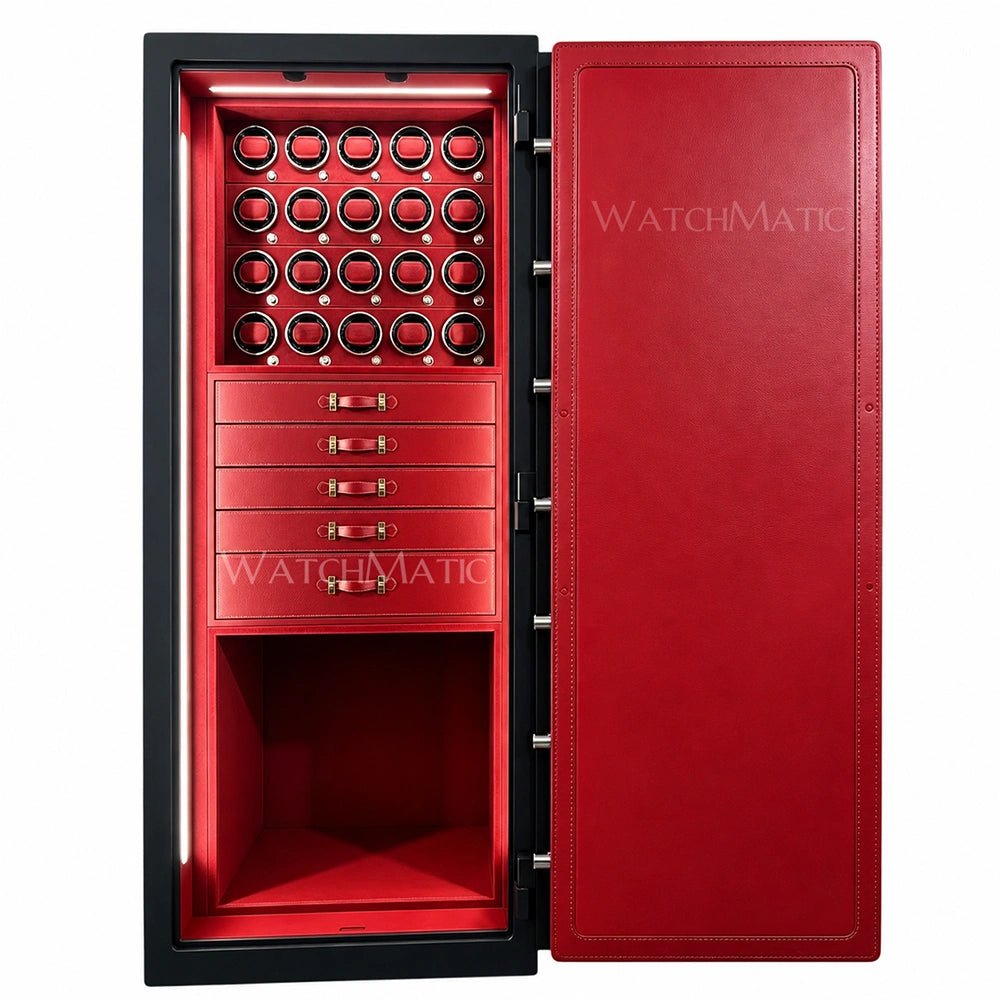
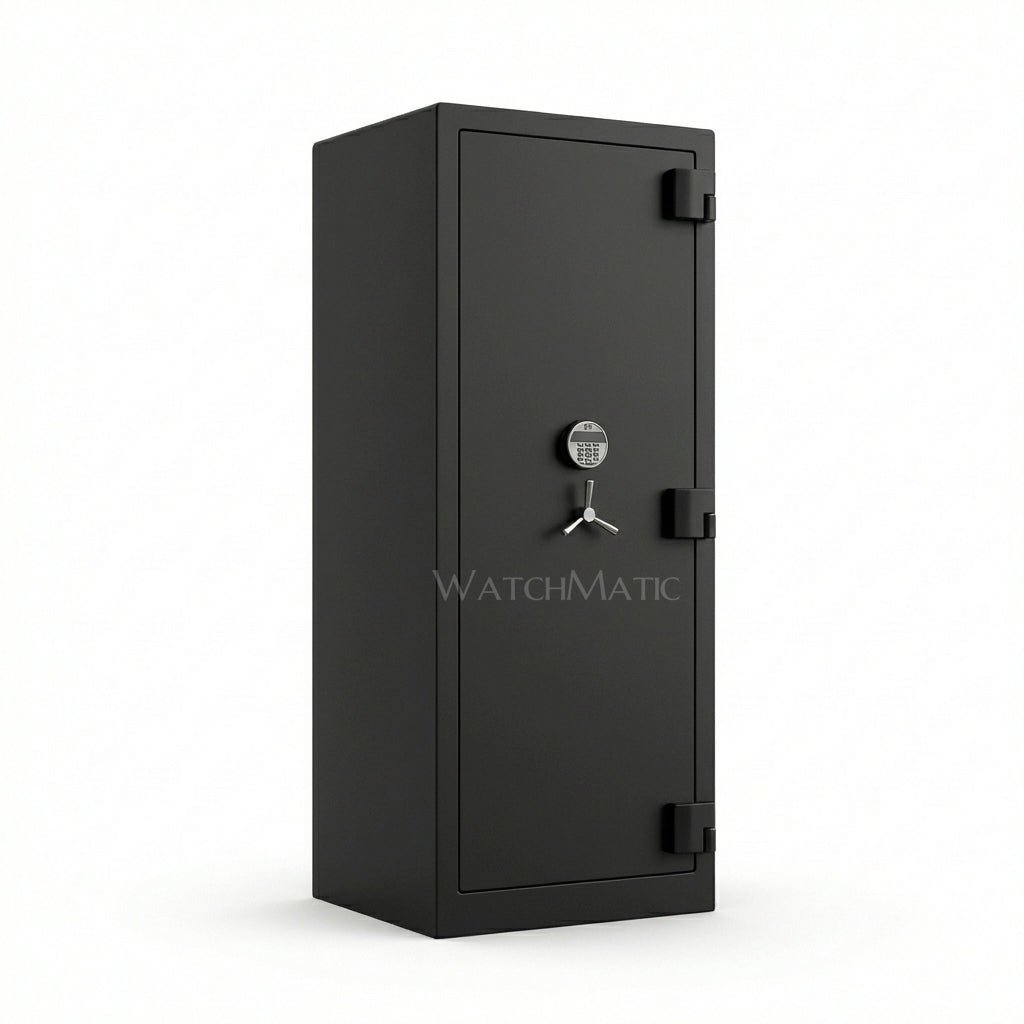
For larger collections, a Luxury Watch Safe equipped with integrated watch winders offers both convenience and enhanced security.
Collectors seeking personalized storage solutions may choose a Bespoke Watch Safe, designed around their individual collection and interior space.
Common Mistakes
Many concerns about watch winder running time stem from misunderstandings.
Common mistakes include:
- Assuming a watch winder rotates continuously
- Confusing running time with TPD
- Ignoring programmable settings
- Choosing fixed-program watch winders
- Focusing on hours instead of winding cycles
A quality programmable watch winder minimizes these concerns by providing controlled, repeatable winding patterns.
Final Thoughts
There is no fixed limit for how long an automatic watch should stay on a watch winder.
With appropriate TPD settings, proper rotation direction, and programmed rest cycles, many collectors safely keep their watches on a watch winder whenever they are not being worn.
The more important consideration is choosing a programmable, well-engineered watch winder that matches the requirements of both your watches and your collection.