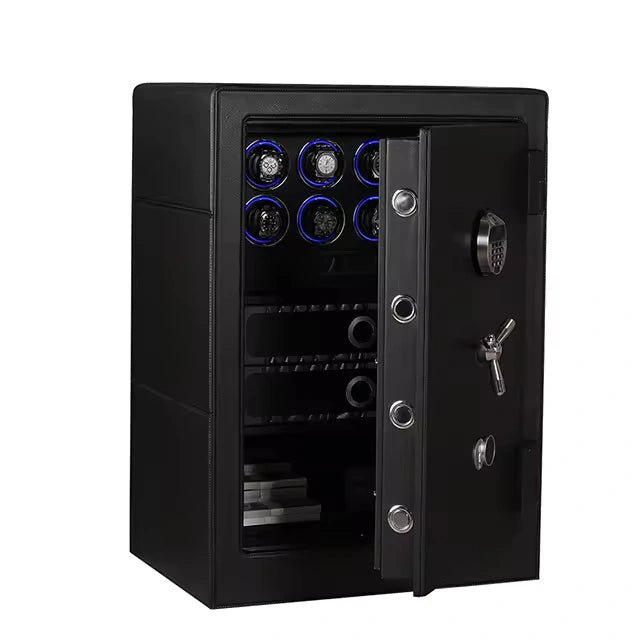
In mechanical watchmaking, precision is not achieved through motion alone — but through controlled, consistent motion over time.
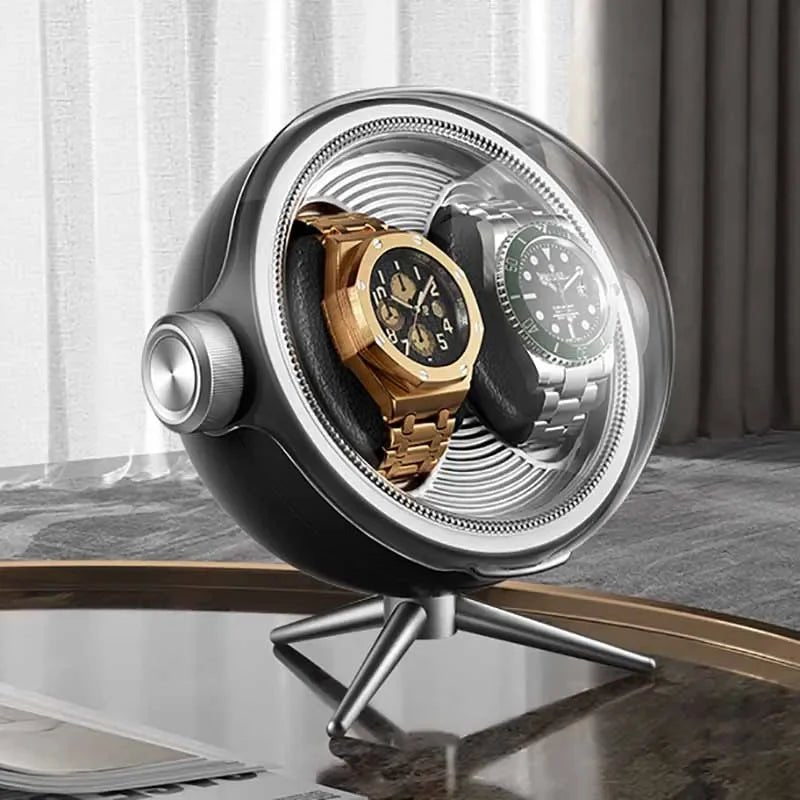
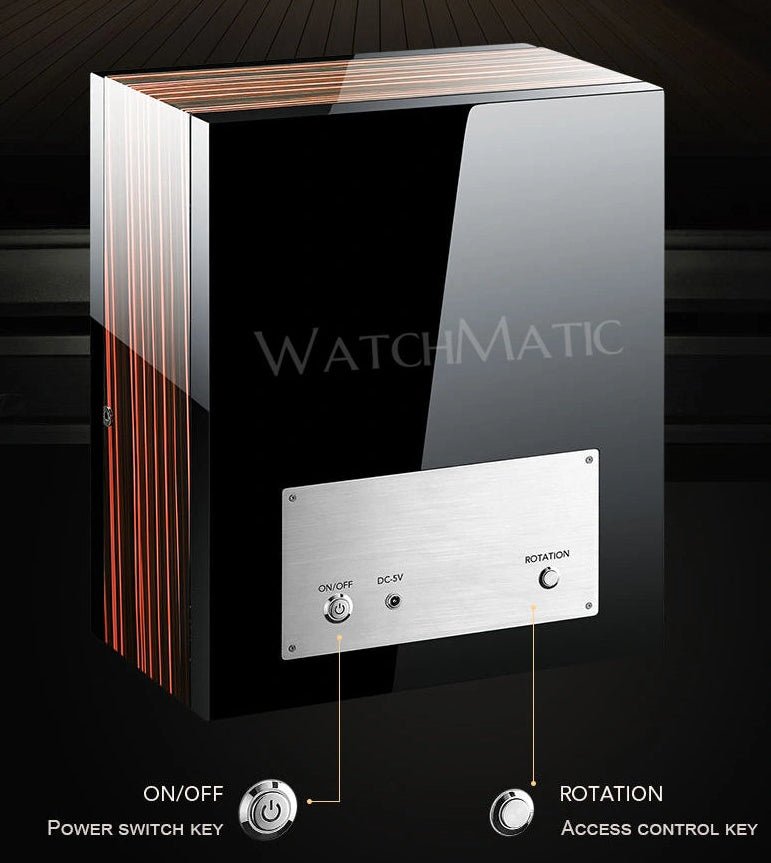
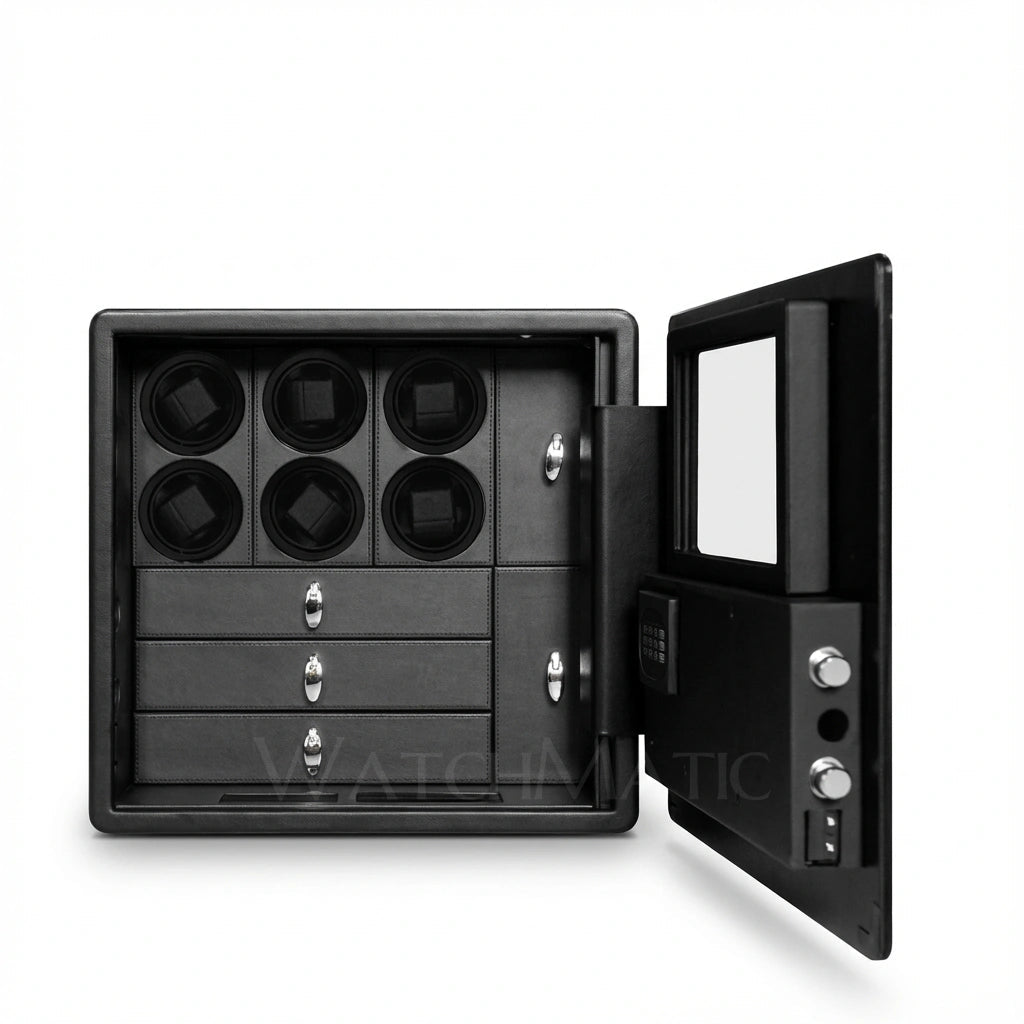
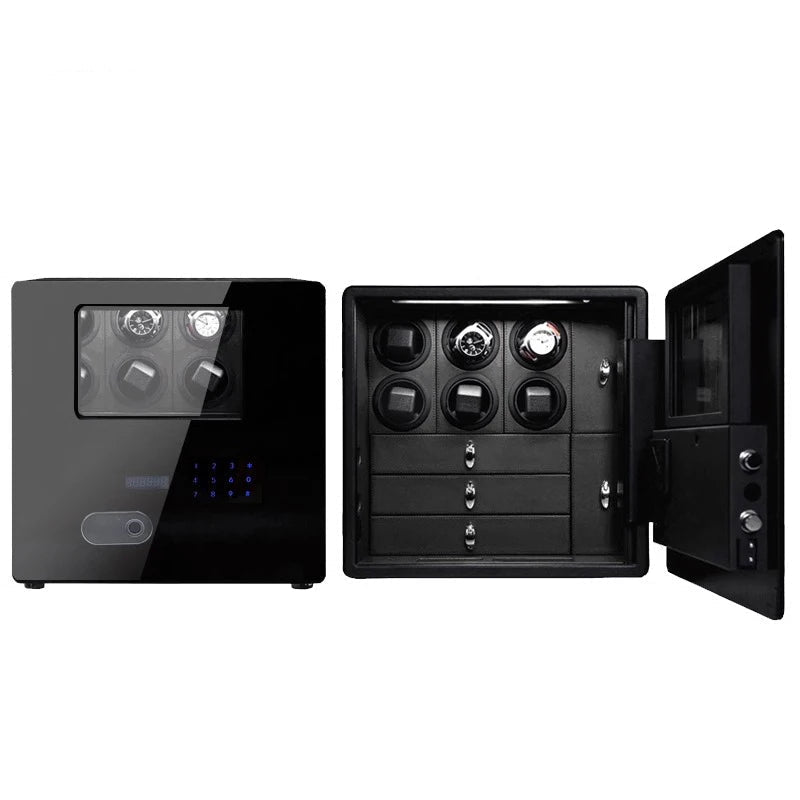
At WatchMatic, we specialize in precision-engineered watch winders designed to support the long-term performance of fine mechanical timepieces.
Automatic watches are engineered to operate within a specific range of energy input. When worn daily, this happens naturally through wrist movement. When not worn, that responsibility shifts to a watch winder — and ultimately, to one critical variable:
Turns Per Day (TPD).
Whether you own a single timepiece or a collection spanning Rolex, Omega, or Patek Philippe, understanding TPD is essential for:
- Maintaining stable amplitude
- Preserving long-term mechanical integrity
- Ensuring consistent timekeeping performance
This guide explains how TPD works, how movement design influences winding requirements, and how to configure a watch winder correctly across major luxury brands.
What Is TPD (Turns Per Day)?
TPD (Turns Per Day) refers to how many rotations a watch winder performs over a 24-hour period.
Inside an automatic watch, a rotor converts motion into stored energy within the mainspring. A watch winder replicates this motion when the watch is not being worn.
The objective is not to maximize rotation — but to match the movement’s natural energy requirements.
- Too little rotation → insufficient winding
- Too much rotation → unnecessary mechanical cycling
If you’re new to the concept, you can explore a more detailed explanation in our guide on what TPD means in watch winders.
Why TPD Matters More Than Most Collectors Realize
Not all automatic movements behave the same.
Differences in:
- Rotor efficiency
- Mainspring design
- Power reserve
- Escapement architecture
…mean that each watch requires a slightly different winding profile.
This is why applying a single universal TPD setting is rarely optimal.
For a deeper understanding of how watch winders function and how settings are applied in practice, you can refer to our complete watch winder guide.
How Movement Design Influences TPD Requirements
TPD is not defined by brand names alone — it is shaped by movement philosophy.
Across the industry, most automatic watches fall into several categories:
High-Efficiency, Robust Movements
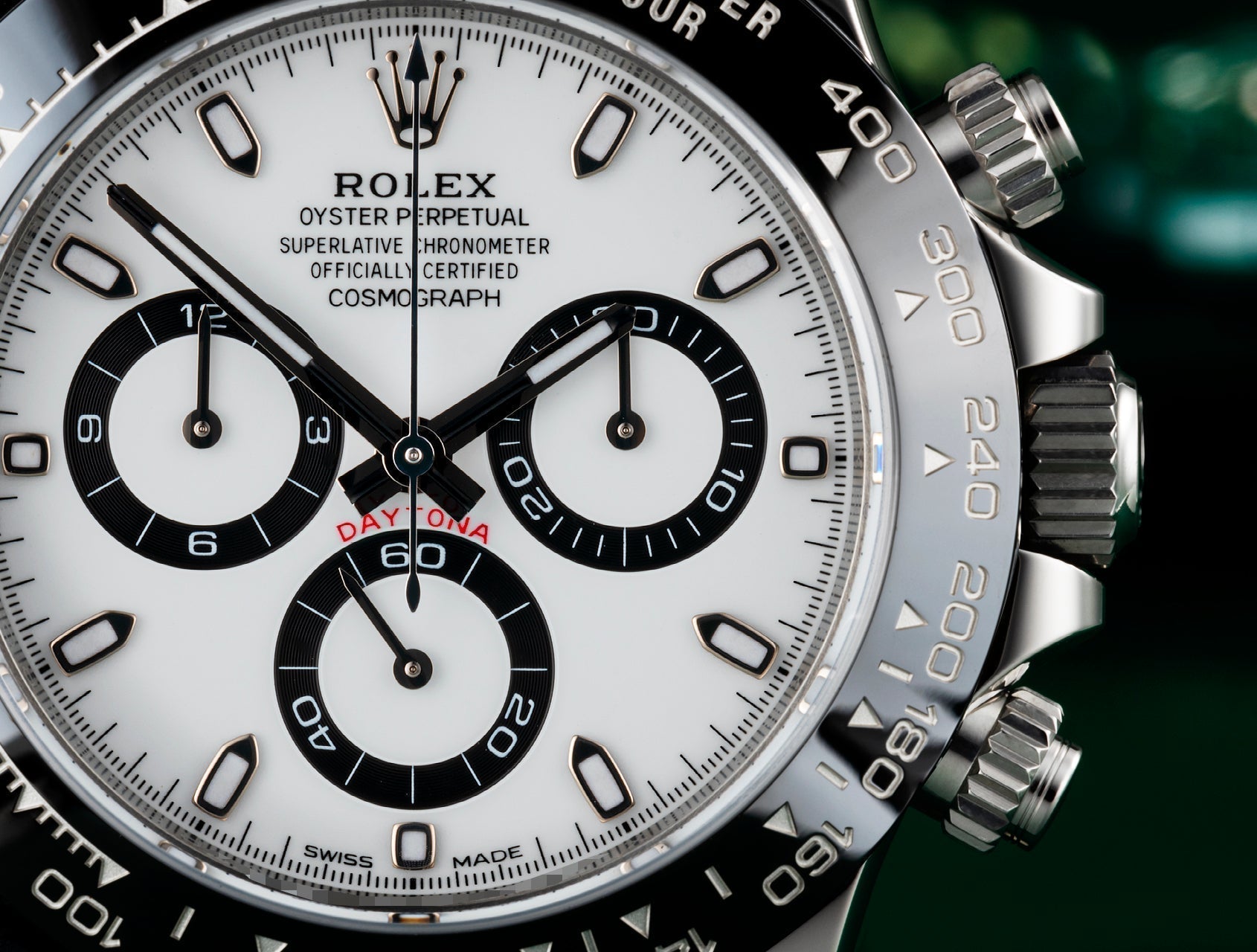
Brands such as Rolex and Tudor design movements that prioritize durability, efficiency, and consistent winding performance.
These calibers typically feature:
- Highly efficient rotors
- Stable power reserve systems
- Reliable energy transfer
As a result, they perform best with moderate, consistent winding rather than aggressive rotation.
For detailed brand-specific guidance, refer to the Rolex TPD guide.
Advanced Escapement Systems
Brands like Omega incorporate innovations such as the Co-Axial escapement, which reduces friction and improves long-term stability.
These movements:
- Operate efficiently across a slightly broader range
- Maintain stable amplitude under varying conditions
This allows for flexibility in TPD settings, while still favoring controlled motion.
Explore detailed recommendations in the Omega TPD guide.
Haute Horlogerie Movements
At the highest level, brands such as Patek Philippe and Vacheron Constantin focus on refinement over efficiency.
These movements are characterized by:
- Fine tolerances
- Hand-finished components
- Smooth, deliberate energy delivery
Because of this, they benefit from more conservative TPD settings to minimize unnecessary mechanical activity.
For a deeper understanding, refer to the Patek Philippe TPD guide.
Sport-Luxury & Modern Hybrid Movements
Brands such as Audemars Piguet, Hublot, and TAG Heuer combine modern engineering with luxury design.
These movements typically:
- Balance durability and refinement
- Require stable but not excessive winding
A moderate TPD range is generally optimal.
Professional & Instrument-Oriented Movements
Brands such as Breitling and IWC Schaffhausen focus on precision instruments designed for continuous performance.
These movements:
- Benefit from consistent winding cycles
- Are engineered for reliability under sustained use
Refined Design-Oriented Movements
Brands such as Cartier and Jaeger-LeCoultre emphasize elegance alongside mechanical sophistication.
These watches typically respond best to controlled, moderate winding cycles.
Independent & High-Complexity Movements
Brands such as Richard Mille and Panerai often feature unique engineering approaches.
Because of this:
- TPD requirements may vary
- Conservative starting points are recommended
Japanese Precision Engineering
Grand Seiko represents a different philosophy focused on precision and consistency.
These movements typically operate within a balanced, moderate TPD range.
Recommended TPD Ranges by Brand (Practical Reference)
While movement design provides the underlying logic, the following ranges serve as practical starting points:
- Rolex / Tudor → ~650 TPD
- Omega → 650–850 TPD
- Patek Philippe / Vacheron Constantin → 600–750 TPD
- Audemars Piguet / Hublot / TAG Heuer → 650–800 TPD
- Breitling / IWC → 650–800 TPD
- Cartier / Jaeger-LeCoultre → 600–750 TPD
- Panerai / Richard Mille → 600–750 TPD
- Grand Seiko → 600–800 TPD
For detailed breakdowns, explore:
- Rolex TPD guide
- Omega TPD guide
- Patek Philippe TPD guide
- Audemars Piguet TPD guide
- Vacheron Constantin TPD guide
- Breitling TPD Guide
- TAG Heuer TPD Guide
- IWC Schaffhausen TPD Guide
- Cartier TPD Guide
- Hublot TPD Guide
- Tudor TPD Guide
- Grand Seiko TPD Guide
How to Choose the Right TPD for Your Watch
If manufacturer specifications are unavailable, a practical approach is often more effective.
A simple framework:
- Start at ~650 TPD
- Observe performance over several days
- If the watch stops → increase gradually
- If unnecessary rotation occurs → reduce slightly
For complicated watches:
- Prioritize stability over higher rotation
For collectors:
- Consistency across watches matters more than exact numbers
The goal is not perfection — but controlled balance aligned with real-world behavior.
How to Set a Watch Winder Correctly
To configure your watch winder:
- Select appropriate TPD range
- Use bi-directional rotation (in most cases)
- Avoid continuous high-speed operation
Understanding rotation modes such as clockwise, counterclockwise, and bi-directional is equally important — you can learn more in our guide on the best watch winder modes.
If you're unsure how to configure settings across different watches, refer to our watch winder guide for a complete breakdown.
Choosing the Right Watch Winder
Choosing the right watch winder depends on your collection size, movement types, and usage habits — you can explore a detailed breakdown in our guide on how to choose the right watch winder.
Understanding TPD is only part of the equation.
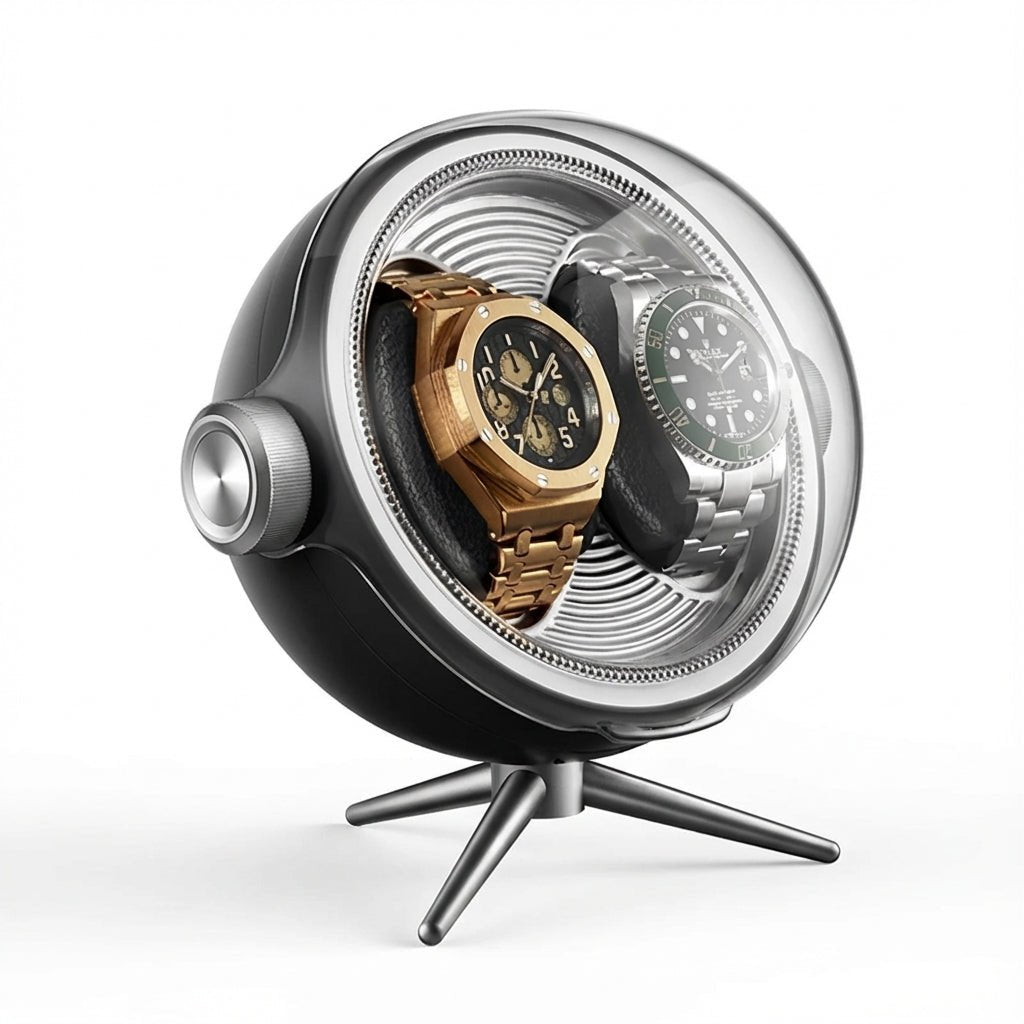
The consistency, precision, and engineering quality of the watch winder itself determine how effectively that motion is delivered.
A high-quality watch winder should provide:
- Adjustable TPD settings
- Smooth, low-noise operation
- Reliable rotation programs
If you're looking for specific recommendations, you can explore our curated selection of the best watch winders for automatic watches.
Brand-Specific Watch Winder Recommendations
For collectors seeking optimized solutions, you can explore:
- Best watch winders for Rolex
- Best watch winders for Omega
- Best watch winders for Patek Philippe
- Best watch winders for Audemars Piguet
- Best watch winders for Hublot
- Best watch winders for IWC
- Best watch winders for Breitling
- Best watch winders for TAG Heuer
The Role of a Watch Winder in a Collection
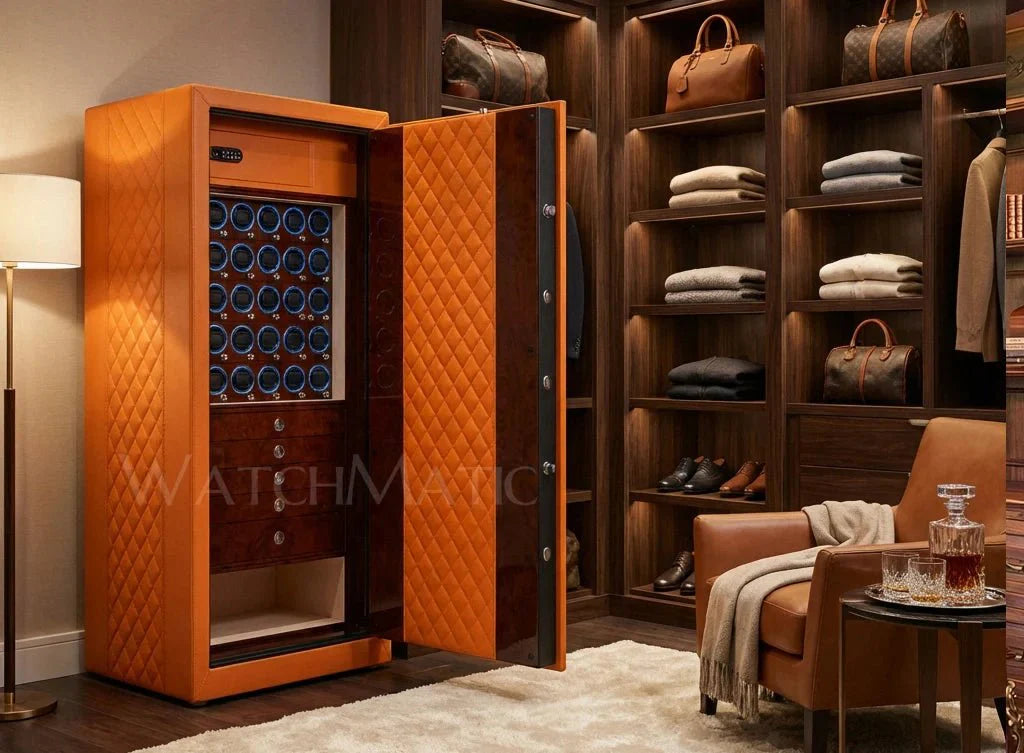
For serious collectors, a watch winder is not a luxury accessory — it is part of a maintenance system.
It helps:
- Maintain power reserve
- Preserve complications
- Reduce manual intervention
Especially important for:
- Calendar watches
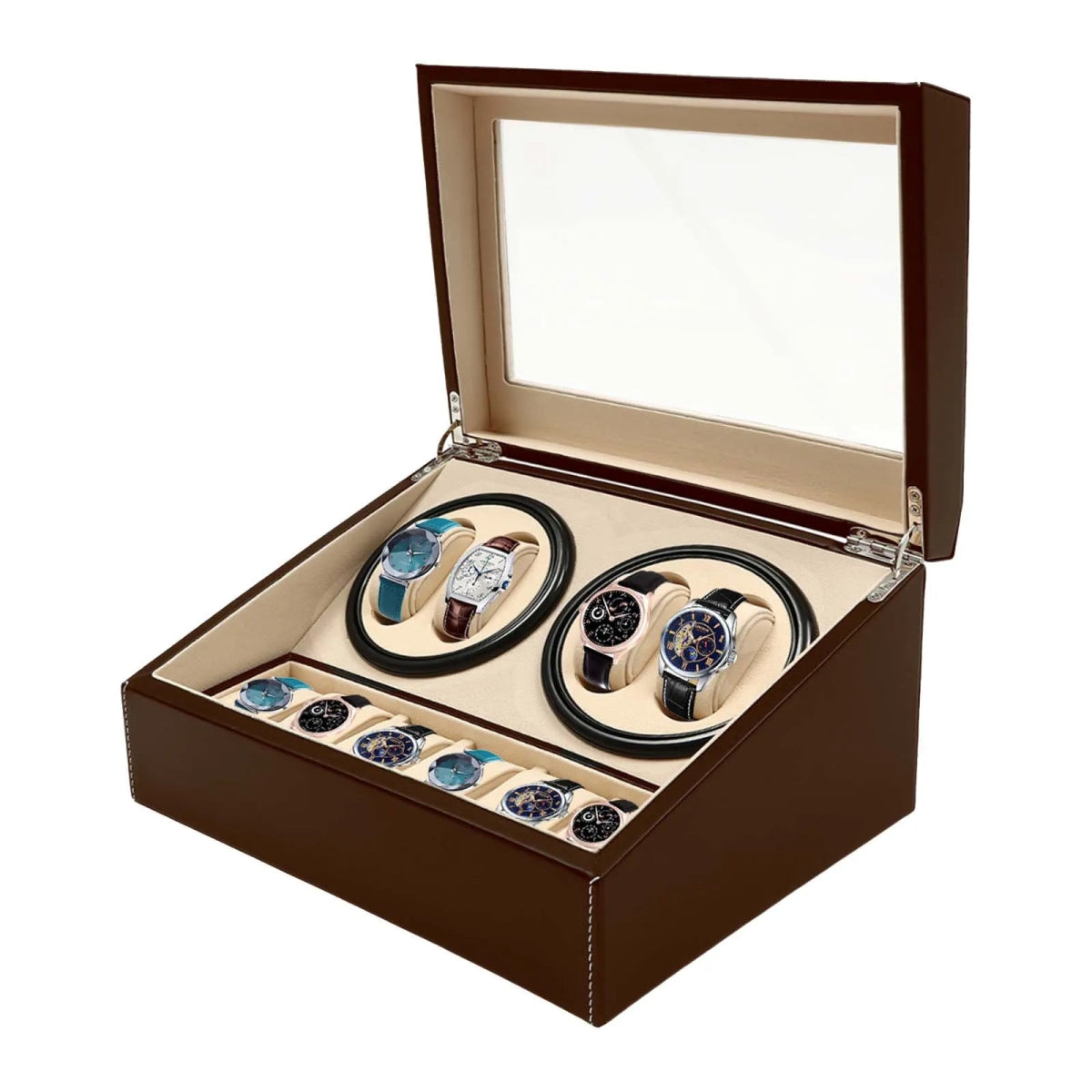
- Multi-watch collections
Final Thoughts
TPD is not about maximizing motion — it is about maintaining mechanical balance.
Each movement responds differently, and understanding those differences allows you to:
- Protect long-term performance
- Preserve mechanical integrity
- Maintain precision over time
In watchmaking, precision is never accidental — it is always controlled.