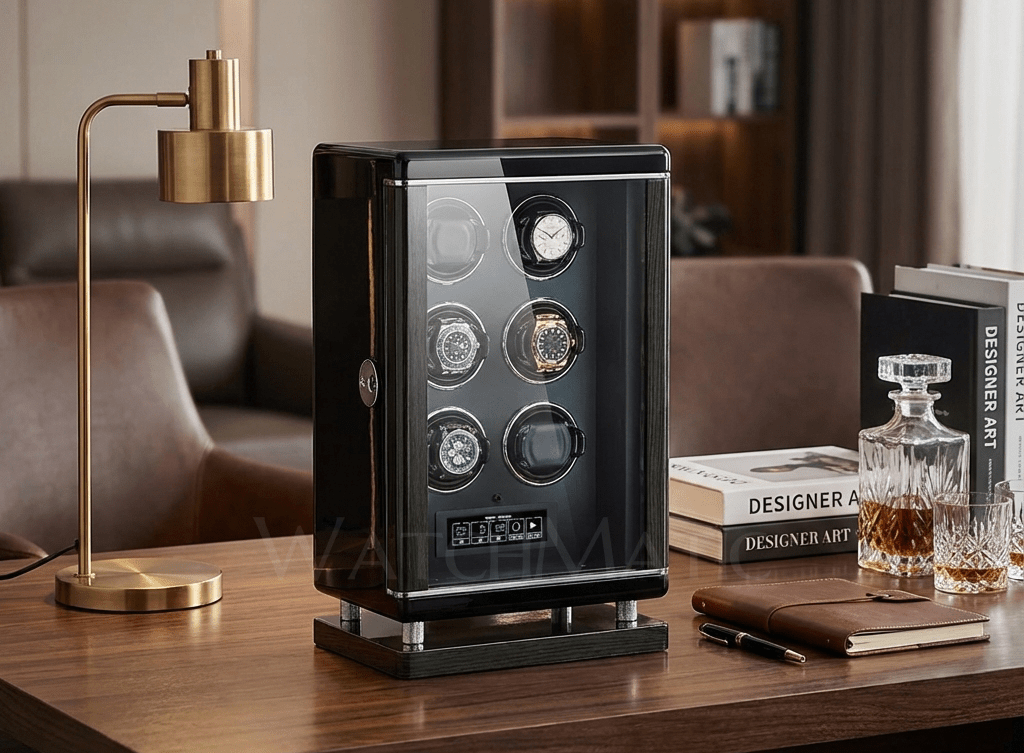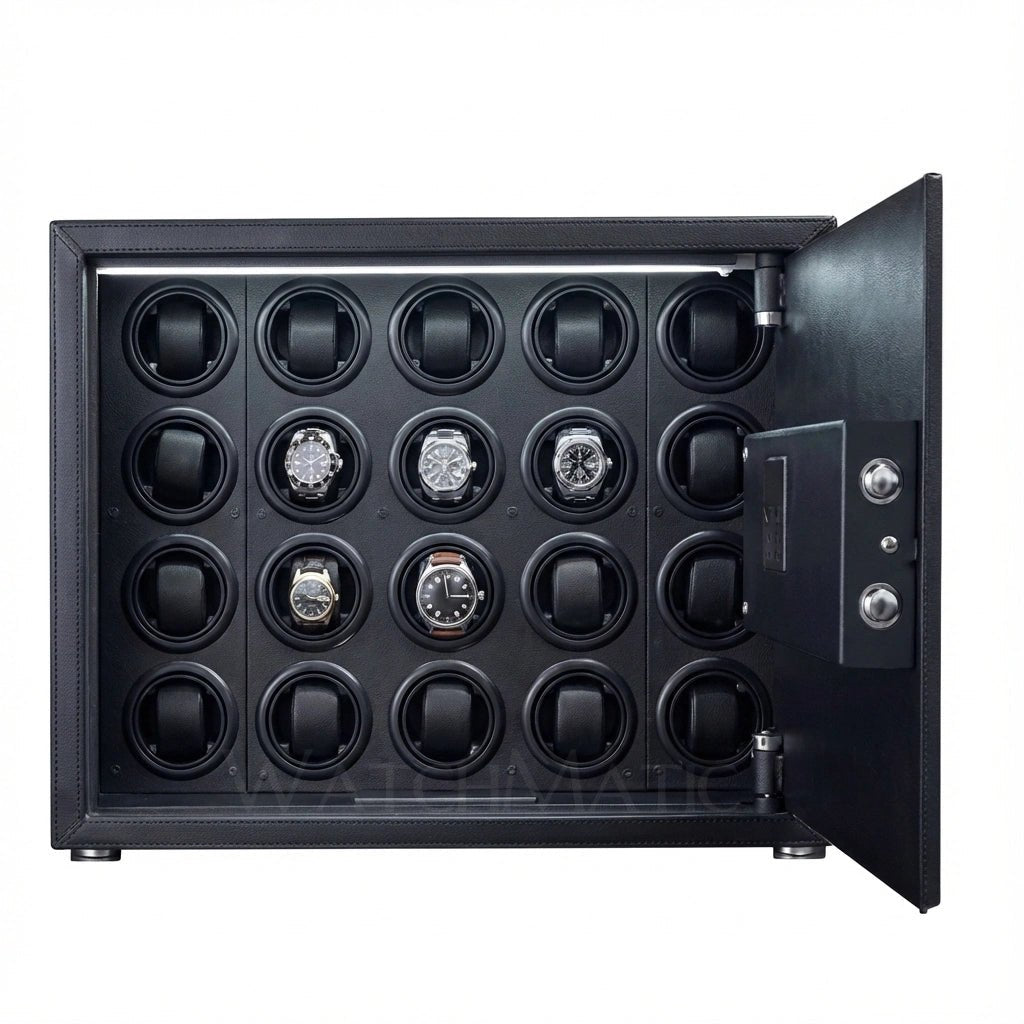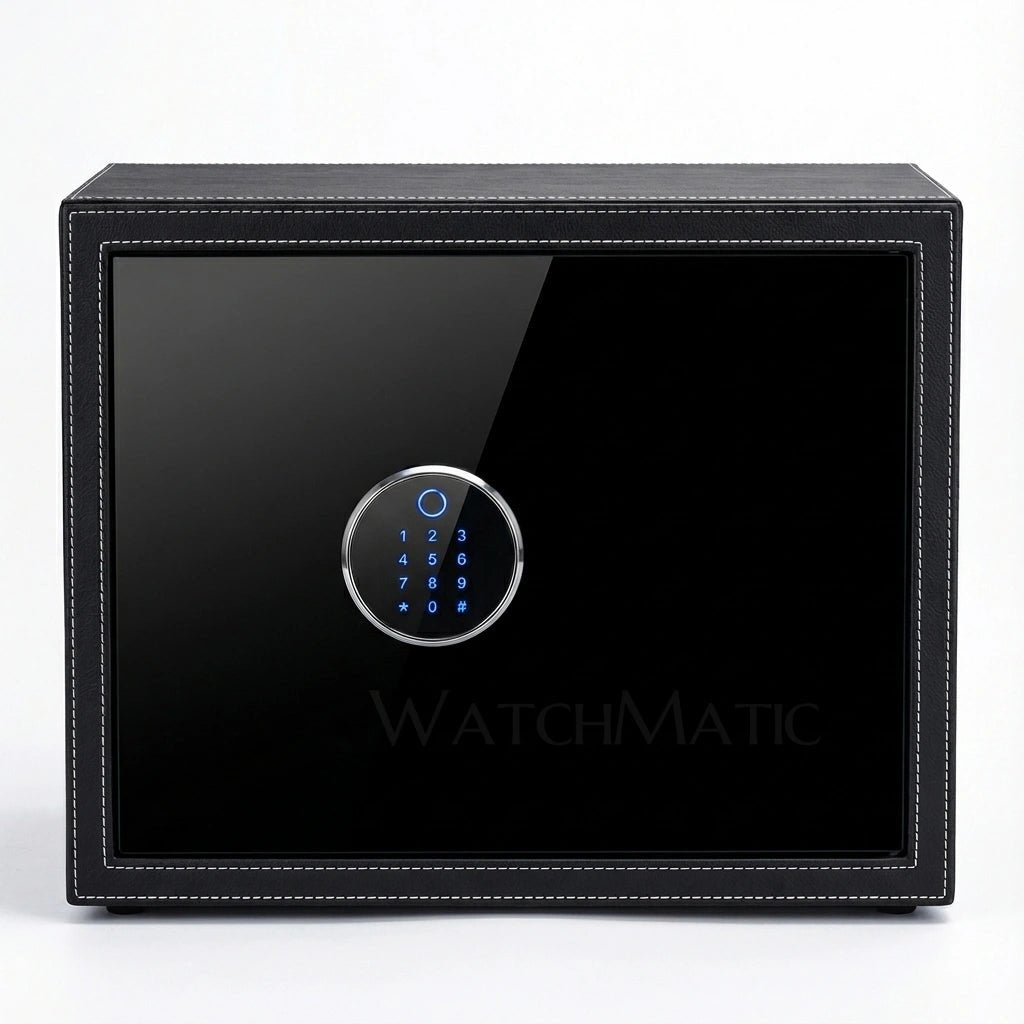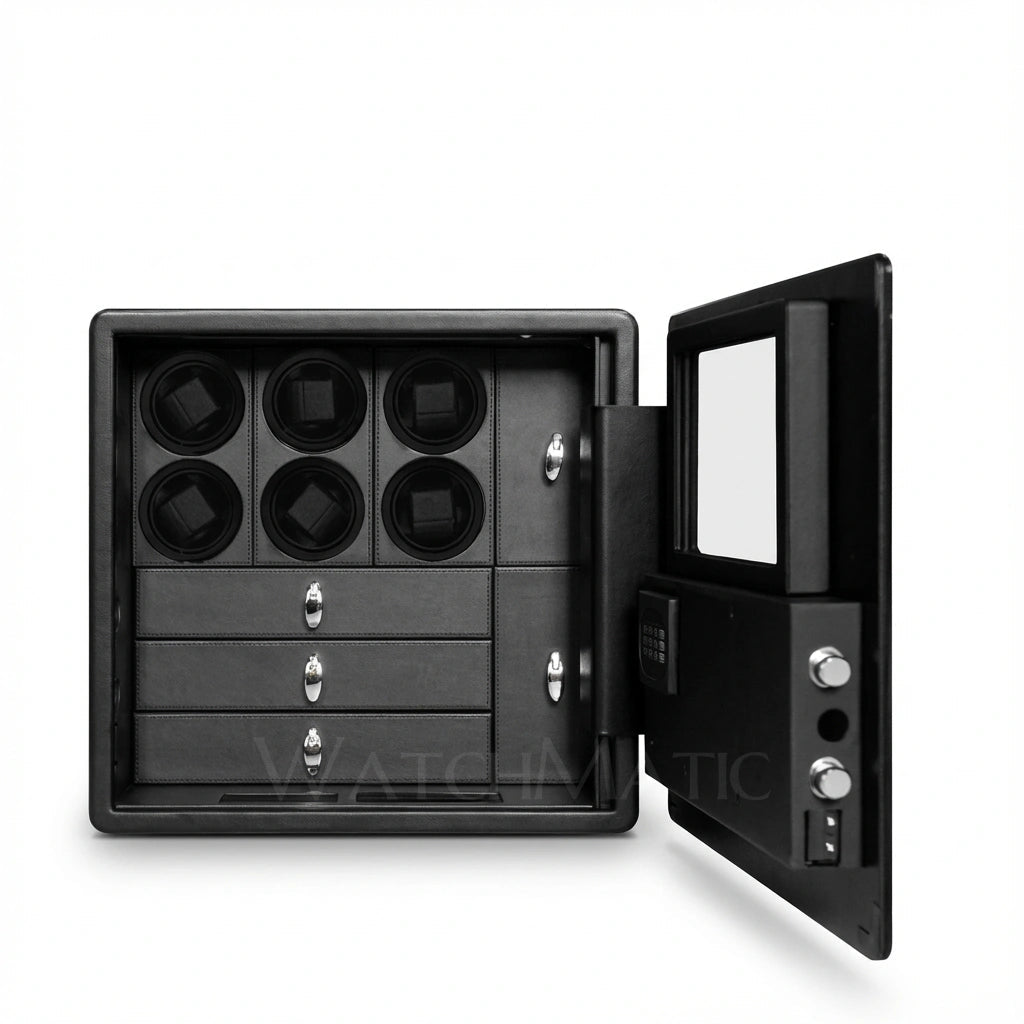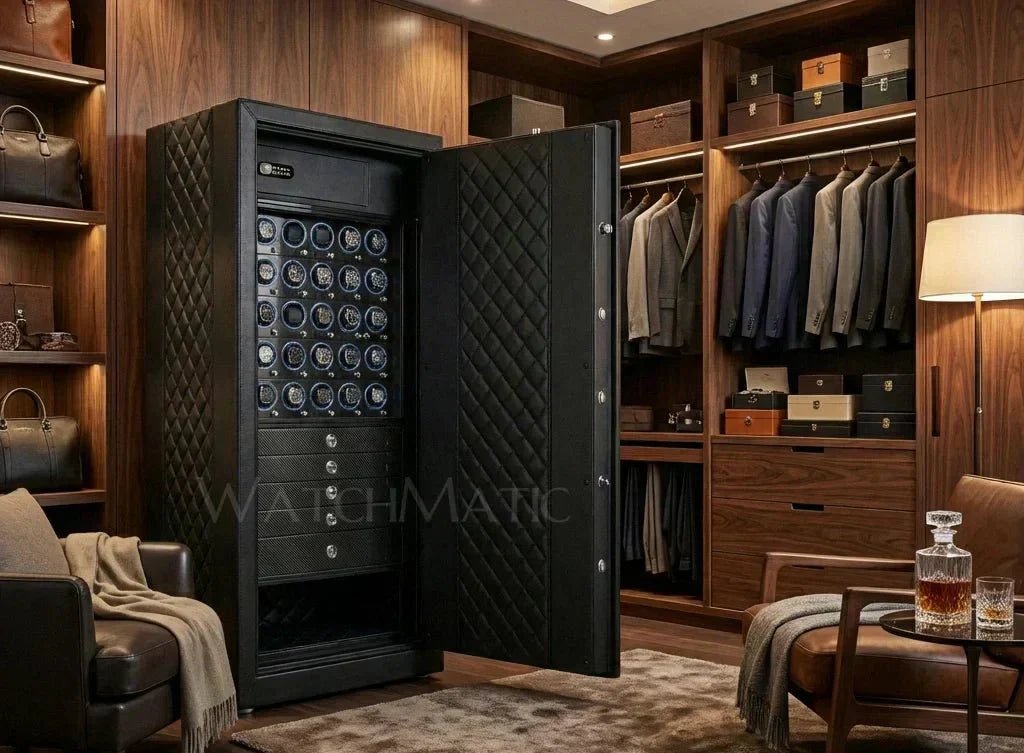
At WatchMatic, we’ve worked with collectors at very different stages - some just starting with a handful of watches, others managing collections worth hundreds of thousands of dollars. But regardless of size, there’s always a moment when storage becomes a real concern, not just a convenience.
As collections grow, storage is no longer just about security — it becomes a system of preservation and usability.
If you're managing automatic watches, understanding how watch winders function is equally important. This complete watch winder guide explains when you actually need one, how to use it correctly, and how it integrates into a long-term collection strategy.
Most collectors don’t think seriously about security until something shifts — a growing collection, a move to a new home, or simply the realization of how easy watches are to access and remove. By the time that awareness sets in, the risk has often already been there for quite some time.
A watch safe is often misunderstood as a simple upgrade from a watch box. In reality, it represents a shift in mindset—from storing watches to actively protecting them. Theft, fire, humidity, and even daily handling all introduce risks that most collectors don’t fully appreciate until they experience them firsthand.
This guide is not written as a product overview. It’s written to help you understand how watch safes actually function in real life—how collectors use them, where mistakes happen, and how to choose one that will still make sense five years from now, not just today.
WHO THIS GUIDE IS FOR
If you only own one or two watches, a safe might feel unnecessary. But that threshold changes quickly.
This guide is designed for collectors who are starting to think beyond convenience. Maybe your collection has grown to the point where keeping everything in a drawer no longer feels comfortable. Maybe you’ve begun to consider the total value of what you own, and what it would mean to lose it.
It’s also for collectors who already own a safe, but are starting to question whether it was the right choice - whether it actually protects what matters, or simply stores it.
WHAT IS A WATCH SAFE?
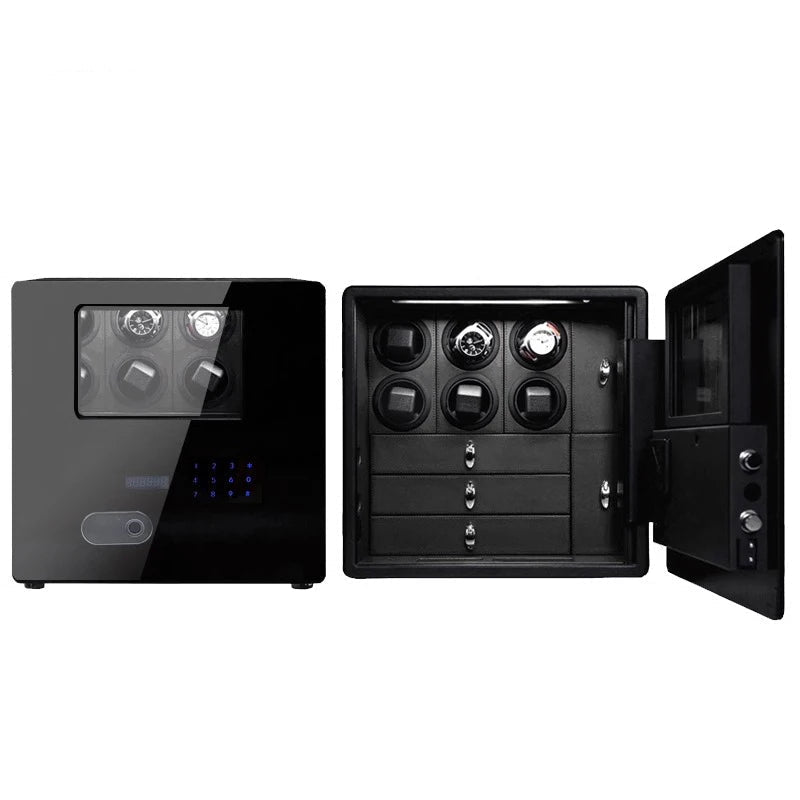
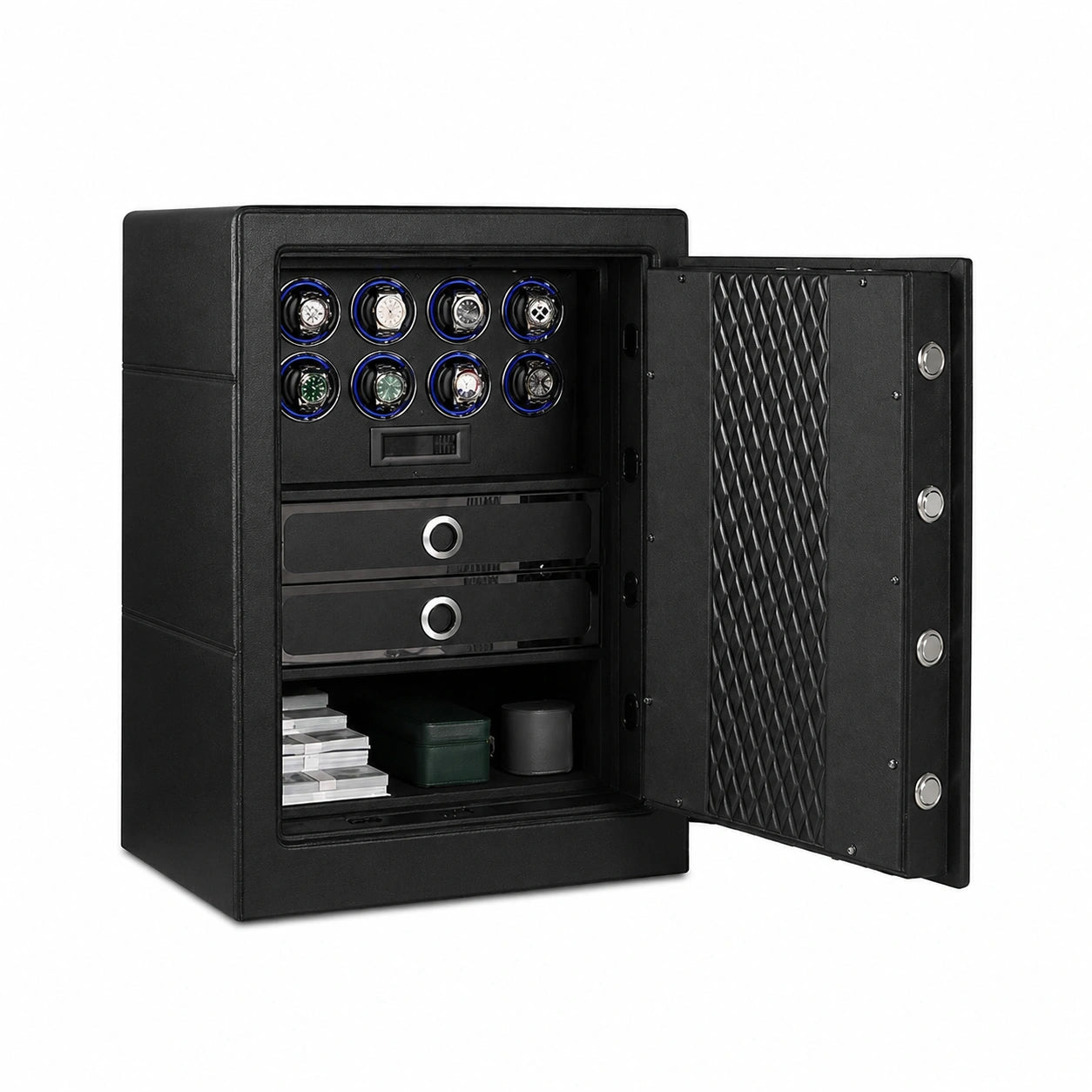
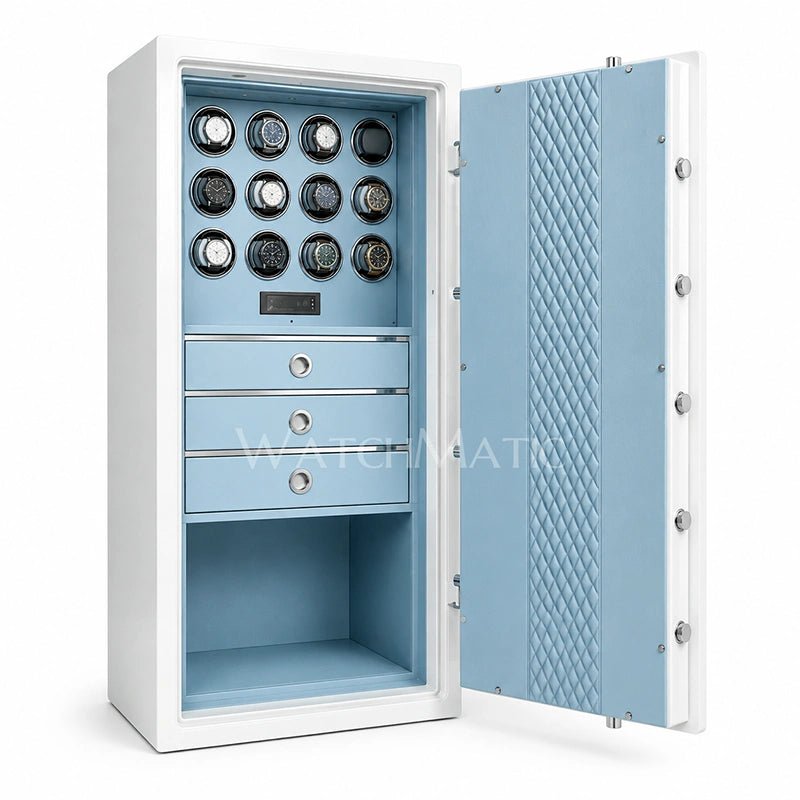
A watch safe is not just a smaller version of a home safe. The difference becomes obvious the moment you look inside.
Traditional safes are built to secure objects. Watch safes are built to protect precision.
Mechanical watches are sensitive to more than just impact. They respond to temperature, humidity, pressure, and even how they are positioned over time. A standard safe doesn’t account for any of that. It protects against theft, but not against long-term degradation.
This is also where many collectors begin exploring watch winders as a complementary system for maintaining movement performance over time.
A proper watch safe addresses both.
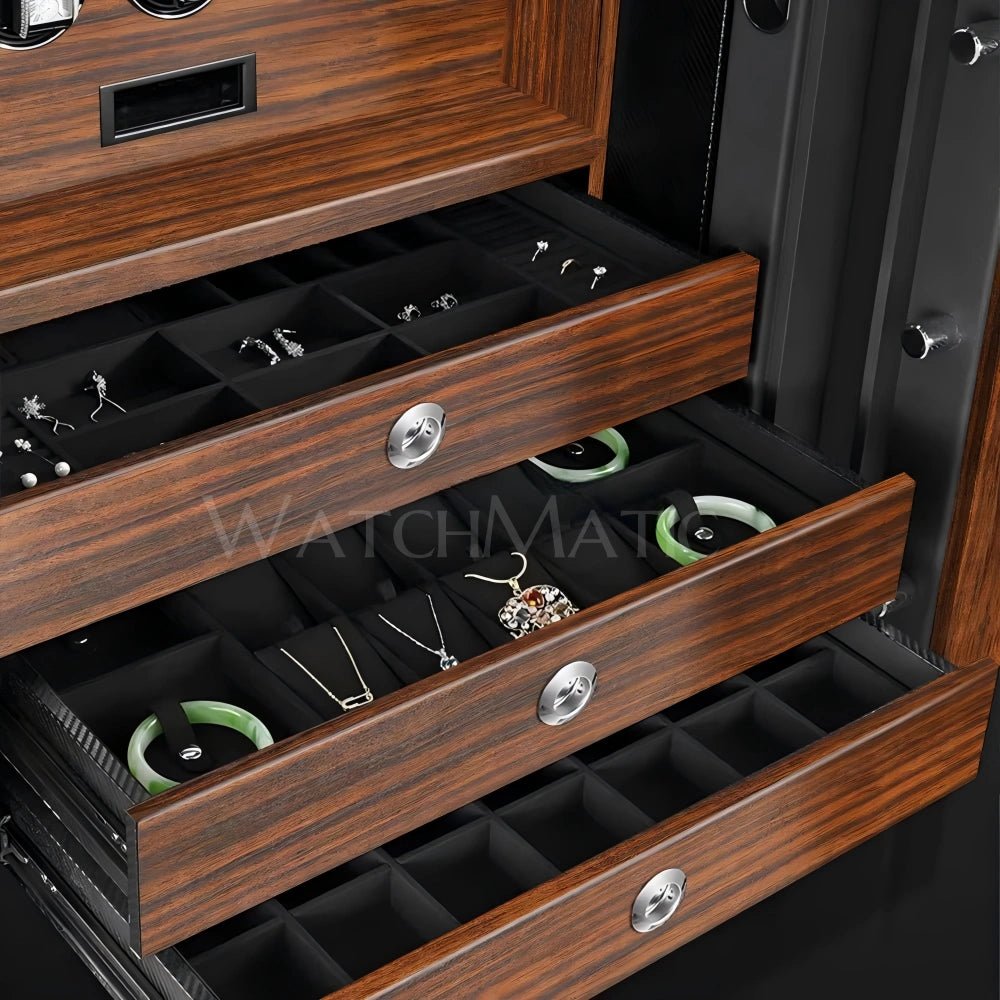
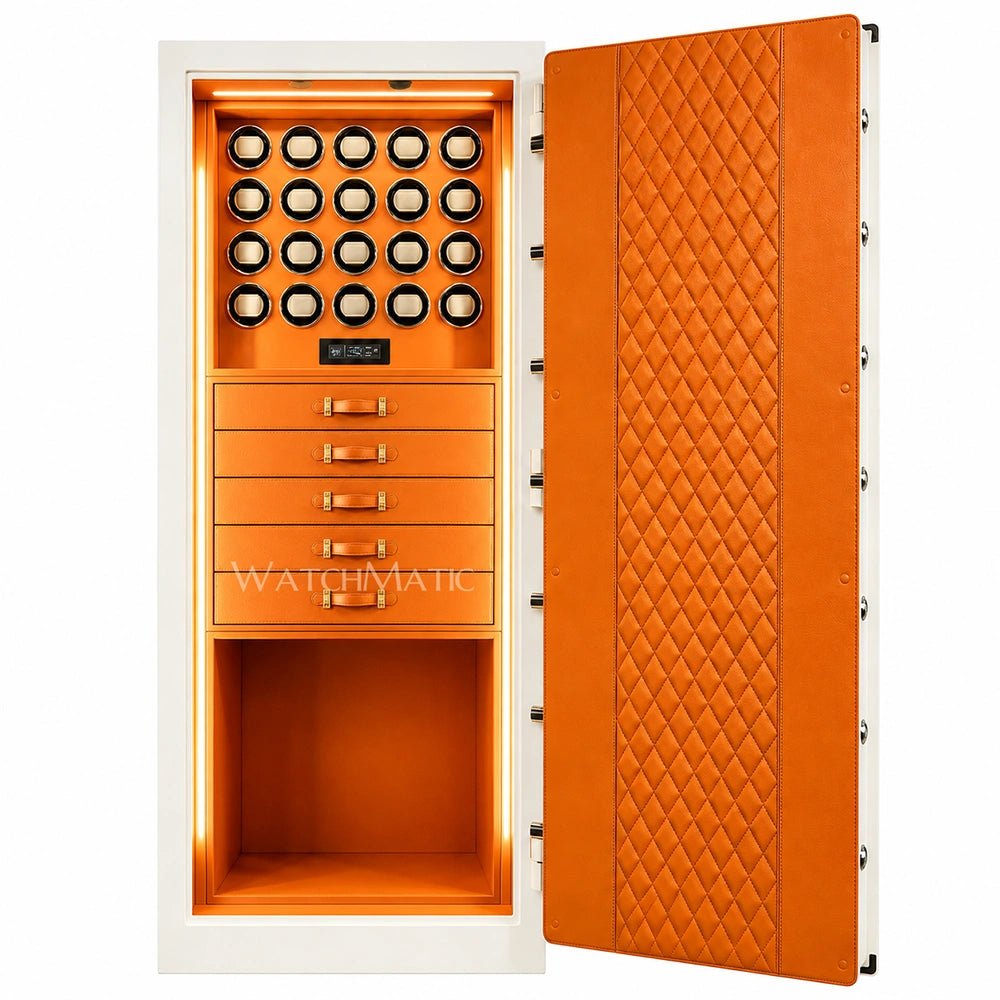
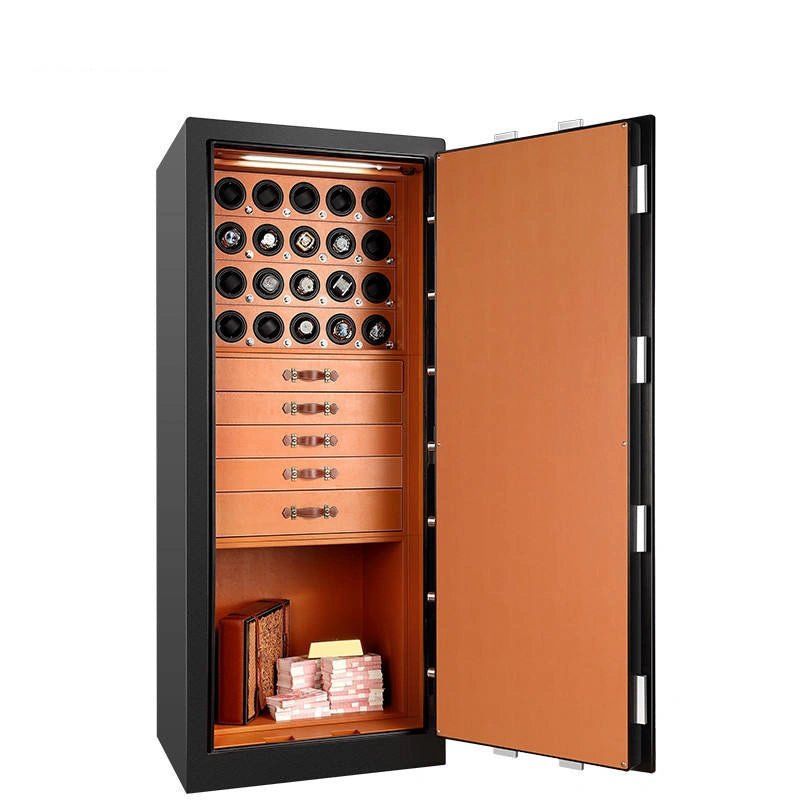
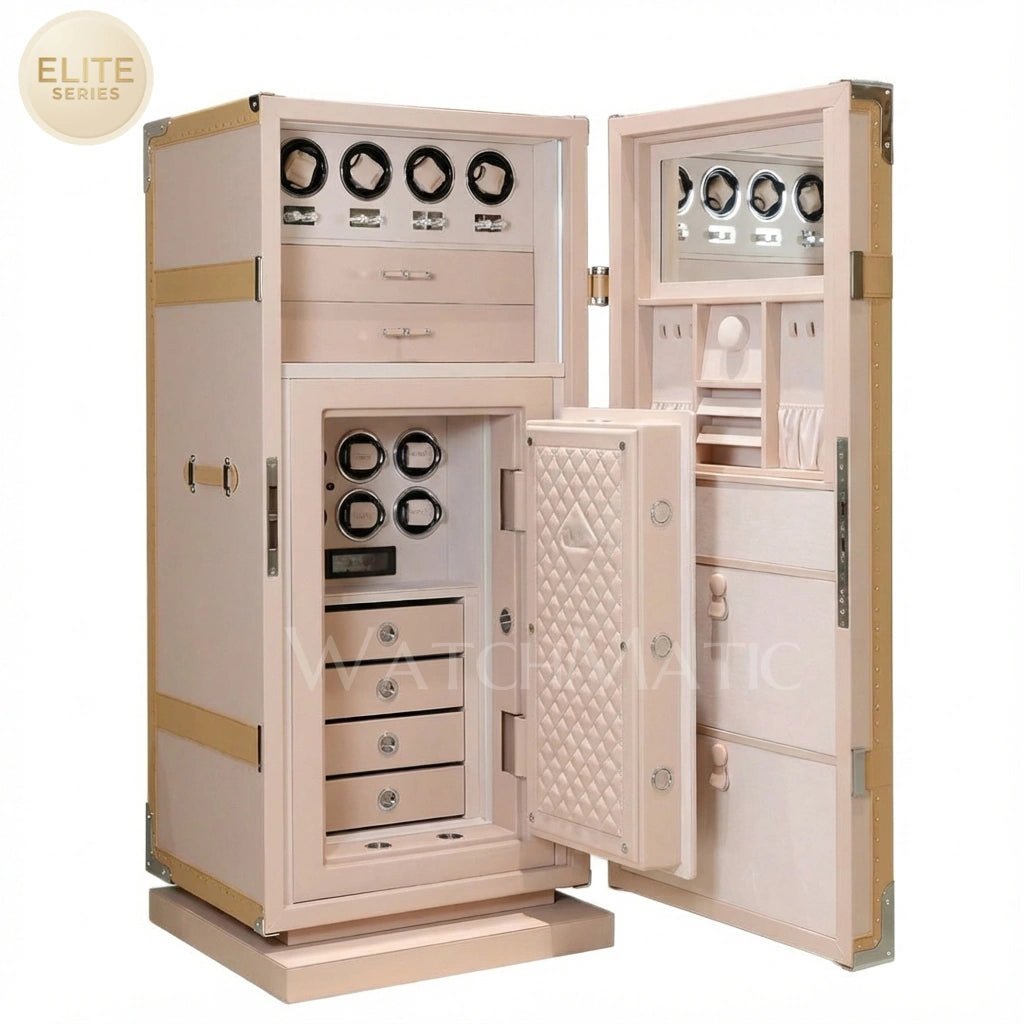
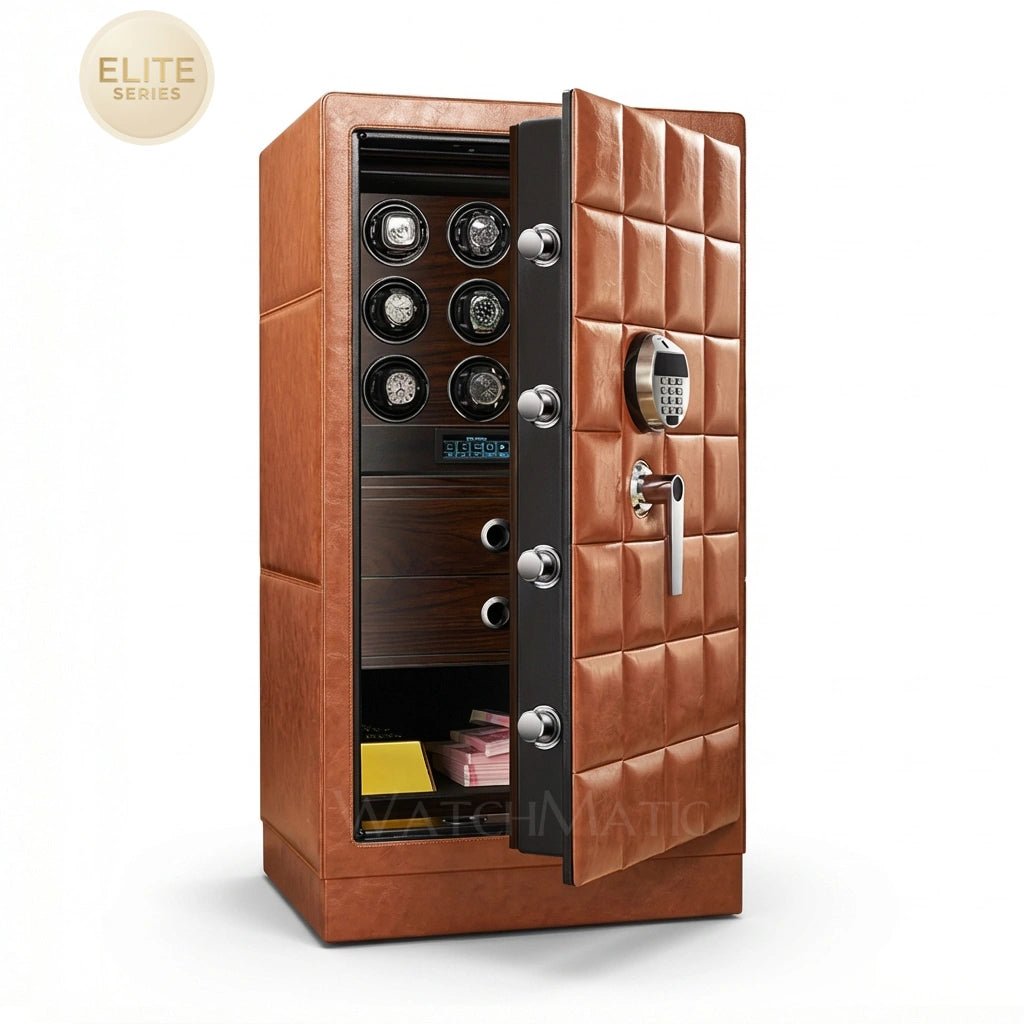
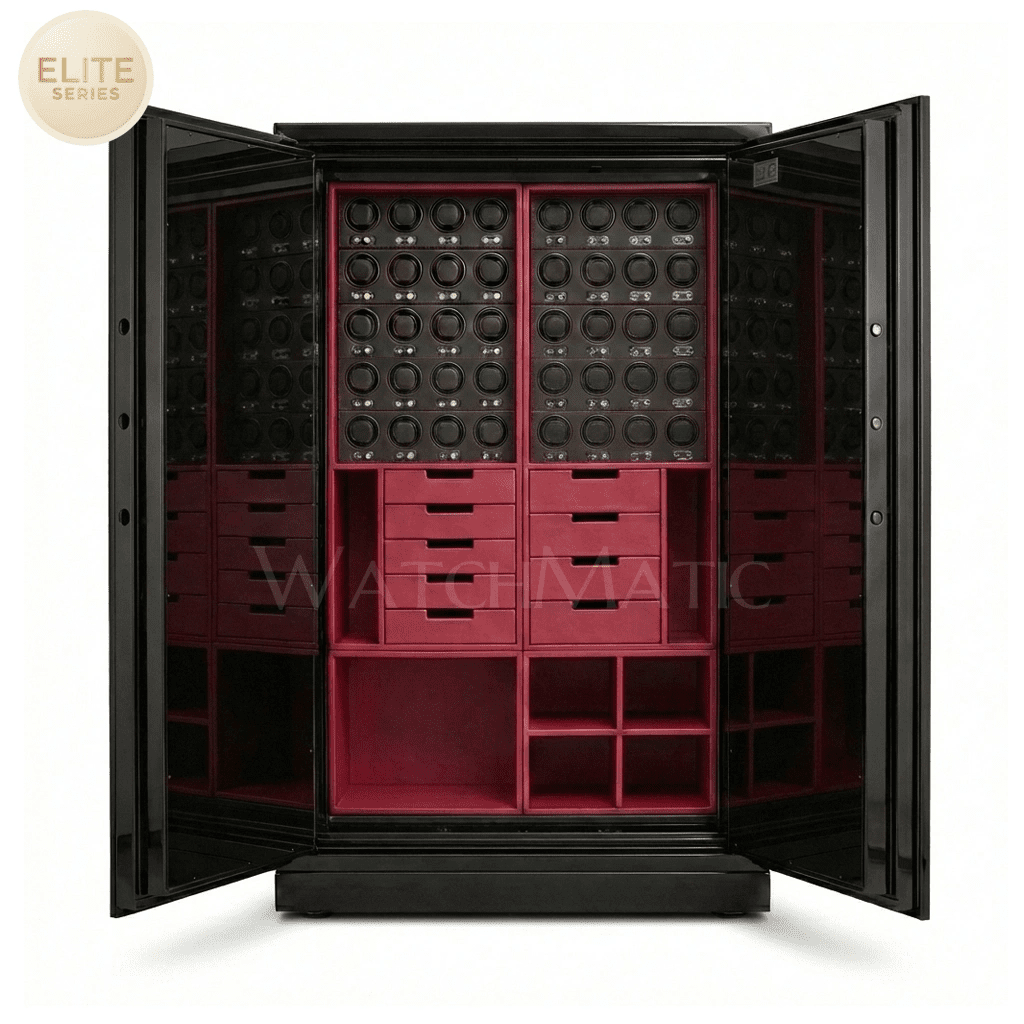
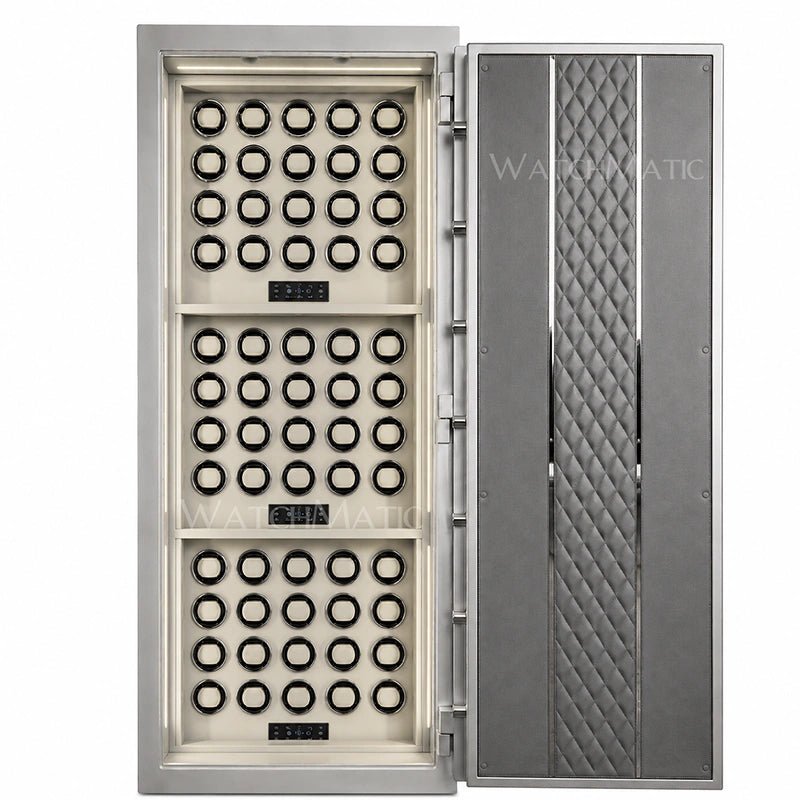
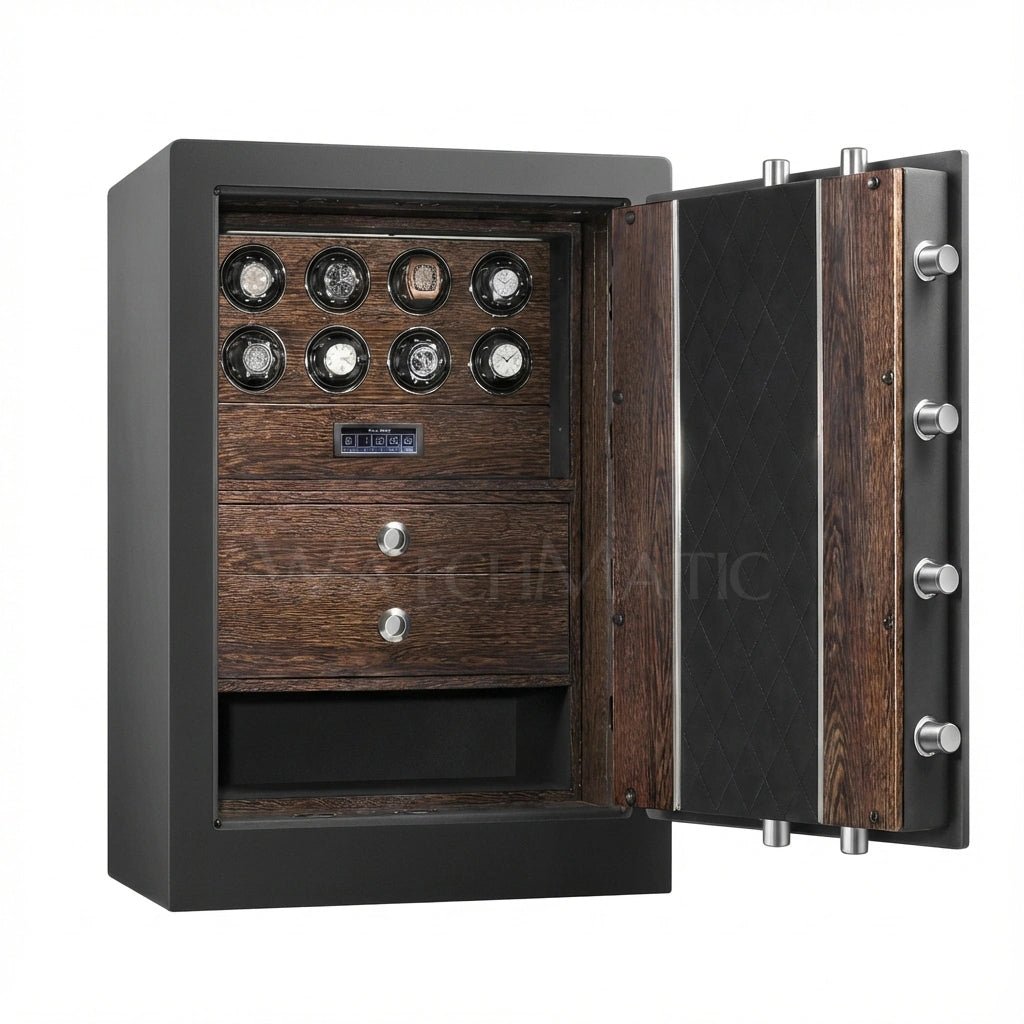
Internally, it organizes watches so they don’t touch each other. Materials are selected to prevent micro-scratches, not just visible damage. Layout matters, because access matters—if a safe is inconvenient to use, it will be used less carefully.
This is why many collectors who start with generic safes eventually replace them. Not because the safe failed, but because it wasn’t designed for what they were actually storing.
A common mistake is assuming that any safe can provide the same level of protection. In reality, the difference between general-purpose safes and specialized storage becomes clear over time. For a more detailed breakdown, see our guide on watch safe cabinet vs compact safes.
WHY YOU NEED A WATCH SAFE
Most collectors don’t think about risk until something forces them to.
The reality is that watches sit in a very unusual category of assets. They are high in value, low in size, and globally liquid. That combination makes them easy to move—and easy to lose.
Theft is rarely dramatic
It’s easy to imagine theft as something complex or planned. In practice, many cases are far simpler. Access is often the only requirement.
A watch collection stored in a visible or predictable location, without proper protection, is fundamentally exposed. Not because someone is targeting you specifically, but because the barrier to entry is low.
A safe changes that equation completely.
If your collection has reached a meaningful level in value, the risk is no longer theoretical. Understanding how collectors protect high-value assets in real-world conditions can provide useful context—especially when it comes to protecting a high-value watch collection at home.
Fire damage is underestimated
Collectors often think of fire as an all-or-nothing event. Either everything burns, or it doesn’t.
But for watches, damage often happens long before that point. Heat alone can be enough to affect lubricants, warp components, or compromise seals. Humidity after a fire can be just as damaging.
This is why fire certification matters—not as a marketing feature, but as a measurable standard of protection.
Storage affects condition over time
Even in a perfectly safe home, watches can degrade if they’re stored poorly.
Pressure, friction, and improper positioning all have cumulative effects. These aren’t dramatic, but they are real—and they show up over time.
A watch safe eliminates these variables by design.
There is also a practical side that many collectors only consider later: insurance. As collections increase in value, insurers often begin to look at how those assets are stored. But beyond compliance, it’s worth understanding whether watch safes are truly worth the investment when evaluated against long-term protection, usability, and peace of mind.
TYPES OF WATCH SAFES
Choosing the right type of safe is less about preference and more about how you use your collection.
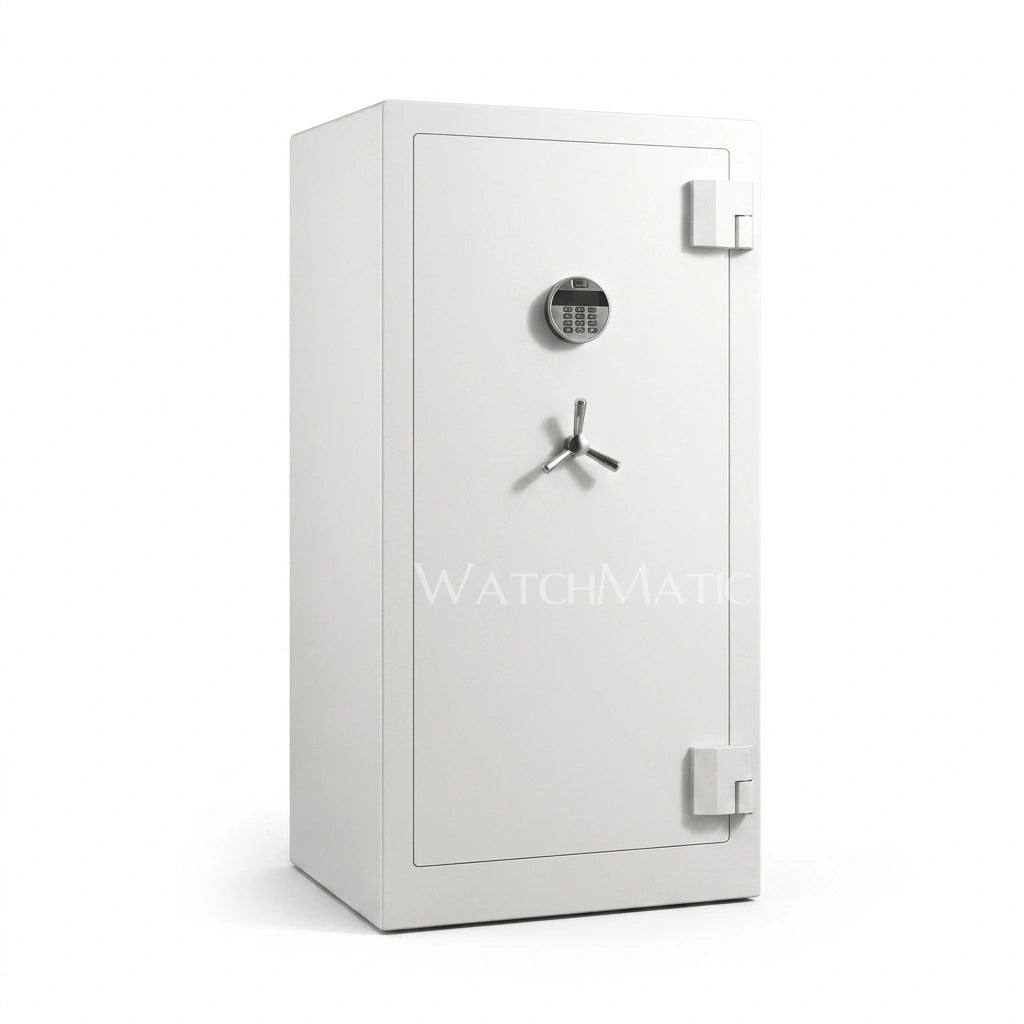
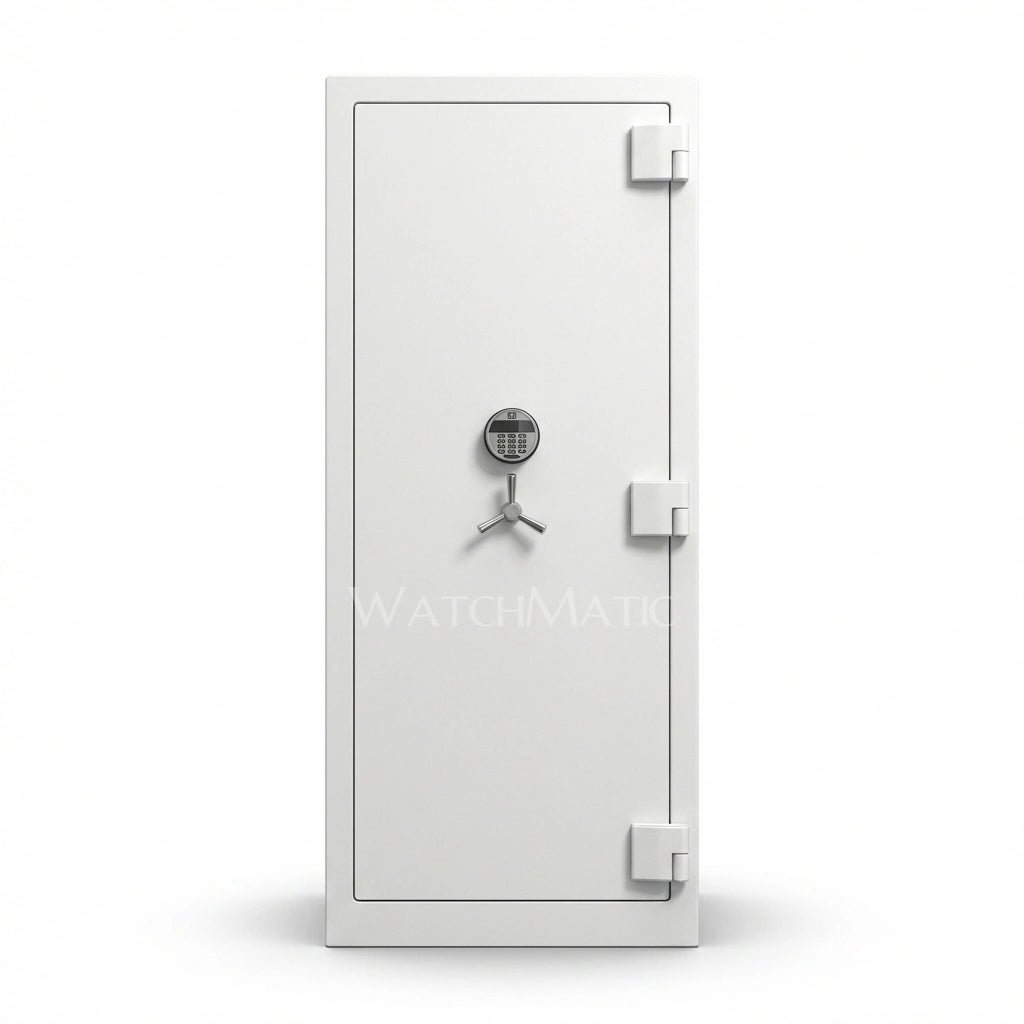
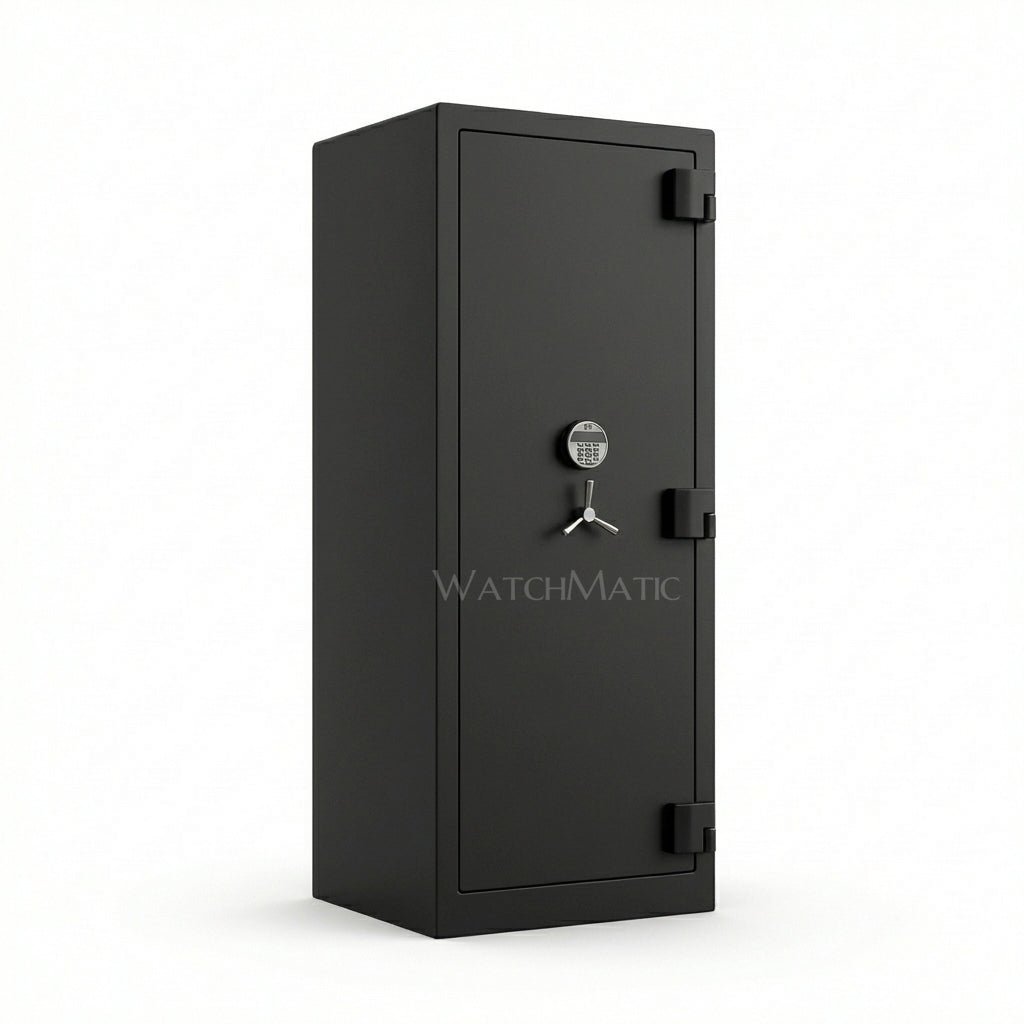
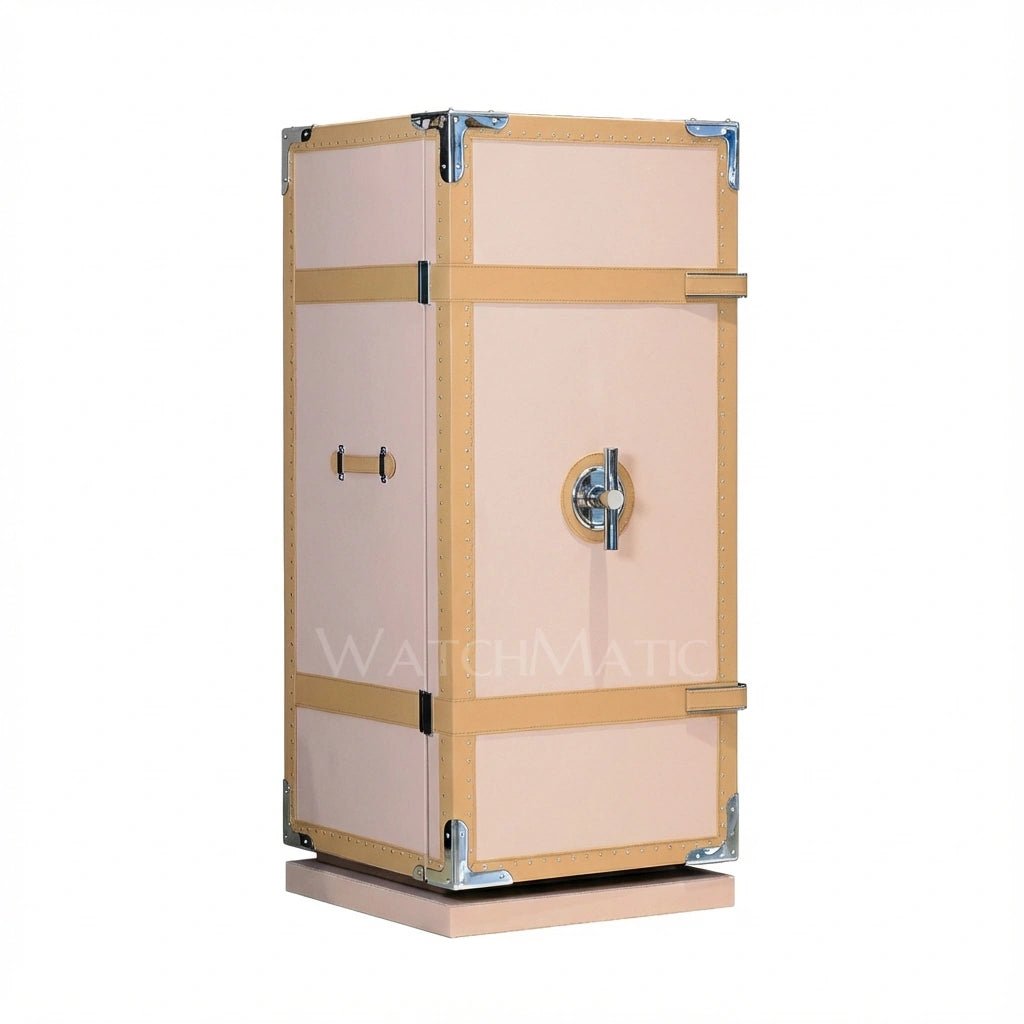
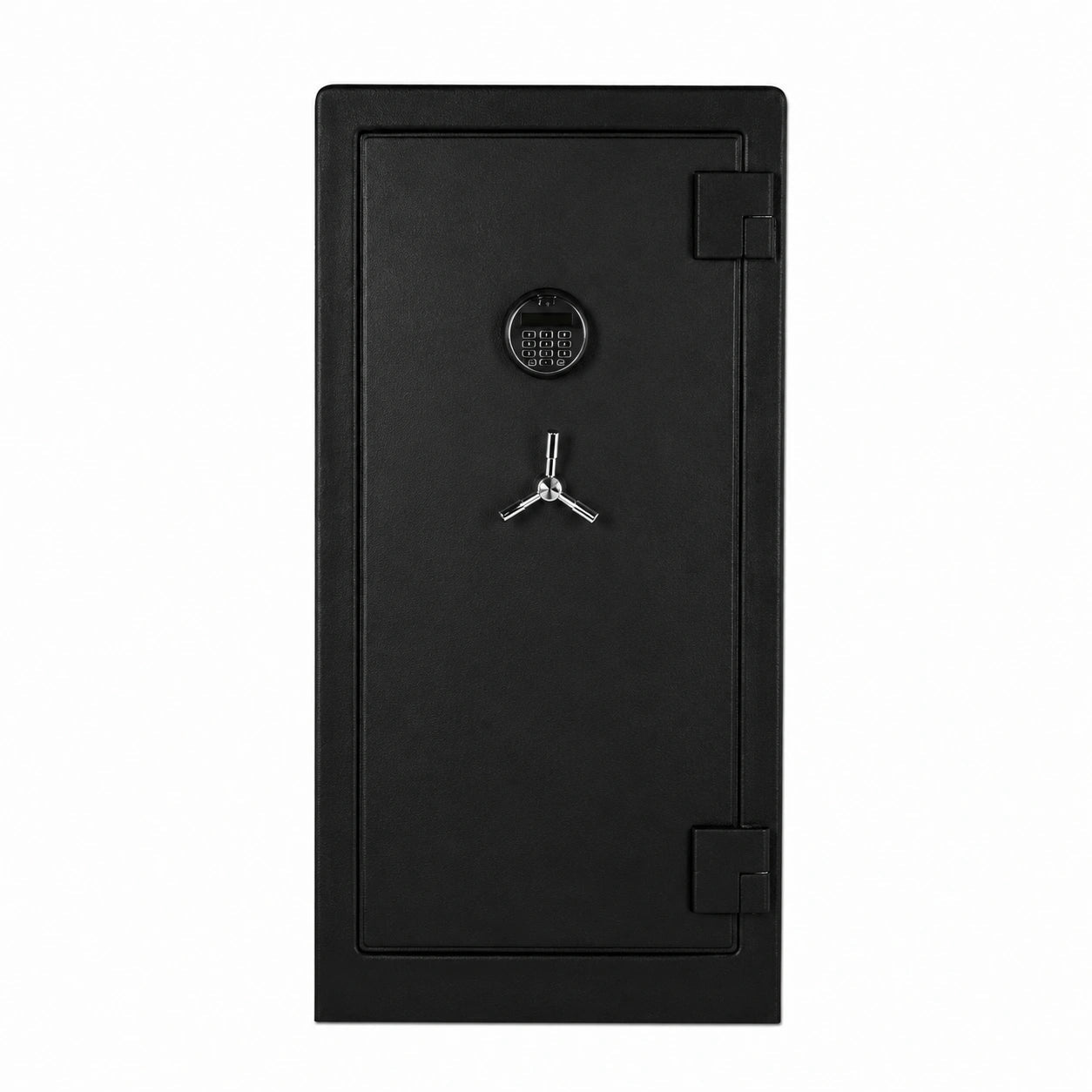
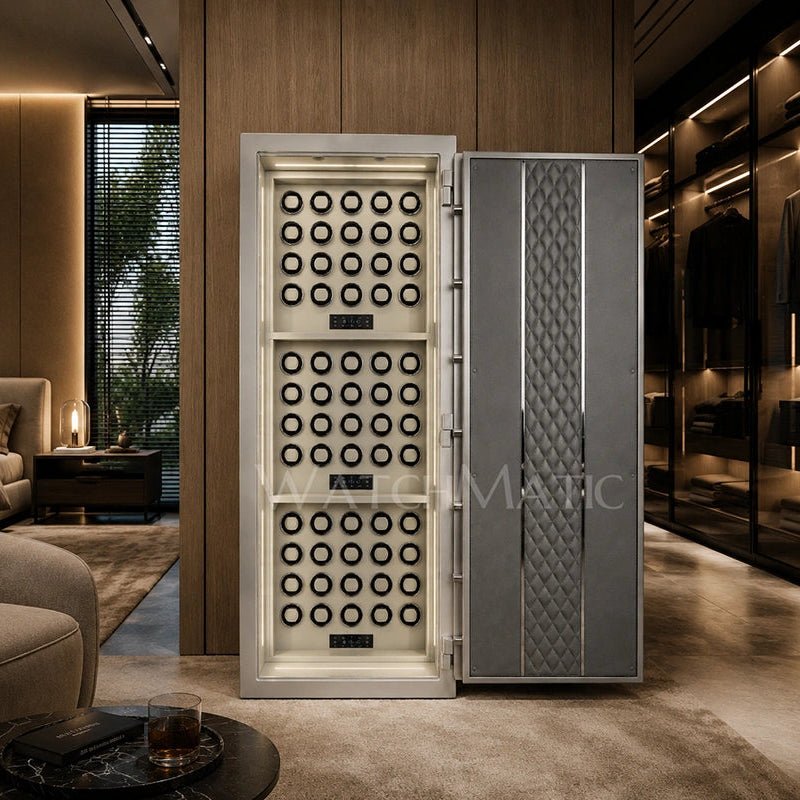
Floor-standing safes are the most common choice for serious collectors, and for good reason. Their weight alone provides a level of security that smaller safes cannot match. More importantly, they allow for flexibility—larger capacity, better layout, and room to grow.
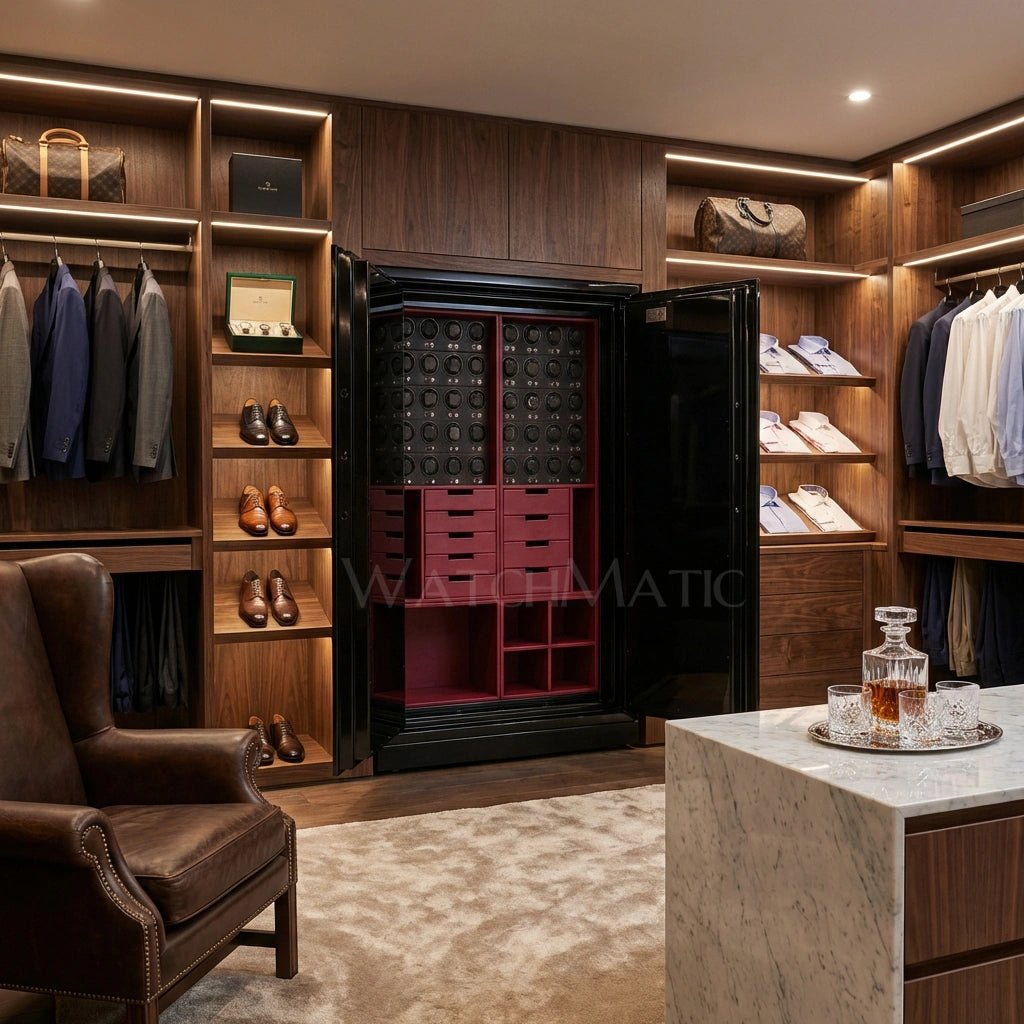
Built-in safes appeal to those who prioritize discretion. They can be hidden, integrated into walls or furniture, and kept out of sight. But that advantage comes with limitations. Space is restricted, and once installed, they are difficult to change.
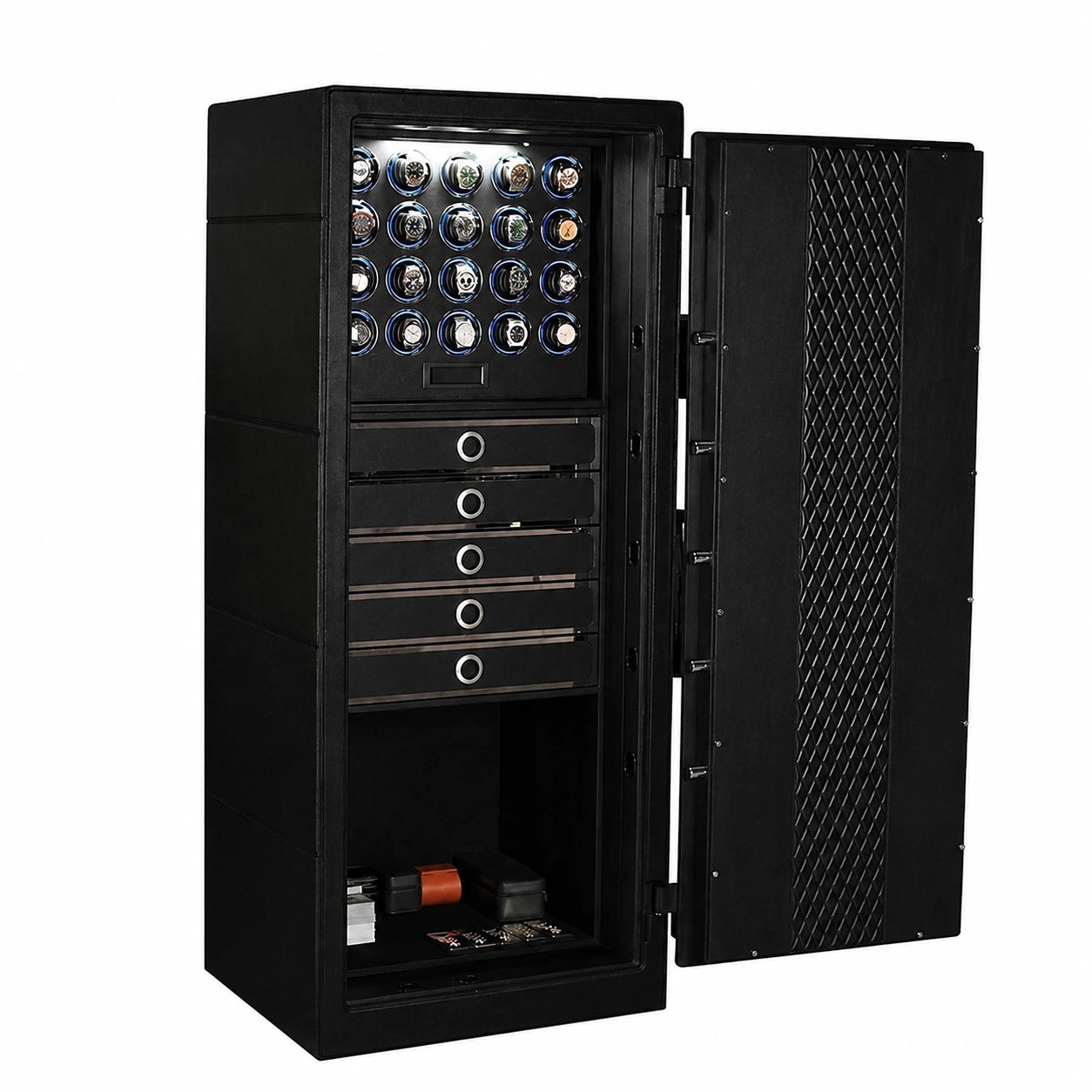
Watch winder safes serve a different purpose. They are designed for collectors who regularly wear automatic watches and want them ready at all times. The integration of winding systems adds convenience, but also complexity—and cost.
Compact safes often seem like a logical starting point. But in practice, they are often transitional. Many collectors outgrow them faster than expected, which turns an initial saving into a long-term cost.
If you’re deciding between integrated solutions and separate systems, it’s helpful to understand the trade-offs in more detail. This comparison of watch safe vs watch winder safe breaks down when each approach makes sense.
HOW TO CHOOSE THE RIGHT WATCH SAFE
Most mistakes happen here - not because information is lacking, but because priorities are misplaced.
The first instinct is often to match the safe to the current collection. That works in the short term, but rarely in the long term. Collections grow, sometimes unpredictably. Buying for today often means replacing tomorrow.
One of the most practical ways to approach this is to think in terms of long-term capacity rather than current ownership. This watch safe capacity planning guide provides a useful framework for anticipating growth.
Security should be proportional to value, but also to exposure. A smaller collection that is frequently accessed may require different considerations than a larger one that is rarely touched.
Usability is often overlooked. A safe that is difficult to access or poorly organized creates friction. And friction leads to shortcuts—leaving watches outside, rushing handling, or avoiding the safe altogether.
Collectors who rotate watches frequently often complement their safe with a watch winder to maintain accuracy and convenience between wears.
The best choice is rarely the one with the most features. It’s the one that aligns with how you actually live with your collection.
At a practical level, choosing a watch safe comes down to three variables:
– Collection size (both current and future)
– Total value (and therefore risk exposure)
– Usage frequency (daily access vs long-term storage)
For collectors wearing automatic watches regularly, movement management becomes part of the equation.
Understanding TPD (Turns Per Day) is critical to avoid over-winding or under-winding. This TPD guide breaks down how different calibers require different rotation settings — something many collectors overlook when building a complete storage system.
As a rule of thumb, once two of these variables increase, your requirements for security, capacity, and construction change significantly.
For a more structured approach, especially for higher-value collections, this guide on how to choose a watch safe for high-value timepieces goes deeper into decision criteria used by experienced collectors.
If you already have a sense of your collection size and requirements, you can explore available models here.
COMMON MISTAKES TO AVOID
One of the most consistent patterns we see is that collectors underestimate how quickly their needs evolve.
Buying based on price is the most obvious mistake, but it’s not the only one. Ignoring fire certification is equally common, often because the importance isn’t fully understood.
Another issue is treating a watch safe as interchangeable with a standard safe. On paper, they may look similar. In practice, they serve different purposes.
And finally, many collectors simply underestimate their future collection. What feels like “more than enough space” today often becomes limiting much sooner than expected.
Many of these mistakes happen because buyers don’t fully consider logistics, installation, and long-term usage. A broader perspective on buying and installing luxury watch safes can help avoid costly decisions.
KEY FEATURES TO LOOK FOR
Features matter, but only when they serve a purpose.
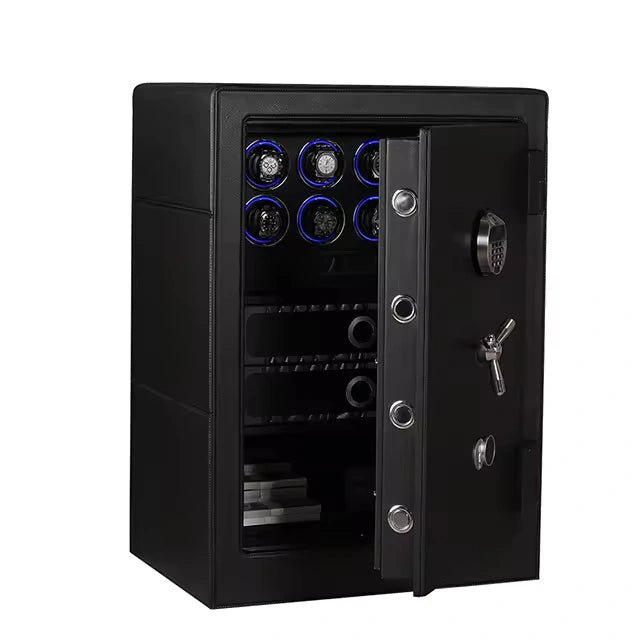
Construction is the foundation. Without solid build quality, everything else becomes secondary. Multi-layer steel, reinforced doors, and reliable locking mechanisms are non-negotiable.
Material choice plays a significant role in both security and durability. This comparison of composite vs solid steel construction explains the differences in real-world performance.
Fire protection is often misunderstood as optional. It isn’t. Even a moderate level of fire resistance can be the difference between recoverable and irrecoverable damage.
Interior design is where watch safes truly differentiate themselves. Poor interiors lead to subtle but consistent damage over time. Good interiors prevent it entirely.
Locking systems are largely a matter of preference. Some collectors prioritize speed, others redundancy. What matters is reliability.
Not all features carry the same importance. For collectors focused on long-term protection, understanding the top features to look for in a luxury watch safe can help prioritize correctly.
INTERIOR & ENVIRONMENT CONTROL
One of the most overlooked aspects of a watch safe is not security—but environment.
Most collectors focus on theft protection first, which is understandable. But over time, environmental factors such as humidity, air quality, and internal materials can have just as much impact on your watches as external threats.
Mechanical watches are highly sensitive systems. Inside each piece are lubricants, springs, and microscopic components that rely on stable conditions to function correctly. When those conditions are disrupted—even slightly, but consistently—the effects accumulate.
Humidity is the most common issue.
Excess moisture can lead to oxidation inside the movement, especially over long storage periods. This is not always immediately visible, but it can affect performance and longevity. On the other hand, environments that are too dry can also impact certain materials, particularly leather straps and gaskets.
This is why high-quality watch safes incorporate controlled interiors.
Rather than simply enclosing your watches, they create a stable micro-environment designed to minimize fluctuations. This includes:
- Materials that do not trap or release moisture
- Interior linings that prevent condensation
- Optional humidity control systems for sensitive collections
For collectors storing watches long-term, humidity control is not optional. This guide on humidity protection in watch safes explains how oxidation and moisture impact mechanical performance.
Interior layout also plays a role in environmental stability.
A well-designed interior ensures that watches are spaced correctly, allowing airflow while preventing contact. Overcrowded storage may maximize capacity, but it compromises both protection and usability.
Collectors who invest in higher-end safes often notice that the difference is not just in security—but in how their watches feel after long-term storage. Consistency matters, and environment is a major part of that consistency.
For a more technical breakdown, this article on humidity control and oxidation prevention explores how interior environments influence long-term preservation.
REAL-WORLD SECURITY CONSIDERATIONS
Specifications can tell you how a safe is built, but they don’t always reflect how it performs in real situations.
In practice, most break-ins are not highly sophisticated. They rely on speed, accessibility, and opportunity. A safe that introduces delay — even by a few minutes — significantly reduces the likelihood of successful access.
This is why construction, locking mechanisms, and overall design matter more than isolated features. The goal is not absolute resistance, but meaningful resistance under realistic conditions.
For collectors interested in the technical side of security, understanding burglary classifications and how safes respond to forced entry tools provides useful context. For example, resistance to drills, grinders, and prying attacks is often discussed in theory, but the real question is how long those methods can be sustained in a residential environment.
For a deeper breakdown, see our analysis of burglary resistance ratings and how luxury safes perform under tool-based attacks.
In our experience working with collectors, the difference between a safe that is theoretically secure and one that performs under real conditions often comes down to design consistency rather than individual specifications.
SECURITY STANDARDS & CERTIFICATIONS
Certification is one of the few objective ways to evaluate a safe.
EN 15659 LFS 30 P and LFS 60 P are European standards that define how a safe performs under fire conditions. What matters is not just the duration, but the internal temperature stability.
If you’re unfamiliar with these ratings, this explanation of EN 15659 LFS 30P and 60P breaks down what they actually mean in practical terms.
For watches, this is critical. Mechanical movements are sensitive. They do not need to burn to be damaged.
What many collectors misunderstand is that certification is not about surviving fire indefinitely, but about maintaining internal conditions within a controlled threshold.
For watches, that threshold is significantly lower than for documents or cash. Even when external damage appears minimal, internal components can already be affected if temperature and humidity are not properly controlled.
Not all fire ratings are equal. This comparison of fire ratings in watch safes helps clarify the differences between protection levels.
Understanding what these certifications actually mean—and what they don’t—is one of the most overlooked aspects of buying a safe.
It’s also important to distinguish between different types of protection. This article on fireproof vs theft-proof watch safes explains why both matter.
WATCH SAFES BY PRICE RANGE
Price is often treated as the starting point. In reality, it should be the result of understanding your needs.
Lower-cost safes can provide basic protection, but often lack the refinement and durability required for long-term use.
Mid-range safes offer a balance, but may still involve compromises.
High-end safes are not simply more expensive—they are built differently. Materials, construction, and design all reflect long-term use.
For many collectors, the question is not “how much should I spend,” but “how many times do I want to buy this.”
If you’re comparing options across different tiers, this overview of best watch safes for collectors provides a useful reference point.
WATCH SAFES BY BRAND
Different brands introduce different considerations.
Rolex watches tend to be worn frequently, which increases exposure. That changes how storage is used day-to-day.
Collectors looking for brand-specific guidance may find this breakdown of best watch safe for Rolex collectors helpful.
Patek Philippe pieces often represent higher individual value, which shifts the focus toward maximum protection.
High-complication watches often require additional planning, as outlined in this guide to high-capacity safes for Patek Philippe collections.
Audemars Piguet watches, with their distinctive case shapes, require careful spacing and handling.
For larger or uniquely shaped cases, this guide on secure storage for Audemars Piguet collections highlights key considerations.
A well-designed safe accommodates these differences naturally.
INSTALLATION & MAINTENANCE
Installation is often simpler than expected.
High-quality floor-standing safes rely on weight and construction for security. This allows them to be placed without permanent modification, which is especially important in residential settings.
For larger safes, logistics become an important factor. This guide on installing a heavy-duty watch safe at home covers practical considerations.
Maintenance is minimal, but not negligible. A clean interior, stable environment, and periodic checks ensure long-term performance.
Weight distribution is often overlooked. This article on safe weight and floor planning considerations explains how to plan placement correctly.
CONCLUSION
A watch safe is not a luxury in the traditional sense. It is a decision about how seriously you treat what you own.
For some, it is about security. For others, preservation. For most, it becomes both.
The right safe does not just protect your collection - it supports it as it grows.
Explore our curated collection of high-security watch safes, or request a bespoke solution tailored to your collection.
At a certain level, watch storage is no longer a single decision — it becomes a system.
– A watch safe protects against theft, fire, and environmental risk
– A watch winder ensures your automatic watches remain ready to wear
– Proper TPD settings preserve long-term movement health
If you're building a complete setup, start here:
• Watch Winder Guide
• Watch TPD Guide
If your collection includes automatic watches, a complete setup often combines both protection and functionality.
A watch safe protects your collection — but a watch winder ensures your watches are always ready to wear.
Explore our curated selection of luxury watch winders designed for collectors:
→ View Watch Winder Collection