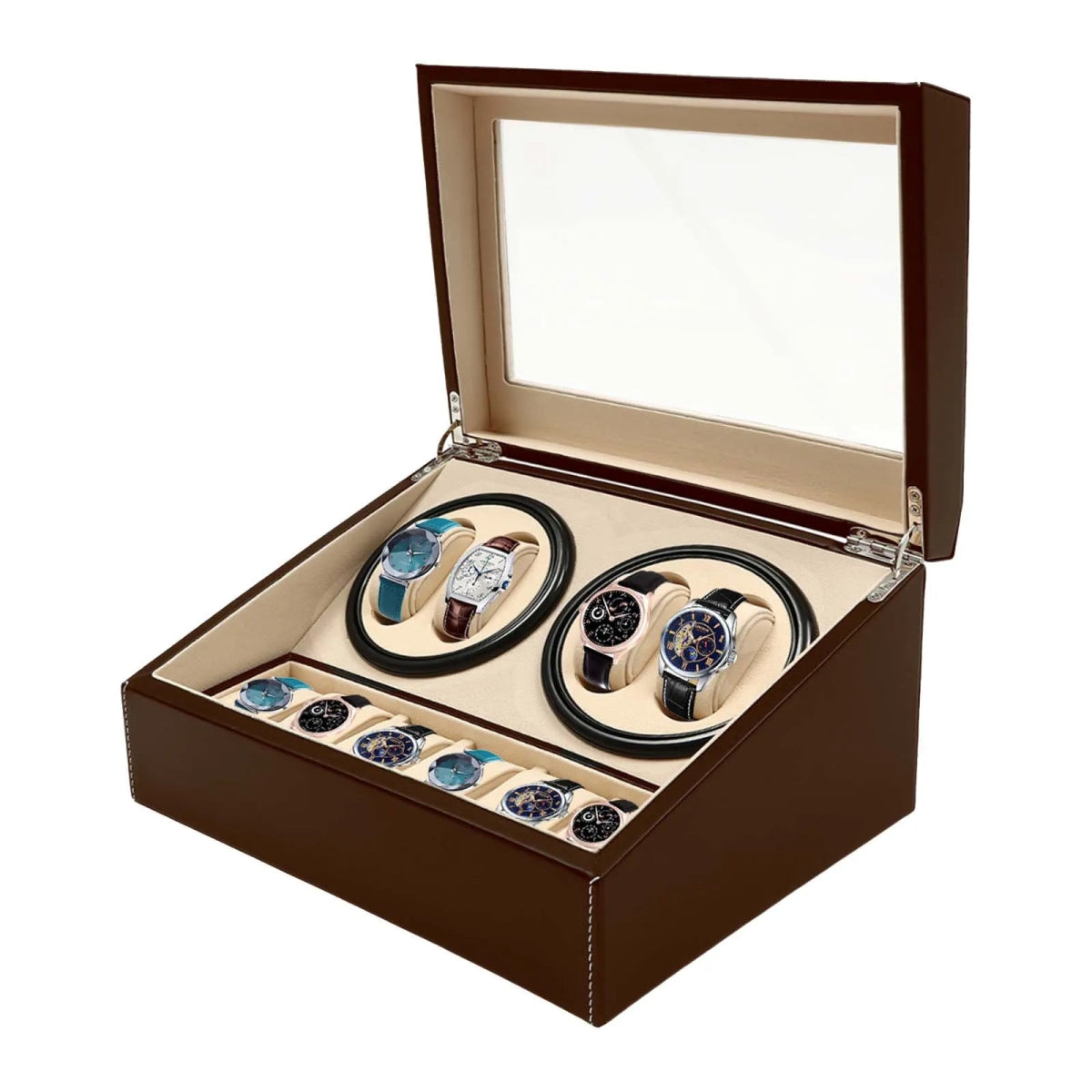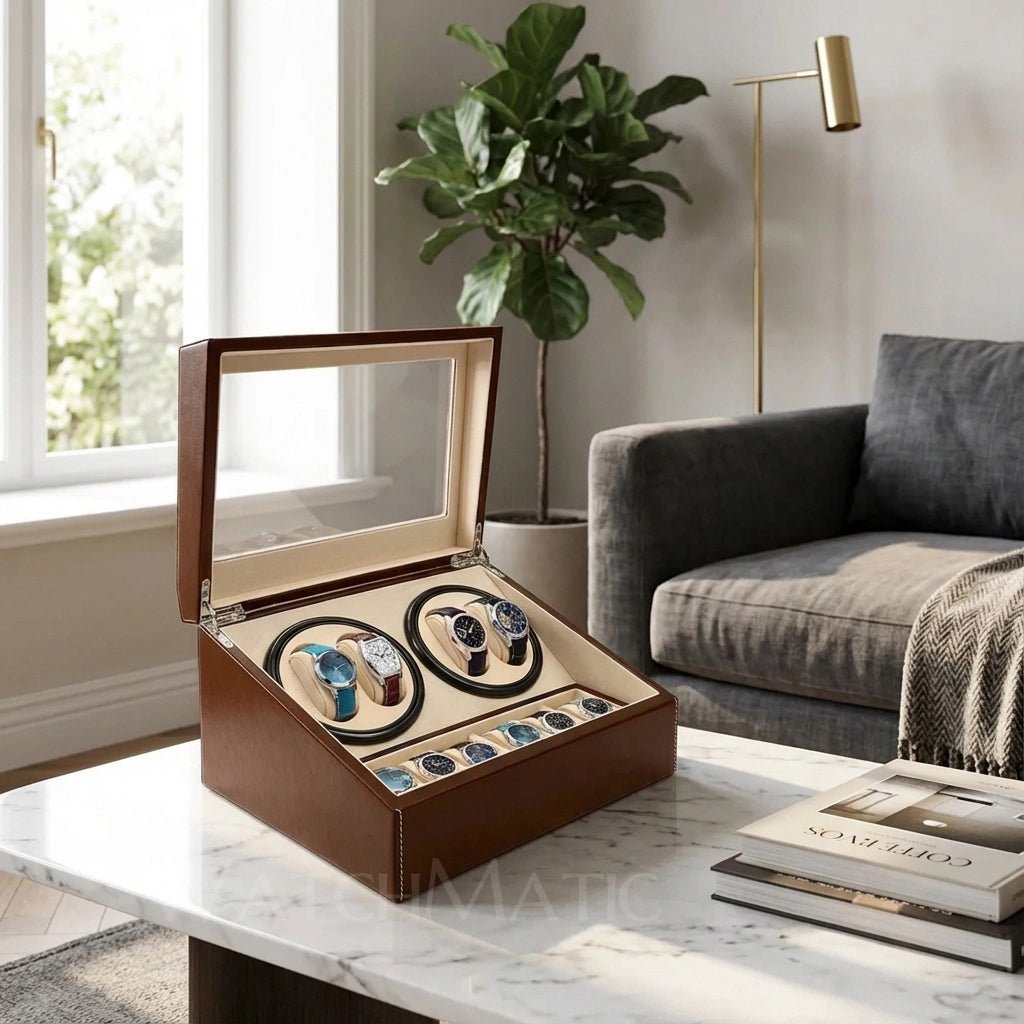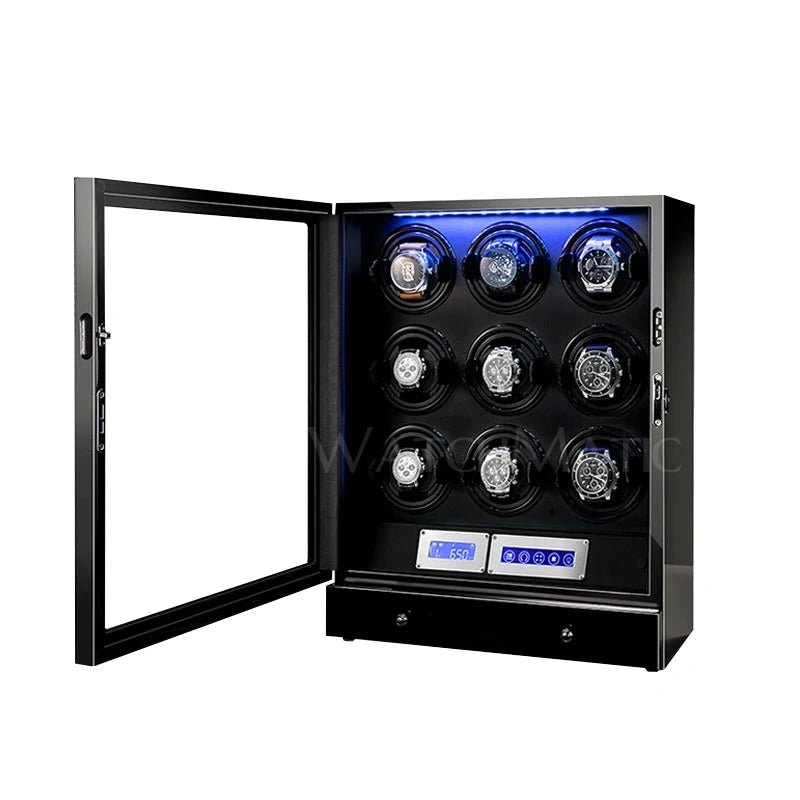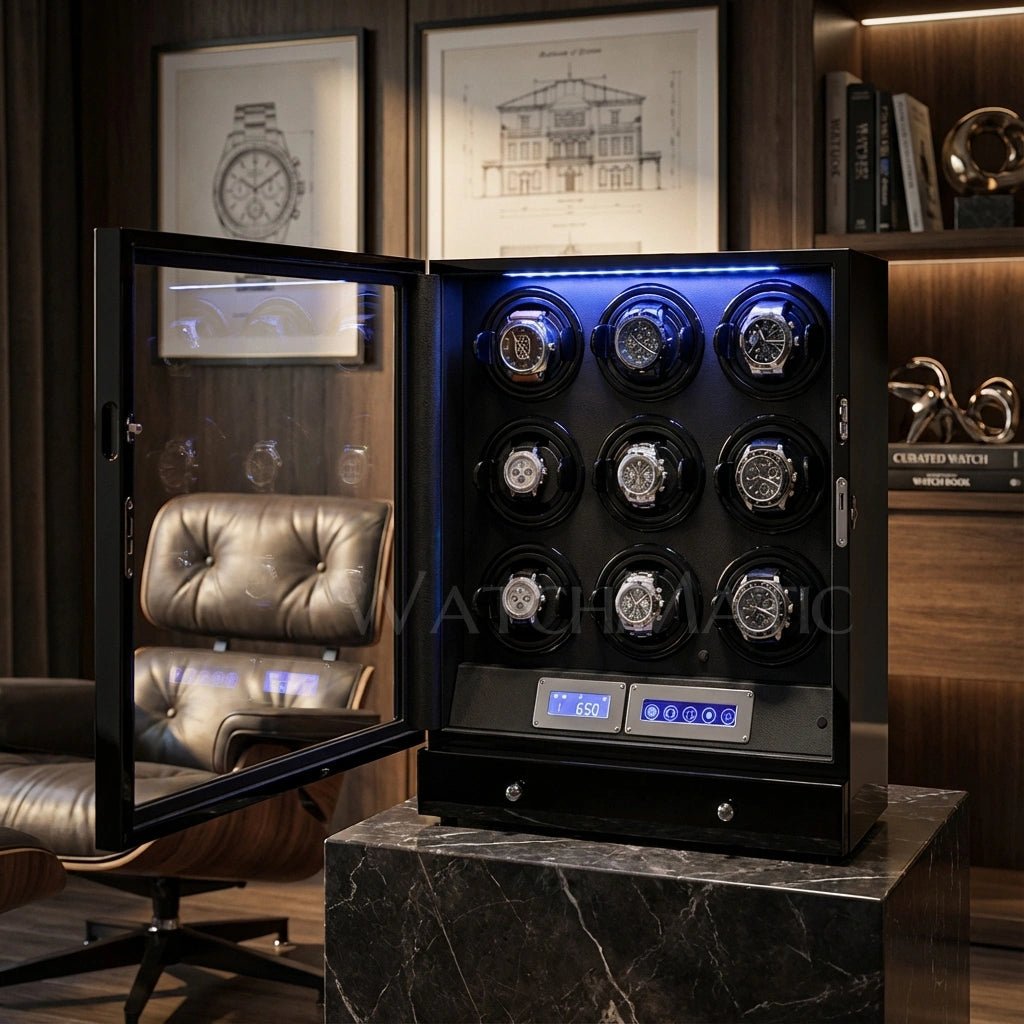
When you are not wearing an automatic watch, you can either let it stop naturally or keep it running on a properly programmed watch winder. The best choice depends on how often you wear the watch, its complications, and how many watches you rotate.
For occasional wear, allowing an automatic watch to stop is generally a practical option. For watches in frequent rotation, a watch winder can keep them ready to wear and reduce the need to reset the time, date, or other complications.
The watch should always be stored in a clean, dry, stable environment and protected from unnecessary impact, humidity, heat, and magnetic exposure.
What Happens When an Automatic Watch Is Not Being Worn?
An automatic watch is powered by the movement of the wearer's wrist.
When you stop wearing it, the rotor eventually stops receiving enough movement to maintain the mainspring's power reserve.
Once the stored power is depleted, the watch stops.
This is normal.
It does not mean the movement has been damaged or that the watch needs to be kept running continuously.
The important question is therefore not:
"Will an automatic watch stop if I don't wear it?"
It will.
The more useful question is:
Should you let it stop, or should you keep it running?
Should You Let an Automatic Watch Stop When You Are Not Wearing It?
For many collectors, yes.
If you only wear a watch occasionally, there is generally no need to keep it running every day.
For example, if you own a dress watch that you wear once or twice a month, allowing its power reserve to run down between occasions can be perfectly practical.
When you want to wear it again, you can:
- Wind the watch according to the manufacturer's instructions.
- Set the time.
- Adjust the date or other complications if necessary.
- Wear it normally.
This approach avoids keeping the movement active when the watch is simply sitting in storage.
Is It Better to Keep an Automatic Watch Running?
Not necessarily.
Keeping an automatic watch running is primarily about convenience, rather than necessity.
A collector may prefer to keep a watch running when:
- It is worn several times per week.
- It has a date complication.
- It has a GMT function.
- It has a moonphase display.
- It requires several adjustments after stopping.
- The collector rotates between several watches frequently.
In these situations, maintaining the power reserve can make ownership easier.
For a deeper explanation of winding systems and when they make sense, see the Watch Winder Guide.
How Long Can an Automatic Watch Sit Without Being Worn?
Most modern mechanical automatic watches have a finite power reserve.
Once the stored energy is exhausted, the watch stops.
The exact running time depends on the movement and its power reserve specification.
Some modern movements provide approximately two days of power reserve, while others can operate for three days or considerably longer.
Therefore, the correct answer depends on the specific watch.
This is particularly important when comparing watches from different manufacturers such as Rolex, Omega, Cartier, Patek Philippe, Hublot, Breitling, Tudor, or Grand Seiko.
What Should You Do With an Automatic Watch That Has Stopped?
A stopped automatic watch is not necessarily a problem.
If it has simply reached the end of its power reserve, it can normally be restarted according to the manufacturer's instructions.
The general process is:
Step 1: Check the Watch
Make sure there are no obvious signs of damage, moisture intrusion, or abnormal behavior.
Step 2: Wind It Correctly
If the movement supports manual winding, use the crown according to the manufacturer's instructions.
Step 3: Set the Time
Adjust the time after the watch has sufficient power to operate normally.
Step 4: Adjust Other Functions
Reset the date, GMT hand, moonphase, or other complications when appropriate.
Step 5: Wear or Store It
Once ready, either wear the watch or return it to its dedicated storage system.
If a watch repeatedly stops despite sufficient winding and normal use, that is different from simply reaching the end of its power reserve and may warrant professional inspection.
How Should You Store an Automatic Watch That Is Not Running?
A stopped automatic watch should still be stored properly.
The fact that the movement is not running does not eliminate environmental risks.
A good storage environment should protect the watch from:
- Excessive humidity
- Dust
- Direct sunlight
- Extreme temperatures
- Strong magnetic fields
- Accidental impact
- Unnecessary handling
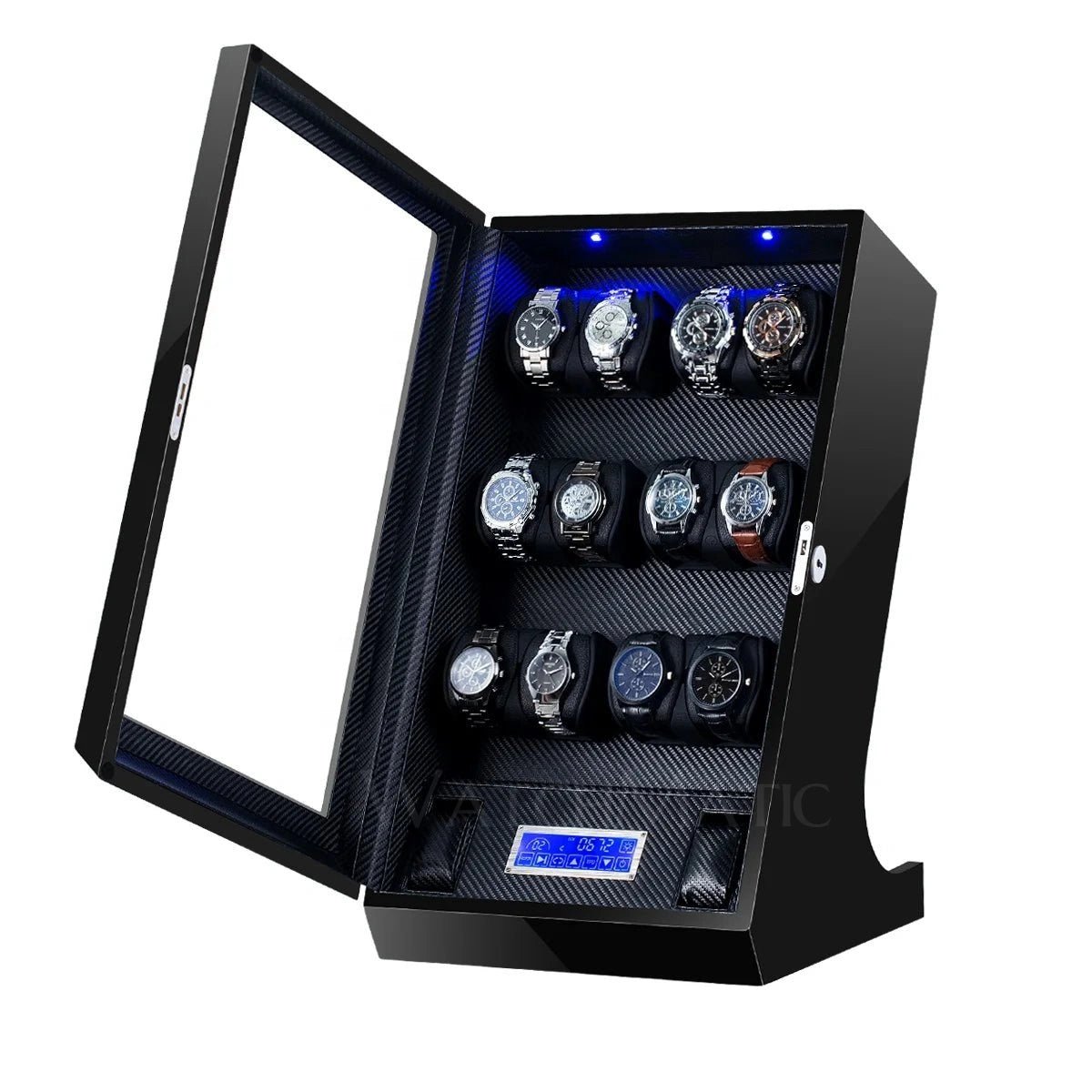
A dedicated watch box can be sufficient for individual watches or smaller collections.
Explore WatchMatic's Watch Boxes collection for dedicated watch storage.
Should an Automatic Watch Be Stored Face Up or Face Down?
There is no universal requirement that every automatic watch must be stored in one particular position.
For most collectors, the more important considerations are:
- Avoiding scratches
- Preventing accidental impact
- Keeping the watch secure
- Protecting the crystal and case
- Using a suitable cushion
- Avoiding unnecessary pressure on the crown or bracelet
A dedicated watch cushion or holder is preferable to placing the watch loosely inside a drawer.
For a broader overview of storage methods, see our Watch Safe Guide.
Should You Manually Wind an Automatic Watch Before Storing It?
It depends on what you intend to do with it.
If you are storing the watch for an extended period and do not plan to wear it, there is generally little practical reason to keep manually winding it simply to prevent it from stopping.
If you plan to wear it soon, however, winding it before use can restore its power reserve and make it ready for normal operation.
The distinction is important:
Winding a watch for use is different from winding a watch simply because you are storing it.
When Does a Watch Winder Make Sense?
A watch winder becomes more useful when convenience outweighs the need to let the watch stop.
Consider a collector who owns six automatic watches but only wears one or two each week.
Without a winder, several watches may stop between wears.
The collector then needs to reset:
- Time
- Date
- GMT
- Other complications
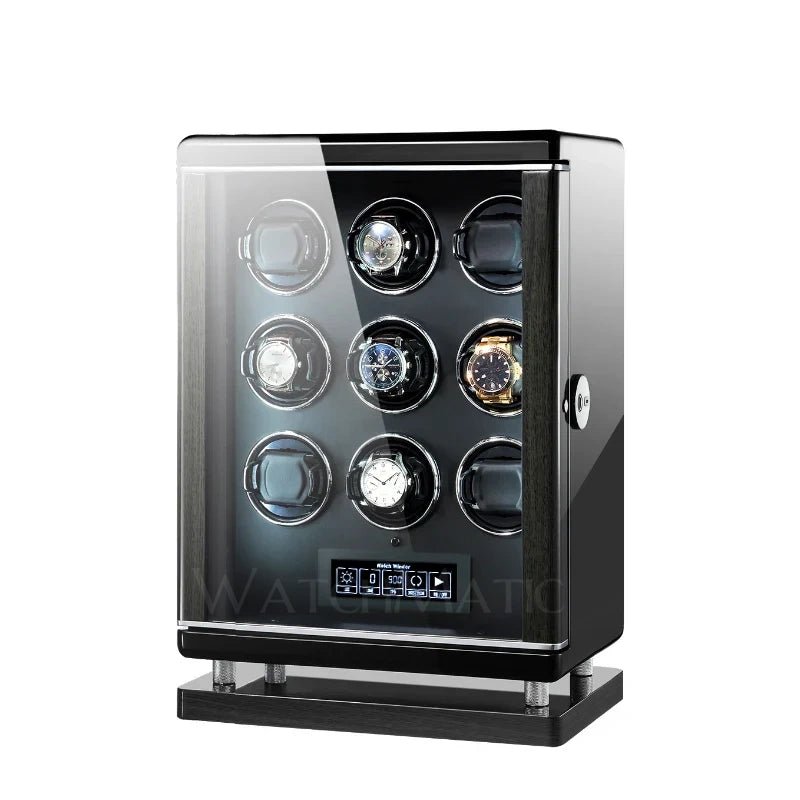
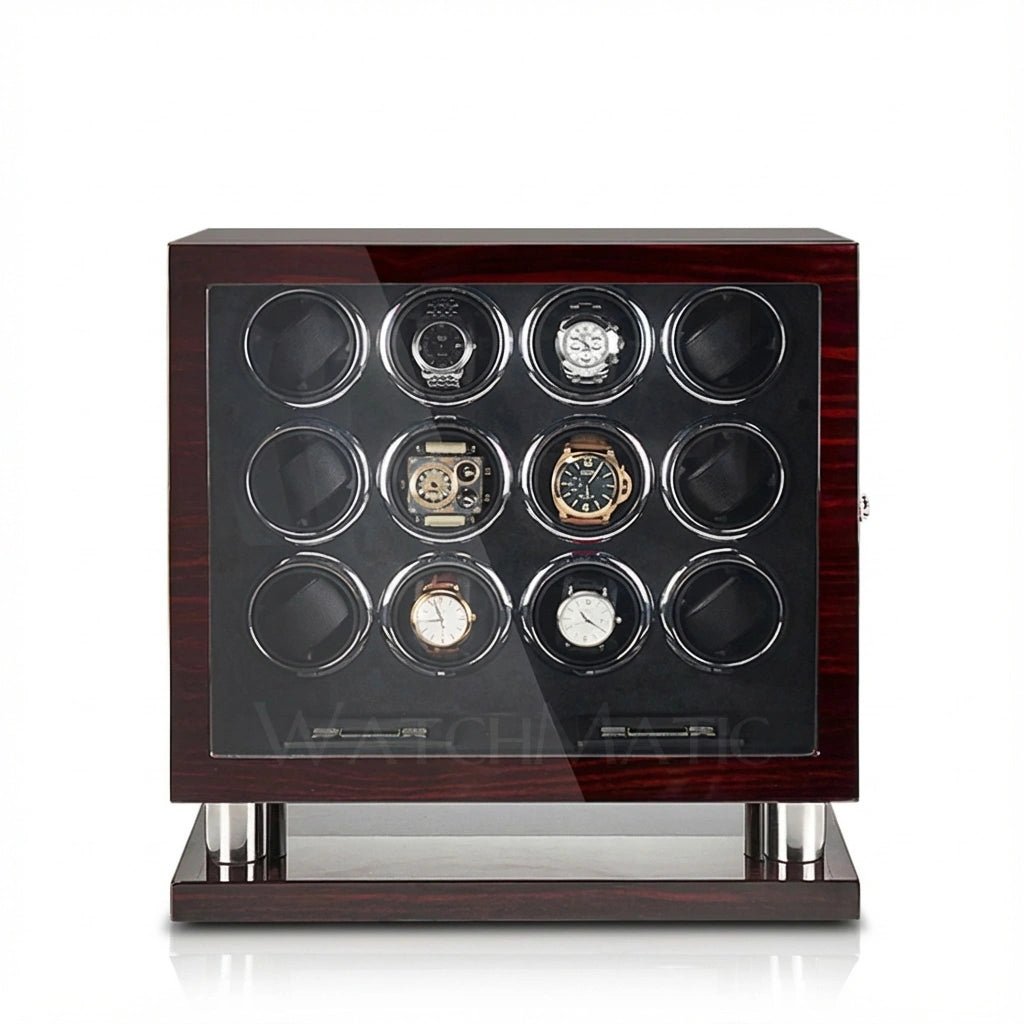
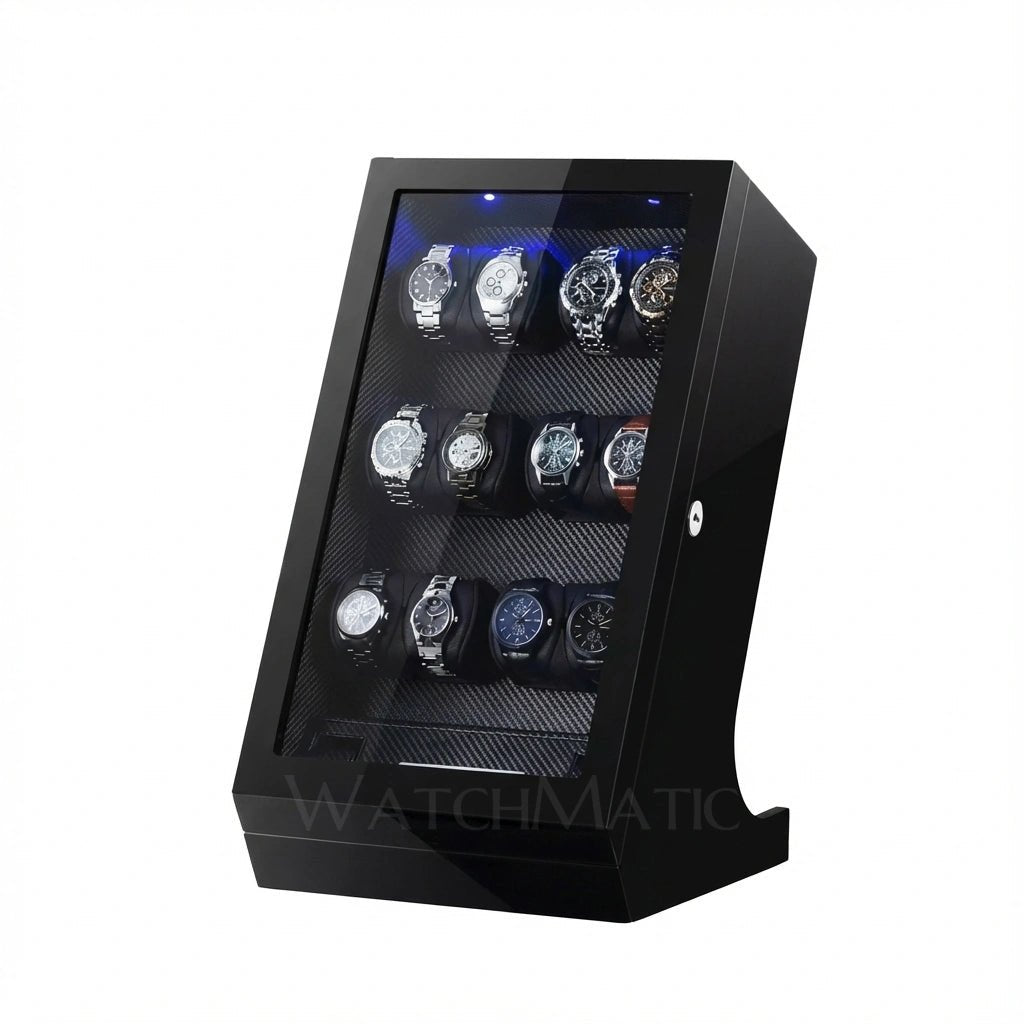
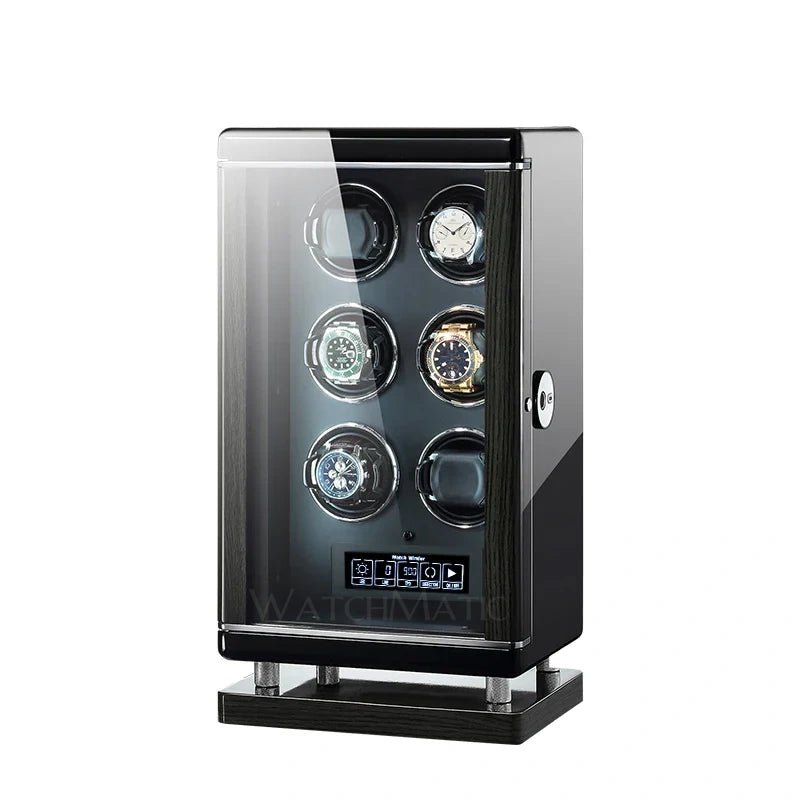
A programmable watch winder can maintain selected watches between wears.
The key word is selected.
There is no requirement to place every automatic watch in a winder.
How Many Automatic Watches Should You Keep on a Winder?
There is no universal number.
Instead, consider which watches you actually rotate.
For example:
| Watch Usage | Practical Approach |
|---|---|
| Daily wear | Keep ready to wear |
| Several times per week | Winder may be convenient |
| Weekly rotation | Winder can be useful |
| Monthly wear | Letting it stop may be simpler |
| Rarely worn | Dedicated storage may be sufficient |
| Long-term storage | Secure, stable storage is more important than keeping it running |
This approach avoids treating a watch winder as something every automatic watch automatically requires.
Using a Watch Winder for a Mixed Collection
Mixed collections create another consideration.
A collector might have:
- Rolex Submariner
- Omega Seamaster
- Cartier Santos
- Patek Philippe
- Hublot
- Breitling
- Tudor Black Bay
- Grand Seiko
These watches may use different movements and have different winding requirements.
A programmable winder with adjustable TPD and rotation direction provides more flexibility than a basic fixed-setting winder.
For brand-specific information, explore:
Watch Winder for Rolex Watches
Watch Winder for Omega Watches
Watch Winder for Cartier Watches
Watch Winder for Patek Philippe Watches
Watch Winder for Hublot Watches
Watch Winder for Breitling Watches
Watch Winder for Tudor Watches
Watch Winder for Grand Seiko Watches
Choosing Between a Watch Box and Watch Winder
The decision can be surprisingly simple.
Choose a Watch Box If:
- You own only a few watches.
- You rarely rotate them.
- You are comfortable setting them before wearing.
- You do not need them to remain running.
Choose a Watch Winder If:
- You rotate several automatic watches.
- You want watches ready to wear.
- You frequently use date or GMT complications.
- You prefer minimizing manual adjustments.
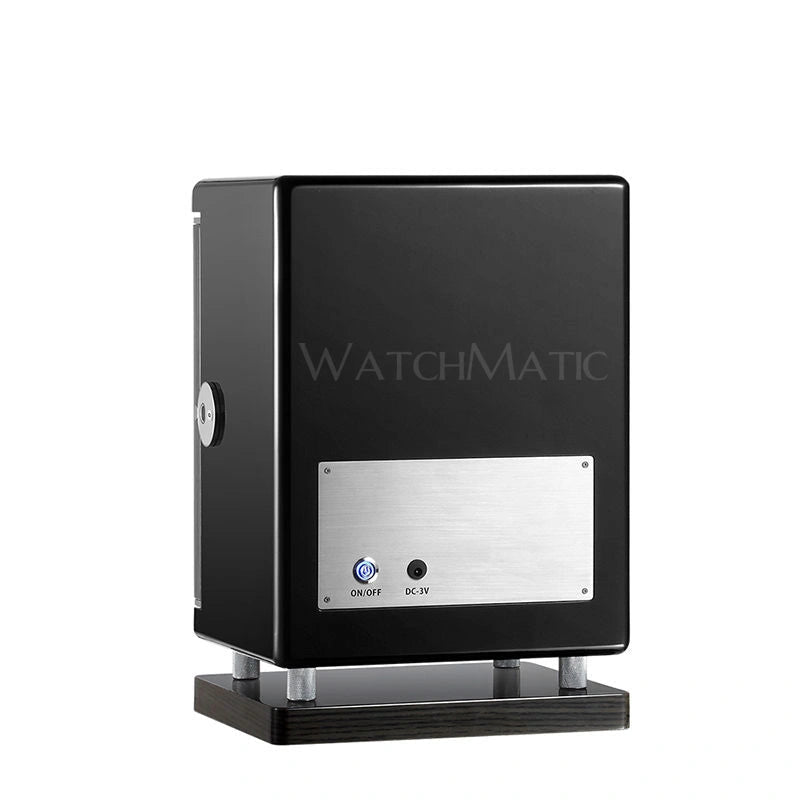
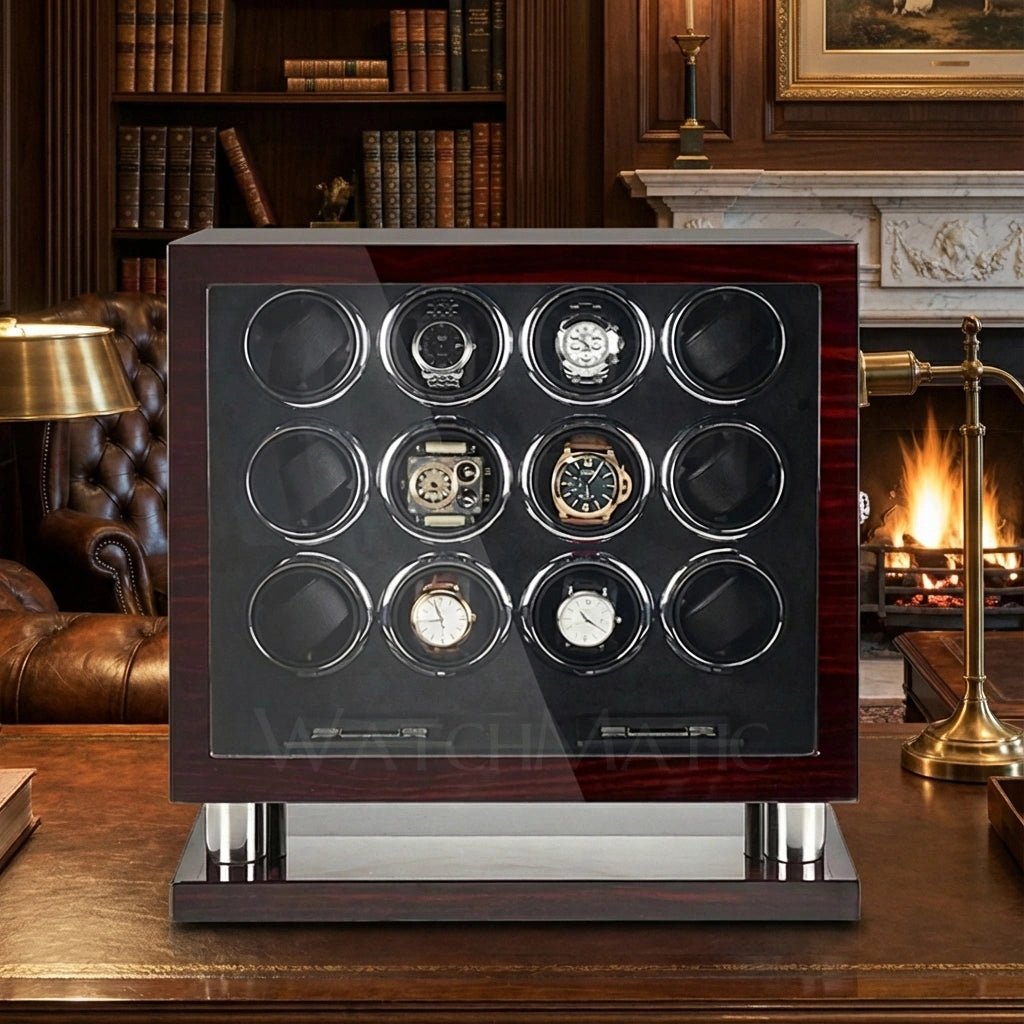
WatchMatic's Watch Winders collection includes different capacities and configurations for automatic watch collectors.
When a Watch Winder Safe Makes More Sense
For a growing collection, the question eventually becomes larger than simply keeping watches running.
You may also need:
- Security
- Larger capacity
- Organized storage
- Integrated winding
- Controlled access
- Protection from accidental handling
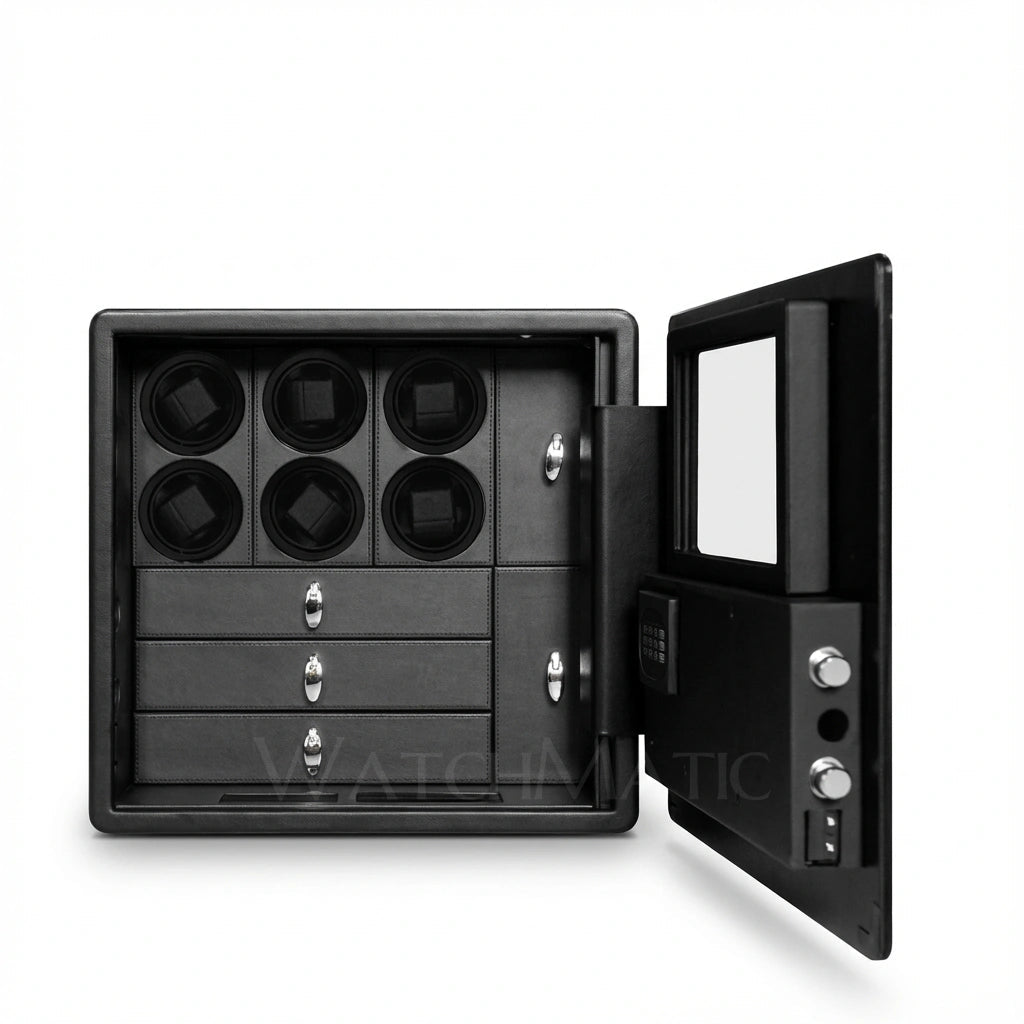
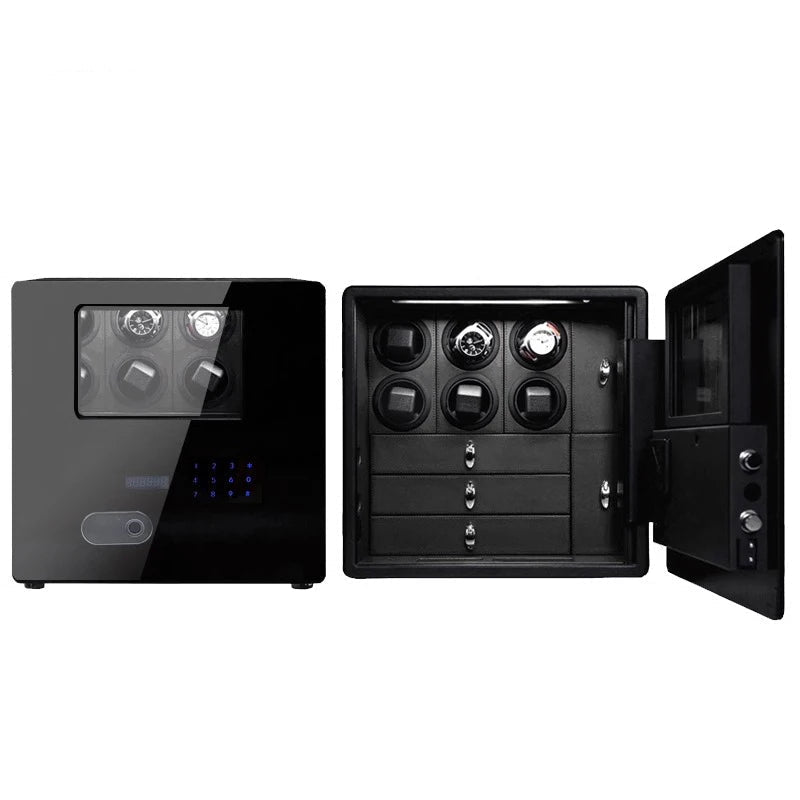
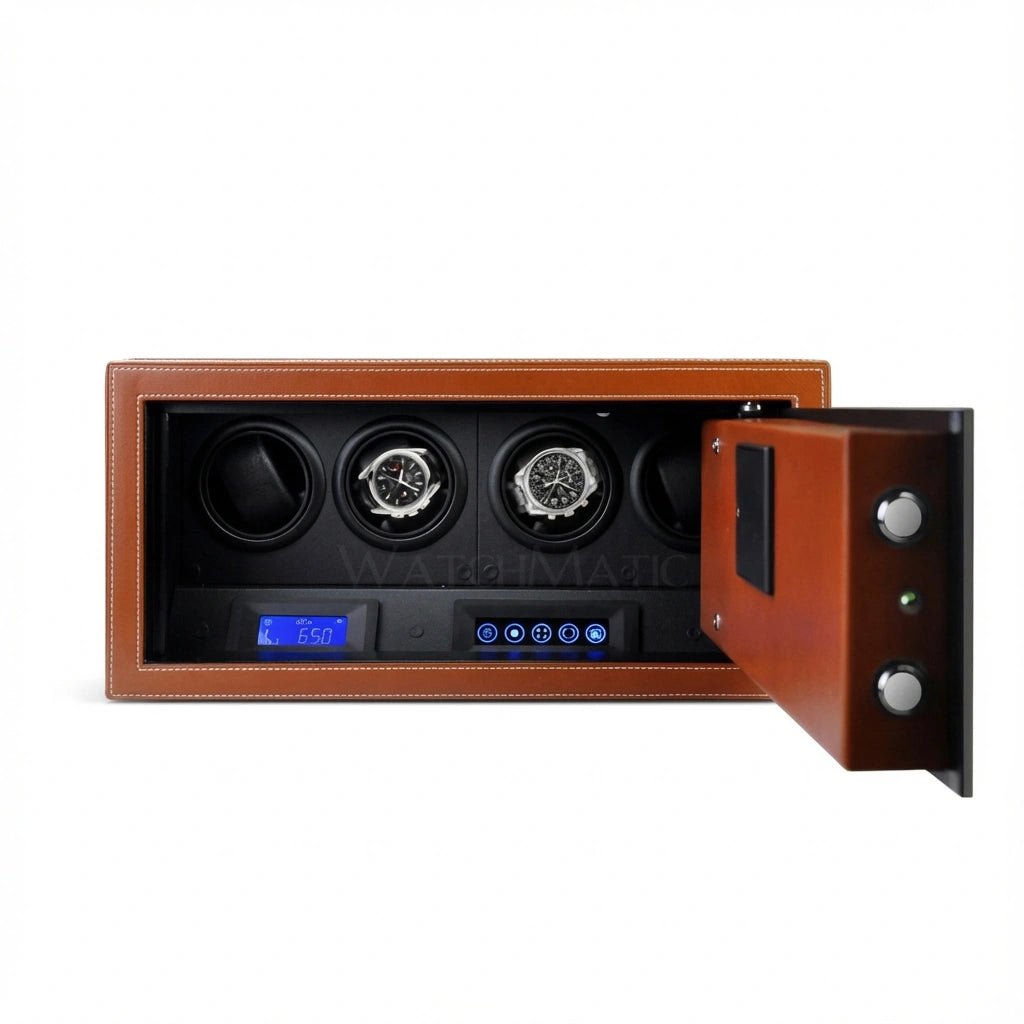
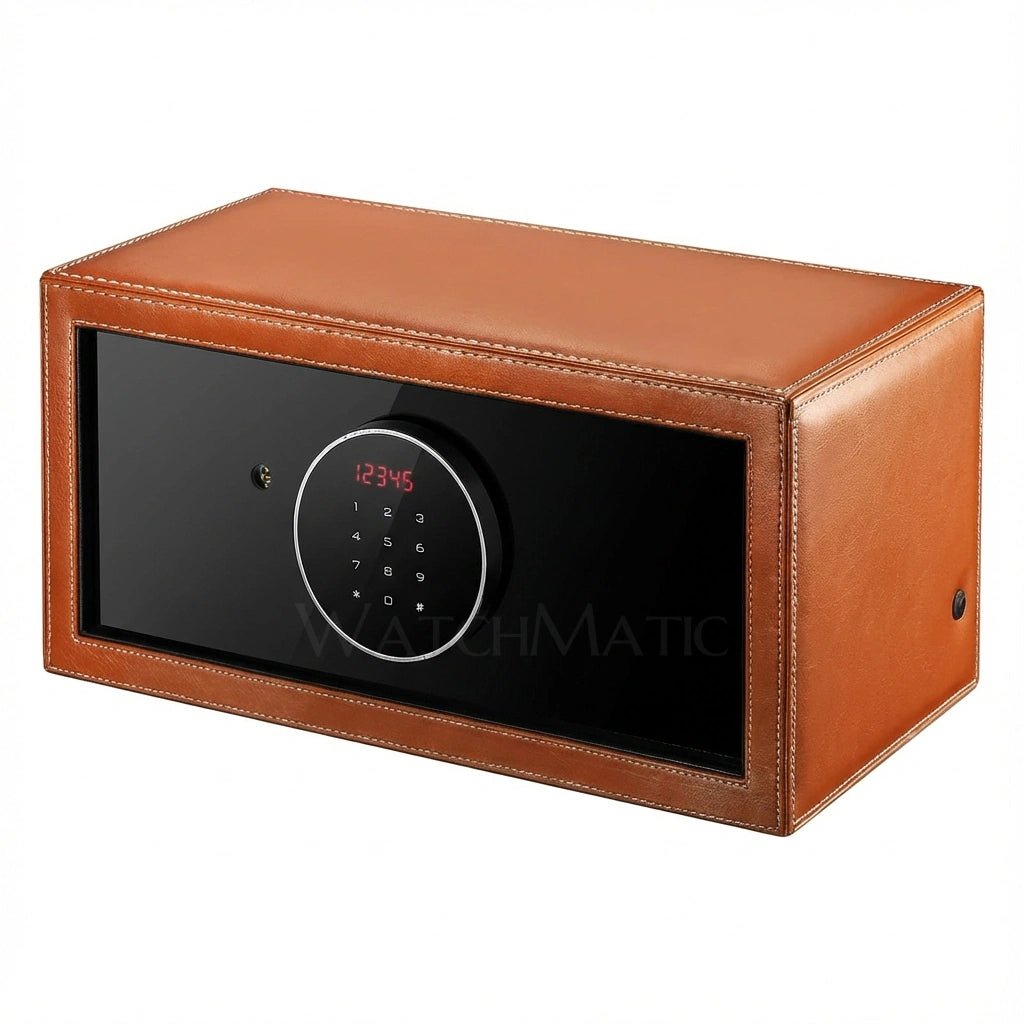
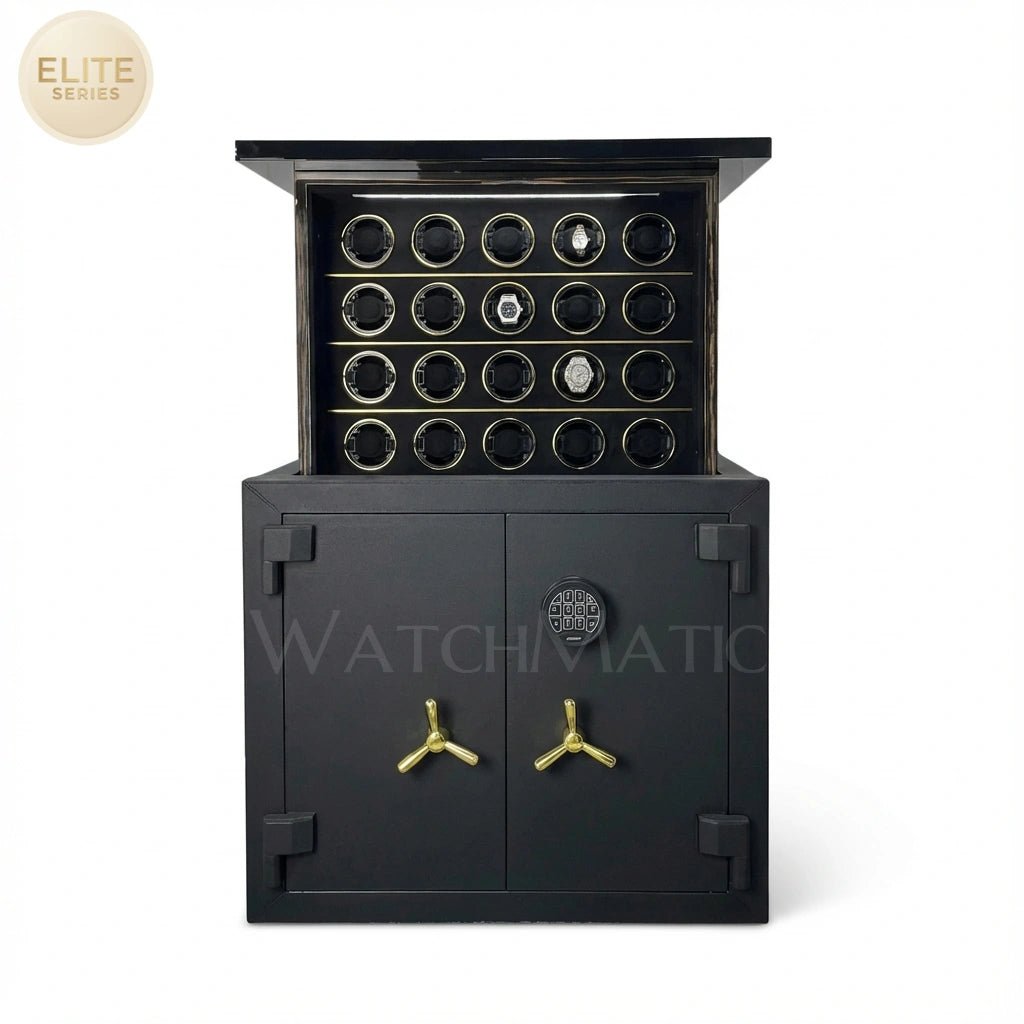
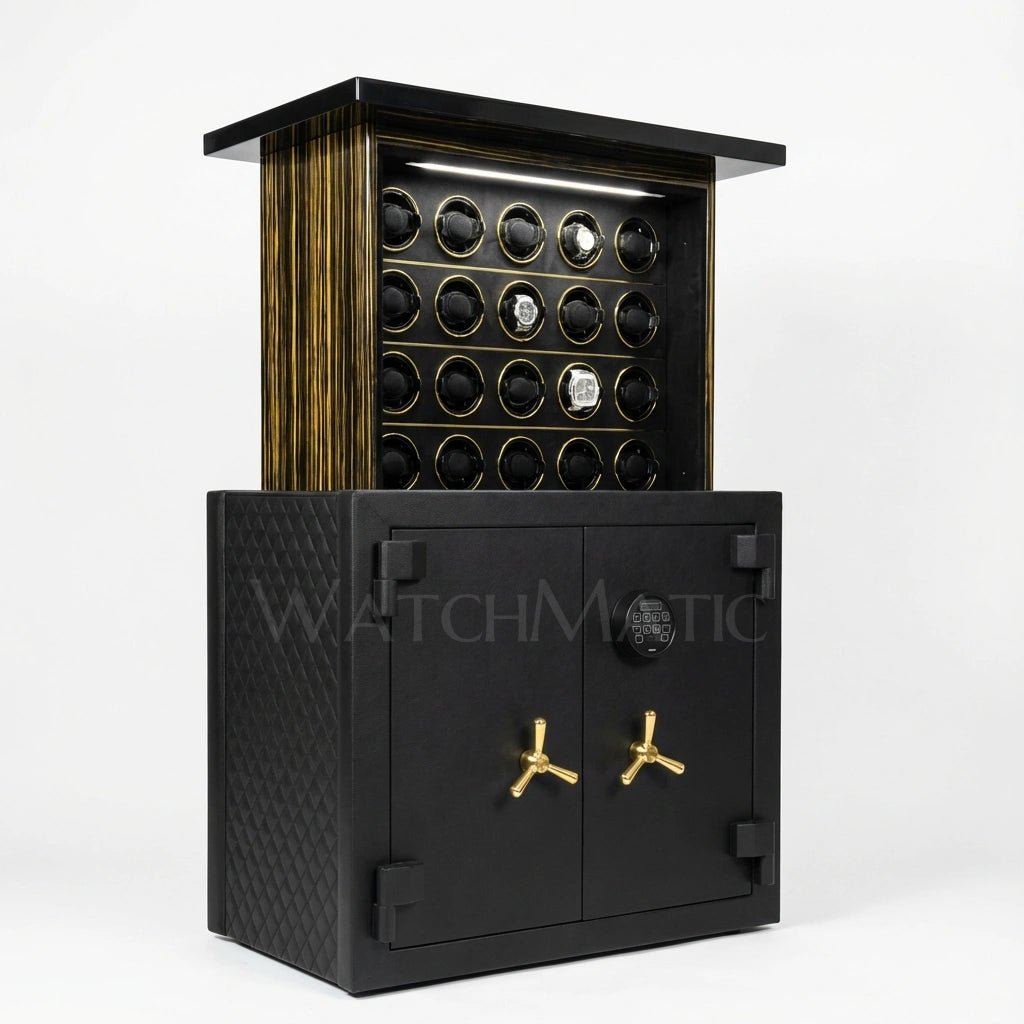
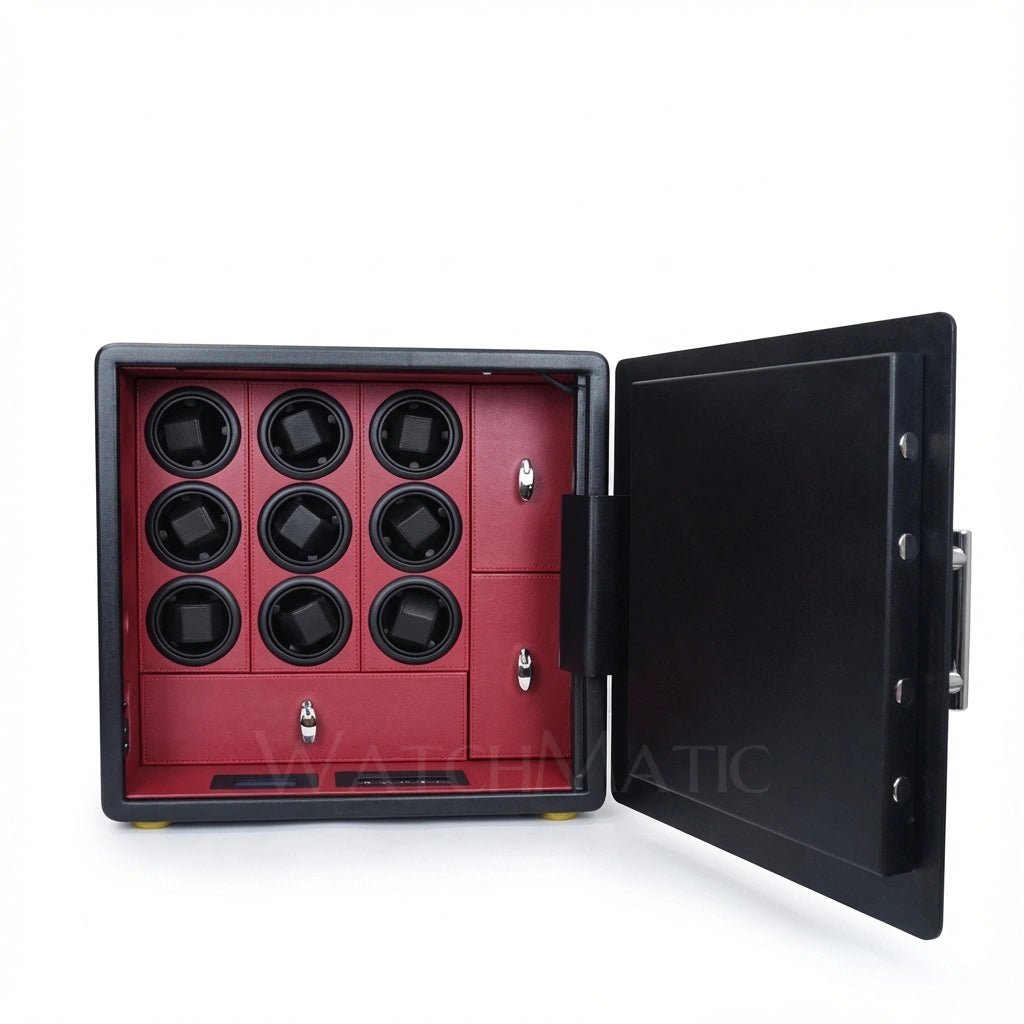
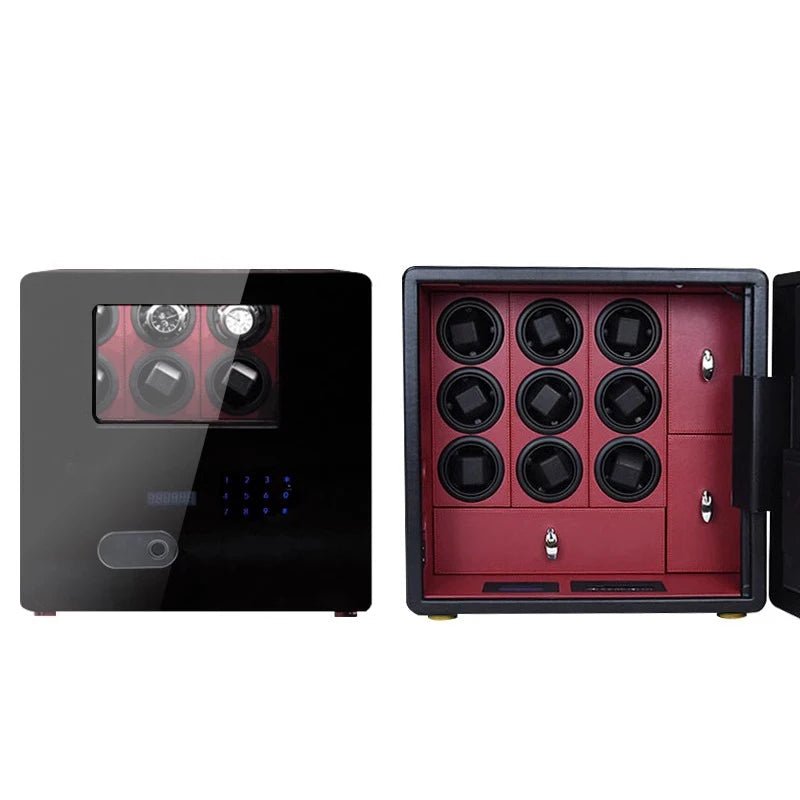
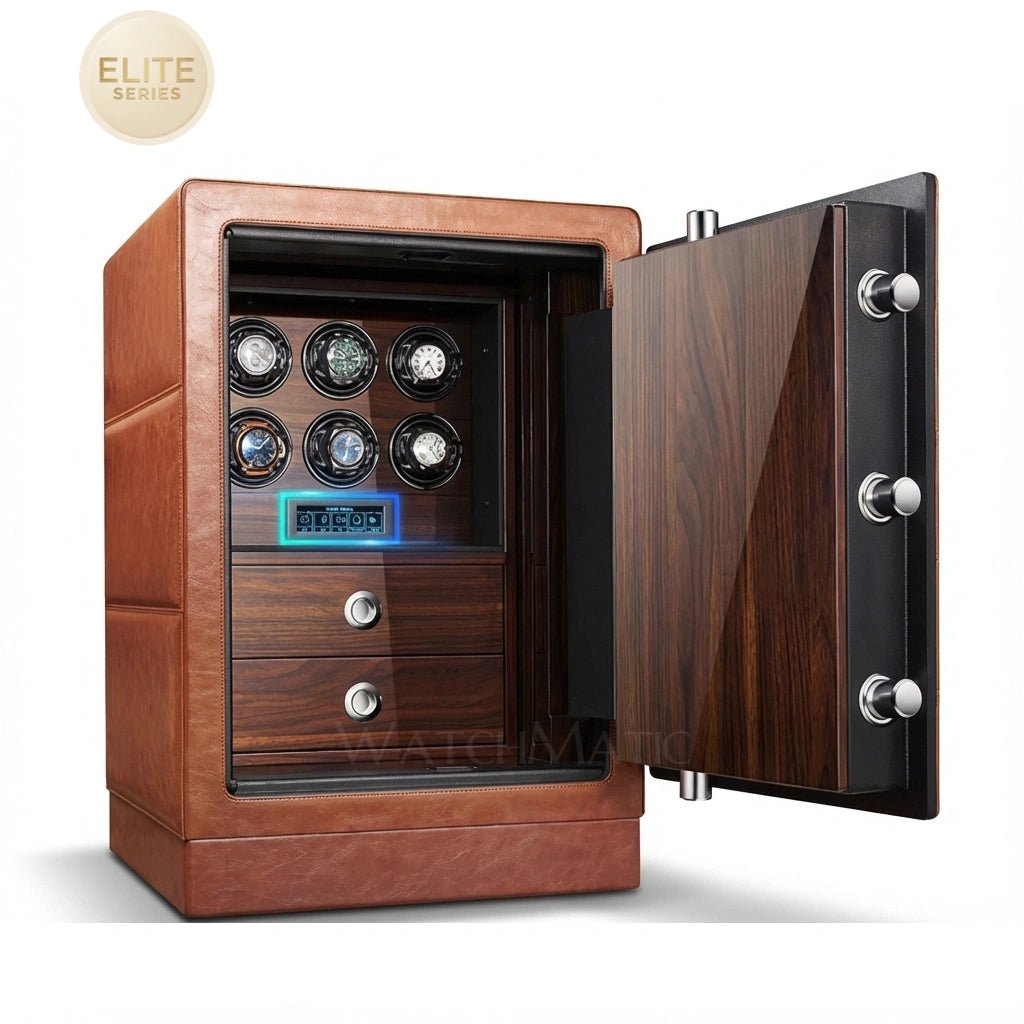
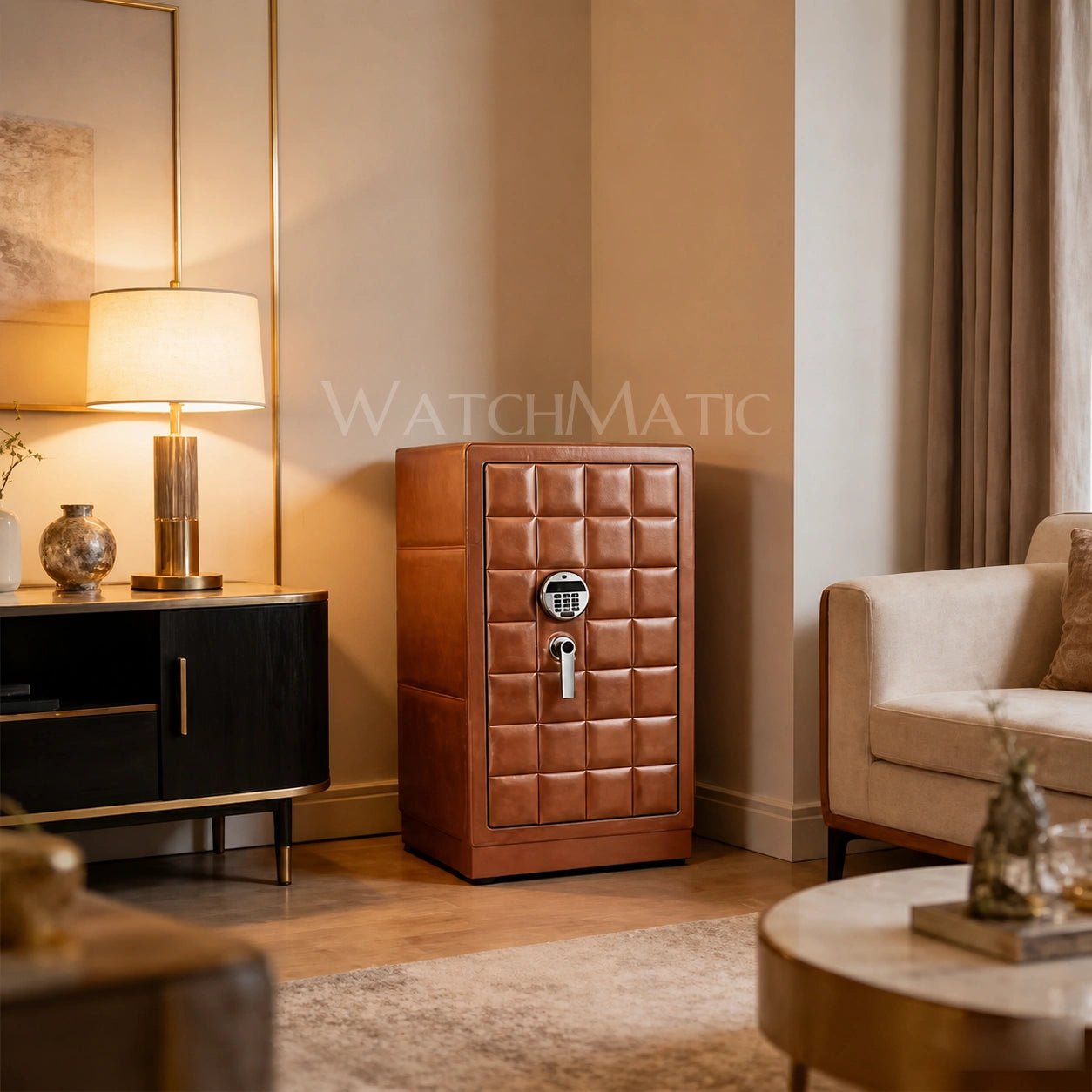
A watch winder safe combines several of these functions in one dedicated system.
A Watch Winder Safe for Collectors Who Rotate Many Watches
For larger collections, a dedicated watch winder safe can eliminate the need to manage several separate storage systems.
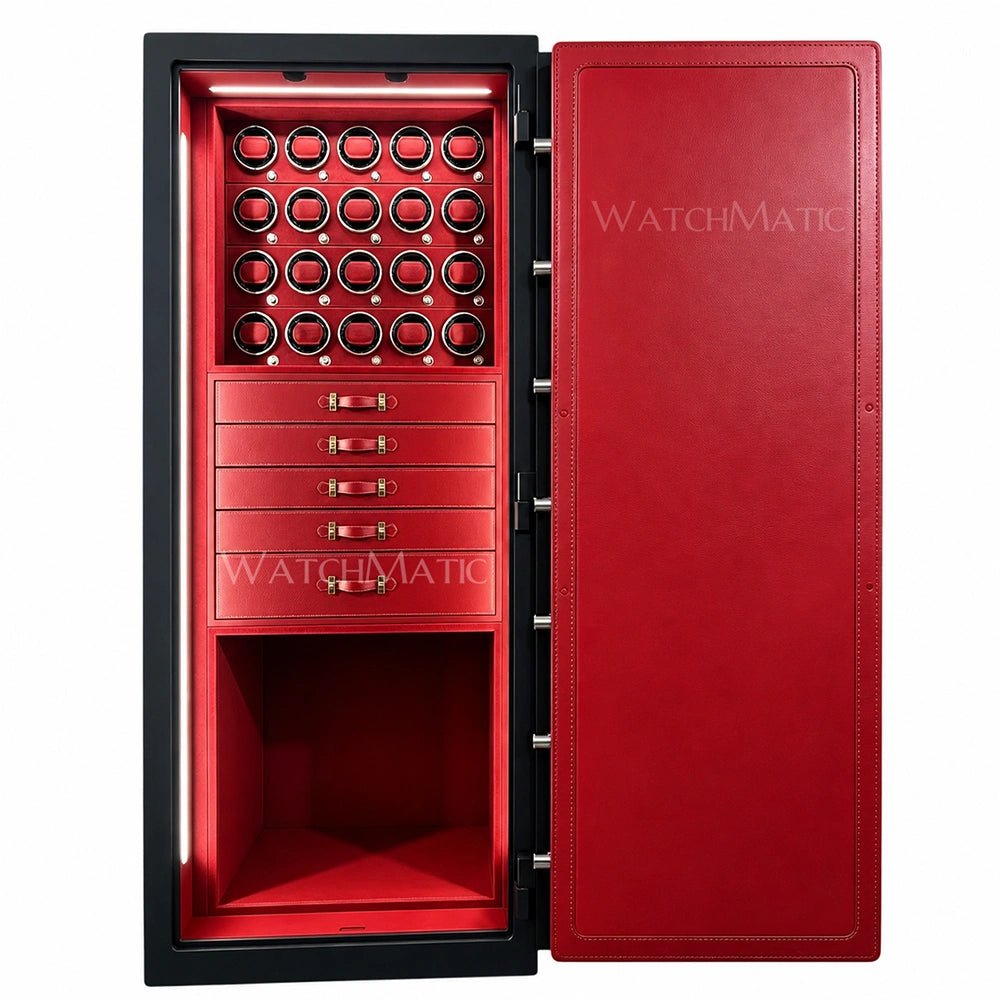
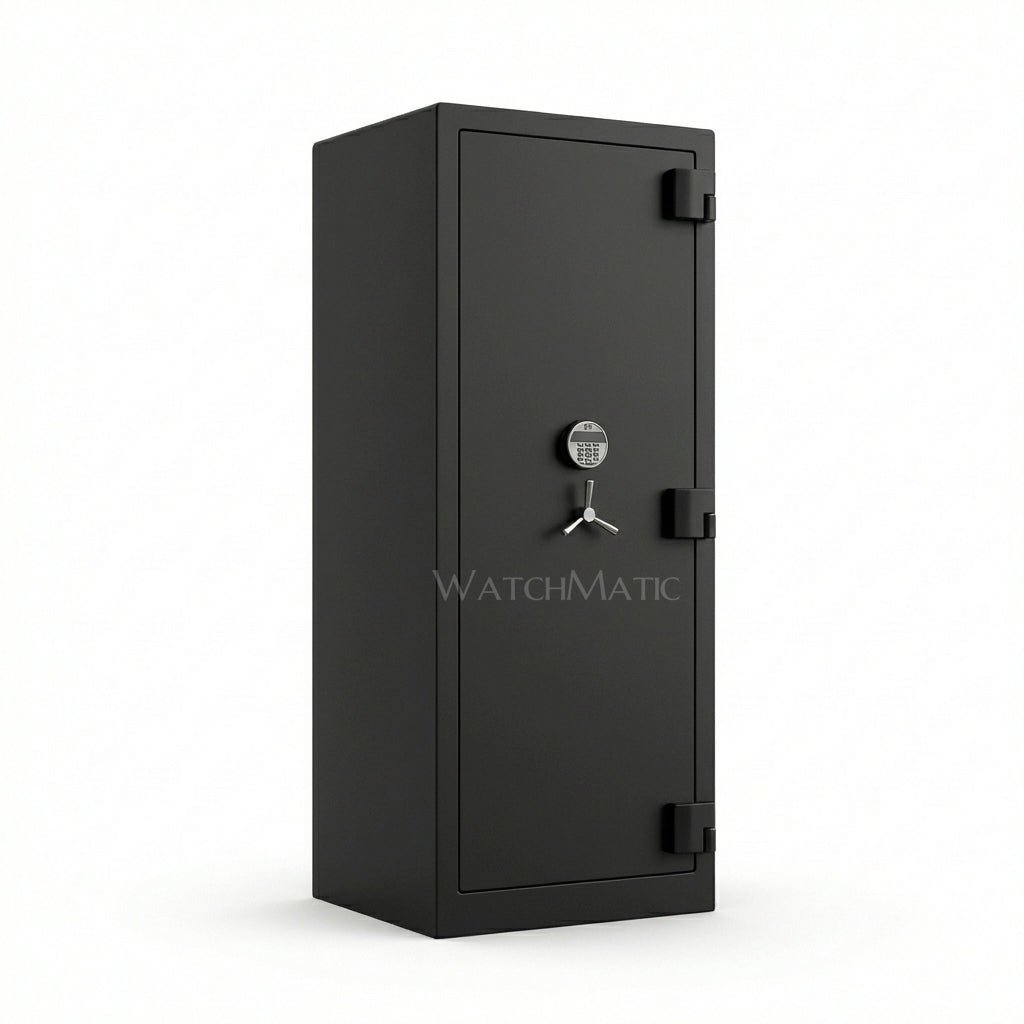
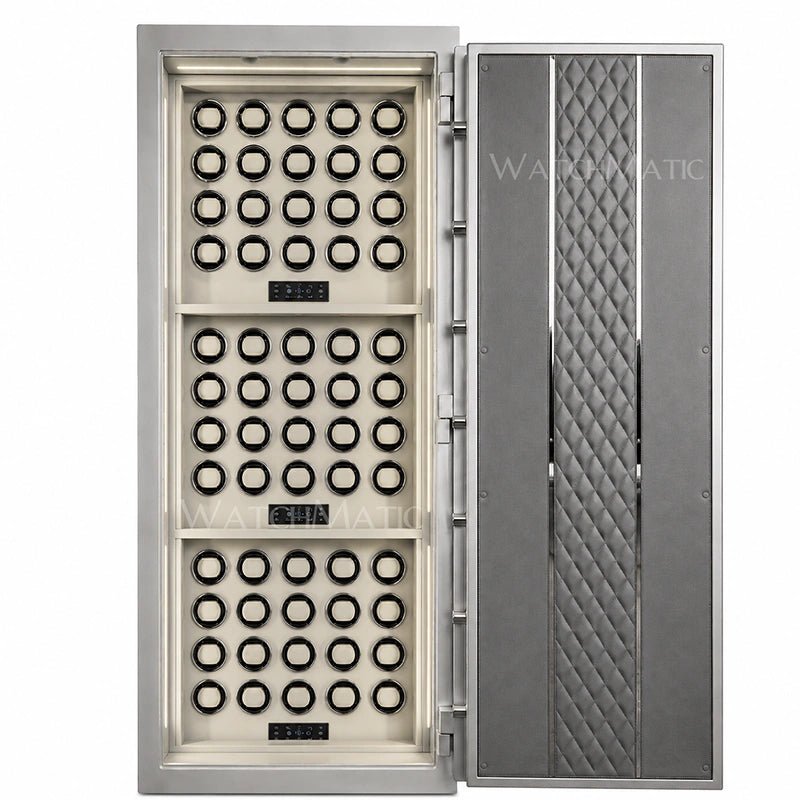
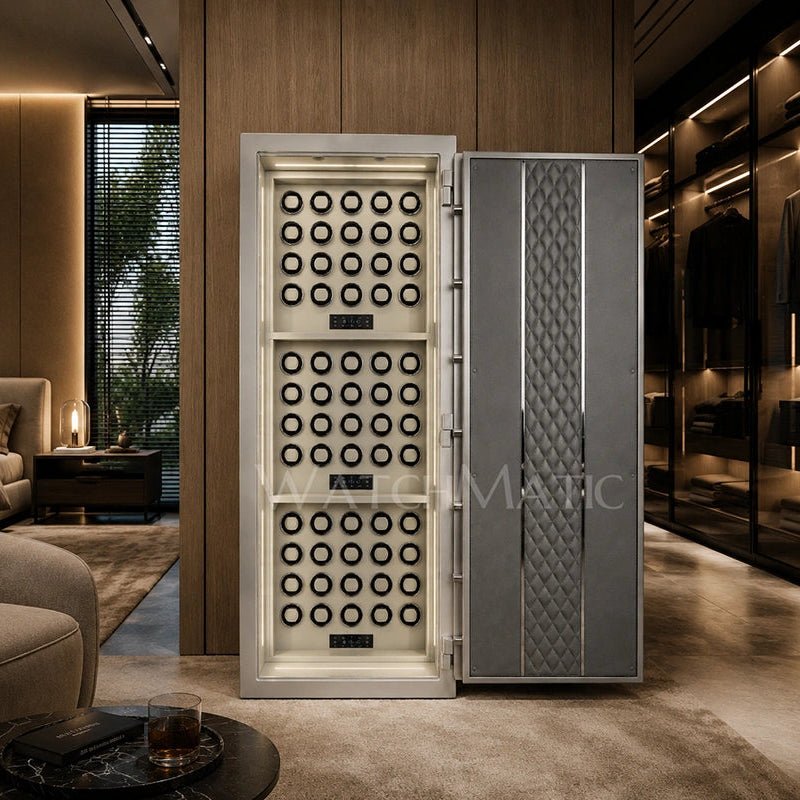
 Titan Vault watch winder safe storing multiple automatic watches
A system such as the Titan Vault Watch Winder Safe can combine:
- Automatic watch winding
- Secure enclosed storage
- Biometric access
- Digital controls
- Multiple watch positions
- Anti-magnetization protection
- Ultra-quiet Japanese Mabuchi motors
The advantage is not simply that the watches keep running.
It is that the collection can remain organized, protected, and ready to use in one dedicated environment.
What About Watches You Rarely Wear?
Rarely worn watches do not necessarily need to stay on a winder.
In fact, if a watch is worn only a few times per year, a quality storage solution may be more practical.
Examples include:
- Limited editions
- Vintage pieces
- Special occasion watches
- Family heirlooms
- Watches kept primarily as collector pieces
For these watches, the priorities should be:
Protection → stable environment → organization → security
rather than simply maintaining the power reserve.
Long-Term Storage of Automatic Watches
If an automatic watch will not be worn for an extended period, focus on the storage environment rather than keeping the movement continuously active.
Store it in:
- A dedicated watch box
- A secure watch cabinet
- A luxury watch safe
- A watch winder safe when appropriate
Keep the watch away from excessive moisture, heat, direct sunlight, and strong magnetic sources.
For broader information on long-term collection storage, see:
Best Way to Store Luxury Watches
and our broader Watch Safe Guide.
How to Store Multiple Automatic Watches When They Are Not Being Worn
For a collection, the best approach is usually to divide watches according to their use.
Group 1: Current Rotation
Keep these accessible or on a watch winder.
Group 2: Occasional Rotation
Store these in a watch box or secure cabinet.
Group 3: Collector Pieces
Rarely worn watches can remain securely stored without being kept continuously running.
Group 4: High-Value Pieces
Consider dedicated luxury watch safe storage when security becomes a priority.
This system prevents the common mistake of treating every watch in a collection exactly the same way.
Don't Forget the Watch's Complications
The decision to keep an automatic watch running can become more important when the watch has complicated functions.
A simple three-hand watch may take only a moment to reset.
A watch with:
- Date
- GMT
- Annual calendar
- Perpetual calendar
- Moonphase
- Other complications
may require considerably more adjustment after stopping.
This is one reason collectors with complicated watches may value programmable watch winders more than collectors with simpler time-only watches.
What If an Automatic Watch Stops Frequently?
There is an important distinction between:
A watch stopping because its power reserve has run out
and
A watch repeatedly stopping despite adequate winding and normal wear.
The first is normal.
The second may indicate that the watch requires professional attention.
If an automatic watch:
- Loses power unusually quickly
- Stops shortly after being fully wound
- Runs inconsistently
- Shows abnormal behavior
- Has unusual sounds or resistance
it should be evaluated by a qualified watchmaker or authorized service center rather than simply placed on a stronger winder.
A watch winder is a storage and convenience device, not a substitute for mechanical servicing.
A Practical Storage Routine for Automatic Watches
For collectors who want a simple routine, the following approach works well:
When you remove the watch:
- Wipe away fingerprints or surface moisture with an appropriate soft cloth.
- Place it securely on its cushion.
- Decide whether it belongs in your active rotation or long-term storage.
- If it is part of your active rotation, place it on the appropriate watch winder setting.
- If it is not being worn soon, store it securely without worrying about keeping it running.
This keeps the process simple without turning watch ownership into a maintenance routine every time a watch comes off the wrist.
Final Thoughts
An automatic watch does not need to remain running simply because it is an automatic watch.
For watches worn frequently, a programmable watch winder can provide genuine convenience by keeping the watch ready to wear and reducing repeated adjustments.
For watches worn occasionally or stored for long periods, allowing the movement to stop naturally and keeping it in a clean, stable, secure environment is often the simpler approach.
The best storage strategy is therefore not about keeping every automatic watch running. It is about matching the storage method to how you actually use each watch.
For small collections, a dedicated watch box may be enough. For active rotations, a programmable watch winder can make ownership easier. For valuable or growing collections, a watch winder safe or bespoke luxury watch safe can combine winding, organization, and security in one system.