A Rolex is not simply a timekeeping device — it is a precision mechanical instrument engineered to operate in constant motion.
But when that motion stops, maintaining its mechanical rhythm requires something equally precise: the correct Turns Per Day (TPD).
Whether you rotate multiple watches or wear your Rolex occasionally, understanding the proper winding settings is essential to preserving:
- Chronometric accuracy
- Movement longevity
- Mechanical stability over time
This guide provides a complete breakdown of Rolex TPD settings, including specific recommendations for models such as the Submariner, Daytona, and Datejust — along with expert insight into how Rolex movements are designed to be wound.
For a broader understanding of how TPD works across different watch brands, refer to our complete watch TPD guide.
Understanding TPD in the Context of Rolex Movements
TPD (Turns Per Day) defines how many rotations a watch winder performs over a 24-hour cycle.
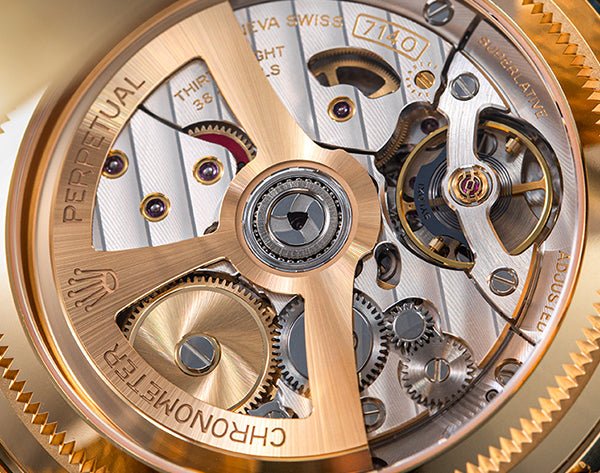
Rolex automatic watches are powered by the brand’s proprietary perpetual rotor system, a self-winding mechanism that converts wrist motion into stored energy within the mainspring barrel.
From an engineering perspective:
- The rotor operates bi-directionally, efficiently winding regardless of rotation direction
- A slipping bridle inside the mainspring prevents over-tension when fully wound
- Energy is released gradually to maintain consistent amplitude and accuracy
This means a Rolex does not require excessive winding — but it does require consistent and correctly calibrated motion.
Recommended Rolex TPD Settings (Expert Baseline)
For the vast majority of modern Rolex watches:
- TPD: 650 – 750
- Rotation: Bi-directional (CW + CCW)
This range reflects the optimal balance between:
- Maintaining full power reserve
- Minimizing unnecessary mechanical cycling
Rolex TPD by Model (Detailed Reference)
Rolex Submariner
- Movement: Caliber 3230 / 3235
- Power Reserve: ~70 hours
- TPD: ~650
- Direction: Bi-directional
The Submariner’s movement is highly efficient, requiring moderate daily winding to maintain optimal amplitude.
Rolex Daytona
- Movement: Caliber 4130
- Power Reserve: ~72 hours
- TPD: ~650
- Direction: Bi-directional
Despite its chronograph complication, the Daytona maintains similar winding efficiency due to Rolex’s optimized gear train and rotor design.
Rolex Datejust
- Movement: Caliber 3235
- Power Reserve: ~70 hours
- TPD: 650 – 700
- Direction: Bi-directional
As a daily wear watch, the Datejust benefits from steady, moderate winding cycles rather than high-frequency rotation.
Rolex GMT-Master II
- Movement: Caliber 3285
- Power Reserve: ~70 hours
- TPD: ~650
- Direction: Bi-directional
Even with an additional time zone complication, winding requirements remain consistent with Rolex’s core architecture.
CW, CCW, or Bi-Directional — What’s Optimal?
Rolex movements are engineered for bi-directional winding efficiency.
Recommended configuration:
- Bi-directional rotation
This ensures:
- Balanced rotor engagement
- Consistent energy distribution
- Reduced directional wear over time
What Happens If TPD Is Incorrect?
If TPD Is Too Low:
- Incomplete winding
- Reduced amplitude
- Watch may stop unexpectedly
If TPD Is Too High:
- Continuous activation of the slipping bridle
- Increased mechanical cycling without benefit
While Rolex movements are designed to prevent overwinding damage, precision still lies in correct calibration — not excess.
How to Set a Watch Winder for Rolex
For optimal performance:
- Set TPD between 650–750
- Use bi-directional rotation mode
- Avoid continuous high-speed operation
For a deeper understanding of configuration, rotation programs, and real-world usage, refer to our complete watch winder guide, where we break down how different settings affect mechanical watches over time.
If you're selecting a winder specifically for Rolex, you can explore our curated guide to the best watch winders for Rolex watches, where we break down models with adjustable TPD settings and precision rotation control.
Do All Rolex Watches Share the Same TPD?
While minor variations exist, Rolex’s in-house movement philosophy ensures remarkable consistency:
- Standardized rotor efficiency
- Similar mainspring architecture
- Comparable power reserve profiles
As a result, most Rolex watches operate optimally within a narrow TPD range (~650).
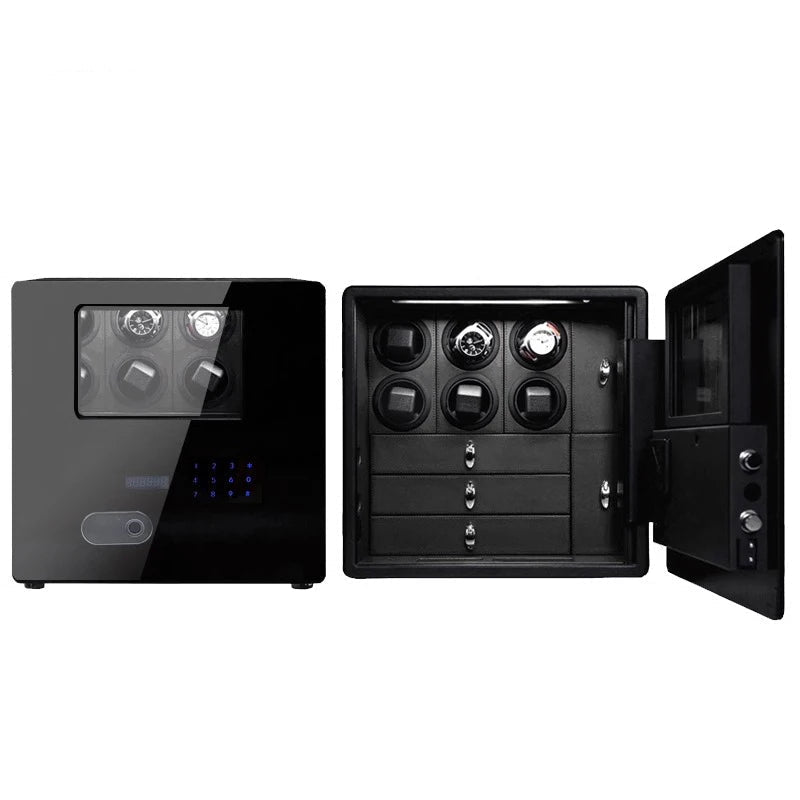
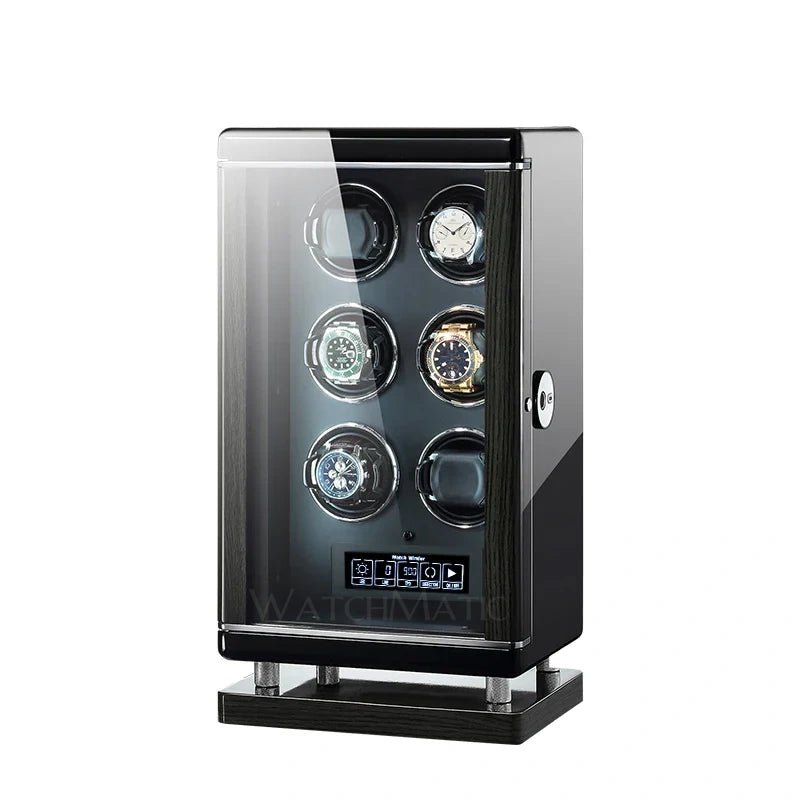
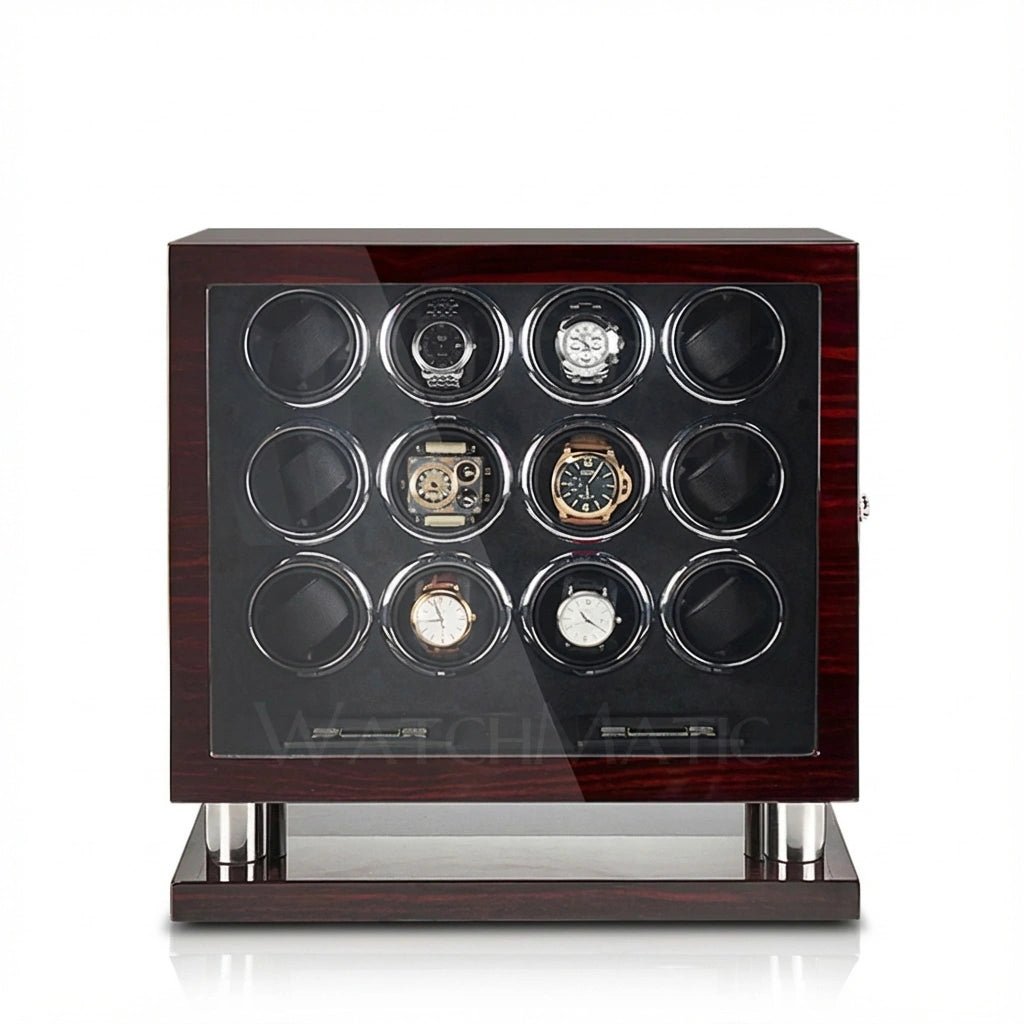
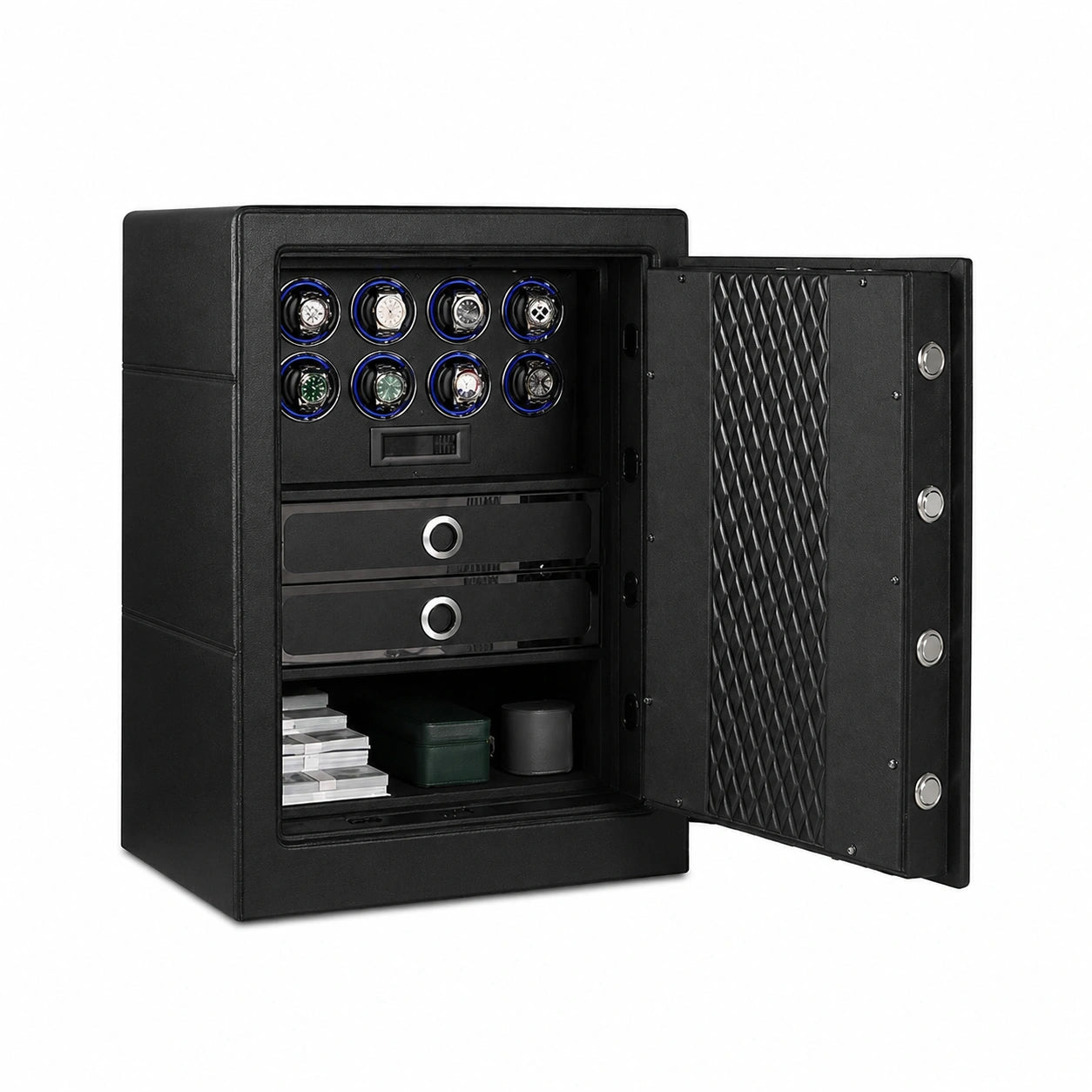
The Role of a Watch Winder in Rolex Ownership
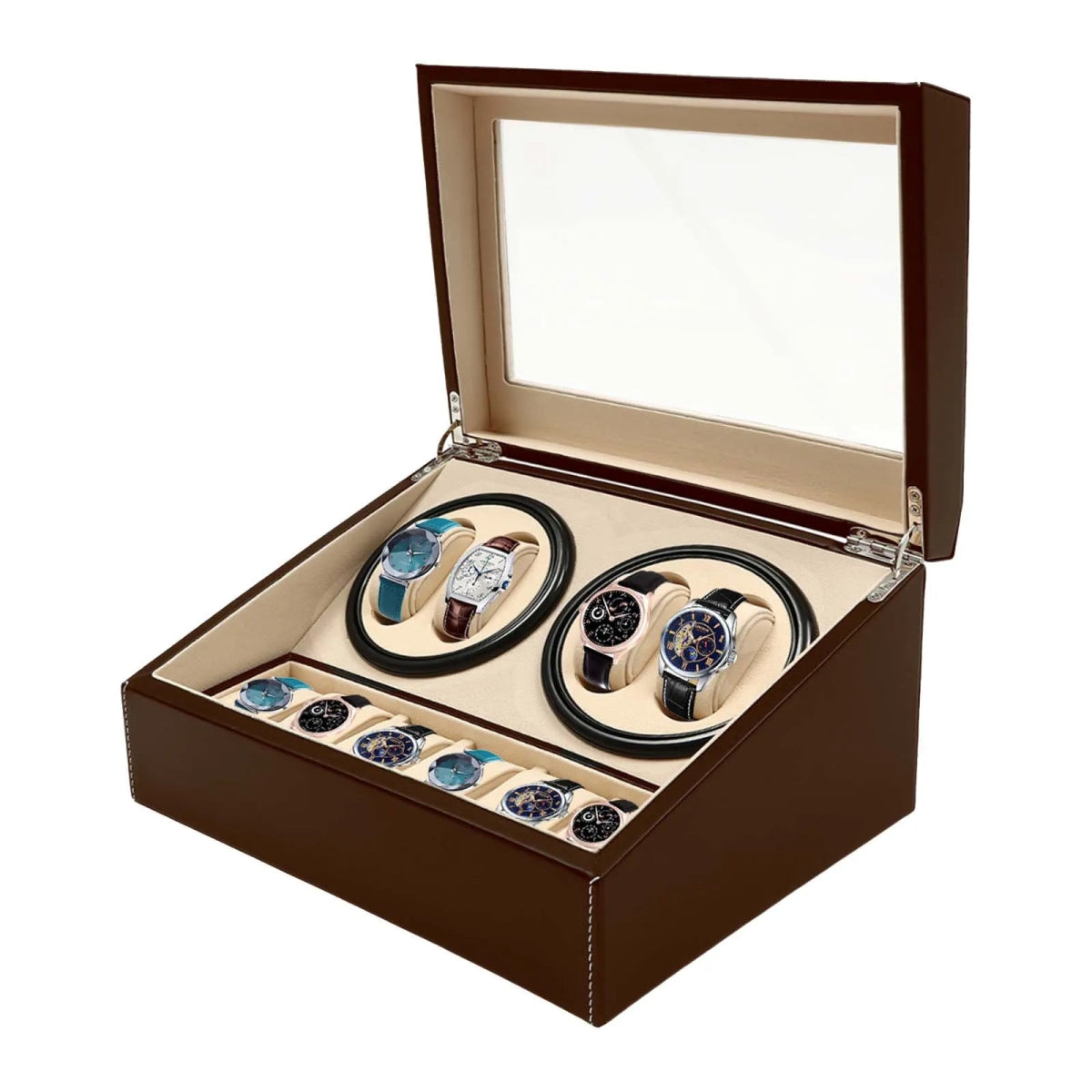
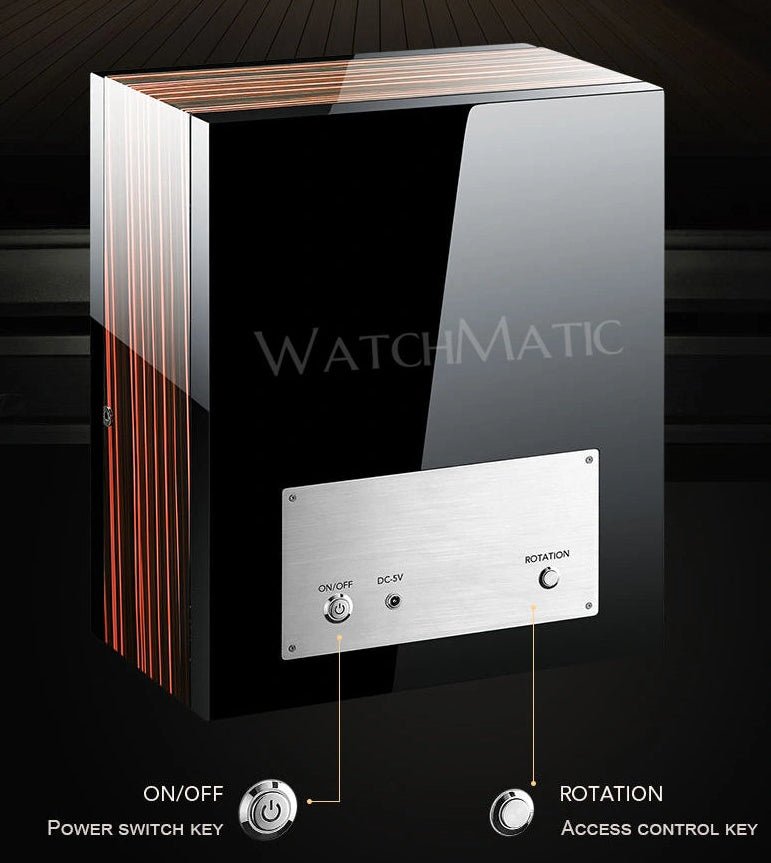
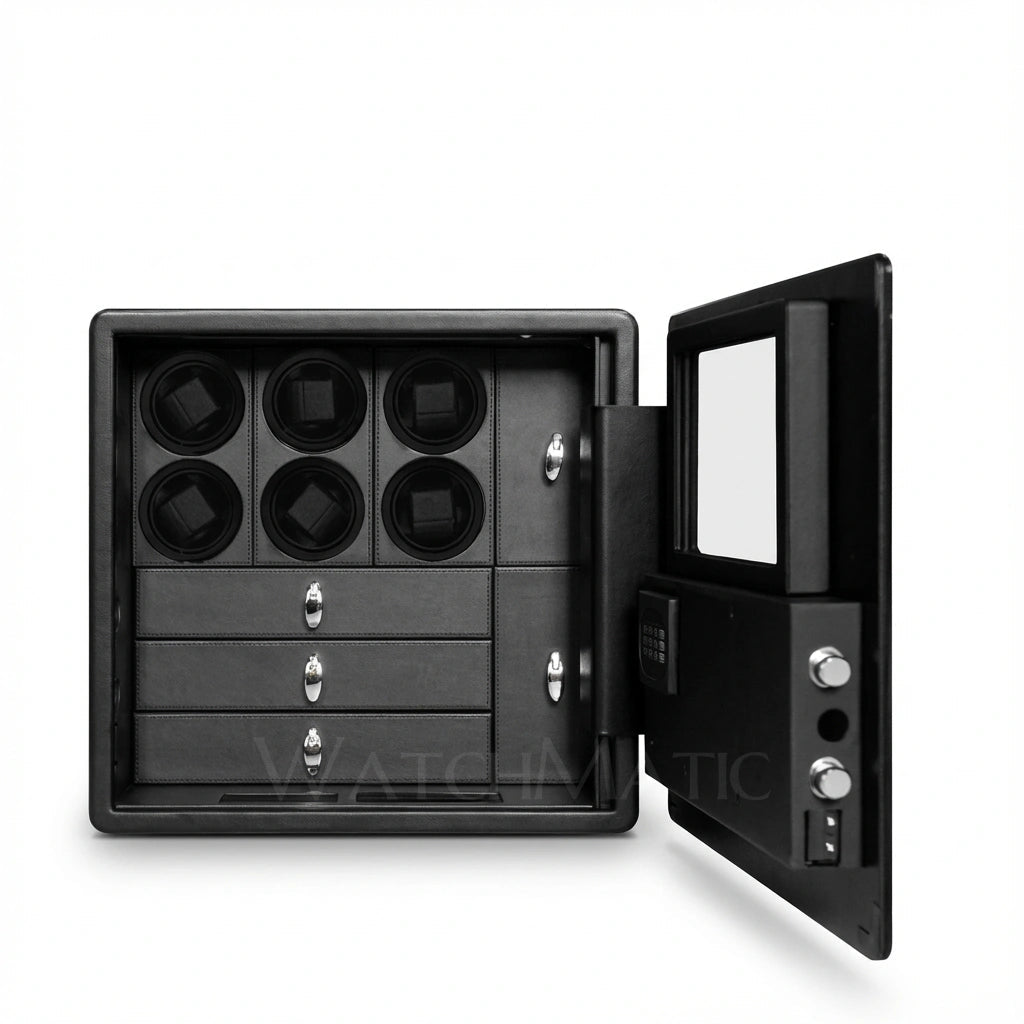
For collectors and enthusiasts managing multiple timepieces, a watch winder becomes more than a convenience.
It functions as:
- A maintenance tool that preserves mechanical readiness
- A system that reduces manual resetting of time and complications
- A controlled environment for consistent winding cycles
When properly configured, a watch winder supports the same principle Rolex was engineered for: continuous, balanced motion.
Final Thoughts
Precision in a Rolex does not come from movement alone — it comes from how that movement is maintained.
Setting the correct TPD is a small adjustment, but one that ensures:
- Stable timekeeping
- Reduced mechanical strain
- Long-term performance exactly as engineered
For a timepiece built to last generations, consistency is everything — and correct winding is part of that discipline.