Which Configuration Makes More Sense for Serious Collectors?
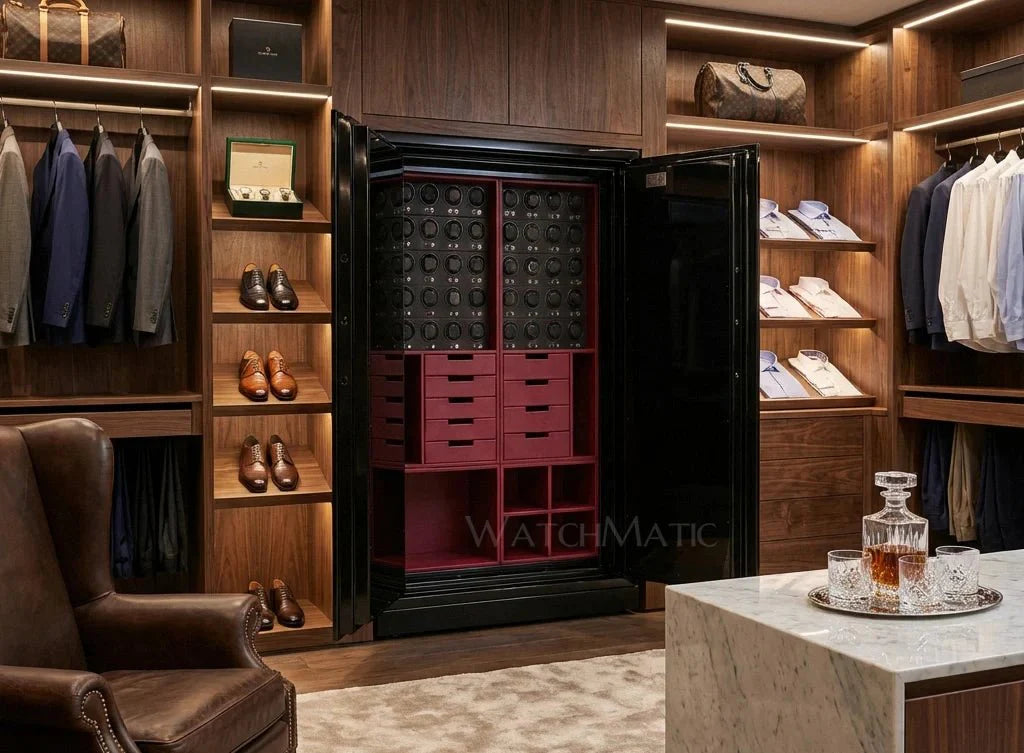
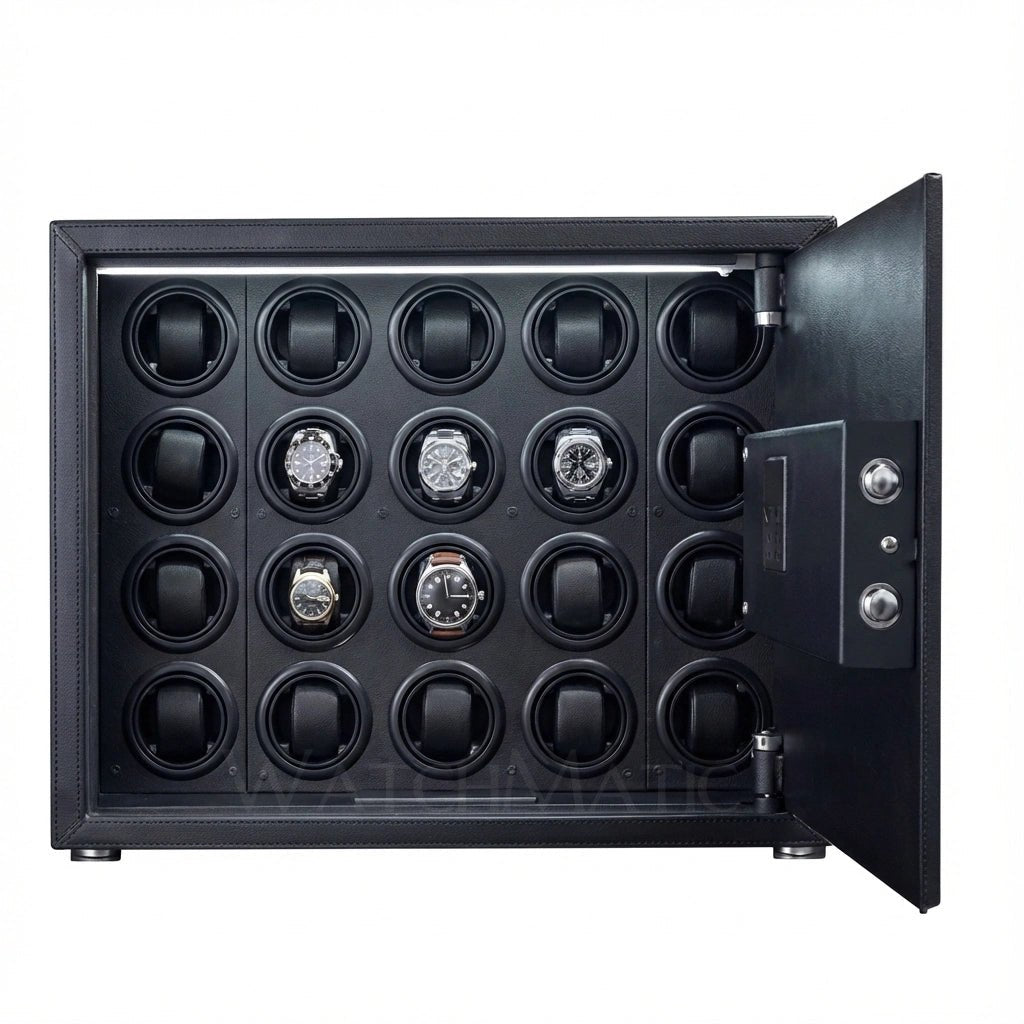
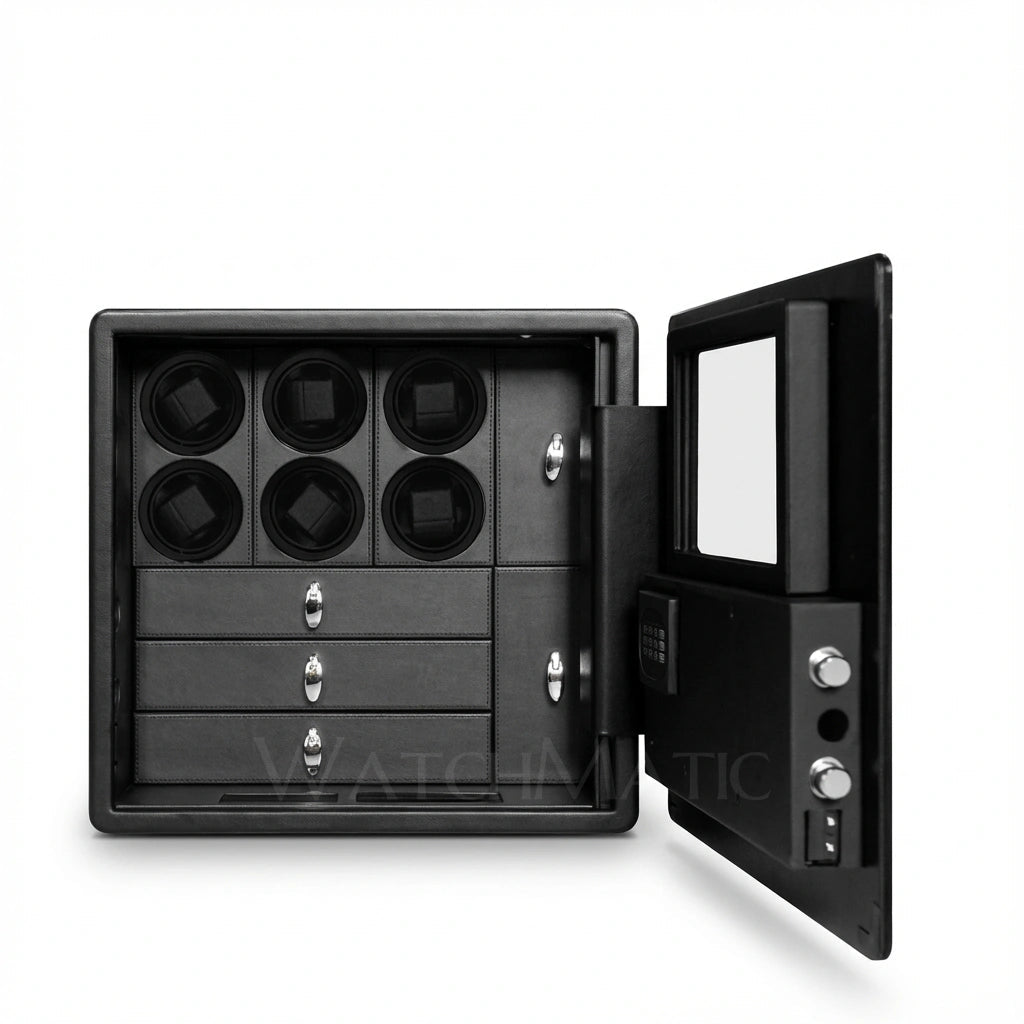
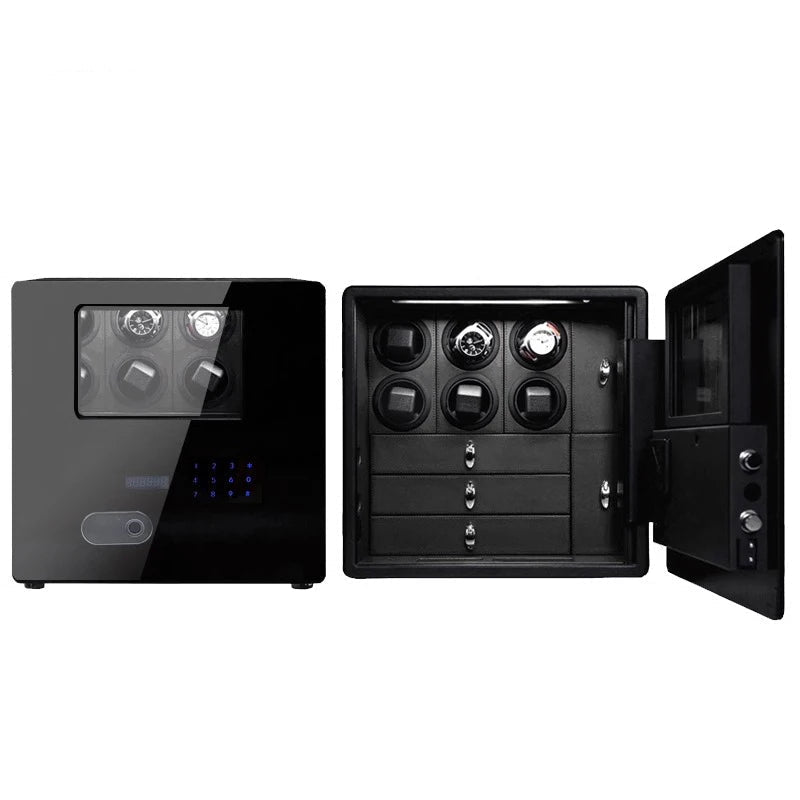
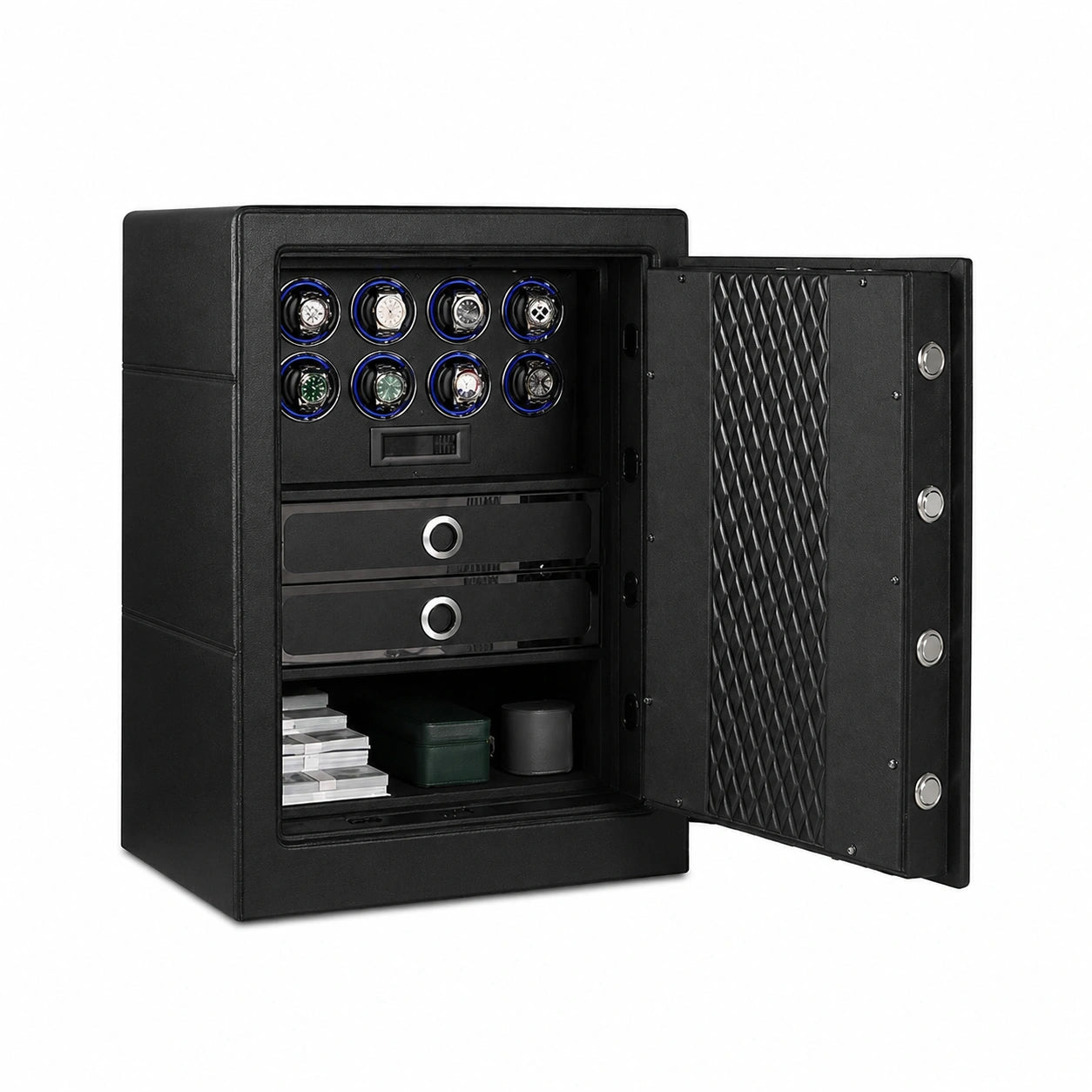
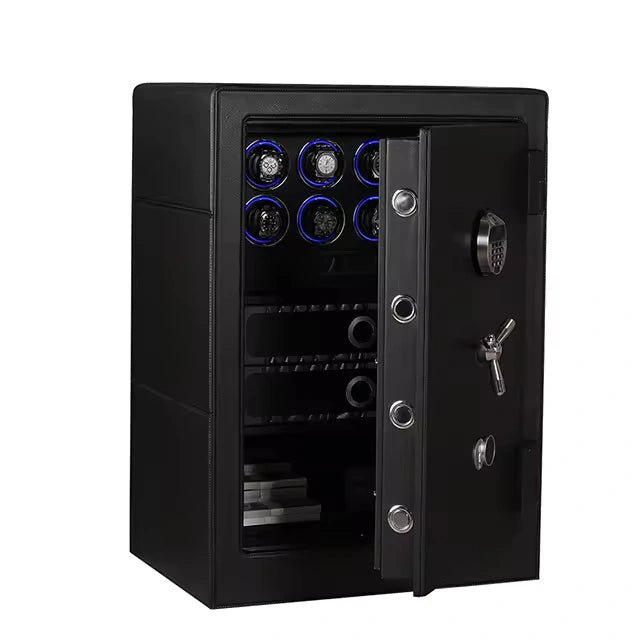
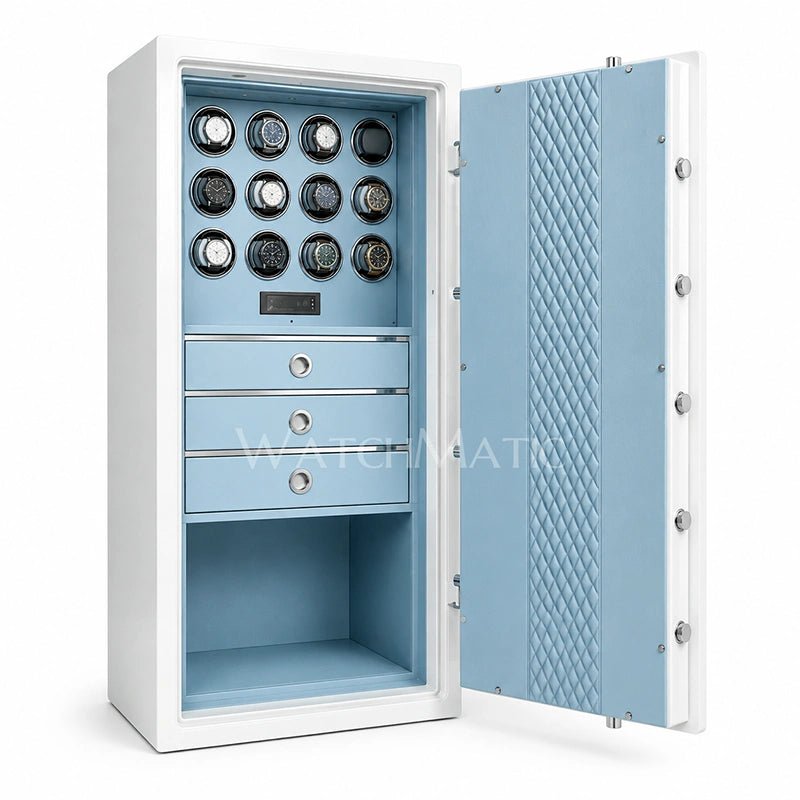
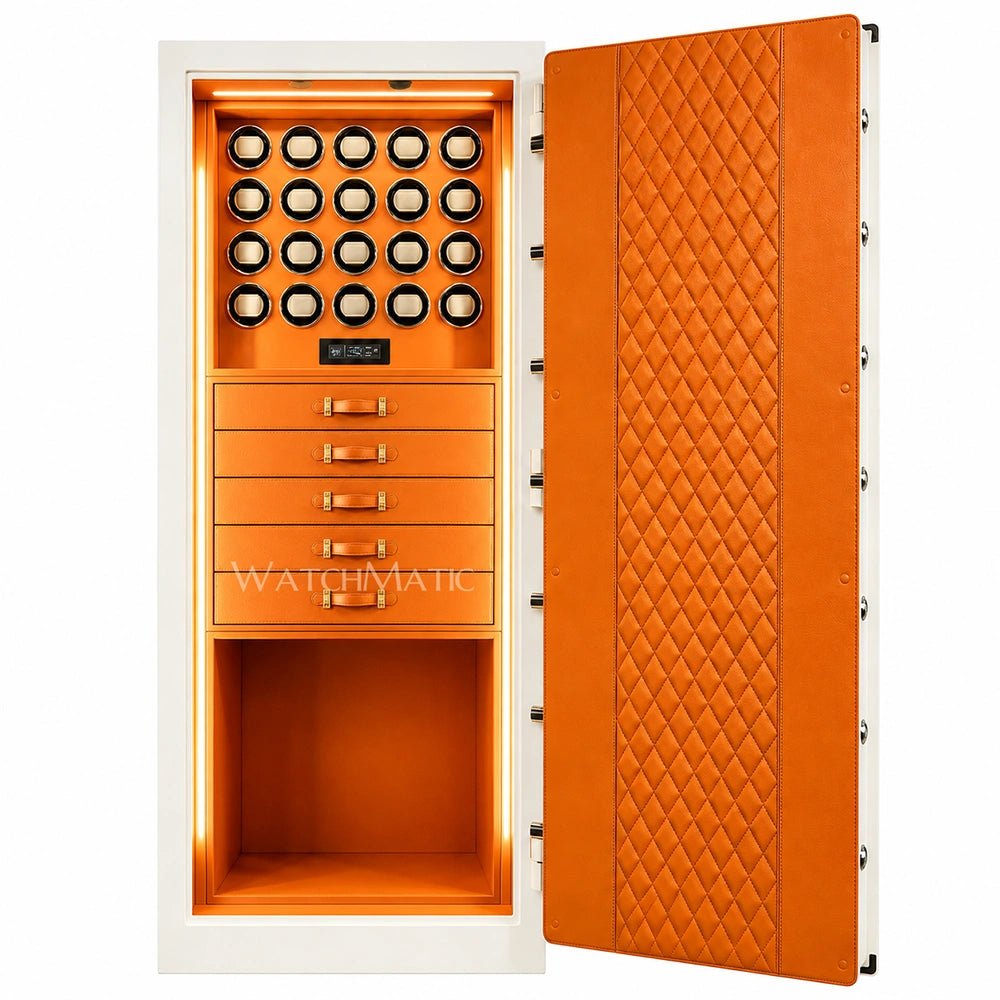
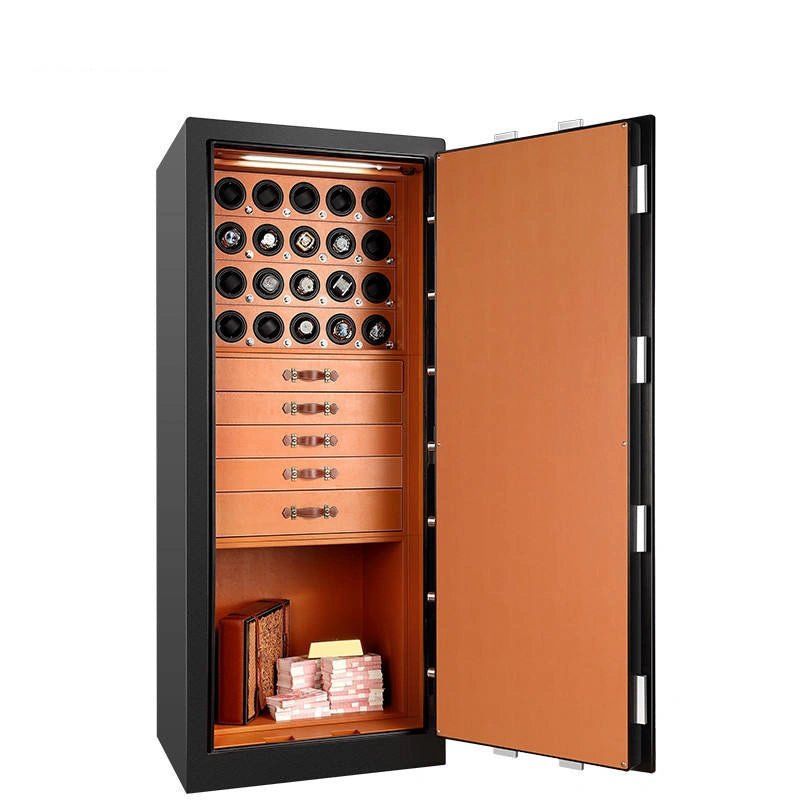
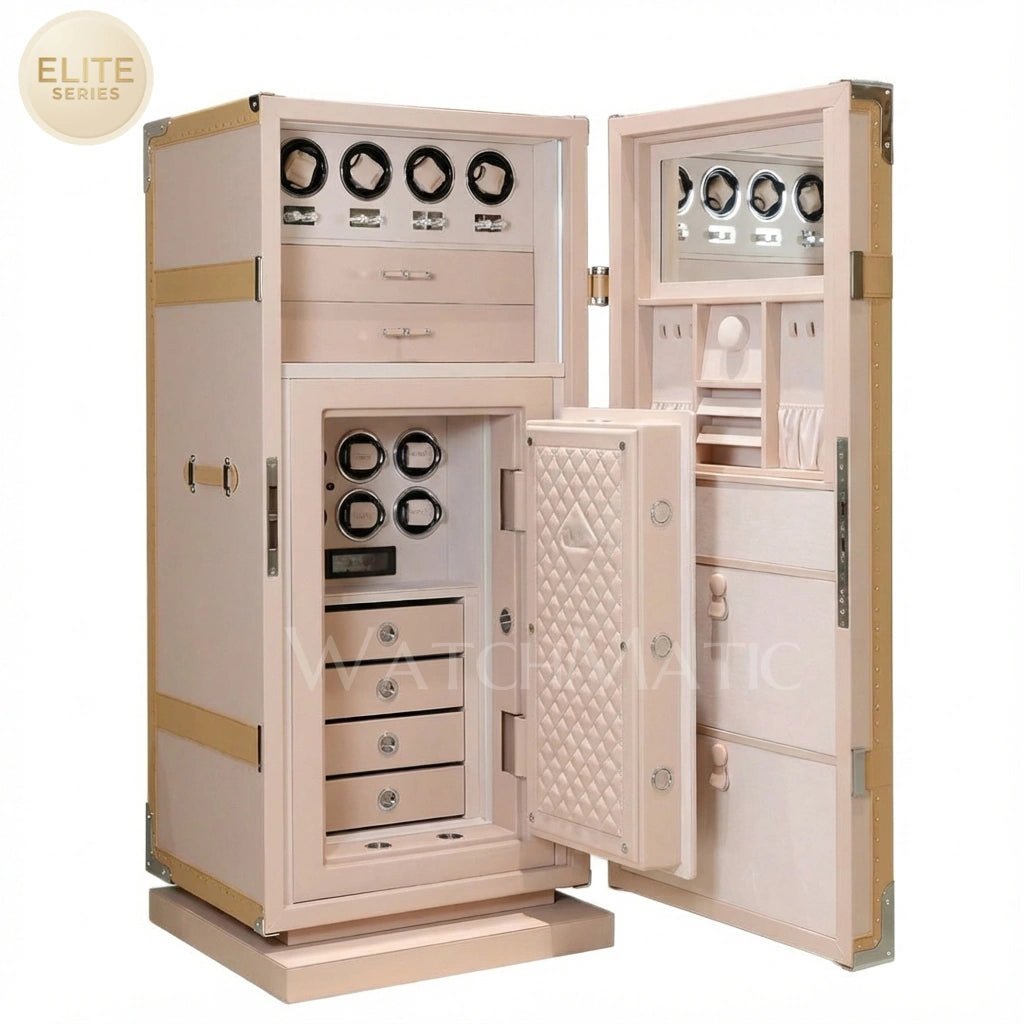
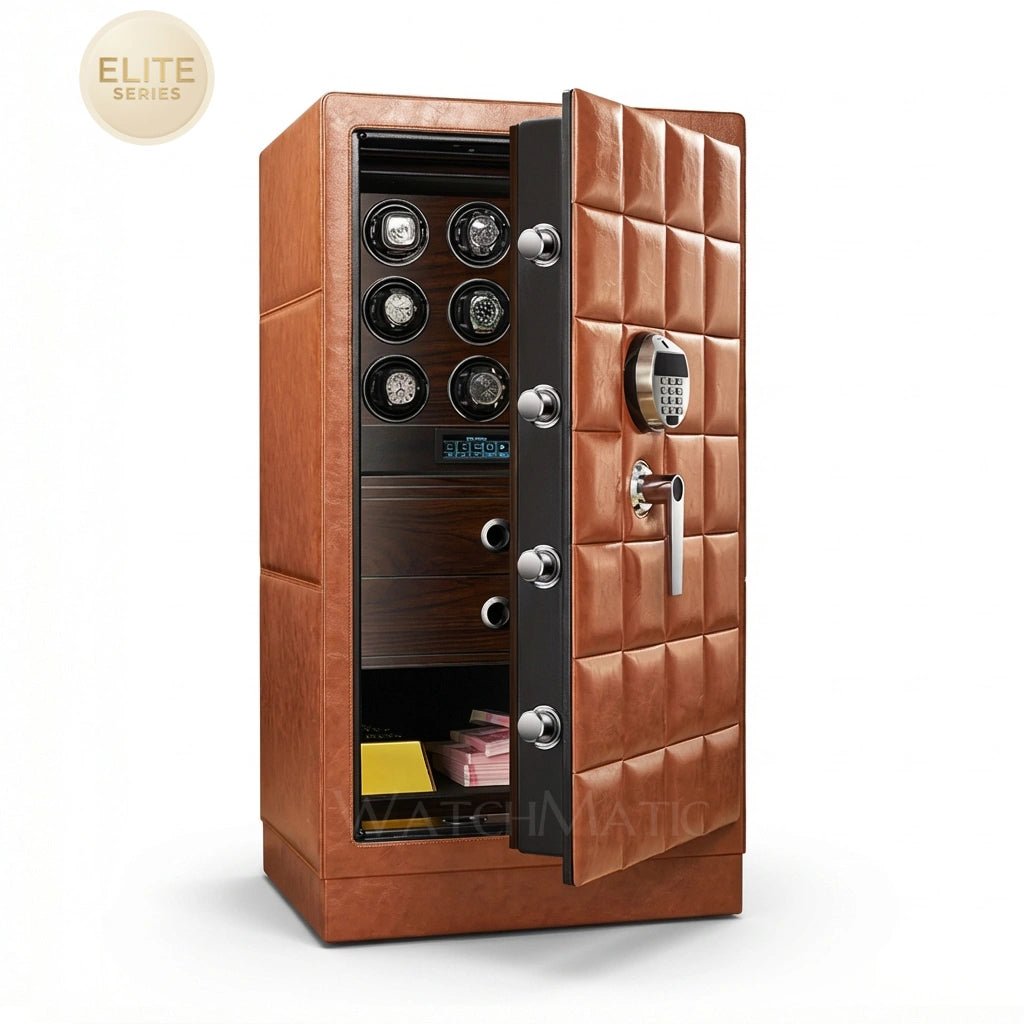
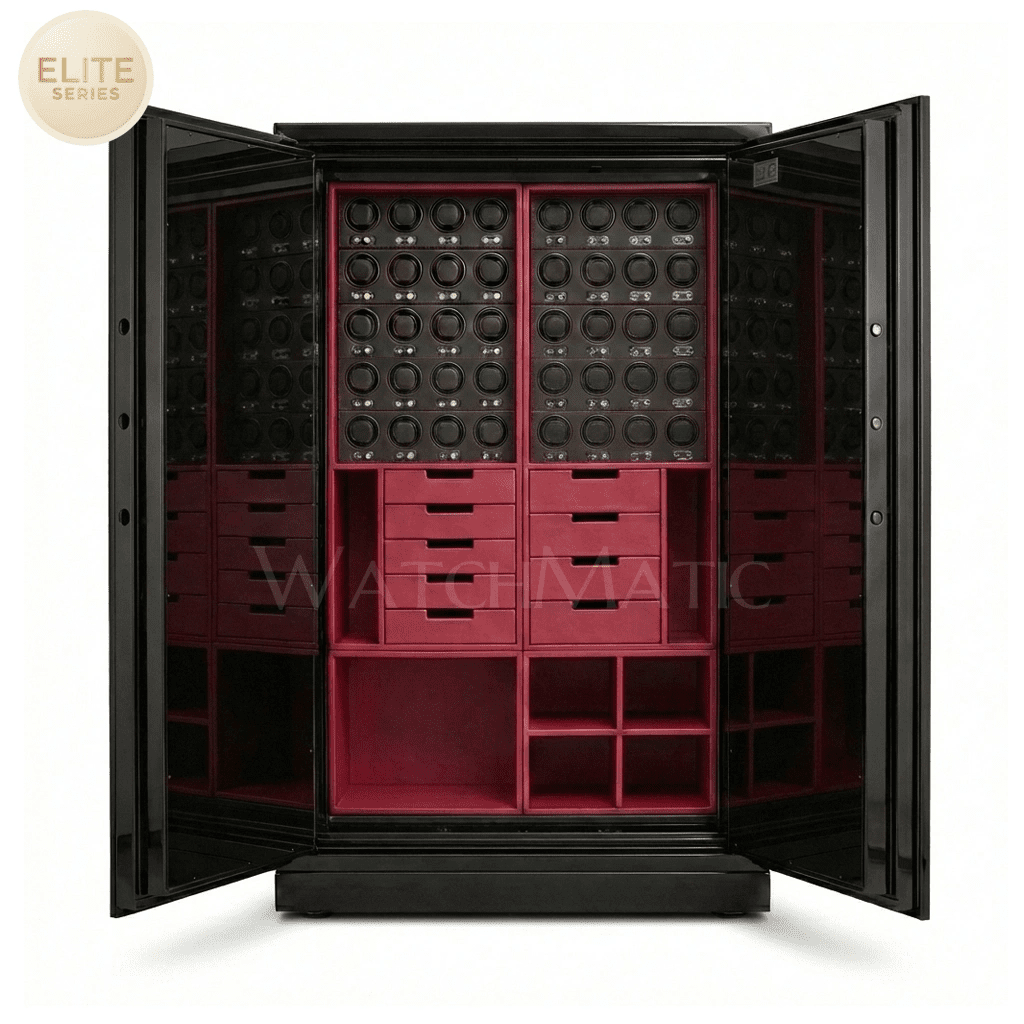
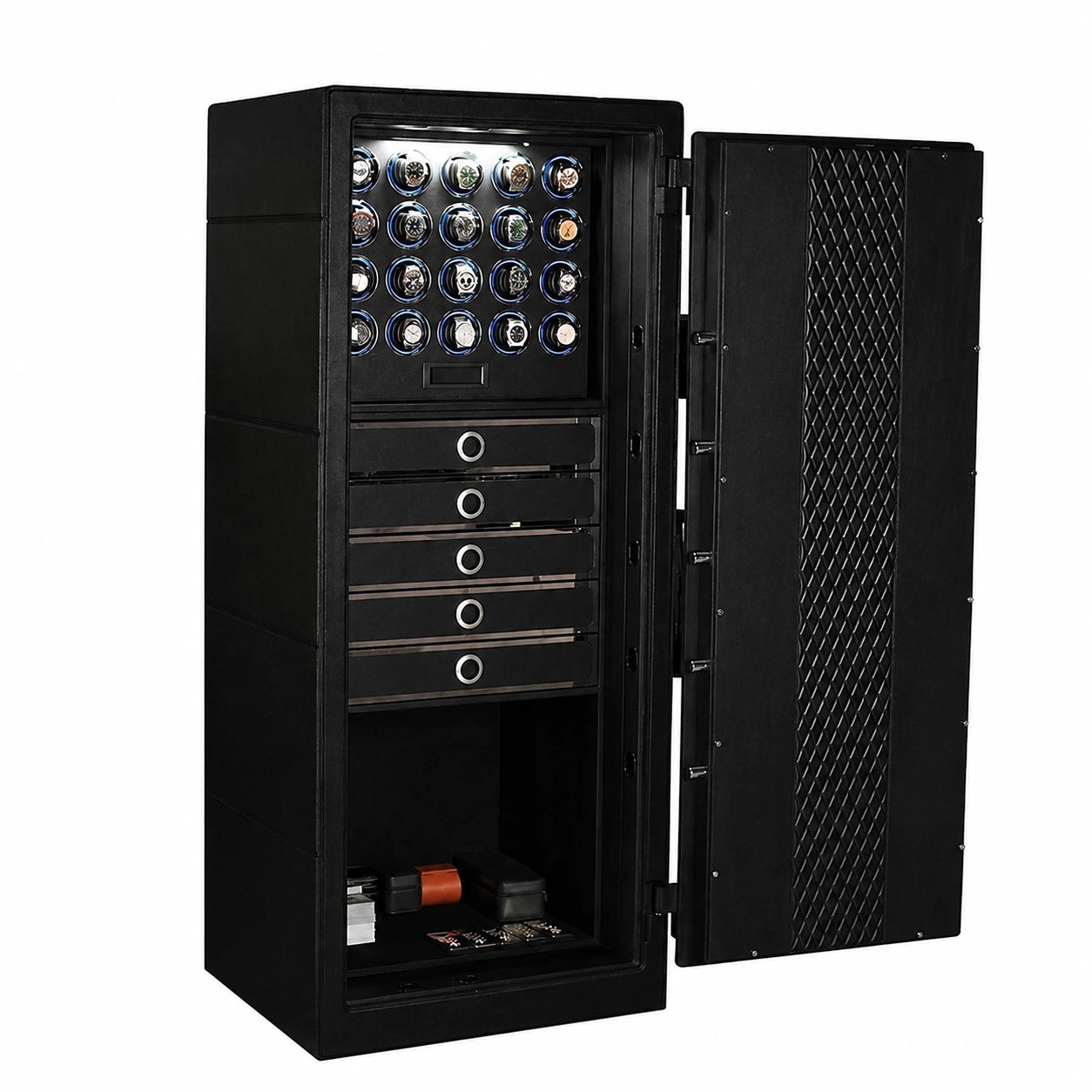
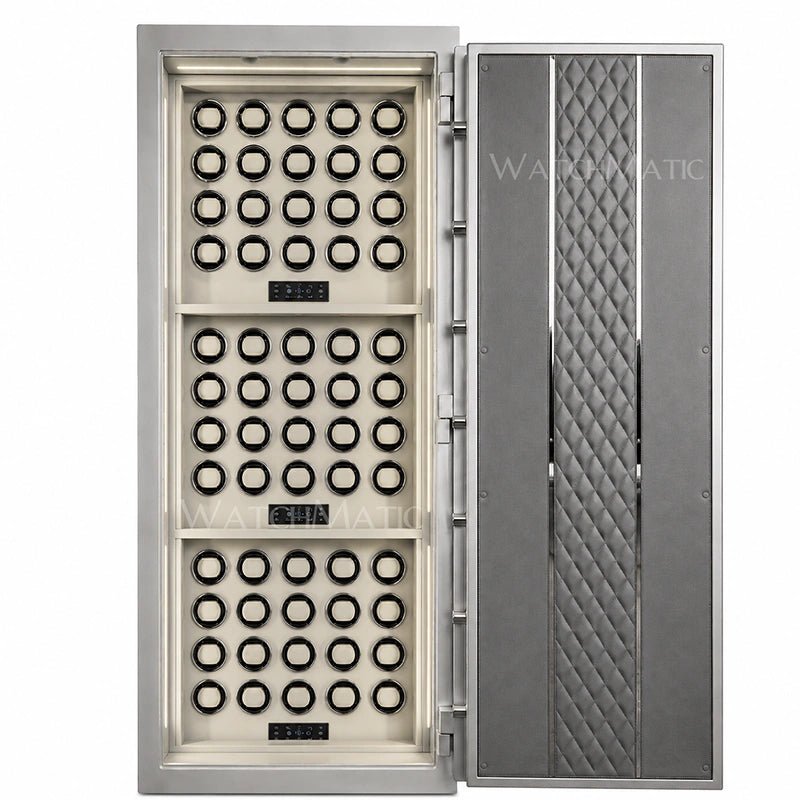
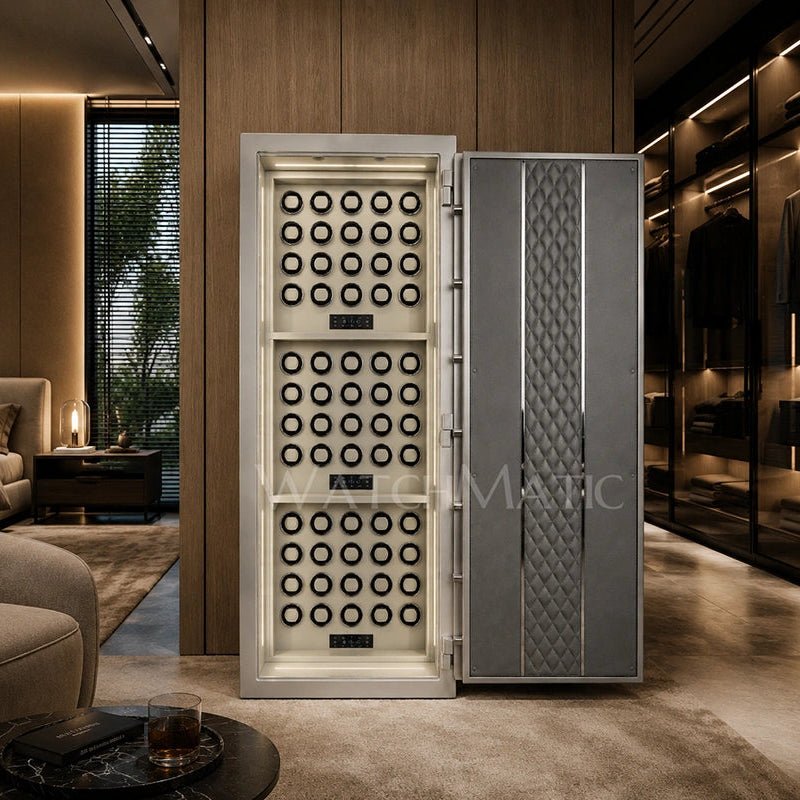
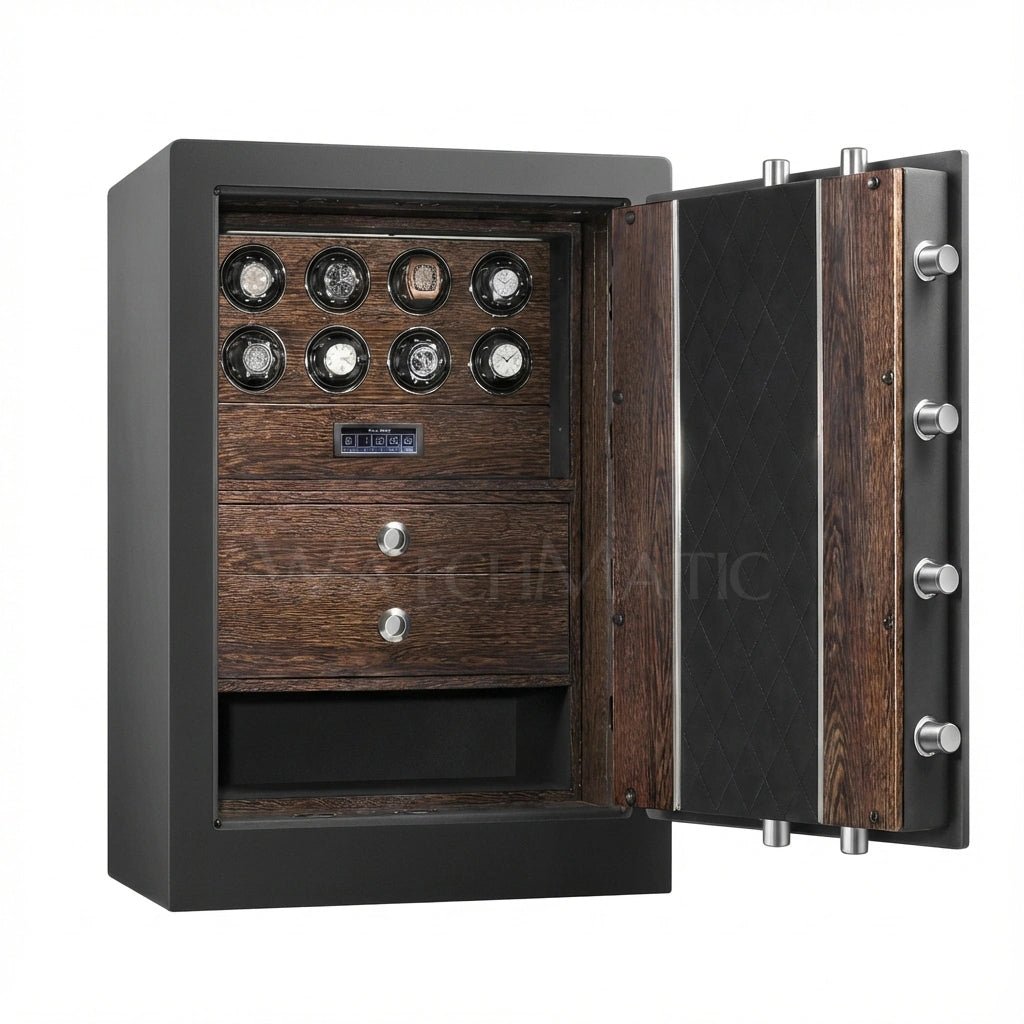
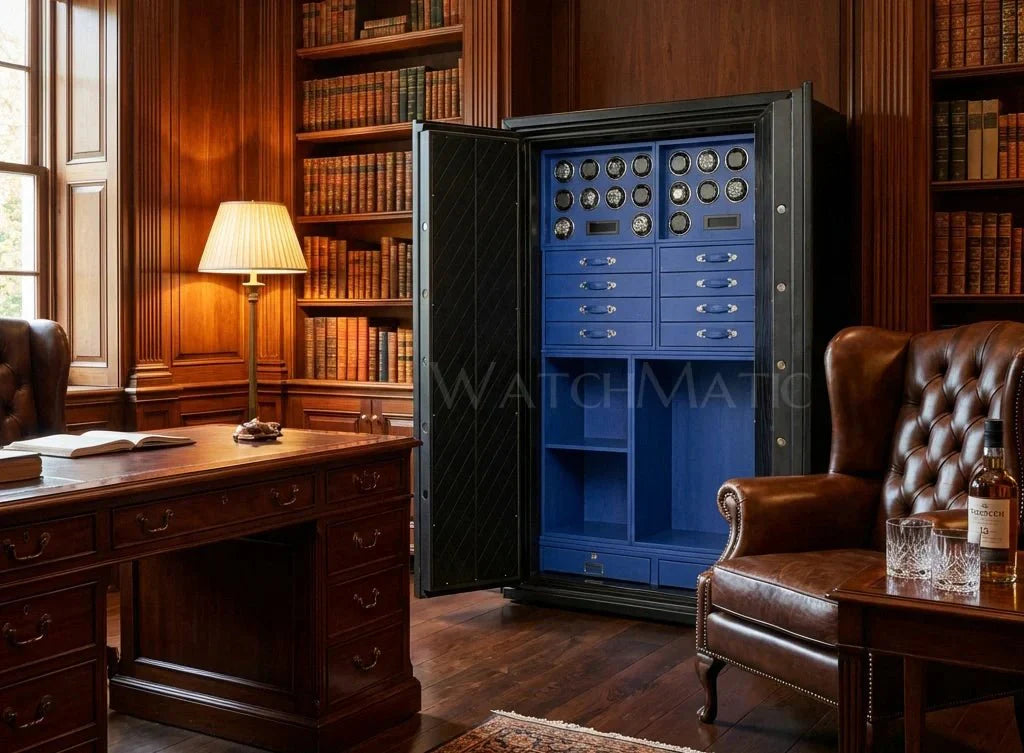
A safe with built-in watch winders combines burglary resistance, fire protection, and automatic winding in a single secured enclosure. A separate winder system operates independently from a certified safe and focuses purely on maintaining mechanical movement.
The difference is structural, not cosmetic.
A safe with integrated winders:
- Protects and winds simultaneously
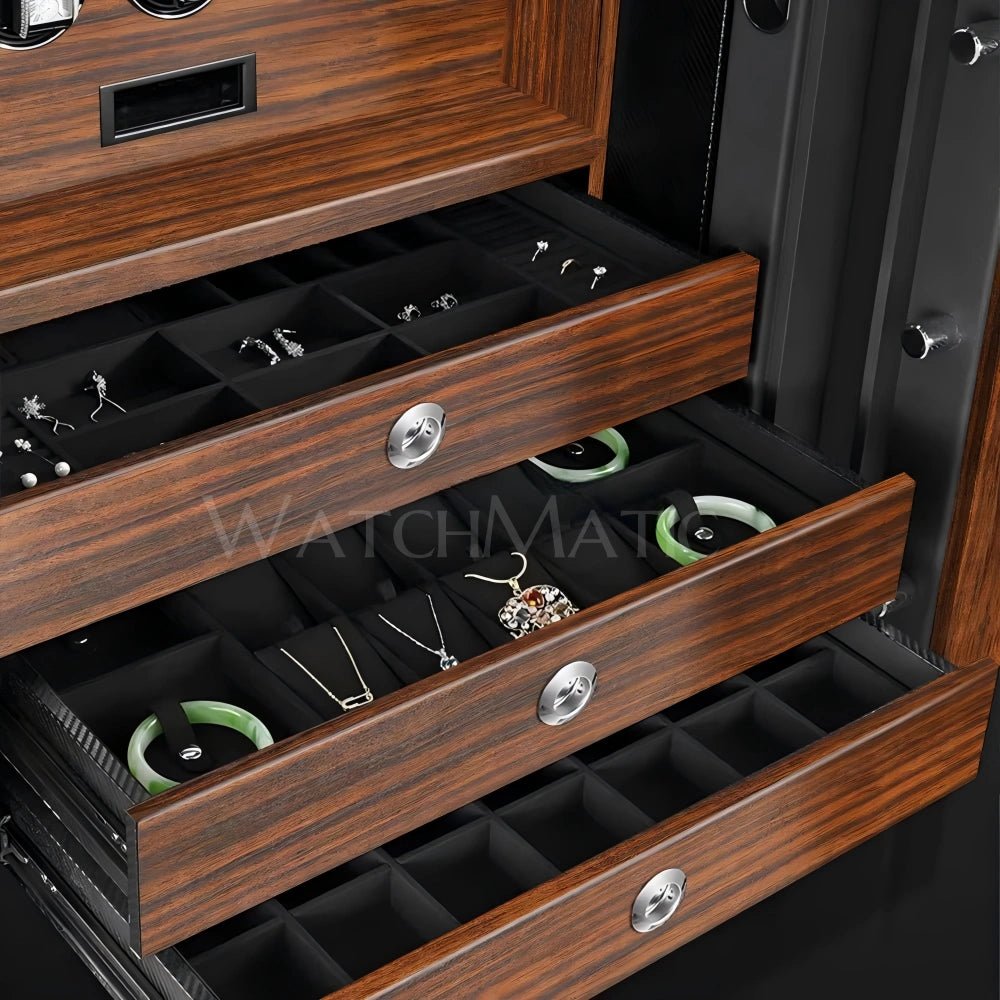
- Centralizes high-value pieces in one controlled environment
- Reduces exposure during daily access
A separate winder system:
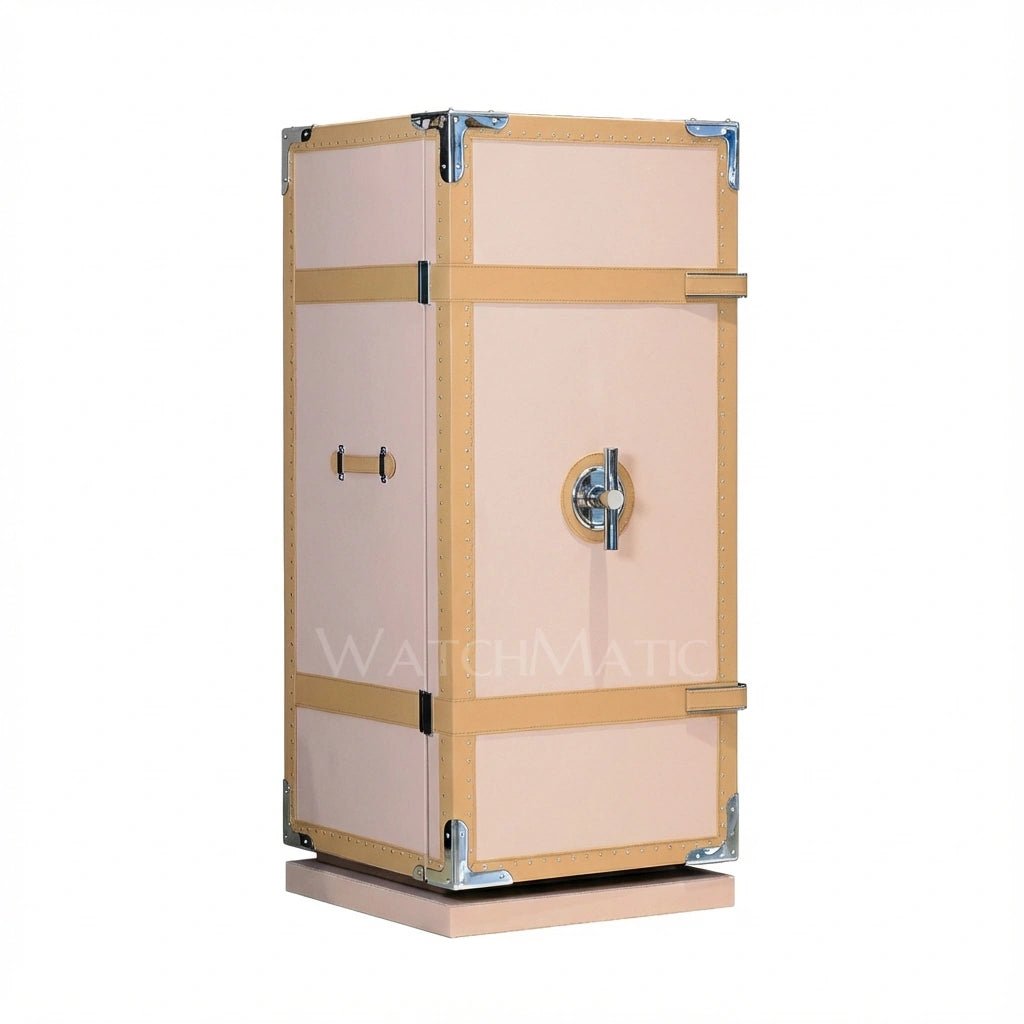
- Offers flexibility in placement
- May allow easier access for daily rotation
- Requires an additional certified safe for full security
For collectors managing multi-watch portfolios, the decision depends on security priority, movement complexity, and how frequently pieces are worn.
Understanding the Core Functional Difference
At surface level, both systems keep automatic watches running.
At a structural level, they serve different roles.
A standalone winder cabinet is an operational device. It preserves power reserve, maintains lubrication circulation, and prevents calendar reprogramming inconvenience.
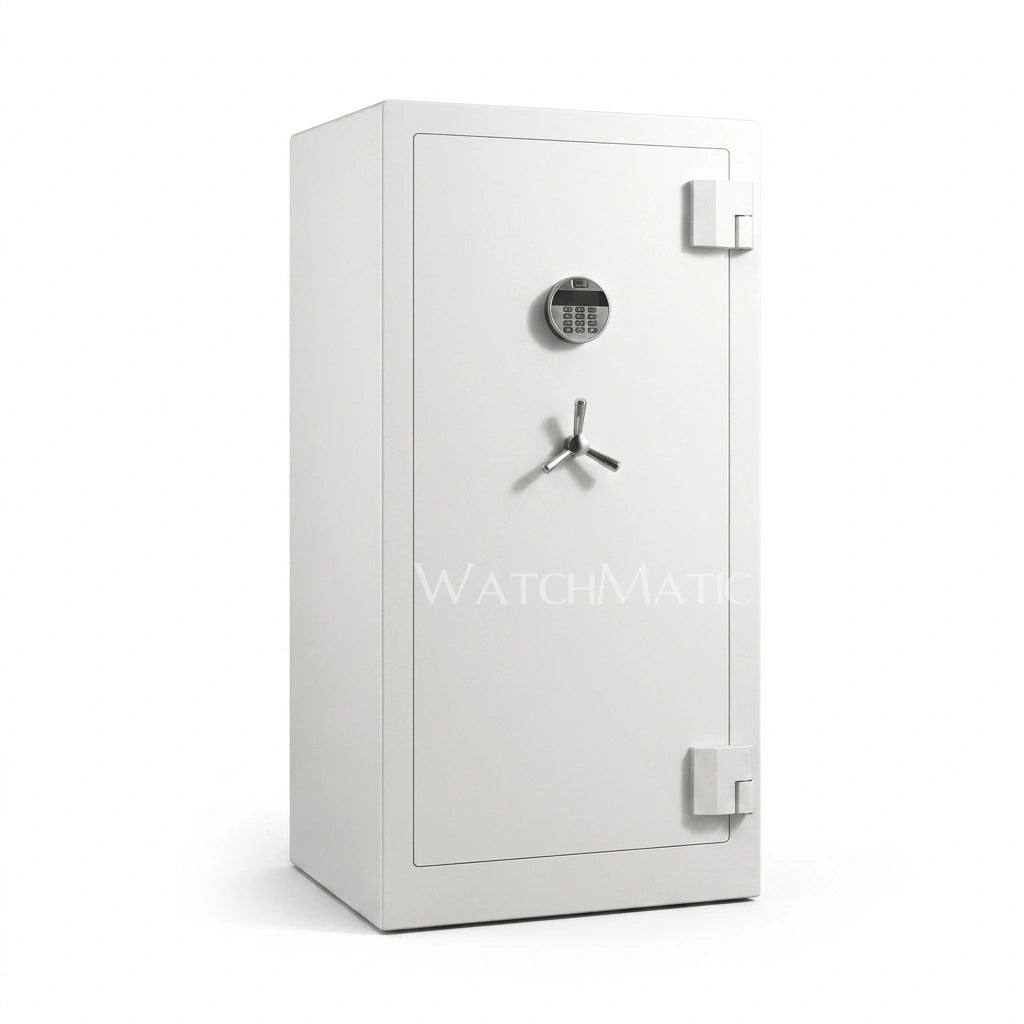
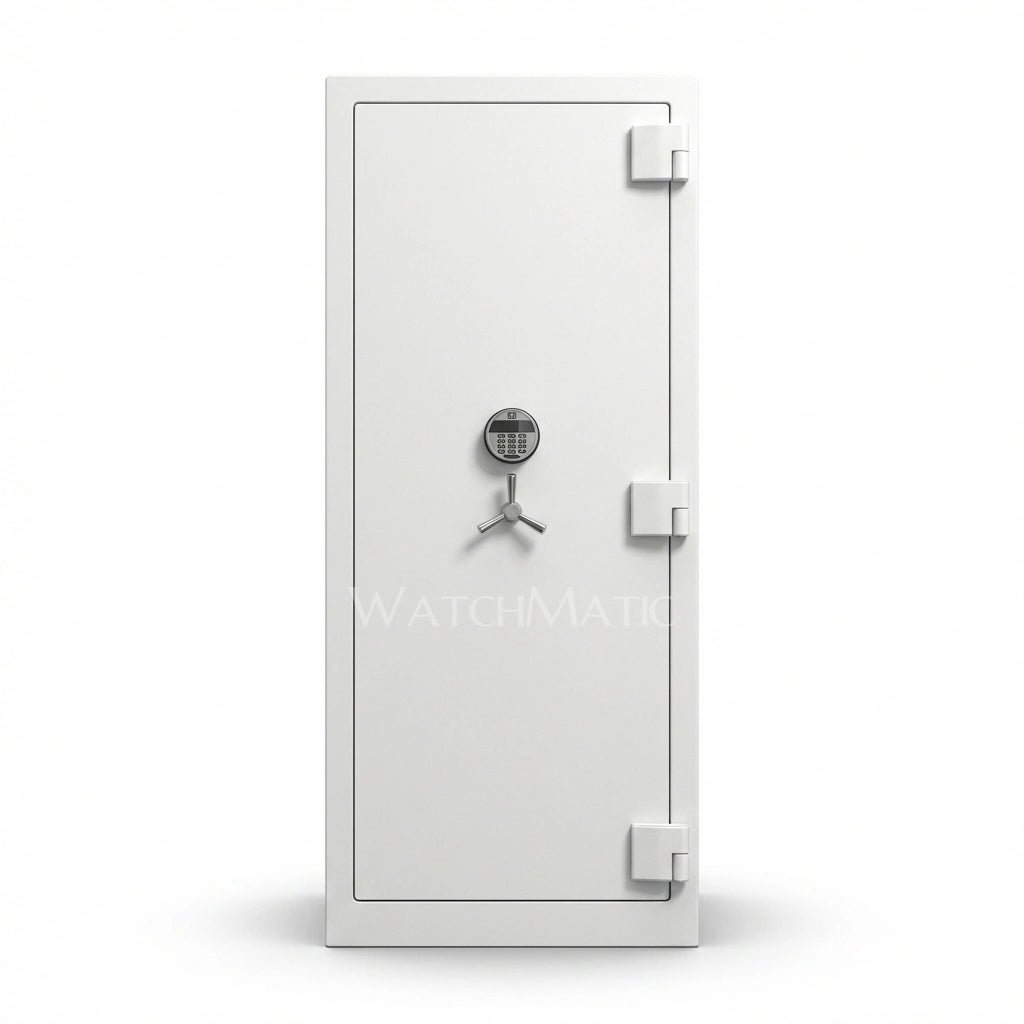
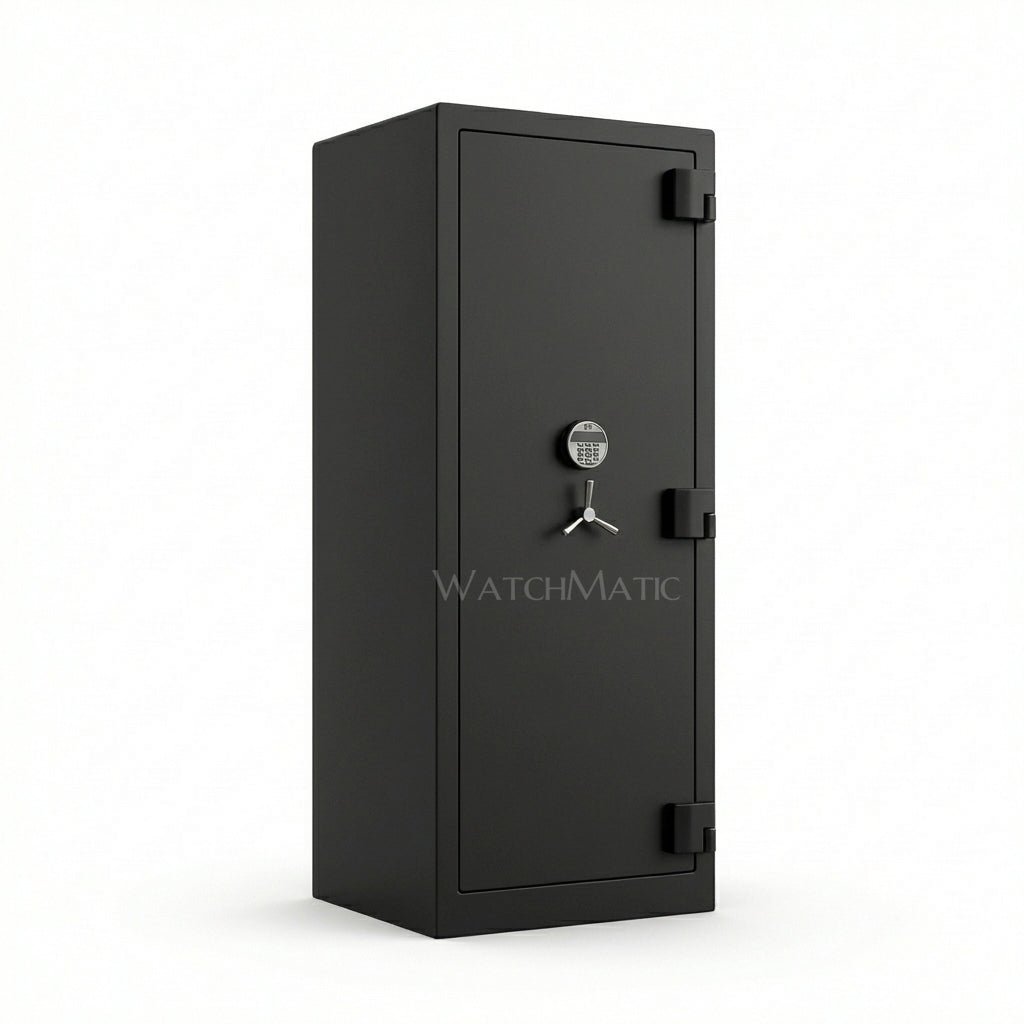
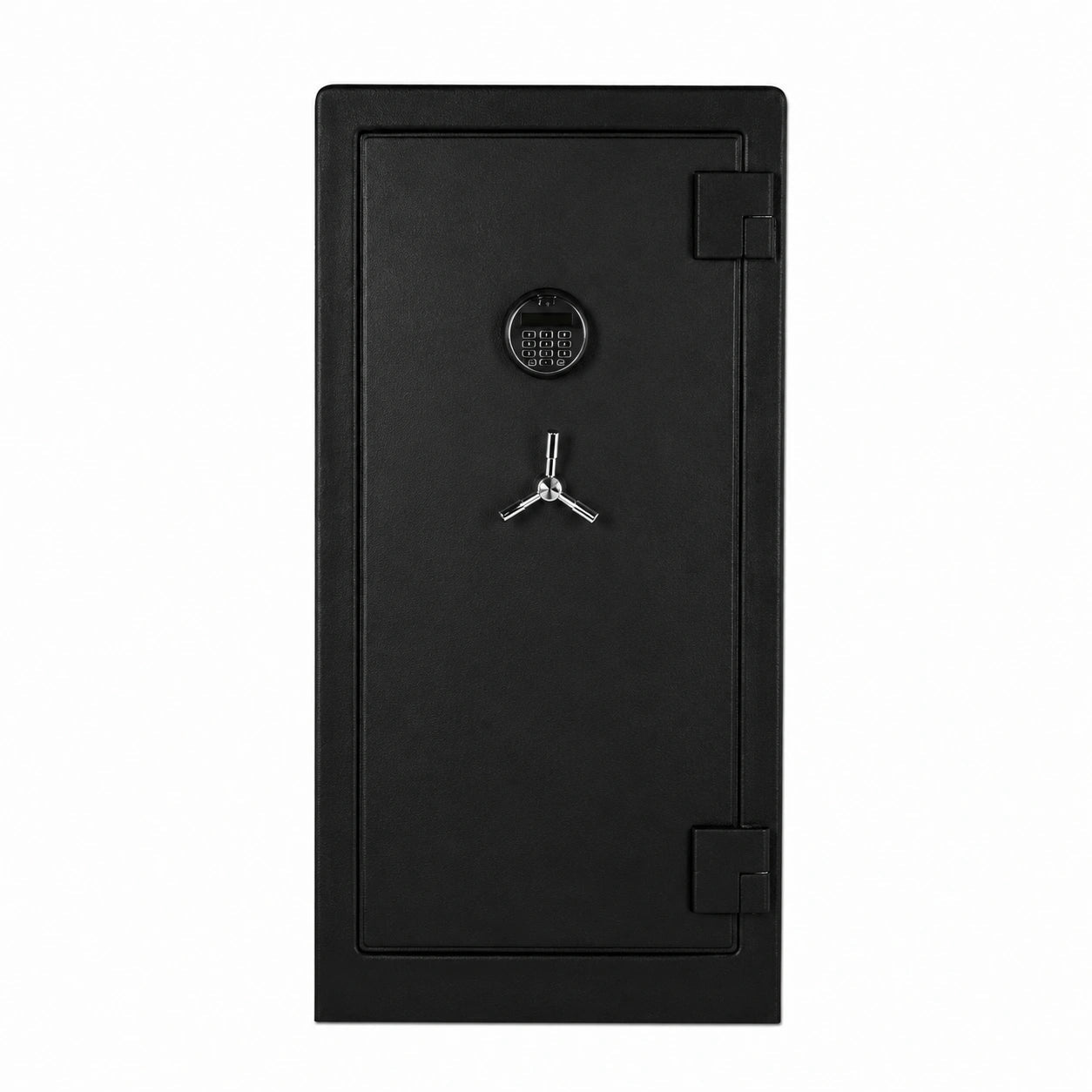
A certified floor-standing watch safe — particularly those engineered to EN 15659 – LFS 30 P or EN 15659 – LFS 60 P — is a security instrument first.
When winding rotors are integrated inside a certified security enclosure, the result is a hybrid system designed for:
- Asset protection
- Mechanical continuity
- Environmental stability
Based on our engineering standards, integration changes daily behavior patterns. Collectors no longer move watches between storage and winder units, reducing unnecessary exposure.
Structural Comparison
| Configuration | Security Level | Mechanical Maintenance | Daily Access Flow | Installation Complexity |
|---|---|---|---|---|
| Safe with Integrated Winders | Certified burglary & fire resistance | Built-in rotor system | Single access point | Professional placement required |
| Separate Winder System + Safe | Depends on safe selection | External rotor unit | Dual access points | Two installations |
The distinction becomes meaningful when collections exceed 6–10 automatic pieces.
Security Perspective: Where Risk Quietly Increases
Through years of observing collector behavior, we routinely see the same pattern:
A collector stores core pieces in a certified safe, while keeping frequently worn models inside an external winder cabinet for convenience.
That cabinet often lacks burglary certification.
This creates a risk segmentation problem. The watches most frequently worn — often the most valuable — are stored in the least secure location.
An integrated configuration eliminates that vulnerability.
For collectors holding pieces from Rolex, Patek Philippe, or Audemars Piguet, segmentation risk should be evaluated carefully.
When Separate Systems Make Sense
There are situations where a dedicated winder system remains logical:
- Collector owns a small 2–4 piece rotation
- Safe primarily stores investment pieces not worn regularly
- Residence has structural constraints limiting larger floor-standing installations
In these scenarios, a high-quality external winding cabinet combined with a certified safe may be sufficient.
However, once collections grow beyond hobby scale into portfolio scale, integration becomes operationally cleaner.
Engineering Considerations Inside Integrated Systems
In a properly designed watch winder safe:
- Rotors are isolated from structural steel vibration
- Power supply routing is concealed within the safe body
- Humidity control can be managed internally
- Heat dispersion is engineered to avoid condensation pockets
This is not simply inserting winders into a vault.
It is a coordinated design architecture.
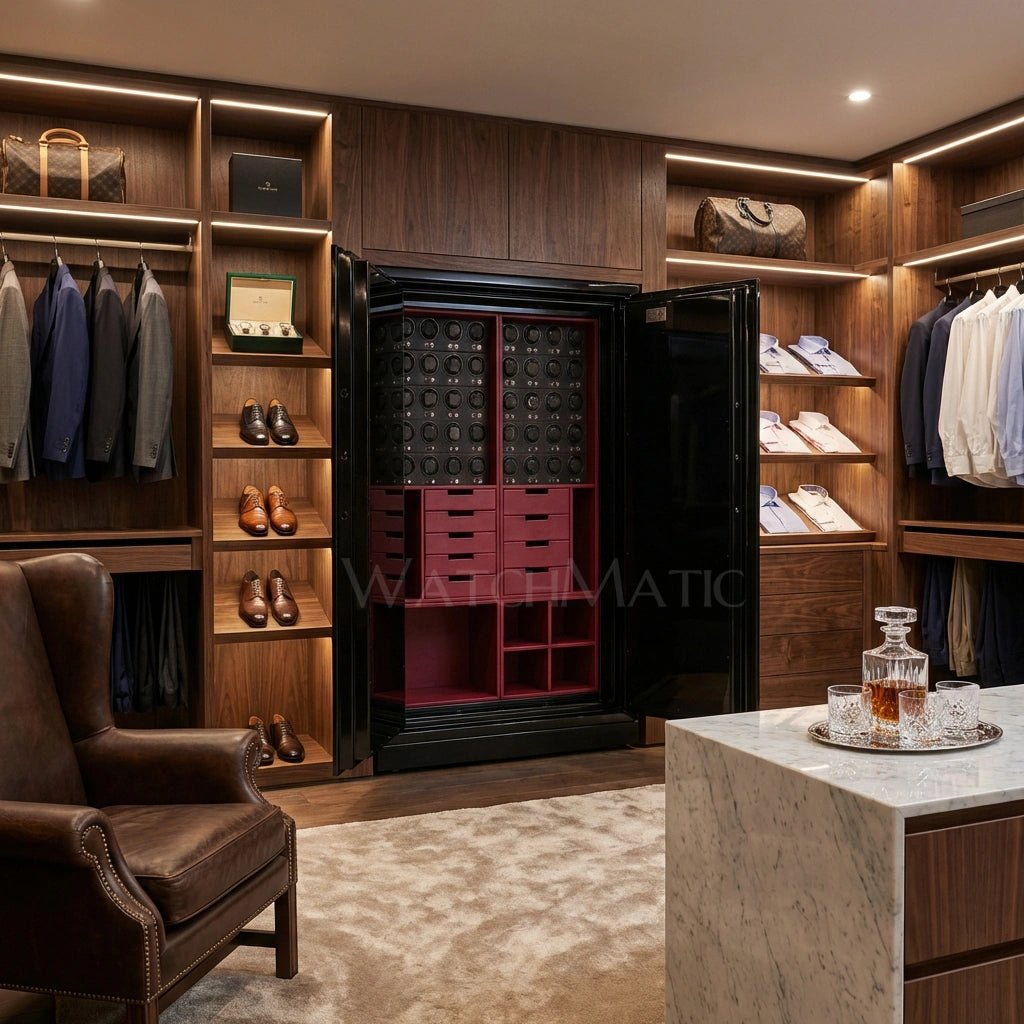
Within the WatchMatic ecosystem, integrated configurations are engineered for collectors who prioritize both certified protection and mechanical continuity in one system.
Our integrated winding safe configurations are floor-standing units weighing between 150–650 kg. Due to their structural mass and design, they do not require bolt-down anchoring under standard residential conditions.
The Psychological Dimension
Collectors rarely think in terms of system architecture.
They think in terms of habit.
If accessing and wearing a watch requires opening two different storage systems, friction increases. Over time, habits shift toward convenience — often at the expense of security.
An integrated safe with winders simplifies behavior:
One enclosure.
One environmental zone.
One security standard.
That consolidation is subtle, but over years it materially reduces exposure.
Strategic Decision Framework
The choice between a safe with winders and separate systems should consider:
- Total collection value
- Number of automatic movements
- Residence security profile
- Insurance requirements
- Daily usage frequency
At executive collection levels, integration typically aligns better with risk management.
Final Consideration
Luxury is not about visible features.
It is about eliminating weak points.
A separate winder may operate perfectly.
A certified safe may protect perfectly.
But when protection and operation converge into one engineered structure, security coherence improves.
The question is not which system functions.
It is which system removes more vulnerability over time.