The Complete Watch Winder Guide
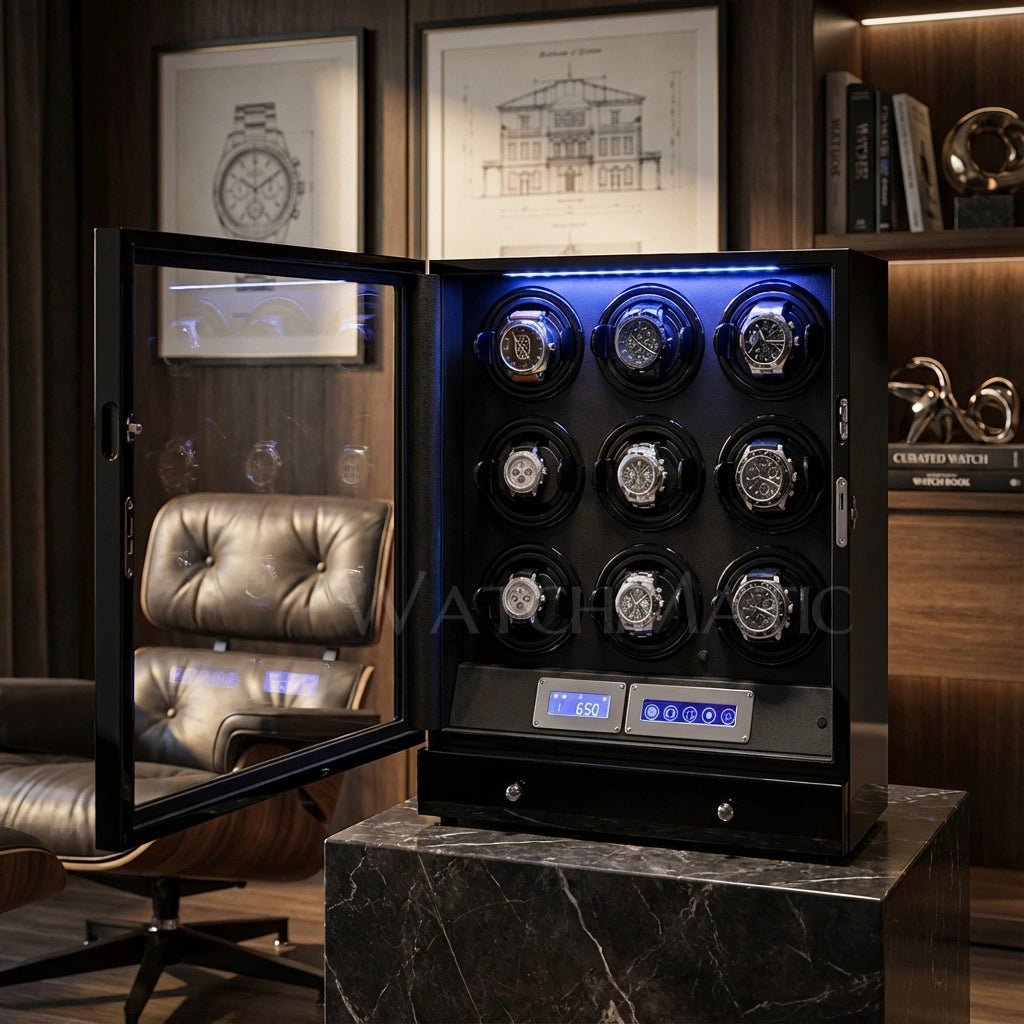
A watch winder maintains the running state of a compatible automatic watch while it is off the wrist. The right choice depends on the movement, turns per day (TPD), winding direction, how often you wear the watch, and the number of pieces in your collection. This guide explains the mechanics, setup, selection criteria and situations where a winder may not be necessary.
Jump to a Section
Quick answer: You do not need a watch winder simply because you own an automatic watch. A well-configured winder can be useful if you frequently alternate between watches, prefer them ready to wear, or own complications that are inconvenient to reset. It keeps a watch running using intermittent movement; it does not set its time, improve its inherent accuracy, guarantee lubrication, or protect it from theft.
Use this article as the practical starting point for the WatchMatic learning library. For a more detailed technical reference, see the Watch TPD Guide; for selecting a security-oriented storage system, continue to the Watch Safe Guide.
01 · Fundamentals
What Does a Watch Winder Actually Do?
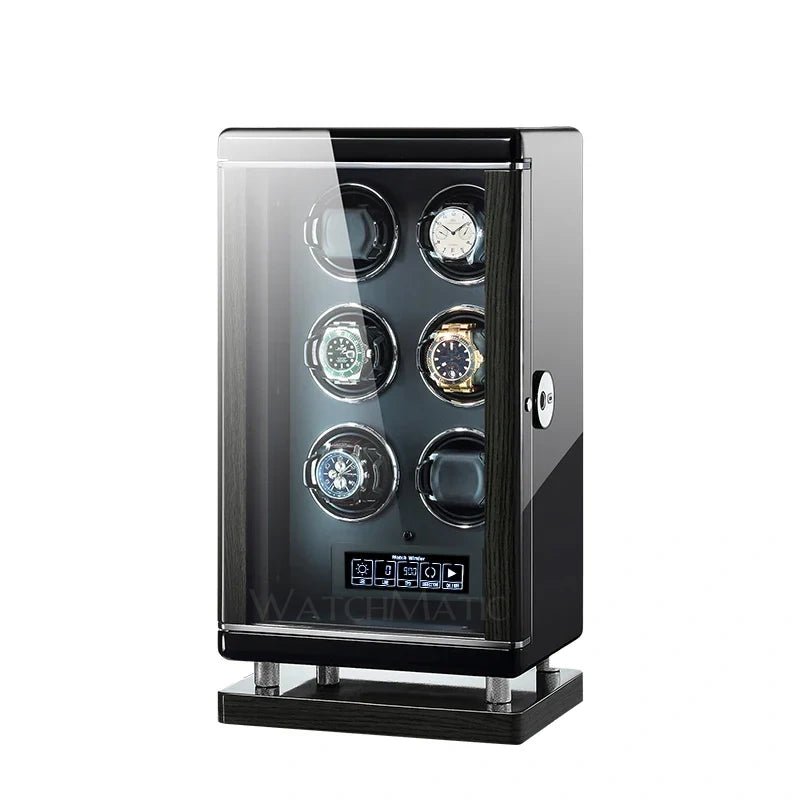
An automatic mechanical watch contains a rotor that moves as the watch changes orientation. The rotor transfers energy through a winding mechanism to the mainspring. As the stored energy is released, the movement runs until the reserve is depleted. A watch winder rotates the watch on a holder so that this automatic winding mechanism can continue receiving energy while the watch is not worn.
Many programmable winders move in intervals: rotation cycles are separated by rest periods. A properly configured device aims to maintain an adequate running reserve, rather than continuously spin the watch. Some winders offer swinging or alternative motion patterns, so follow the instructions of the actual device.
| Watch Type | Is a Standard Watch Winder Useful? | Reason |
|---|---|---|
| Automatic mechanical | Yes, when compatible | Wrist motion or a winder can drive its rotor-based automatic winding mechanism. |
| Manual-wind mechanical | No | Without an automatic winding rotor, ordinary winder rotation does not wind the mainspring. |
| Quartz / battery powered | No | The movement is not mechanically wound through a rotor. |
| Solar-powered / Eco-Drive | No | These typically require light rather than watch-winder rotation. |
| Automatic Spring Drive | Potentially | Only self-winding variants may benefit; verify the specific movement and operating instructions. |
For a basic mechanical walkthrough, read How Does a Watch Winder Work? or What Is a Watch Winder and Do You Really Need One?.
02 · Decision Framework
Do You Really Need a Watch Winder?
For someone who wears the same automatic watch almost every day, the wrist already provides regular movement. For an occasional wearer, allowing a simple watch to stop and restarting it later may be perfectly reasonable. The decision becomes more practical—not more obligatory—as your collection grows.
| Your Routine | Practical Assessment | What to Consider |
|---|---|---|
| One watch, daily wear | Usually optional | Little added convenience if the watch already stays running. |
| Two to four watches in rotation | Often useful | Less time resetting dates and times; single or multi-slot model. |
| Complicated automatic calendars | Can be particularly useful | Keeping the watch running may reduce frequent calendar resetting; obey the caliber's setting instructions. |
| Long-term storage, rarely worn | Not automatically necessary | Clean, dry and secure storage plus periodic manufacturer-recommended care may be more relevant. |
| Valuable multi-watch collection | Consider both access and security | Independent winding settings and separate theft protection may be appropriate. |
A useful distinction: A winder improves convenience and readiness. It is not proof that a watch is better maintained than one stored correctly without running. Wearing habits, movement condition, servicing and environmental conditions still matter.
New collectors should also review What to Know Before Buying Your First Watch Winder.
03 · Winding Methods
Watch Winder vs Manual Winding: Which Is Better?
Manual winding and automatic winding are two legitimate ways of supplying energy to a compatible automatic movement. Manual winding uses the crown, provided the particular movement supports hand-winding. A winder relies on the rotor. Neither approach is inherently superior for every watch or owner.
| Consideration | Manual Winding | Watch Winder |
|---|---|---|
| Best use | Restarting or topping up a watch when needed | Keeping a compatible automatic running between wears |
| Setup effort | Requires handling the crown and often resetting displays | Requires initial TPD/direction setup, then periodic checks |
| Energy source | Crown-operated winding mechanism | Automatic rotor winding mechanism |
| Limitations | Follow specific crown and calendar-setting precautions | Needs electricity/batteries and space; not suitable for manual-only or quartz watches |
| Does it replace servicing? | No | No |
A properly functioning crown is designed to be operated according to the watchmaker's instructions. Claims that occasional manual winding necessarily damages expensive watches, or that a winder preserves lubrication indefinitely, go beyond what a general buyer's guide can establish. For the detailed comparison, see Watch Winder vs Manual Winding.
04 · Technical Configuration
Understanding TPD, Rotation Direction and Rest Cycles
Three settings determine how a programmable watch winder behaves. They should be understood together—not as separate specifications on a product listing.
| Setting | Meaning | Why It Matters |
|---|---|---|
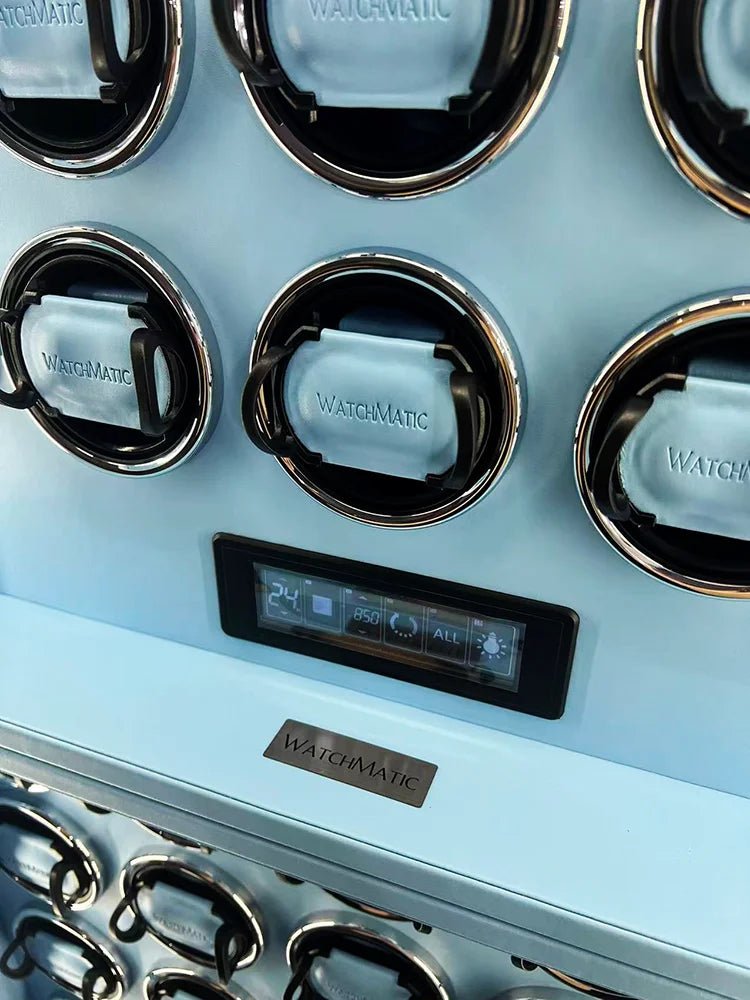
| TPD (Turns Per Day) | Number of programmed rotations over a 24-hour period | Too few effective turns may fail to maintain the watch's reserve. |
| CW (Clockwise) | Winder turns clockwise as defined by its manufacturer | Some rotor-winding mechanisms respond to clockwise turns only. |
| CCW (Counterclockwise) | Winder turns in the opposite direction | Other calibers require or respond more efficiently to CCW winding. |
| Bidirectional / Both | Winder alternates directions or uses both directions | Appropriate where the caliber and winder instructions support it; not universally required. |
| Rest cycles | Time between programmed movement intervals | Avoids constant rotation and distributes winding throughout the day. |
You may see figures such as 650, 800 or 900 TPD in winding databases and product controls. These are examples of available settings, not universal recommendations for all watches. A movement may require a different TPD, direction or device-specific counting convention. A particular brand name by itself is not precise enough.
For exact movement checks, use the model reference and caliber in your watch documentation. Confirm recommendations with the manufacturer or a reliable movement-specific winding database, then cross-check how your winder counts rotations—especially alternating-direction cycles.
Important: A watch maintaining power on a winder does not prove that its timekeeping has become more accurate. A winder's primary role is energy maintenance, not rate regulation. If a watch repeatedly stops after correct settings and sufficient initial winding, consider its movement condition as well as the winder.
Go deeper with the complete Watch TPD Guide, What Is TPD?, Best Watch Winder Mode and What Happens with Incorrect TPD Settings?.
05 · Practical Instructions
How to Set Up a Watch Winder in Six Steps
A consistent, documented setup is more useful than guessing a high TPD and leaving the device unattended.
Confirm whether the watch is automatic. Check its reference, caliber and maker's instructions.
Find the applicable rotation direction and an appropriate TPD target; avoid brand-wide assumptions.
If stopped, follow the manufacturer's winding and setting instructions before placing it in the winder.
Choose a cushion that supports the strap or bracelet without excessive pressure or contact with the case.
Set compatible direction, TPD and rest cycles. For multi-slot units, assign settings independently when needed.
Over several days, check whether the watch remains running. If not, recheck power, direction, counting and movement condition.
Don't use a winder to bypass the watchmaker's crown-setting precautions. For instance, calendar functions may have restricted adjustment periods on some movements, and the correct procedure differs by model.
06 · Product Evaluation
What Makes a Good Watch Winder?
A good winder combines mechanical suitability with predictable everyday operation. Appearance matters in a luxury interior, but it should not take priority over movement compatibility and watch fit.
| Feature | What to Check Before Buying | Why It Matters |
|---|---|---|
| Adjustable TPD | Range, increments, and how turns are counted | Allows a closer match to movement-specific needs. |
| CW / CCW / both | Available modes per rotor | A fixed direction may not suit every caliber. |
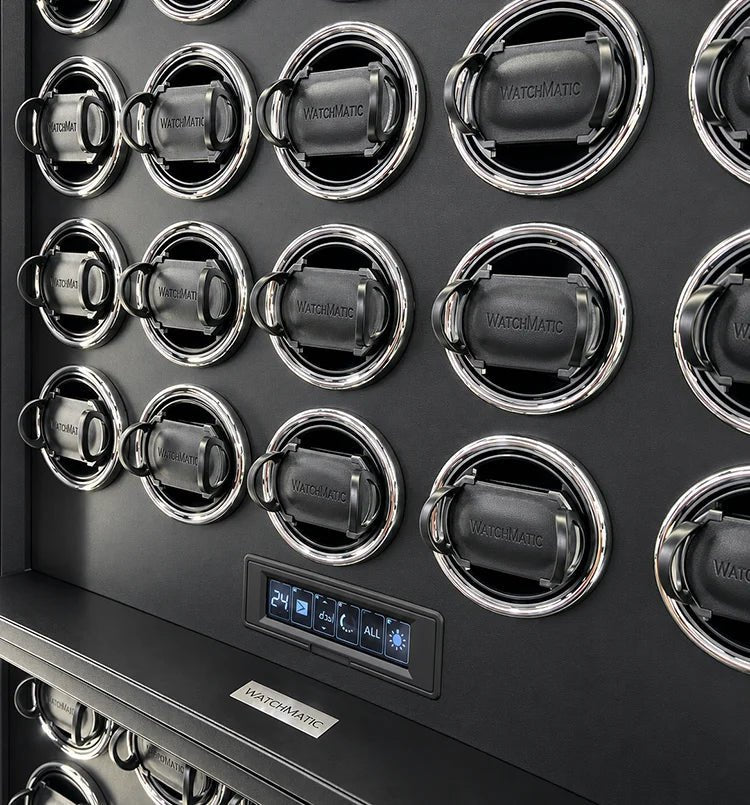
| Independent control | Whether each watch position has its own settings | Important for mixed-caliber collections. |
| Motor performance | Predictable starts/stops, noise at the intended location | Affects usability in bedrooms, studies and living spaces. |
| Watch holder fit | Case clearance and cushion support for different bracelets | Helps avoid slips, rubbing and undue strap compression. |
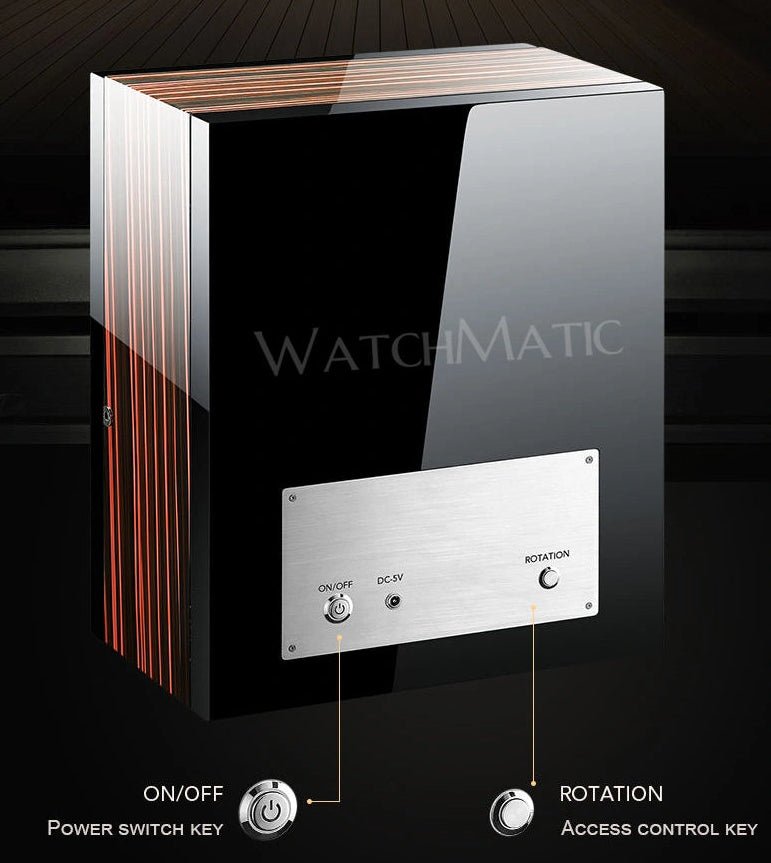
| Power arrangement | AC adapter, battery option, voltage compatibility | Relevant for placement, travel and long-term operation. |
| Capacity & growth | Current and realistic future watch count | Avoids buying an under-sized unit or an unnecessarily large cabinet. |
| Warranty & service | Documented coverage and parts support | Important for a product used regularly over years. |
Our companion articles examine what makes a good watch winder, independent winding control and choosing the right winder for your collection.
07 · Collection Planning
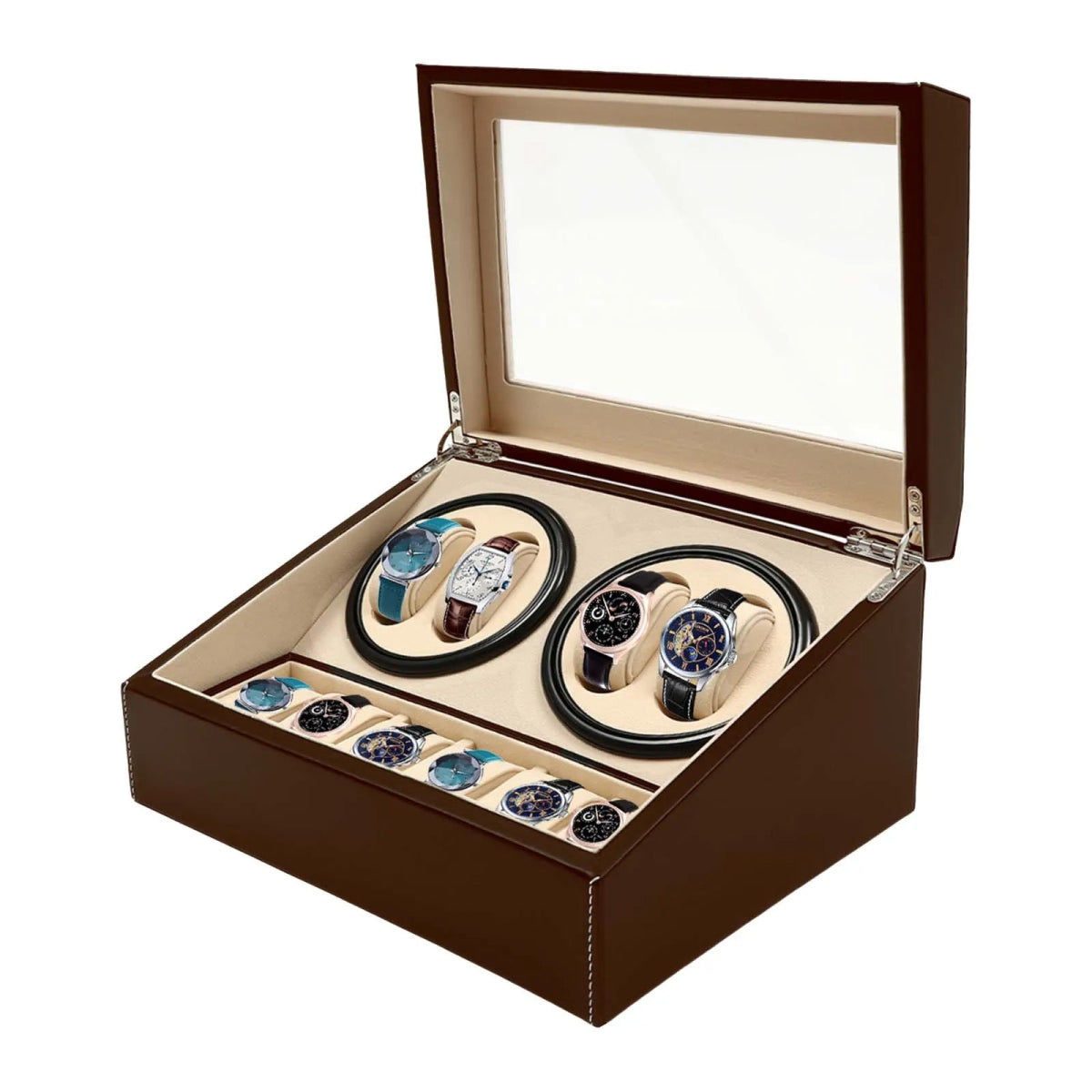
Choosing a Winder for One, Four or Twelve Watches
Count how many automatic watches you actually want to keep running simultaneously—not simply how many watches you own. A mixed collection may include manual-wind, quartz or occasional pieces that never need a winder.
| Collection Situation | Suitable Format | Priority |
|---|---|---|
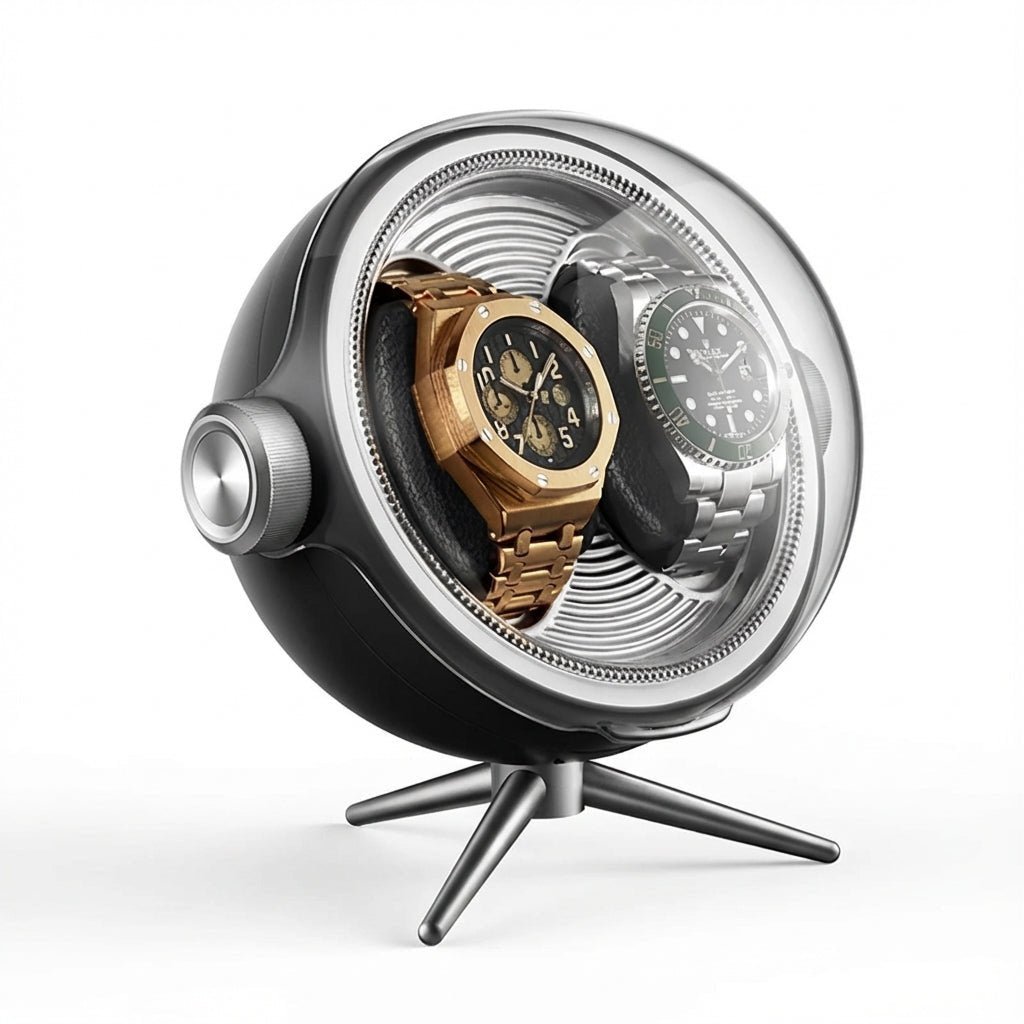
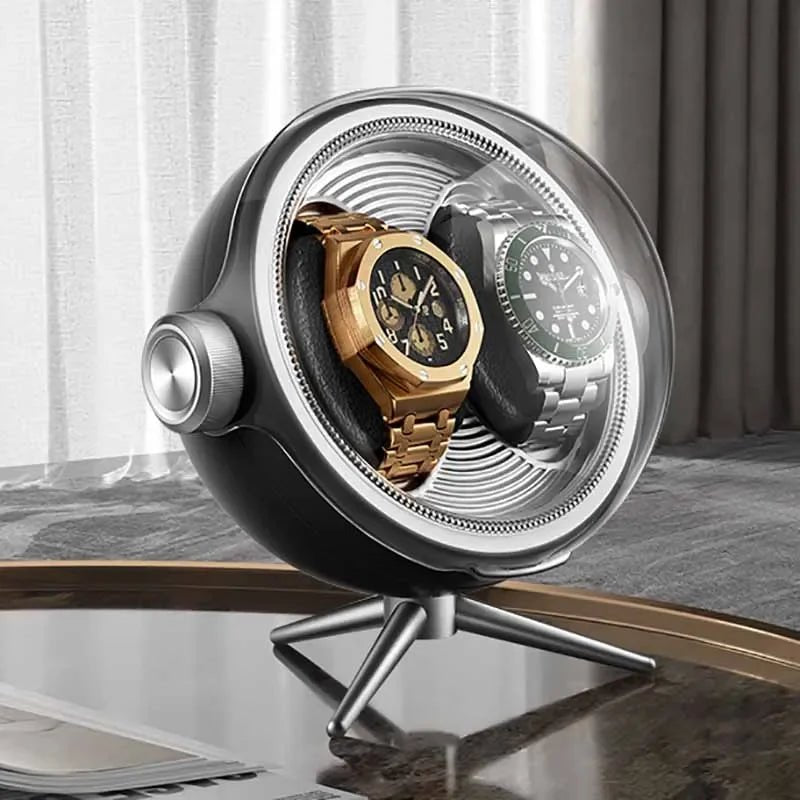
| One frequently worn automatic | Single watch winder, if needed | Correct settings, stable holder, compact footprint. |
| Two to four automatic watches | Double or quad winder | Independent control if movement requirements differ. |
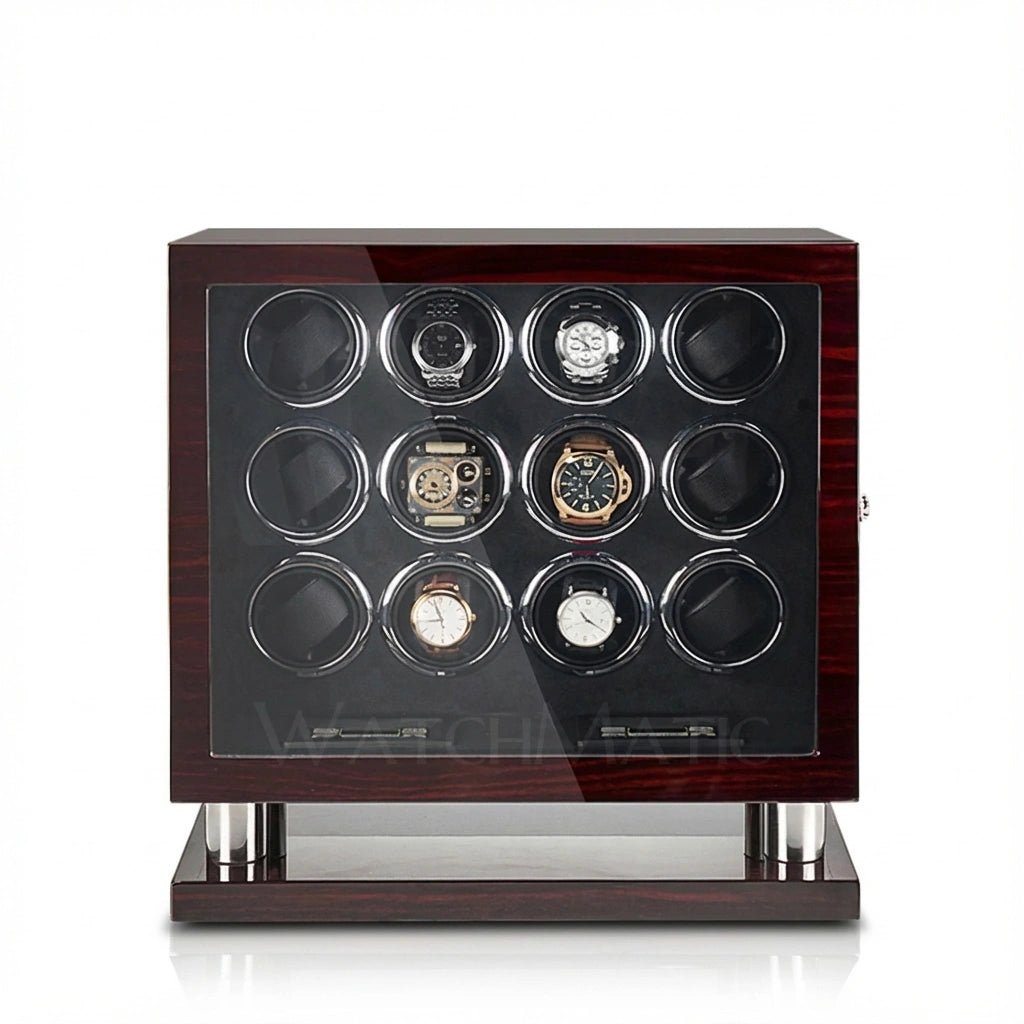
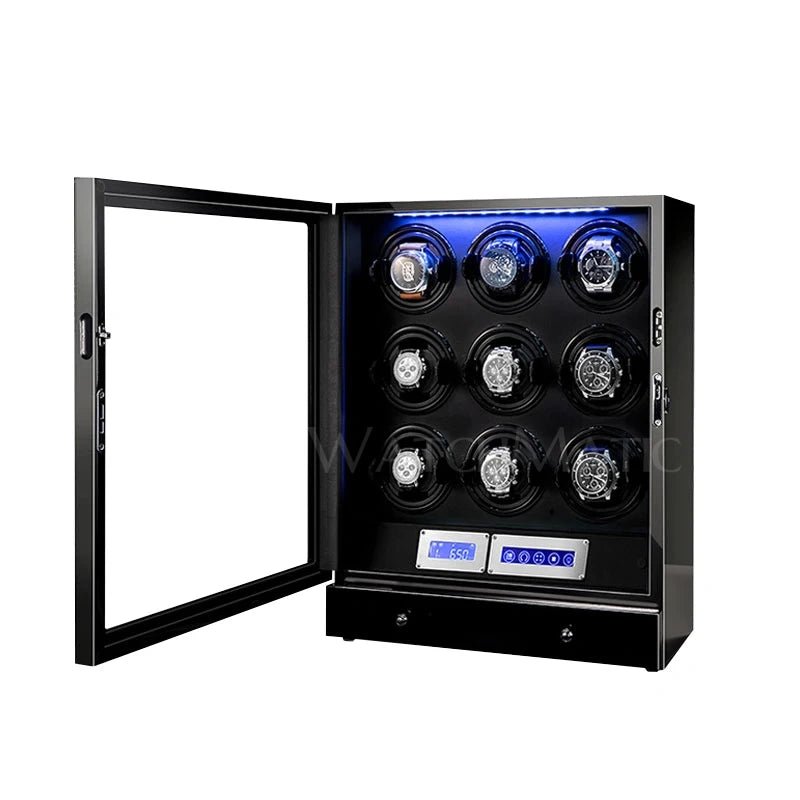
| Five to eight regularly rotated watches | Multi-watch cabinet or modular system | Accessible layout, noise, serviceability, differentiated settings. |
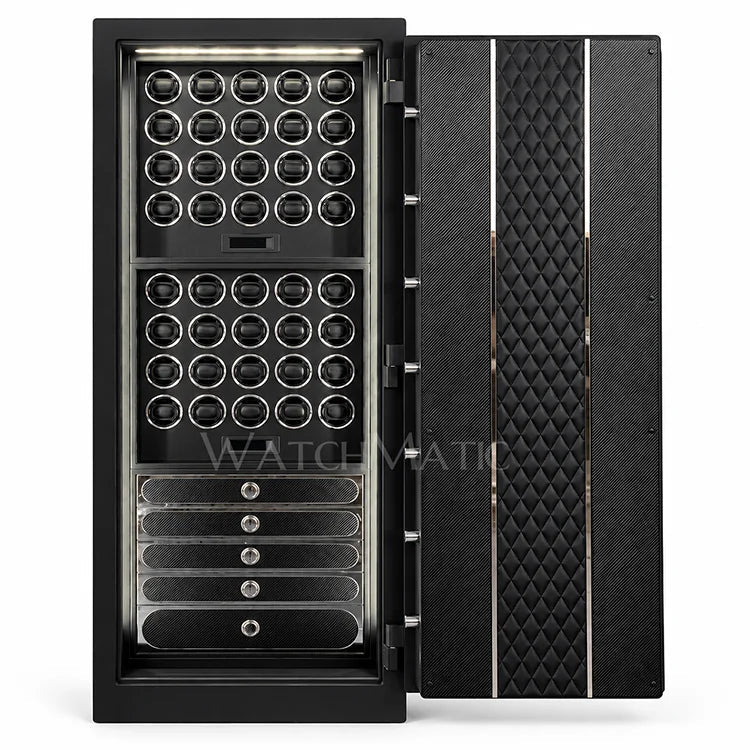
| Large mixed-brand collection | High-capacity winding cabinet | Per-position programming, watch fit, storage organization. |
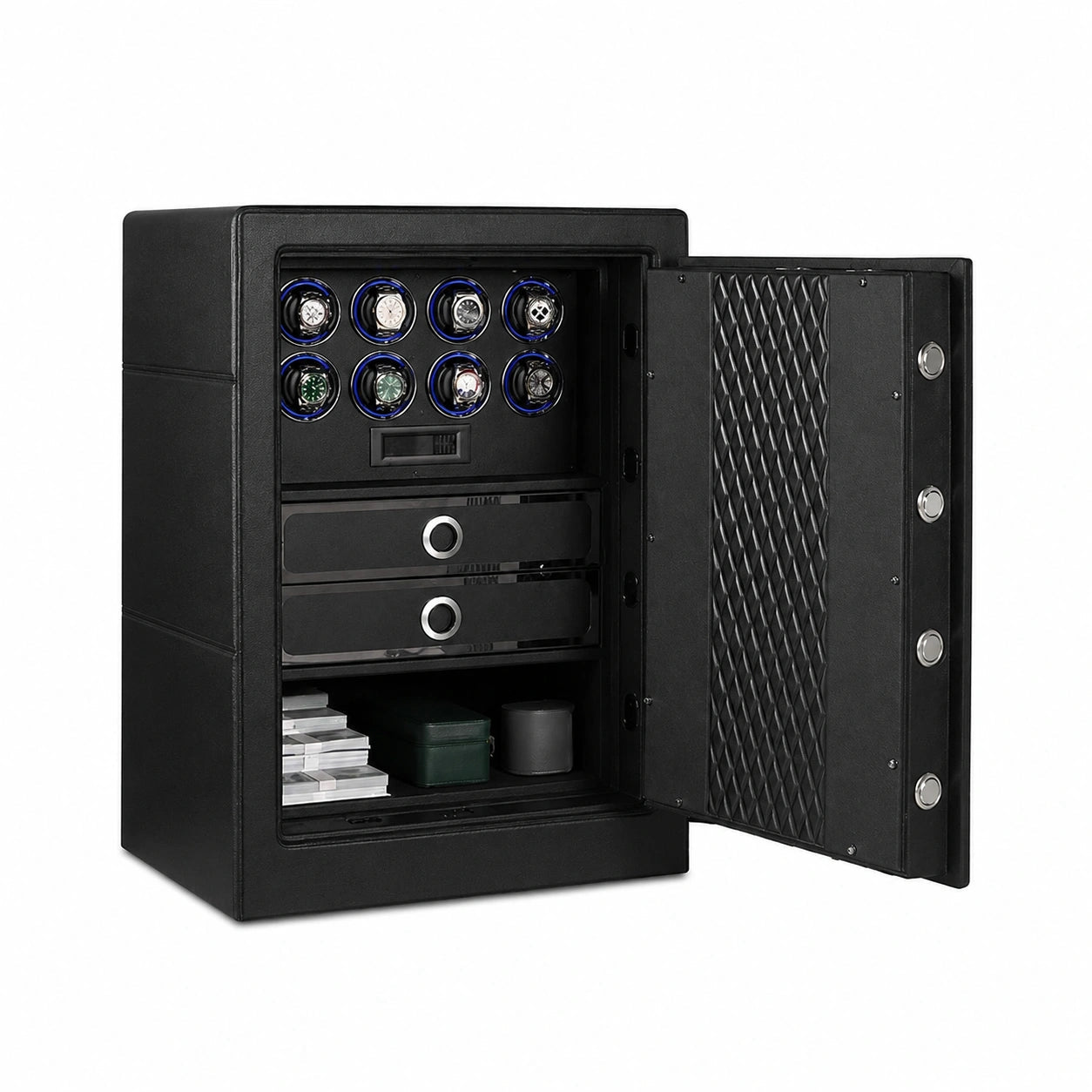
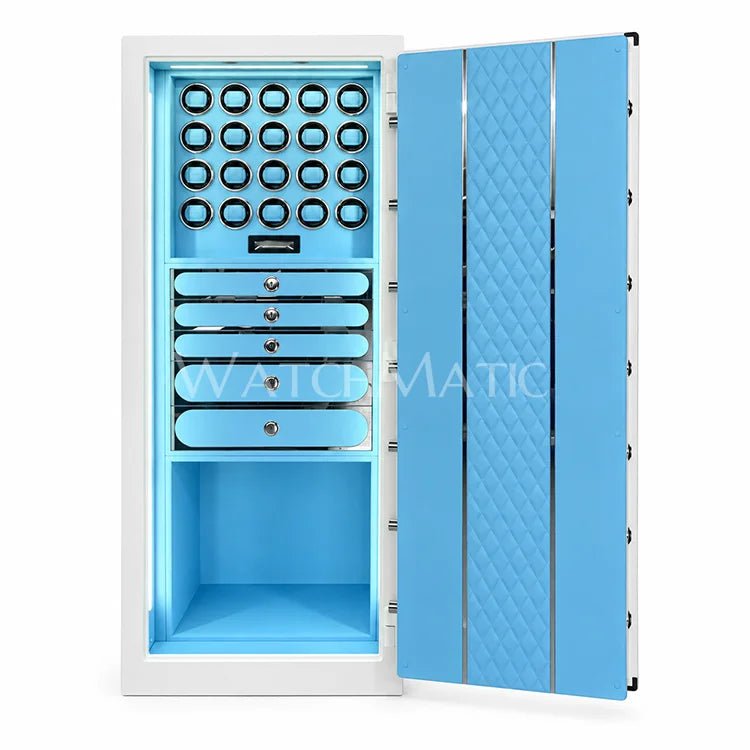
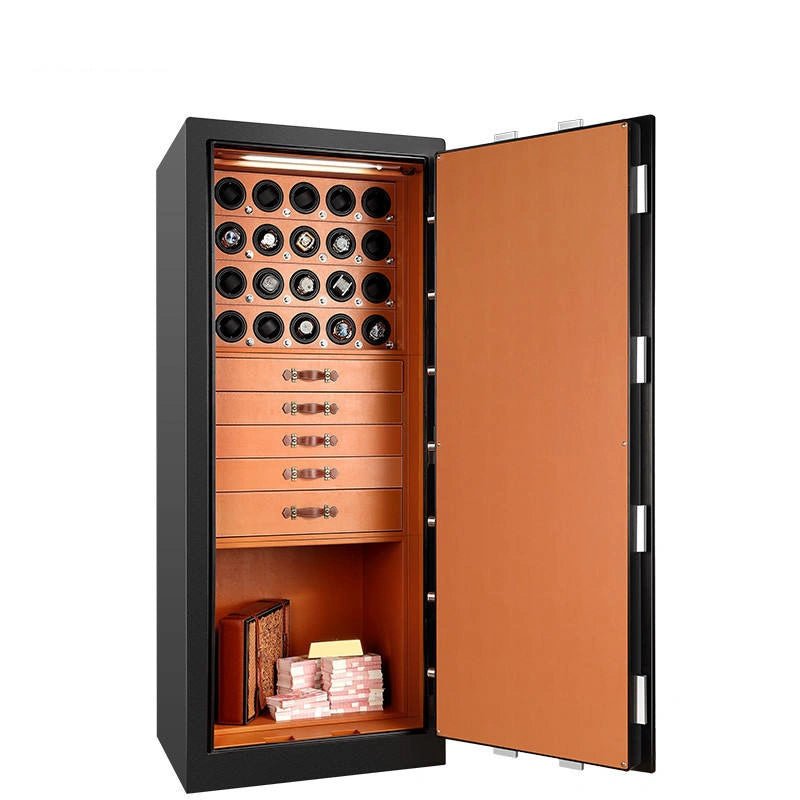
| High-value collection needing physical security | Watch winder safe, if appropriate | Assess burglary/fire specification, site access and insurance needs separately. |
A device with more slots is not automatically a better investment. Consider the location, available cabinet space, access to each watch, ambient noise and how the collection may evolve. Our guide on choosing a watch winder for a mixed collection covers this decision in more detail.
08 · Brand & Caliber Resources
Watch Winder Settings by Brand: Where to Start
Collectors often search for “Rolex watch winder settings” or “Omega TPD.” Those searches are useful starting points, but a brand is not a movement. Differences between calibers and production generations can change the applicable direction and winding requirement. Some well-known ranges include both automatic and manual-wind models.
The following brand guides help narrow the search. Always confirm the actual caliber before relying on any published TPD figure.
Two common exceptions: Many Omega Speedmaster Moonwatch references use manual-wind movements, so a conventional winder is not applicable to them. And not every watch within a luxury brand's catalog is automatic. Verify the exact model and caliber before selecting a winding program.
For general brand compatibility, read Can One Watch Winder Work for Different Watch Brands?.
09 · Mechanical Considerations
Can a Watch Winder Damage a Watch? Is 24/7 Use Safe?
For a healthy automatic movement, appropriate winding via the rotor is part of normal operation. Many automatic watches have a slipping mechanism in the mainspring assembly to manage a fully wound spring; this is why “overwinding” is not usually a concern in the same sense as it can be with certain manual movements. But that does not mean every device, setting or watch is risk-free.
Excess motion can be unnecessary, poor holders can cause physical rubbing, and a faulty motor or unsuitable environment can create practical problems. A winder also does not replace prescribed servicing, and continuously running a watch is not automatically preferable to allowing it to rest. Claims that winders are guaranteed to extend mechanical life or prevent lubricants from drying out should be treated cautiously.
| Question | Balanced Answer |
|---|---|
| Does a winder improve accuracy? | It may help keep the watch running, but timekeeping rate depends on the movement and its condition. |
| Can it overwind a modern automatic? | Automatic movements commonly incorporate mechanisms that limit mainspring tension. Follow the specific manufacturer's guidance nonetheless. |
| Should it run every day? | Daily programmed operation may be appropriate when you want the watch ready. It is not mandatory for all owners. |
| Does it prevent service needs? | No. Inspection and servicing follow the watchmaker's schedule and the watch's condition. |
| Does a winder protect against magnetism? | No. Avoid inappropriate magnetic sources; if a watch behaves unusually, seek professional assessment. |
Read Can a Watch Winder Damage an Automatic Watch? and Is It Safe to Leave a Watch Winder Running All the Time? for additional context.
10 · Storage & Security
Watch Winder vs Watch Winder Safe: Different Problems, Different Solutions
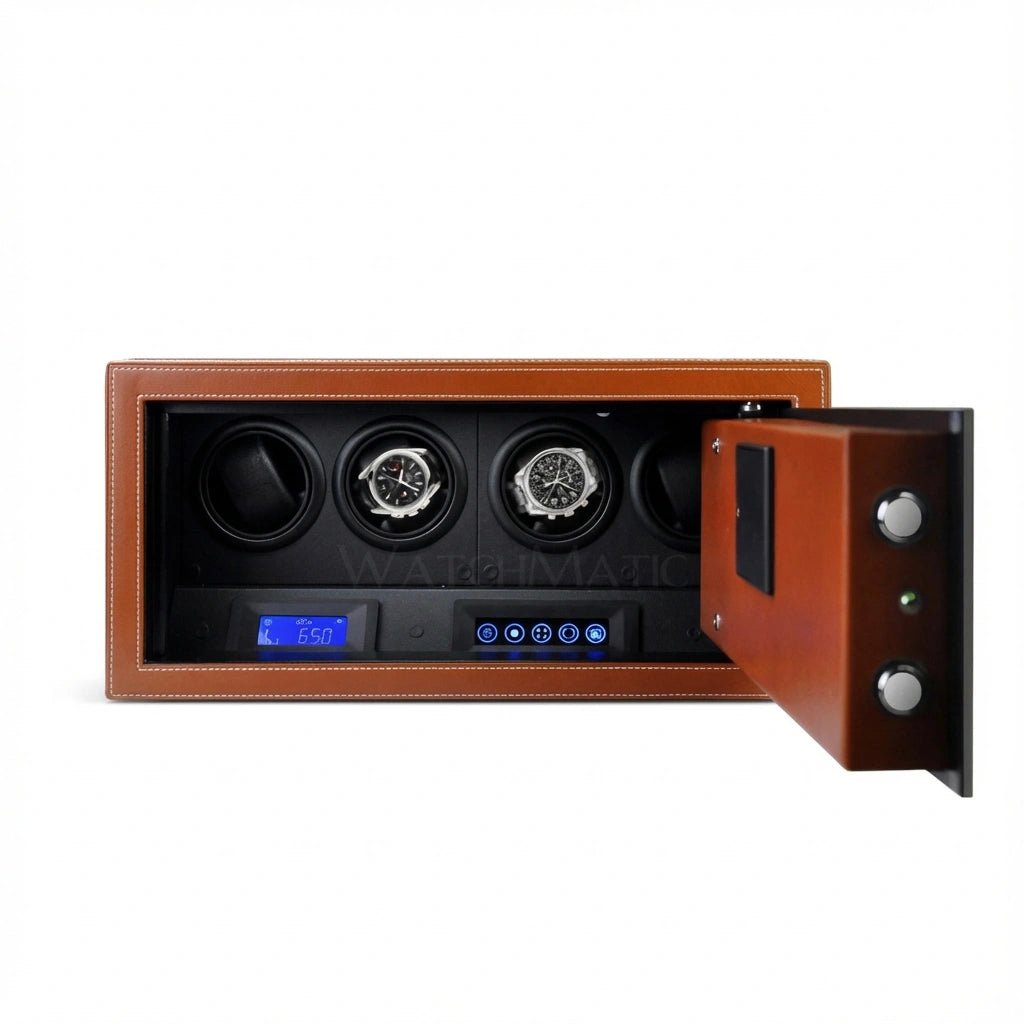
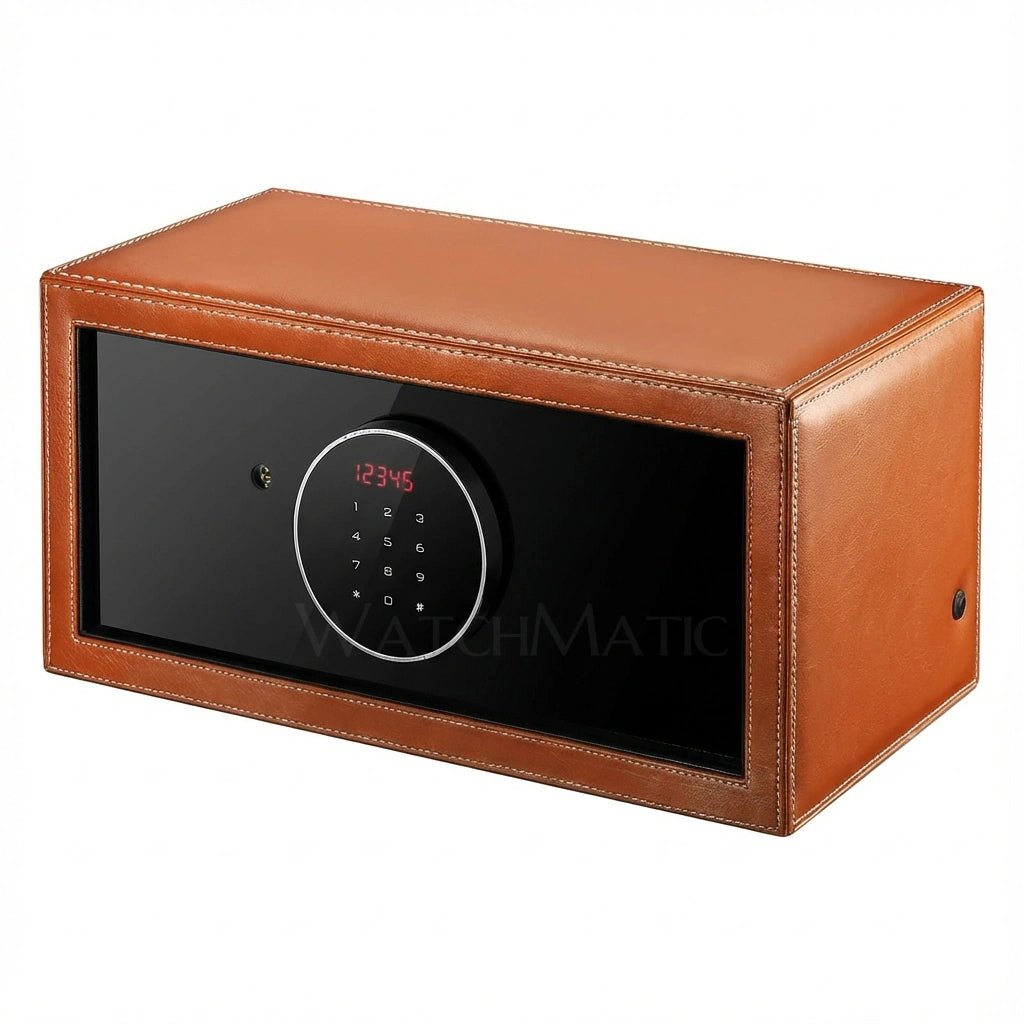
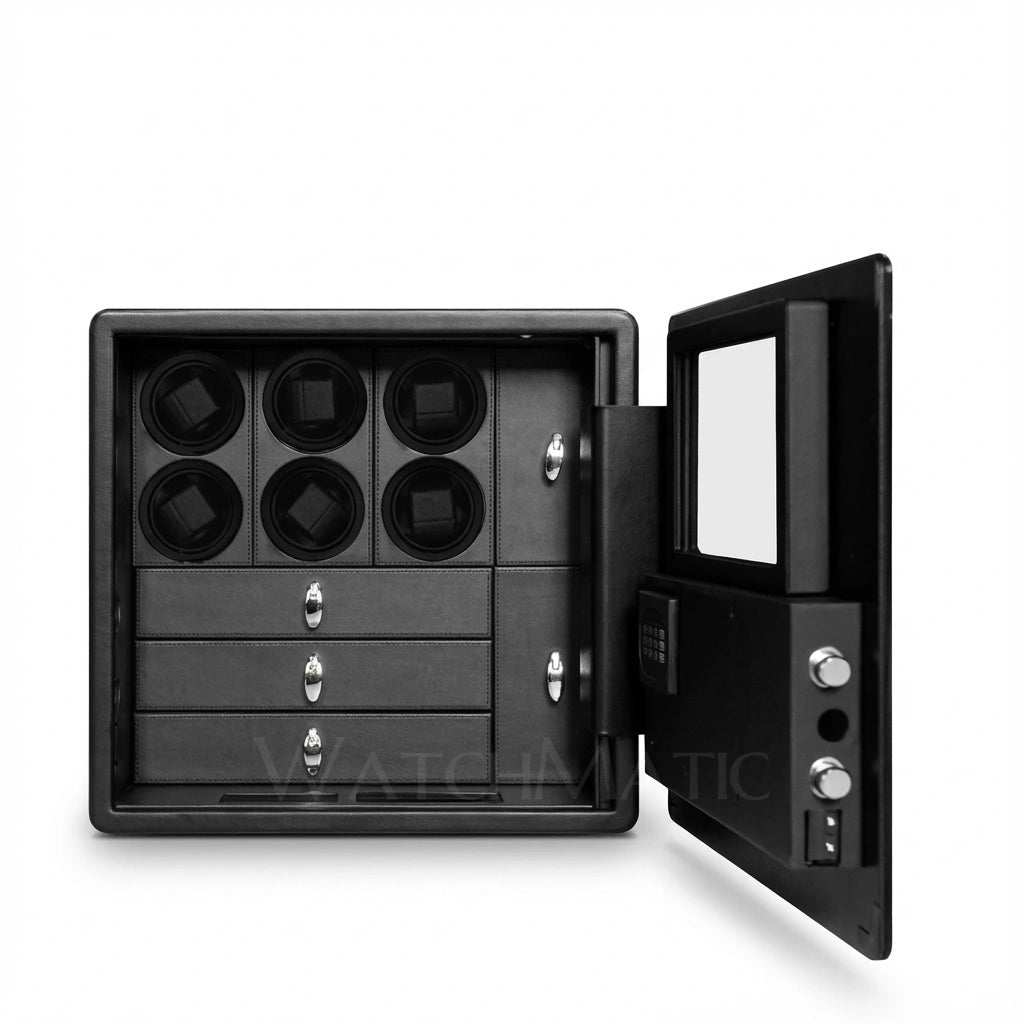
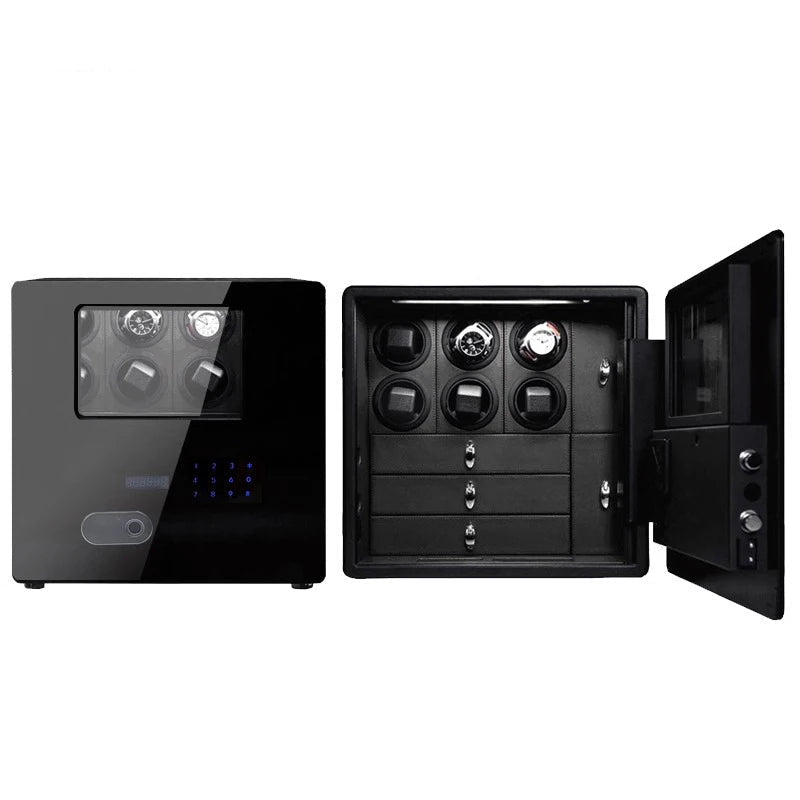
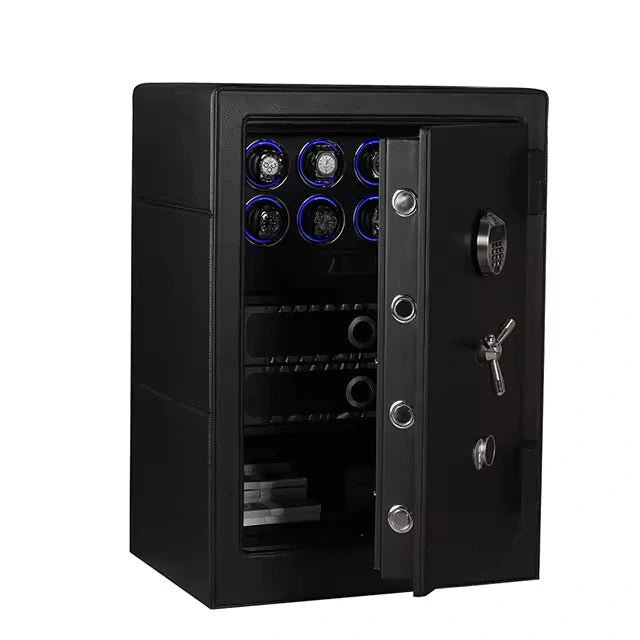
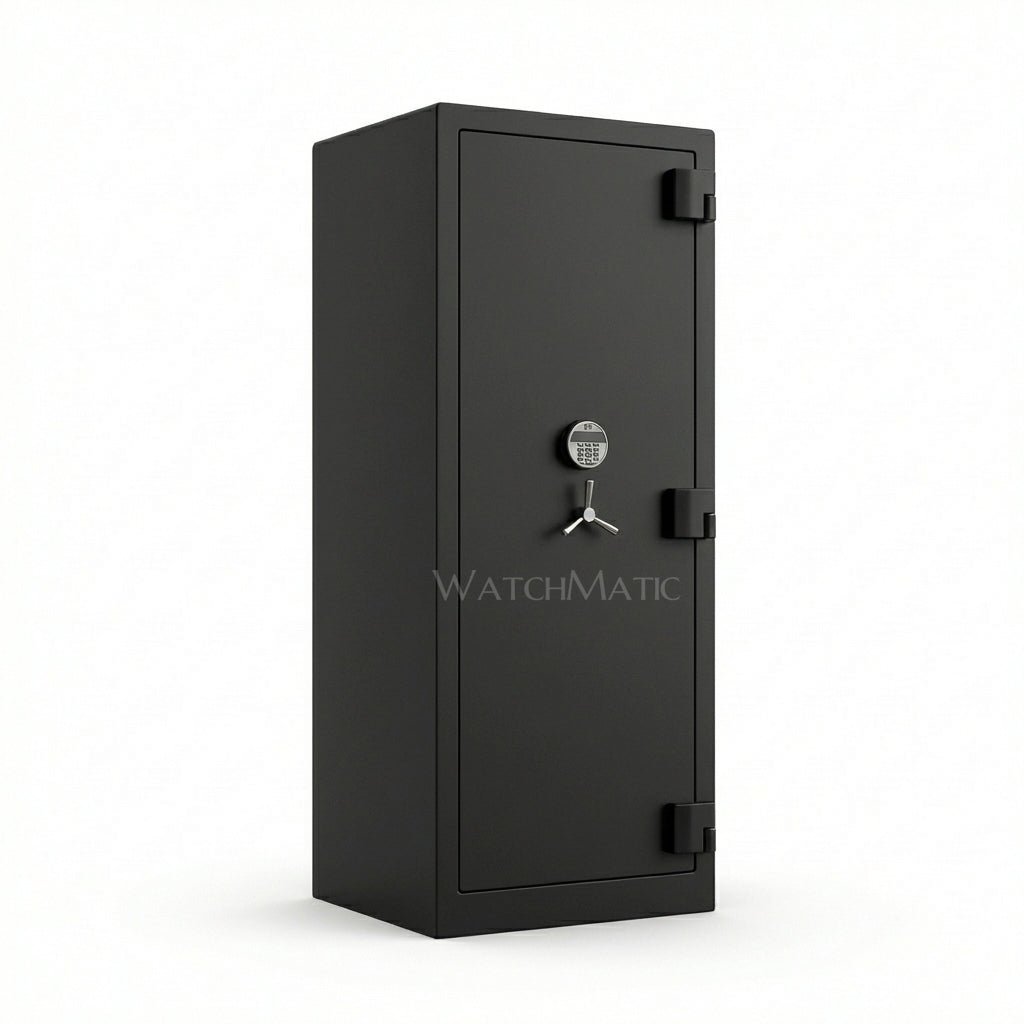
A standalone watch winder is primarily a convenience and presentation device. A watch winder safe combines automatic winding positions with a secure cabinet. The correct choice depends on whether the main requirement is keeping watches ready, providing organized storage, or meeting a defined security objective.
| Requirement | Standalone Winder | Watch Winder Safe |
|---|---|---|
| Maintain running reserve | Yes, when properly configured | Yes, for compatible integrated winders |
| Display and convenient access | Often central to the design | Depends on cabinet configuration |
| Burglary resistance | Not ordinarily a security-rated product | Depends on exact construction and independently verified classification |
| Fire protection | Generally no specified fire rating | Only if the exact model/configuration has the applicable protection |
| Installation planning | Usually simple | Weight, dimensions, anchoring and route survey may be necessary |
Security reminder: The presence of a lock, a heavy steel body or integrated winders does not establish a particular burglary or fire rating. Compare documented ratings for the exact safe. A winder safe does not replace insurance for the collection.
Learn more from Watch Winder vs Watch Winder Safe, the Watch Safe Buying Guide and the Watch Storage Guide.
11 · Troubleshooting
Why Does My Watch Stop on a Winder?
A watch stopping inside a winder is a symptom, not a diagnosis. Start with simple checks before assuming the movement or equipment is defective.
| Symptom | Possible Cause | First Check |
|---|---|---|
| Watch stops after a day | Insufficient initial winding, incorrect direction or too few effective turns | Follow manual-start procedure; verify caliber, TPD and direction. |
| Winder moves but watch loses reserve | Direction may not wind that caliber; device may count cycles differently | Review both manuals and confirm the exact movement. |
| Watch shifts inside the holder | Cushion or bracelet fit is inadequate | Use a properly sized holder; avoid overtightening the strap. |
| Unexpected motor noise | Device placement, loose component or mechanical issue | Place on stable surface and follow product service instructions. |
| Timekeeping remains inconsistent | Movement regulation, service condition or environmental factors | Compare performance off the winder; consult a watchmaker if needed. |
| Winder does not rotate | Power supply, timer/rest mode or device fault | Check approved power input, on/off status and programmed rest period. |
If the watch is newly serviced, has unusual sound or cannot maintain its reserve even while worn, seek the watchmaker's advice rather than increasing TPD indefinitely. Where a device is at fault, refer to its warranty and service support.
12 · Buyer Checklist
The WatchMatic Watch Winder Buying Checklist
Before choosing a winder, complete these eight practical checks. They combine compatibility, fit and ownership considerations without relying on a product's appearance alone.
- Identify every movement. Separate automatic, manual-wind, quartz and other types.
- Document settings. Record caliber, recommended direction, TPD and any maker-specific limitations.
- Count active winding positions. Include only watches you want running between wears.
- Verify independent controls. Mixed movements may need individual programs.
- Measure case and bracelet fit. Check holder size, clearance, large case thickness and gentle cushion compression.
- Check the location. Consider noise, available power, ventilation, humidity and direct sunlight.
- Plan for service. Review motor, electronics, warranty exclusions and support arrangements.
- Separate display from security. If theft or fire protection matters, assess an appropriately specified safe rather than assuming the winder provides it.
For a more detailed comparison, explore what makes a good watch winder and how collectors choose a suitable winder.
13 · Frequently Asked Questions
Watch Winder FAQs
What is a watch winder?
A watch winder is a device that moves a compatible automatic mechanical watch to operate its rotor winding system when it is not worn. Its main purpose is to maintain running reserve and readiness.
Do automatic watches need a watch winder?
No. Many owners wear their watches regularly or simply restart them after they stop. A winder is a convenience for certain use patterns, especially rotating collections and complex automatic calendars.
What TPD should I use for my watch?
Check your exact movement or caliber, not only the watch brand. Then verify the correct direction and the winder's turn-counting convention. The Watch TPD Guide provides a detailed reference and setup method.
Is bidirectional rotation always the best setting?
No. Some movements wind in only one effective direction, while others accept both. Choose the mode appropriate for your particular movement.
Will a watch winder overwind an automatic watch?
Many automatic movements contain a mainspring slipping mechanism that limits excess tension when fully wound. Nevertheless, unnecessary cycling offers no assured benefit, and maker-specific guidance takes priority.
Can I place a stopped watch directly in a winder?
You can place it there, but a winder may not promptly restore adequate reserve from a fully stopped state. Follow the watchmaker's initial-winding and setting instructions first.
Can I use a winder for a quartz or manual-wind watch?
A conventional rotor-based watch winder is not useful for quartz or manual-wind-only movements. Solar watches also generally do not use a mechanical winder.
Is it safe to leave a winder switched on every day?
Many properly configured winders are designed for continuous availability with periodic rest cycles, but daily use is optional. Check the equipment's instructions, your watch's needs and the device's operating condition.
Is a more expensive watch winder always better?
No. The important criteria are compatibility, reliable motor performance, holder fit, suitable control, build quality, warranty support and the environment where it will be used.
Should I buy a watch winder safe instead?
Consider one when you want integrated winding and a defined degree of physical security. Verify the exact model's documented protection, weight and installation requirements. Start with the Watch Safe Guide.
Continue Learning: WatchMatic Guide Cluster
Choose a Winder That Suits Your Collection
Match the winding program to each automatic movement, then choose the format, watch holder and design that fit your routine. WatchMatic's collection below presents available winding solutions; select models by their actual specifications rather than by appearance alone.
Explore Watch Winders