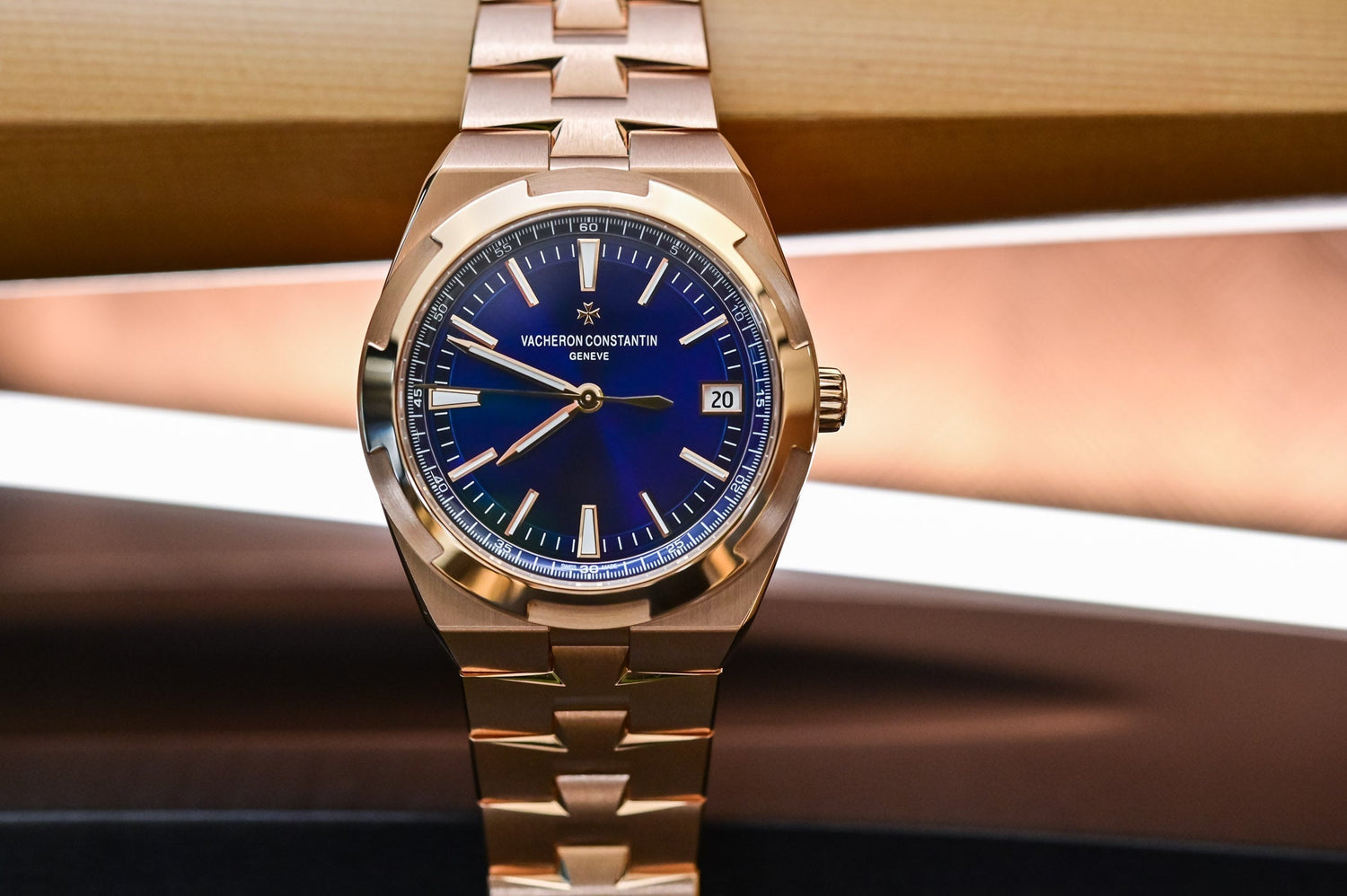
A Vacheron Constantin timepiece represents one of the oldest continuous traditions in watchmaking — where precision is achieved not through force, but through refinement and mechanical balance.
Unlike more industrial movement designs, Vacheron Constantin calibers are crafted with:
- Fine tolerances
- Hand-finished components
- Emphasis on smooth, controlled energy delivery
When not worn regularly, maintaining that balance depends on how the movement is wound — and more specifically, on Turns Per Day (TPD).
Understanding the correct TPD setting is essential for:
- Preserving long-term movement integrity
- Maintaining stable amplitude
- Protecting delicate mechanical components
Understanding TPD in Vacheron Constantin Movements
TPD (Turns Per Day) refers to how many rotations a watch winder performs over a 24-hour cycle.
Vacheron Constantin movements are typically designed with:
- Refined rotor systems
- Slim movement profiles
- Controlled winding efficiency rather than aggressive energy intake
Compared to robust systems like Rolex, these movements require more conservative winding.
Compared to similarly refined brands such as Patek Philippe, they follow a comparable philosophy of precision through restraint.
For a broader understanding across brands, refer to our Watch TPD Guide.
Recommended Vacheron Constantin TPD Settings (Expert Baseline)
For most modern Vacheron Constantin automatic watches:
- TPD: 600 – 750
- Rotation: Bi-directional
Starting at the lower end (~600 TPD) is often ideal.
This ensures:
- Sufficient winding without over-rotation
- Reduced long-term mechanical stress
- Stable and consistent performance
Vacheron Constantin TPD by Model
Overseas
- Movement: Caliber 5100 / 5200
- Power Reserve: ~60 hours
- TPD: 600 – 700
- Direction: Bi-directional
The Overseas blends sport functionality with refined movement architecture, benefiting from controlled and moderate winding.
Patrimony
- Movement: Ultra-thin calibers
- Power Reserve: ~40–65 hours
- TPD: 600 – 650
- Direction: Bi-directional
Ultra-thin movements require:
- Lower TPD
- Greater emphasis on stability rather than frequency
Complications (Calendar, Tourbillon)
- TPD: ~600
- Direction: Bi-directional
For highly complicated watches:
- Conservative TPD is critical
- Excess rotation offers no benefit and may increase wear
CW, CCW, or Bi-Directional — What’s Optimal?
Vacheron Constantin automatic movements are designed to wind efficiently in both directions.
Recommended:
- Bi-directional rotation
This provides:
- Even rotor engagement
- Smooth energy distribution
- Reduced mechanical imbalance
What Happens If TPD Is Incorrect?
If TPD Is Too Low:
- Insufficient winding
- Reduced amplitude
- Potential time deviation
If TPD Is Too High:
- Unnecessary rotor activity
- Increased mechanical wear
- No improvement in accuracy
For haute horlogerie, more rotation does not equal better performance.
How to Set a Watch Winder for Vacheron Constantin
To maintain optimal performance:
- Set TPD between 600–750
- Use bi-directional rotation
- Avoid continuous high-frequency programs
For deeper configuration guidance, refer to our watch winder guide.
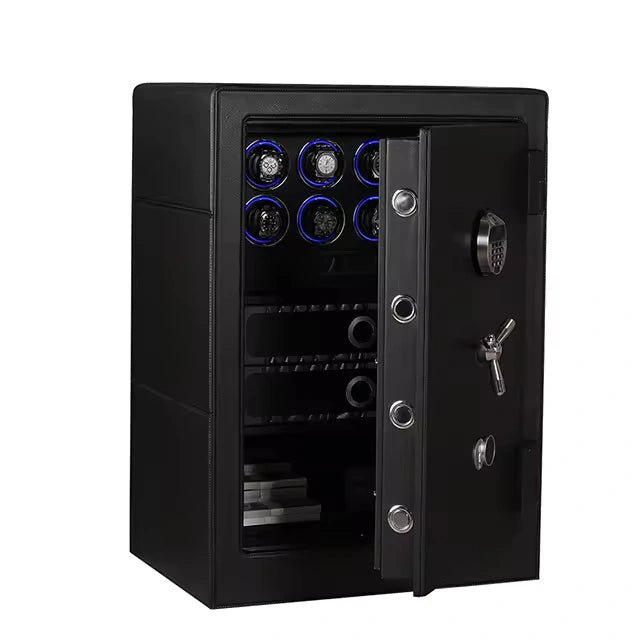
Choosing the Right Watch Winder for Vacheron Constantin
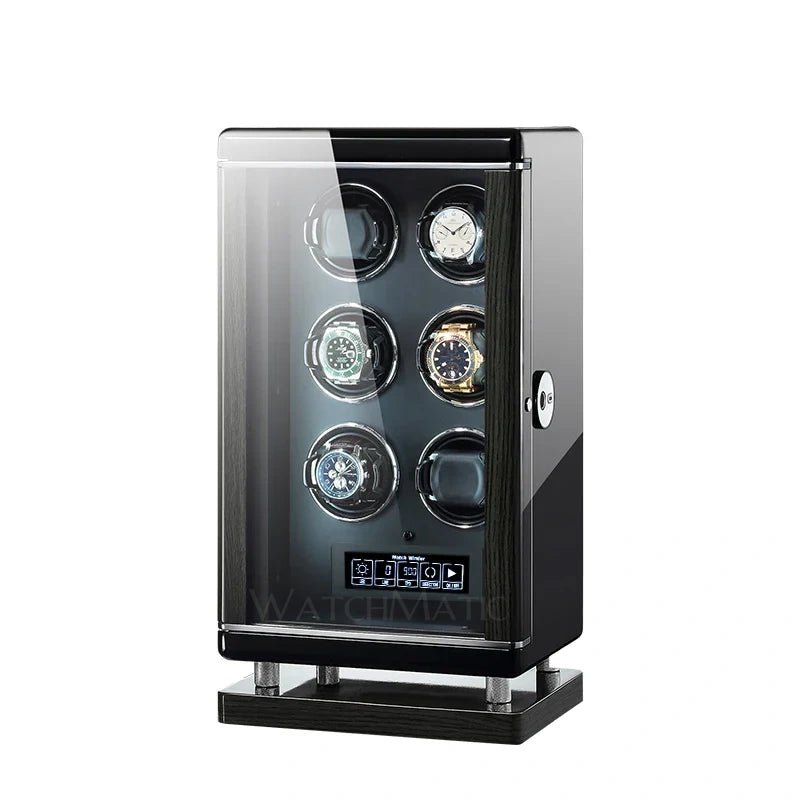
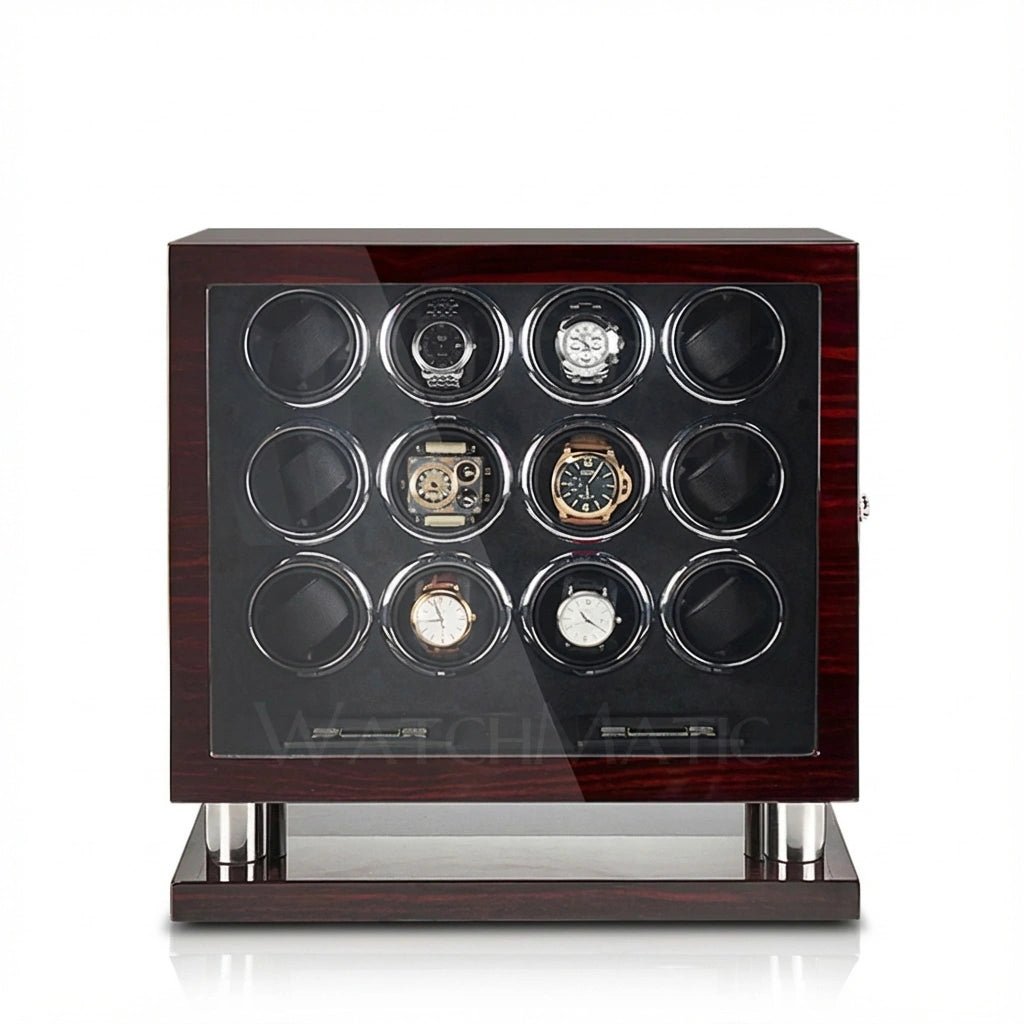
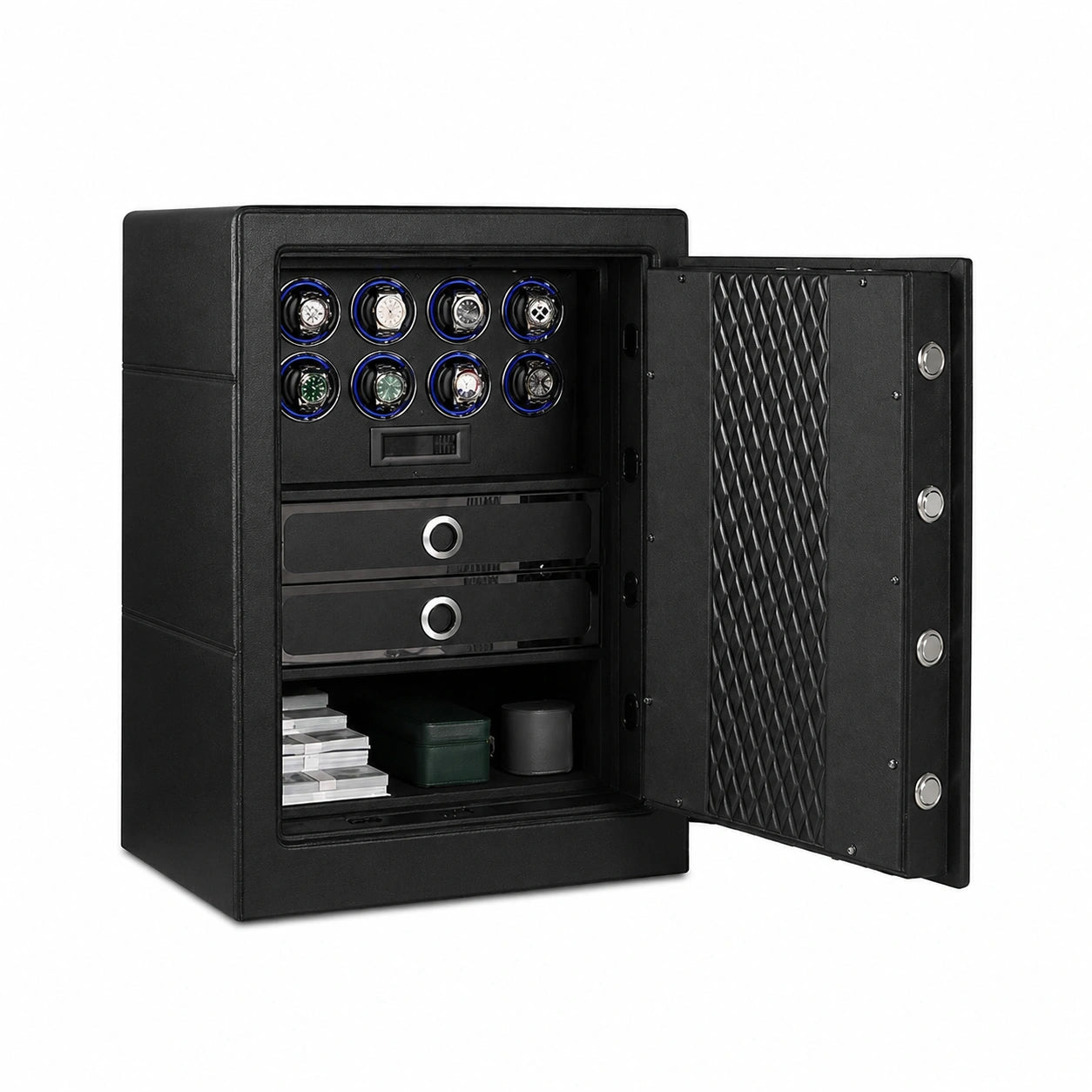
Because of the refined nature of these movements, the quality of the watch winder is just as important as the TPD setting.
A suitable watch winder should provide:
- Fine-adjustable TPD settings
- Smooth, low-vibration rotation
- Consistent and controlled motion
Precision and stability are more important than speed.
Because of the refined nature of Vacheron Constantin movements, the quality of the watch winder is just as important as the TPD setting.
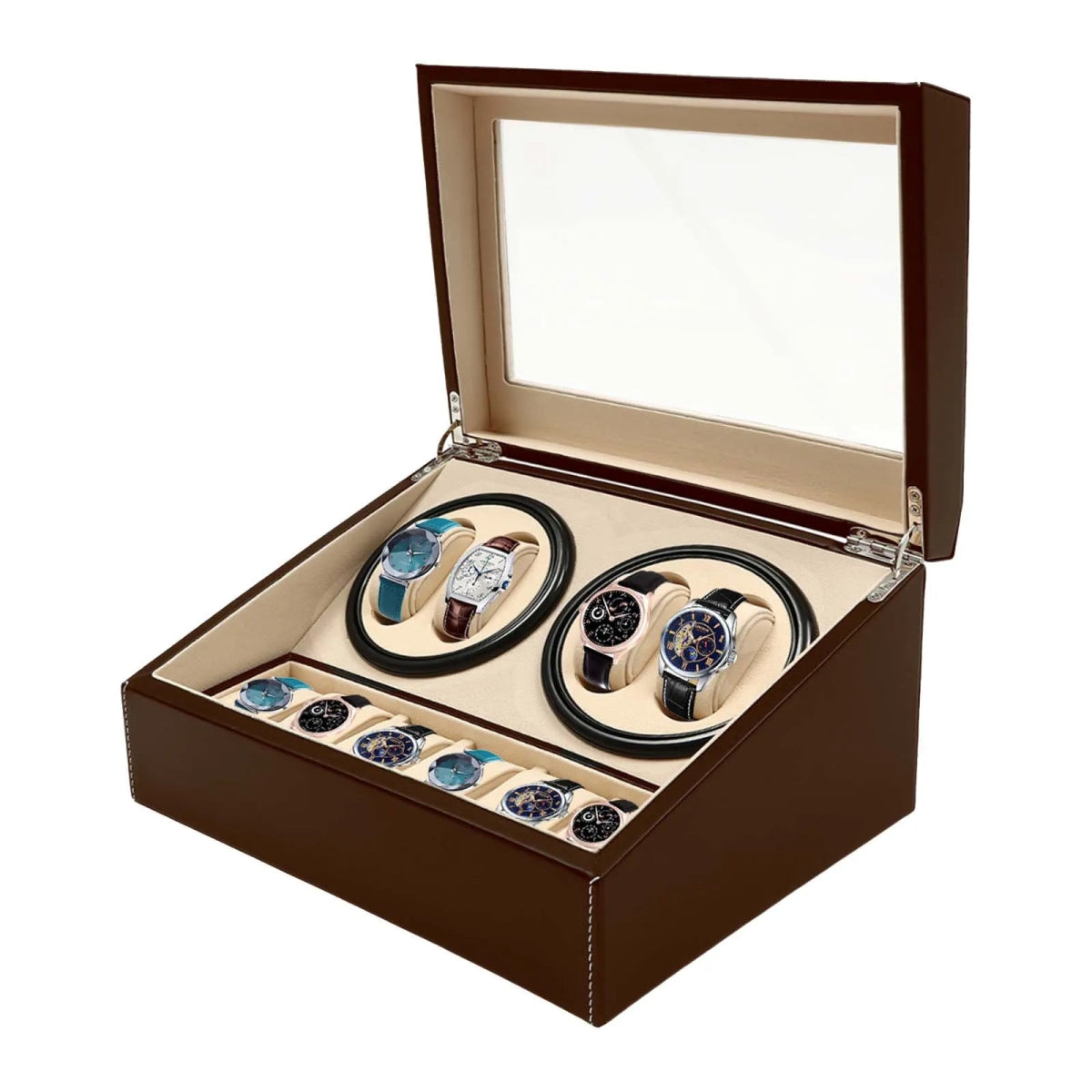
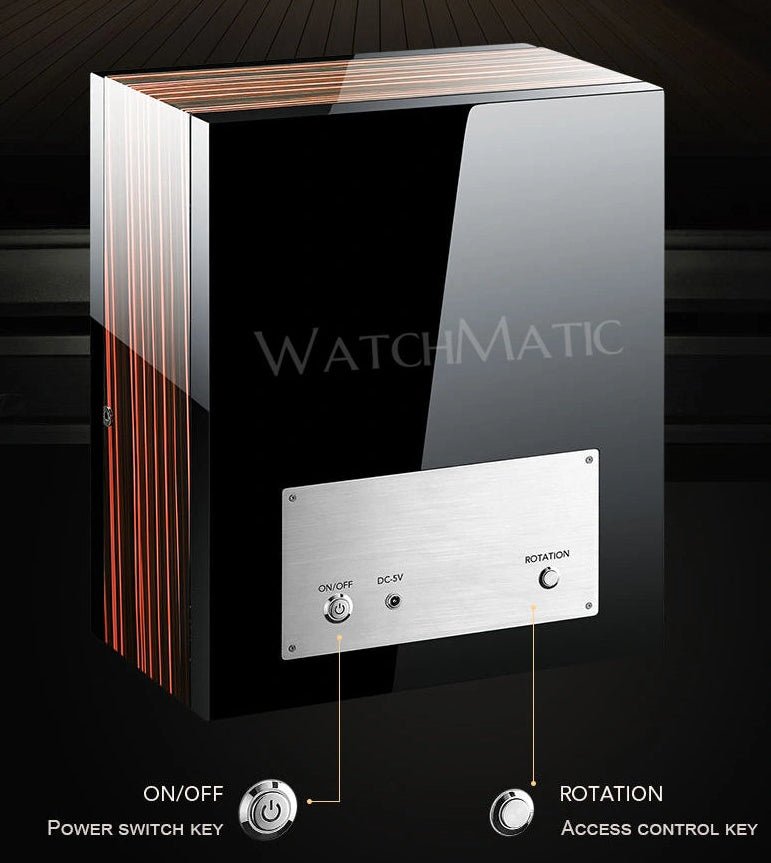
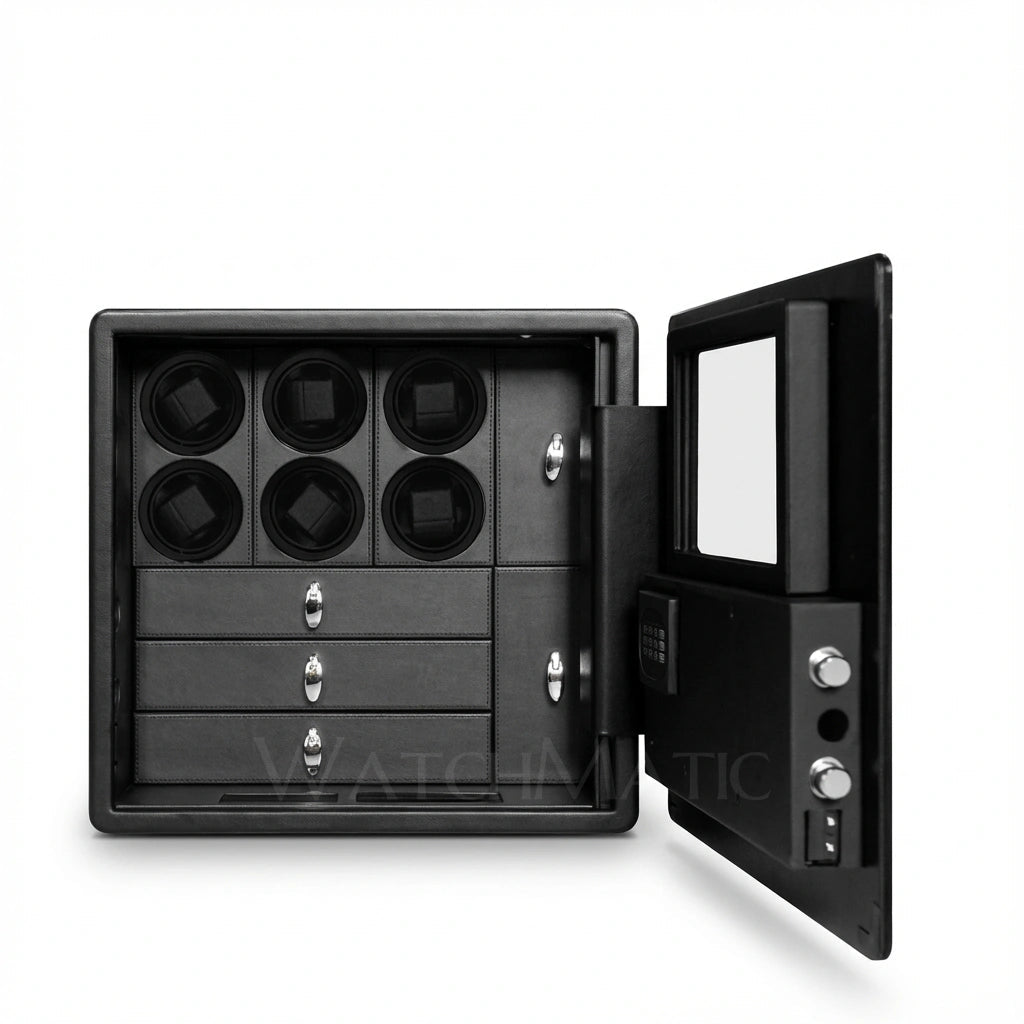
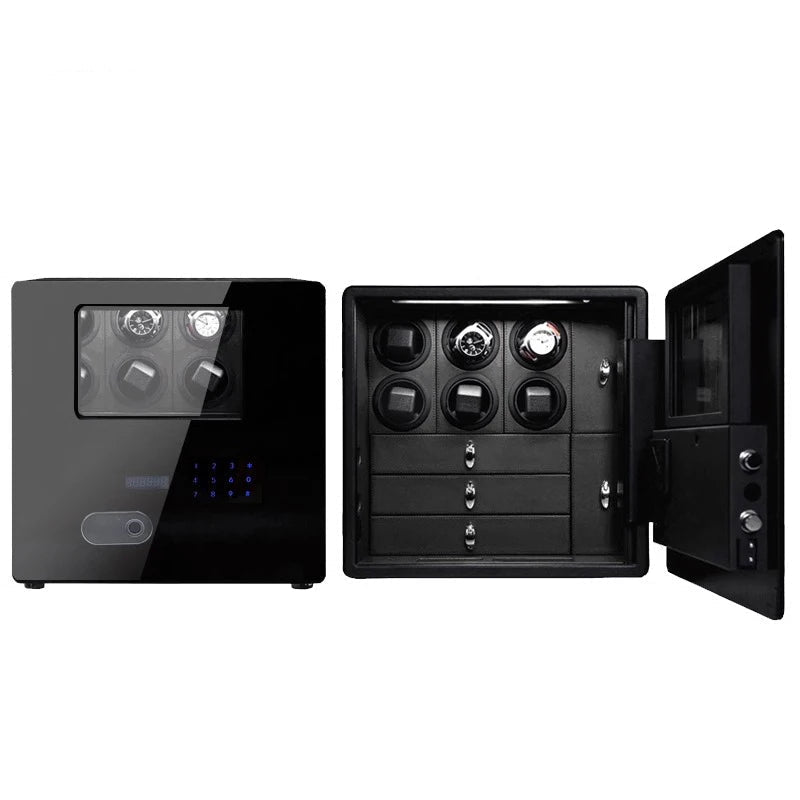
A suitable watch winder should provide precise control, smooth rotation, and long-term reliability. You can explore our watch winder collection to find models designed for high-end mechanical timepieces.
Do All Vacheron Constantin Watches Require the Same TPD?
No.
Variations depend on:
- Movement thickness
- Complication level
- Rotor efficiency
However, most models operate within a narrow and conservative TPD range, making careful calibration more important than aggressive winding.
The Role of a Watch Winder in Vacheron Constantin Ownership
For collectors, a watch winder becomes:
- A mechanical preservation tool
- A way to maintain complex complications
- A controlled system for consistent motion
Especially valuable for:
- Calendar watches
- Tourbillons
- Multi-watch collections
Final Thoughts
Vacheron Constantin represents one of the purest expressions of traditional watchmaking.
Maintaining that level of refinement requires:
- Controlled winding
- Conservative TPD settings
- Long-term mechanical awareness
In haute horlogerie, true precision is not driven by intensity — but by discipline and restraint.