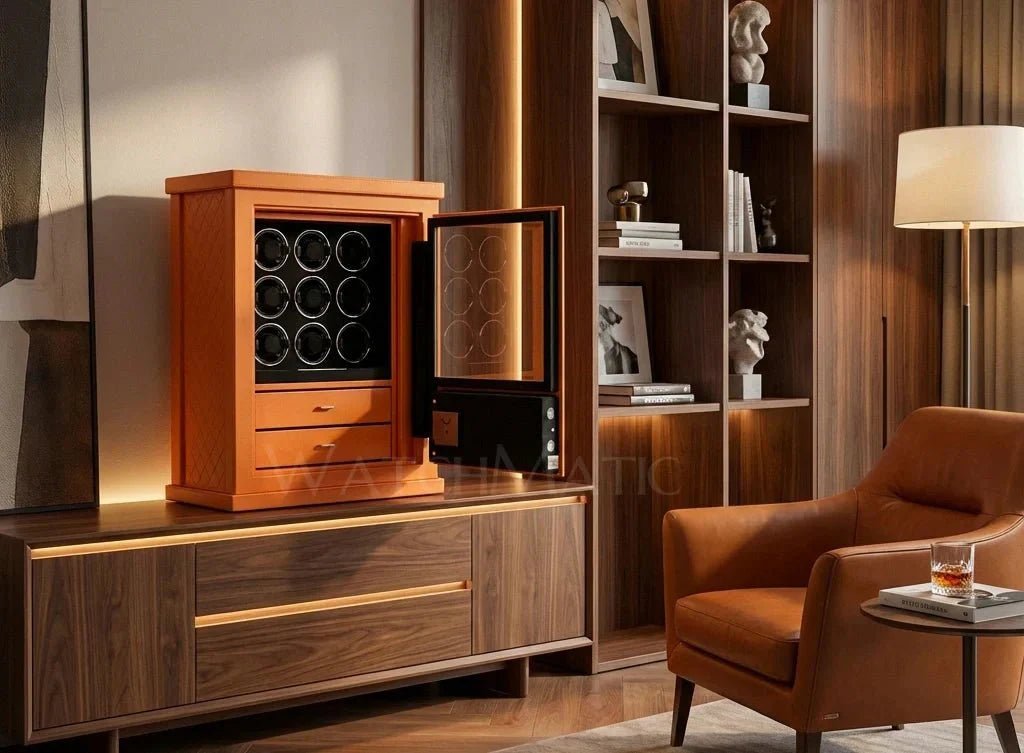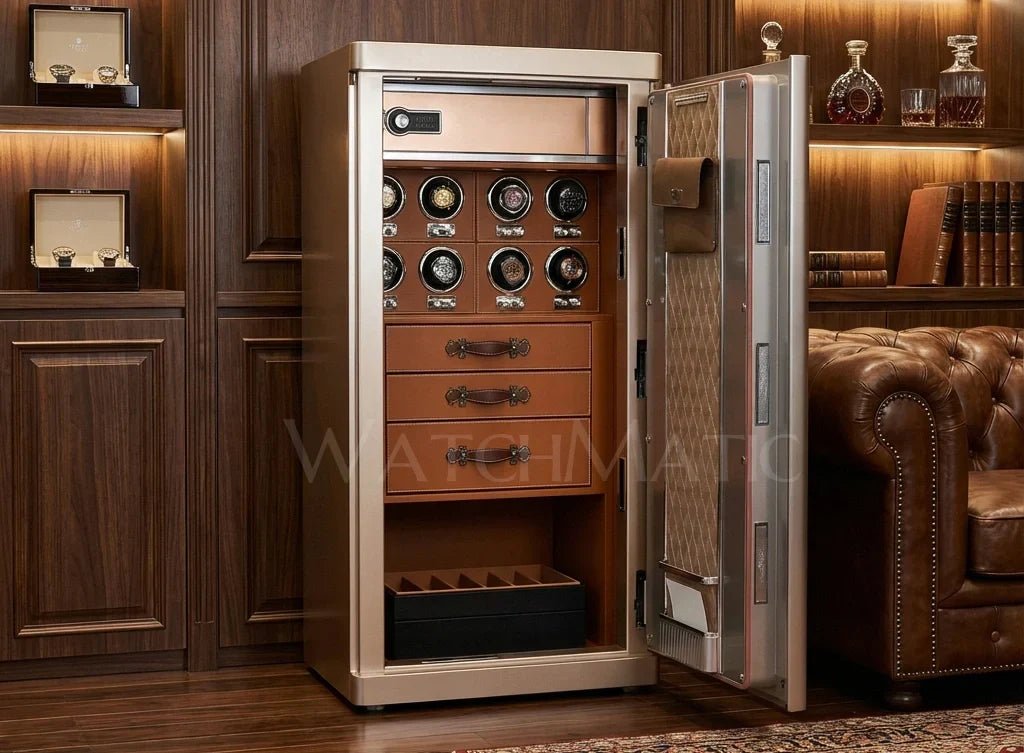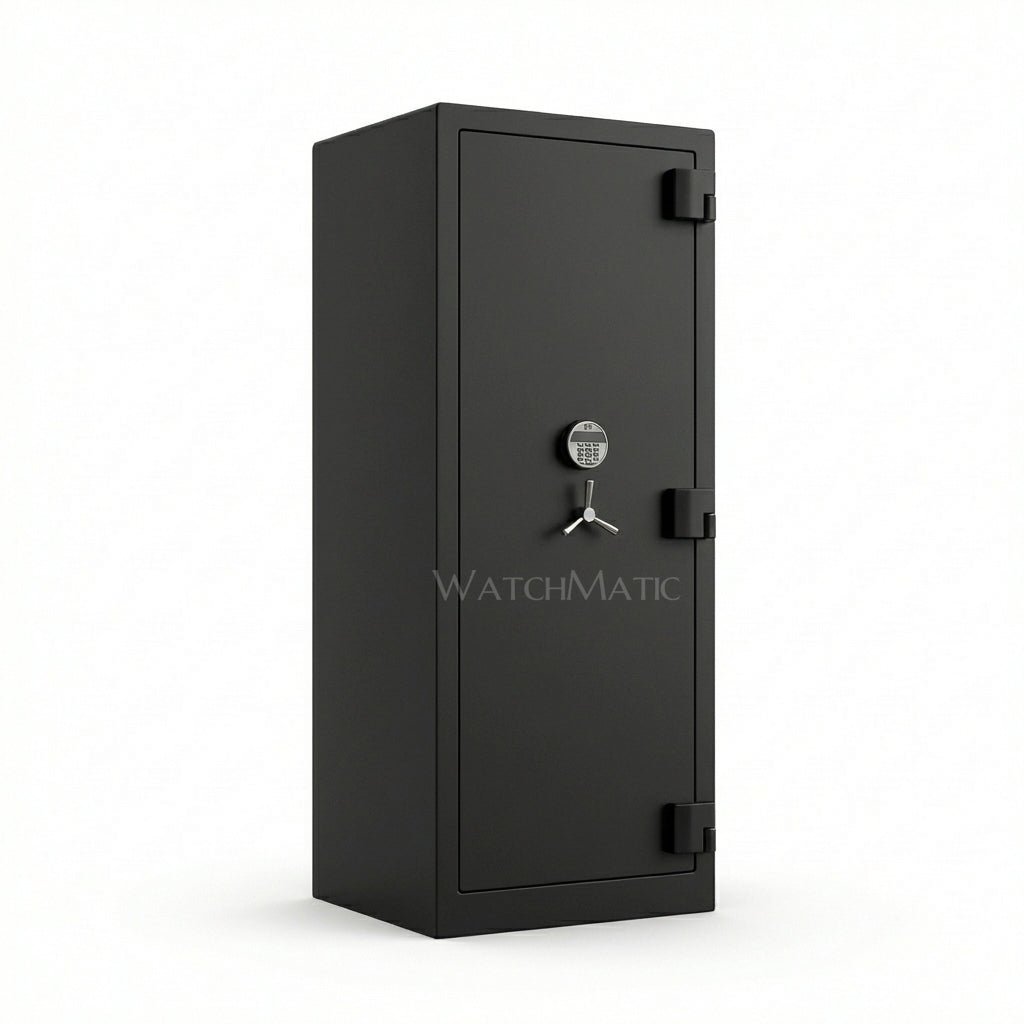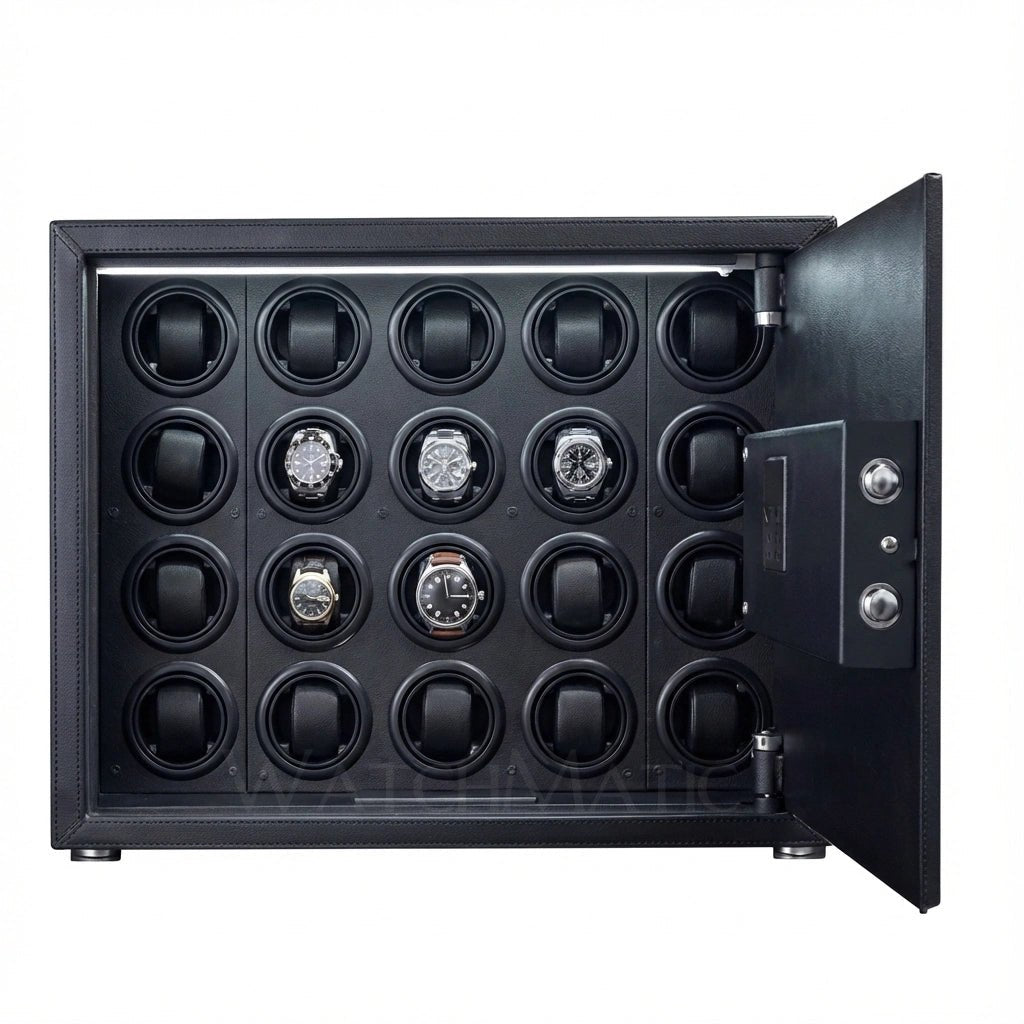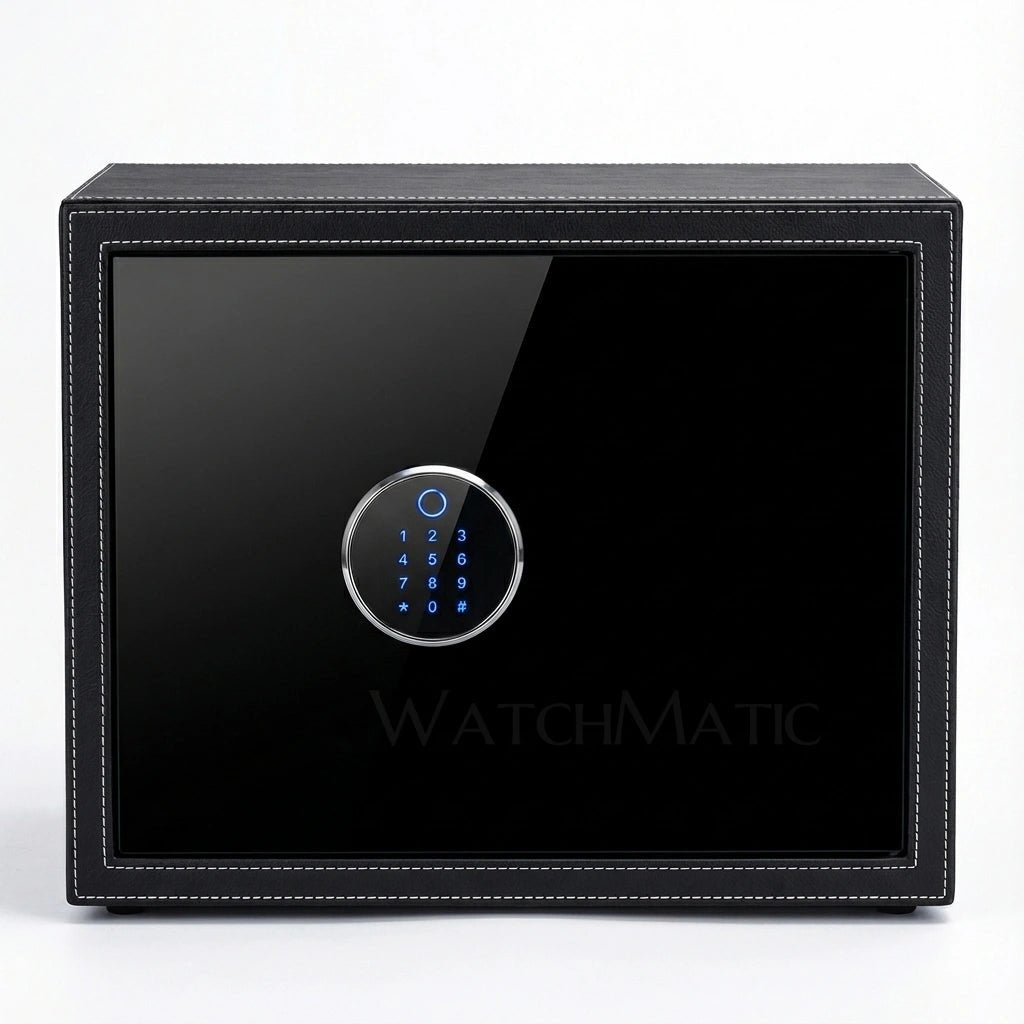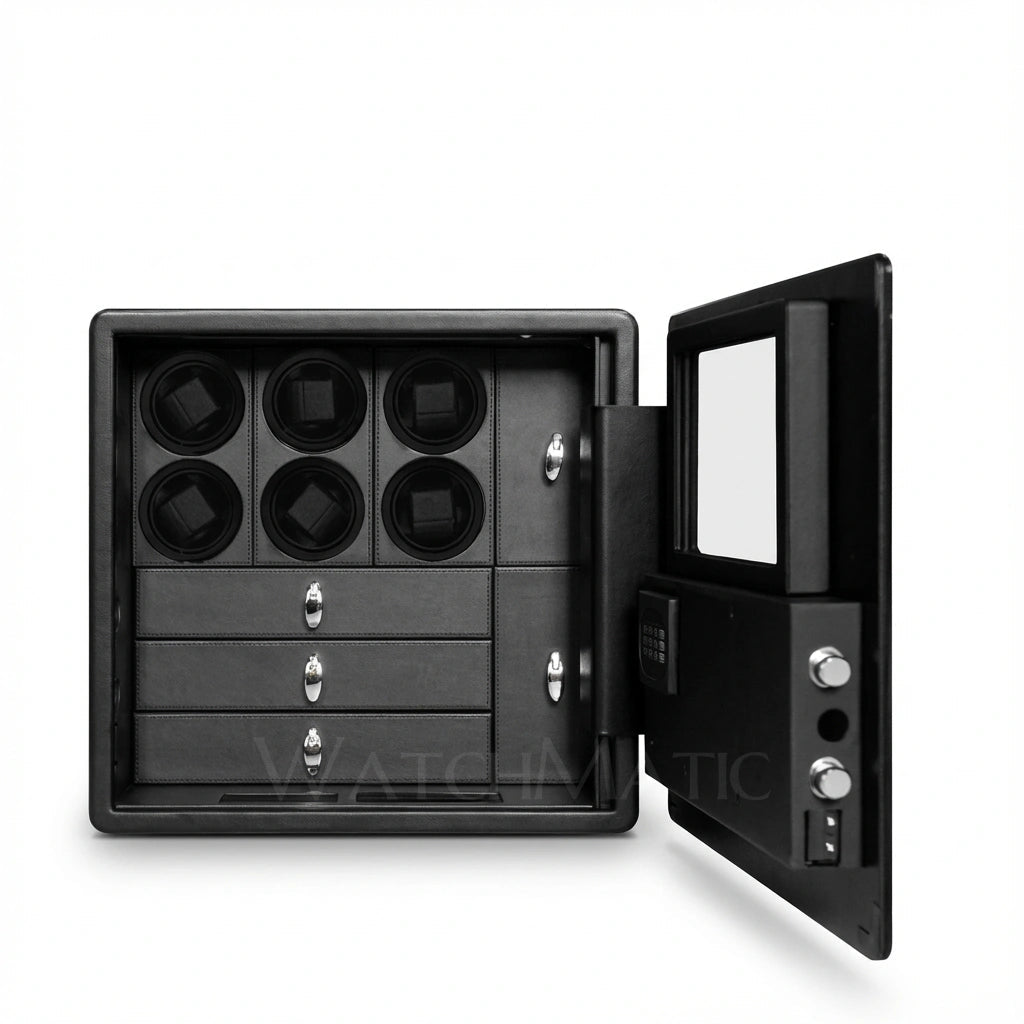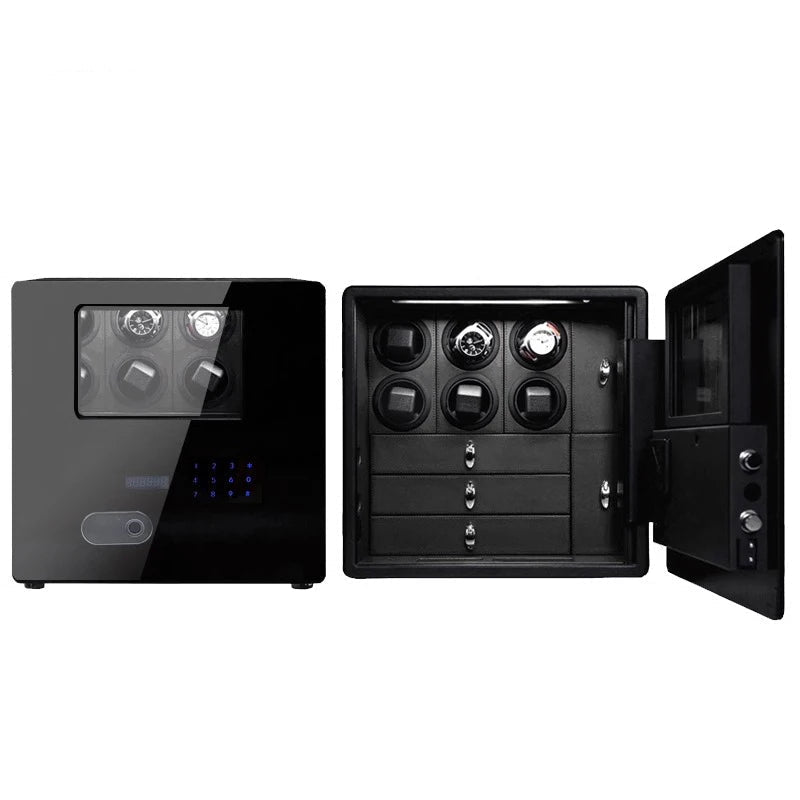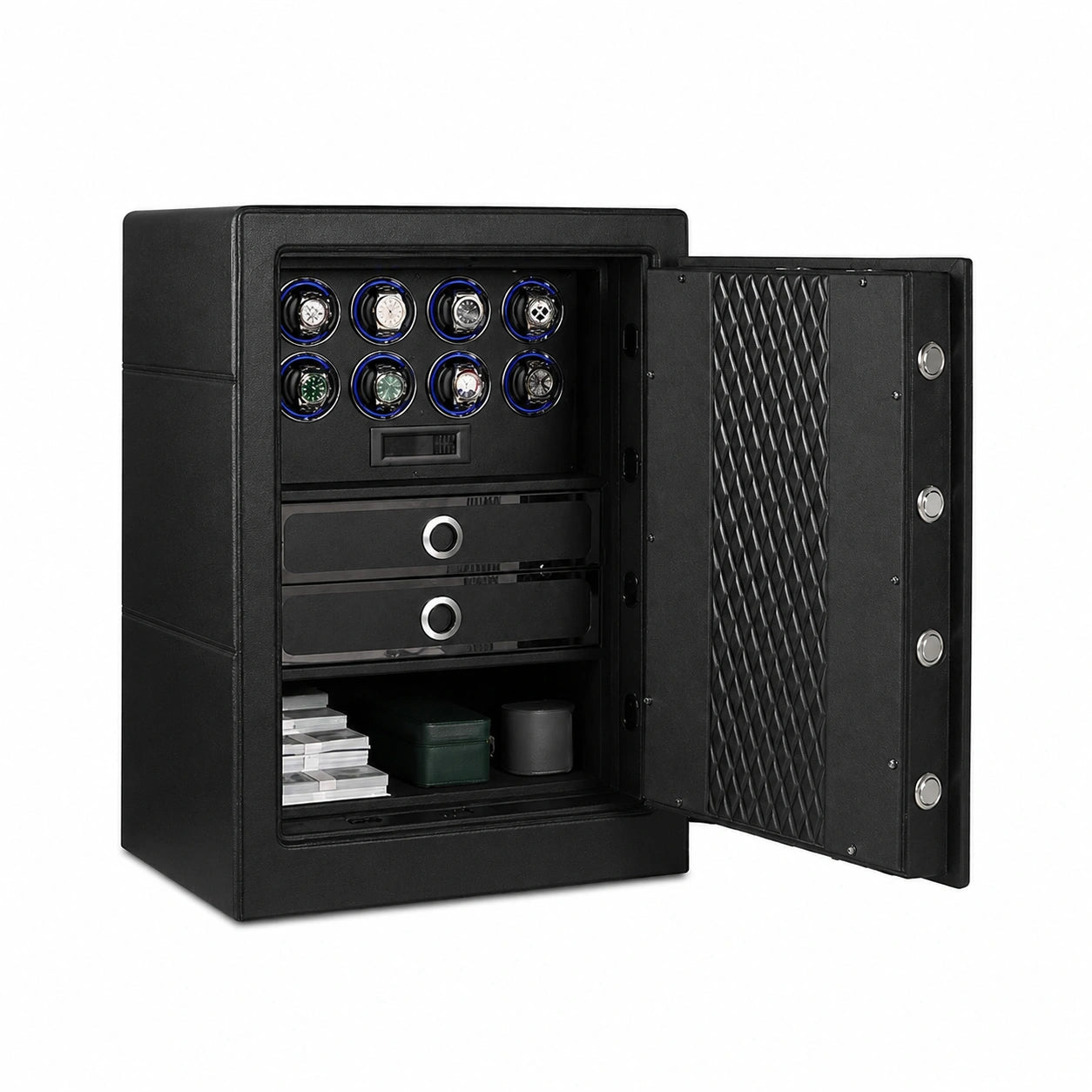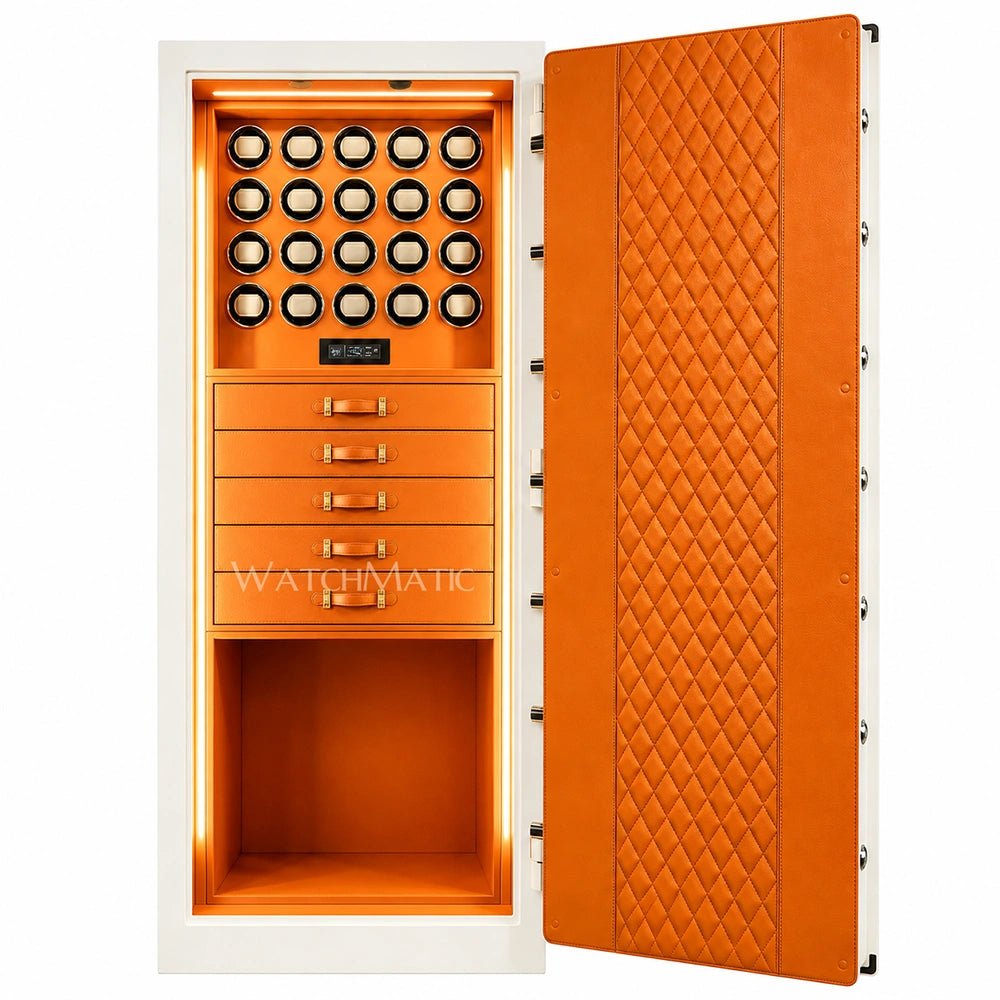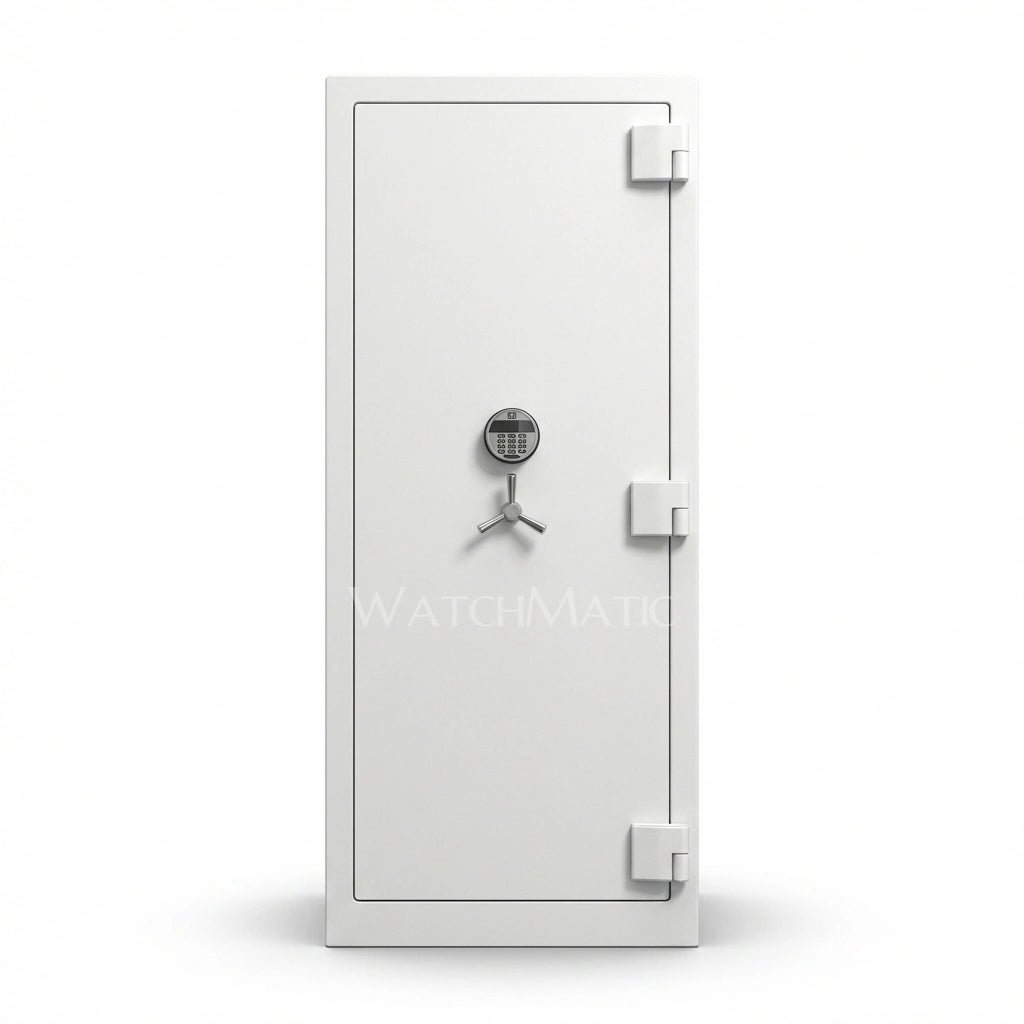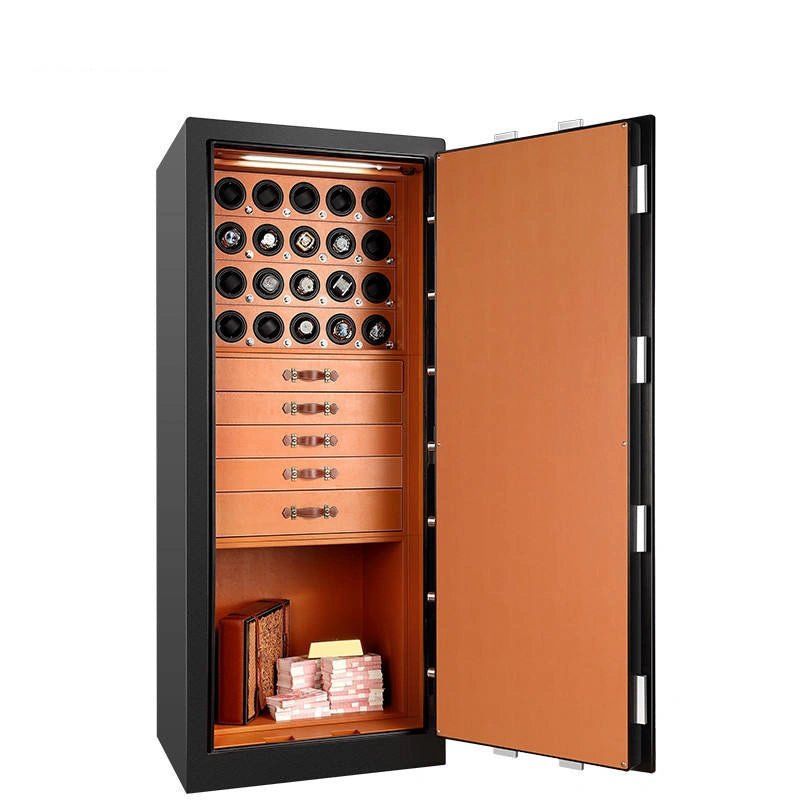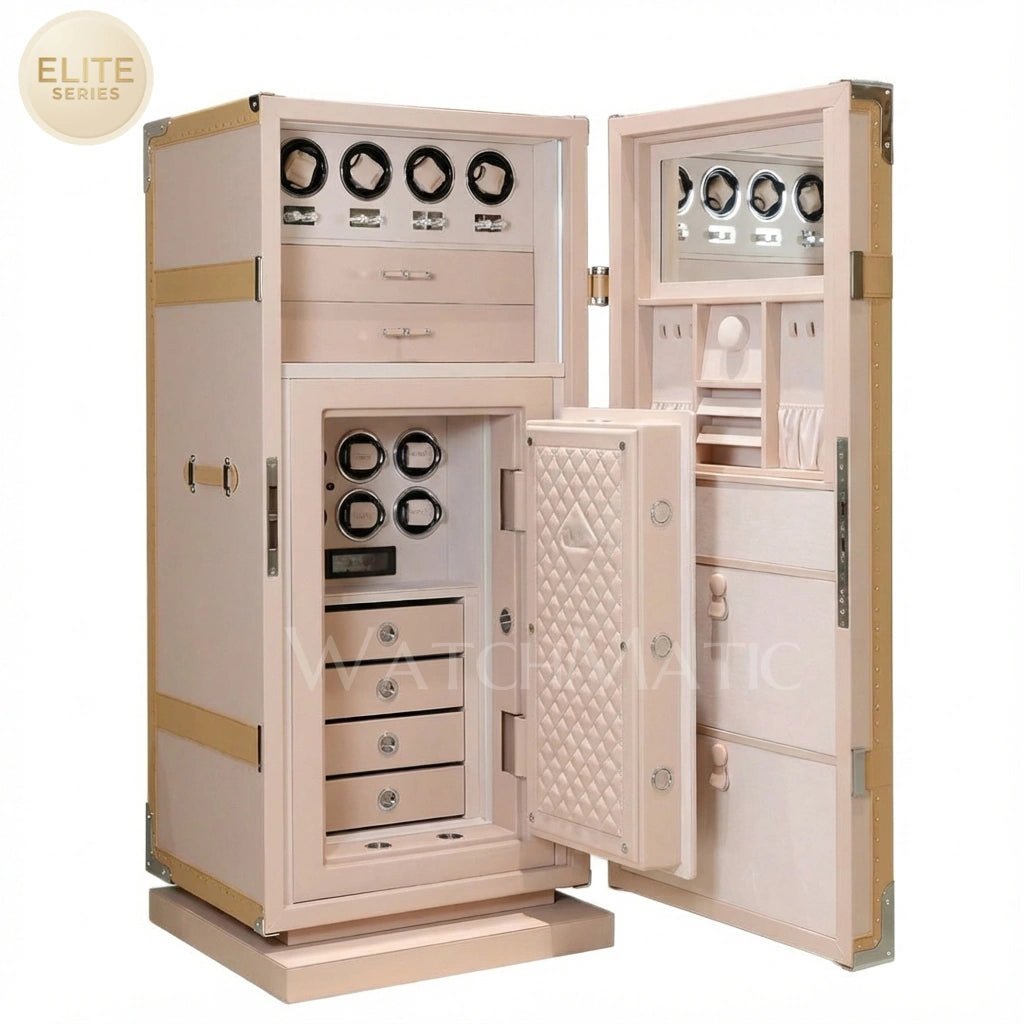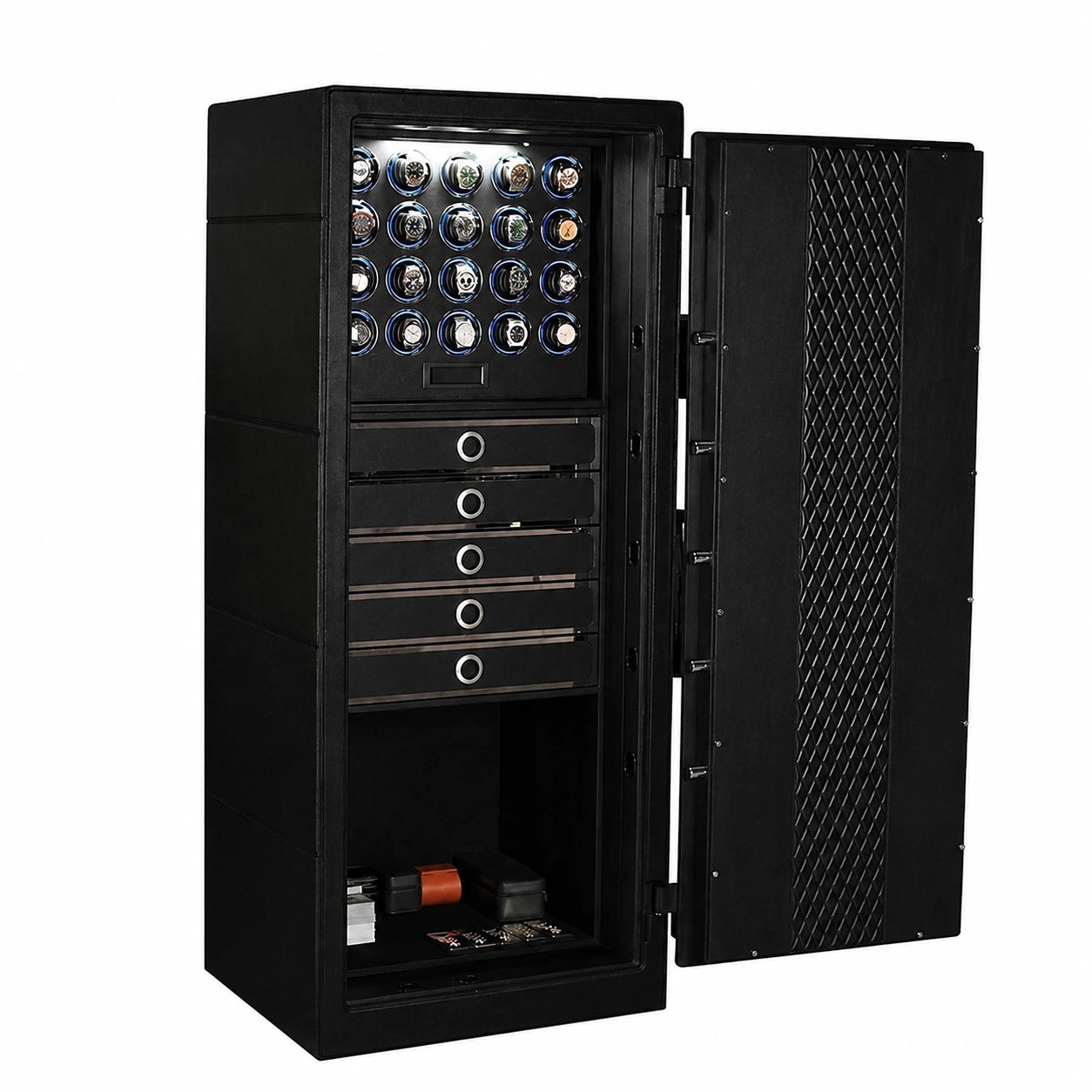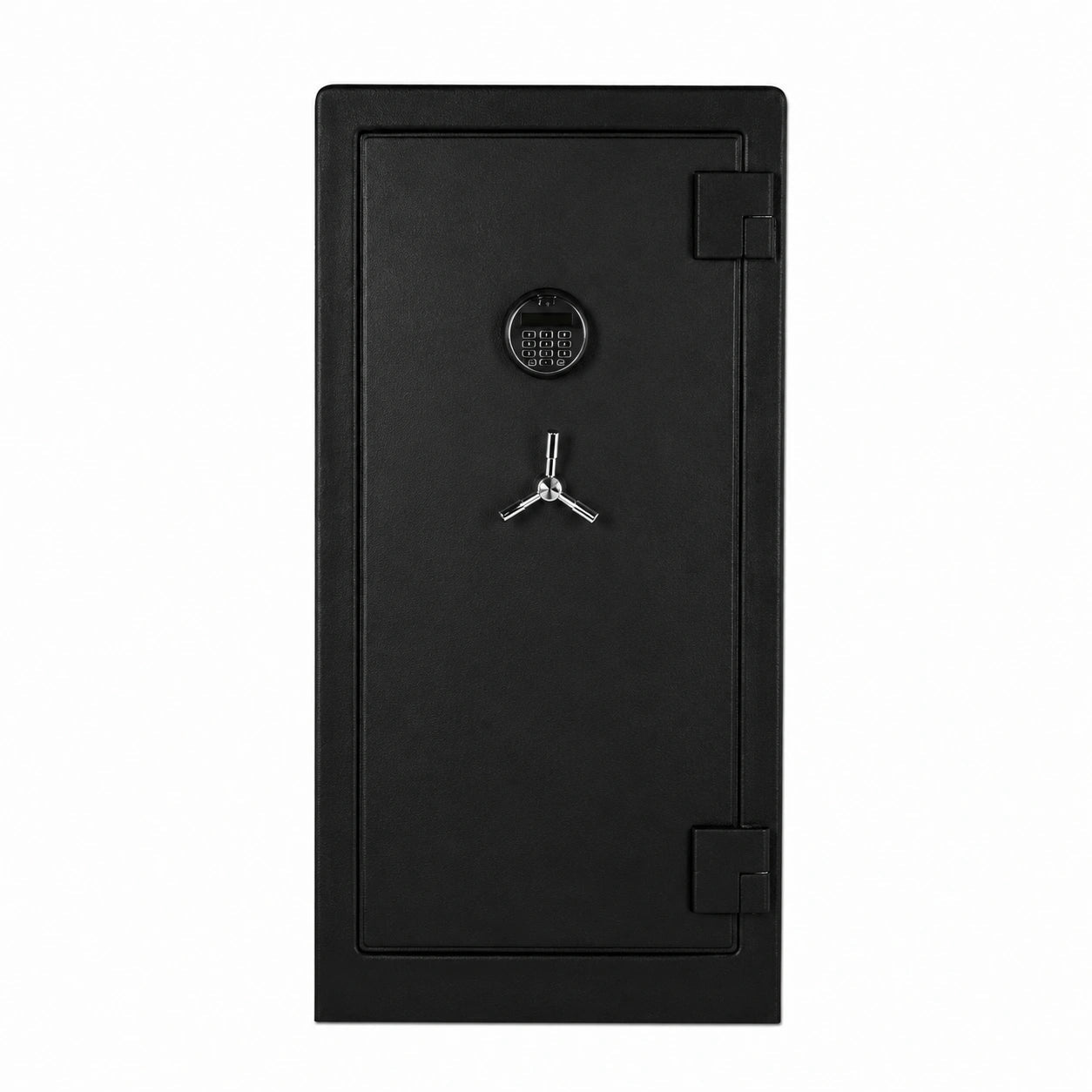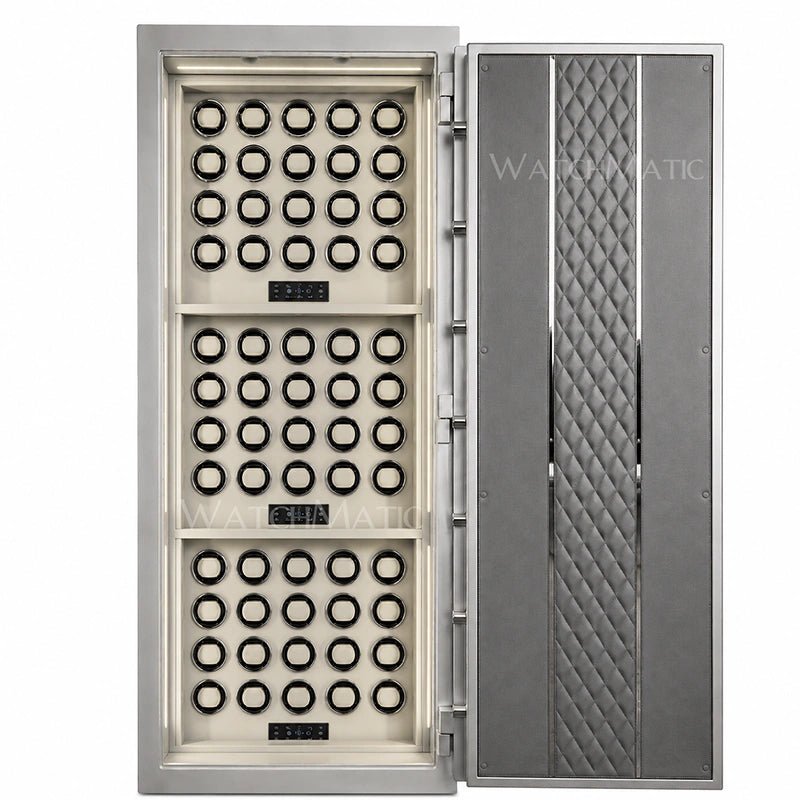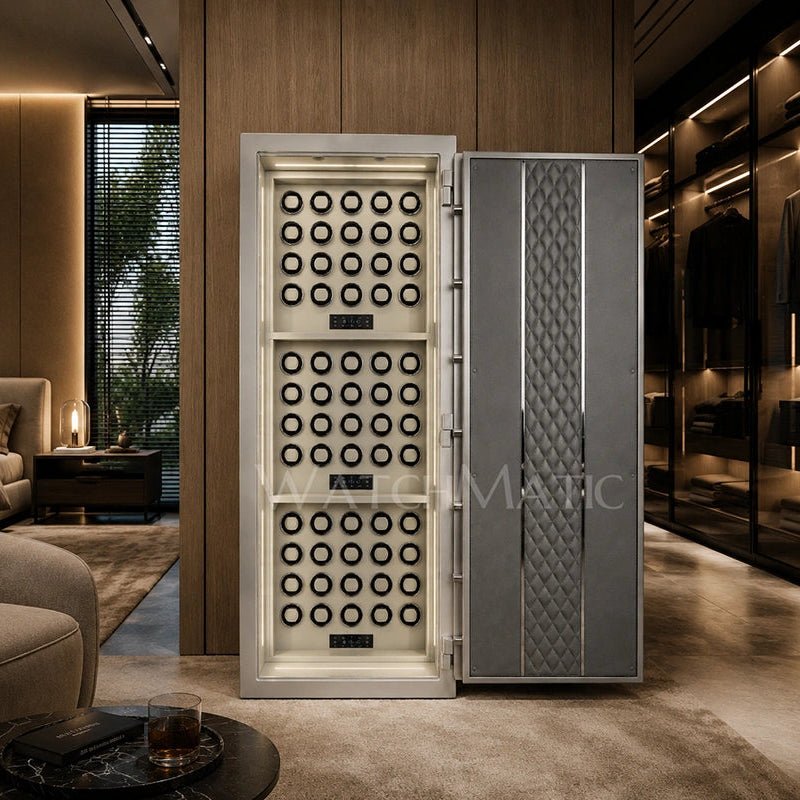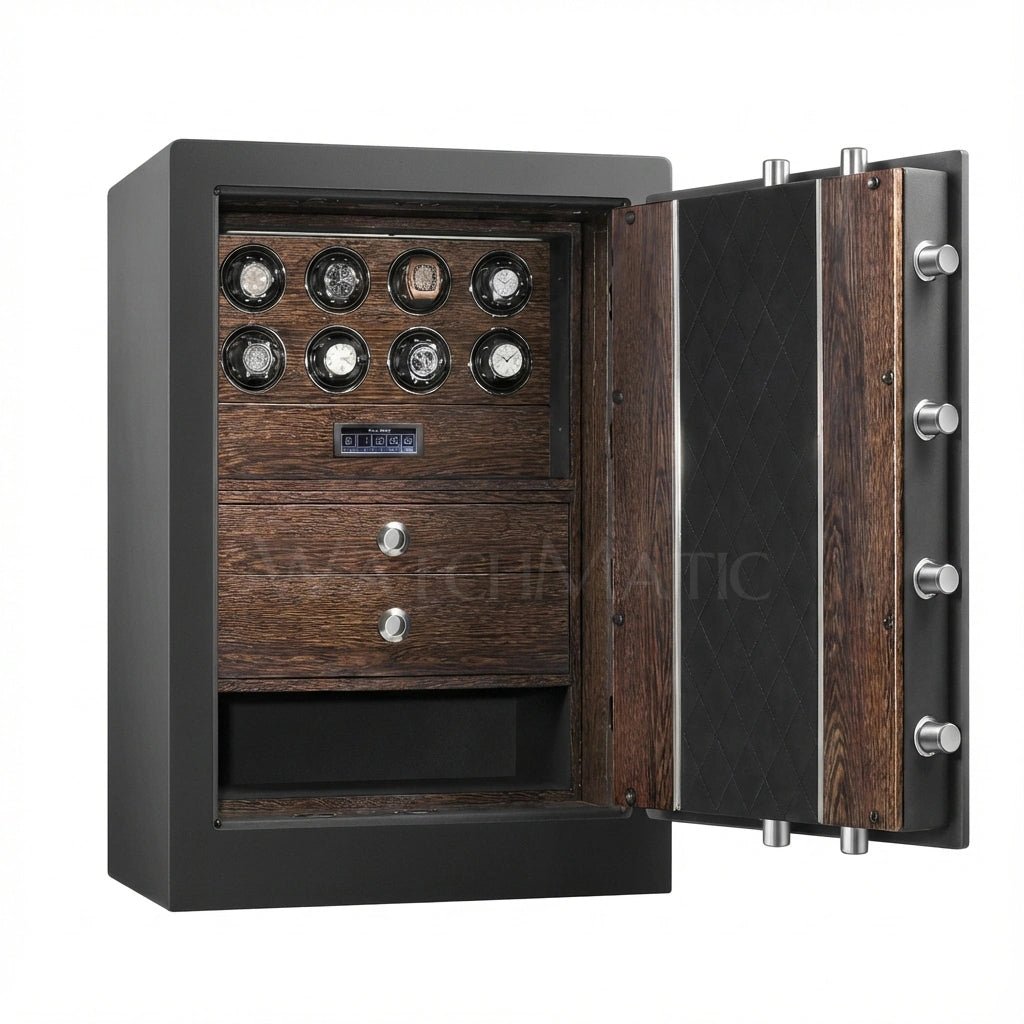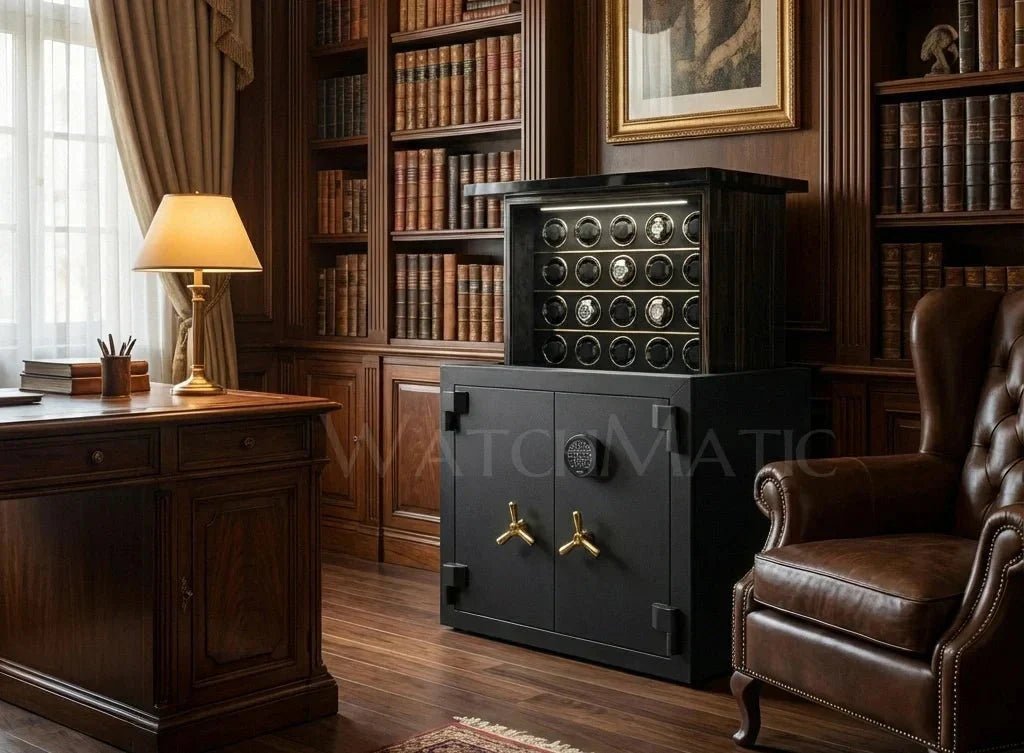
Choosing the right watch safe for a U.S. home depends on three primary factors:
- Regional climate risk (wildfire, humidity, hurricane, seismic activity)
- Property type (estate home, suburban residence, high-rise apartment)
- Collection value & insurance expectations
In wildfire-prone states like California, higher fire ratings and structural anchoring are critical. In Florida, humidity control and power redundancy become essential. Large estate properties in Texas allow greater installation flexibility, while high-rise apartments in New York require structural load evaluation and coordinated white-glove delivery.
For collectors of Rolex, Patek Philippe, and Audemars Piguet, the safe must align not only with security standards but also with environmental exposure and structural realities.
Why Climate & Property Type Matter More Than Most Collectors Realize
In advisory work across the United States, we consistently see buyers focus on:
- Size
- Aesthetic
- Brand reputation
But overlook:
- Floor load limitations
- Regional fire exposure
- Humidity control requirements
- Insurance underwriting standards
A properly engineered luxury watch safe system should adapt to both climate and architecture — not merely provide burglary resistance.
Standards for burglary testing in the U.S. are defined by Underwriters Laboratories, but real-world protection requires broader planning.
Watch Safes for California Homes
(Wildfire + Seismic Considerations)
California presents two primary risk layers:
- Extended wildfire exposure
- Seismic movement risk
Fire Protection Strategy
Wildfires can produce prolonged burn duration. We generally recommend:
| Property Type | Suggested Fire Rating |
|---|---|
| Urban California | 60–90 minutes |
| Wildfire zones | 90–120 minutes |
Fire duration, not just flame resistance, determines survivability.
Earthquake & Anchoring
Seismic activity introduces movement risk. Safes must be:
- Properly bolt-down anchored
- Installed into reinforced slab
- Positioned away from glass or structural weak points
In hillside properties, structural assessment before installation is advisable.
For collectors selecting from a premium high-security watch safe collection, anchoring and composite construction depth should be evaluated together.
Watch Safes for Texas Homes
(Large Properties & Discretion Planning)
Texas estate homes typically offer:
- Larger floor area
- Concrete slab foundations
- More concealment flexibility
The primary concern is less environmental and more strategic:
- Discreet placement
- Concealment within custom cabinetry
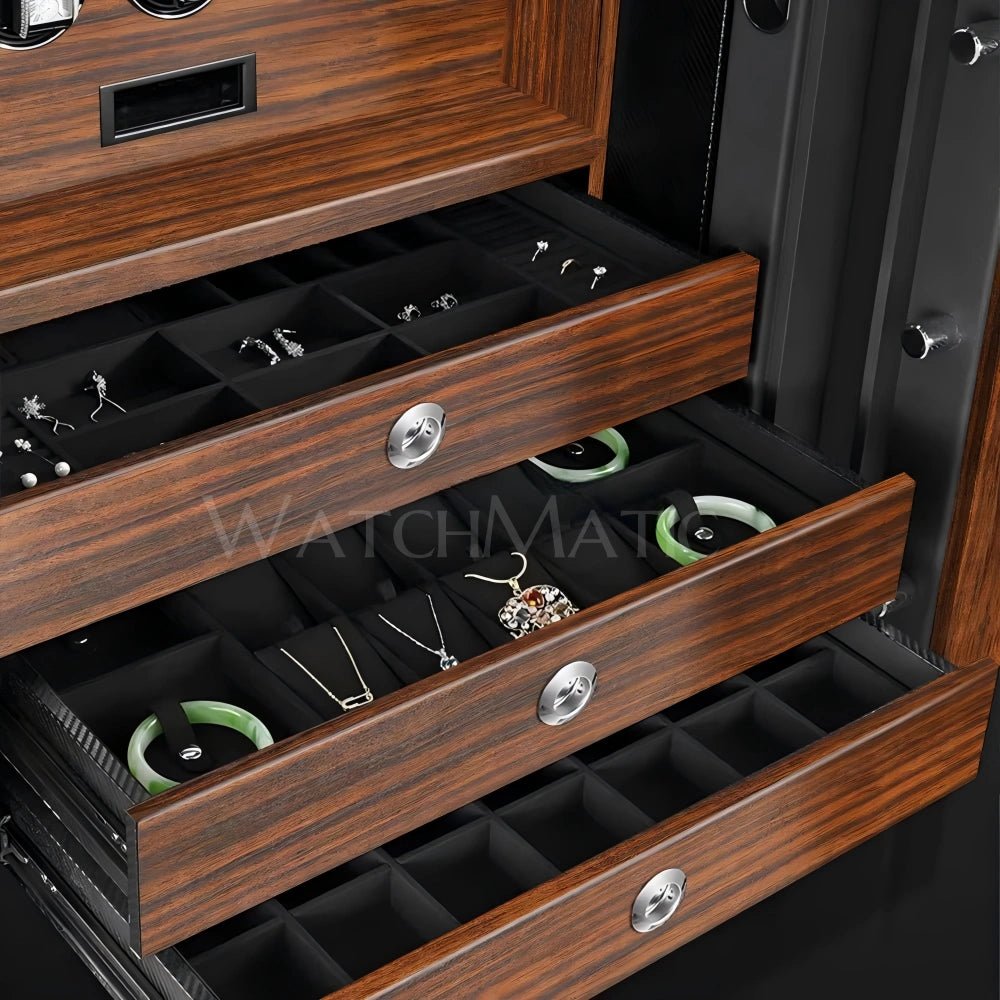
- Multi-zone storage for expanding collections
Because large properties may have multiple entry points, TL-rated construction is often advisable even when insurance minimums are lower.
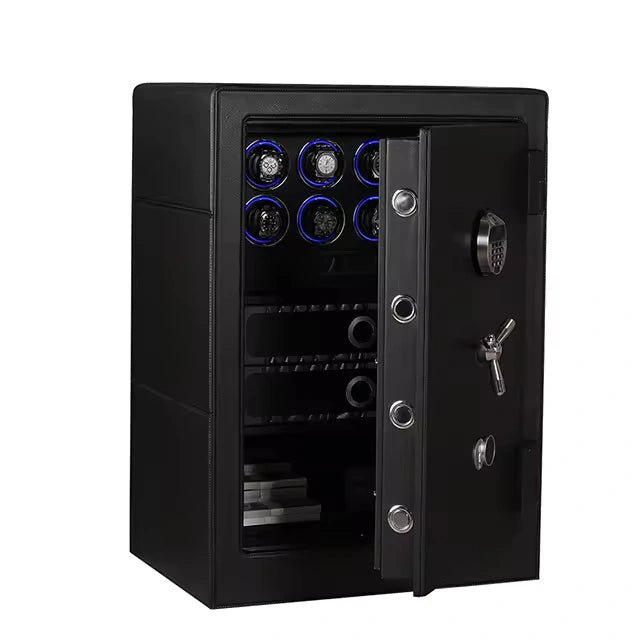
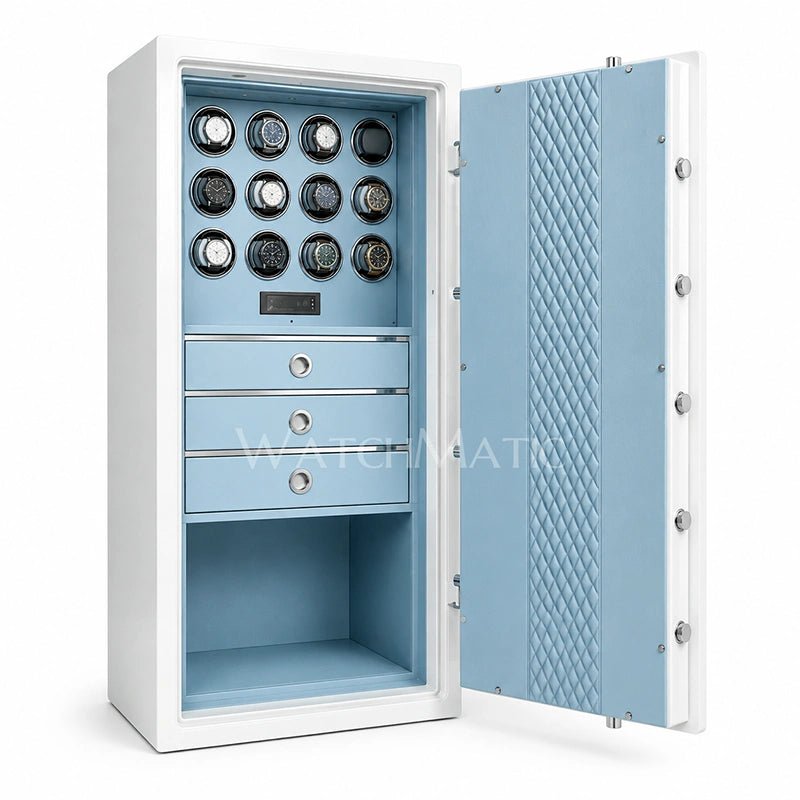
Texas installations also allow for higher-capacity systems, particularly when collectors integrate automatic winding modules within a single integrated watch winder safe configuration.
Humidity is typically moderate, but climate control remains beneficial for long-term preservation.
Watch Safes for Florida Coastal Properties
(Humidity + Hurricane Exposure)
Florida introduces two distinct variables:
- High humidity year-round
- Hurricane-driven power outages
Humidity Management
Mechanical watches are vulnerable to:
- Corrosion
- Seal degradation
- Dial oxidation
Collectors in coastal Florida should prioritize:
- Internal environmental stability
- Dehumidification strategy
- Stable temperature regulation
Power Redundancy
In hurricane conditions, temporary power loss is common. Safes with:
- Battery backup
- Low-energy winding systems
- Surge protection
are preferable.
For collections above $250,000, TL-15 or TL-30 construction remains advisable, even if fire risk is lower than wildfire regions.
Watch Safes for High-Rise Apartments in New York
(Structural Load + Delivery Logistics)
New York presents a different set of constraints:
- Elevator capacity limits
- HOA or building approval
- Floor load concentration
- Delivery scheduling windows
Structural Considerations
Safes weighing 300–800 kg require:
- Floor load verification
- Load distribution plates
- Placement planning away from cantilevered sections
Installation Logistics
White-glove coordination typically includes:
- Elevator reservation
- Building insurance certificates
- Restricted time window compliance
Noise levels also matter when safes are placed in primary bedrooms. Low-decibel winding systems are critical in urban environments.
For technical guidance on security classifications relevant to high-density cities, collectors often reference detailed breakdowns of TL-rated construction standards.
Security Ratings Across U.S. Property Types
Regardless of state, collection value remains the primary driver.
| Collection Value | Recommended Rating |
|---|---|
| <$150,000 | High-grade RSC |
| $150k–$500k | TL-15 |
| $500k+ | TL-30 |
Metropolitan areas with higher burglary sophistication typically justify TL-30 construction.
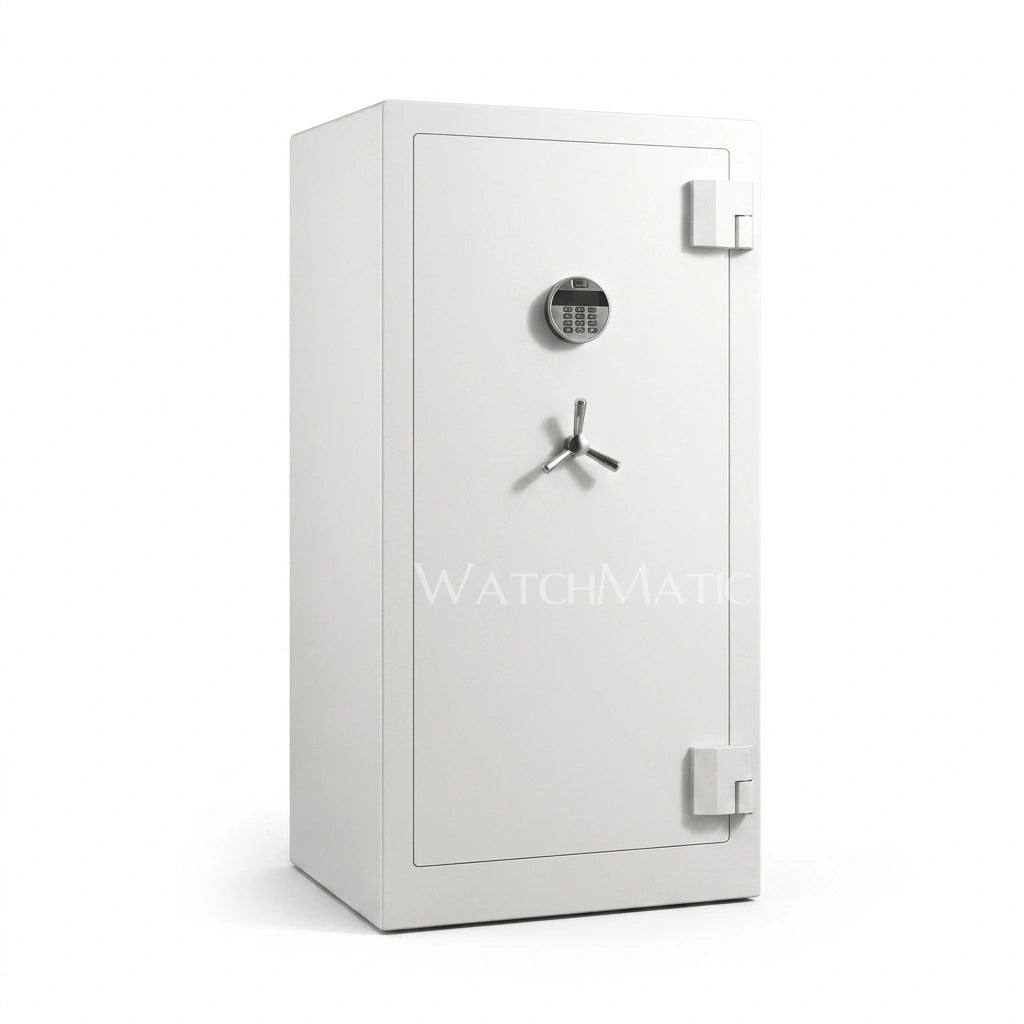
A certified TL-rated luxury watch safe strengthens insurance defensibility in all four regions discussed.
Insurance Expectations by Property Type
High-net-worth insurers commonly evaluate:
- Burglary rating
- Anchoring method
- Fire rating
- Alarm integration
Estate homes may require documentation of anchoring.
High-rise buildings may require confirmation of installation compliance.
Proper documentation reduces underwriting friction and claim disputes.
Expert Installation Perspective
Across climate zones and property types, three principles remain consistent:
- Structural assessment before delivery
- Professional bolt-down anchoring
- Coordinated white-glove placement
As a luxury watch safe specialist, WatchMatic integrates engineering review with installation logistics. For collectors relocating or purchasing internationally, free worldwide shipping simplifies cross-border acquisition, while a 10-year warranty supports long-term asset preservation — mentioned here not as marketing emphasis, but as part of ownership lifecycle planning.
Executive Decision Framework
When choosing the right watch safe for a U.S. home, evaluate:
✔ Climate exposure (fire, humidity, seismic risk)
✔ Property structure (slab vs wood-frame vs high-rise)
✔ Collection value & growth trajectory
✔ Insurance underwriting standards
✔ Installation logistics
The correct safe is not defined by size alone — it is defined by contextual alignment.