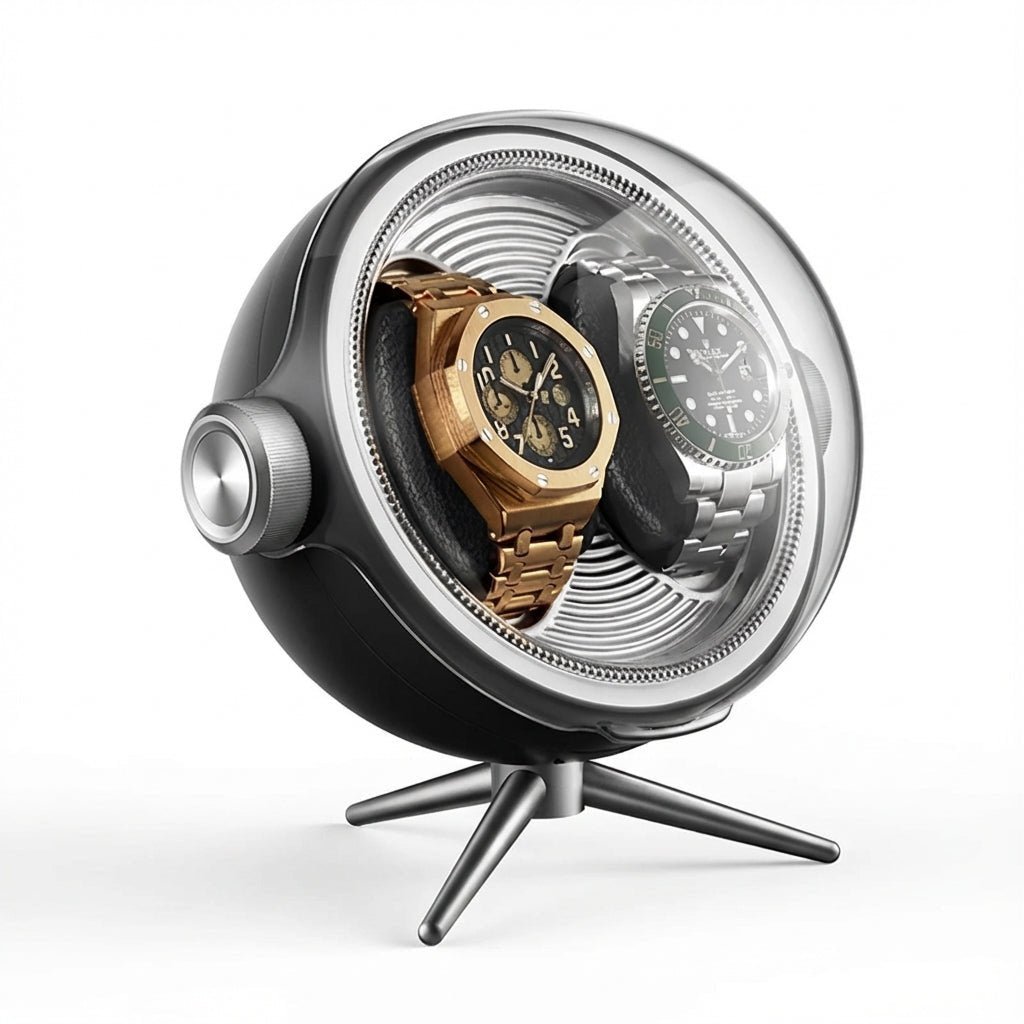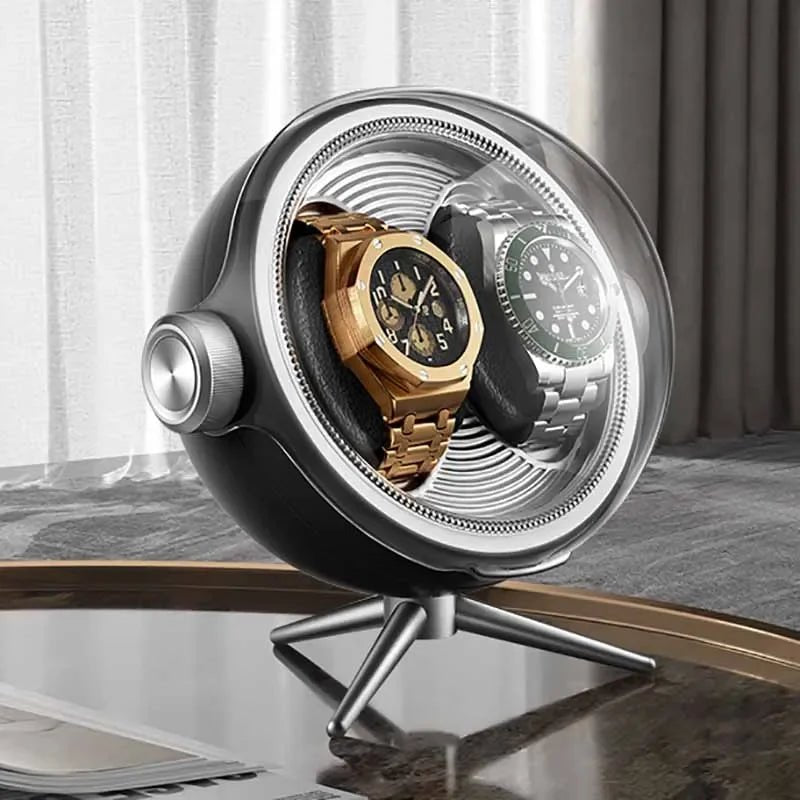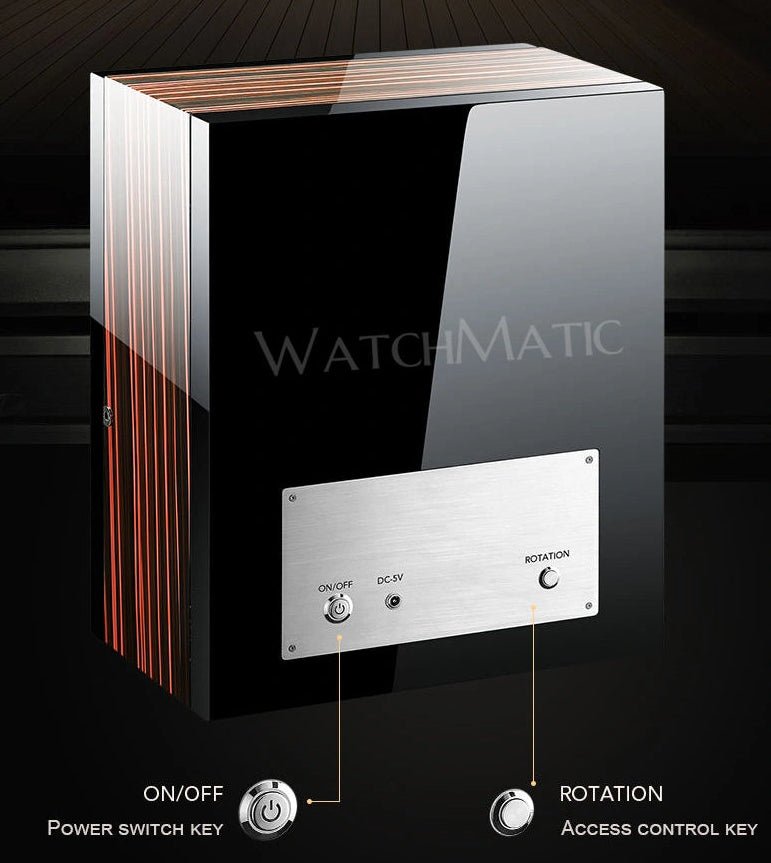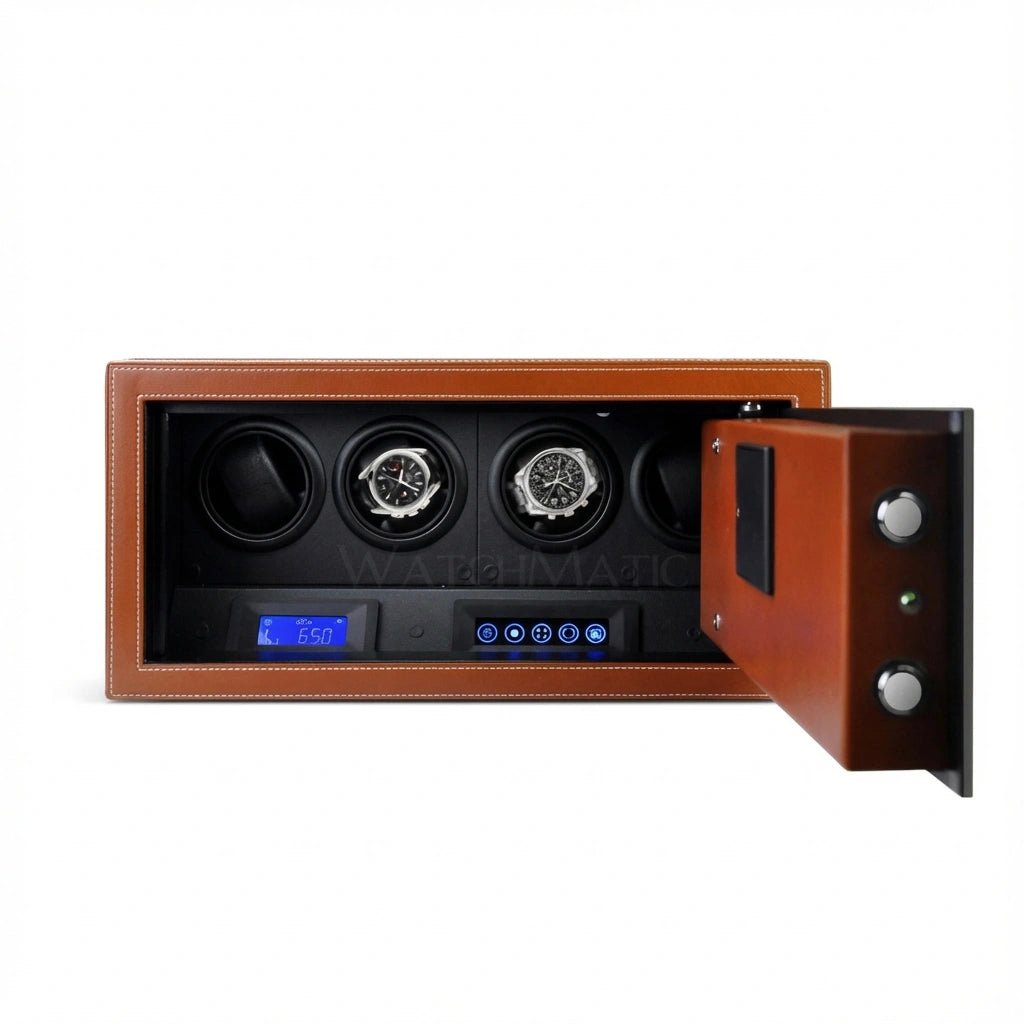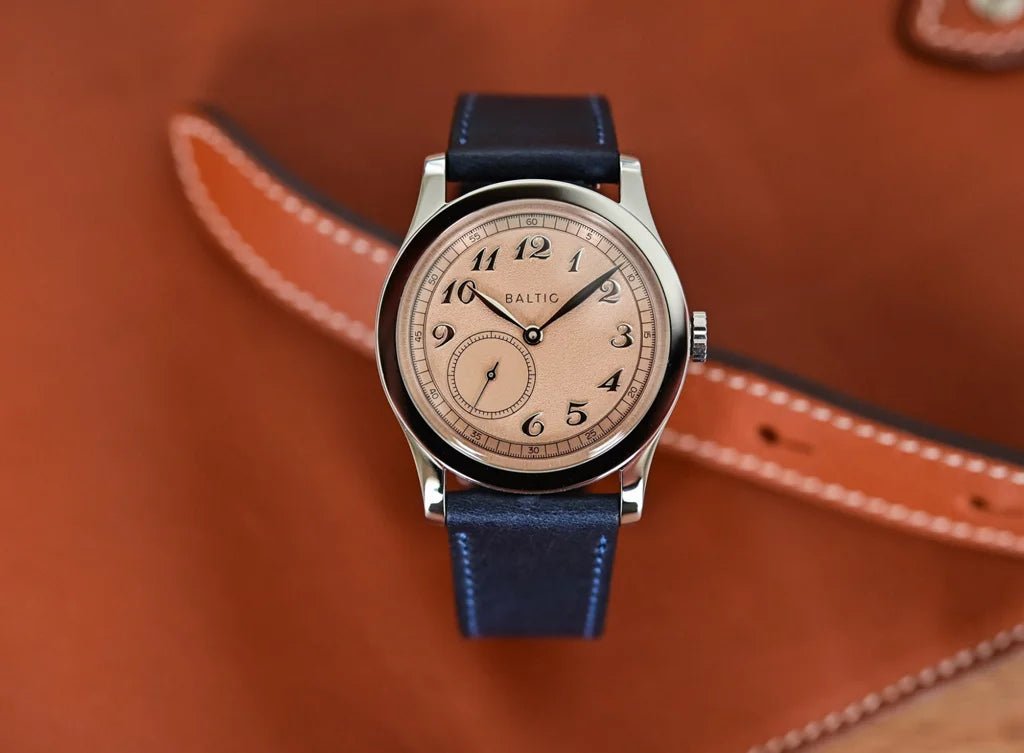
The best watch winder for Baltic watches is a programmable model with adjustable Turns Per Day (TPD), clockwise and counterclockwise rotation options, controlled winding and rest cycles, quiet operation, and secure support for both leather straps and metal bracelets.
Many current Baltic watches are automatic.
Important examples include:
- Aquascaphe MK2 — Miyota 9039 or 9015
- Aquascaphe GMT MK-II — Miyota 9075
- Aquascaphe Dual-Crown — Miyota 9039
- Aquascaphe Titanium — Miyota 9039
- Hermétique Tourer — Miyota 9039
- HMS 003 — Miyota 8315
- MR Classic — Hangzhou CAL5000a micro-rotor
- Heures du Monde — Soprod C125 GMT
However, not every current Baltic mechanical watch is automatic.
Two important exceptions are:
- Scalegraph — Sellita SW510-M, manual winding
- Prismic — ETA/Peseux 7001, manual winding
That means:
Automatic Baltic → a properly configured conventional watch winder can be useful
Manual Baltic → a conventional rotating watch winder provides no winding benefit
The correct decision process is:
Baltic Reference → Movement → Automatic or Manual → Power Reserve → Complication → Physical Fit → TPD/Direction or Stationary Storage
Does a Baltic Watch Need a Watch Winder?
No automatic Baltic watch mechanically requires a watch winder.
An automatic movement uses an oscillating rotor to convert movement into energy stored in the mainspring.
If the watch remains unworn for longer than its available power reserve, it eventually stops.
A watch winder is therefore primarily a convenience tool.
It can help:
- Keep an automatic Baltic running between wears
- Maintain the time
- Maintain the date
- Keep GMT indications synchronized
- Reduce repeated restarting
- Keep several automatics ready to wear
- Organize a multi-watch rotation
Allowing an automatic Baltic to stop after its reserve is exhausted is normal.
A watch winder should not be treated as a substitute for servicing or as a method of mechanically preserving the movement simply by keeping it running.
For a broader explanation of automatic winding, see the Watch Winder Guide.
Which Baltic Watches Can Use a Watch Winder?
Representative current collections include:
| Baltic watch | Movement | Winding type | Approx. power reserve | Conventional winder? |
|---|---|---|---|---|
| Aquascaphe MK2 No Date | Miyota 9039 | Automatic | 42 h | Yes |
| Aquascaphe MK2 Date | Miyota 9015 | Automatic | 42 h | Yes |
| Aquascaphe GMT MK-II | Miyota 9075 | Automatic | 42 h | Yes |
| Aquascaphe Dual-Crown | Miyota 9039 | Automatic | 42 h | Yes |
| Aquascaphe Titanium | Miyota 9039 | Automatic | 42 h | Yes |
| Hermétique Tourer | Miyota 9039 | Automatic | 42 h | Yes |
| HMS 003 | Miyota 8315 | Automatic | 60 h | Yes |
| MR Classic | Hangzhou CAL5000a | Automatic micro-rotor | 42 h | Yes |
| Heures du Monde | Soprod C125 GMT | Automatic | 42 h | Yes |
| Scalegraph | Sellita SW510-M | Manual | 63 h | No |
| Prismic | ETA/Peseux 7001 | Manual | 42 h | No |
This table immediately reveals the main Baltic watch-winder lesson:
mechanical Baltic does not always mean automatic Baltic.
Why Movement Identification Matters With Baltic
Baltic does not rely on one movement supplier.
Current and recent collections use calibers originating from:
- Miyota
- Hangzhou
- Soprod
- Sellita
- ETA/Peseux
That means the brand name alone cannot determine a winding program.
Even within one collection, movement selection can vary.
For example, Aquascaphe MK2 offers:
Miyota 9039 for no-date references
and:
Miyota 9015 for date references.
Both are automatic.
But they are still different calibers.
Baltic Aquascaphe MK2
The current Aquascaphe MK2 is available in both:
- No Date
- Date
configurations.
The movement depends on the version.
Aquascaphe MK2 No Date
Uses:
Miyota 9039
with approximately:
42 hours of power reserve.
Aquascaphe MK2 Date
Uses:
Miyota 9015
also with approximately:
42 hours of power reserve.
Both can use a properly configured conventional watch winder.
Same Watch Family, Different Calibers
This is an important distinction.
An owner may simply describe the watch as:
“Baltic Aquascaphe MK2.”
But the no-date and date versions do not use exactly the same movement.
Therefore, when researching winder settings, identify:
No Date or Date
before selecting the program.
Best Watch Winder for Baltic Aquascaphe MK2
For an Aquascaphe MK2, prioritize:
- Adjustable TPD
- CW/CCW/bidirectional operation
- Controlled rest cycles
- Smooth motor operation
- Rubber-strap compatibility
- Compressible bracelet cushion
- Adequate crown clearance
Current MK2 models are offered in:
37 mm
and:
39.5 mm
diameters.
This makes them relatively easy to accommodate physically.
37 mm vs. 39.5 mm Does Not Change TPD
The same movement architecture can be housed in different case sizes.
Case diameter affects:
- Cushion fit
- visual proportions
- physical stability
It does not directly determine:
- TPD
- winding direction
- power reserve
Therefore:
larger Aquascaphe ≠ more daily turns.
Date vs. No Date and Winder Convenience
The Date model provides a slightly stronger convenience argument for keeping the watch running.
If a no-date watch stops, the owner mainly needs to restore:
- Time
If a date watch stops, the owner also needs to restore:
- Date
The difference is modest but practical.
This does not mean the Date movement mechanically requires continuous operation.
Baltic Aquascaphe GMT MK-II
The Aquascaphe GMT MK-II is particularly relevant because it represents a major update to Baltic's travel-watch offering.
It uses:
Miyota 9075 GMT
with approximately:
42 hours of power reserve.
The movement provides a true traveller GMT architecture.
The local hour hand can be adjusted independently without stopping the movement or disturbing the reference-time indication.
Best Watch Winder for Aquascaphe GMT MK-II
For an Aquascaphe GMT MK-II, prioritize:
- Adjustable TPD
- Multiple rotation directions
- Independent control
- Controlled rest cycles
- Smooth motor operation
- Bracelet or rubber-strap compatibility
- Secure support for the 39.5 mm case
The GMT complication gives this watch a stronger convenience use case than a basic three-hand automatic.
Why a True GMT Benefits From Staying Running
If the GMT stops completely, the owner may need to restore:
- Local time
- Reference/home time
- Date
- Relationship between the GMT hand and bezel
This is still straightforward compared with a perpetual calendar.
But keeping the watch running reduces repeated setup.
Therefore, the winder benefit is:
convenience and readiness
rather than:
mechanical necessity.
Traveller GMT Does Not Need More TPD
The independent local-hour mechanism does not create a requirement for increased winding activity.
The watch winder supplies rotational motion to the automatic winding system.
It does not operate the GMT mechanism separately.
Therefore:
true GMT ≠ higher TPD.
42-Hour GMT vs. 60-Hour HMS
An interesting comparison exists within Baltic.
Aquascaphe GMT MK-II
42 hours
Automatic
GMT complication
HMS 003
60 hours
Automatic
Simple three-hand display
The HMS has the longer reserve.
The GMT has more information to reset after stopping.
That illustrates two separate factors:
longer reserve reduces dependence on a winder
while:
additional complications increase the convenience of staying synchronized.
Baltic Aquascaphe Dual-Crown
The Aquascaphe Dual-Crown uses:
Miyota 9039
with approximately:
42 hours of power reserve.
It is automatic and therefore compatible with a conventional watch winder.
Its distinctive design uses:
- Two crowns
- Internal rotating diving bezel
- 39 mm case
- 200 m water resistance
Dual Crowns Do Not Mean Different Winding Requirements
One crown controls normal movement functions.
The second controls the internal bezel.
The presence of two crowns does not create an additional winding requirement.
Therefore:
two crowns ≠ more TPD.
Dual-Crown Physical Clearance
The second crown does matter physically.
When rotating inside a compact multi-watch winder, verify that neither crown contacts:
- The enclosure
- Door
- Adjacent rotor
- Cushion hardware
The watch should rotate without contact.
Internal Bezel Does Not Affect TPD
The Aquascaphe Dual-Crown uses an internal bidirectional timing bezel.
This is independent of the automatic winding system.
Its position has no relationship with:
- Rotor direction
- TPD
- power reserve
Baltic Aquascaphe Titanium
The Aquascaphe Titanium also uses the Miyota 9039 automatic movement.
Its reserve is approximately:
42 hours.
Representative specifications include:
- 41 mm titanium case
- 47 mm lug-to-lug
- Approximately 13.3 mm thickness
- 300 m water resistance
- Rubber strap
Lightweight Titanium Does Not Reduce TPD
The Aquascaphe Titanium is considerably lighter than an equivalent steel watch.
That changes:
- Wrist feel
- total weight
- corrosion behavior
- physical loading on the cushion
It does not directly change the movement's winding requirement.
Therefore:
lighter case ≠ fewer daily turns.
300 m Water Resistance Does Not Increase TPD
High water resistance is a function of:
- Case construction
- Crown sealing
- crystal
- caseback
It does not tell the owner how the automatic movement winds.
Therefore:
300 m dive rating ≠ stronger winder program.
Dive Watch Does Not Need Aggressive Rotation
A tool watch may be designed to withstand substantial environmental stress.
That is not a reason to use:
- Faster movement
- Abrupt starts
- Maximum TPD
- Continuous spinning
The winder should still provide smooth, controlled rotation.
Baltic Hermétique Tourer
The Hermétique Tourer uses:
Miyota 9039
with approximately:
42 hours of reserve.
Current specifications include:
- 37 mm case
- 46 mm lug-to-lug
- Approximately 10.8 mm thickness
- Integrated crown
- 150 m water resistance
This makes the Hermétique a compact and physically straightforward automatic watch for winder use.
Best Watch Winder for Hermétique Tourer
Prioritize:
- Adjustable TPD
- Multiple rotation directions
- Controlled rest cycles
- Quiet operation
- Flexible FKM strap support
- Bracelet compatibility
- Compact cushion sizing
The 37 mm case itself creates little chamber-clearance difficulty.
Integrated Crown and Winder Fit
The Hermétique crown is integrated into the case profile.
Compared with a large conventional protruding crown, this reduces one common physical-contact point.
However, the owner should still confirm:
- Cushion fit
- clasp closure
- watch-head stability
Hermétique Bronze and Patina
Baltic also offers bronze Hermétique references using the same Miyota 9039 automatic architecture.
Bronze changes the case's surface behavior.
It can develop patina over time through environmental exposure.
That does not change:
- Movement
- Power reserve
- TPD
- Rotation direction
Therefore:
bronze case ≠ different winding setting.
Rotation Does Not Control Bronze Patina
A winder cannot meaningfully:
- Prevent patina
- Reverse patina
- regulate oxidation
- restore bronze
Case care and automatic winding should be treated as separate subjects.
Baltic HMS 003
The HMS 003 uses a different automatic movement:
Miyota 8315
with approximately:
60 hours of power reserve.
This is significantly longer than the 42-hour reserve found in many Aquascaphe, Hermétique and MR references.
Best Watch Winder for Baltic HMS 003
For an HMS 003, prioritize:
- Adjustable TPD
- Multiple rotation directions
- Controlled rest periods
- Quiet motor
- Soft leather-strap support
- Compressible bracelet cushion
Current HMS 003 references measure approximately:
36.5 mm
with a 46 mm lug-to-lug dimension.
60-Hour Reserve Reduces Winder Dependence
The HMS can remain running significantly longer than a 42-hour automatic.
For a frequent wearer, the winder may therefore be less useful.
Example:
42-hour automatic
Removed Friday evening.
May stop during the weekend.
60-hour HMS
Has a better chance of remaining active into Monday depending on initial reserve.
This is a practical difference.
Longer Reserve Does Not Mean More TPD
A common misunderstanding is that a movement with a larger energy reserve should receive more daily turns.
That is not necessarily true.
Power-reserve capacity and the correct winder program are different specifications.
Therefore:
60 h reserve ≠ automatically higher TPD than 42 h reserve.
Baltic MR Classic
The MR Classic is one of Baltic's most distinctive automatic watches.
It uses the:
Hangzhou CAL5000a micro-rotor
with approximately:
42 hours of power reserve.
The micro-rotor sits within the plane of the movement rather than above it, helping Baltic achieve a relatively thin case.
Representative dimensions include:
- 36 mm diameter
- 44 mm lug-to-lug
- 9.9 mm total thickness
Best Watch Winder for Baltic MR Classic
For an MR Classic, prioritize:
- Movement-specific TPD
- CW/CCW/bidirectional capability
- Controlled rest periods
- Smooth motor operation
- Low vibration
- Soft leather-strap support
- Smaller compressible cushion
Its compact size can make an oversized watch-winder cushion a greater issue than chamber clearance.
Micro-Rotor Does Not Mean Higher TPD
A micro-rotor is physically smaller than a conventional full-sized central rotor.
That does not mean:
smaller rotor = more turns required.
The movement has been engineered around that rotor architecture.
TPD should follow the actual caliber requirements rather than an assumption based on rotor diameter.
Micro-Rotor and Winder Visibility
The MR Classic uses a display caseback that exposes the CAL5000a.
The micro-rotor architecture is visually interesting.
However, a watch winder should still be chosen based on:
- winding behavior
- programming
- support
- reliability
rather than merely displaying the movement while rotating.
MR Classic vs. Hermétique
Both offer approximately:
42 hours of reserve.
But:
MR Classic
Hangzhou CAL5000a
Micro-rotor
36 mm dress-oriented case
Hermétique
Miyota 9039
Conventional automatic architecture
37 mm field/tool-oriented case
This is a good example of why one Baltic-wide winder setting should not be assumed.
Baltic Heures du Monde
The current Heures du Monde uses:
Soprod C125 GMT
with approximately:
42 hours of power reserve.
It is automatic.
The collection adds a world-time-style display and GMT functionality, making it one of the stronger Baltic candidates for winder convenience.
Best Watch Winder for Heures du Monde
For a Heures du Monde, prioritize:
- Adjustable TPD
- Multiple winding directions
- Controlled rest periods
- Independent programming
- Soft leather-strap support
- Bracelet compatibility
- Quiet motor operation
Representative watches use:
- 37 mm case
- 45 mm lug-to-lug
- 11.3 mm thickness
Physical fit should therefore be relatively straightforward.
World-Time Watches Have Stronger Convenience Value
If a basic time-only watch stops, restarting it is simple.
A world-time watch contains more synchronized information.
Keeping it running can reduce the need to reset:
- Local time
- reference time
- GMT relationship
- world-time indication
Again, the benefit is convenience.
The world-time mechanism does not mechanically require uninterrupted operation.
Natural Stone Dial Does Not Affect Winding
Current Heures du Monde versions use materials such as:
- Sodalite
- Tiger Eye
- Labradorite
These dial materials affect:
- Appearance
- uniqueness
- collectability
- surface characteristics
They do not affect:
- TPD
- direction
- rotor behavior
- power reserve
Baltic Scalegraph
The current Scalegraph is a critical exception to the assumption that Baltic mechanical watches are automatic.
It uses:
Sellita SW510-M
with:
manual winding
and approximately:
63 hours of power reserve.
This includes current:
- Scalegraph
- Scalegraph Classic Panda
- Scalegraph Classic Reverse Panda
Does the Baltic Scalegraph Need a Watch Winder?
No.
A conventional automatic watch winder cannot wind the SW510-M because the movement is hand-wound.
Rotating the complete watch does not provide useful winding energy.
The Scalegraph must be wound through its crown.
Scalegraph Has More Reserve Than Many Baltic Automatics
This creates an excellent comparison.
Aquascaphe
42 hours
Automatic
Winder compatible
MR Classic
42 hours
Automatic
Winder compatible
HMS 003
60 hours
Automatic
Winder compatible
Scalegraph
63 hours
Manual
No conventional winding benefit
The Scalegraph actually has one of the longer power reserves in the current Baltic catalog.
Yet it is one of the watches that does not need a powered rotor.
Chronograph Does Not Mean Automatic
A user may assume a modern mechanical chronograph is self-winding.
That is not true.
The Scalegraph is:
- Mechanical
- Chronograph
- Swiss movement
- 63-hour reserve
but:
hand-wound.
Therefore:
chronograph ≠ automatic winding.
63 Hours Does Not Determine Winder Compatibility
Power reserve tells the owner:
how long the watch can run after being wound.
It does not tell the owner:
how the movement receives energy.
This distinction is especially clear with Scalegraph.
Best Storage for a Baltic Scalegraph
Prioritize:
- Secure stationary cushion
- Strap or bracelet support
- Pusher clearance
- Soft interior surfaces
- Easy access for manual winding
There is no reason to consume a powered winder position solely for winding.
Scalegraph Physical Dimensions
Current Scalegraph references measure approximately:
39.5 mm
with thickness around:
13.5–14.1 mm
depending on the version.
Its chronograph pushers create more width than a simple three-hand watch.
Even in stationary storage, avoid pressing the pushers against surrounding surfaces.
Baltic Prismic
The Prismic is the second major manual-wind exception in the current catalog.
It uses the classic:
ETA/Peseux 7001
with:
manual winding
and approximately:
42 hours of power reserve.
Does the Baltic Prismic Need a Watch Winder?
No.
The Peseux 7001 must receive energy through crown winding.
Conventional rotational motion provides no winding benefit.
Prismic 42 Hours vs. MR Classic 42 Hours
This creates another particularly clean comparison.
MR Classic
42 hours
Automatic micro-rotor
Winder compatible
Prismic
42 hours
Manual Peseux 7001
No conventional winding benefit
The published reserves are effectively the same.
Only the winding architecture differs.
Therefore:
power reserve cannot tell you whether a watch needs a winder.
Prismic Is Thinner but Not Automatic
The Prismic has an exceptionally thin movement and case.
Representative dimensions include:
- 36 mm diameter
- 44 mm lug-to-lug
- 9.2 mm total thickness
Its thin profile comes from the manual Peseux 7001 architecture.
A thin mechanical watch should not automatically be assumed to use a micro-rotor or automatic system.
Mesh Bracelet and Stationary Storage
Prismic can use a fine mesh bracelet.
This type of bracelet is flexible.
For stationary storage, prioritize:
- Smooth cushion surface
- Natural curvature
- No sharp bending
- Comfortable clasp closure
Because there is no need to rotate the watch, physical support can be optimized entirely around preservation and presentation.
Baltic Automatic vs. Manual
| Type | Examples | Conventional winder useful? |
|---|---|---|
| Automatic central rotor | Aquascaphe, Hermétique, HMS, Heures du Monde | Yes |
| Automatic micro-rotor | MR Classic | Yes |
| Manual chronograph | Scalegraph | No |
| Manual dress watch | Prismic | No |
This classification should come before discussing TPD.
Baltic Power Reserve Comparison
| Movement | Example | Type | Approx. reserve |
|---|---|---|---|
| Miyota 9039 | Hermétique / Aquascaphe | Automatic | 42 h |
| Miyota 9015 | Aquascaphe MK2 Date | Automatic | 42 h |
| Miyota 9075 | Aquascaphe GMT MK-II | Automatic | 42 h |
| Hangzhou CAL5000a | MR Classic | Automatic micro-rotor | 42 h |
| Soprod C125 | Heures du Monde | Automatic GMT | 42 h |
| Peseux 7001 | Prismic | Manual | 42 h |
| Miyota 8315 | HMS 003 | Automatic | 60 h |
| Sellita SW510-M | Scalegraph | Manual chronograph | 63 h |
This table produces a useful Baltic-specific insight:
the longest current power reserve in this group belongs to a manual chronograph rather than an automatic watch.
42 Hours Can Mean Automatic or Manual
Several very different Baltic watches offer approximately 42 hours.
For example:
Hermétique → automatic
Aquascaphe → automatic
MR Classic → automatic micro-rotor
Heures du Monde → automatic GMT
Prismic → manual
A single power-reserve number tells you very little about watch-winder compatibility.
Baltic Watch Winder TPD Settings
TPD means Turns Per Day—the approximate number of rotations a watch winder delivers during a daily program.
There should not be one blanket recommendation such as:
“Baltic = 650 TPD.”
Baltic uses several different automatic movements:
- Miyota 9039
- Miyota 9015
- Miyota 9075
- Miyota 8315
- Hangzhou CAL5000a
- Soprod C125
These should not automatically be assigned one common program.
The correct process is:
- Identify the exact Baltic reference.
- Identify the movement.
- Confirm that it is automatic.
- Determine the movement's winding requirement.
- Select appropriate TPD.
- Select appropriate rotation direction.
- Check whether the movement maintains sufficient reserve.
For more information about TPD and movement-specific programming, see the Watch TPD Guide.
What Rotation Direction Should You Use for a Baltic Watch?
A programmable winder should ideally offer:
CW — Clockwise
CCW — Counterclockwise
Bi — Bidirectional
The correct mode should follow the exact movement.
Baltic's current catalog uses automatic calibers from multiple manufacturers.
Do not assume:
Miyota setting = Hangzhou setting = Soprod setting
simply because all three appear in Baltic watches.
Do Scalegraph and Prismic Need TPD?
No.
Neither conventional TPD nor rotation direction is relevant for winding the:
- Sellita SW510-M
- ETA/Peseux 7001
Both are manually wound.
There is no useful automatic-winder program to calculate for them.
High TPD Is Not Automatically Better
Choosing the highest TPD setting does not provide better care.
Once sufficient winding is being supplied, additional rotations may provide no practical advantage.
Higher TPD does not automatically:
- Improve accuracy
- Improve lubrication
- Extend service intervals
- Protect a GMT
- Improve water resistance
- Improve micro-rotor performance
- Increase movement power-reserve capacity
The goal is:
appropriate maintenance winding
rather than:
maximum rotation.
Micro-Rotor Does Not Need Aggressive Winding
This is particularly important for the MR Classic.
The CAL5000a uses a smaller rotor architecture.
That should not be interpreted as a reason to compensate with excessive daily turns.
Use verified movement requirements instead.
Does a Baltic Automatic Need to Run All the Time?
No.
An automatic Baltic can stop normally when its power reserve is depleted.
There is no general mechanical requirement for continuous running.
The practical value of a winder depends on:
power reserve + wearing frequency + complication + collection size.
Which Baltic Models Gain the Most Convenience From a Winder?
Broadly speaking:
Stronger convenience case
- Aquascaphe GMT MK-II
- Heures du Monde
- Date-equipped Aquascaphe
- Multi-watch collection with 42-hour automatics
Moderate convenience case
- Hermétique
- MR Classic
- Aquascaphe No Date
Lower dependence
- HMS 003 due to longer 60-hour reserve
No conventional winding benefit
- Scalegraph
- Prismic
This is not a ranking of watch quality.
It is simply a measure of practical winder usefulness.
Should You Start a Stopped Baltic Before Putting It on a Winder?
A watch winder is generally best used as a:
maintenance-winding device.
If an automatic Baltic has completely stopped, establish an initial reserve according to the movement's normal operation before relying on the winder.
A sensible sequence is:
restart → set time/complications → establish reserve → place on programmed winder → maintain
rather than:
stopped watch → maximum TPD.
What to Look for in a Baltic Watch Winder
Adjustable TPD
Baltic uses several different movement manufacturers.
A fixed daily-turn count offers less flexibility.
CW, CCW and Bidirectional Modes
All three modes allow the winder to accommodate a broader range of movements.
Independent Controls
Especially useful if the collection contains:
- Miyota 9039
- Miyota 8315
- Miyota 9075
- Hangzhou CAL5000a
- Soprod C125
Controlled Rest Cycles
A quality winder should alternate between:
- Rotation
- Rest
rather than rotating continuously.
Quiet Motors
Baltic watches are often part of everyday collections stored in:
- Bedroom
- Office
- Dressing room
- Living space
Quiet operation therefore matters.
Smooth Movement
Automatic watches do not need abrupt acceleration.
Smooth starts and stops are preferable.
Compressible Cushions
Baltic watches span roughly:
36–41 mm
across many current references.
More importantly, they may use:
- Leather
- FKM rubber
- Beads of rice
- Flat link
- Mesh
A flexible cushion is valuable.
Beads of Rice Bracelet Fit
Baltic frequently offers Beads of Rice bracelets.
These are highly flexible and comfortable.
However, a rigid oversized watch-winder cushion can still create unnecessary tension.
Use a cushion that allows:
- Natural bracelet curvature
- Easy clasp closure
- Stable case position
Flat Link Bracelet Fit
Flat Link bracelets may fit differently from Beads of Rice.
The relevant issue is not the bracelet style itself.
It is whether the cushion matches the owner's actual wrist sizing.
Small Watches Need Small Enough Cushions
Several Baltic watches use compact dimensions:
- MR Classic — 36 mm
- Prismic — 36 mm
- HMS — 36.5 mm
- Hermétique — 37 mm
- Heures du Monde — 37 mm
Collectors with smaller wrists may therefore have relatively short bracelet or strap circumferences.
A large rigid cushion can be a poor match even if the motor programming is correct.
Best Watch Winder for One Baltic Automatic
For one automatic Baltic, a programmable single-watch or compact multi-watch winder is usually sufficient.
Prioritize:
- Adjustable TPD
- CW/CCW/bidirectional capability
- Controlled rest cycles
- Quiet operation
- Smooth motion
- Flexible cushion
- Secure watch support
Broader options are available in the WatchMatic Watch Winder Collection.
Best Watch Winder for Multiple Baltic Watches
A Baltic collector might own:
- Aquascaphe MK2
- Aquascaphe GMT MK-II
- MR Classic
- HMS 003
- Scalegraph
- Prismic
There are six mechanical watches.
But only four in this example need conventional automatic winding.
The more efficient setup is:
Aquascaphe + GMT + MR + HMS → powered winding positions
Scalegraph + Prismic → stationary storage
This distinction prevents wasting powered positions on manual movements.
Vento Watch Winder for Baltic Automatics

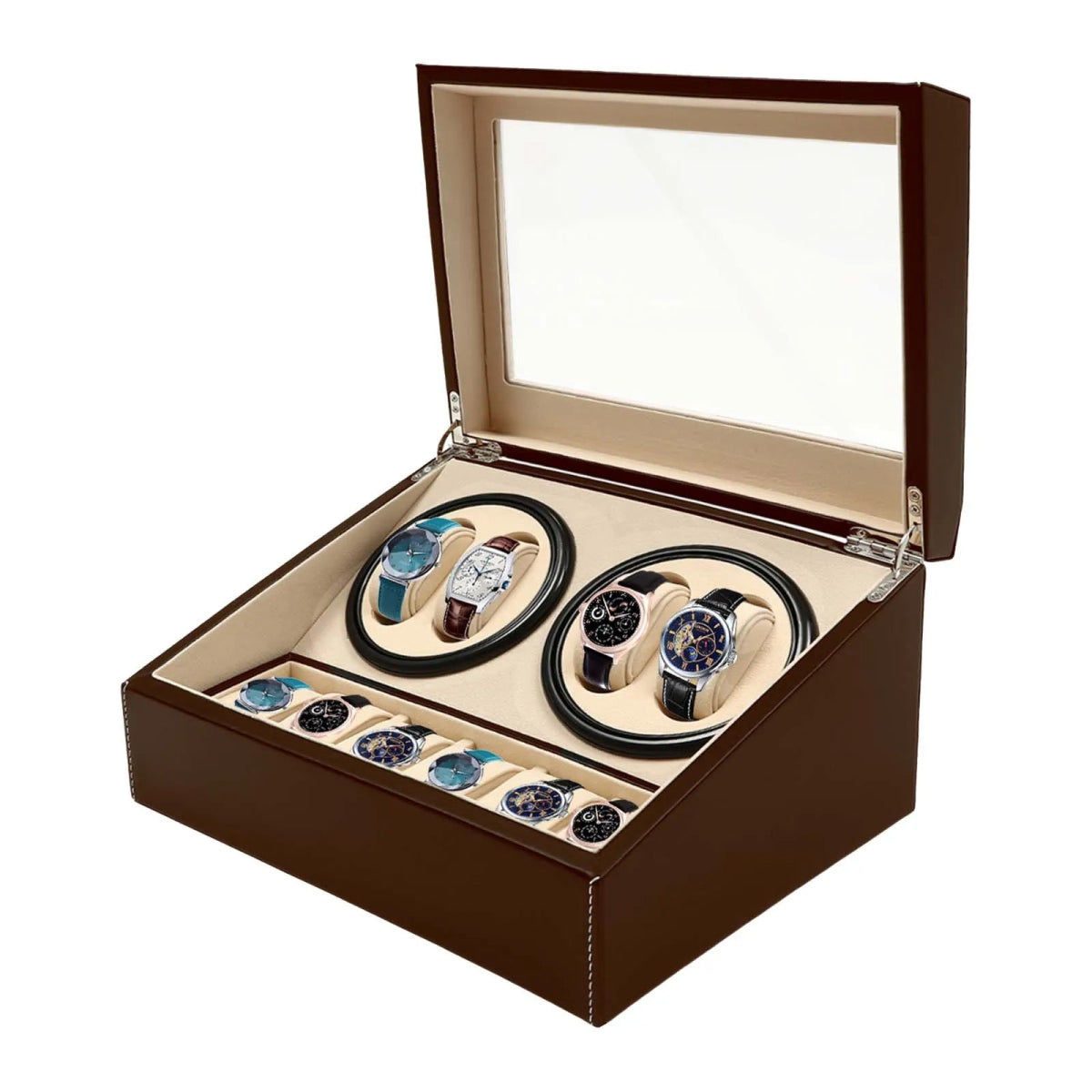
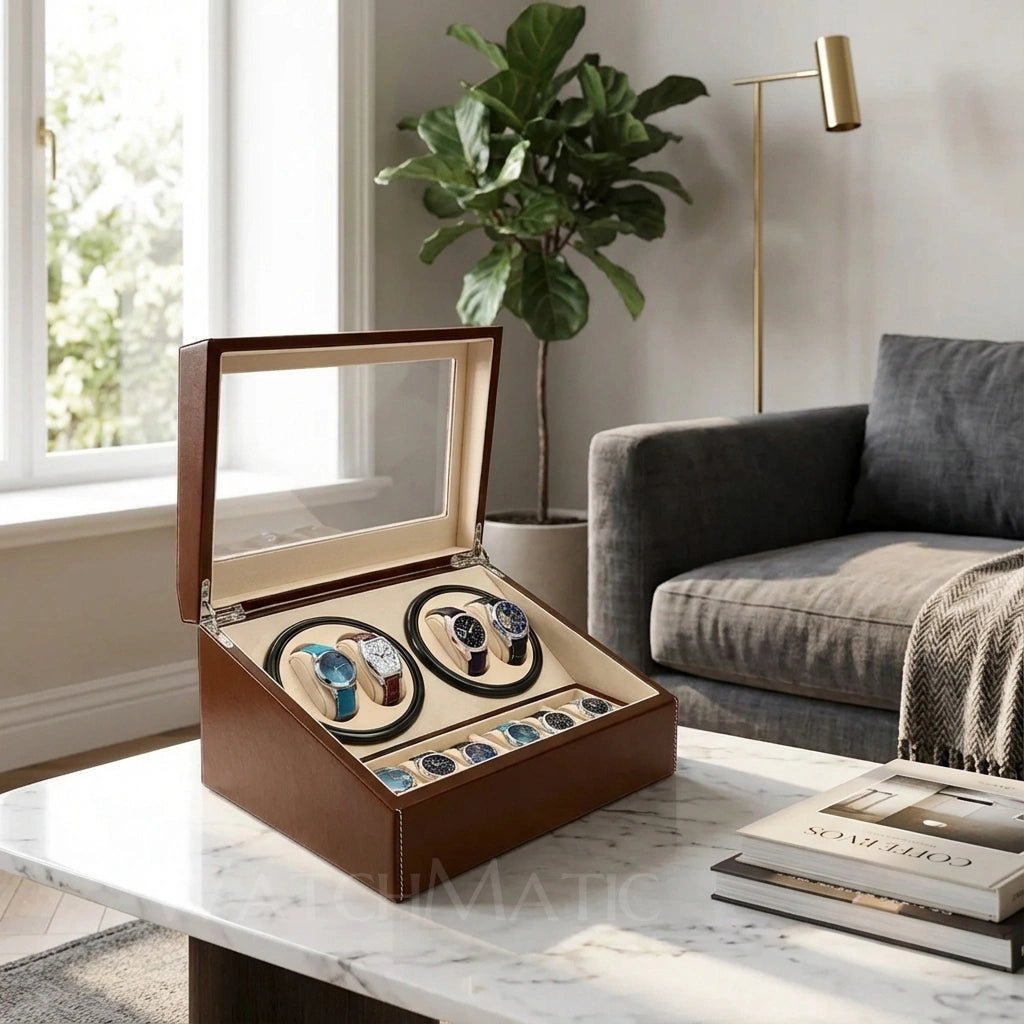
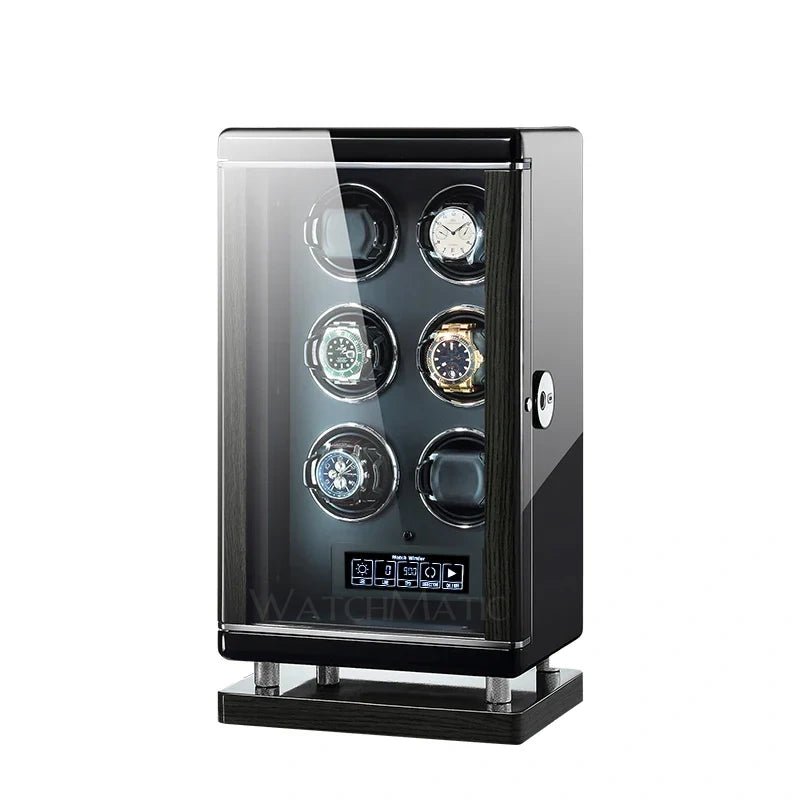
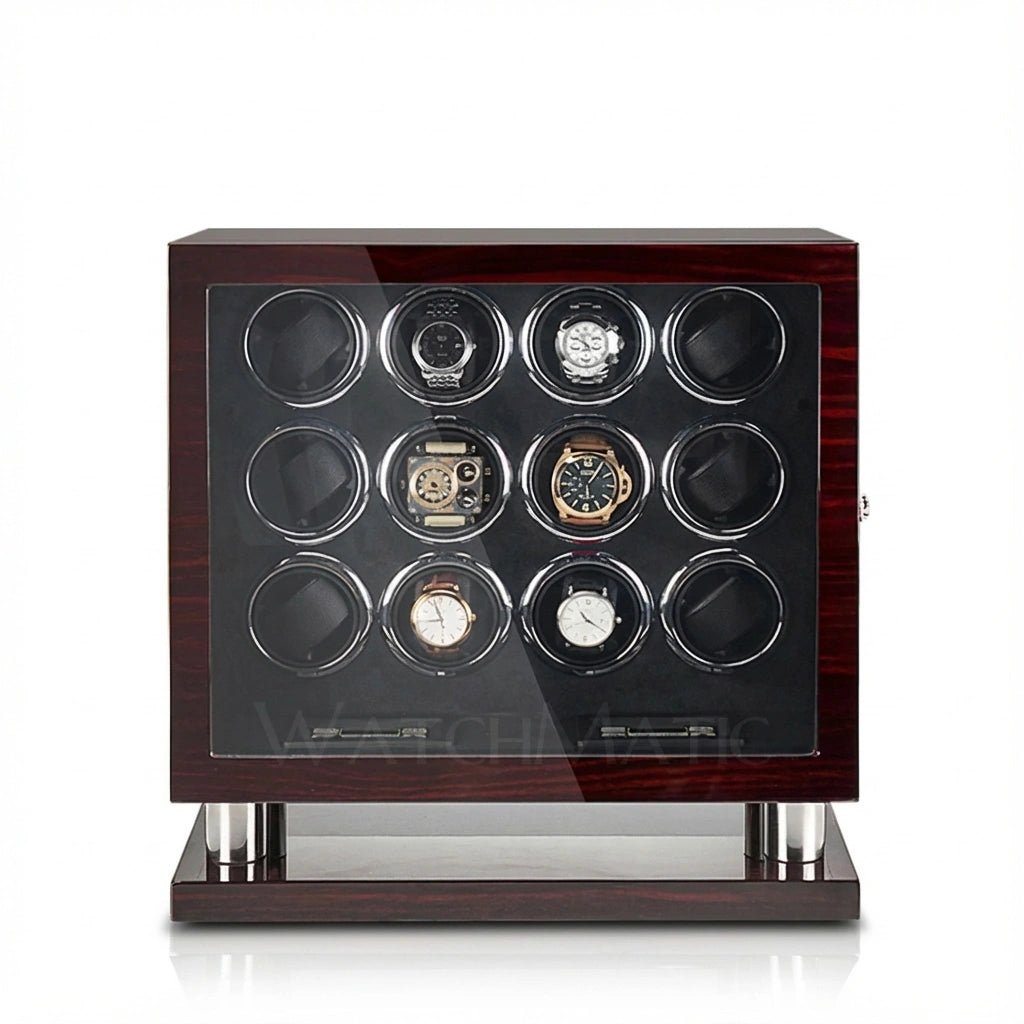
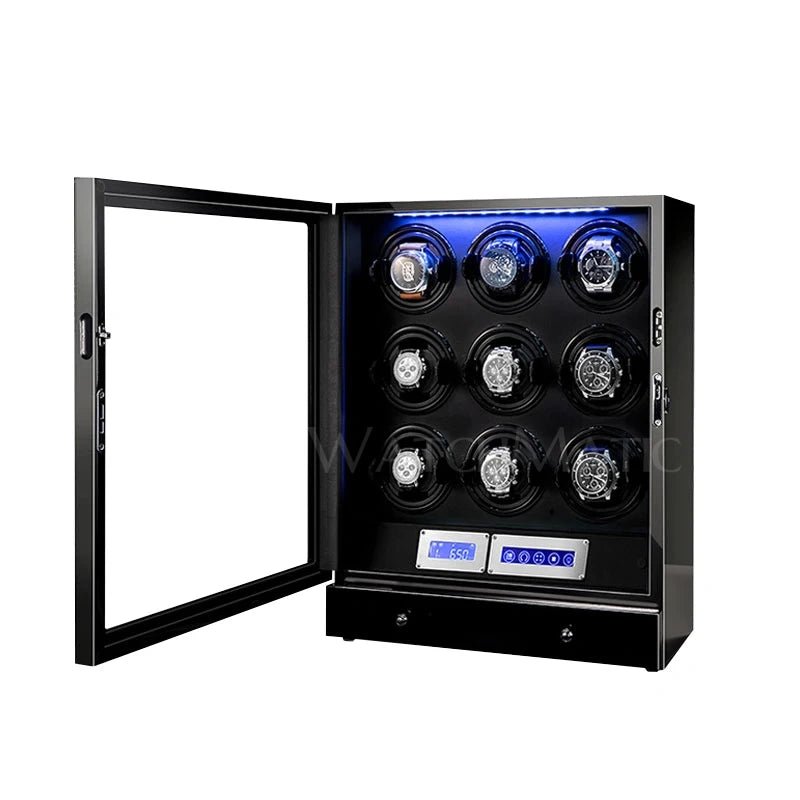
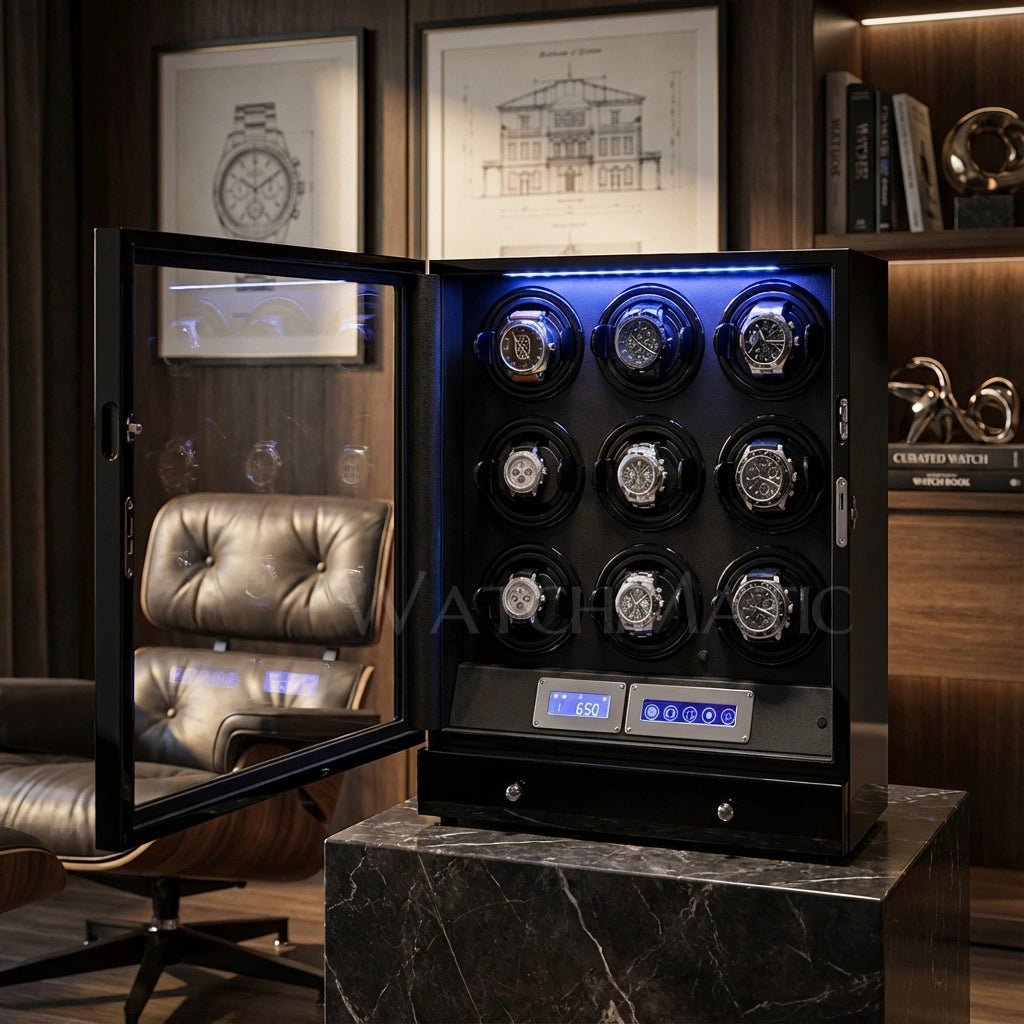
The Vento Luxury Quad Watch Winder is a particularly logical fit for a compact Baltic automatic collection because it provides four independently controlled winding positions.
Each winder can be configured independently for:
- TPD
- Rotation direction
- Winding mode
A four-watch Baltic setup could contain:
- Aquascaphe MK2
- Aquascaphe GMT MK-II
- MR Classic
- HMS 003
without forcing Miyota, Hangzhou and other automatic architectures onto one shared program.
Why Vento Is a Proportionate Fit for Baltic
Baltic occupies a price category where a large safe-style winder may be excessive for someone who owns only one or two watches.
A four-position system becomes more logical when the owner has:
- Several Baltic automatics
- Baltic plus other mechanical watches
- Different movement families
- A regular rotation
This makes Vento a more proportionate first commercial recommendation than a large watch safe.
Do Not Put Scalegraph on a Rotor Just to Fill the Space
A Scalegraph can physically sit on a Vento cushion.
That does not mean the rotation winds it.
The same applies to Prismic.
Powered positions should ideally be reserved for genuine automatic watches.
Is It Safe to Keep a Baltic Automatic on a Watch Winder?
A properly configured quality winder can be used with an automatic Baltic.
Important considerations include:
- Identifying the exact movement
- Selecting suitable TPD
- Selecting appropriate rotation direction
- Using controlled rest cycles
- Supporting the watch securely
- Maintaining crown and pusher clearance
- Avoiding unnecessary magnetic exposure
If the watch shows abnormally short reserve despite adequate winding, professional inspection is more appropriate than repeatedly increasing TPD.
A Watch Winder Does Not Service a Baltic Watch
A watch winder does not:
- Replace lubricants
- Regulate accuracy
- Repair a Miyota movement
- Service a micro-rotor
- Repair a GMT mechanism
- Service a chronograph
- Renew dive-watch seals
- Restore water resistance
Its role is simply to provide rotational motion to a compatible automatic movement.
Watch Winder vs. Watch Safe for Baltic Collectors
For a small Baltic collection, a standalone winder is generally the more proportionate solution.
A watch winder safe becomes more relevant when Baltic forms part of a much larger mixed collection.
| Feature | Standalone Winder | Watch Winder Safe |
|---|---|---|
| Automatic winding | Yes | Yes |
| Independent programs | Available | Available |
| Manual-watch storage | Possible | Yes |
| Physical security | Limited | High |
| Controlled access | Limited | High |
| 1–4 Baltic watches | Highly suitable | Usually unnecessary |
| Larger mixed collection | Moderate | More suitable |
Collectors requiring combined security and automatic winding can explore the Watch Winder Safe Collection.
Titan Vault 20 for a Larger Mixed Collection

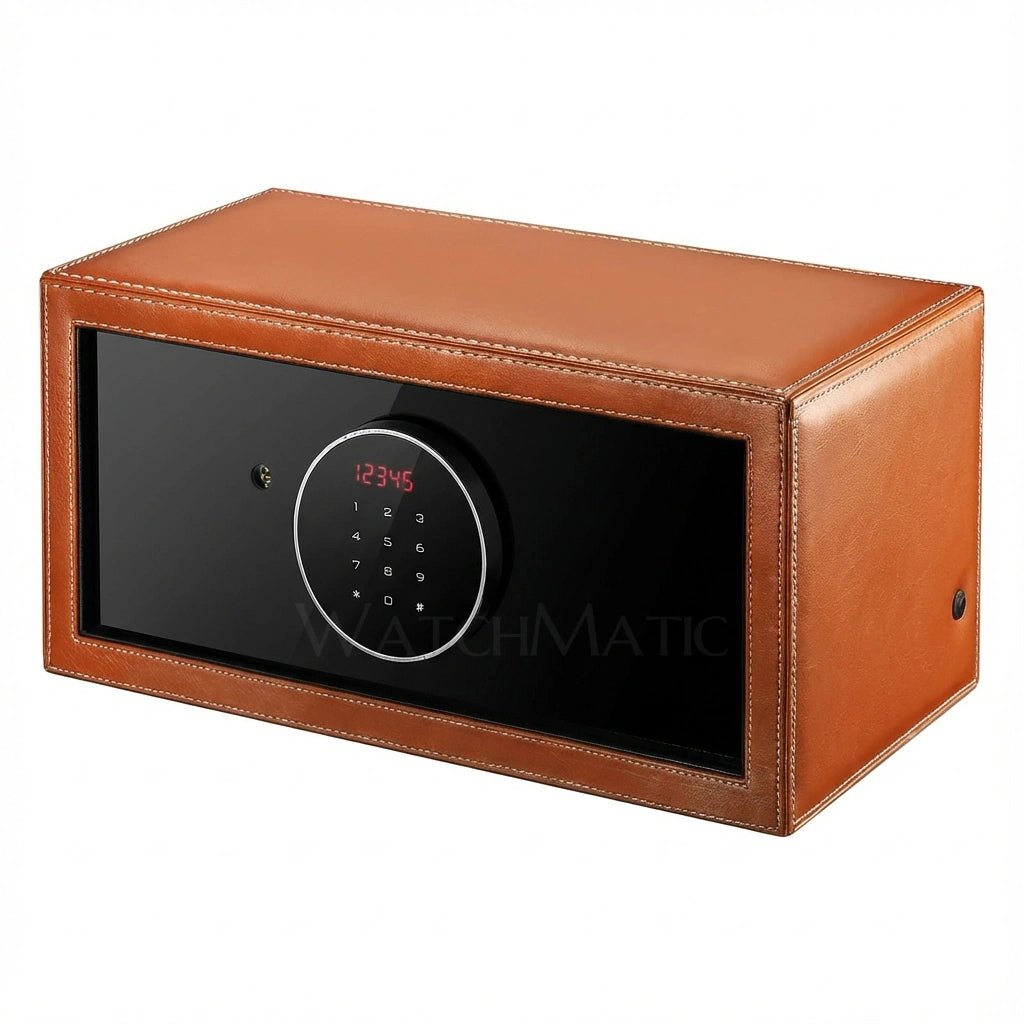
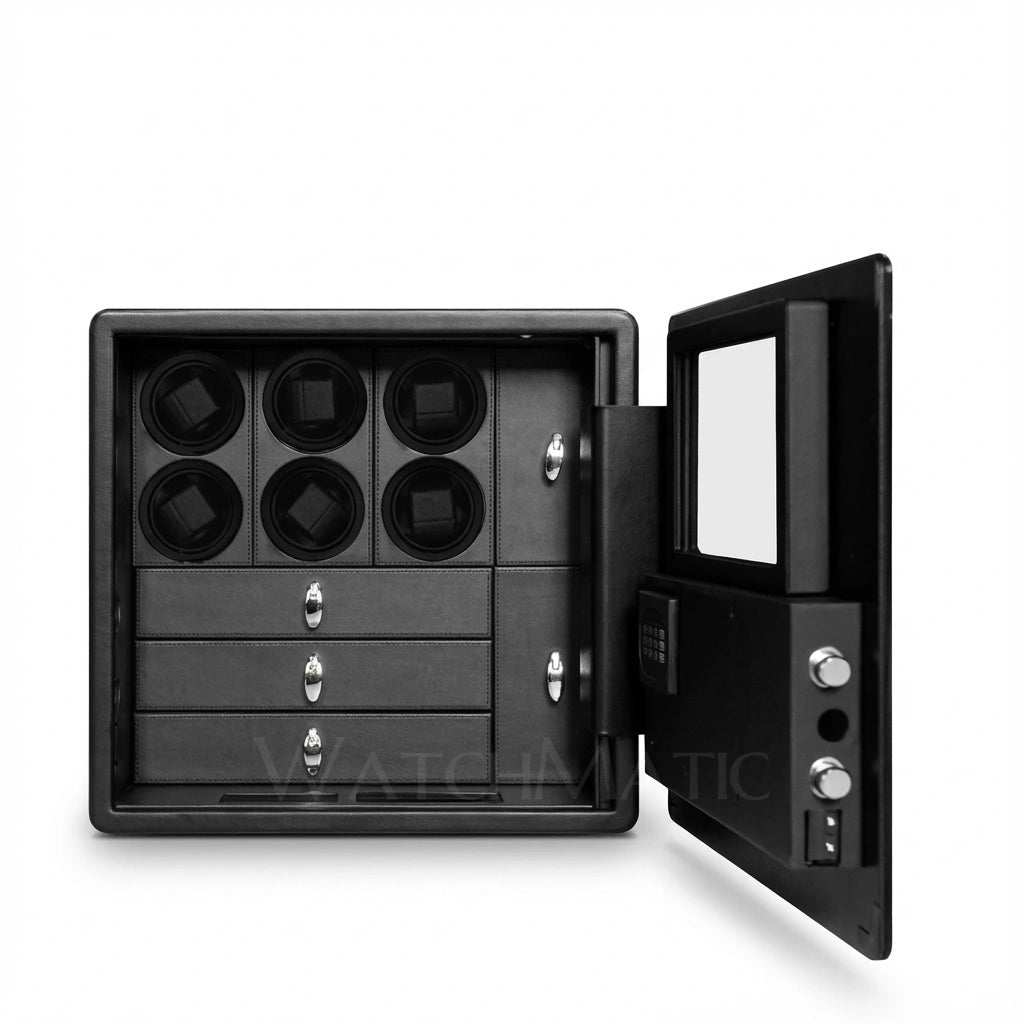
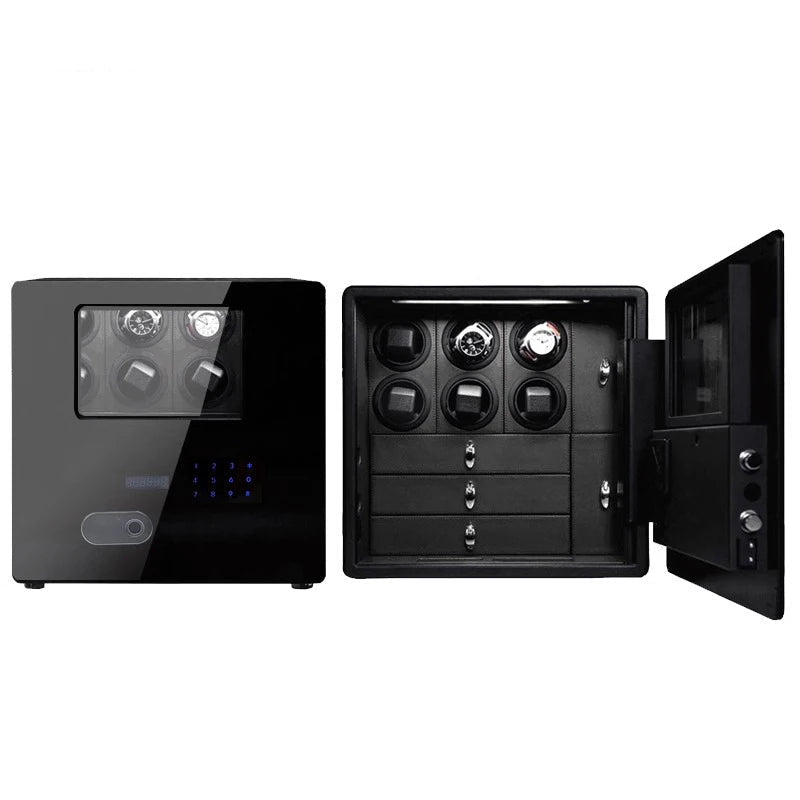
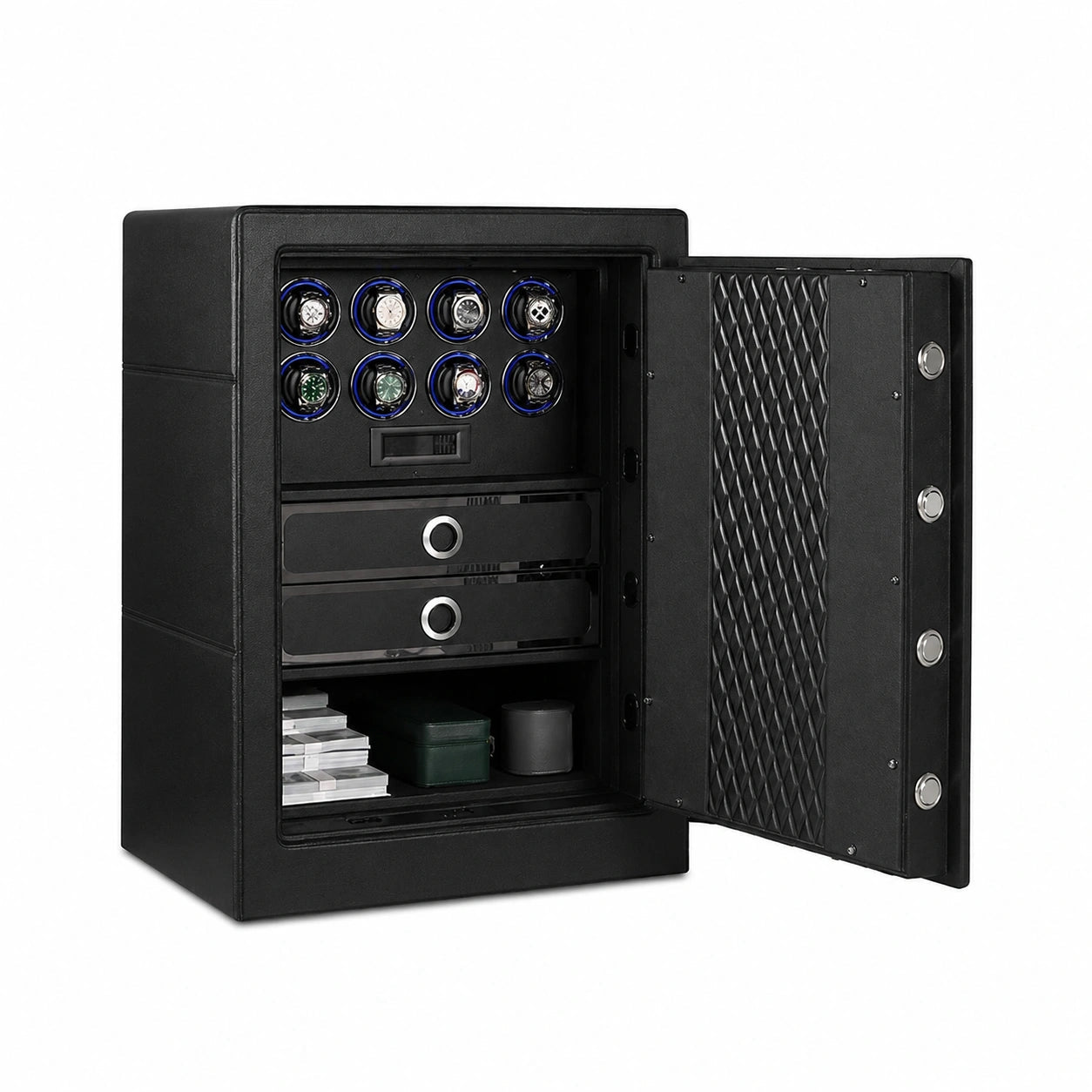
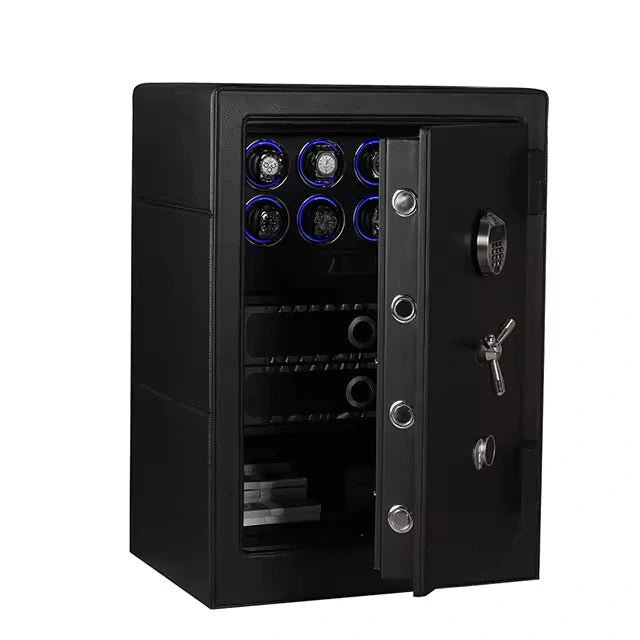
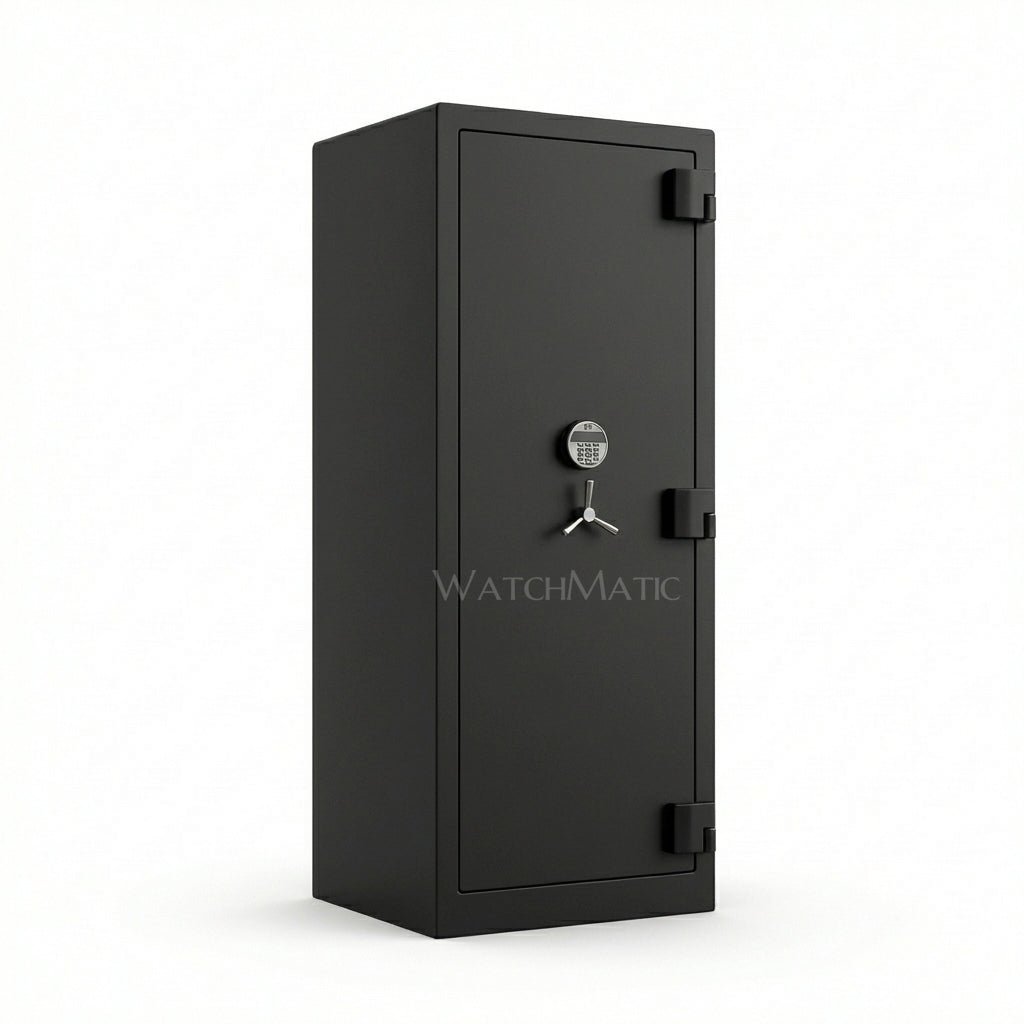
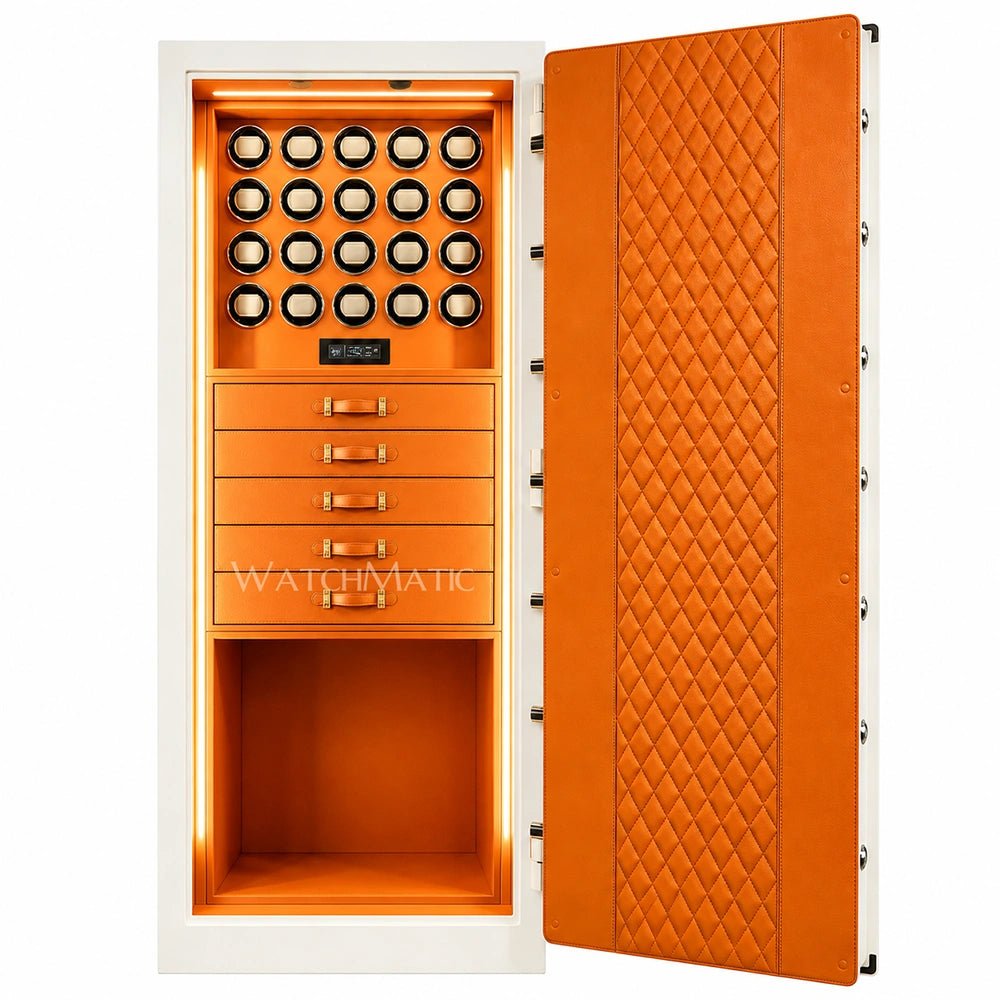
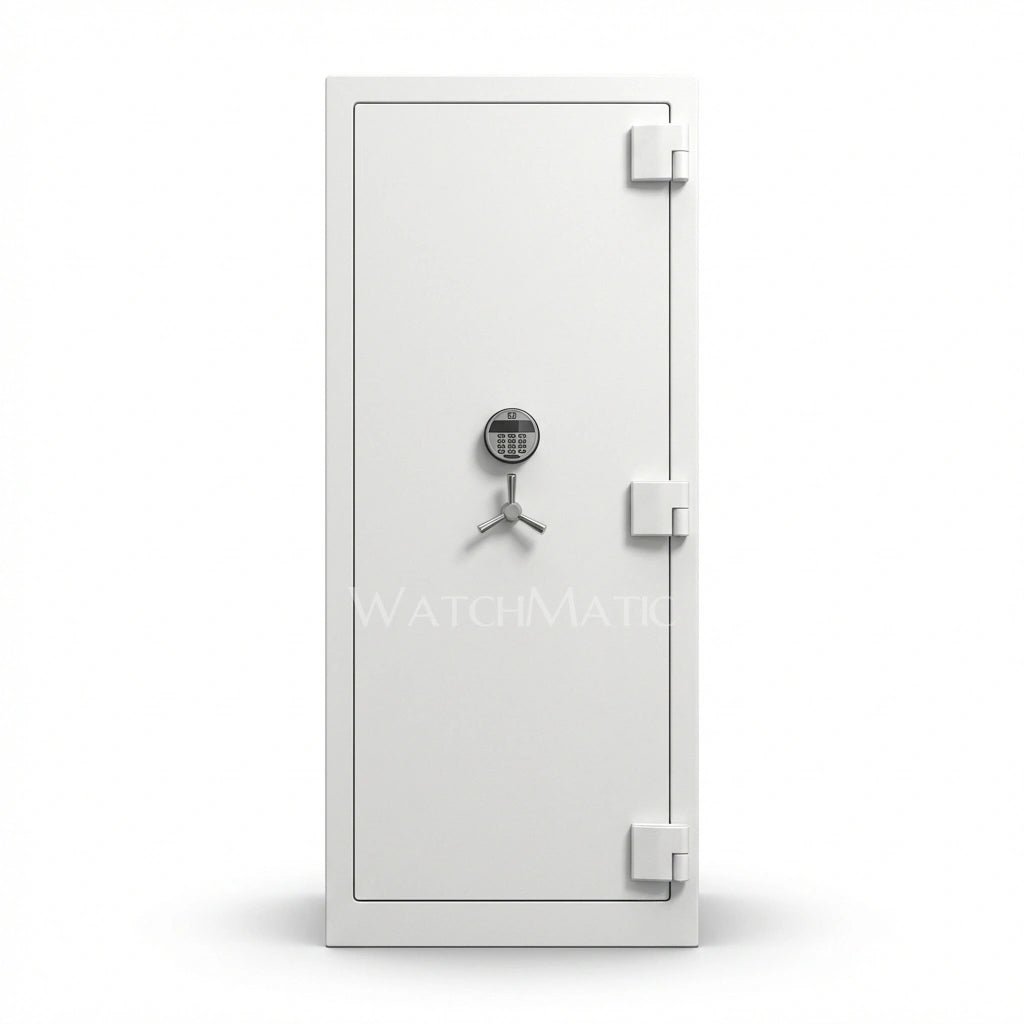
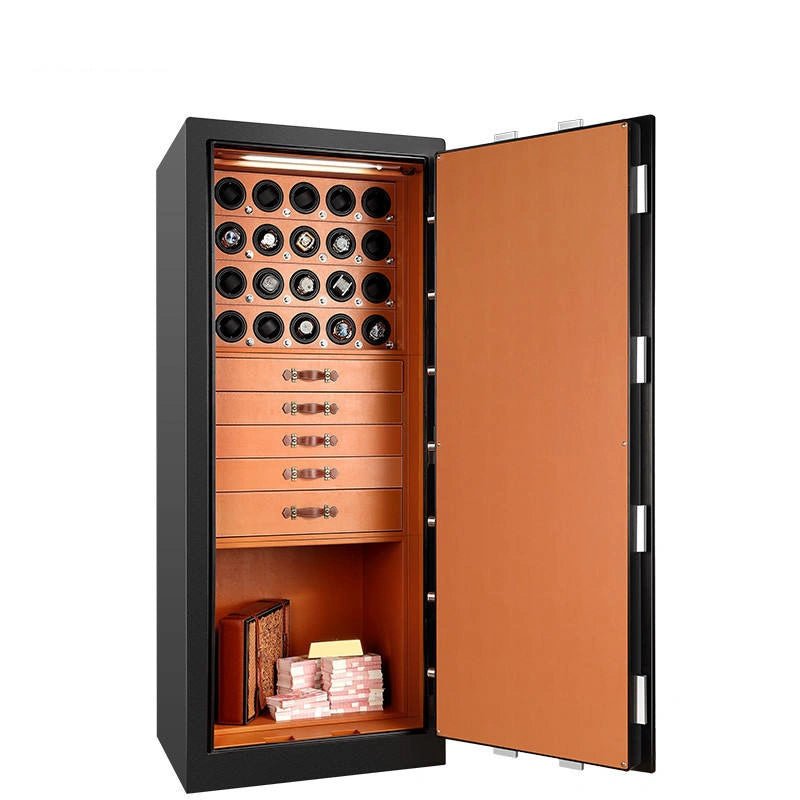
For Baltic watches within a larger luxury-watch collection, the Titan Vault 20 Watch Winder Safe combines 20 winding positions with secure storage architecture.
Available features include:
- Monolithic solid-steel body
- 10-layer reinforced exterior shell
- Biometric fingerprint access
- Digital passcode
- Manual key access
- Floor anchoring
- LCD touchscreen
- Japanese Mabuchi motors
- Independent winding controls
- TPD range from 650 to 2200
- CW/CCW/bidirectional operation
- Ultra-quiet operation below 10 dB
- Anti-magnetization protection
- Adjustable interior lighting
- 10-year warranty
EN 15659 LFS 60 P fire certification and UL TL-30 / EN 1143-1 Grade III security certification are available upon request, rather than being standard on every configuration.
Titan Vault 20 Is a Collection-Level Recommendation
Titan Vault 20 should not be presented as necessary for one Baltic watch.
It becomes more logical when the overall collection also includes watches such as:
- Rolex
- Omega
- Tudor
- Grand Seiko
- Cartier
- Breitling
- Independent brands
At that point, the storage problem becomes larger than simply keeping one 42-hour Miyota movement running.
Baltic Watches Can Share the Safe With Other Brands
Independent winding control is particularly useful because a larger collection may include:
- Baltic Miyota 9039
- Baltic CAL5000a micro-rotor
- Omega co-axial movement
- Rolex automatic caliber
- Grand Seiko automatic
- another independent micro-rotor
Each powered position can be programmed separately.
Manual Baltic Watches Still Benefit From Security
Scalegraph and Prismic do not need powered rotation.
That does not mean they cannot benefit from secure storage.
If stored within a larger safe, they can remain in stationary compartments rather than consuming motorized capacity.
When Stationary Safe Storage Makes More Sense
A Baltic collection containing several:
- Scalegraphs
- Prismics
- archived Bicompax chronographs
may contain many mechanical watches but relatively few automatics.
In that situation, secure options from the Luxury Watch Safe Collection may make more sense than maximizing rotor count.
Historical Baltic Bicompax
The former Bicompax 002, discontinued from the catalog in 2025, used:
Seagull ST1901
with:
manual winding
and approximately:
42 hours of power reserve.
This is relevant because Baltic collectors often own discontinued references alongside current models.
Does the Bicompax Need a Watch Winder?
No.
Like the current Scalegraph, the Bicompax is a manually wound mechanical chronograph.
It should be wound via the crown.
A conventional rotating winder provides no winding benefit.
Historical Reference Status Matters
Baltic has evolved relatively quickly.
The brand's archive includes:
- Former chronographs
- Collaborations
- Earlier Aquascaphe generations
- Limited editions
- Different movement generations
Therefore:
current collection advice should not automatically be applied to every historical Baltic.
Identify the exact reference first.
Baltic in a Mixed Accessible Mechanical Collection
Baltic often appeals to collectors who also own established Swiss, Japanese and enthusiast-focused mechanical watches.
A mixed collection might include:
Baltic + Christopher Ward + Hamilton + Mido + Seiko + Certina
Related WatchMatic guides include:
Best Watch Winder for Christopher Ward Watches
Best Watch Winder for Hamilton Watches
Best Watch Winder for Mido Watches
Best Watch Winder for Seiko Watches
Best Watch Winder for Certina Watches
Although these brands may overlap in price or collector interest, their movements should not share one universal winding program.
Baltic vs. Seiko
Both brands use Japanese movement architecture in parts of their catalog.
However, Baltic's main Japanese automatics come from Miyota rather than Seiko.
Therefore:
Japanese movement ≠ same winding specification.
Movement manufacturer and caliber matter.
Baltic vs. Christopher Ward
Both brands appeal strongly to enthusiast collectors and use multiple third-party movement architectures.
That creates a similar rule:
identify the movement before selecting the winder program.
Brand positioning does not determine TPD.
Baltic vs. Hamilton
Hamilton includes both automatic and manual mechanical references.
Baltic now does the same across its broader catalog.
Therefore, the word:
mechanical
is insufficient in both cases.
How to Choose the Best Watch Winder for Your Baltic
Step 1: Identify the Exact Collection
Determine whether the watch is:
- Aquascaphe
- Aquascaphe GMT
- Hermétique
- HMS
- MR
- Heures du Monde
- Scalegraph
- Prismic
- Historical Bicompax
Step 2: Identify the Exact Reference
This matters especially for:
- Aquascaphe MK2 Date vs. No Date
- earlier vs. current Aquascaphe GMT
- MR variants
- current vs. archived chronographs
Step 3: Identify the Movement
Important current movements include:
- Miyota 9039
- Miyota 9015
- Miyota 9075
- Miyota 8315
- Hangzhou CAL5000a
- Soprod C125
- Sellita SW510-M
- ETA/Peseux 7001
Step 4: Confirm Automatic or Manual
Current examples:
Miyota 9039 → automatic
Miyota 9015 → automatic
Miyota 9075 → automatic
Miyota 8315 → automatic
CAL5000a → automatic micro-rotor
Soprod C125 → automatic
SW510-M → manual
Peseux 7001 → manual
Step 5: Check Power Reserve
Representative current values include:
42 hours → many automatics and Prismic
60 hours → HMS 003
63 hours → Scalegraph manual
Step 6: Determine Whether TPD Is Relevant
TPD only matters for automatic watches.
Do not assign TPD to:
- Scalegraph
- Prismic
- Bicompax
for conventional winding purposes.
Step 7: Determine Winding Direction
Use verified caliber-specific information.
Choose a winder that supports:
- CW
- CCW
- Bidirectional
Step 8: Consider the Complication
GMT and world-time references gain more convenience from staying synchronized.
A chronograph does not automatically require more TPD.
Step 9: Check Strap and Bracelet Fit
Baltic uses:
- Leather
- FKM rubber
- Beads of Rice
- Flat Link
- Mesh
The cushion should match the actual watch configuration.
Step 10: Match Rotor Capacity to Automatic Watches
Do not equate:
number of mechanical watches
with:
number of powered rotors required.
For broader resources covering watch winding, TPD, storage and collection protection, visit the WatchMatic Guide Hub.
Best Watch Winder for Baltic Watches: Final Thoughts
Choosing the best watch winder for a Baltic begins with identifying the exact movement.
Much of the current catalog is automatic.
The Aquascaphe MK2, Aquascaphe Dual-Crown, Aquascaphe Titanium and Hermétique use Miyota automatic movements with approximately 42 hours of power reserve.
The current Aquascaphe GMT MK-II uses the Miyota 9075 true GMT, also with approximately 42 hours.
The MR Classic uses the Hangzhou CAL5000a micro-rotor with approximately 42 hours.
The Heures du Monde uses the automatic Soprod C125 GMT with approximately 42 hours.
The HMS 003 stands apart with the Miyota 8315 and approximately 60 hours of reserve.
But Baltic also has major manual-wind exceptions.
The current Prismic uses the ETA/Peseux 7001 with approximately 42 hours of reserve.
The current Scalegraph uses the Sellita SW510-M with approximately 63 hours.
Neither receives winding energy from conventional rotation.
This creates two particularly useful comparisons:
MR Classic → 42 h → automatic micro-rotor → winder compatible
versus:
Prismic → 42 h → manual → no conventional winding benefit
and:
HMS 003 → 60 h → automatic → winder compatible
versus:
Scalegraph → 63 h → manual → no conventional winding benefit.
The central lesson is therefore:
neither power reserve nor mechanical complexity determines watch-winder compatibility.
For a confirmed automatic Baltic, prioritize:
- Adjustable TPD
- CW/CCW/bidirectional programming
- Independent controls
- Controlled rest cycles
- Smooth quiet operation
- Flexible cushions
- Bracelet and strap compatibility
- Appropriate crown and case clearance
For manually wound Scalegraph, Prismic and historical Bicompax watches, prioritize stationary storage instead.
The most reliable decision framework is:
Baltic Reference → Movement → Automatic or Manual → Power Reserve → Complication → Physical Fit → TPD/Direction → Winder or Stationary Storage
For additional automatic-winding and secure-storage solutions, explore WatchMatic.