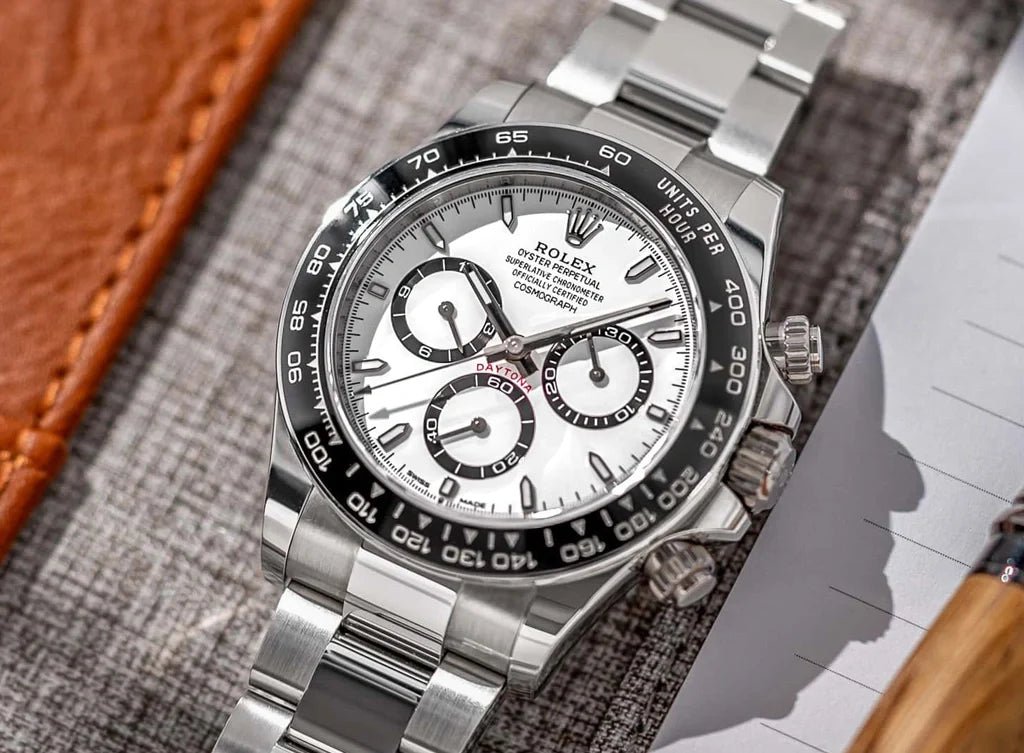
Buying your first luxury watch is a memorable experience. You spend time researching brands, comparing references, trying different case sizes, and finally choosing a timepiece that feels right.
Perhaps your first watch is a Rolex Submariner, an Omega Speedmaster, a Cartier Santos, a Tudor Black Bay, or a Grand Seiko that you have admired for years.
You wear it regularly, appreciate its craftsmanship, and gradually become more interested in mechanical watchmaking.
Then something happens. You start thinking about a second luxury watch.
At first, the decision seems straightforward. Find another watch you love and add it to your collection.
But as you explore different models, a more interesting question emerges: What should your second luxury watch add that your first one doesn't?
Should it be a different brand? A different complication? A dress watch to complement your sports watch? Or should you simply buy another version of the style you already enjoy?
The answer is not necessarily to choose the most expensive watch, the most prestigious brand, or the model that receives the most attention among collectors.
Your second watch is an opportunity to understand your preferences more clearly and build a collection that reflects how you actually live.
In this guide, we explain how to identify what your first watch already does well, recognize what may be missing, compare potential second watches, and decide whether a new acquisition genuinely deserves a place alongside the timepiece you already own.
Quick Answer: What Should Your Second Luxury Watch Add?
Your second luxury watch should ideally add a new reason to wear a watch, whether through a different purpose, style, complication, wearing experience, or personal significance.
That does not mean it must be completely different from your first watch.
A collector who loves dive watches may genuinely enjoy owning two distinctive divers. Another collector may find greater satisfaction pairing a versatile steel sports watch with a slim dress watch.
What matters is understanding why the second watch belongs in your collection.
Before buying, ask yourself:
- What situations does my first watch already handle well?
- When do I wish I had something different on my wrist?
- Would the new watch provide a noticeably different wearing experience?
- Does it offer a function, design, or emotional connection I currently lack?
- Will I actually wear it, or do I simply enjoy the idea of owning it?
- Can I comfortably afford the complete cost of ownership?
If you can explain what the second watch contributes, you are more likely to make a deliberate purchase rather than simply responding to the excitement of another acquisition.
1. Start by Understanding What Your First Luxury Watch Already Does Well
Before shopping for another watch, examine the one you already own.
Your first luxury watch has taught you something important about your preferences. You now have actual ownership experience rather than relying entirely on photographs, reviews, and specifications.
What Do You Enjoy Most About It?
Perhaps you appreciate its comfort, understated design, recognizable history, or robust construction.
Maybe you enjoy the mechanical movement, the sound of its winding mechanism, or the way its dial changes appearance under different lighting.
Identify the qualities that make you want to wear it.
What Do You Find Less Convenient?
No watch is perfect for every situation.
Your first watch may feel too large beneath a shirt cuff, too delicate for certain activities, or too formal for relaxed weekends.
Perhaps it lacks a useful second time-zone display or feels heavier than you would prefer for long days.
These are not necessarily flaws. They may simply reveal where another watch could provide a different experience.
When Do You Choose Not to Wear It?
This question can be especially revealing.
If you regularly remove your watch for certain occasions or choose not to wear it with particular clothing, consider why.
Is the concern appearance, comfort, practical suitability, or the watch's value?
A second watch may be useful if it addresses a recurring situation rather than an imaginary one.
2. Your Second Watch Should Have a Reason to Exist
A second luxury watch does not need to fill a formal category on a collector's checklist.
But it should provide something you personally value.
A Different Practical Function
For example, if your first watch is a simple three-hand automatic, you may be interested in exploring a GMT, chronograph, or another complication.
The second watch can introduce a mechanical or practical function that changes how you interact with the timepiece.
A Different Wearing Occasion
A substantial sports watch may be excellent for everyday use but less suitable for certain formal occasions.
A slimmer, more restrained watch could provide an alternative.
Conversely, someone whose first luxury watch is an elegant dress watch may want a more casual option for weekends and travel.
A Different Physical Experience
Two watches can feel remarkably different even when their case diameters are similar.
Case thickness, weight, lug shape, bracelet construction, dial layout, and strap materials can all influence the wearing experience.
A Different Emotional Experience
A watch may also be worth owning because its design, history, craftsmanship, or personal meaning appeals to you.
Not every acquisition needs a practical justification.
The important distinction is between genuine personal enjoyment and purchasing a watch merely because it appears on somebody else's must-have list.
3. The Five Ways a Second Watch Can Complement Your First
When evaluating a potential purchase, consider five types of complementary value.
| Type of Difference | First Watch | Potential Second Watch |
|---|---|---|
| Purpose | Everyday sports watch | Refined occasion or dress watch |
| Function | Time-and-date watch | GMT or chronograph |
| Design | Stainless steel, dark dial | Distinctive case shape or lighter dial |
| Wearing Feel | Heavy bracelet watch | Lightweight, slim watch on leather |
| Personal Interest | Contemporary automatic watch | Vintage-inspired or manually wound watch |
You do not need to create a difference in every category.
A change in one or two meaningful areas may be enough to make the second watch feel distinct.
For example, a collector might own two steel watches from the same manufacturer, but one is a practical everyday GMT while the other is an elegant, time-only piece with a completely different wearing character.
That can be a coherent two-watch collection.
4. Should Your Second Watch Be a Dress Watch or a Sports Watch?
One of the most familiar approaches to building a two-watch collection is pairing a sports watch with a dress watch.
It is popular because the two categories can offer noticeably different experiences.
If Your First Watch Is a Sports Watch
Suppose you own a stainless steel diver with a rotating bezel, luminous markers, and a substantial bracelet.
It may be comfortable for everyday activities and useful in situations where its specified durability and water resistance are appropriate.
For your second watch, you might consider something thinner, more restrained, or fitted with a leather strap.
This could provide an option for formal events, business attire, and occasions when you want a quieter presence on the wrist.
If Your First Watch Is a Dress Watch
Perhaps your first luxury watch is a Cartier Tank, a traditional Grand Seiko dress model, or another elegant timepiece.
Your second watch could introduce a more casual wearing experience.
A robust everyday sports watch, versatile steel watch, or travel-oriented model may be an appropriate direction.
Do You Actually Need Both Categories?
No.
Some collectors dress casually nearly every day and rarely attend formal events.
Others find that a versatile watch already works with almost everything they wear.
There is no requirement to own a dress watch simply because a traditional collection guide says every collection should contain one.
Choose based on your actual lifestyle rather than a theoretical list of watch categories.
5. Four Examples of Complementary Two-Watch Collections
Different first watches create different opportunities for a second purchase.
The following examples describe collecting directions rather than definitive model recommendations.
Example A: You Own a Rolex Submariner
A Submariner offers the design language of a traditional luxury dive watch, with a rotating bezel, distinctive sports styling, and a bracelet-oriented wearing experience.
A complementary second watch might be a slim dress watch, a watch with a different case shape, or a chronograph offering a new complication.
However, if you genuinely prefer dive watches above all other styles, choosing a different diver with a distinctive movement or design may also be satisfying.
Question to ask: Am I looking for a different occasion watch, or do I want to explore another expression of the dive-watch category?
Example B: You Own a Cartier Tank
A Tank can offer a recognizable rectangular design and an elegant, relatively restrained aesthetic, depending on the reference.
A second watch could introduce a round case, sports-oriented design, more substantial bracelet, or greater practical versatility for particular activities.
Question to ask: Do I want a watch that feels more casual and practical, or simply another artistic design that I enjoy?
Example C: You Own an Omega Speedmaster
A Speedmaster may already provide the visual and mechanical appeal of a chronograph.
A contrasting second watch could offer a cleaner time-only dial, a lighter wearing experience, or a more relaxed everyday character.
Movement type may also be relevant because some Speedmaster references are manually wound while others are automatic.
Question to ask: Do I want another mechanically interesting watch, or a simpler timepiece for everyday use?
Example D: You Own a Versatile Rolex Datejust
A Datejust can already function in a wide range of situations.
Depending on the configuration and the owner's preferences, it may serve as an everyday watch, business watch, and occasional dress watch.
A second watch might therefore introduce a specialized role, such as a dedicated chronograph, GMT, dive watch, or a more expressive design.
But there is no obligation to choose a completely different category if your preferences favor understated, versatile watches.
Question to ask: What experience do I want that my Datejust does not already provide?
6. Different Does Not Always Mean Better
Some collecting advice suggests that your second watch should be as different as possible from your first.
That can be useful, but taken too far, it may lead to buying a watch you do not particularly enjoy simply to create variety.
Do Not Buy a Dress Watch Just to Complete a Category
If you dislike traditional dress watches, purchasing one only because your first watch is a diver may result in a timepiece that receives very little wrist time.
Similar Watches Can Offer Meaningful Differences
Two sports watches may differ in movement, heritage, proportions, case finishing, design philosophy, and wearing comfort.
These differences can be meaningful to an enthusiast even if both occupy similar practical roles.
Your Personal Preferences Matter More Than a Perfectly Balanced Collection
A collection is not an academic exercise.
If two watches genuinely appeal to you for different reasons, owning both can make sense even when their specifications overlap.
However, be clear about whether you are adding a new experience or purchasing a preferred replacement for the watch you already own.
Those are two different decisions.
7. Ask Whether You Are Adding a Watch or Replacing Your First One
This is a distinction that can prevent disappointment.
Sometimes a collector believes they want a second watch but is actually searching for a more satisfying version of the first.
Signs You May Be Looking for a Replacement
- You want essentially the same design but from a more prestigious brand.
- You repeatedly compare the new watch against your current watch in identical situations.
- You expect to stop wearing your first watch after buying the new one.
- You are dissatisfied with the size, comfort, or appearance of your current watch.
- The proposed second watch solves the same problem more effectively.
There is nothing wrong with upgrading or replacing a watch.
However, recognizing your intention can help you decide whether building a two-watch collection is actually the right objective.
What a Genuine Addition Looks Like
A genuine addition gives you a reason to continue wearing both watches.
For example, you may still prefer your first watch for everyday activities but choose the second for formal events or when you want a different wearing experience.
The two watches coexist rather than constantly competing for the same role.
8. How Much Variety Should a Two-Watch Collection Have?
Variety can be useful, but it should reflect your preferences.
A balanced collection is not necessarily the collection with the greatest number of differences.
Style Variety
You may choose different case shapes, dial colors, materials, and straps.
This can make the two watches feel visually distinct.
Functional Variety
A GMT can introduce an additional time-zone indication, while a chronograph provides a stopwatch function.
However, a complication should be selected because you enjoy or value it, not merely to increase the technical diversity of your collection.
Mechanical Variety
You may be interested in experiencing both automatic and manual-winding movements, or perhaps a high-quality quartz watch alongside a mechanical one.
Each offers a different ownership experience.
Emotional Variety
One watch may represent a major career milestone, while the second commemorates a family event or personal achievement.
These watches may look similar but hold entirely different meanings.
For many collectors, emotional variety can be more significant than technical variety.
9. The Second Watch Decision Matrix
If several watches appeal to you, a simple scoring framework can help clarify your priorities.
Consider six criteria:
- Distinct Purpose: Does the watch offer a role your first watch does not cover?
- Realistic Wrist Time: Can you identify occasions when you would actually wear it?
- Wearing Experience: Does it offer meaningful differences in comfort, design, or feel?
- Personal Enjoyment: Do you genuinely love the watch independent of trends?
- Ownership Suitability: Does its maintenance, durability, and practicality suit your lifestyle?
- Financial Comfort: Is the complete purchase and ownership cost manageable?
Score each criterion from 0 to 2:
- 0: Does not satisfy the criterion.
- 1: Partially satisfies the criterion.
- 2: Strongly satisfies the criterion.
The maximum score is 12.
Worked Example: Choosing a Second Watch After a Steel Diver
Imagine a collector already owns a versatile stainless steel dive watch and is comparing three potential additions.
| Criterion | Slim Dress Watch | Another Steel Diver | Travel GMT |
|---|---|---|---|
| Distinct purpose | 2 | 0 | 2 |
| Realistic wrist time | 1 | 2 | 2 |
| Wearing experience | 2 | 1 | 1 |
| Personal enjoyment | 2 | 2 | 2 |
| Ownership suitability | 2 | 2 | 2 |
| Financial comfort | 2 | 1 | 1 |
| Illustrative Total | 11/12 | 8/12 | 10/12 |
Scores are hypothetical and reflect one fictional collector's preferences. They are not objective ratings of watch types or purchase recommendations.
In this example, the dress watch scores highly because it provides a distinct experience while remaining affordable.
However, another collector who rarely wears formal clothing may give it a much lower wrist-time score.
Likewise, someone who travels internationally every month may find that a GMT is the most useful addition.
Use the matrix to clarify your priorities, not to override your personal judgment.
10. Try the Second Watch With Your Actual Lifestyle in Mind
Specifications and product photography can help you create a shortlist, but they do not tell you everything about how a watch will feel in daily life.
Evaluate Comfort
Pay attention to case thickness, lug-to-lug dimensions, weight, bracelet fit, and how the watch sits on your wrist.
A watch that looks ideal online may feel noticeably different when tried on.
Consider Your Clothing
Think about the clothing you normally wear.
Will the watch work with your everyday wardrobe, business attire, or the occasions for which you intend to use it?
You do not need a watch that matches every outfit, but it should make sense for its intended role.
Consider Your Activities
If the second watch is intended for travel or outdoor use, verify its actual capabilities.
Do not infer water resistance, shock resistance, or other performance characteristics from a watch's appearance alone.
Compare It With Your First Watch
Try to identify a realistic situation in which you would reach for the second watch instead of your first.
If you cannot imagine such a situation, consider whether the new watch is truly an addition or simply another attractive object.
11. The Seven-Day Lifestyle Test Before Buying a Second Watch
One practical method is to review your normal week before making the purchase.
For seven days, note when you wear your current watch and when you would appreciate something different.
You do not need to record every hour. Focus on meaningful situations.
| Situation | First Watch Experience | Potential Second-Watch Benefit |
|---|---|---|
| Office or meetings | Comfortable but bulky under a cuff | A thinner watch |
| Casual weekend | First watch already works well | No immediate gap |
| International travel | Second time zone requires extra checking | GMT functionality |
| Formal dinner | Sports watch feels too prominent | Understated dress design |
| Relaxed day at home | Heavy bracelet feels less comfortable | Lighter or softer strap option |
These are illustrative situations rather than a checklist every collector must complete.
The purpose is to distinguish real needs from imagined ones.
If your current watch already works perfectly throughout the week, that may indicate you do not need a second watch for practical reasons.
You may still want one for craftsmanship, design, or personal enjoyment, but you can make that decision consciously.
12. Should Your Second Luxury Watch Be More Expensive Than Your First?
No.
A second watch does not need to represent a financial upgrade.
Sometimes a less expensive watch offers exactly the design, comfort, or functionality that the collection is missing.
More Expensive Does Not Automatically Mean More Useful
Imagine your first watch is a high-value steel sports watch.
Your ideal second piece might be a relatively simple dress watch that feels entirely different on the wrist.
Its lower price does not make it a less meaningful addition.
Consider the Full Cost of Ownership
Beyond the purchase price, potential expenses may include servicing, insurance, straps, bracelet adjustments, and appropriate storage.
These costs vary significantly by model, age, movement, and ownership circumstances.
Do Not Buy Primarily Because You Expect Appreciation
Luxury watch resale values can fluctuate.
A desirable reference today is not guaranteed to appreciate or remain easy to sell in the future.
For a personal two-watch collection, prioritize a watch you genuinely want to own and wear rather than relying on assumptions about future prices.
There Is Nothing Wrong With Waiting
If buying another watch would create financial pressure, postponing the purchase is reasonable.
Enjoying your first luxury watch for longer may also help you make a more informed second purchase later.
13. How Your Second Watch Changes the Ownership Experience
Owning two watches creates new choices that do not exist with a one-watch collection.
Instead of simply wearing the same watch every day, you begin deciding which one suits a particular occasion or mood.
You Develop a Rotation
Some collectors alternate watches daily. Others choose one for weekdays and another for weekends or special events.
Neither approach is inherently better.
The key is having a realistic reason to use both watches.
You Learn More About Your Preferences
With two watches, differences in weight, proportion, bracelet feel, legibility, and movement become easier to appreciate.
You may discover that you prefer smaller watches, simpler dials, or manual-winding movements more than you originally expected.
You Begin Thinking About Storage
When you own one watch, it may spend most of its time on your wrist.
With two watches, one is frequently left unworn.
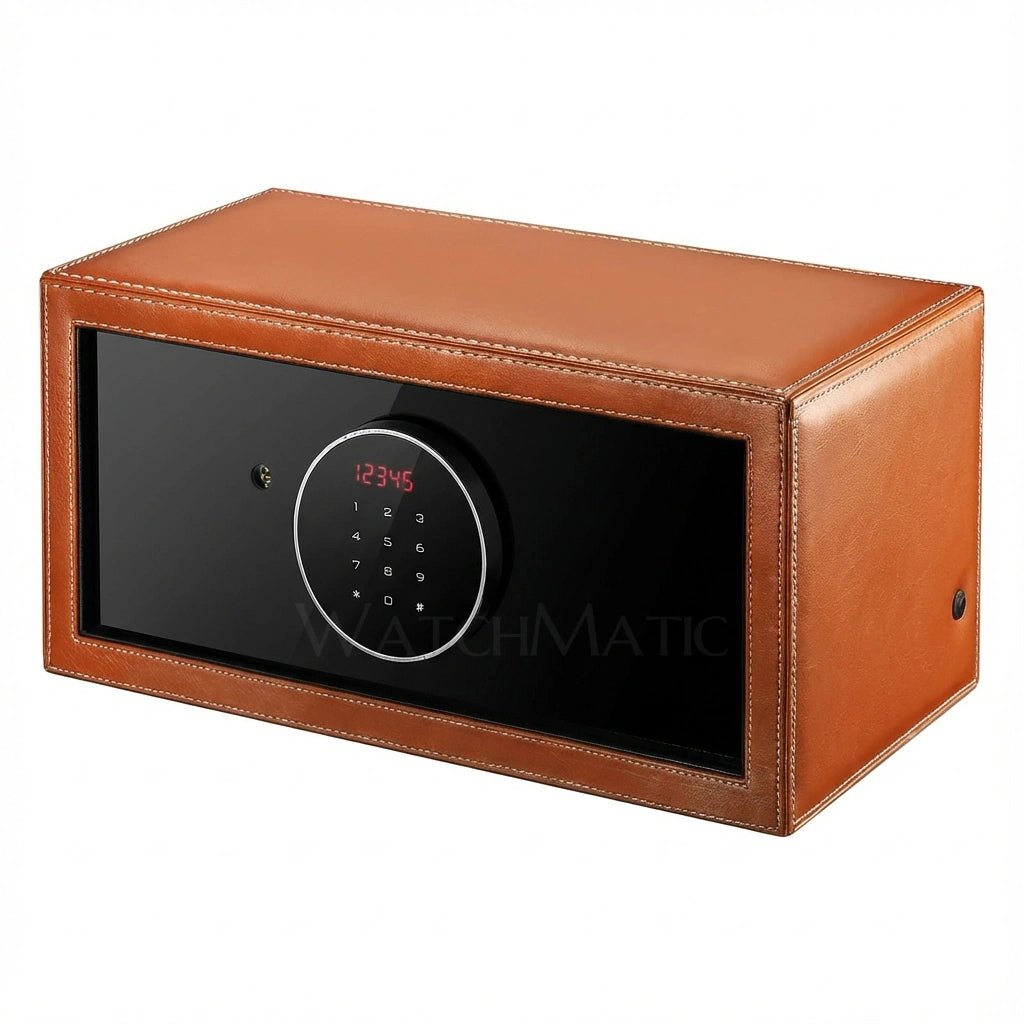
A dedicated storage arrangement can help keep the unworn watch organized and protected from unnecessary contact.
Automatic Watches May Need Resetting Between Wears
If both watches have automatic movements, one may stop after its power reserve is exhausted.
This is normal and does not mean that every automatic watch requires continuous winding.
Some collectors are comfortable restarting the watch when needed, while others prefer the convenience of a programmable winder.
14. How Should You Store a Two-Watch Luxury Collection?
Once you own two watches, appropriate storage becomes a practical part of ownership.
However, there is no need to purchase an elaborate cabinet simply because you have added a second timepiece.
Watch Box: A Practical Starting Point
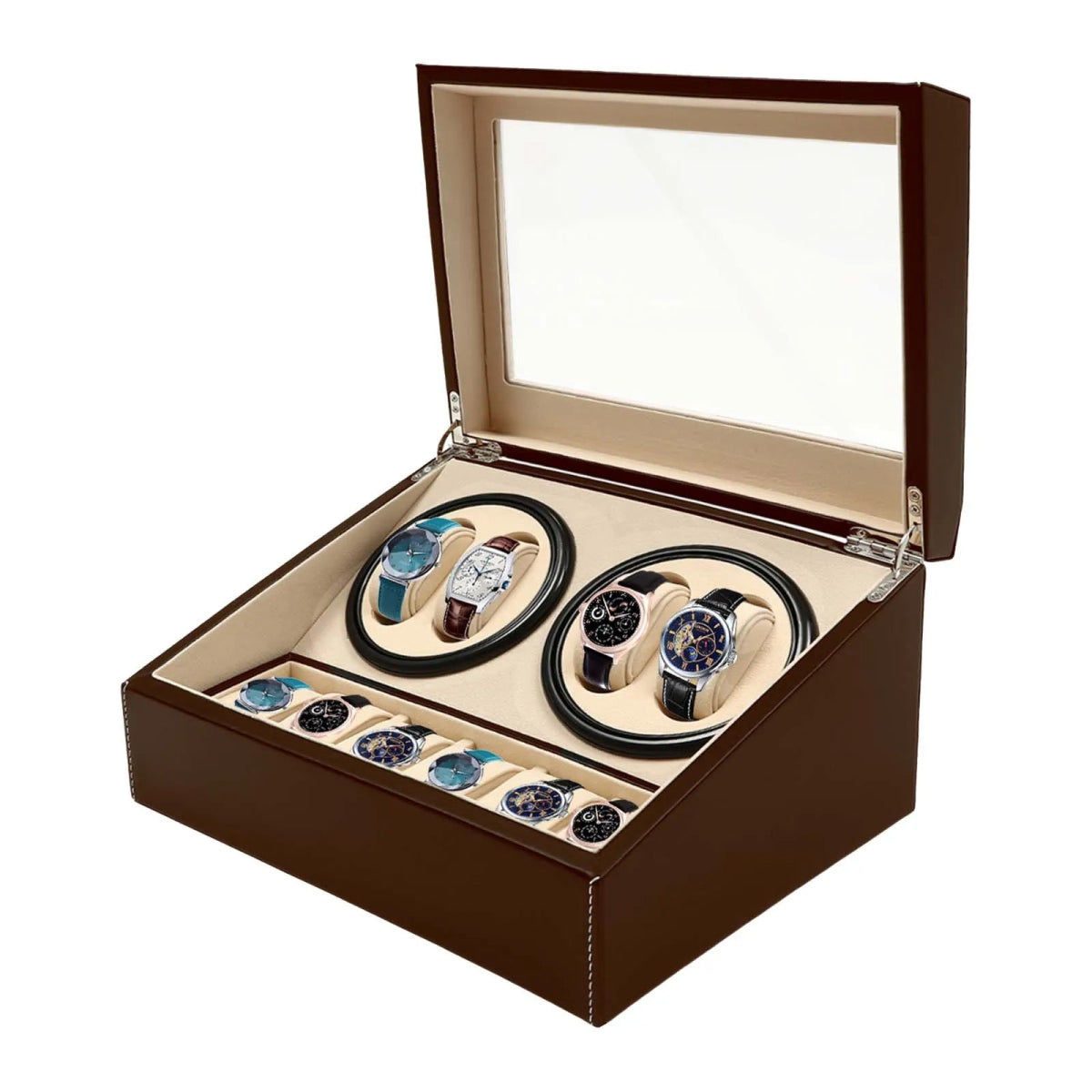
For many two-watch collections, a quality watch box provides organized storage with individual cushions and appropriate separation.
It can help avoid unnecessary contact between cases, bracelets, and hard surfaces.
Explore WatchMatic Watch Boxes, Cases & Rolls for home and travel storage options.
Watch Winder: Optional Convenience for Automatic Watches
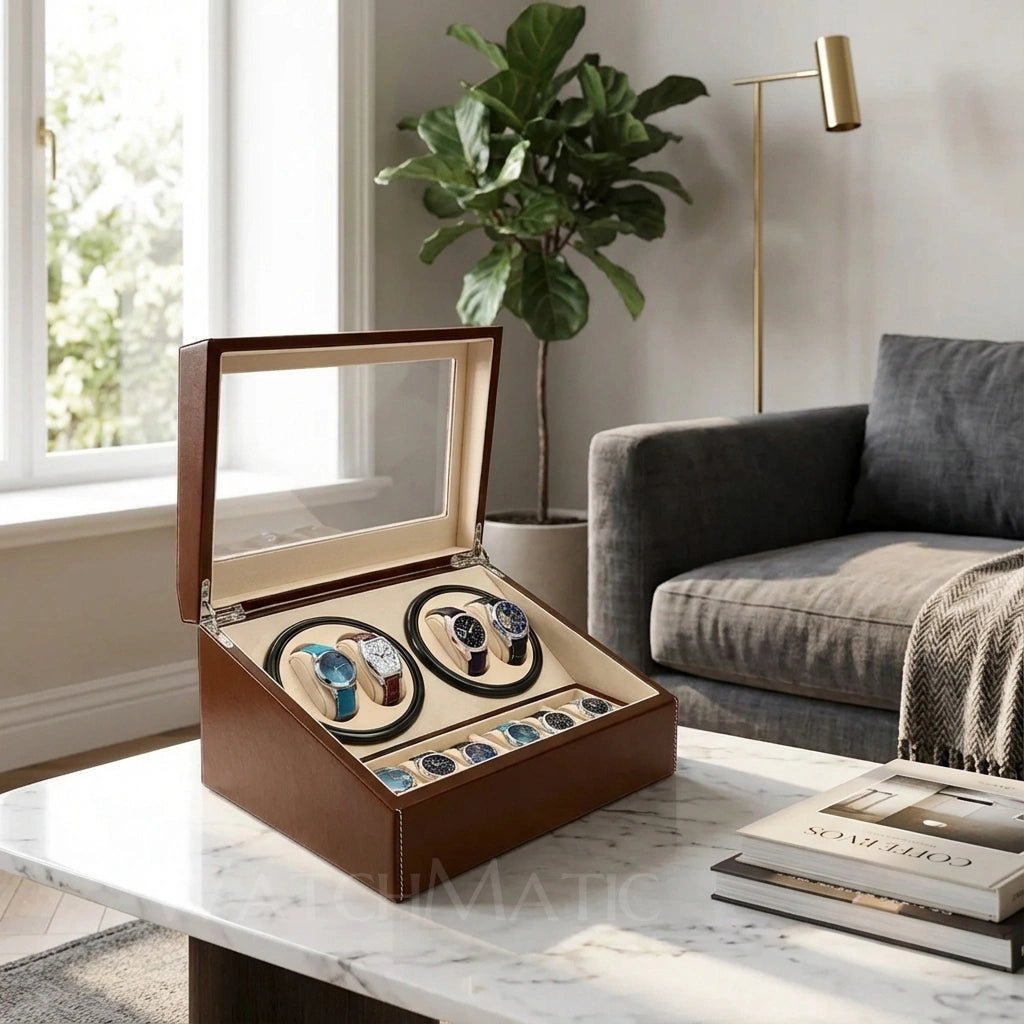
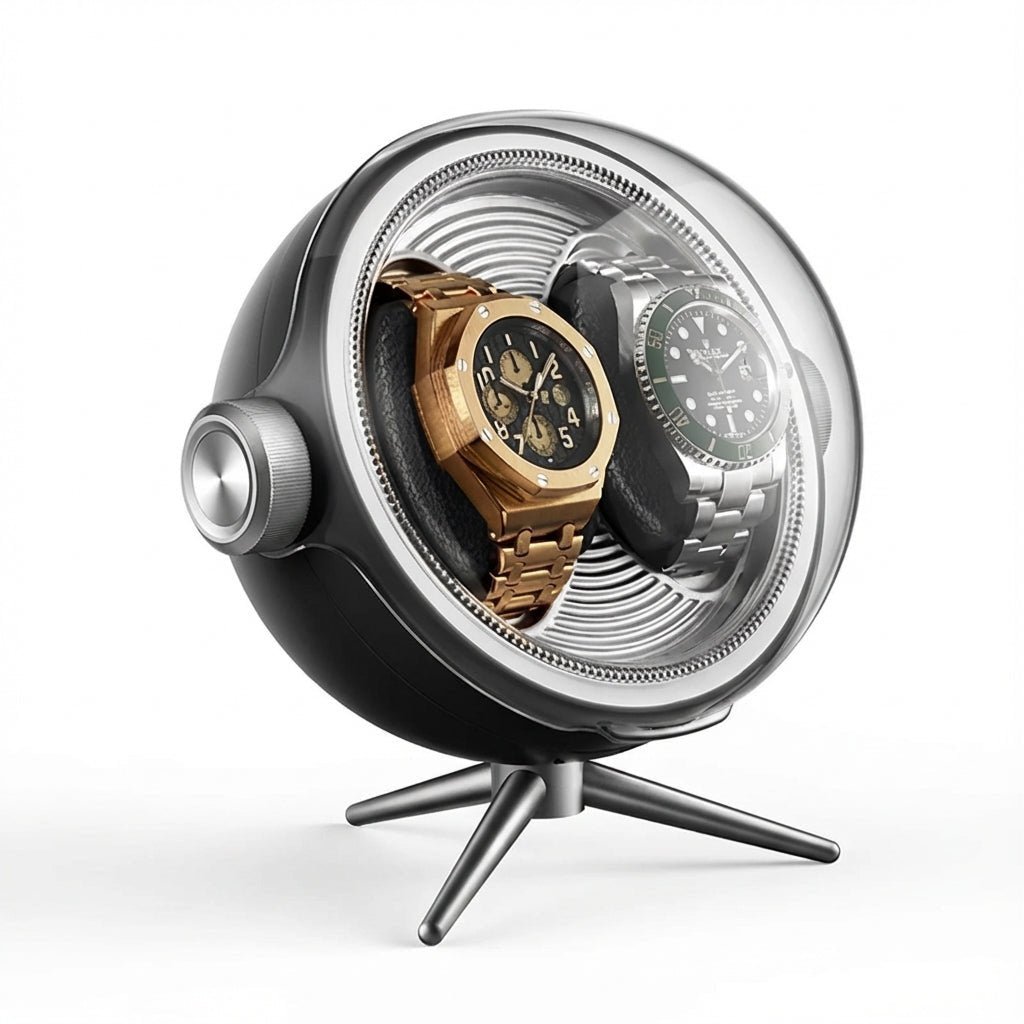
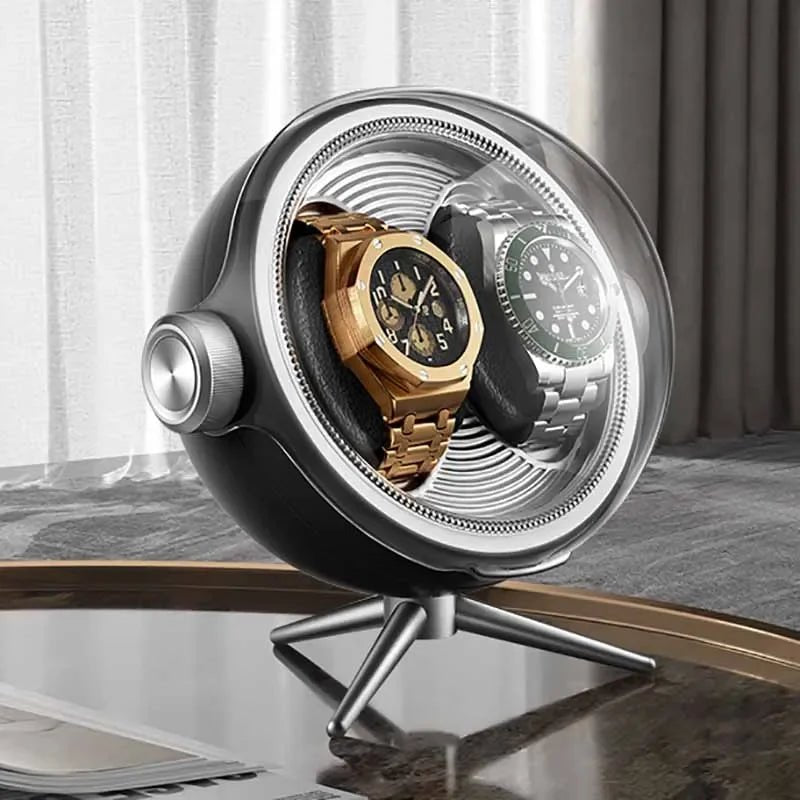
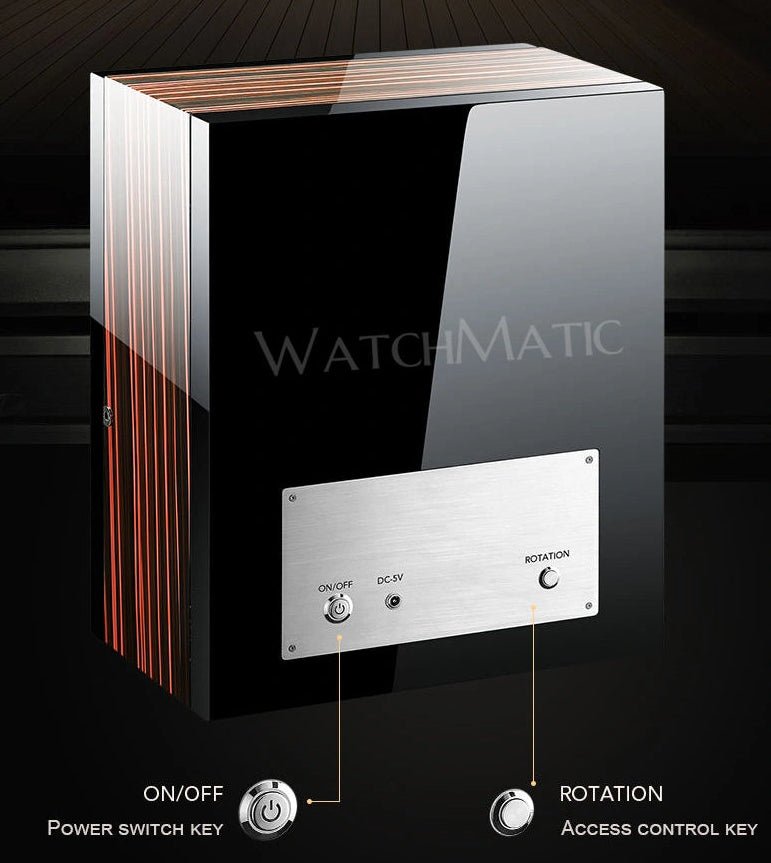
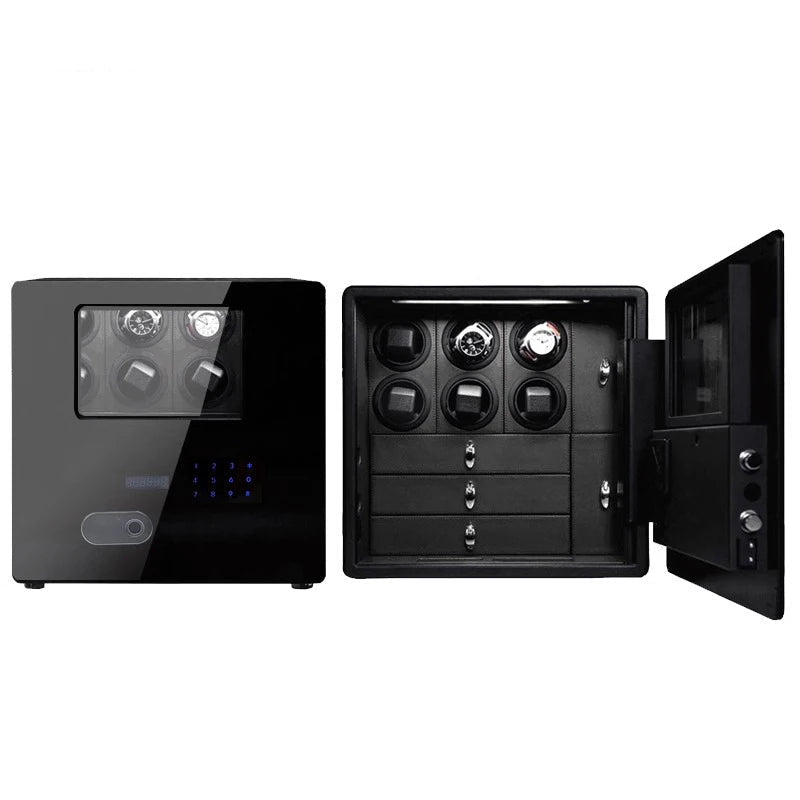
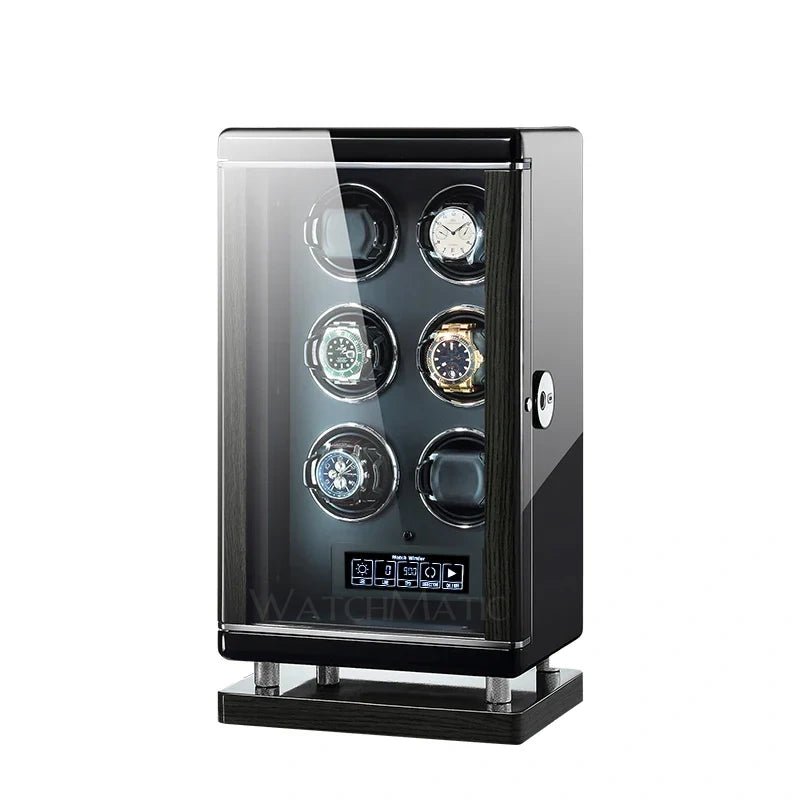
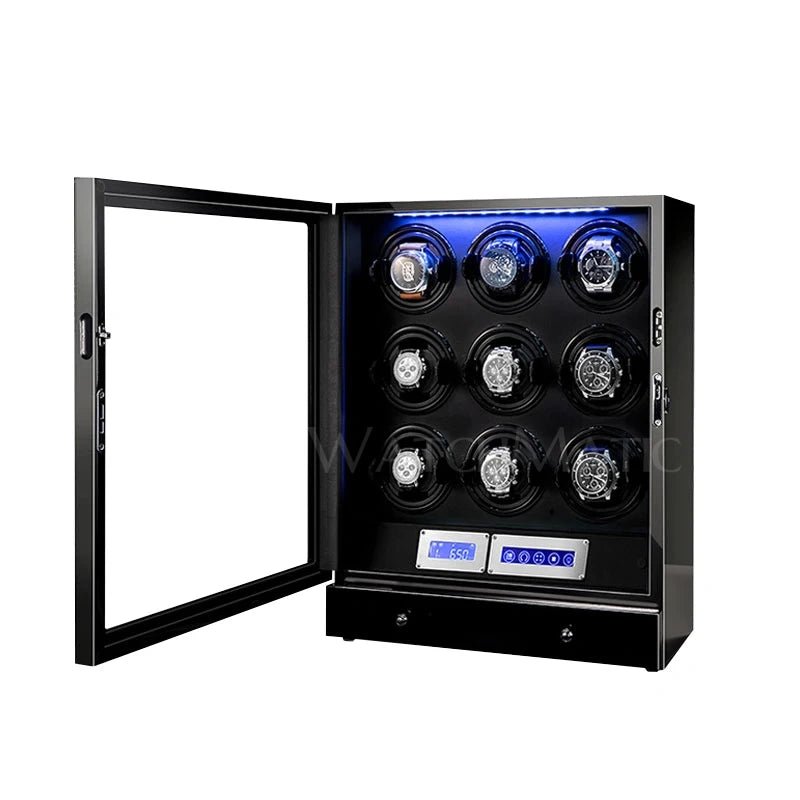
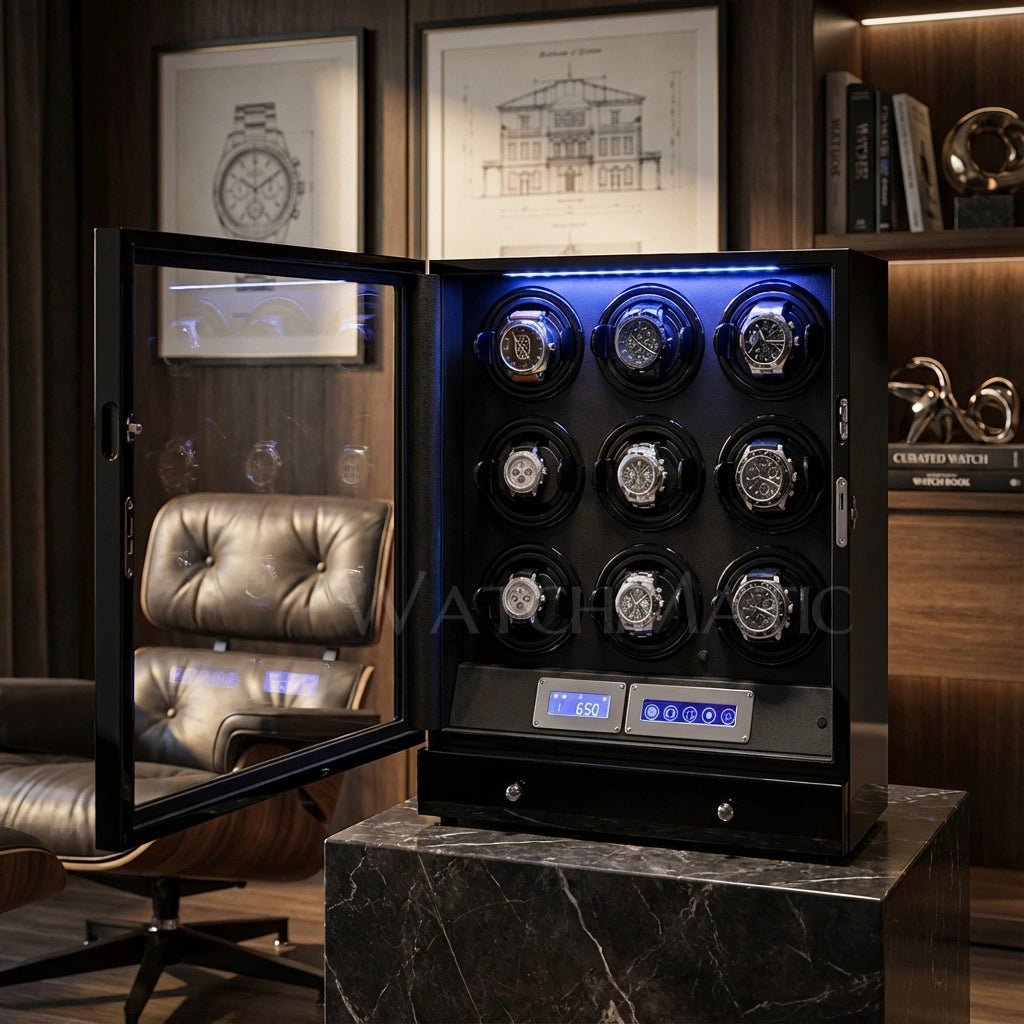
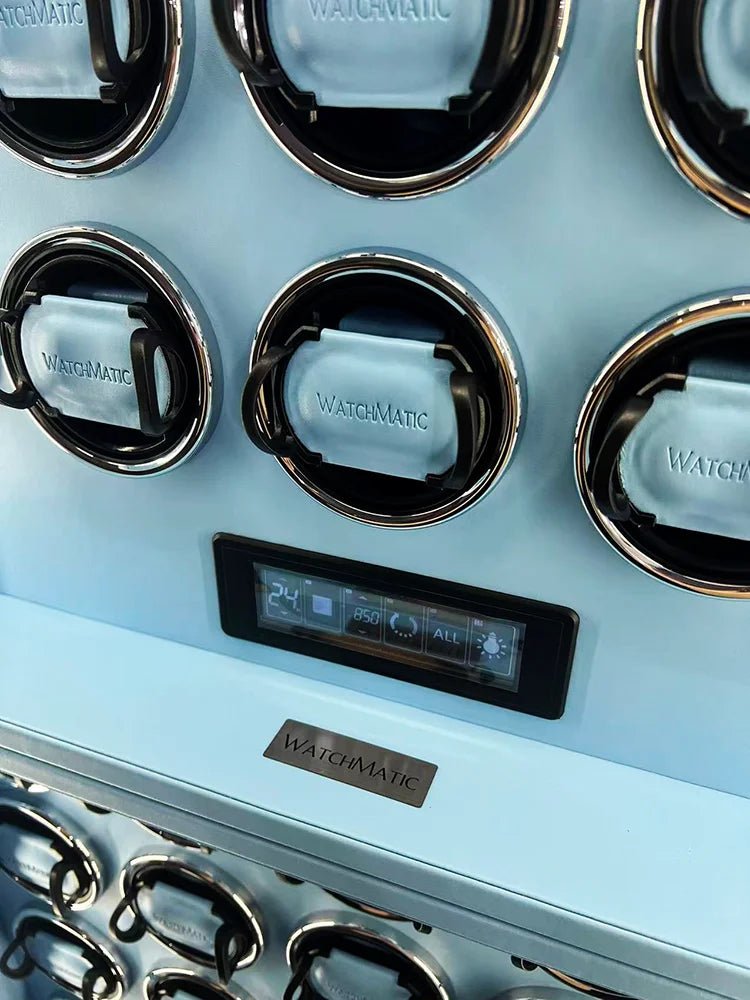
If you frequently alternate between two automatic watches, a programmable watch winder may keep selected movements running between wears.
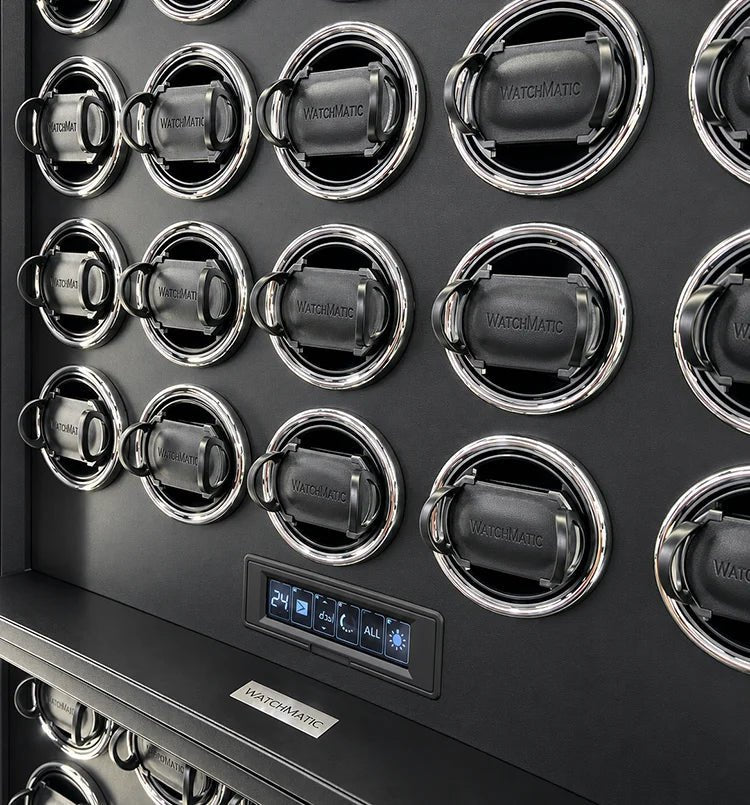
Choose a device whose winding direction, Turns Per Day settings, cushion dimensions, and operating program suit the exact movements.
Automatic watches do not generally need to run continuously when not being worn.
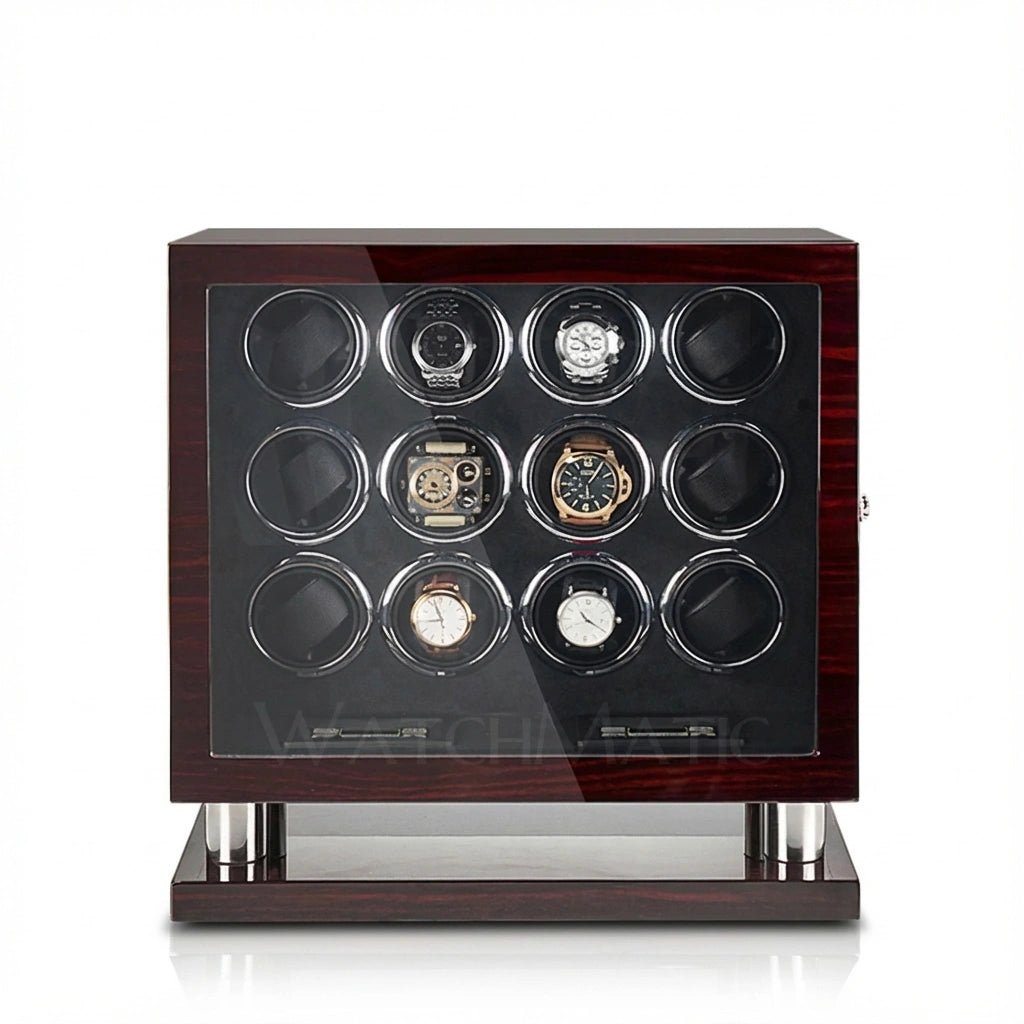
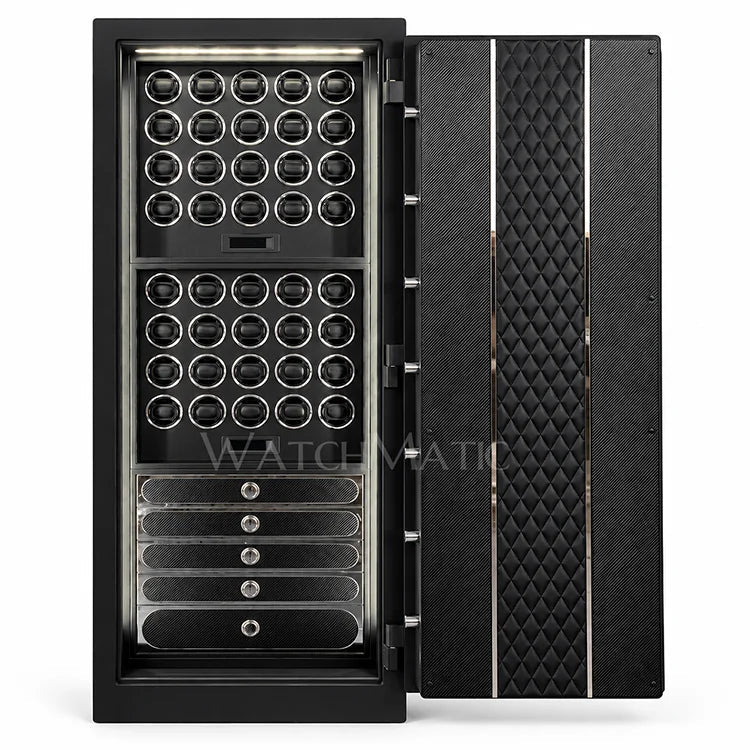
Explore WatchMatic Watch Winders for single-watch and multi-watch options.
Secure Storage: Consider Value, Not Just Watch Count
Two luxury watches can represent substantial financial or sentimental value.
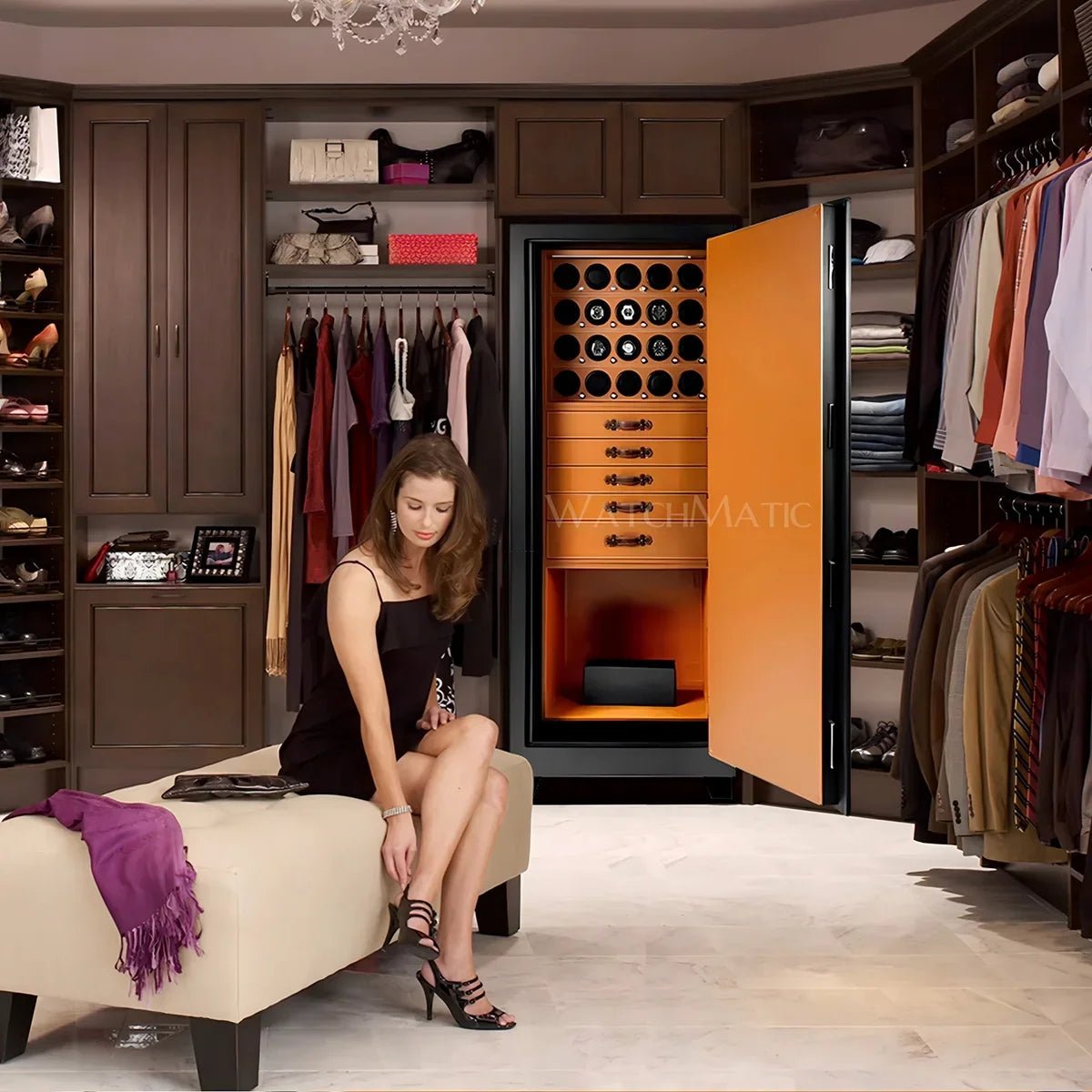
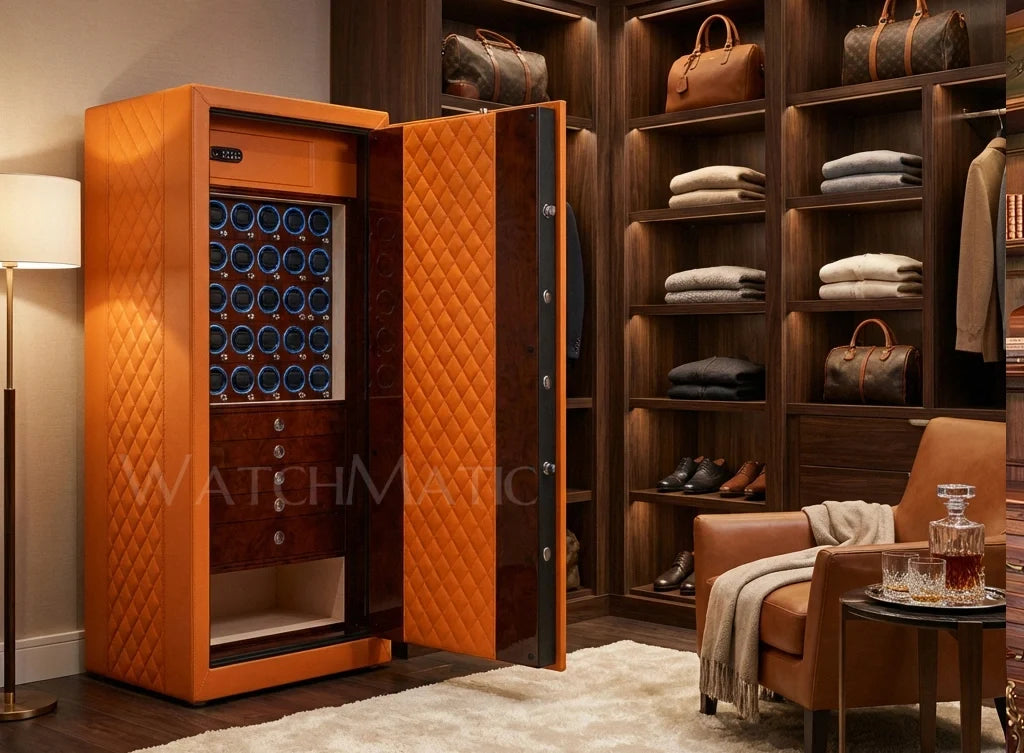
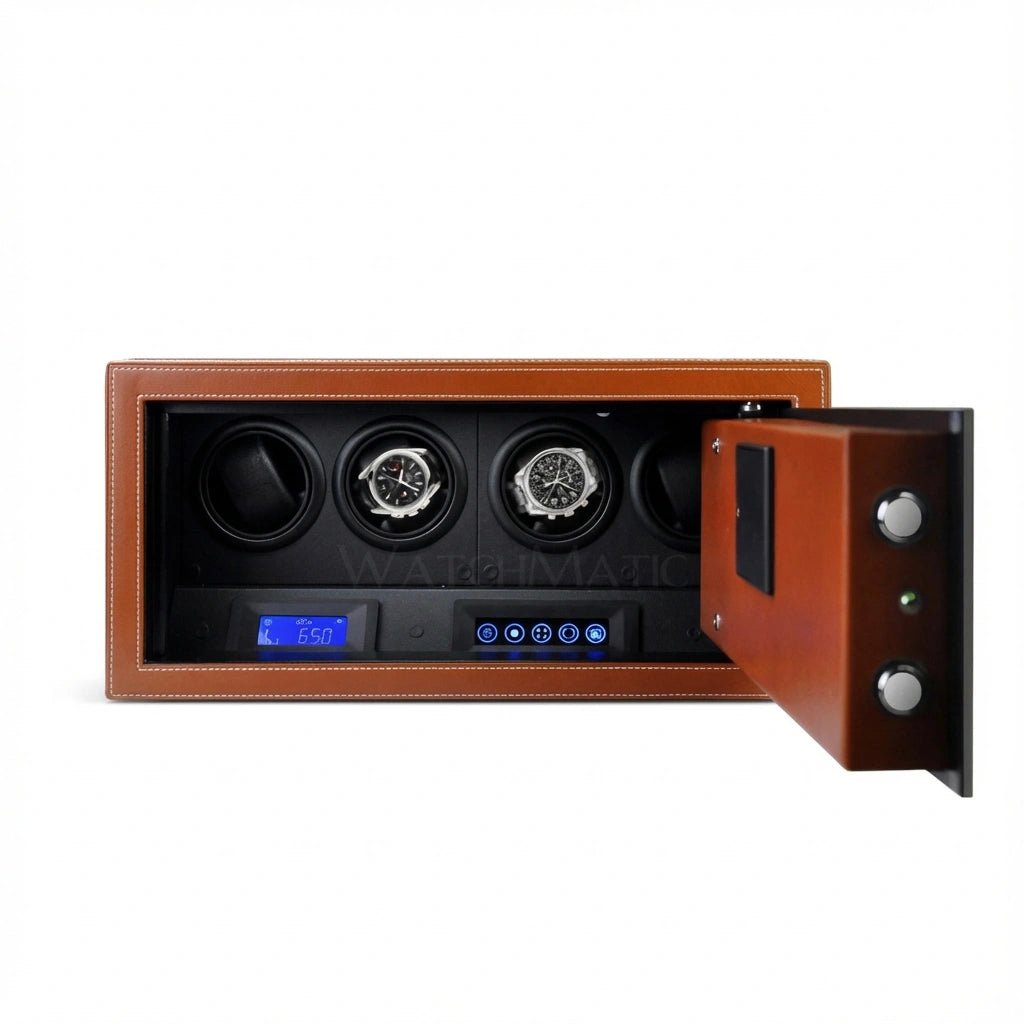
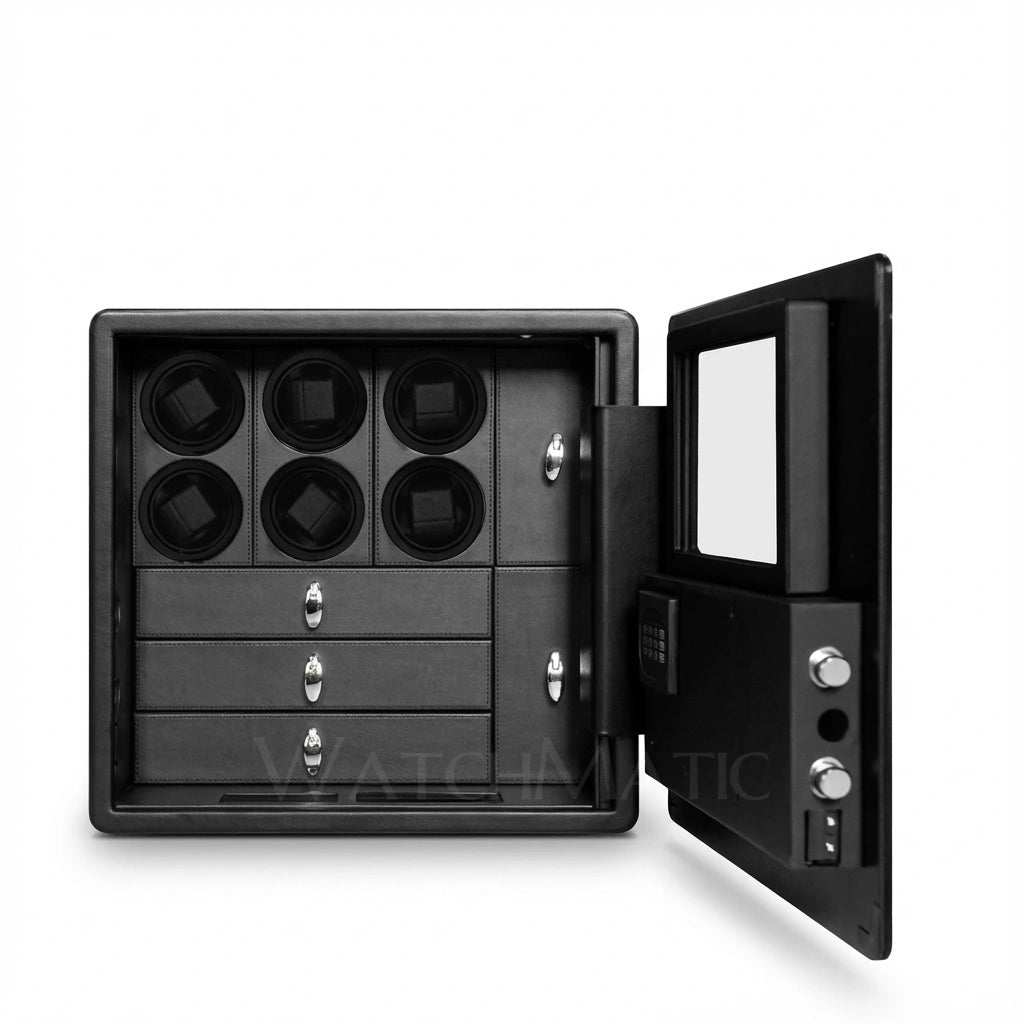
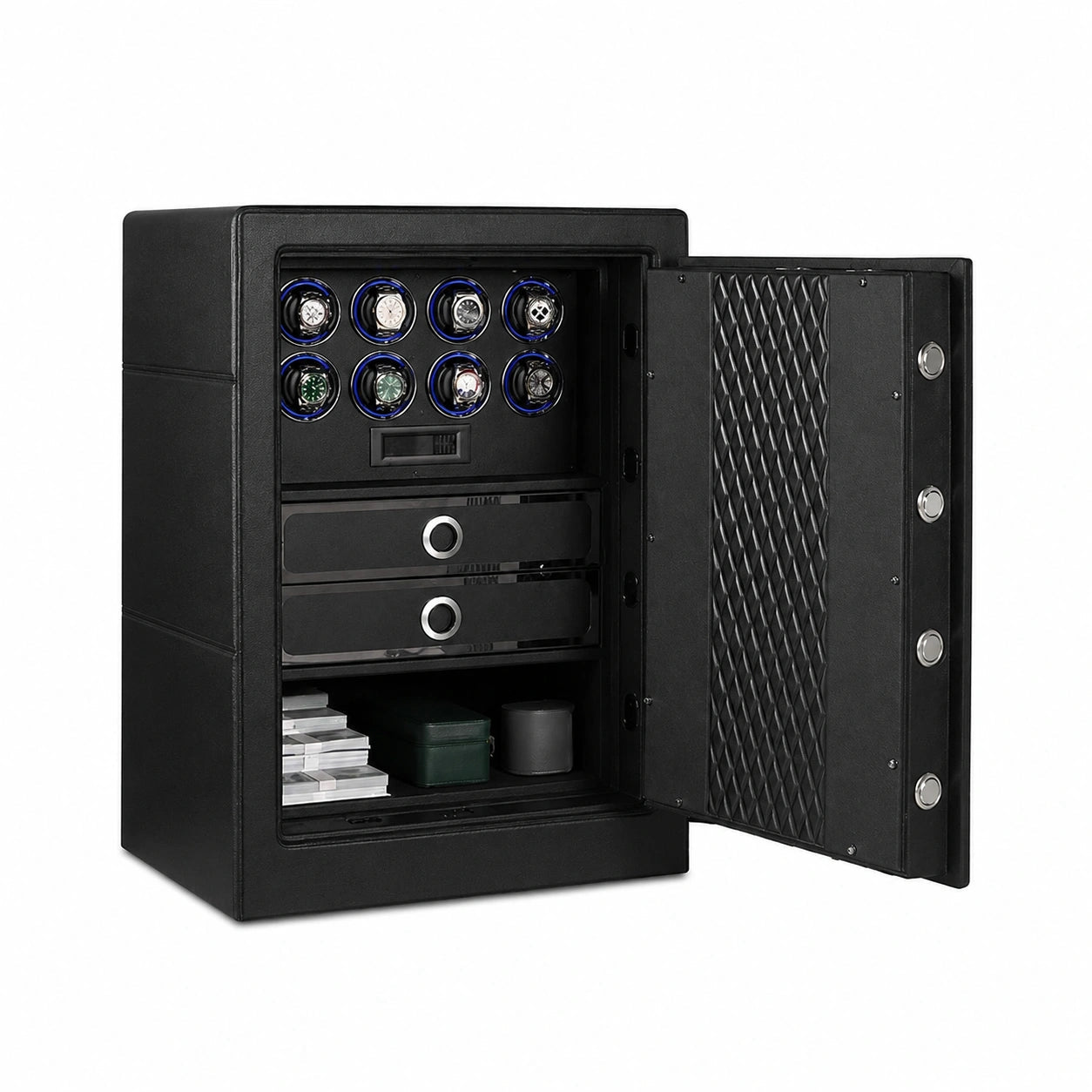
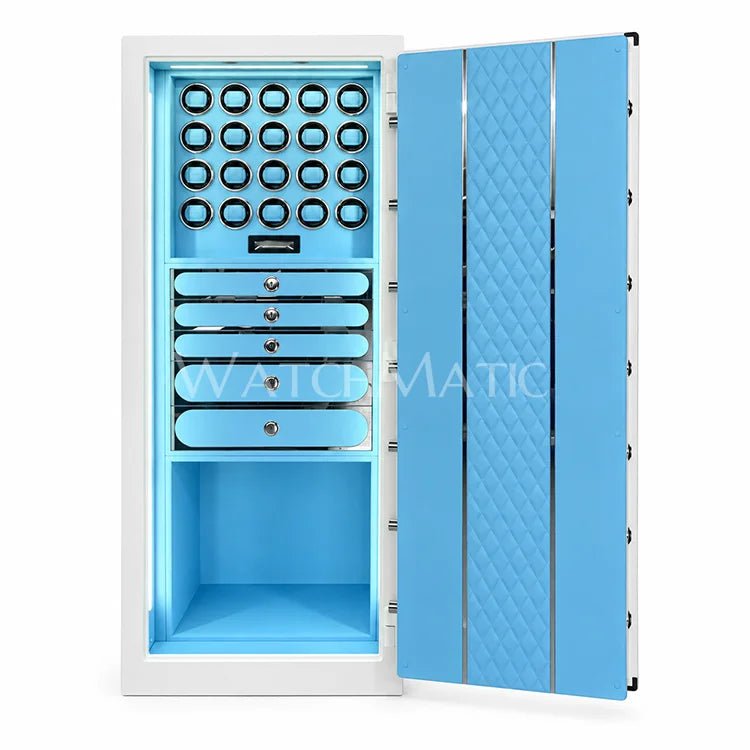
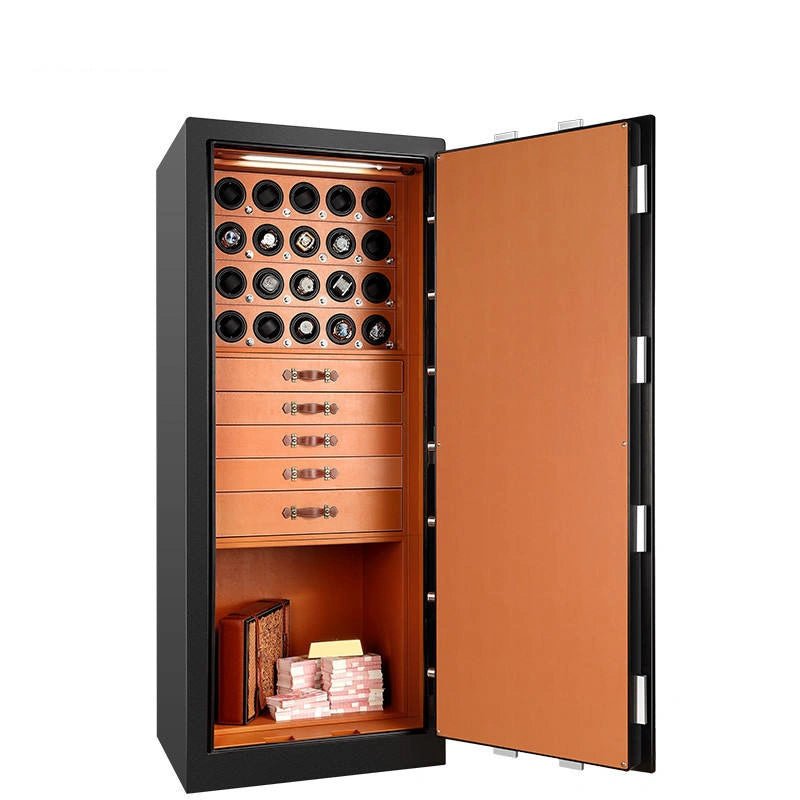
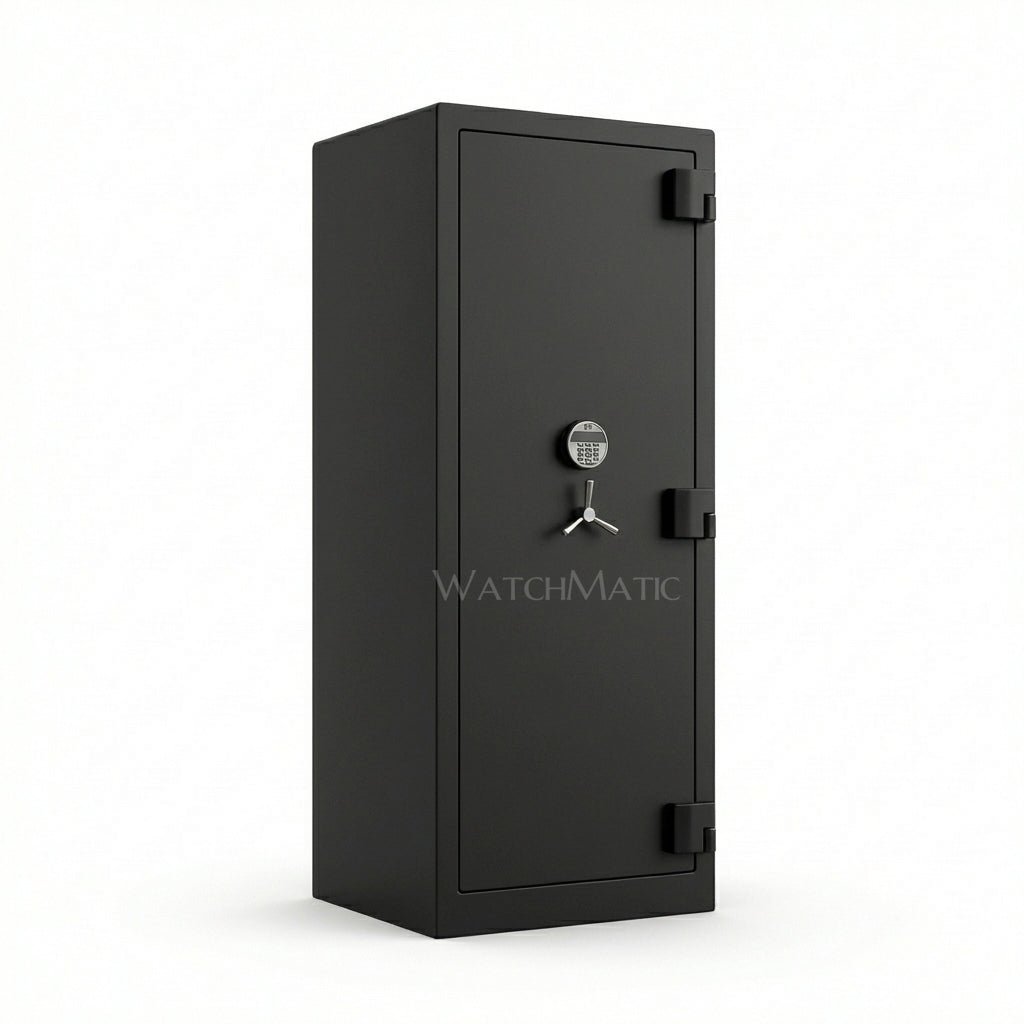
If physical security is a concern, evaluate an appropriately specified safe and relevant insurance requirements.
A decorative watch box or conventional winder should not be assumed to offer independently tested burglary resistance.
For broader guidance on secure storage and collection care, see Best Way to Store Luxury Watches.
Do Not Buy More Capacity Than You Need
If you intend to maintain a small collection, there may be no reason to purchase a large multi-watch storage system.
Choose capacity based on realistic needs, with additional space only when it serves a clear purpose.
15. Common Mistakes When Choosing a Second Luxury Watch
Buying Something Similar Without Understanding Why
Overlap is not inherently wrong, but it is worth understanding whether two watches will satisfy distinct preferences or compete for the same wrist time.
Following the Standard Collector Checklist
You do not need a diver, GMT, chronograph, and dress watch simply because those categories frequently appear in collection guides.
Your collection should reflect your life.
Choosing a Watch Primarily for Status
Brand recognition may be part of the appeal, but it should not replace personal enjoyment and suitability.
Ignoring Wearing Comfort
A watch can look excellent in photographs but feel uncomfortable after several hours.
Whenever possible, evaluate fit before purchasing.
Assuming a New Complication Is Automatically Useful
Additional functions can be interesting without being essential.
Choose complications because they appeal to you, not merely to increase the technical variety of the collection.
Overlooking Servicing and Ownership Costs
Research the exact movement, its maintenance requirements, and the practical implications of ownership.
Purchasing Too Quickly
Allow time to distinguish long-term interest from short-lived excitement.
A delayed purchase may be better than an expensive watch that you quickly stop wearing.
Forgetting How the Two Watches Will Be Used Together
The second watch should be considered alongside the first, not evaluated entirely in isolation.
16. The Final Second-Watch Buying Checklist
Before completing your purchase, review these questions.
| Decision Factor | Question to Ask Yourself |
|---|---|
| Purpose | What will the second watch do that my first watch does not? |
| Wrist Time | Can I identify realistic occasions when I would wear it? |
| Style | Does it complement my wardrobe and preferences? |
| Comfort | Does the case and bracelet or strap fit comfortably? |
| Movement | Do I understand the movement and its ownership requirements? |
| Overlap | Is any similarity with my first watch intentional? |
| Personal Enjoyment | Would I still want this watch if it were not currently popular? |
| Financial Comfort | Can I afford the purchase and realistic ownership costs? |
| Collection Direction | Am I building a two-watch collection or replacing my first watch? |
| Storage | Do I have appropriate storage and security for both watches? |
| Long-Term Appeal | Can I imagine enjoying this watch several years from now? |
| Timing | Am I ready to buy, or would more time help me decide? |
You do not need a perfect answer to every question.
But if several important answers remain uncertain, postponing the purchase may help you make a more satisfying decision.
Frequently Asked Questions About Choosing a Second Luxury Watch
What should my second luxury watch be?
Your second luxury watch should reflect what you want to experience beyond your first watch. Consider a different wearing occasion, complication, style, comfort level, or personal interest. A complementary watch can add variety, but it does not need to be completely different if you genuinely enjoy a particular category.
Should my second watch be a different brand?
Not necessarily. Owning watches from different brands can expose you to different design philosophies and movements, but brand diversity is not a requirement. Two watches from the same manufacturer can still provide distinct wearing experiences, functions, and emotional value.
Should I buy a dress watch if my first watch is a diver?
A dress watch can be a useful complement to a diver because it often offers a slimmer and more restrained design. However, the best choice depends on your lifestyle. If you rarely wear formal clothing or do not enjoy dress watches, another category may provide greater satisfaction.
What watch should I buy after a Rolex Submariner?
Consider what your Submariner does not already provide. A dress watch may offer a more formal wearing experience, while a GMT or chronograph could introduce different functionality. You may also enjoy a different case shape, material, or movement. The best addition depends on your personal preferences rather than a universal model recommendation.
Is a two-watch collection enough?
Yes. Two carefully selected watches can provide variety and cover the situations that matter to their owner. A collection does not need to reach a particular size to be meaningful. Some enthusiasts prefer two highly personal watches over a much larger rotation.
Should my second luxury watch be more expensive?
No. The second watch does not need to cost more than the first. A less expensive timepiece may provide a different style, useful function, or more comfortable everyday option. Choose according to personal enjoyment, ownership suitability, and financial circumstances.
Is it a mistake to buy two similar luxury watches?
Not automatically. Similar watches can offer distinctive movements, proportions, histories, and wearing experiences. However, it is worth considering whether both will receive meaningful wrist time or whether the second is effectively replacing the first.
Should I buy an automatic or manual-winding second watch?
Either can be appropriate. An automatic movement offers winding convenience during normal wear, while a manual-winding movement provides a more hands-on interaction. The choice should reflect your preferences, wearing habits, and the specific watch. A conventional rotating watch winder is intended for compatible automatic movements, not manual-winding watches.
How long should I wait before buying my second luxury watch?
There is no required waiting period. Spending enough time with your first watch to understand its comfort, versatility, and limitations can help clarify what you want from a second purchase. Buy when the choice is considered, affordable, and personally meaningful rather than simply following a timeline.
Should I buy a second luxury watch for special occasions?
That can make sense if you regularly attend occasions where you would genuinely prefer a different style. A special-occasion watch may receive less wrist time while still providing meaningful enjoyment. However, avoid purchasing one solely to fill a category you rarely use.
How do I avoid buying a second watch that I never wear?
Identify specific situations in which you would choose the new watch over your current one. Evaluate comfort, appearance, and your actual routine. Trying the watch on and allowing time before purchase can also help distinguish lasting interest from temporary excitement.
Can my second luxury watch be quartz?
Yes. A well-made quartz watch can be an appealing addition to a collection that already contains a mechanical watch. It may offer different practical advantages, design options, and ownership characteristics. There is no requirement that every luxury watch in a collection be mechanical.
Do I need a watch winder when I own two automatic watches?
Not necessarily. Automatic watches can stop naturally when their power reserves are exhausted and be restarted when needed. A programmable winder may be convenient if you frequently rotate between the watches or prefer to avoid resetting certain complications, but it is not universally required.
Should I buy a watch box for two luxury watches?
A suitable watch box can provide individual compartments and convenient organization for two timepieces. It may help reduce unnecessary contact between watches during storage. If the watches are particularly valuable, assess physical security and insurance separately because most decorative watch boxes are not burglary-resistant safes.
What is more important: a different style or a watch I really love?
Personal enjoyment should remain central to the decision. A different style can make a collection more versatile, but buying a watch you do not love simply to create variety may be disappointing. Ideally, the second watch should provide both genuine emotional appeal and a reason to choose it alongside your first watch.
Final Thoughts: Your Second Luxury Watch Should Make Your First One More Meaningful
Your first luxury watch establishes the beginning of your collecting experience.
It introduces you to a particular design, movement, wearing style, and relationship with mechanical or luxury watchmaking.
Your second watch gives you an opportunity to expand that experience.
Perhaps it introduces a different complication, a more formal appearance, a lighter case, or a style that better suits certain occasions.
Or perhaps it represents a different personal milestone and becomes meaningful for reasons that have little to do with specifications.
Whatever direction you choose, avoid assuming that a second watch must be more expensive, more prestigious, or completely different from the first.
A well-considered addition should reflect your actual lifestyle and genuine interests.
Before buying, ask yourself when you would choose the new watch over the one you already own. If the answer is clear and appealing, you may have found a worthwhile addition.
And if your first watch already provides everything you want, there is nothing wrong with continuing to enjoy it until another timepiece genuinely captures your interest.
As your collection develops, WatchMatic offers luxury watch boxes and cases for organized storage and programmable watch winders for collectors who prefer to keep selected automatic watches ready between wears.
For further guidance on protecting a small collection, read How to Store Luxury Watches at Home.
Your second luxury watch does not need to make the first one obsolete. Ideally, it gives you another reason to appreciate both.