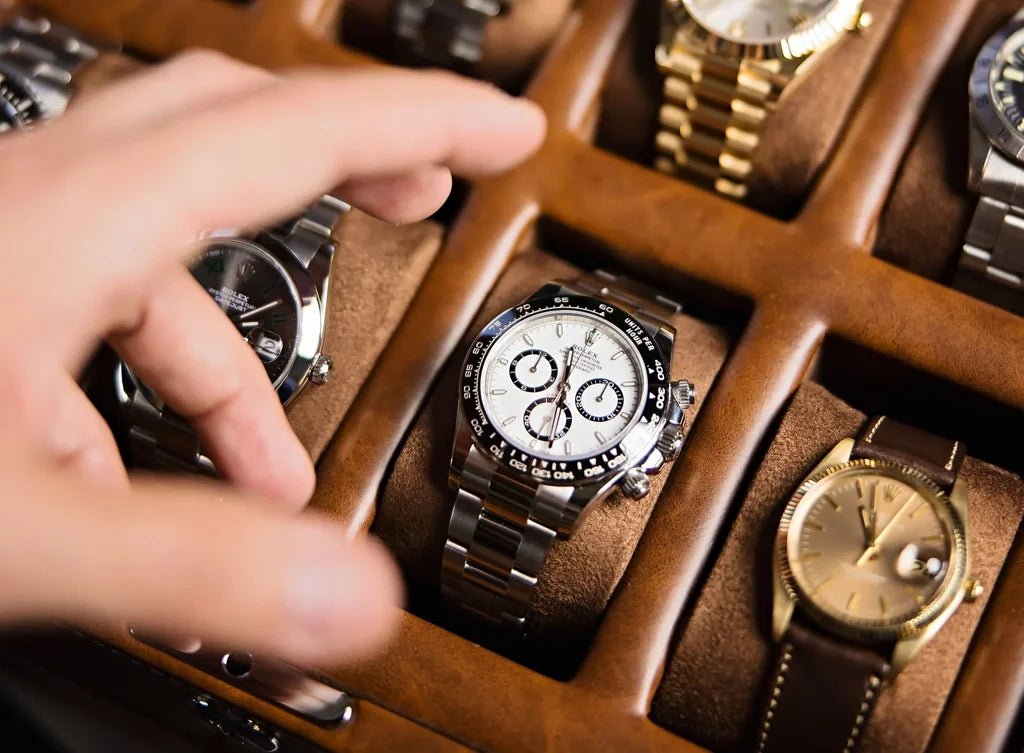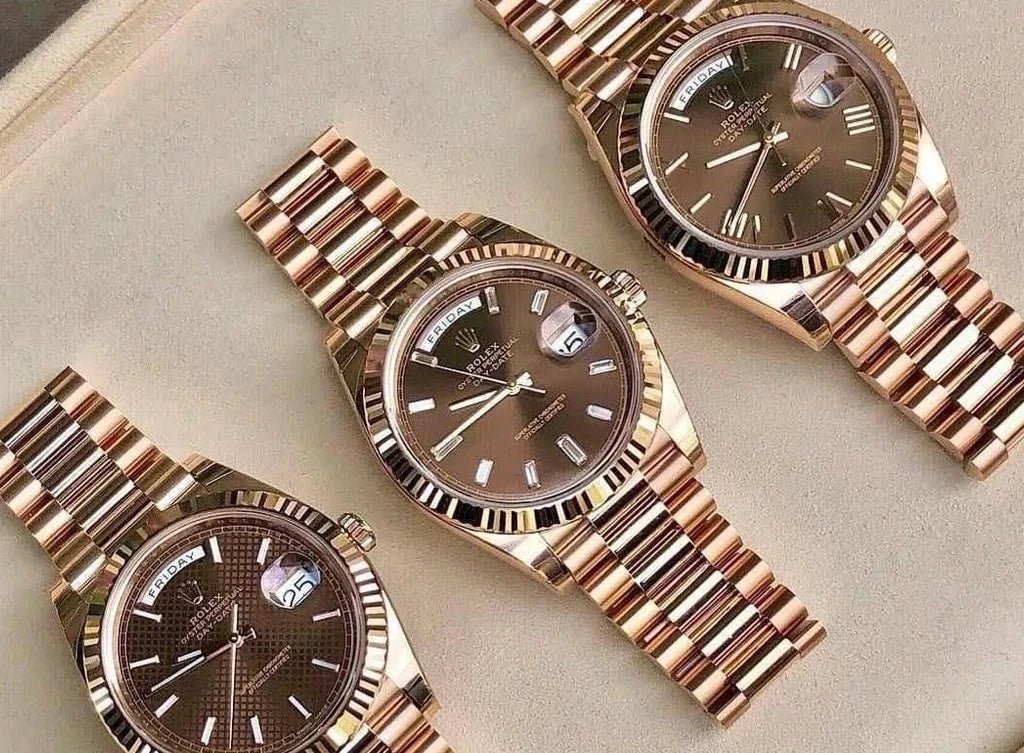
Almost every serious watch collector eventually faces the same question: Should I sell a luxury watch I never wear?
Perhaps you purchased a Rolex, Omega, Cartier, Patek Philippe, or Audemars Piguet that once felt like the perfect addition to your collection. You researched the model, compared different references, and finally acquired a watch you had wanted for years.
But something changed.
Months later, you realize that the watch spends almost all its time inside a watch box or safe. When you choose a watch each morning, you consistently reach for something else.
Now you face an uncomfortable decision. Should you sell the watch and use the money for something you will enjoy more? Or should you keep it because it remains an important part of your collection?
There is no universal answer. A luxury watch can represent personal achievement, craftsmanship, memories, financial value, or simply the pleasure of ownership. Not every watch needs regular wrist time to justify its place in a collection.
However, keeping a watch solely because you have already spent money on it may not always be the best decision either.
This guide explores how to decide whether to keep, sell, or reconsider a rarely worn luxury watch, including emotional attachment, changing preferences, resale value, collection overlap, and the risk of seller's regret.
Quick Answer: Should You Sell a Luxury Watch You Never Wear?
You should consider selling a luxury watch you rarely wear if it no longer fits your personal taste, overlaps with watches you prefer, or ties up money you would rather use elsewhere.
However, infrequent wear alone is not a sufficient reason to sell.
A watch may still deserve a place in your collection because of its sentimental value, rarity, historical significance, or importance to your collecting journey.
Before deciding, ask yourself five questions:
- Do I still genuinely enjoy owning this watch?
- Why do I rarely choose to wear it?
- Does another watch in my collection serve the same purpose better?
- Would I miss this particular watch if it were gone?
- Is the realistic amount I would receive from selling it worth giving it up?
If you no longer appreciate the watch and would prefer to use the proceeds for another purpose, selling may be reasonable.
If it carries personal significance or would be difficult to replace, keeping it may be the better decision even if it receives very little wrist time.
1. Understand Why You No Longer Wear the Watch
The first step is not to investigate resale prices. It is to understand why the watch has fallen out of your regular rotation.
Two watches can remain unworn for six months for entirely different reasons.
One may be uncomfortable or no longer match your preferences. Another may be a treasured family heirloom that you deliberately reserve for special occasions.
These situations should not lead to the same decision.
Your Personal Taste Has Changed
Watch collecting is an evolving hobby.
A collector who once preferred oversized sports watches may gradually become more interested in smaller, understated designs.
Someone who originally collected chronographs may develop a preference for simple time-only watches.
If a watch no longer reflects your personal taste, there may be little reason to force it into your rotation.
The Watch Is Less Comfortable Than Expected
Comfort can have a considerable influence on wrist time.
A watch might look exceptional in photographs but feel heavy, thick, or poorly balanced during extended wear.
Bracelet fit, case shape, lug-to-lug dimensions, and clasp adjustment can affect how frequently you choose it.
Before selling, consider whether a suitable strap or bracelet adjustment could improve comfort without compromising the watch's originality.
You Own Another Watch You Prefer
Some watches receive less attention simply because another piece fulfills the same role more effectively.
For example, a collector might own two black-dial stainless steel sports watches with similar dimensions and functionality.
Although both may be excellent, one consistently becomes the preferred choice.
This is not necessarily a criticism of the less frequently worn watch. It may simply be a sign that the collection contains overlapping pieces.
Your Lifestyle No Longer Matches the Watch
A formal dress watch purchased during a period of frequent business events may receive little wear after a change in occupation or lifestyle.
Likewise, a travel-oriented GMT may become less useful if you no longer travel regularly.
A watch can remain beautiful and technically impressive while becoming less relevant to everyday life.
2. How Long Is Too Long to Leave a Luxury Watch Unworn?
There is no fixed number of weeks or months after which a watch should be sold.
Some collectors deliberately leave valuable watches unworn for extended periods. Others feel uncomfortable keeping a watch that has not been worn for several months.
Rather than applying a strict rule, use time as a signal to reconsider how the watch fits into your collection.
| Time Without Wearing | What to Consider | Suggested Action |
|---|---|---|
| 1–4 weeks | Normal variation in rotation | No immediate decision needed |
| 1–3 months | Changing routines or preferences | Try wearing the watch again |
| 3–6 months | Possible collection overlap or reduced interest | Evaluate its role in the collection |
| 6–12 months | Persistent lack of wrist time | Consider a keep-or-sell review |
| More than 1 year | Long-term collecting or ownership purpose | Decide whether ownership itself remains meaningful |
These periods are suggested decision checkpoints, not mechanical maintenance requirements or rules for selling watches.
A watch that has remained unworn for twelve months may still be worth keeping. A watch purchased only a few weeks ago may already feel unsuitable.
The more important question is whether your reason for owning it remains valid.
3. Low Wrist Time Does Not Automatically Mean a Watch Has No Value to You
Wrist time is useful for understanding collecting habits, but it should not become the only measure of a watch's importance.
Collectors acquire watches for different reasons.
Some watches are purchased for regular use. Others represent historical significance, technical achievement, emotional milestones, or personal memories.
The Everyday Watch
This is a watch primarily valued for comfort, convenience, versatility, and frequent use.
If an everyday watch is consistently ignored in favor of another piece, it may be reasonable to reconsider its role.
The Special-Occasion Watch
A dress watch may only be worn a handful of times each year.
That limited use can be entirely appropriate if the watch is intended for formal occasions rather than daily wear.
The Collector's Piece
Rare, vintage, limited-production, and historically significant watches may be collected as objects of horological interest.
Collectors sometimes enjoy studying their movements, design history, provenance, and craftsmanship as much as wearing them.
Such watches do not need frequent wrist time to remain meaningful.
The Sentimental Watch
A watch received from a parent, purchased to celebrate a major achievement, or associated with a meaningful relationship can carry significance that market prices cannot fully capture.
Its emotional value may remain high even if it spends most of the year in storage.
The distinction between wearing and owning watches is explored further in How Many Watches Should Be in a Collection?.
4. The Sunk Cost Trap: Keeping a Watch Because You Paid So Much for It
One reason collectors hesitate to sell is the amount they originally paid.
Imagine purchasing a luxury watch for $12,000 and discovering several years later that its realistic resale value is substantially lower.
Even if you no longer enjoy wearing it, selling may feel like admitting that the purchase was a mistake.
This is related to the sunk cost effect: allowing money already spent to influence a decision about what should happen next.
The Original Purchase Price Cannot Be Changed
Once a watch has been purchased, the historical cost is fixed.
Whether you keep or sell it today will not change what you originally paid.
The more useful decision is whether continuing to own the watch provides enough value to justify keeping it.
Do Not Confuse Emotional Discomfort With Financial Logic
A collector might refuse to sell a watch because doing so would crystallize a financial loss.
However, keeping the watch does not guarantee that its resale value will recover.
Luxury watch prices can rise, fall, or remain relatively stable depending on the model, condition, supply, demand, and broader secondary-market conditions.
There is no reliable rule that an expensive watch will eventually return to its original purchase price.
Consider the Opportunity Cost
Money tied up in an unwanted watch could potentially serve another purpose.
It might contribute toward a watch that better suits your taste, improve your existing collection's storage and security, or simply remain available for other personal priorities.
This does not mean selling is automatically the financially correct decision. Transaction costs, taxes, liquidity, and future replacement costs should also be considered.
5. How Much Collection Overlap Is Too Much?
One of the clearest reasons to reconsider a watch is unnecessary overlap within the collection.
Many collectors gradually acquire several watches that fulfill similar roles.
For example, you might own:
- Three black-dial sports watches.
- Two stainless steel diving watches.
- Several chronographs of similar size and appearance.
- Two nearly identical dress watches.
There is nothing inherently wrong with this. Some collectors deliberately focus on a particular category.
However, overlap becomes worth examining when you consistently prefer one watch and rarely feel interested in wearing the others.
Ask Whether Each Watch Has a Distinct Role
Consider whether the watch contributes something different through its:
- Design and visual character.
- Movement or complications.
- History or provenance.
- Personal significance.
- Wearing comfort.
- Practical functionality.
If two watches are similar in nearly every respect, consider which one you would genuinely prefer to keep.
Do Not Downsize Merely to Reach an Arbitrary Number
A collector with fifteen watches does not necessarily need to reduce the collection to five.
The objective of downsizing should be to improve satisfaction, organization, or financial flexibility, not simply to reach a fashionable collection size.
A focused collection can contain three watches or thirty. Its quality is not determined by a particular number.
6. Five Signs It May Be Time to Sell a Luxury Watch
Although no single factor should determine the decision, several signs can suggest that a watch no longer serves its intended purpose.
Sign 1: You Consistently Choose Another Watch
When you have a suitable occasion to wear a particular watch but repeatedly select something else, it may indicate that your preferences have changed.
Sign 2: You No Longer Feel Excited About It
Watch collecting often involves an emotional connection to design, craftsmanship, and ownership.
If that interest has genuinely disappeared, keeping the watch may no longer provide the satisfaction it once did.
Sign 3: The Watch No Longer Fits Your Lifestyle
A substantial, complicated, or visually distinctive watch may become less appropriate after a change in work, activities, or personal style.
Sign 4: It Duplicates a Watch You Prefer
If another watch fulfills the same function and consistently receives more wrist time, selling the less preferred piece may simplify the collection.
Sign 5: You Have a Clearer Use for the Money
Selling may be more compelling when you have a well-defined alternative use for the proceeds rather than a vague desire to buy something new.
This distinction can also help reduce impulsive decisions driven by a temporary change in taste.
7. Five Reasons You May Regret Selling a Luxury Watch
While some collectors feel relieved after simplifying their collections, others regret parting with particular watches.
Before selling, consider whether any of the following circumstances apply.
The Watch Has Irreplaceable Sentimental Value
A watch associated with family history or an important life event may be difficult to replace, even if another identical reference can be purchased.
The Model Is Difficult to Find Again
Certain discontinued references, unusual dial variations, or limited-production pieces may be difficult to source in comparable condition.
Replacing a particular watch later may require considerable time and expense, or may not be possible at all.
You Are Selling Because of Temporary Frustration
A watch may receive less wrist time during a particular season or period of life.
Making a permanent decision during a temporary change in circumstances can lead to regret.
You Are Influenced by Short-Term Market Discussions
Online conversations about prices and collectible watches can create pressure to buy or sell.
However, decisions based primarily on short-term market commentary may not reflect your long-term collecting preferences.
You Have Not Given the Watch Another Chance
Sometimes a watch feels less appealing simply because it has remained in storage for too long.
Wearing it again can clarify whether the original connection has genuinely disappeared.
Before listing a watch for sale, consider a short period of renewed use.
8. Try the 30-Day Watch Test Before Selling
If you remain uncertain, a simple thirty-day evaluation can help distinguish a watch you no longer want from one that has merely fallen out of rotation.
Week 1: Wear the Watch Again
Choose two or three appropriate occasions to wear the watch.
Pay attention to comfort, aesthetics, convenience, and how you feel when wearing it.
Do you enjoy the experience, or do you find yourself wishing you had chosen something else?
Week 2: Compare It With Your Favorites
Wear one or two watches that normally receive more wrist time.
Compare how the watches fit your lifestyle without focusing exclusively on their prices or reputations.
Week 3: Leave the Watch in Storage
Return the watch to appropriate storage.
Notice whether you miss wearing it or naturally forget about it.
Absence alone is not decisive, but your reaction can provide useful information.
Week 4: Make a Deliberate Decision
Ask yourself whether you want to continue owning the watch.
Do not assume that selling is the correct answer simply because it received little wrist time during the test.
The goal is to evaluate the watch's personal value with a clearer understanding of your actual preferences.
9. Should You Sell, Trade, or Keep Your Luxury Watch?
Once you understand your emotional attachment and usage patterns, the next step is evaluating the available options.
There are three broad paths: keep the watch, sell it, or trade it toward another piece.
| Decision | When It May Make Sense | Important Consideration |
|---|---|---|
| Keep | The watch has sentimental, historical, or continuing personal value | Appropriate storage, insurance, and maintenance |
| Sell | You no longer enjoy owning it and prefer financial flexibility | Realistic resale proceeds and transaction risks |
| Trade | You have identified a replacement watch you genuinely prefer | Trade-in allowance versus the total price of the replacement |
| Reconsider Later | You are uncertain or the decision is driven by temporary circumstances | Continue suitable storage and revisit the decision |
There is no need to rush a decision simply because a watch has remained unworn for several months.
Likewise, there is no obligation to keep a watch indefinitely when its role in the collection has clearly ended.
10. Understand the Real Resale Value Before Selling
A luxury watch's original retail price is not necessarily the amount you can receive when selling it.
Secondary-market values depend on a combination of factors, including:
- Brand, model, and exact reference.
- Condition and originality.
- Age and production history.
- Availability of original box and papers.
- Service history.
- Market demand and available supply.
- Sales channel and transaction terms.
Asking Prices Are Not the Same as Completed Sales
A watch listed for $15,000 does not necessarily sell for that amount.
Advertised prices may reflect dealer margins, negotiation room, or seller expectations.
Whenever possible, compare completed transactions for the same reference in similar condition rather than relying solely on active listings.
Watch-market research platforms such as EveryWatch discuss why completed sales, condition, and reference-specific comparisons matter when evaluating secondary-market prices.
Condition and Documentation Matter
Original components, appropriate maintenance records, and complete documentation can influence how a buyer evaluates a watch.
However, there is no universal percentage premium for a full set of box and papers. The effect varies according to the watch and market.
Vintage pieces may also require special consideration because originality and historical condition can be particularly important.
Do not automatically polish or replace components simply to prepare a watch for sale. For some collectible references, unnecessary modifications can affect desirability.
11. Calculate What You Would Actually Receive After Selling
One of the most important distinctions in luxury watch resale is the difference between the advertised selling price and the amount the seller ultimately receives.
Depending on the sales method, expenses may include platform fees, dealer margins, consignment commissions, insured shipping, payment processing, and other transaction costs.
Example: Selling a Watch for $10,000
Consider the following hypothetical transaction:
| Item | Amount |
|---|---|
| Final selling price | $10,000 |
| Illustrative selling commission (7%) | −$700 |
| Illustrative shipping and insurance | −$150 |
| Other illustrative transaction costs | −$50 |
| Estimated net proceeds | $9,100 |
This example is illustrative, not a quotation or representation of a particular platform's current fees. It excludes any applicable taxes and other case-specific expenses.
Actual commission structures differ by provider and can change over time.
For example, Chrono24's official seller FAQ publishes information about its private-seller commission and transaction arrangements.
Before selling, review the current fee schedule and calculate the realistic amount you expect to receive.
Do Not Forget Potential Taxes
The tax treatment of a luxury watch sale depends on the seller's country or jurisdiction, circumstances, and applicable laws.
Occasional personal-property sales may be treated differently from ongoing commercial watch dealing.
Keep purchase and sale records, and obtain appropriate tax guidance when necessary.
12. Which Selling Method Makes the Most Sense?
Collectors have several options when deciding how to sell a watch.
The best method depends on their priorities, including speed, convenience, expected proceeds, and transaction security.
Selling Directly to a Professional Watch Dealer
An established dealer may offer a relatively straightforward transaction.
The main advantage is convenience and the possibility of a prompt sale.
However, the dealer must account for acquisition risk, inventory costs, servicing, and resale margin. The offer may therefore be lower than the price advertised to retail buyers.
Consigning the Watch
Consignment involves placing the watch with a dealer or specialist who markets it on your behalf.
The watch is sold under an agreed arrangement, with the seller receiving the proceeds after applicable commission and expenses.
Before consigning, confirm the contract terms, insurance coverage, asking-price authority, duration, possession arrangements, and payout procedures.
Selling Through an Online Watch Marketplace
Online marketplaces provide access to a wider audience of potential buyers.
However, the seller may need to handle listing preparation, buyer communication, authentication requirements, shipping, and transaction verification.
Use supported payment protection or escrow arrangements where available, and follow the platform's procedures carefully.
Trading Toward Another Watch
Trading can be convenient when you already know which watch you want next.
However, evaluate the entire transaction rather than focusing only on the trade-in allowance.
A generous trade-in value can be offset by an unfavorable price on the replacement watch.
The important figure is the total net cost of acquiring the new watch.
13. How to Avoid Common Mistakes When Selling a Luxury Watch
Selling an expensive watch requires careful preparation.
A rushed decision can lead to an unfavorable price, unnecessary risk, or future regret.
Do Not Rely on a Single Offer
Where practical, obtain more than one credible valuation or purchase offer.
Different dealers may have different inventory needs and valuations.
Do Not Share Sensitive Information Unnecessarily
Photographs, ownership documents, and serial numbers may be necessary during a legitimate transaction, but they should be provided through appropriate channels.
Avoid publishing complete serial numbers or sensitive personal information unnecessarily.
Verify the Buyer and Payment Arrangements
Be cautious of unusual payment requests, pressure to move a transaction outside a trusted platform, or requests to ship before funds have been verified under the agreed process.
Use insured shipping and suitable authentication or escrow services when appropriate.
Document the Watch Before Transfer
Maintain clear photographs of the watch, its condition, accessories, and packaging.
Keep relevant correspondence, transaction records, and proof of shipment or delivery.
Do Not Overlook the Cost of Replacing the Watch
If you later regret selling a discontinued or highly collectible model, finding an equivalent piece may be expensive or difficult.
Consider replacement availability before making a final decision.
14. What If You Decide to Keep the Watch Instead?
Keeping a rarely worn watch can be a perfectly reasonable decision.
However, watches that remain outside the regular rotation still require appropriate storage and occasional attention.
The objective should be to protect the watch without unnecessarily complicating its ownership.
Use Suitable Stationary Storage
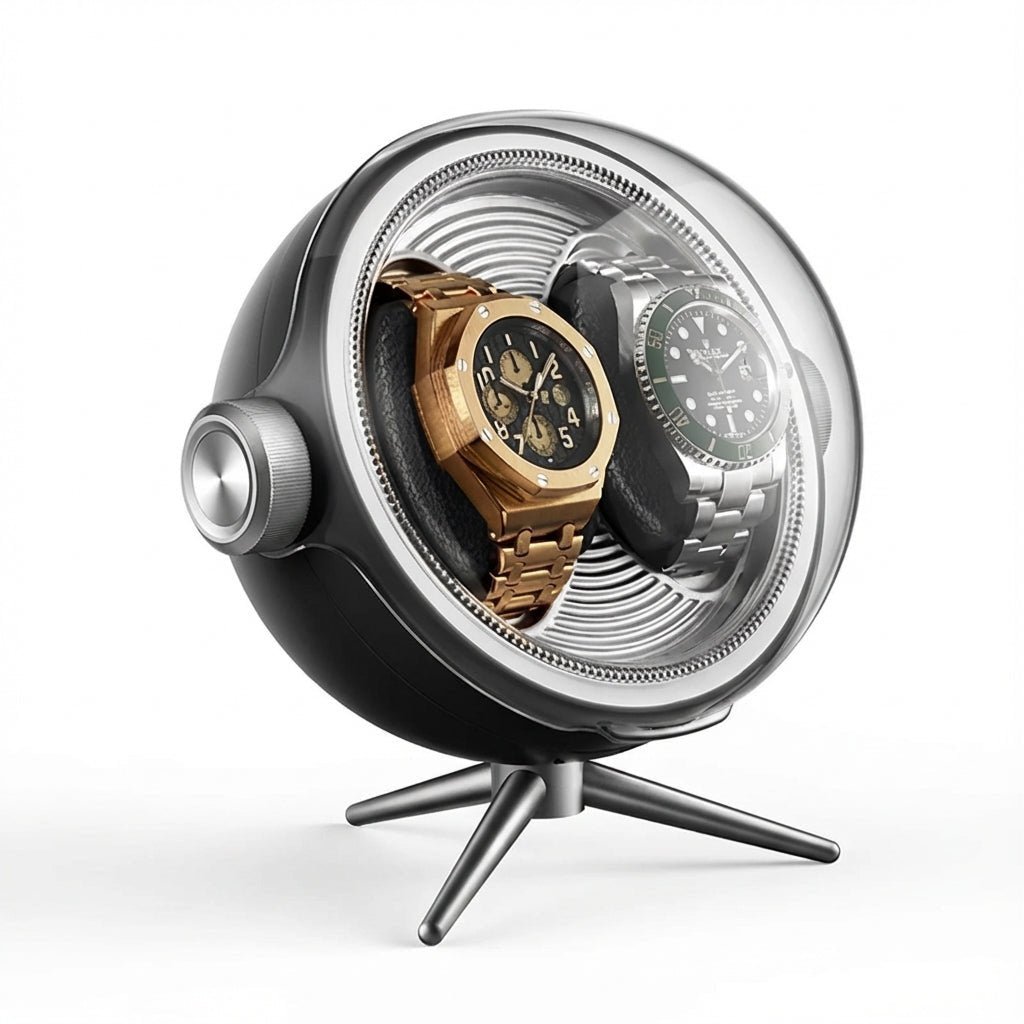
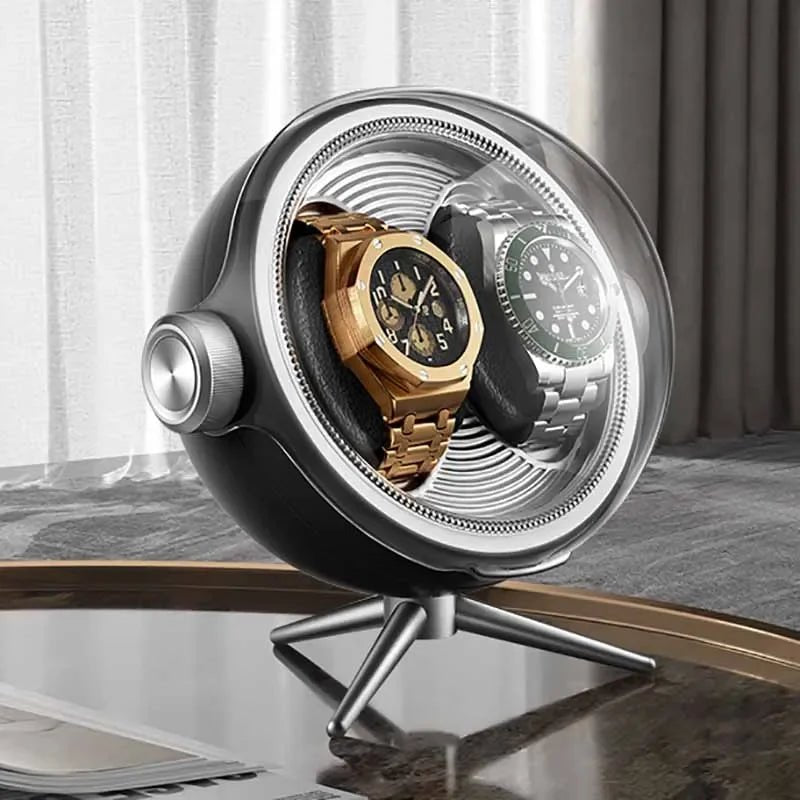
Watches that are rarely worn can be kept in suitable individual compartments that help prevent accidental contact, dust accumulation, and unnecessary handling.
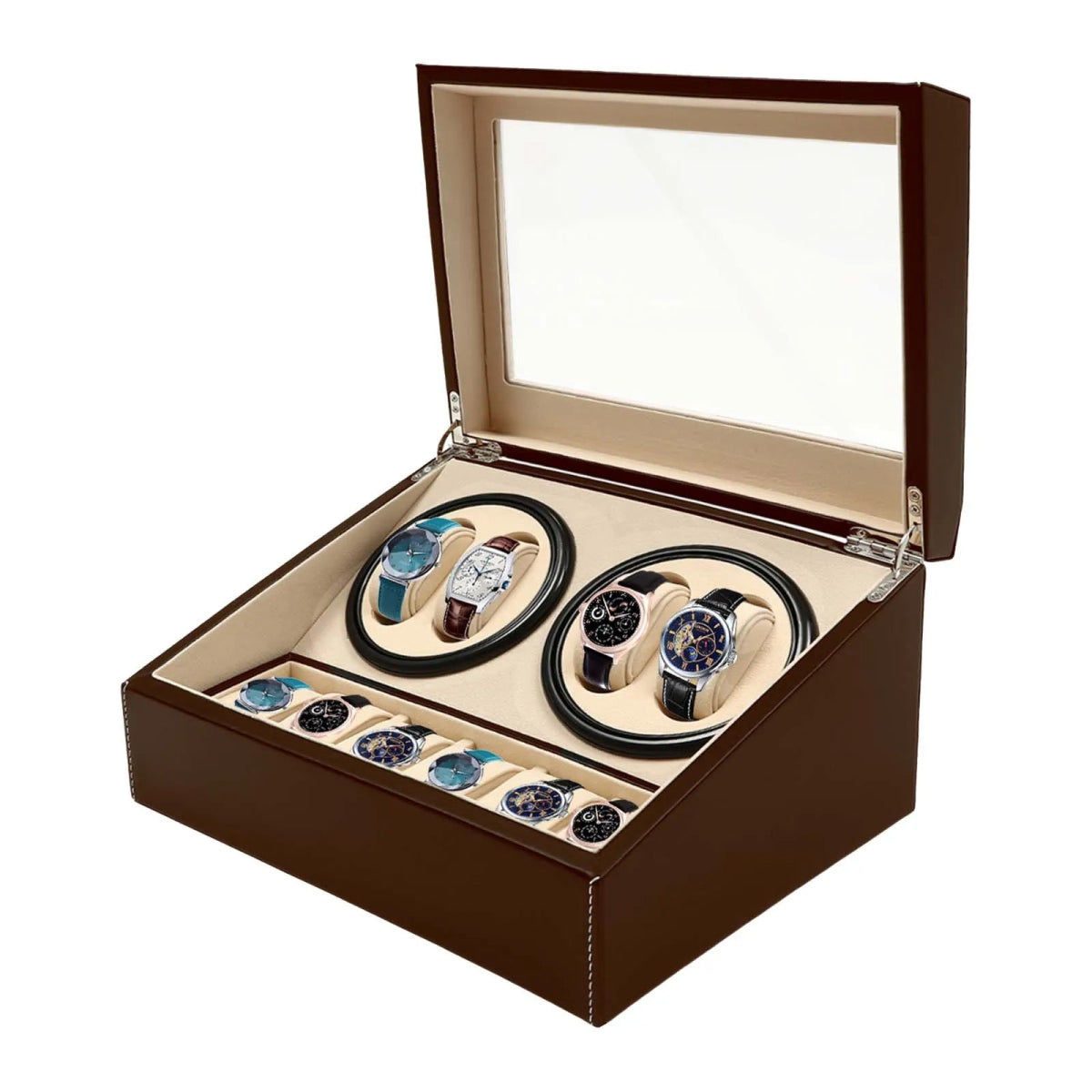
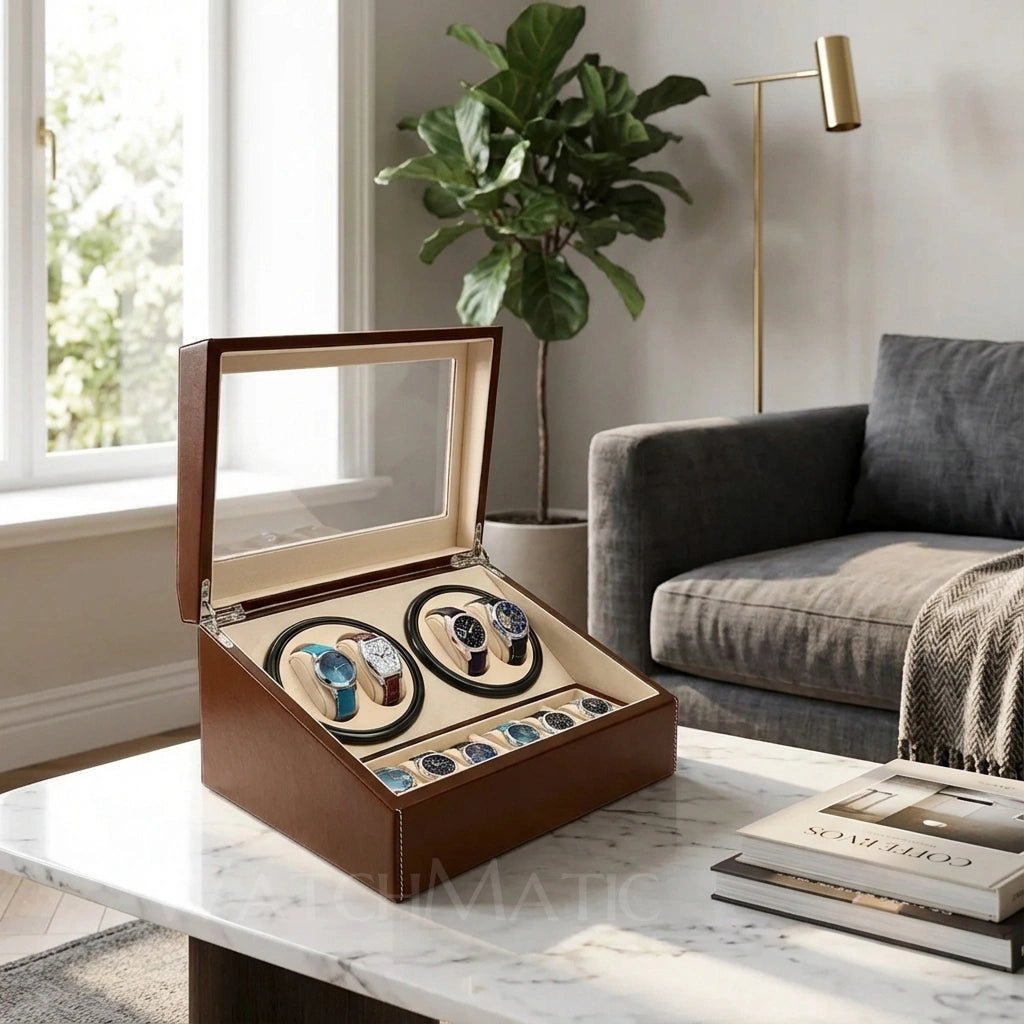
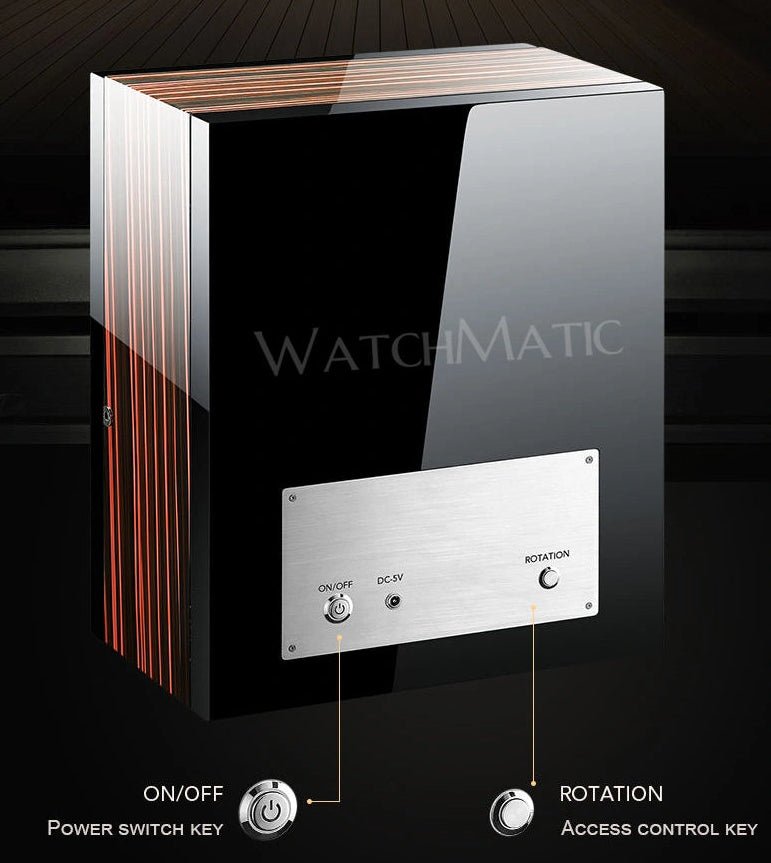
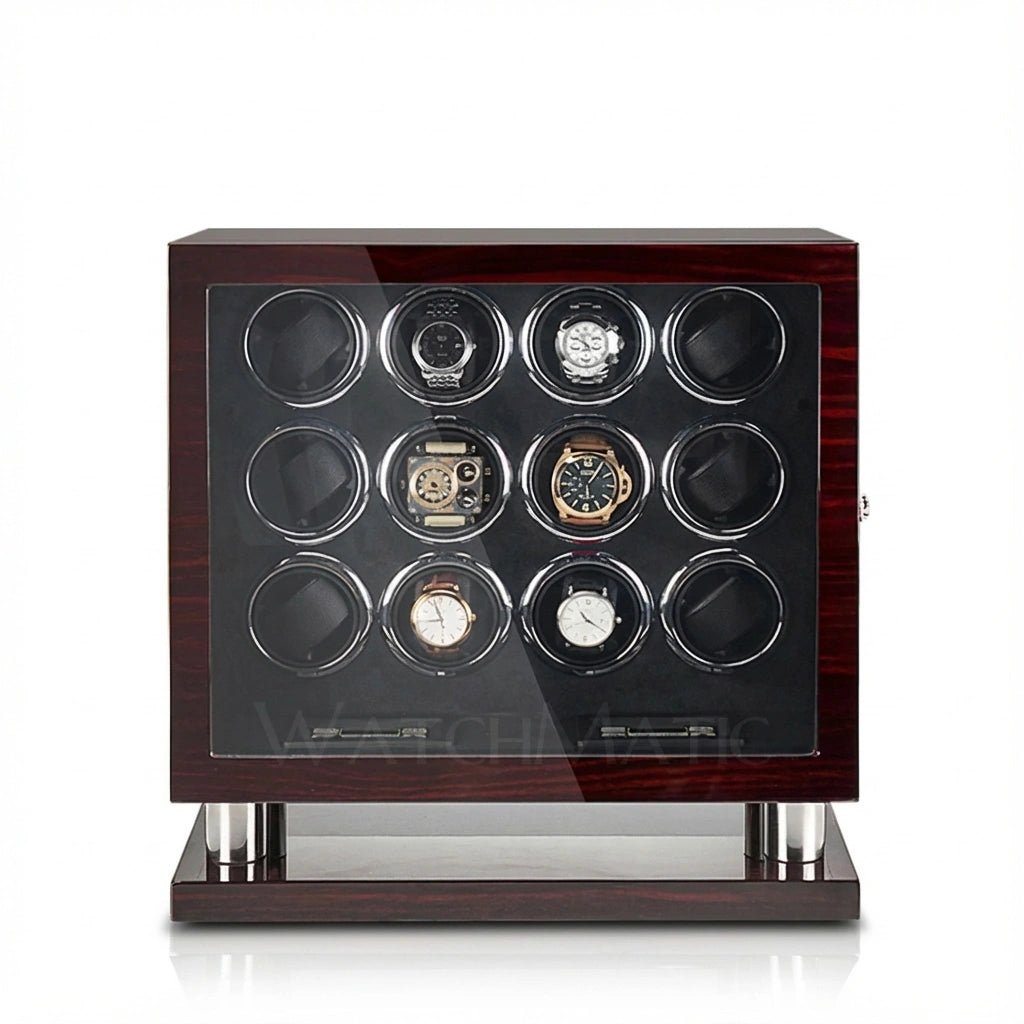
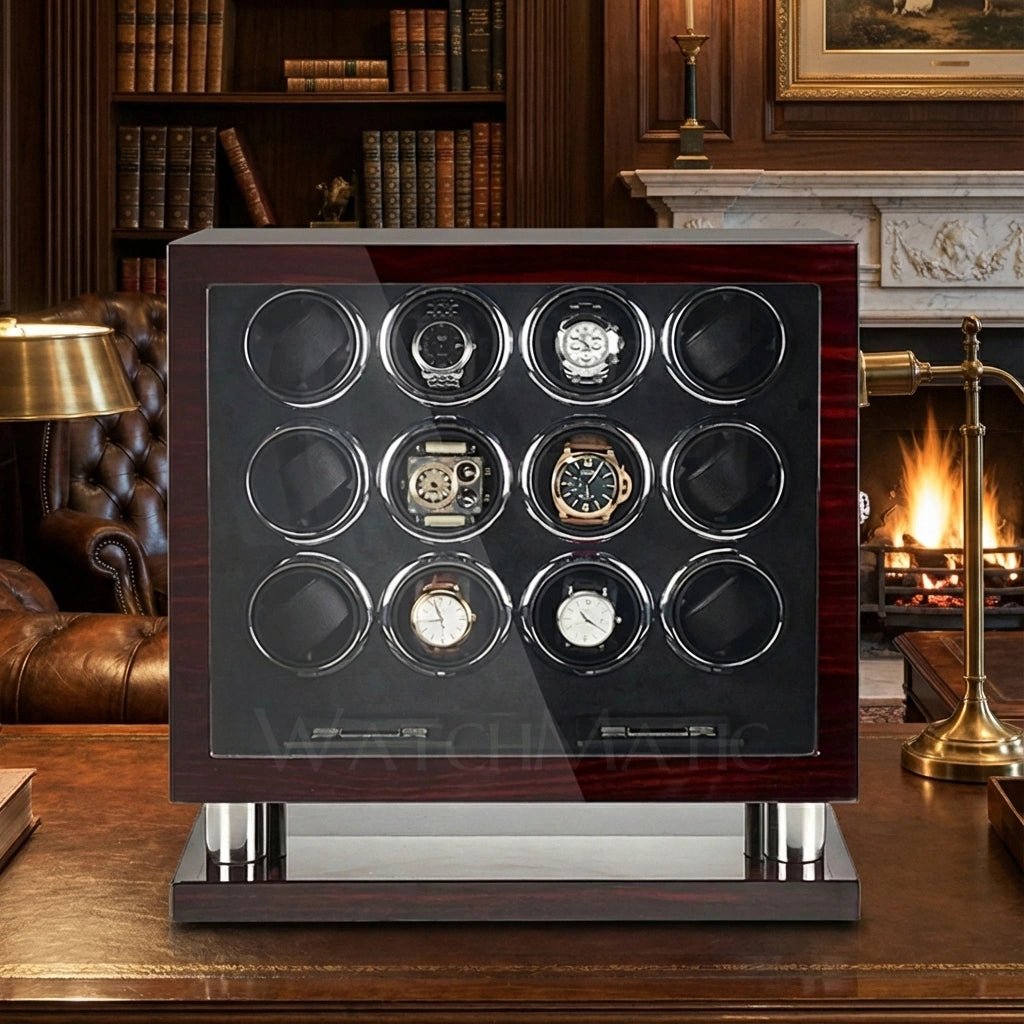
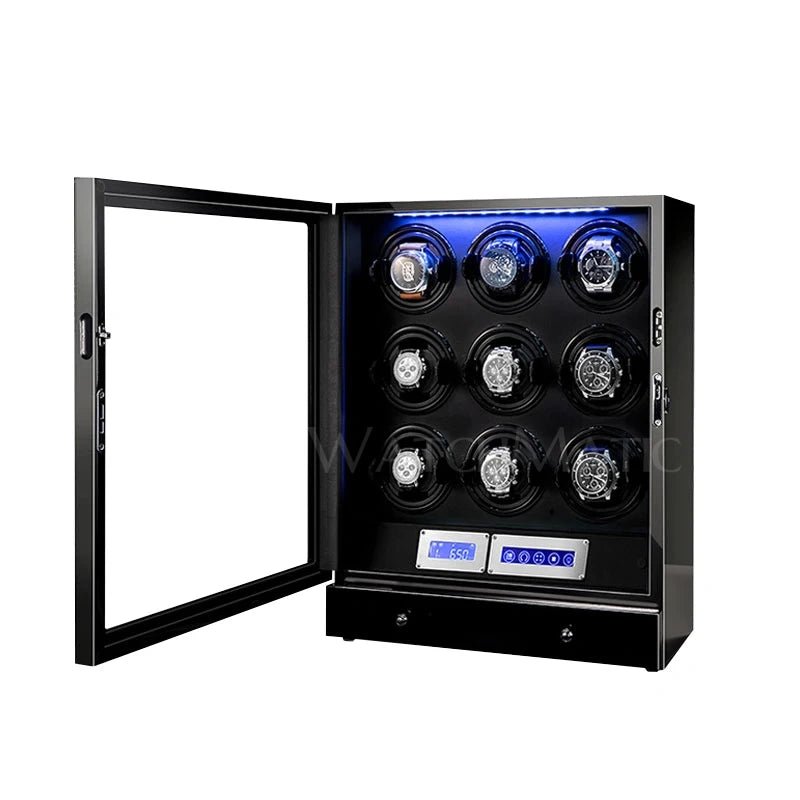
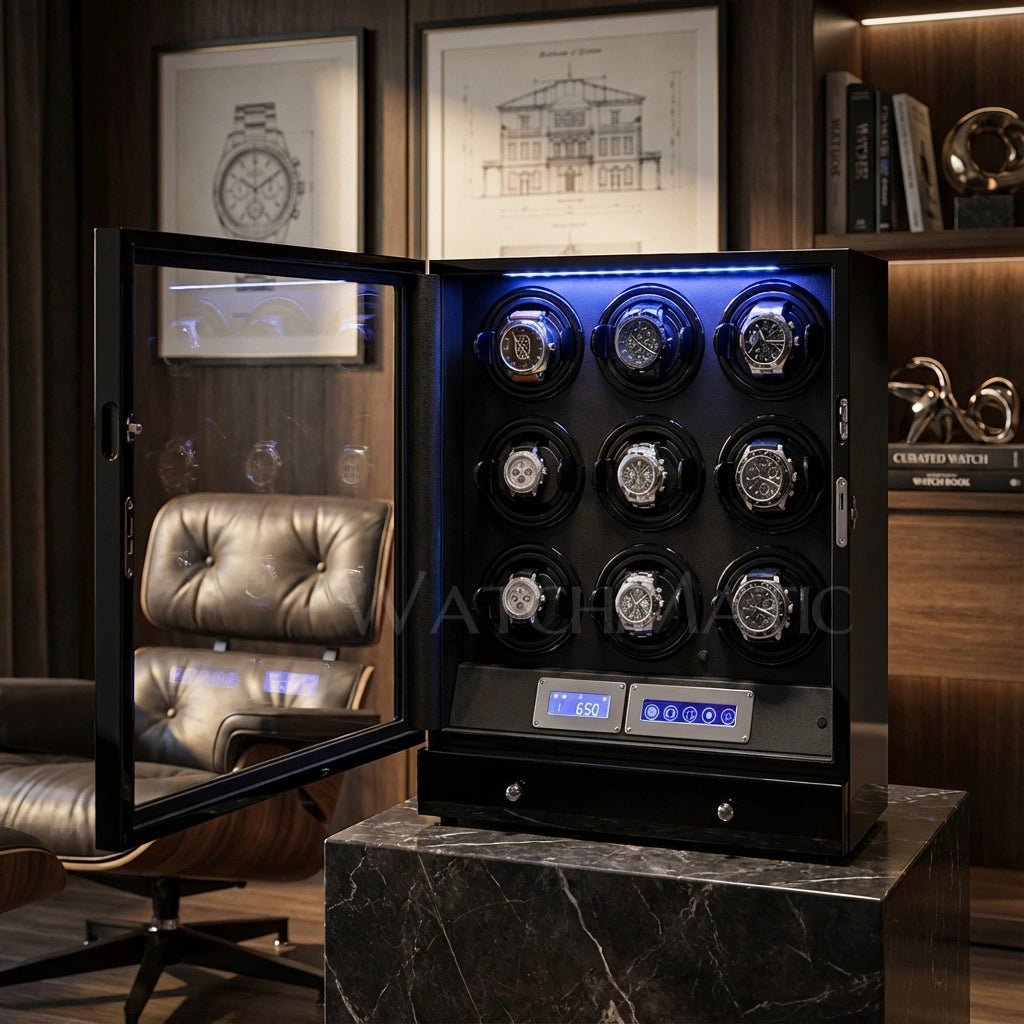
A quality watch box can be appropriate for organizing smaller collections, although it does not provide the physical protection of a properly specified security safe.
Does an Unworn Automatic Watch Need a Winder?
Not necessarily.
Automatic watches do not generally need to remain running continuously simply because they are being stored.
A watch may be allowed to stop when its power reserve is exhausted, subject to the manufacturer's storage and handling recommendations.
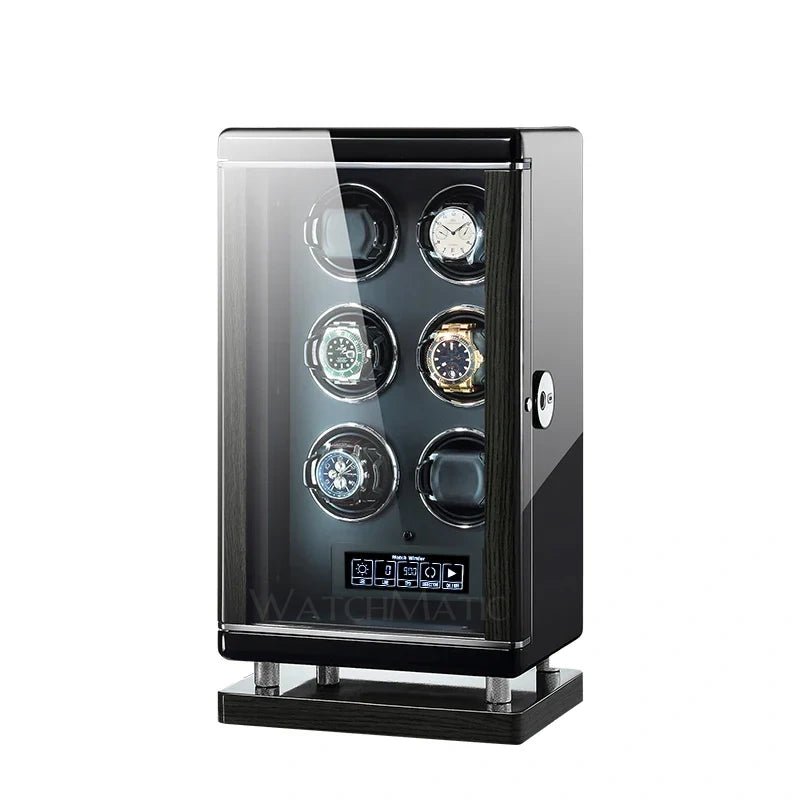
If the watch will return to frequent rotation, a properly configured watch winder can provide convenience by maintaining its power reserve between wears.
For watches worn only occasionally, stationary storage may be simpler.
Read How to Store Automatic Watches When You Are Not Wearing Them for additional guidance.
Protect High-Value Watches Appropriately
When a watch represents substantial financial or personal value, security becomes an important consideration regardless of how frequently it is worn.
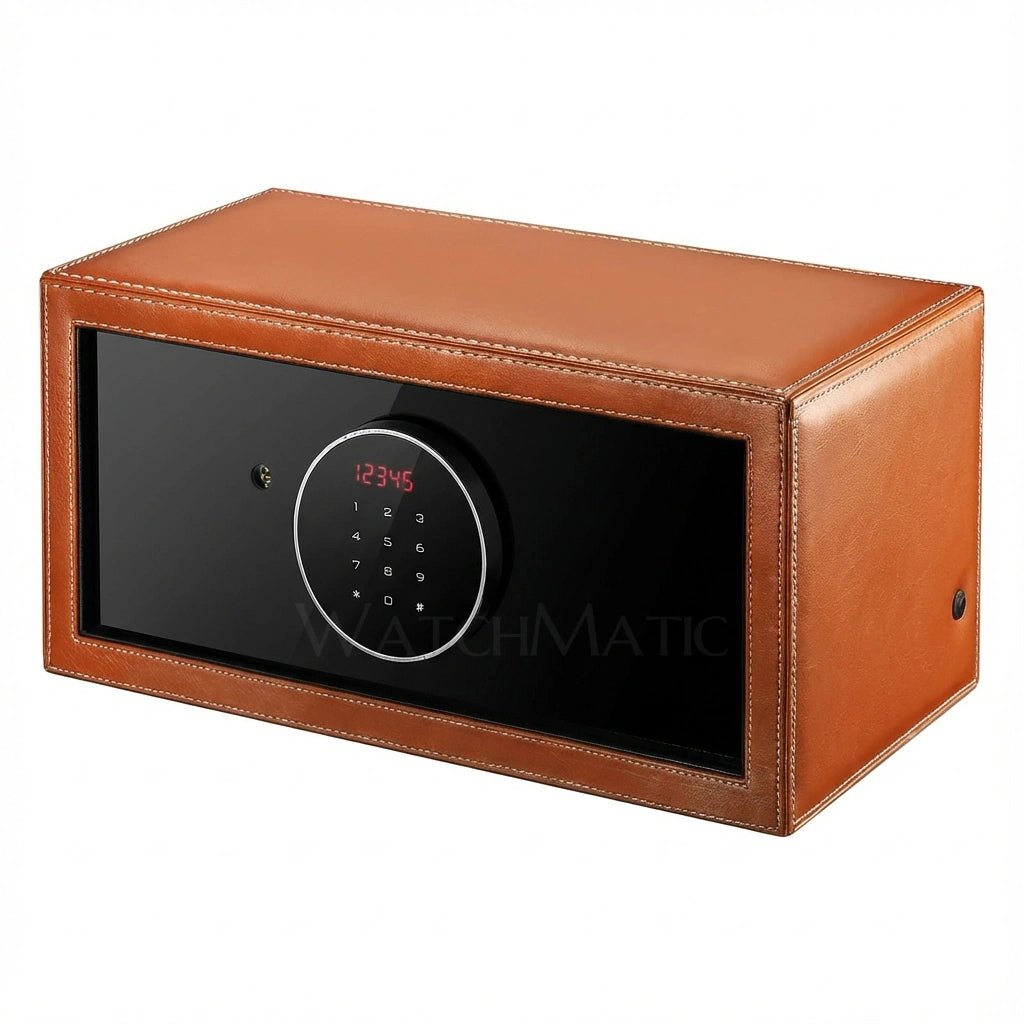
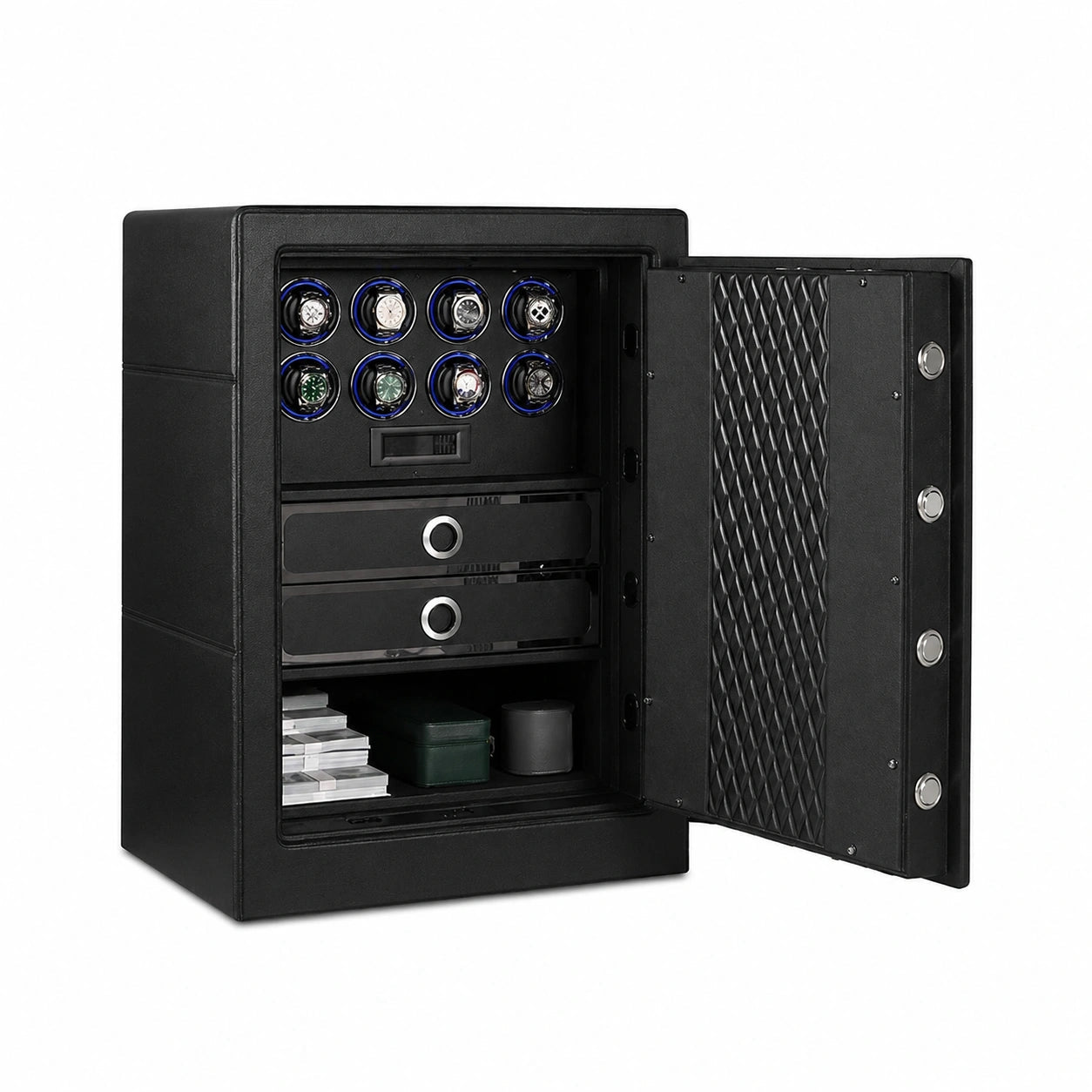
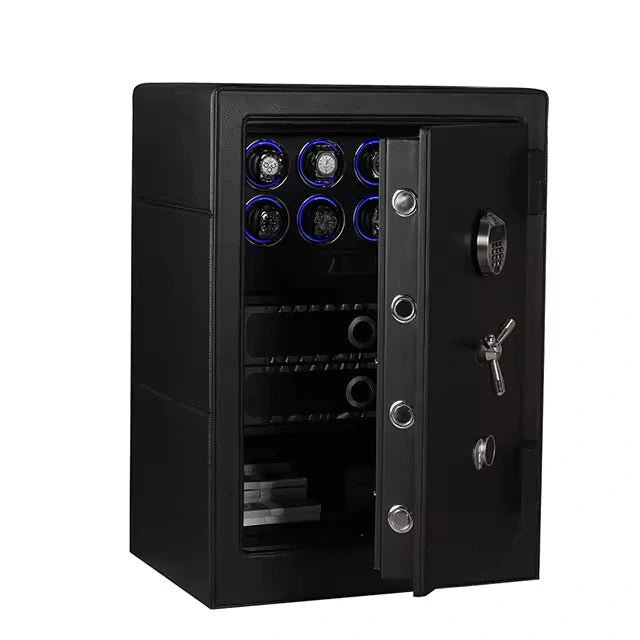
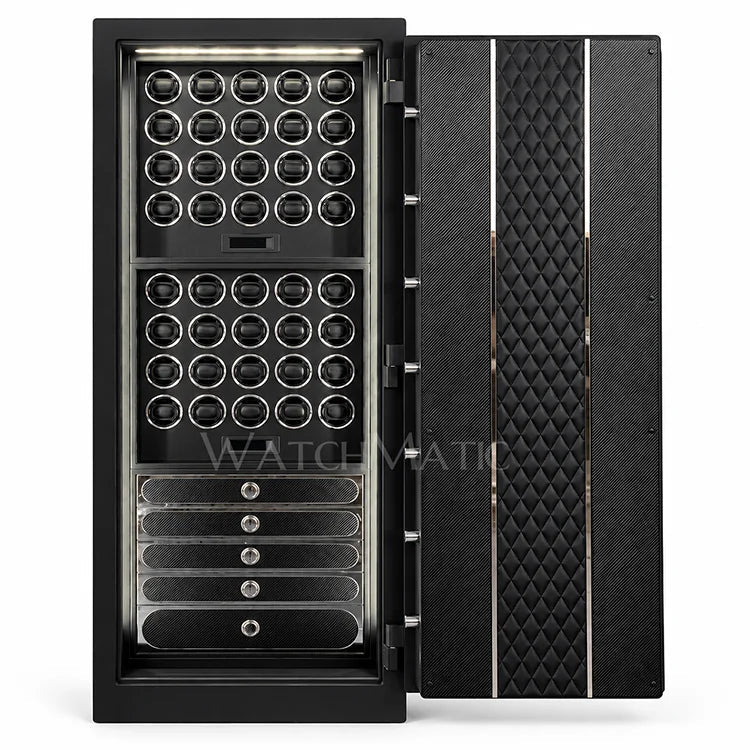
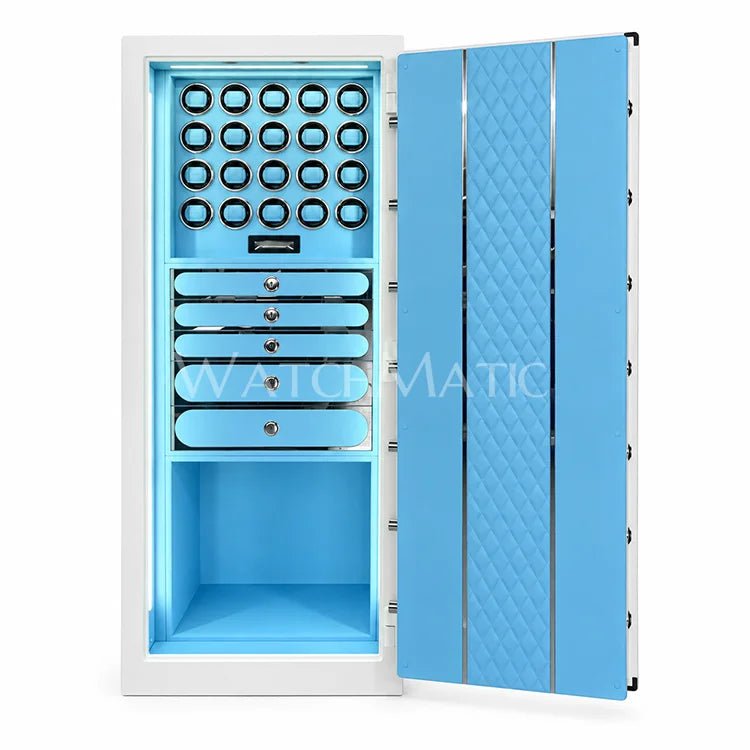
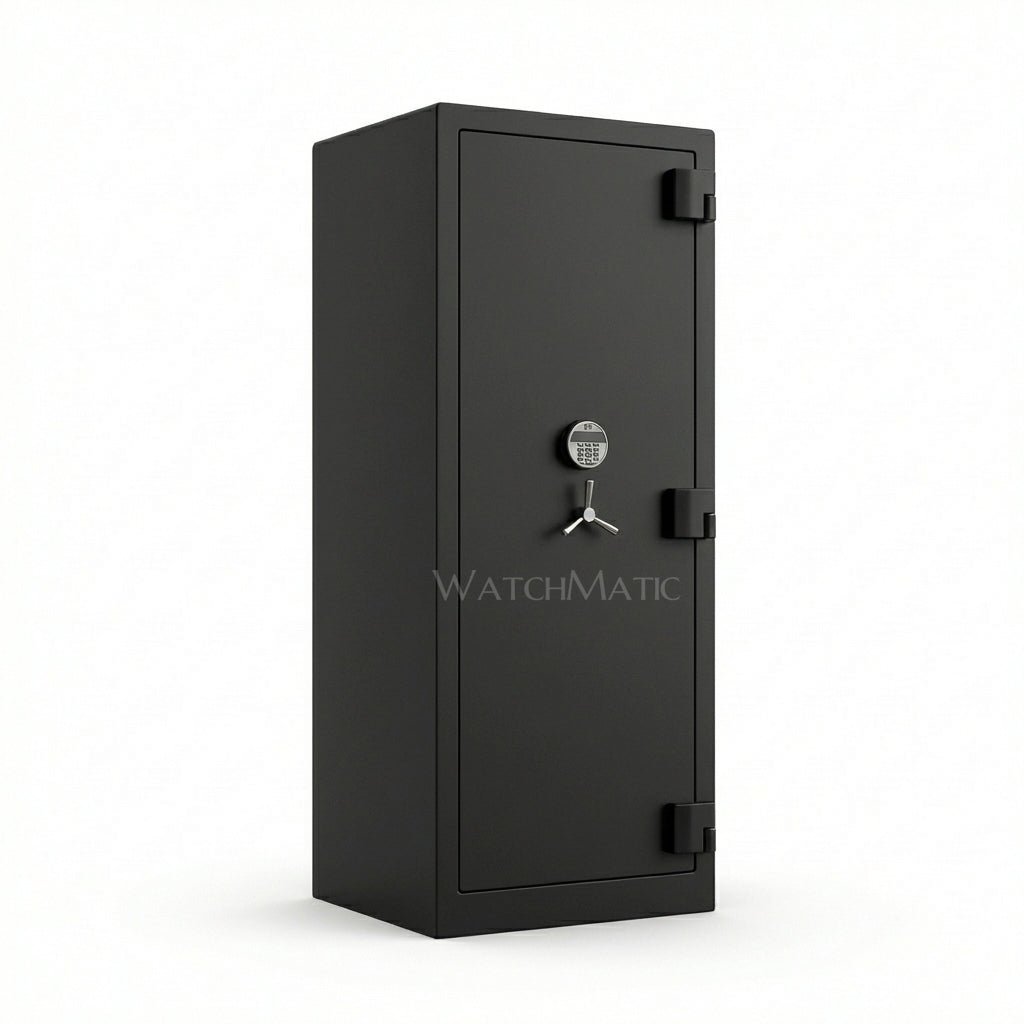
Depending on the circumstances, a purpose-built luxury watch safe may provide more appropriate physical protection than a conventional drawer or display cabinet.
The correct security specification should be evaluated against the collection's value, risk profile, and insurance requirements.
Explore WatchMatic's luxury watch safe cabinets for storage systems designed around valuable watch collections.
Maintain Ownership and Service Records
Keep the watch's purchase documents, warranty information, service history, photographs, and relevant accessories organized.
A rarely worn watch may still require inspection or servicing depending on its condition, age, and manufacturer recommendations.
For more comprehensive storage guidance, see Best Way to Store Luxury Watches.
15. Should You Buy Another Watch After Selling One?
Selling an unused luxury watch often creates an opportunity to reconsider the direction of your collection.
However, replacing one watch immediately with another does not necessarily solve the original problem.
Before buying a replacement, ask:
- Why did the previous watch receive little wrist time?
- Would the new watch genuinely fit my lifestyle better?
- Does it offer something different from my existing pieces?
- Am I buying it because I want to wear or own it, or because it is currently popular?
- Would I prefer a smaller collection of watches I enjoy more?
A useful collecting strategy is to identify the role of a potential new watch before purchasing it.
For example, it might provide a comfortable everyday option, a particular complication, a distinctive design, or a historically meaningful reference missing from your collection.
This approach can help reduce repeated cycles of acquiring watches that later remain unworn.
Consider Improving the Collection You Already Own
Sometimes the most satisfying outcome of selling an unwanted watch is not immediately buying another one.
You might instead choose to improve the storage, organization, documentation, or security of the watches you intend to keep.
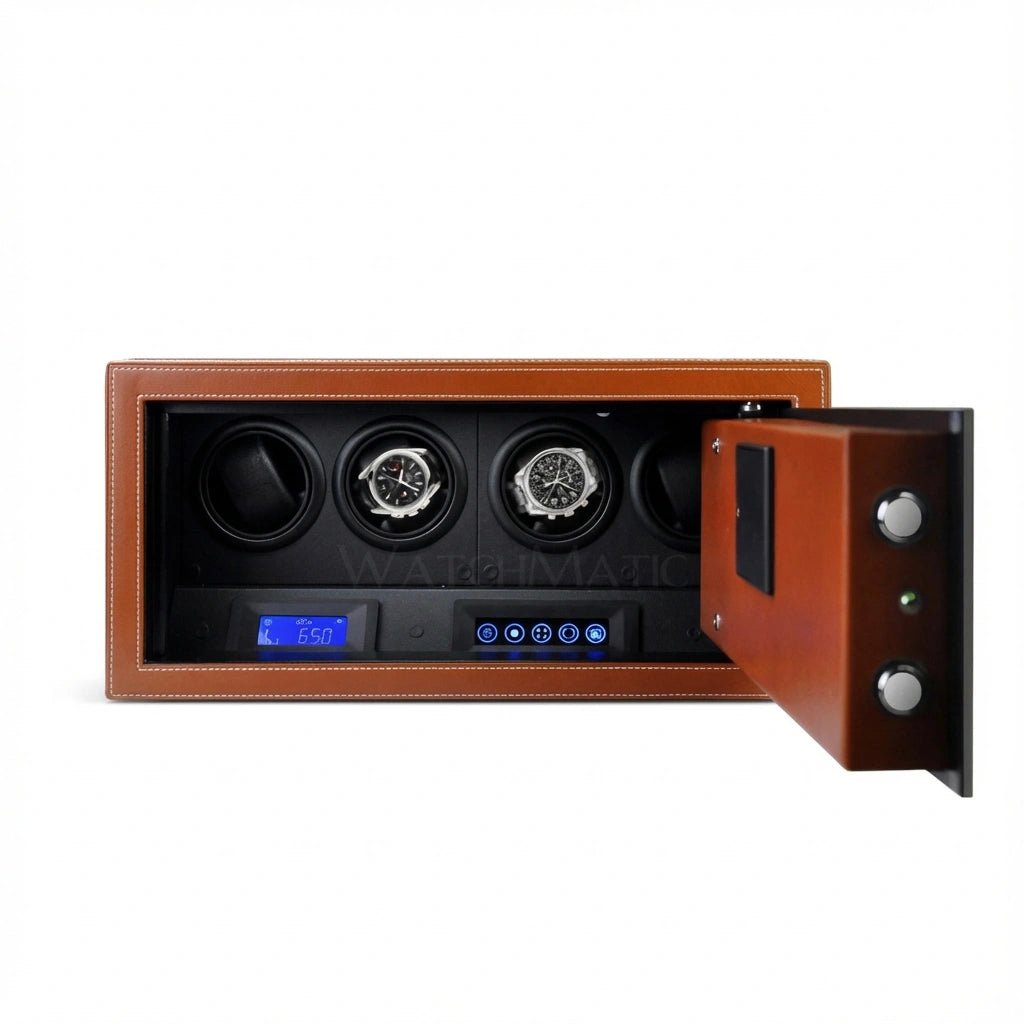
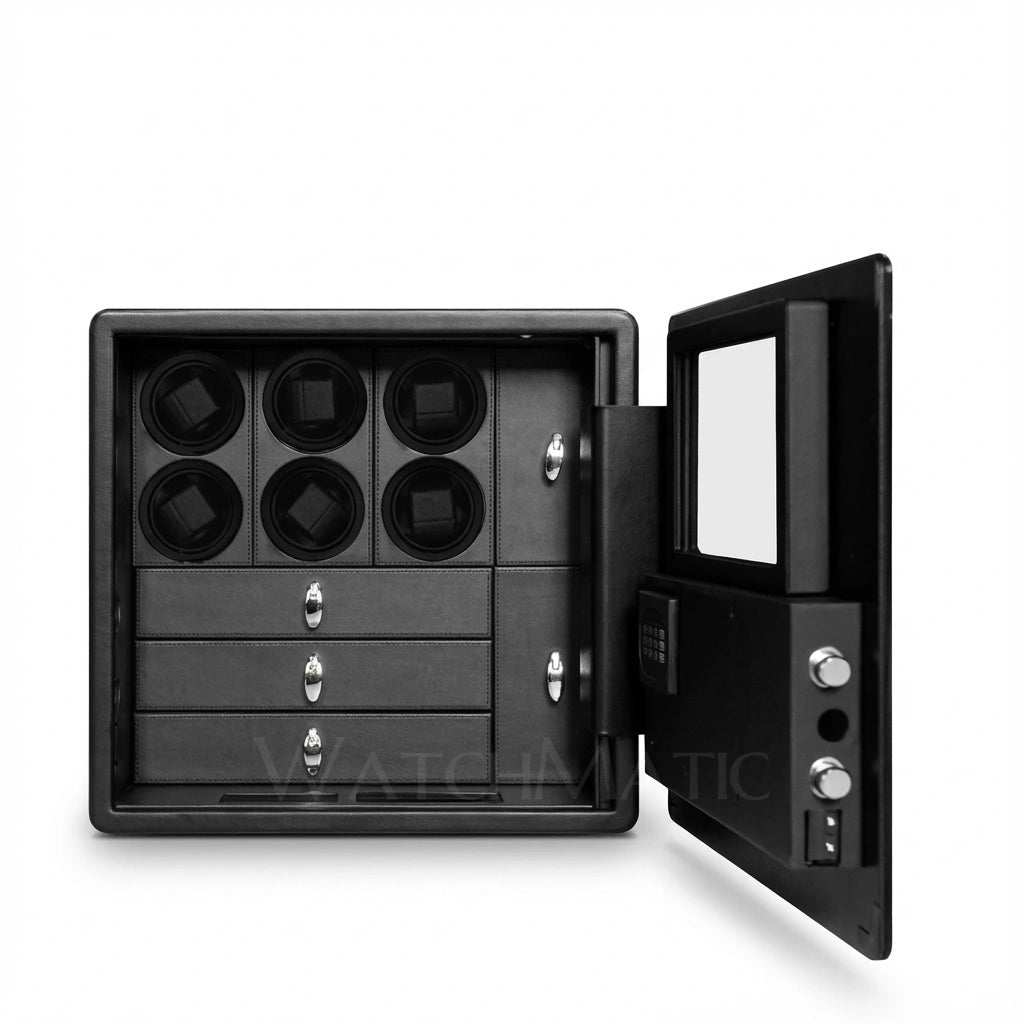
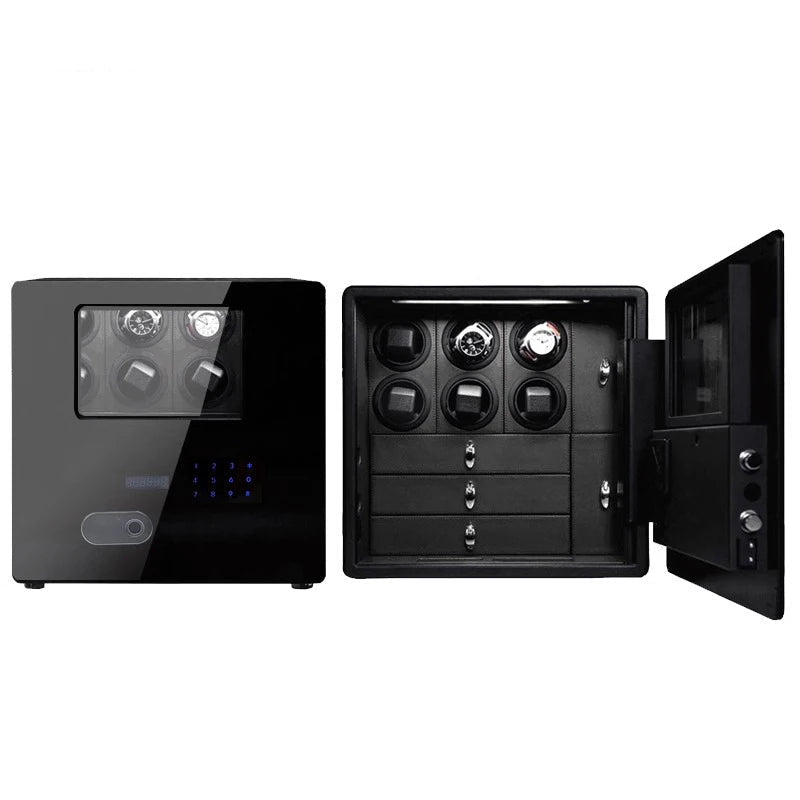
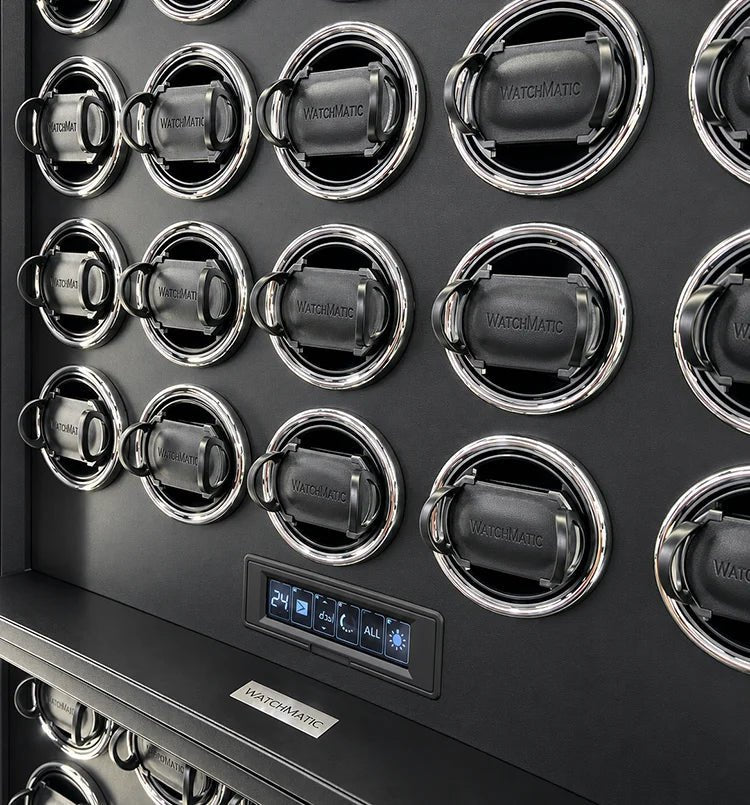
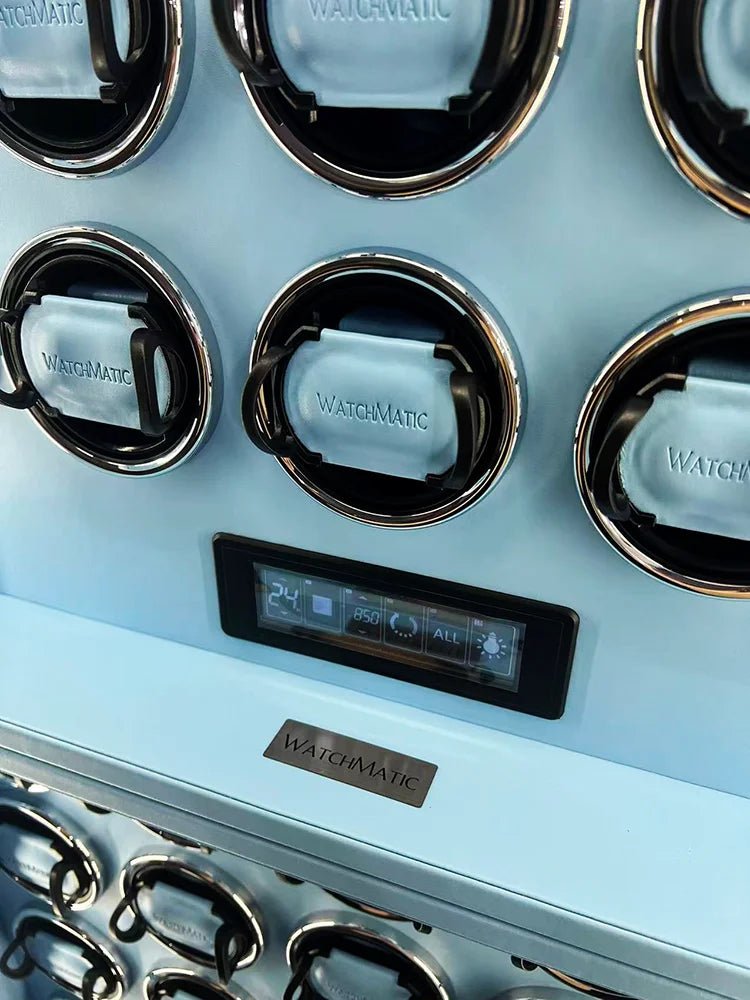
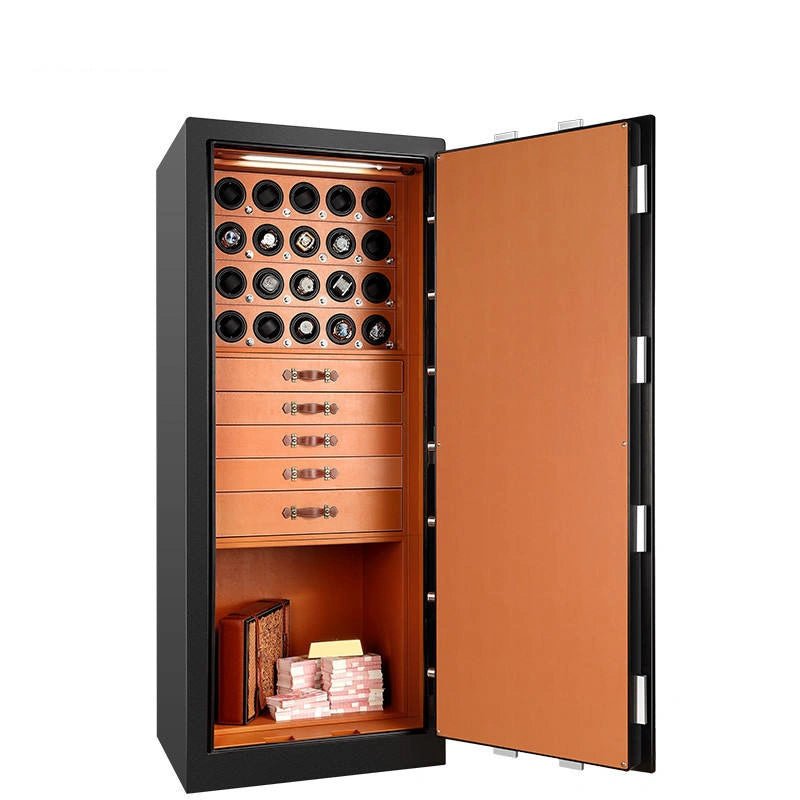
For collectors with several valuable timepieces, an integrated watch winder safe can combine selected automatic winding positions with secure storage and additional compartments.
For larger or specialized collections, bespoke luxury watch safe solutions can accommodate personalized layouts, materials, and storage requirements.
The objective is to make the collection more useful and satisfying, not necessarily larger.
16. A Practical Keep-or-Sell Decision Checklist
If you are still uncertain, use the following questions to evaluate the watch from several perspectives.
| Question | Reasons to Keep | Reasons to Consider Selling |
|---|---|---|
| Do I still enjoy owning it? | Strong personal appreciation | Little remaining interest |
| Does it fit my lifestyle? | Useful for specific activities or occasions | No longer suits daily life |
| Is it emotionally important? | Heirloom, milestone, or meaningful memories | No particular sentimental attachment |
| Is it difficult to replace? | Rare or difficult-to-source reference | Readily available comparable examples |
| Does it overlap with other watches? | Distinctive role or significance | Repeatedly overshadowed by another favorite |
| Would I use the sale proceeds meaningfully? | No compelling alternative use | Clearer personal or financial priority |
| Would I regret selling it? | Likely emotional or replacement regret | Comfortable with the watch leaving the collection |
No single answer should determine the outcome.
Instead, consider the overall pattern.
If the watch still provides personal satisfaction, is difficult to replace, or carries meaningful memories, keeping it may be appropriate.
If it no longer interests you, duplicates other watches, and offers a reasonable opportunity to redirect resources, selling may be a sensible choice.
If the answers are mixed, there is nothing wrong with postponing the decision.
Frequently Asked Questions About Selling Rarely Worn Luxury Watches
Should I sell a luxury watch if I never wear it?
You should consider selling if the watch no longer fits your preferences, duplicates other watches, or no longer provides enjoyment. However, limited wrist time alone is not a sufficient reason. Sentimental value, rarity, personal significance, realistic resale proceeds, and future replacement difficulty should also influence the decision.
How long should I keep a watch before deciding to sell it?
There is no universal minimum ownership period. If you are uncertain, consider wearing the watch again and evaluating it over several weeks. A deliberate decision based on your current preferences is generally more useful than selling simply because the watch has remained unworn for a particular number of months.
Is it worth keeping a Rolex I never wear?
It depends on the particular Rolex reference, your emotional attachment, its condition, and how it fits into your collection. Some collectors retain rarely worn Rolex watches because of personal significance or collectibility. Others prefer to sell models they no longer enjoy. Rolex ownership does not automatically guarantee future appreciation or make selling the wrong decision.
Should I sell my Omega if I always wear my Rolex instead?
If you consistently prefer your Rolex and rarely choose your Omega, it may be worth reviewing whether both watches serve distinct purposes. However, the Omega may still offer different functionality, design, history, or personal significance. Consider these factors before deciding that lower wrist time makes it unnecessary.
Will I regret selling a luxury watch?
Regret is possible, particularly when a watch has sentimental value, is difficult to replace, or was sold during a temporary change in preference. Before selling, consider whether you would want to own the same watch again in the future and how difficult it might be to find a comparable example.
Is it better to sell a watch or trade it in?
Selling can provide greater flexibility because you receive money without committing to another purchase. Trading can simplify acquiring a replacement watch. Compare the total net proceeds or transaction cost rather than considering only the advertised sale price or trade-in allowance.
Do luxury watches lose value if they are not worn?
Not wearing a watch does not automatically cause its market value to decrease. Resale value depends on the reference, condition, originality, supply, demand, and broader market conditions. However, long-term storage should still be appropriate, and mechanical watches may require servicing or inspection according to their condition and manufacturer guidance.
Should I service a watch before selling it?
Not always. A service may make sense if the movement has a confirmed problem or if a buyer requires particular documentation, but the cost may not be recovered in the sale price. For some vintage or collectible watches, maintaining originality is especially important. Obtain a professional assessment before authorizing unnecessary work.
Does having the original box and papers make a luxury watch easier to sell?
Original packaging, warranty cards, receipts, and service records can support provenance and buyer confidence. Their effect on resale desirability and price varies by model, condition, and buyer. Retain original documents and accessories when possible, but do not assume that every full-set watch commands a fixed price premium.
Should I keep an automatic watch running if I plan to sell it?
There is generally no need to keep an automatic watch running continuously solely because you intend to sell it. Store it appropriately and follow the manufacturer's recommendations. Before listing, check that the watch operates as represented and disclose any known mechanical issues. A watch winder does not replace a proper condition assessment.
What should I do with an expensive watch I decide to keep but rarely wear?
Store it in a clean, stable environment with appropriate protection against damage and unauthorized access. A suitable watch box may provide organization, while a properly specified luxury watch safe can offer greater physical security for high-value pieces. Maintain documentation, insurance where appropriate, and relevant service records.
Is a smaller luxury watch collection better than a large one?
Not necessarily. A smaller collection may be easier to rotate and manage, while a larger collection can reflect broader interests in design, complications, watchmaking history, and rarity. The most suitable collection size depends on the owner's preferences, budget, available storage, and reasons for collecting.
Final Thoughts: Sell Because Your Priorities Have Changed, Not Simply Because the Watch Is Unworn
Deciding whether to sell a luxury watch you rarely wear is one of the more personal choices in watch collecting.
A watch may have been a dream purchase, an important milestone, or a carefully considered addition to your collection. Over time, however, your preferences, lifestyle, and priorities can change.
That does not mean the original purchase was necessarily a mistake.
It means your relationship with the watch has evolved.
For some collectors, selling an unused watch can simplify the collection, provide financial flexibility, and create room for pieces that better reflect their current interests.
For others, keeping a rarely worn timepiece is entirely reasonable because its significance extends beyond daily use.
Before selling, understand why the watch is no longer worn, evaluate its emotional value, investigate realistic resale proceeds, and consider whether you would miss it once it is gone.
If you decide to keep it, ensure that it remains appropriately stored, documented, and protected.
At WatchMatic, we offer luxury watch boxes, programmable watch winders, watch winder safes, and bespoke storage solutions for collectors who want to organize and protect the watches they choose to keep.
A thoughtful watch collection is not defined by how many watches you own or how often you wear every piece. It is defined by whether the watches you keep still have meaning, purpose, and value to you.