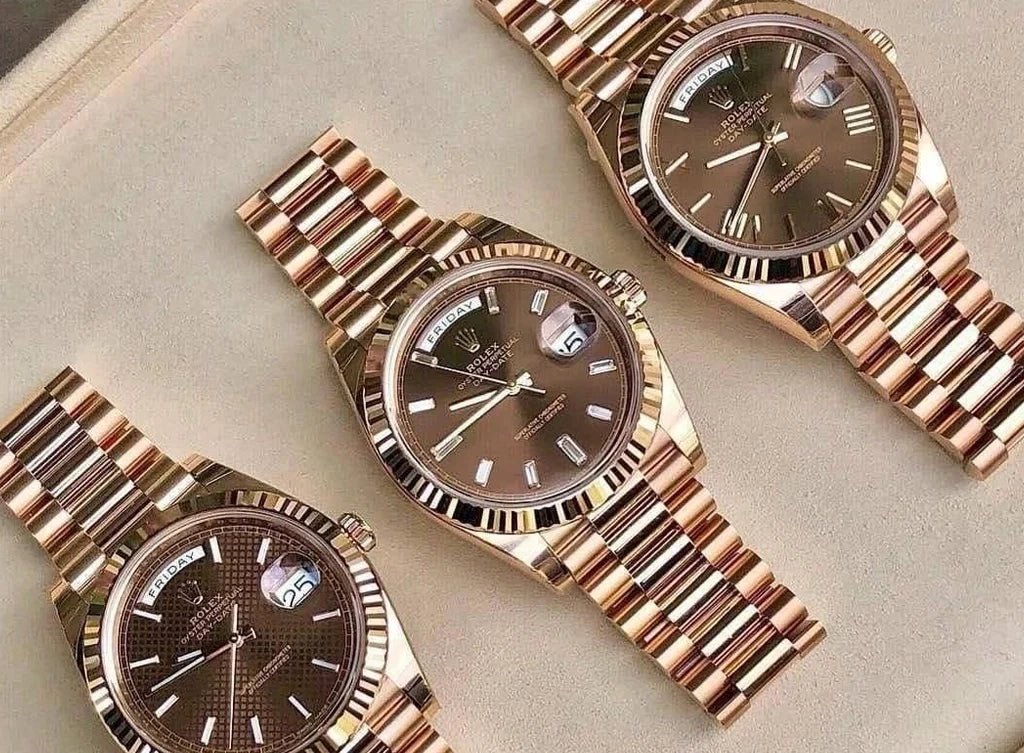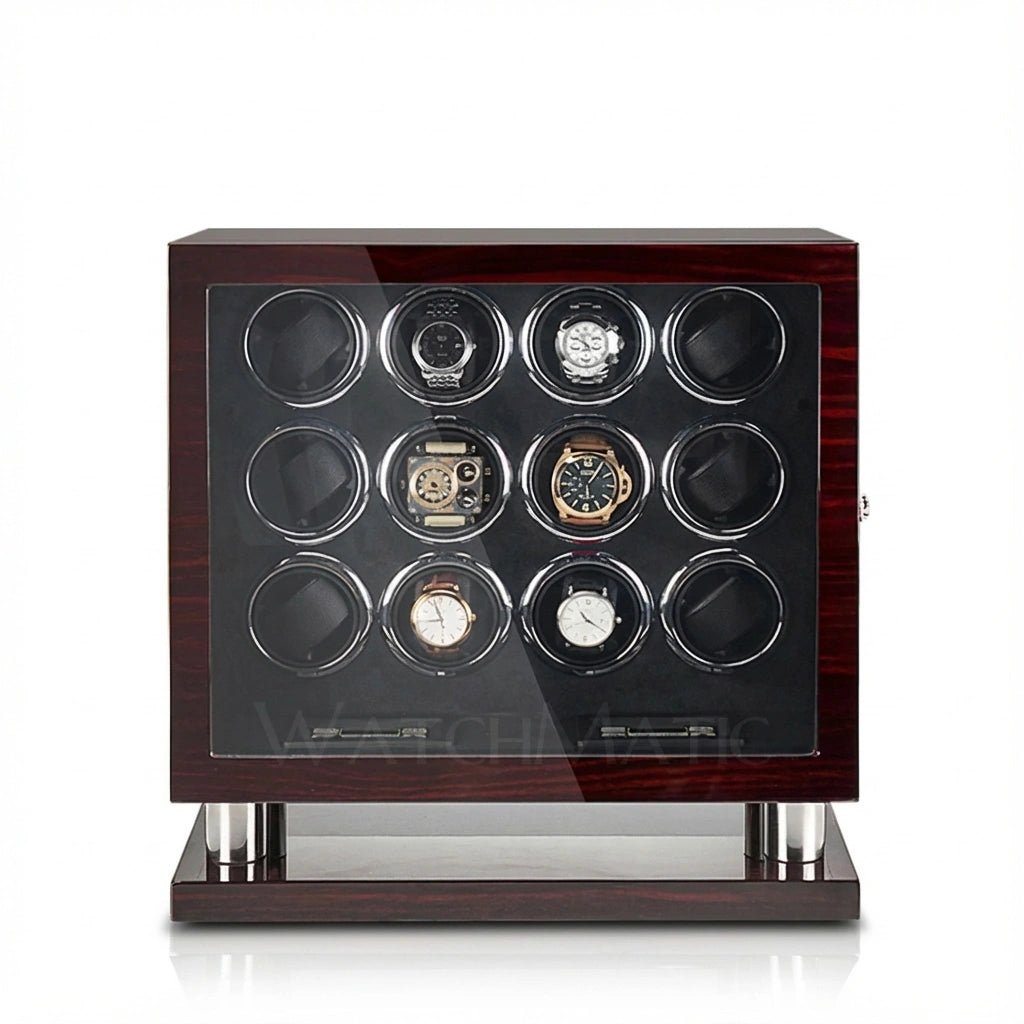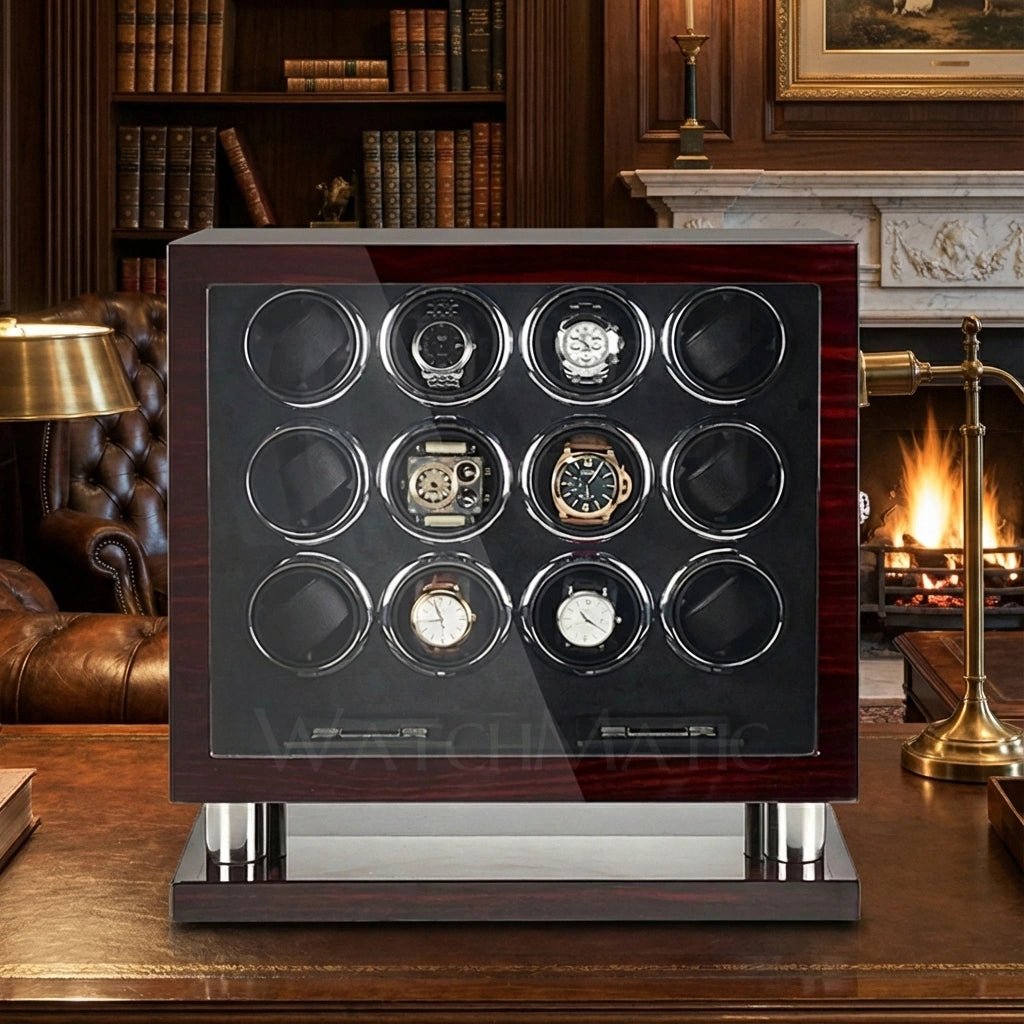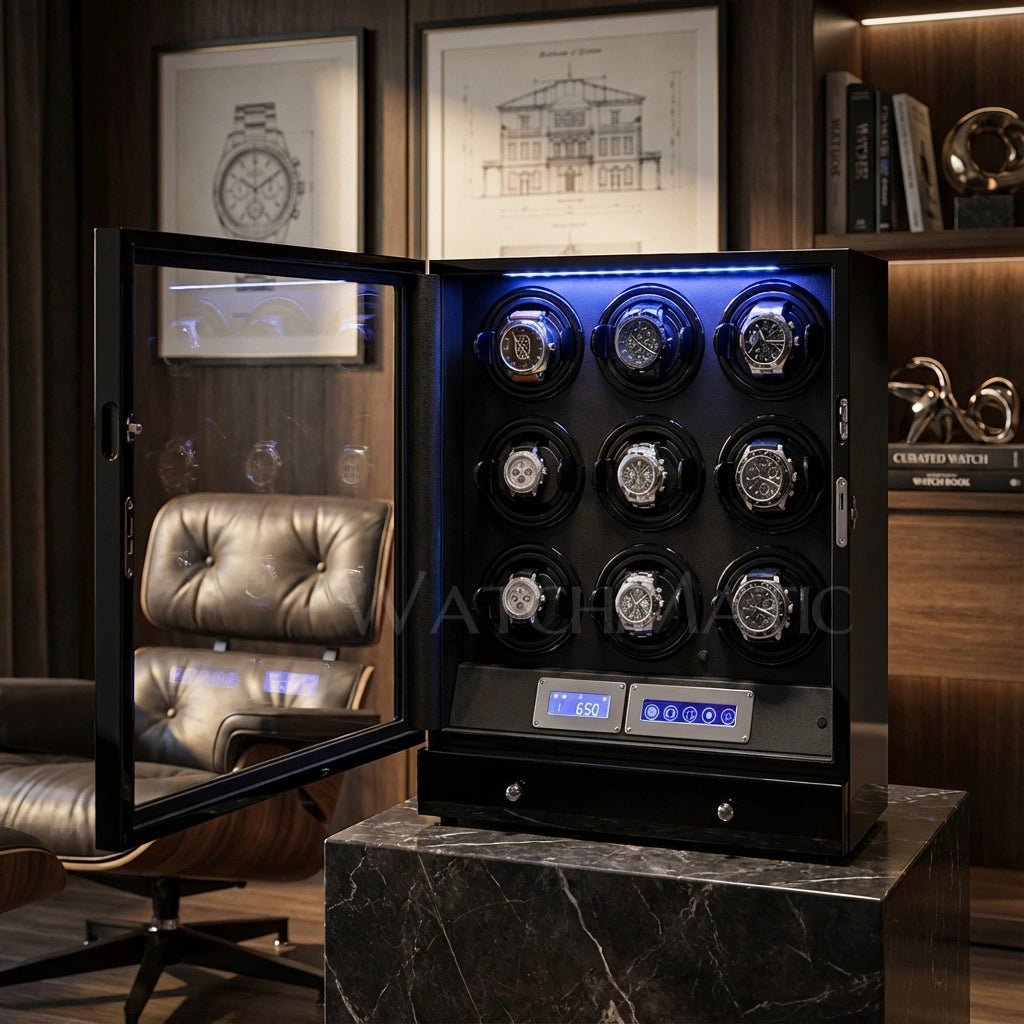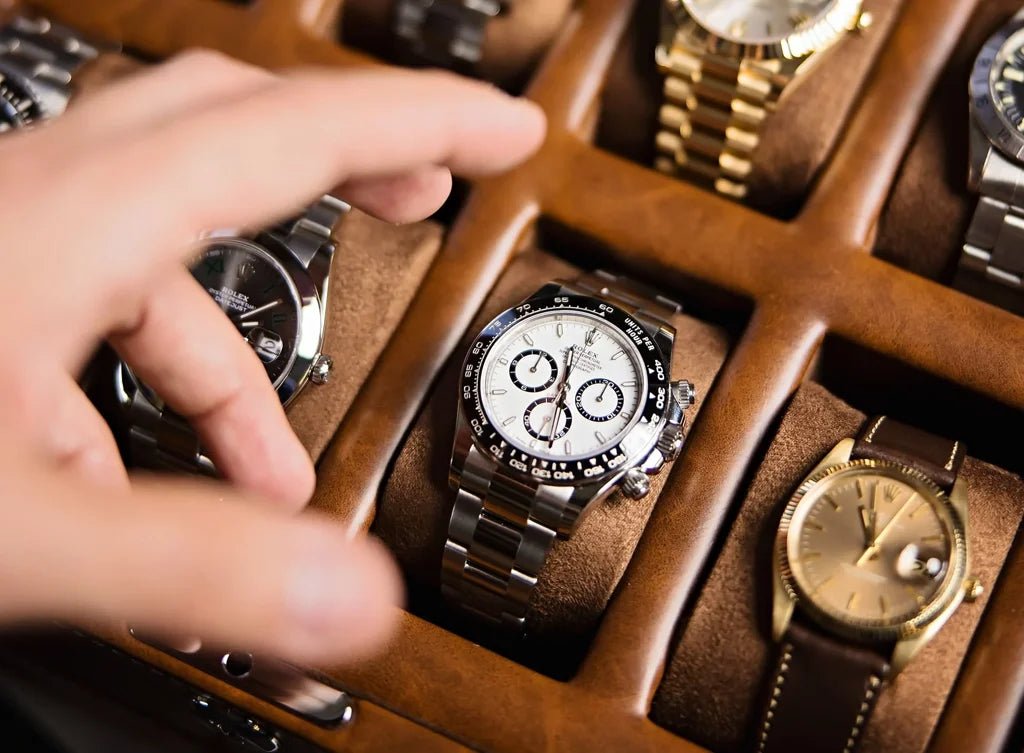
Imagine opening your watch box on Monday morning. Inside are twelve carefully selected timepieces: a Rolex Submariner, an Omega Speedmaster, a Cartier Santos, a Tudor Black Bay, several dress watches, and a few pieces acquired to celebrate important milestones.
Yet, despite having twelve different watches to choose from, you reach for the same one you wore last Thursday.
By the end of the week, you realize that only three watches have spent any meaningful time on your wrist. The others remain exactly where they were.
This is a familiar experience for watch enthusiasts. As a collection grows, the number of watches we own and the number we actually wear can become two very different figures.
It raises an interesting question: How many watches can you realistically wear in a week?
Is it three? Five? Seven? And if you own twenty watches but regularly wear only four, does that mean your collection has become too large?
The answer is more personal than mathematical. Your lifestyle, preferences, occupation, movement types, and reasons for collecting all influence how frequently each watch gets worn.
In this guide, we explore realistic weekly watch rotations, why certain watches receive more wrist time than others, and how to manage a collection that may be much larger than your everyday rotation.
Quick Answer: How Many Watches Can You Realistically Wear in a Week?
For many collectors, rotating between two to four watches during a typical week can be a practical approach. Others prefer wearing one favorite almost every day, while enthusiasts who deliberately change watches daily may wear seven different pieces in seven days.
These are illustrative rotation styles, not statistical averages or rules that every collector should follow.
If you generally wear one watch per day, a seven-day week provides a maximum of seven distinct daily selections. Wearing more than seven different watches would require changing watches during the day.
In practice, however, the number of available days is not usually the limiting factor.
Most people have recurring routines. They go to work, exercise, attend meetings, travel, spend time at home, and participate in activities where some watches are more appropriate than others.
As a result, a few versatile watches may naturally receive a larger share of wrist time.
| Weekly Rotation | Typical Approach | Best Suited For |
|---|---|---|
| 1 watch | Wear the same favorite throughout the week | Collectors who value simplicity and consistency |
| 2–3 watches | Alternate between daily, professional, and weekend watches | Collectors with established routines |
| 4–5 watches | Rotate frequently according to outfits, activities, or preferences | Enthusiasts who actively enjoy variety |
| 6–7 watches | Wear almost a different watch every day | Collectors who intentionally plan daily rotation |
| 8+ watches | Change watches multiple times per day | Collectors who enjoy frequent changes or attend different activities |
The key distinction is between the number of watches you could wear and the number you genuinely enjoy wearing.
1. Seven Days Does Not Necessarily Mean Seven Different Watches
At first glance, a seven-watch rotation sounds logical. One watch for each day of the week, with every timepiece receiving equal attention.
However, equal rotation is not necessarily how most people want to experience their collection.
Consider a collector who owns a comfortable steel sports watch, a formal dress watch, a diving watch, and a GMT.
The sports watch may work well with nearly every outfit, while the dress watch is more appropriate for business dinners or formal occasions. The GMT may become particularly useful during travel.
Even with four excellent watches, there is no practical reason to wear each one the same number of times.
Your Lifestyle Influences Your Rotation
Someone who works in an office five days per week may repeatedly choose the same versatile watch. A person who travels frequently may favor a GMT, while another collector may prefer a durable sports watch during the weekend.
These patterns are not necessarily signs of an unbalanced collection.
They simply reflect how personal routines influence watch selection.
You May Prefer Wearing a Watch for Several Consecutive Days
Some collectors enjoy changing watches every morning. Others prefer wearing the same watch for several days before switching.
There is no requirement to rotate watches daily.
If you particularly enjoy a watch, wearing it four or five days in a row can be more satisfying than changing it simply to ensure that other pieces receive equal attention.
2. Why Do Collectors Keep Wearing the Same Few Watches?
As a collection grows, ownership does not necessarily translate into increased variety on the wrist.
Several practical and psychological factors can explain why certain watches become everyday favorites.
Comfort Often Matters More Than Expected
A watch may look exceptional inside a display case but feel less comfortable during an entire working day.
Case thickness, bracelet weight, strap flexibility, clasp adjustment, and overall proportions can influence how often the owner chooses it.
A lightweight, well-fitting watch may become the default choice even when more expensive pieces are available.
Versatility Encourages Frequent Wear
Watches that work across different situations naturally have more opportunities to be worn.
A versatile sports watch might be suitable for a business-casual office, a weekend lunch, and ordinary daily activities.
A highly specialized dress watch or oversized statement piece may have fewer suitable occasions.
Convenience Influences the Decision
If two watches are equally appealing but one is already running and correctly set, the ready-to-wear option may be more convenient.
This becomes especially relevant with automatic watches.
When an automatic movement has exhausted its power reserve, the owner may need to restart it and adjust the time, date, GMT, or other complications before wearing it.
For some collectors, this small inconvenience makes them reach for another watch instead.
Emotional Connection Can Outweigh Variety
A watch purchased to celebrate a personal achievement may receive more wrist time than another model with a higher retail price.
The emotional significance of a watch can make it difficult to replace in an everyday rotation.
Professional collectors often recognize that their most frequently worn watch is not necessarily the most complicated, rarest, or most expensive piece they own.
3. The Difference Between Owning Watches and Giving Them Wrist Time
One of the most useful concepts in watch collecting is wrist time: how frequently a particular watch is actually worn.
Wrist time provides a different way to evaluate a collection.
Instead of asking only how many watches you own, it encourages you to think about how often you use and enjoy individual pieces.
Collection Size vs. Active Rotation
Consider three illustrative collectors:
- Collector A: owns three watches and wears all three every week.
- Collector B: owns twelve watches but usually wears the same four.
- Collector C: owns thirty watches, including rare pieces, yet regularly wears only two or three.
None of these collectors necessarily has a better collection than the others.
Collector A may prioritize daily versatility. Collector B may appreciate variety without feeling compelled to wear everything. Collector C may regard some watches as collectible objects rather than everyday accessories.
All three approaches can be valid.
For a broader discussion of collection size, see How Many Watches Should Be in a Collection?.
A Watch Can Be Valuable Without Being Frequently Worn
Wrist time is not the only measure of a watch's importance.
A vintage heirloom may be worn only occasionally because of its condition or sentimental significance.
A rare independent watch may be appreciated primarily for its craftsmanship, while another piece may remain stored until a particular occasion.
In these cases, limited wear is intentional rather than a problem that needs to be corrected.
4. How to Measure Your Actual Watch Rotation
If you want to know how many watches you realistically wear, the most useful approach is to track your choices rather than estimate them from memory.
A simple four-week observation can reveal which watches form your active rotation.
Step 1: Record the Watch You Wear Each Day
For 28 days, record which watch you select as your primary daily timepiece.
You do not need a specialized application. A note on your phone or a simple spreadsheet is sufficient.
If you frequently switch watches during the day, you can record additional wearing sessions separately.
Step 2: Count the Wear Days
At the end of the observation period, calculate how many days each watch was worn.
For example:
| Watch | Days Worn in 28 Days | Share of Wrist Time |
|---|---|---|
| Watch A – Everyday Sports Watch | 12 | 42.9% |
| Watch B – GMT | 7 | 25.0% |
| Watch C – Dress Watch | 5 | 17.9% |
| Watch D – Diver | 3 | 10.7% |
| Watch E – Chronograph | 1 | 3.6% |
Illustrative data based on one primary watch per day. Percentages are rounded.
In this example, the collector owns at least five watches, but two account for almost 68% of the observed wrist time.
The result does not mean the other watches should be sold. It simply shows which pieces are most important to the collector's current routine.
Step 3: Identify the Watches You Rarely Select
Ask yourself why some pieces received very little or no wear.
Possible explanations include:
- The watch is uncomfortable.
- Its style overlaps with another favorite.
- It is reserved for special occasions.
- The movement has stopped and requires resetting.
- The watch is particularly valuable or delicate.
- Your lifestyle has changed since you purchased it.
- You appreciate owning the watch more than wearing it.
These different explanations should lead to different decisions.
5. What Does a Realistic Seven-Day Watch Rotation Look Like?
A practical weekly rotation does not need to include seven different watches.
Consider a collector with four frequently worn pieces:
- Watch A: versatile everyday sports watch.
- Watch B: elegant dress watch.
- Watch C: comfortable everyday automatic watch.
- Watch D: weekend diver.
The weekly schedule might look like this:
| Day | Watch | Reason |
|---|---|---|
| Monday | Watch A | Everyday office wear |
| Tuesday | Watch A | Comfortable daily choice |
| Wednesday | Watch B | Business dinner or formal meeting |
| Thursday | Watch C | Change of style |
| Friday | Watch C | Casual workday |
| Saturday | Watch D | Weekend activities |
| Sunday | Watch B | Lunch or social occasion |
In this example, four different watches provide enough variety for the entire week.
The collector does not need to change watches every day merely to increase the number of pieces receiving wrist time.
More importantly, this rotation reflects how the watches fit into daily life rather than forcing daily life to accommodate the collection.
6. Is It Realistic to Rotate 10 or 20 Watches Every Week?
It is possible to wear more than seven different watches in a week if you change watches during the day.
However, that does not necessarily make it desirable.
Rotating 10 Watches
To wear ten distinct watches in seven days, you would need at least three additional wearing sessions beyond selecting one watch per day.
For example, you might wear one watch to work and another to dinner on several evenings.
This can be enjoyable if frequent watch changes are already part of your lifestyle.
But if you are switching watches only to satisfy a rotation target, the process may begin to feel like an obligation.
Rotating 20 Watches
Wearing twenty different watches in one week requires considerably more frequent changes.
For most everyday schedules, this would be a deliberate collecting activity rather than a natural wearing pattern.
A more practical alternative is to rotate different watches across several weeks.
For example, a collector with twenty watches could maintain a core group for everyday use and gradually introduce other pieces throughout the month or season.
Think Beyond the Seven-Day Window
A watch that receives no wrist time this week may still be worn regularly over a longer period.
Seasonal watches, travel watches, and formal pieces are obvious examples.
For larger collections, evaluating wear over a month or quarter may provide a more meaningful picture than looking at a single week.
7. A Four-Week Rotation May Make More Sense for Larger Collections
If you own twelve or more watches, a monthly rotation can provide variety without requiring constant daily changes.
One approach is to separate the collection into a small core group and several occasional-use watches.
Example: A 12-Watch Collection
Imagine that four watches are part of your everyday rotation, while eight are worn less frequently.
Across four weeks, you could:
- Wear the four core watches regularly each week.
- Introduce two different occasional watches each week.
- Reserve one additional day per week for whichever watch you feel like wearing.
Over 28 days, all twelve watches could receive at least some wrist time without requiring more than one watch per day.
This is a possible framework, not a requirement to wear every watch within a month.
Example Monthly Rotation
| Week | Core Rotation | Additional Watches |
|---|---|---|
| Week 1 | Watches A–D | Watches E and F |
| Week 2 | Watches A–D | Watches G and H |
| Week 3 | Watches A–D | Watches I and J |
| Week 4 | Watches A–D | Watches K and L |
Each week leaves flexibility for wearing favorites more often while still providing opportunities to enjoy less frequently selected pieces.
The objective is to create more opportunities for enjoyment, not to make wrist time perfectly equal.
8. Do Automatic Watches Make Frequent Rotation More Complicated?
Automatic watches introduce a practical consideration that does not apply in the same way to quartz watches: power reserve.
An automatic mechanical watch stores energy in its mainspring. Wearing the watch allows the automatic winding mechanism to replenish that energy through normal wrist movement.
When the watch is removed and left stationary, it continues running until the stored reserve is exhausted.
What Happens When You Do Not Wear an Automatic Watch for Several Days?
The watch may stop naturally once its power reserve runs out.
This is normal and does not automatically indicate a mechanical problem.
For example, Rolex's official care guidance explains that a Rolex automatic watch worn daily does not ordinarily require additional manual winding. If it has been set aside long enough to stop, it can be restarted according to the manufacturer's instructions.
The exact power reserve varies by model and caliber.
The Challenge of Switching Between Several Automatic Watches
Consider a collector with six automatic watches who changes models every one or two days.
Depending on their individual power reserves, some watches may have stopped by the time the owner returns to them.
Restarting a simple three-hand watch may be straightforward. Setting a complicated annual calendar, perpetual calendar, moonphase, or GMT can require additional attention.
For some collectors, repeatedly resetting watches becomes an inconvenience that influences their rotation choices.
For more information, see How to Store Automatic Watches When You Are Not Wearing Them.
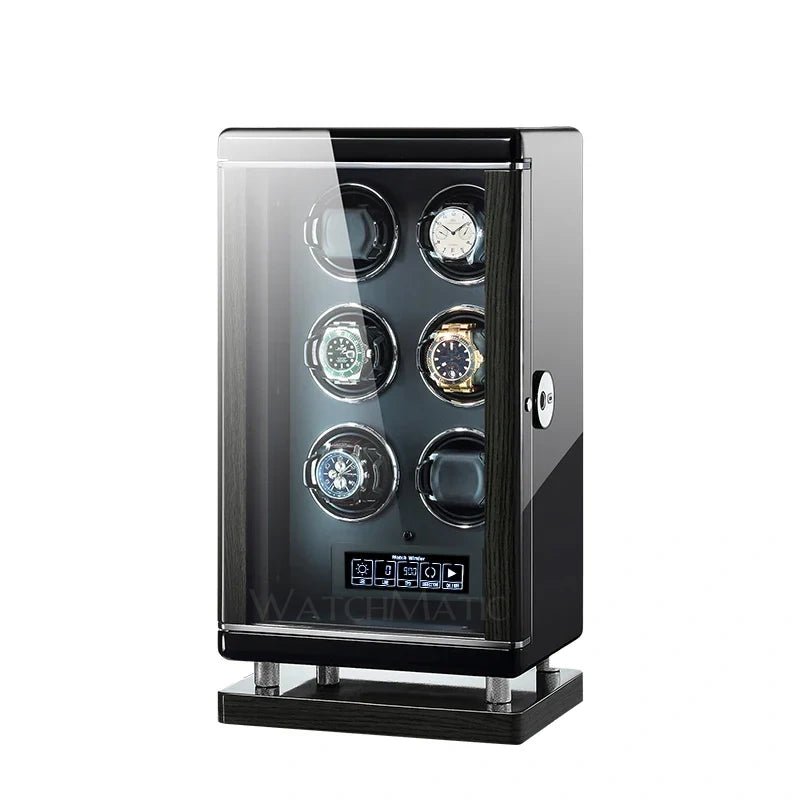
9. Can a Watch Winder Help You Rotate More Watches?
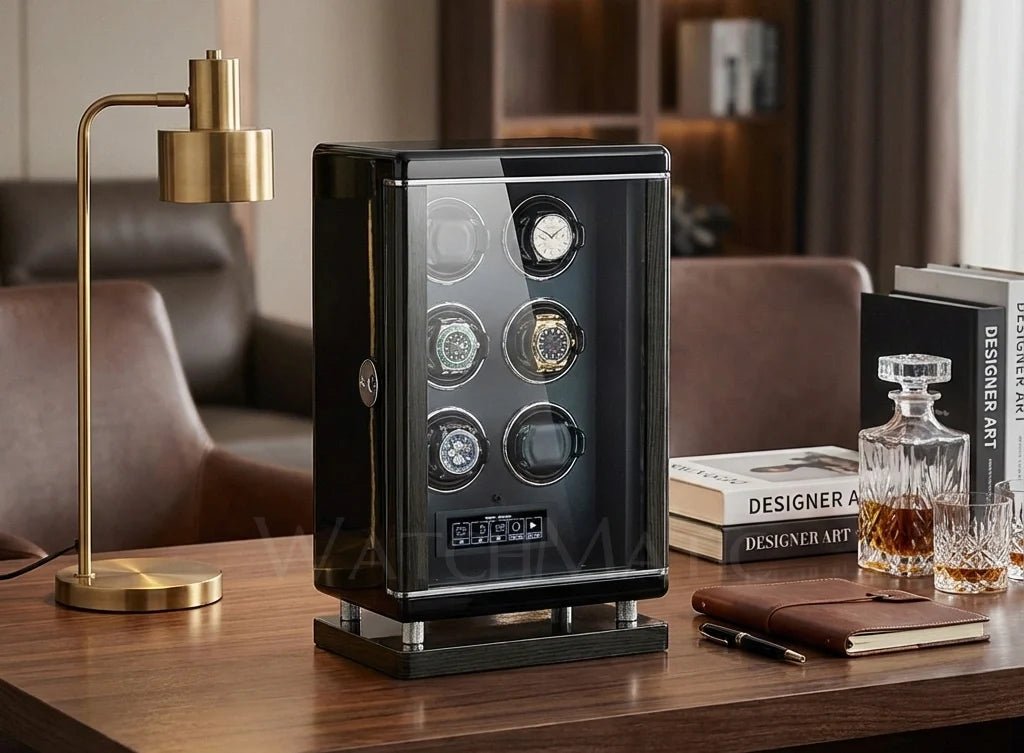
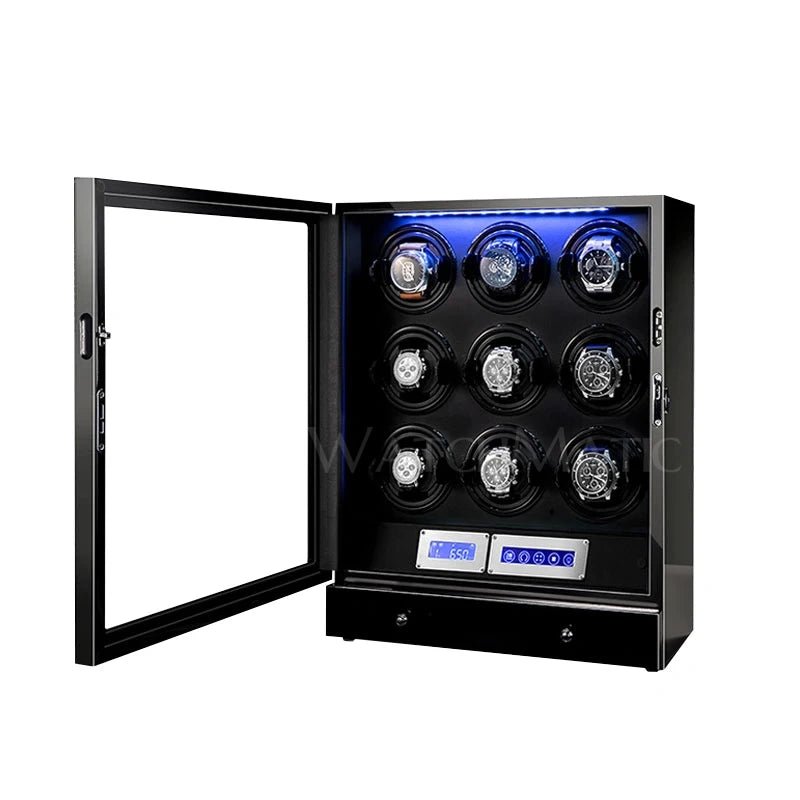
A properly configured watch winder can make it easier to switch between selected automatic watches without repeatedly restarting them.
It does this by providing programmed winding motion while the watch is not being worn.
For collectors who change watches frequently, this can reduce a small but recurring inconvenience.
Keeping Selected Watches Ready to Wear
Imagine owning six automatic watches but wearing three or four regularly.
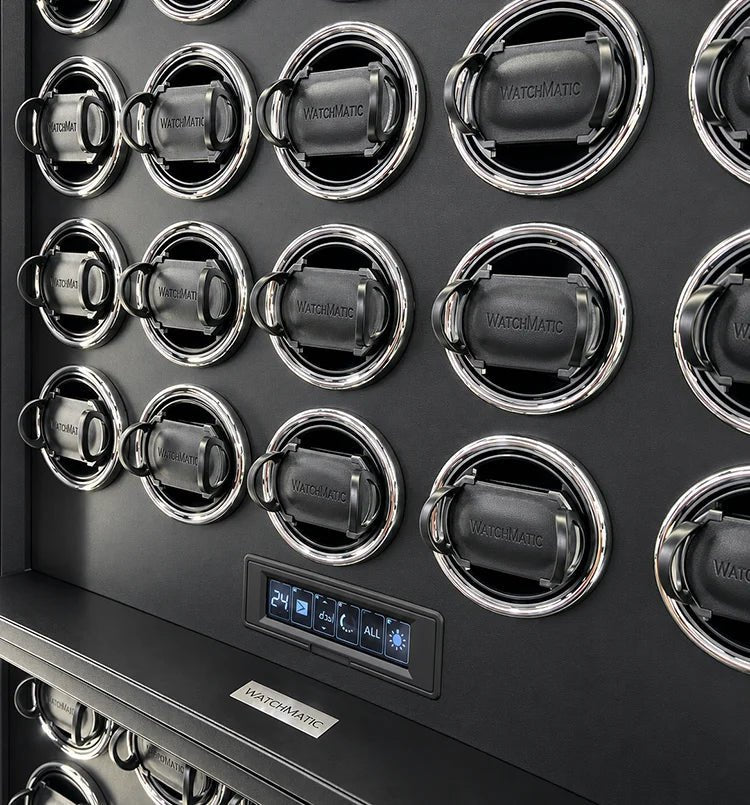
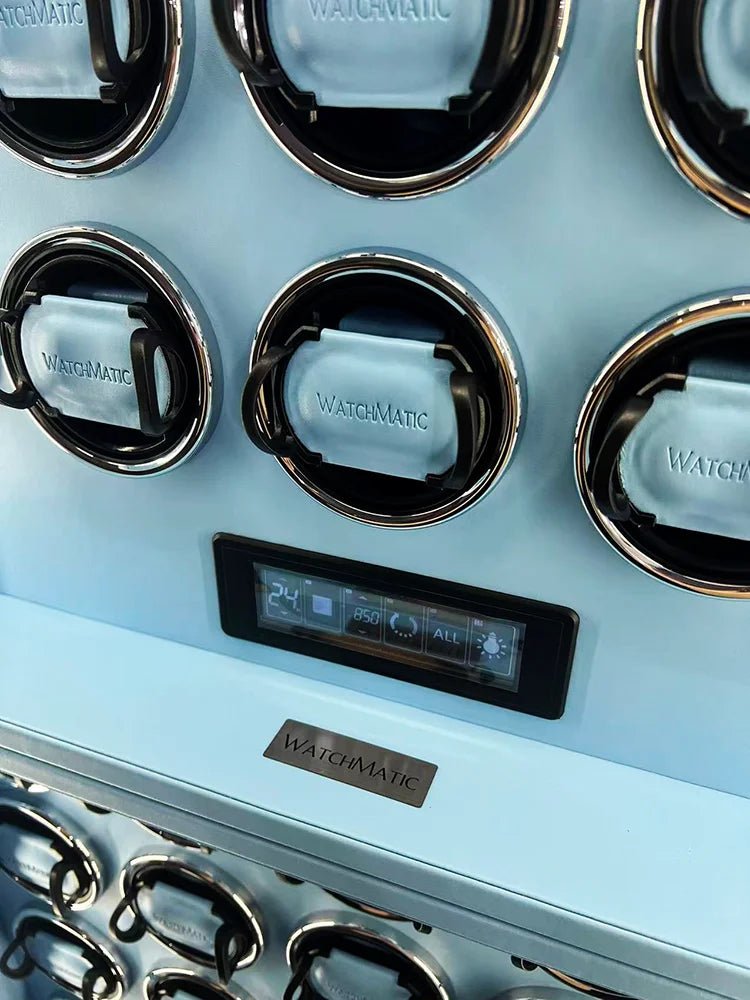
A programmable watch winder can keep selected watches running between wears, provided the winding settings are compatible with their movements.
This means you can choose a different watch in the morning without necessarily having to reset it first.
For a collector who enjoys spontaneous rotation, the convenience may make it easier to give different watches more wrist time.
Does a Watch Winder Mean You Should Rotate More Frequently?
No.
A watch winder is a convenience tool, not a reason to change watches more often than you want to.
It also does not make automatic watches mechanically healthier simply by keeping them running. An automatic watch can generally remain stationary when not in use, subject to the manufacturer's storage recommendations.
For an introduction to programmable winding systems, see our Watch Winder Guide.
Choose Winding Capacity Based on Actual Rotation
For collectors who regularly use several automatic watches, the number of winding positions should reflect genuine usage patterns.
If you own fifteen watches but regularly rotate only four automatic pieces, you may not need fifteen winding positions.
A smaller programmable system could maintain the active rotation while the remaining watches are stored separately.
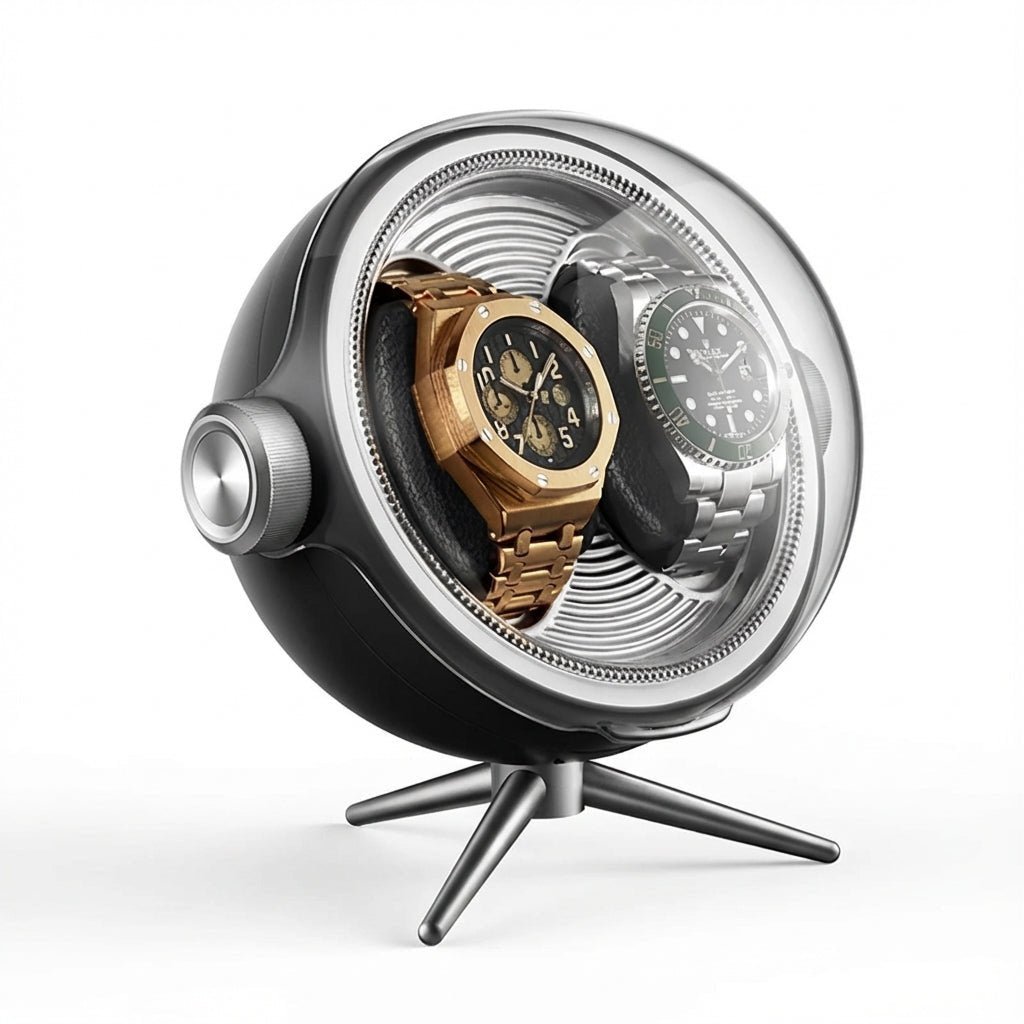
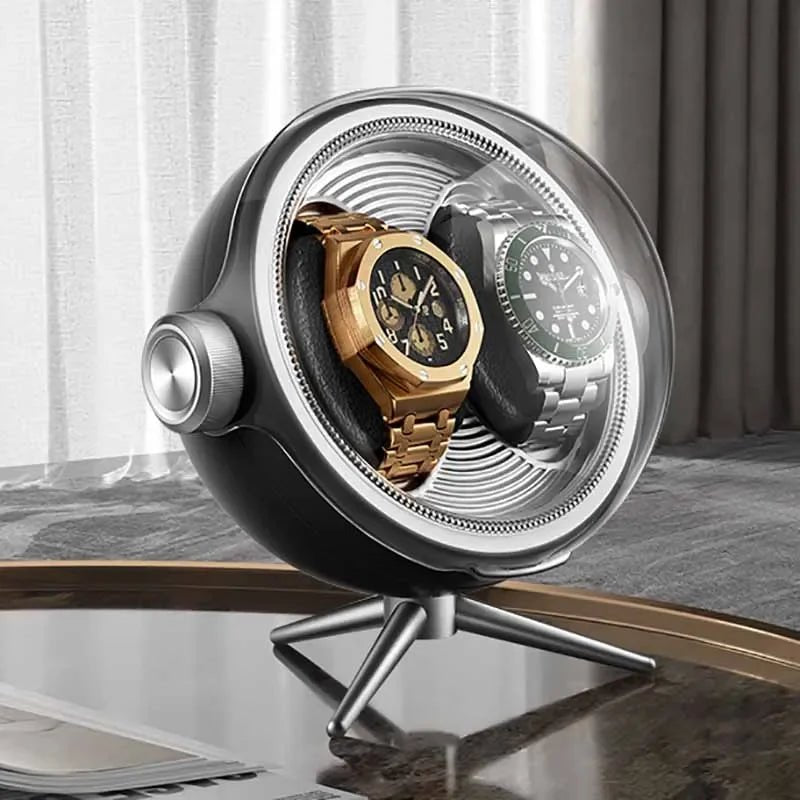
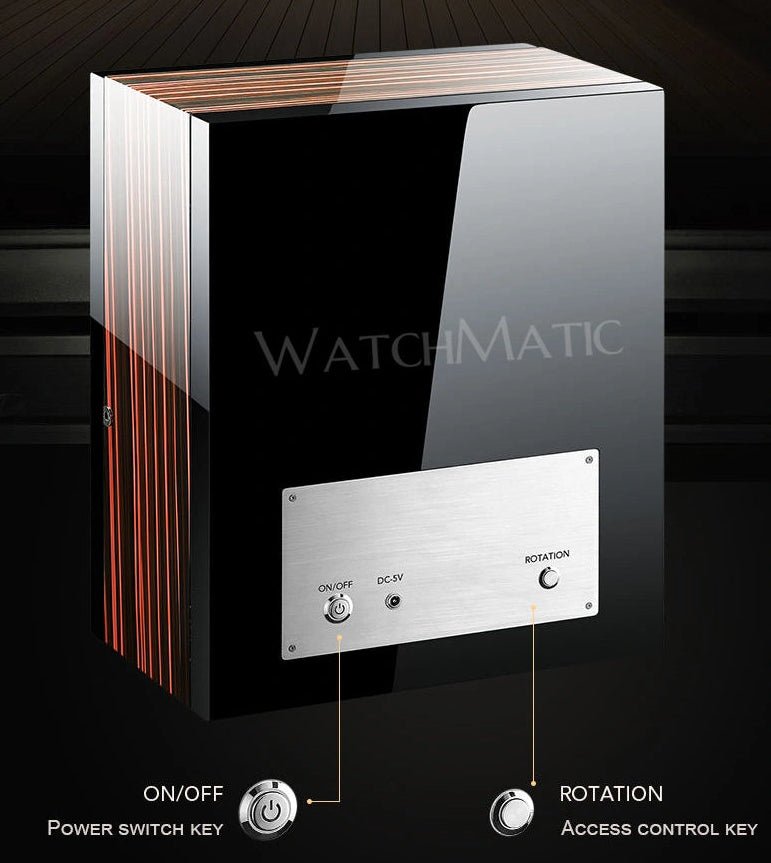
Explore WatchMatic's watch winder collection for single-watch and multi-watch storage options.
10. Should You Feel Guilty About Watches That Receive Little Wrist Time?
One of the more personal questions in watch collecting is whether every watch needs to justify its place through regular use.
There is no universal answer.
Some collectors see watches primarily as everyday objects meant to be worn. Others appreciate them as examples of design, engineering, historical significance, or personal achievement.
Both perspectives can be reasonable.
Not Every Watch Needs Equal Wear
A collector might wear a relatively affordable sports watch almost every day while reserving a rare Patek Philippe for occasional events.
That does not necessarily mean the more expensive watch is being wasted.
Its value to the owner may extend beyond daily utility.
Understand Why a Watch Remains Unworn
It can be useful to distinguish between two situations:
- Intentional preservation: you rarely wear the watch because it is a collectible, family heirloom, or special-occasion piece.
- Unintentional neglect: you no longer feel interested in wearing the watch, even when suitable occasions arise.
The first may be entirely consistent with your collecting philosophy.
The second can be a reason to reconsider how the watch fits into your collection.
Enjoyment Matters More Than a Rotation Target
If maintaining a strict rotation makes watch ownership less enjoyable, the schedule is no longer serving its intended purpose.
A watch collection should accommodate your preferences, not create an obligation to wear every piece equally.
11. Should You Sell Watches You Rarely Wear?
Limited wrist time can be a useful signal, but it should not automatically lead to selling a watch.
Before making that decision, consider why the watch remains in the collection.
Reasons to Keep a Rarely Worn Watch
- It has personal or family significance.
- It represents an important milestone.
- It is a rare or historically interesting piece.
- It provides a style or complication not represented elsewhere.
- You still enjoy owning and studying it.
- You expect to wear it during specific seasons or occasions.
Reasons to Reconsider a Watch's Place
- You consistently choose another watch with a similar design.
- The watch is uncomfortable or no longer suits your preferences.
- You no longer appreciate the model as much as you once did.
- You would prefer to direct resources toward a different collecting goal.
- Its maintenance and ownership costs no longer feel worthwhile.
These considerations are personal. A rarely worn watch can be an important part of a collection even when another piece receives significantly more wrist time.
It is also worth remembering that selling a luxury watch can involve transaction costs and market risk. Wrist time alone should not determine a financial decision.
12. Organize Your Collection Around Different Levels of Use
Once you understand your actual rotation habits, organizing the watches becomes considerably easier.
Instead of trying to make every watch part of the same weekly schedule, consider dividing the collection into three functional groups.
Group A: Your Active Weekly Rotation
This group contains watches you regularly choose throughout a typical week.
They should be conveniently accessible and stored in a way that supports frequent use.
For compatible automatic watches, programmable winders may help maintain their power reserve between wears.
Group B: Your Occasional Rotation
These are watches worn during particular events, seasons, or activities.
They do not necessarily need to remain running continuously.
Appropriate stationary storage can be a practical solution, especially when resetting the movement is not inconvenient.
Group C: Your Collector and Special-Value Pieces
This group might include rare watches, vintage models, family heirlooms, or pieces that receive little wrist time but remain important to the collection.
For these watches, secure storage, appropriate environmental conditions, careful handling, and documentation may be more important than immediate accessibility.
To explore a broader collection-management system, see How to Organize a Watch Collection Like a Professional Collector.
13. Does a Larger Collection Require a Larger Watch Winder?
Not necessarily.
The number of watches you own and the number of watches you want to keep running are separate questions.
A collector with ten automatic watches may use only three or four regularly.
Another collector with six automatic watches may rotate all six frequently and prefer to keep every piece ready to wear.
The second collector could have a greater need for winding capacity despite owning fewer watches.
Think in Terms of Active Winding Positions
Before purchasing a multi-watch winder, ask:
- How many automatic watches do I actually wear every week?
- How frequently do I switch between them?
- Which watches have complications that are inconvenient to reset?
- Do I want selected watches to remain ready to wear?
- Do the movements require different TPD or rotation settings?
These questions are more useful than simply matching the number of winding slots to the total number of watches owned.
Independent Winding Control for Mixed Collections
Collectors who own automatic watches from different manufacturers may benefit from individually programmable winding positions.
Different movements can require different Turns Per Day (TPD) and rotation directions.
Independent settings help accommodate these differences without requiring every watch to operate under the same program.
The purpose is to provide suitable winding, not to maximize the amount of time every watch spends rotating.
14. What About Storing Watches That Are Not in Your Weekly Rotation?
When a collection becomes larger than the group you regularly wear, storage requirements become increasingly important.
Watches outside the active rotation still need appropriate protection from accidental contact, dust, unsuitable environmental conditions, and unauthorized access.
Watch Boxes for Organized Stationary Storage
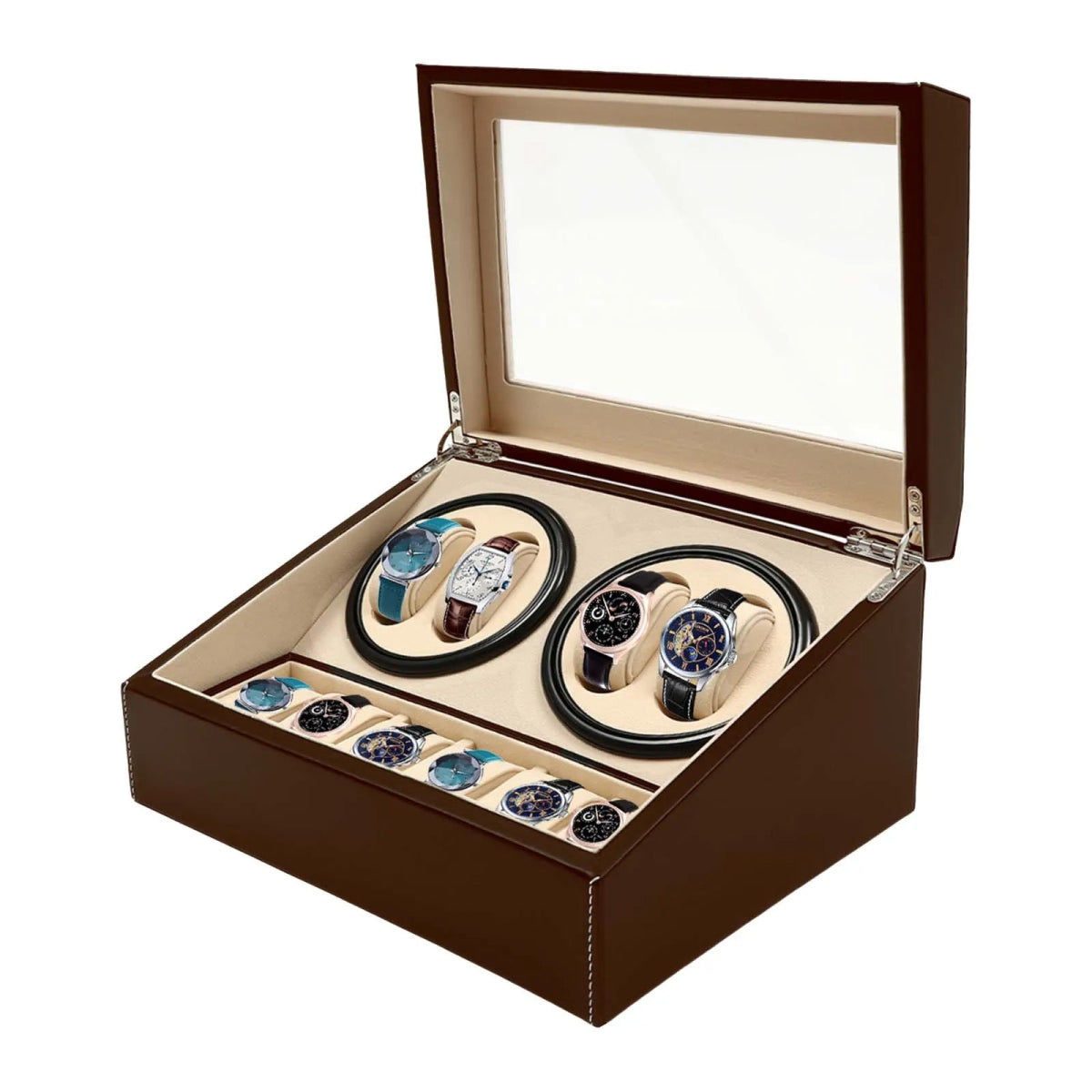
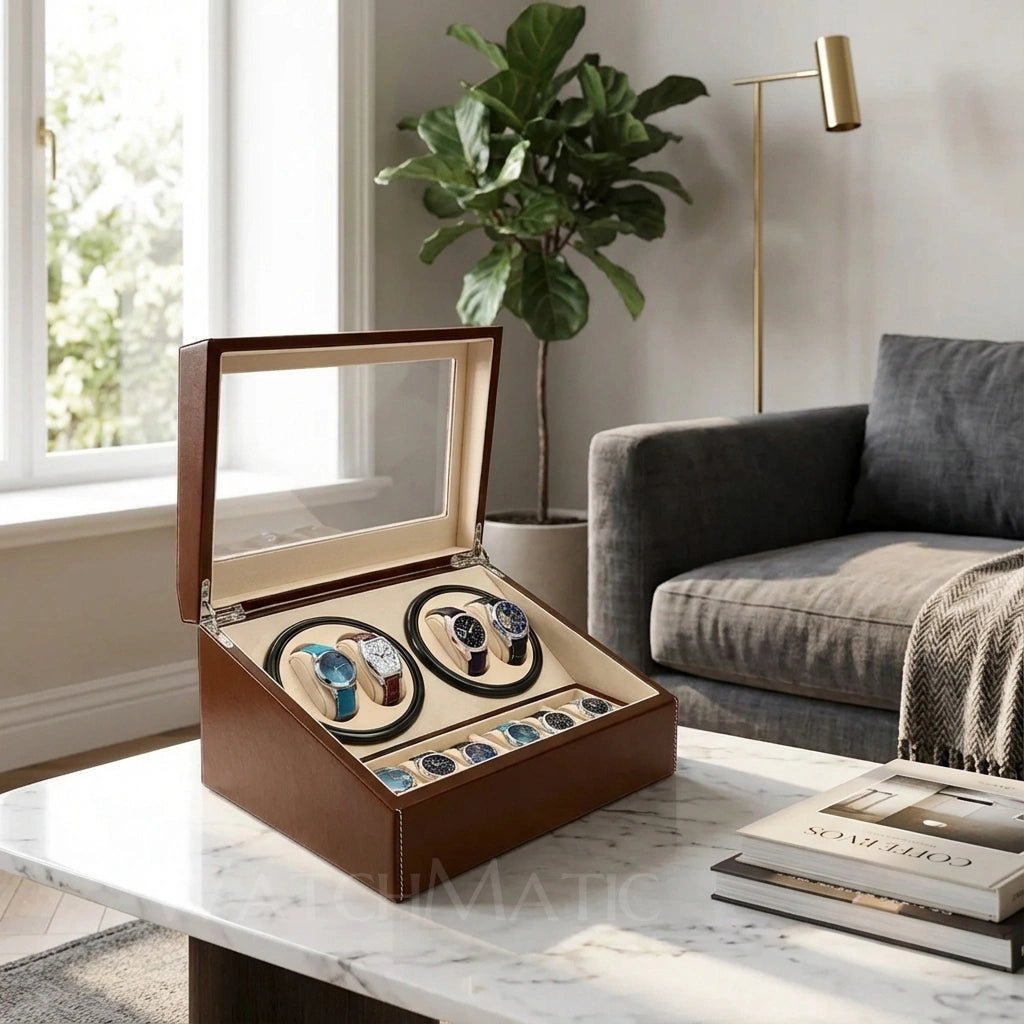
A well-designed watch box can provide individual compartments for watches that do not require active winding.
Appropriate cushions and dividers help reduce unnecessary contact between watch cases, bracelets, and clasps.
However, conventional watch boxes generally provide limited physical security against theft.
Luxury Watch Safes for Valuable Collections
For higher-value collections, a purpose-built watch safe can provide a more substantial security enclosure.
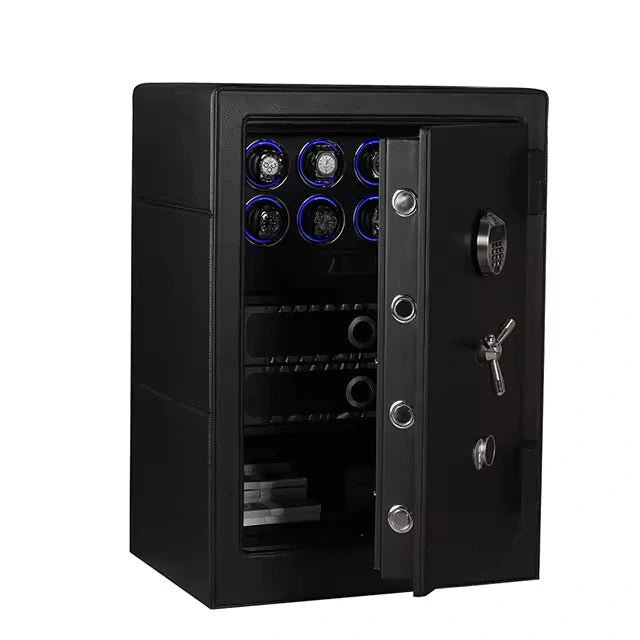
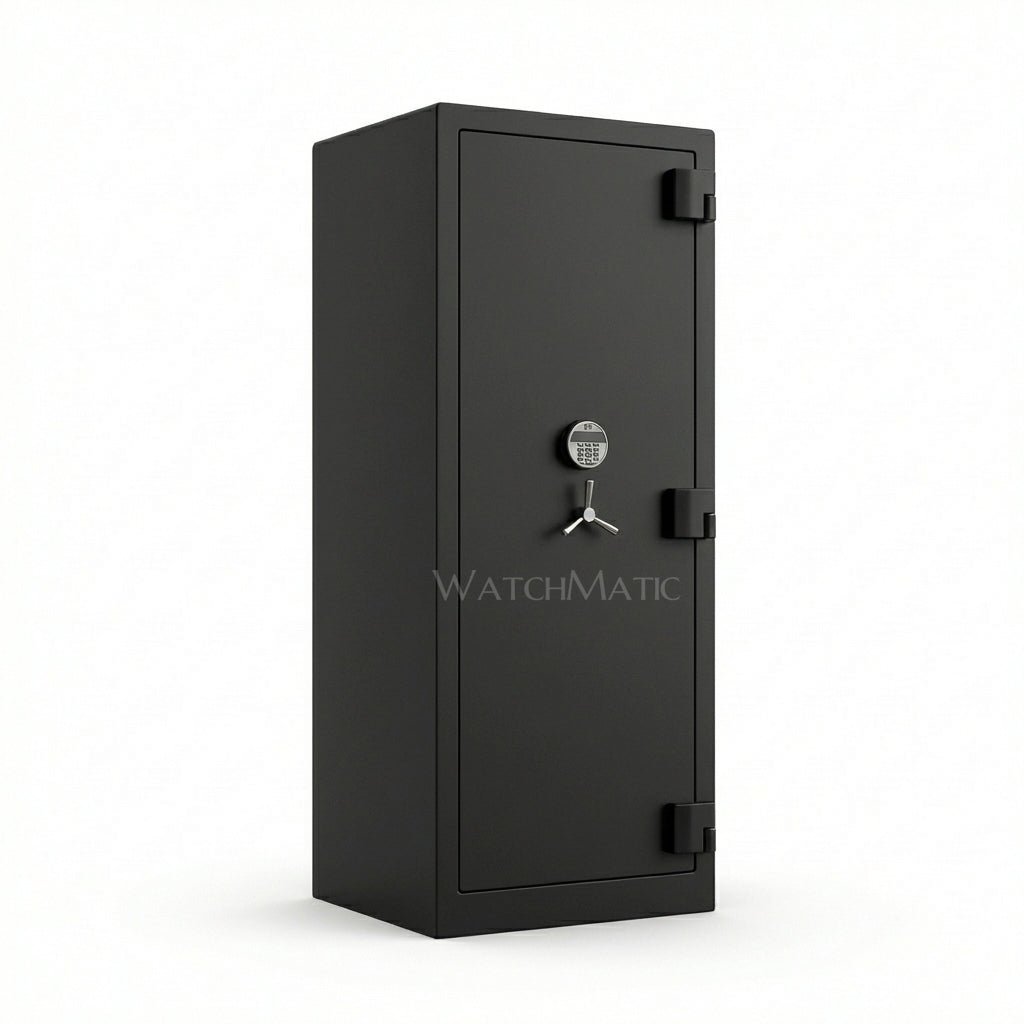
Depending on the model, a luxury watch safe may include electronic access controls, reinforced construction, specialized interior compartments, and selected certified protection options.
The actual level of burglary or fire resistance should be verified for the specific safe rather than inferred from its appearance or price.
Explore WatchMatic's luxury watch safe cabinets for dedicated collection storage.
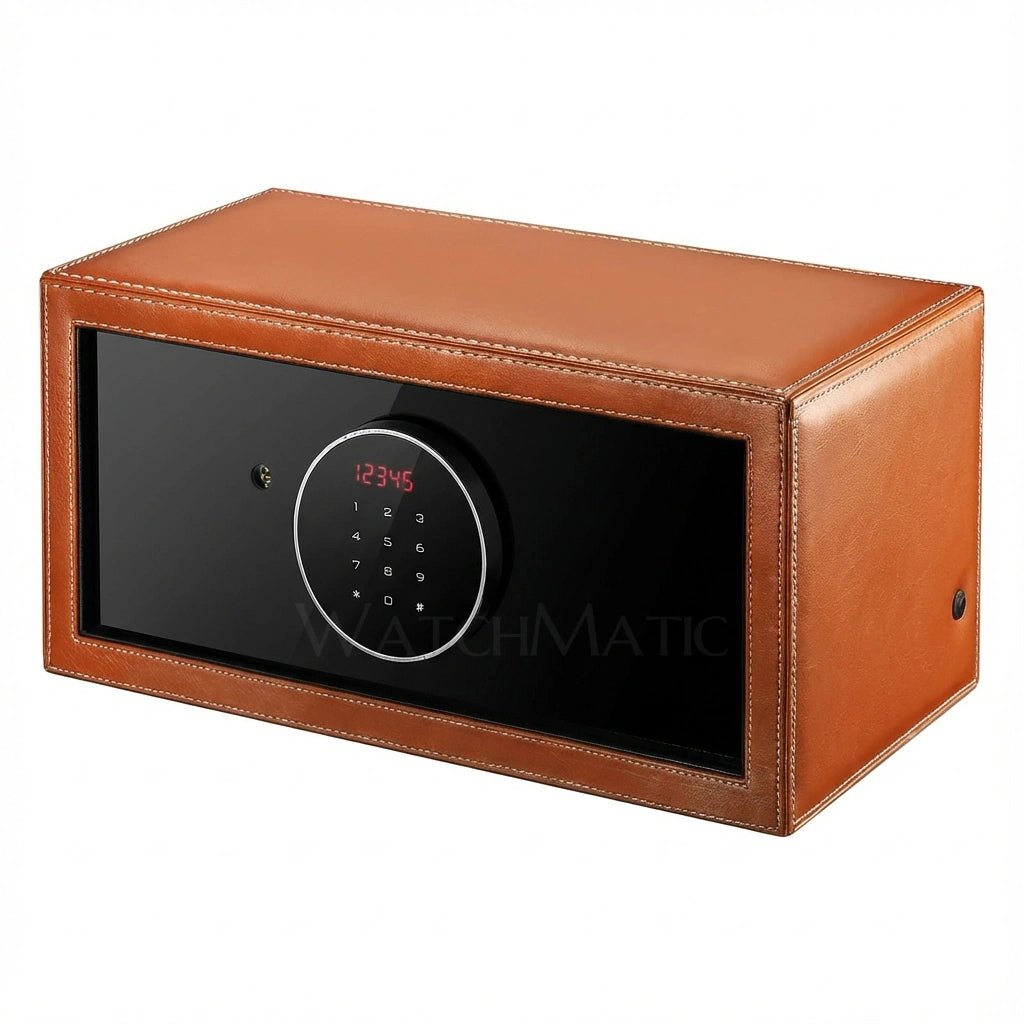
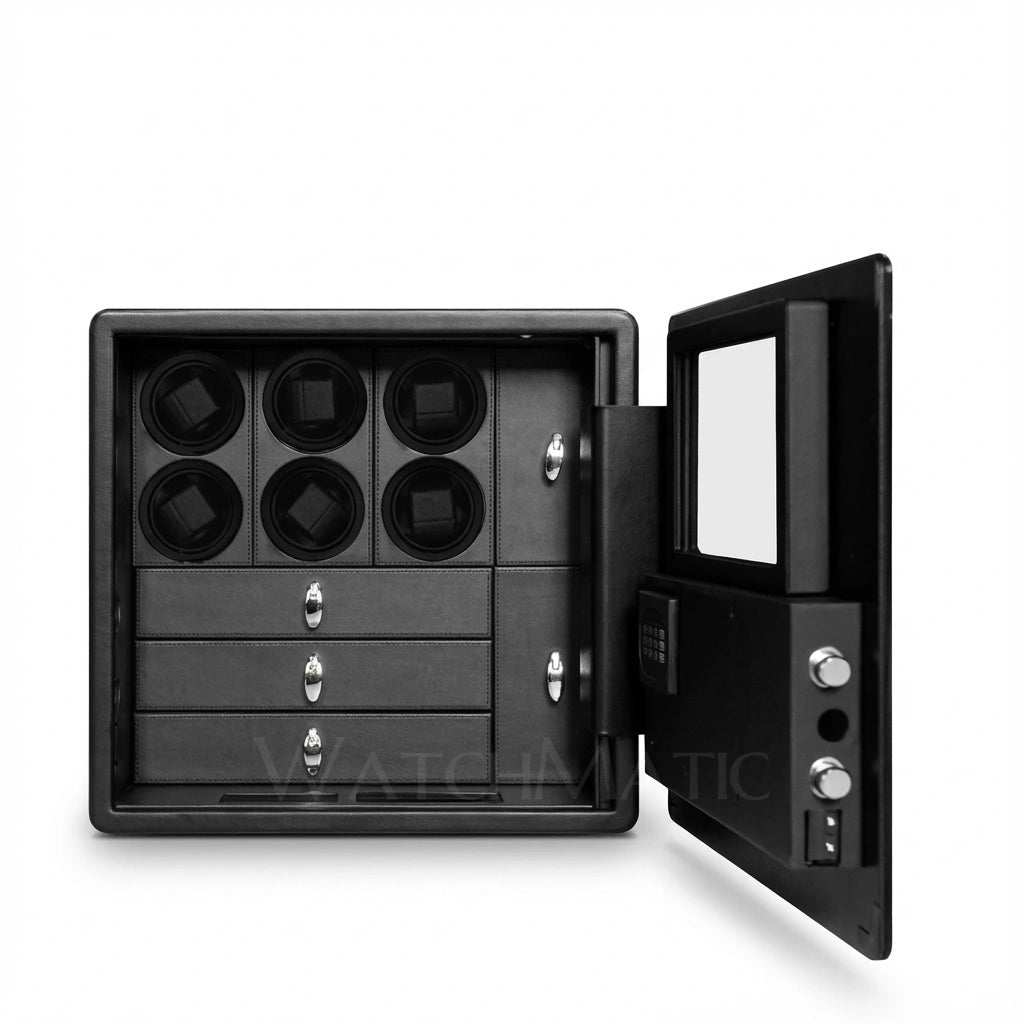
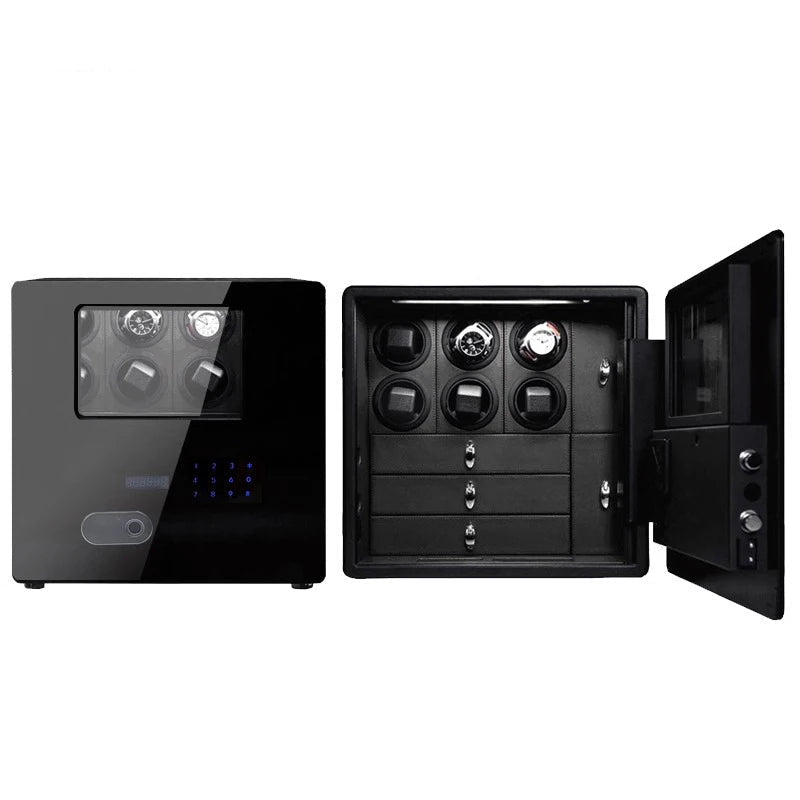
Integrated Watch Winder Safes
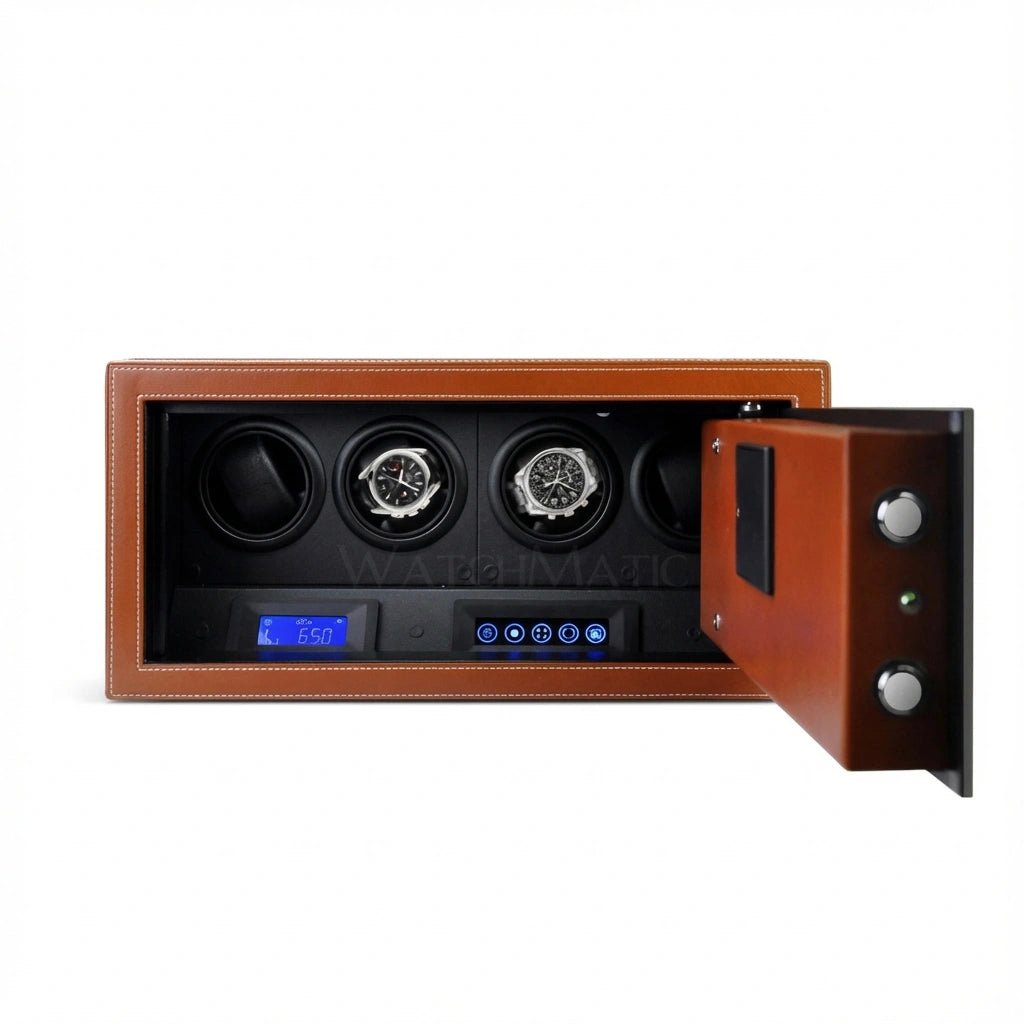
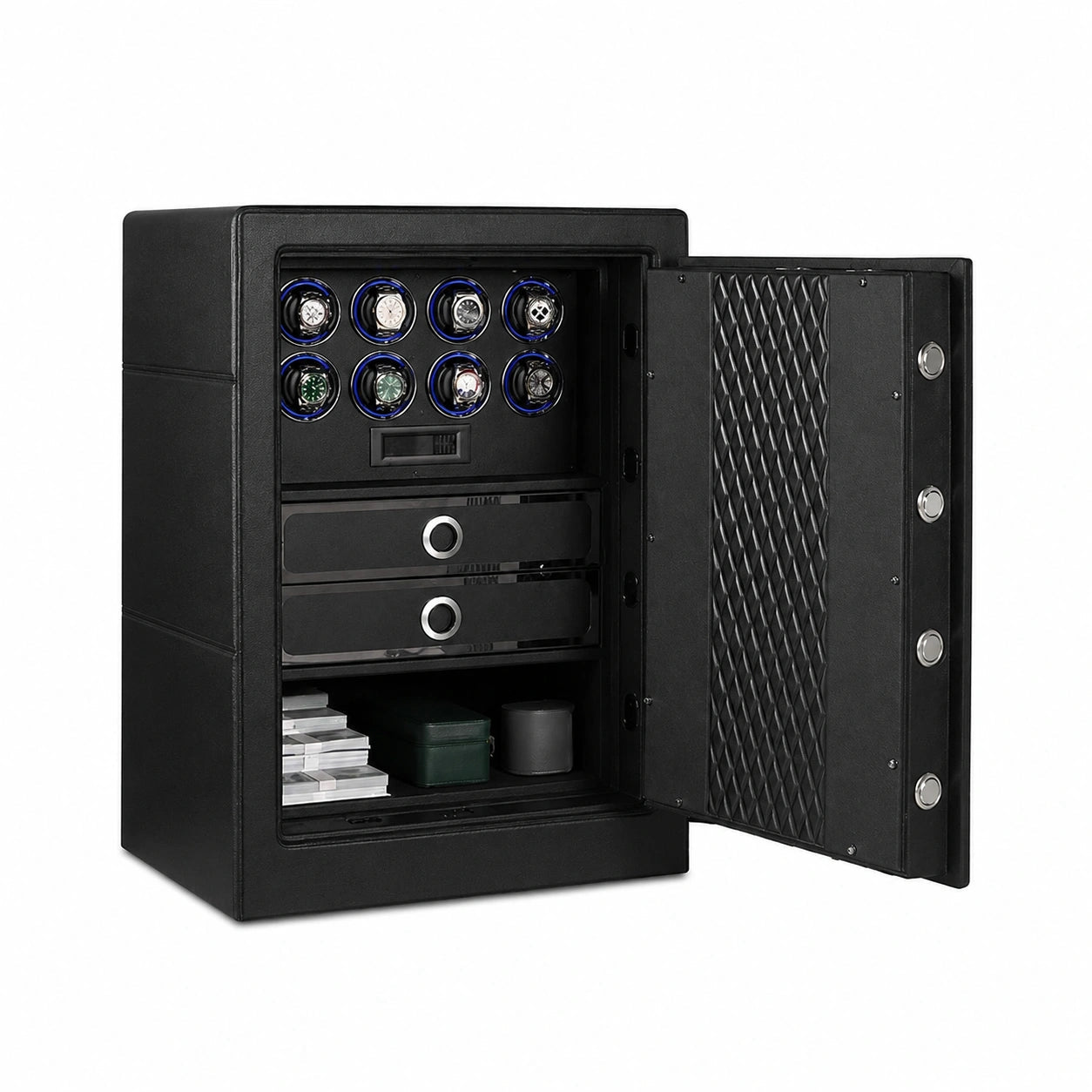
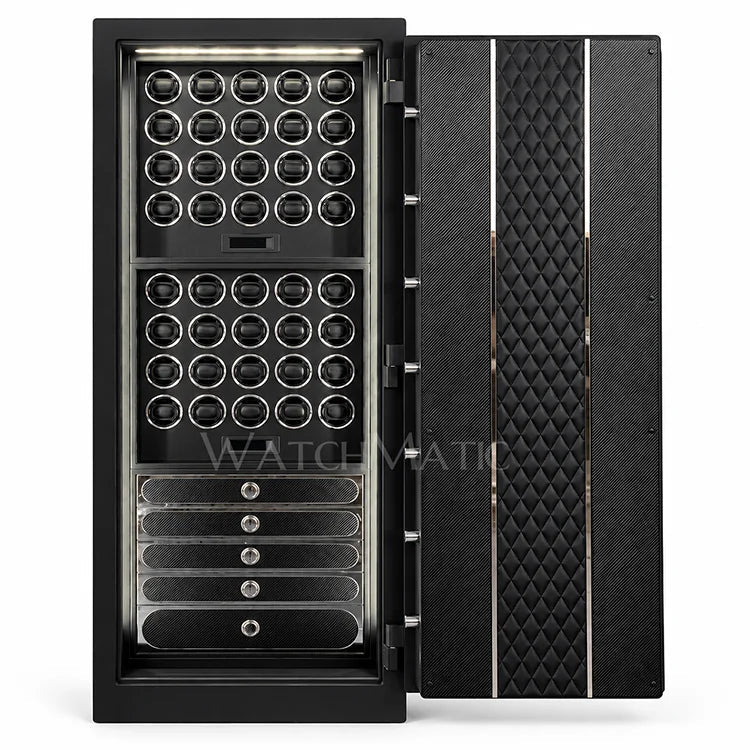
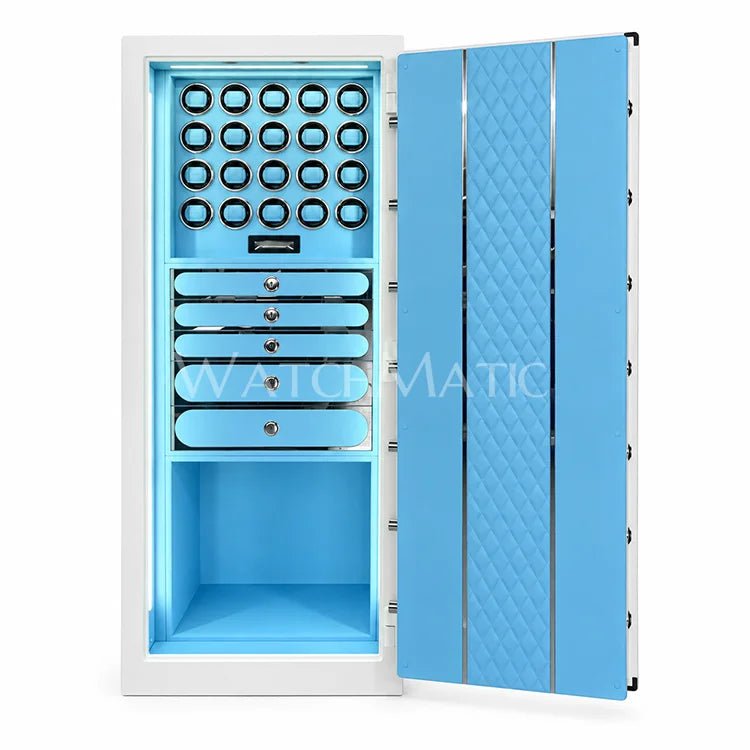
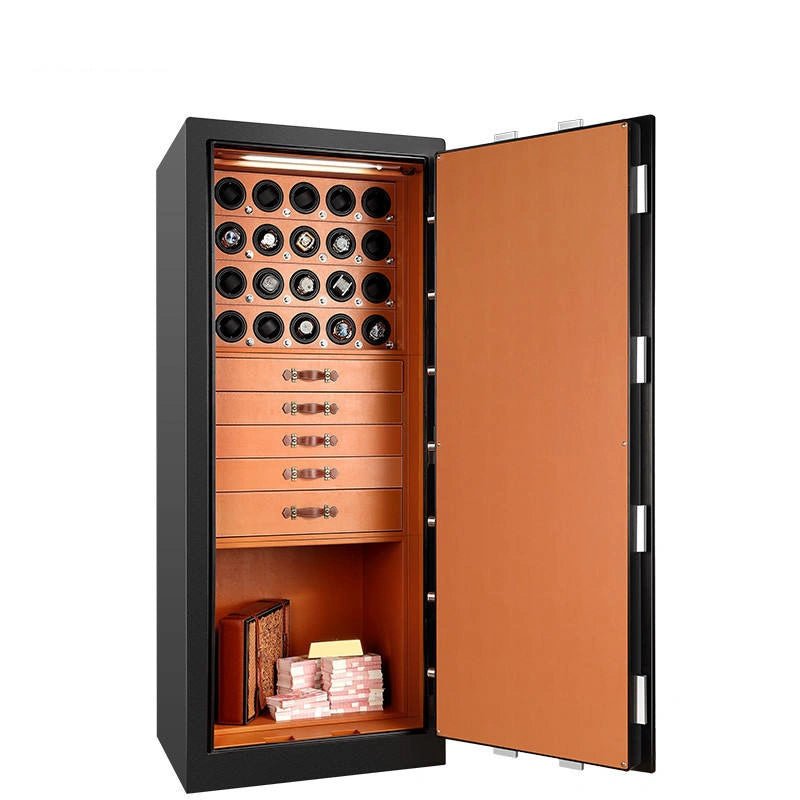
For collectors seeking both secure storage and winding convenience, a watch winder safe combines automatic winding positions with an enclosed storage system.
This can be particularly useful when a collection includes several regularly worn automatic watches alongside other high-value pieces that are stored less frequently.
The collector can maintain selected watches on appropriate winding programs while organizing the rest of the collection inside the same cabinet, depending on the safe's available configuration.
15. How to Build a Watch Rotation That Actually Fits Your Lifestyle
There is no need to create a complicated schedule. A simple process can help you understand your preferences and make more deliberate use of your collection.
Step 1: Identify Your Three Most Frequently Worn Watches
Think about the watches you reach for without hesitation.
These are likely to form the foundation of your active rotation.
Step 2: Identify the Situations Your Watches Need to Cover
Consider your typical activities:
- Office or professional wear.
- Casual daily use.
- Travel.
- Formal occasions.
- Outdoor or sporting activities.
- Special events.
You do not necessarily need a separate watch for every category. A versatile timepiece may serve several purposes.
Step 3: Introduce One or Two Additional Watches
If you want more variety, select one or two watches that receive less wrist time and include them when suitable occasions arise.
There is no need to replace your favorites permanently.
Step 4: Observe Your Actual Choices
Continue for two to four weeks.
Notice whether the additional watches feel natural to wear or whether you consistently return to your original favorites.
Step 5: Adjust Storage Around Your Actual Habits
Once your active rotation is clear, organize storage accordingly.
Keep frequently worn watches accessible, use winders where they provide genuine convenience, and store less frequently worn watches appropriately.
A practical rotation should make your collection easier to enjoy rather than requiring constant attention.
16. Common Mistakes When Trying to Wear Every Watch
Forcing Every Watch Into a Seven-Day Schedule
A weekly schedule can be useful, but treating it as a strict obligation may reduce the pleasure of spontaneous watch selection.
Not every watch needs equal wrist time.
Confusing Collection Size With Wearing Capacity
Owning twenty watches does not mean you need to wear all twenty within a week or even a month.
Collection size can reflect personal interests and long-term collecting goals rather than everyday utility alone.
Keeping Every Automatic Watch Running Unnecessarily
An automatic watch does not need to remain continuously running simply because it is part of a collection.
Use winding systems for selected watches when the convenience is worthwhile.
Ignoring Comfort and Lifestyle
If a watch rarely gets worn because it is uncomfortable or unsuitable for normal activities, a more elaborate rotation schedule will not necessarily solve the problem.
Neglecting Storage for Rarely Worn Watches
A watch that spends most of its time off the wrist still deserves appropriate storage.
Do not leave valuable pieces loose in drawers or exposed where they may be scratched, misplaced, or accessed without authorization.
Judging a Collection Only by Wrist Time
Some watches are collected for their history, rarity, significance, or craftsmanship.
Low wrist time does not automatically mean the watch has no place in the collection.
Frequently Asked Questions About Weekly Watch Rotation
How many watches can you realistically wear in one week?
If you normally wear one watch per day, seven different watches is the maximum number of distinct daily selections in a seven-day week. However, you may prefer rotating between two to four watches or wearing one favorite most days. There is no universal ideal number. It depends on your lifestyle and how frequently you enjoy changing watches.
Is owning 10 watches too many if I only wear three regularly?
Not necessarily. A collection can include frequently worn watches, special-occasion pieces, vintage watches, and personally significant timepieces. Wearing only three regularly does not automatically make the other seven unnecessary. Consider whether the remaining watches still provide enjoyment, meaning, or a distinct role in your collection.
Should I wear a different watch every day?
Only if you enjoy doing so. Wearing a different watch daily can provide variety, but it is not necessary for maintaining a collection. Some collectors prefer using one watch for several consecutive days, while others change according to outfits, activities, or personal preference.
How often should I rotate my automatic watches?
There is no fixed rotation schedule required for automatic watches. You can change them daily, weekly, or less frequently according to your preferences. Automatic watches may stop when their power reserves are exhausted, which is normal. A properly configured winder can help keep selected watches ready between wears if that convenience is important to you.
Is it bad to leave an automatic watch unworn for a week?
Generally, no. A properly functioning automatic watch may stop after its stored power reserve runs out, and this does not automatically indicate damage. Store the watch according to the manufacturer's recommendations and restart it appropriately before wearing it again. Persistent performance problems should be evaluated by a qualified watchmaker.
Do I need a watch winder if I rotate three automatic watches?
Not necessarily. If you do not mind manually winding and resetting a stopped watch, a winder may provide little additional value. However, if you switch between three automatic watches frequently and prefer each one ready to wear, a programmable watch winder can offer useful convenience.
How many watch winders do I need for a collection of 12 watches?
It depends on how many of those watches are automatic and how many you want to keep running. If only four automatic watches are part of your regular rotation, four winding positions may be sufficient. The remaining watches can be stored in appropriate stationary compartments, depending on their movement types and storage needs.
Should I sell a watch if I never wear it?
Low wrist time is one factor to consider, but it should not be the only reason to sell. A watch may have sentimental, historical, or collectible significance. If you no longer enjoy the watch and it no longer serves a purpose in your collection, reassessing ownership may be reasonable. Financial considerations should be evaluated separately.
Is a three-watch rotation enough for a serious collector?
Yes. Three carefully selected watches can cover a wide range of situations, particularly when they offer complementary styles and functions. Being a serious collector is not determined by how many different watches you wear each week.
Can I wear two different watches in the same day?
Yes. Some collectors change watches between work and evening activities, while others switch according to outfits or personal preference. There is no mechanical requirement limiting you to one watch per day. However, frequently changing watches is a personal choice rather than a collecting necessity.
What is the best way to store watches outside my weekly rotation?
Use suitable storage that protects each watch from unnecessary contact, environmental exposure, and accidental damage. Watch boxes can provide organized stationary storage, while properly specified luxury watch safes offer additional physical security for valuable collections. Automatic watches do not necessarily need continuous winding while stored.
Does wearing a watch more often make it last longer?
Not necessarily. Regular use is part of normal watch ownership, but wearing a watch more frequently does not guarantee a longer mechanical lifespan. Longevity depends on movement condition, correct operation, servicing, environmental exposure, and appropriate handling. A watch winder is a convenience device and does not replace professional maintenance.
Final Thoughts: Wear the Watches You Love, Not Just the Ones You Own
There are only seven days in a week, but a watch collection does not need to be limited to seven timepieces.
For some enthusiasts, one exceptional watch provides everything they need. Others enjoy rotating between three or four favorites, while dedicated collectors may maintain much larger collections with watches assigned to different seasons, occasions, and personal interests.
The important distinction is between ownership and actual use.
A collection of twenty watches does not necessarily mean that twenty different watches should receive wrist time every week.
Instead, consider how your watches fit into your lifestyle. Identify the pieces you wear most frequently, understand why certain watches remain in storage, and create a rotation that feels natural rather than obligatory.
For automatic watch collectors, programmable winding systems can make frequent rotation more convenient by keeping selected timepieces running between wears.
For larger or more valuable collections, organized watch boxes, watch safes, and integrated winding cabinets can help provide appropriate storage for watches that are not currently being worn.
At WatchMatic, we offer luxury watch winders, watch winder safes, and bespoke storage solutions to help collectors manage both their active rotation and the wider collection.
A meaningful watch collection is not defined by how many watches you manage to wear in seven days. It is defined by the enjoyment, purpose, and personal significance those watches bring to your life.